Buyer Fit Snapshot
| Best fit | Custom Brand Color Poly Mailers projects where brand print, material claims, artwork control, MOQ, and repeat-order consistency need to be specified before quoting. |
|---|---|
| Quote inputs | Share finished size, material target, print colors, finish, packing count, annual reorder estimate, ship-to region, and any compliance wording. |
| Proofing check | Approve dieline scale, logo placement, barcode or warning zones, color tolerance, closure strength, and carton packing before bulk production. |
| Main risk | Vague material claims, crowded artwork, missing packing details, or unclear freight terms can make a low unit price expensive after revisions. |
Fast answer: Custom Brand Color Poly Mailers: Film, Print, MOQ, and Carton Packing should be specified like a repeatable production item. The safest quote records material, print method, finish, artwork proof, packing count, and reorder notes in one written spec.
Production checks before approval
Compare the actual filled-product size with the drawing, then confirm tolerance on folds, seals, hang holes, label areas, and retail display edges. Reserve space for logos, QR codes, warning copy, and material claims before decorative graphics fill the panel.
Quote comparison points
Review material grade, print process, finish, sampling route, tooling charges, carton quantity, and freight assumptions side by side. A quote is only useful when the supplier can repeat the same color, closure quality, and packing count on the next order.
Custom brand color poly mailers do quiet but visible work before a customer ever opens a shipment: they carry the brand color, frame the product, and signal intent in a way plain packaging rarely does. A sharp mailer can make a parcel feel deliberate the moment it leaves the carrier’s truck, which is one reason custom brand color poly mailers have become useful for apparel labels, subscription kits, and other lightweight retail shipments.
A packaging buyer usually has a more exacting question than “does it look good?” Color consistency matters, yes. So does film thickness, closure strength, freight weight, and whether the order lands at a price and timeline that actually fit the business. That practical side of custom brand color poly mailers is where smart ordering decisions save money, time, and a few headaches that never show up in a mockup.
What Custom Brand Color Poly Mailers Are and Why They Stand Out
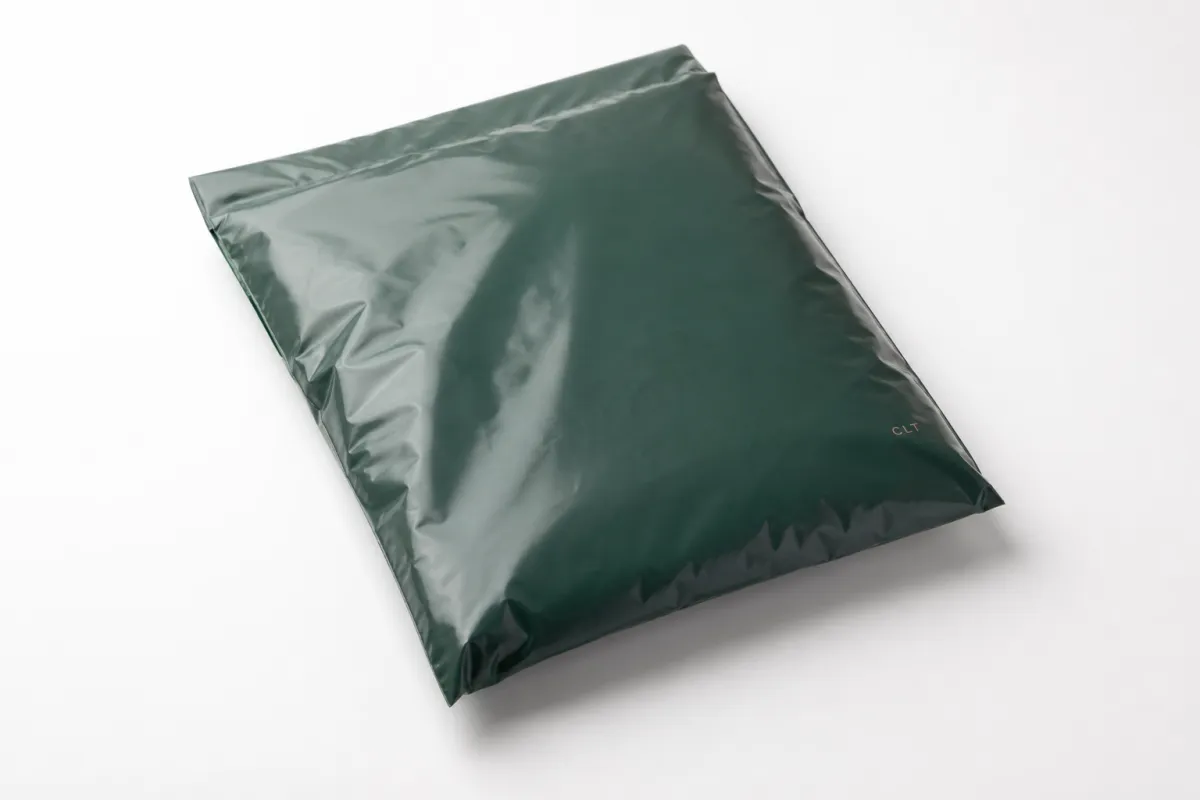
Custom brand color poly mailers are shipping bags built to match, echo, or sit close to a brand palette, often with a logo, pattern, slogan, or simple mark printed on top. The bag itself becomes part of the brand system instead of functioning as a plain container. That matters because color often lands in a customer’s attention before the logo does, especially when a parcel is stacked with others or moving quickly through a warehouse and carrier network.
The visual result is easy to see, but the operational upside is just as useful. A mailer in a strong brand color can make the unboxing experience feel cleaner, reduce the sense that the shipment is generic, and make even a small product line feel more intentional. That is one reason custom brand color poly mailers are so common among direct-to-consumer brands that want branded packaging without moving all the way to heavier Custom Printed Boxes.
Customization goes further than many buyers expect. The film color can be tinted or printed, the logo can sit on one side or both, the finish can be gloss or matte, and the thickness can be set for lightweight apparel, denser textile bundles, or small boxed goods. Seal style matters too. A standard peel-and-seal closure works for many uses, while a second adhesive strip can support returns or reuse. Sizes span a wide range, from slim mailers for tees to larger formats for hoodies or mixed product packaging.
The part many teams overlook is simple: custom brand color poly mailers are not only about looking premium. They also help a brand stay recognizable in transit, on social content, and in the hands of a fulfillment team. Once a customer sees the same color on a website, in a post, and on the parcel in front of them, the brand identity feels more connected. That sort of consistency is often cheaper to achieve with custom brand color poly mailers than with more complex packaging systems.
A good mailer has to pull double duty: protect the shipment and make the brand recognizable before the box cutter comes out.
If you are comparing formats across your packaging design stack, it helps to think of Custom Poly Mailers as the lightweight, cost-conscious branch of a broader packaging system. For a wider view of options, visit our Custom Packaging Products page, or browse Case Studies to see how other teams balance appearance, Cost, and Fit.
- Fast recognition: the color itself can carry brand identity before print is even noticed.
- Lower freight weight: poly mailers usually cost less to ship than rigid cartons.
- Flexible branding: they work well for logos, repeat patterns, and simple callouts.
- Practical protection: the film helps shield soft goods from moisture and handling scuffs.
In practice, the strongest programs are not the loudest ones. They are the ones where the mailer color, print layout, and product category all agree with each other. I have seen brands try to force a bright, high-gloss look onto a utilitarian shipment, and the result was oddly off. A calmer shade with a clean mark on the face of the bag often lands better. Funny how that works.
How Custom Brand Color Poly Mailers Are Made and Printed
Most custom brand color poly mailers begin with polyethylene film, usually LDPE or a co-extruded blend chosen for flexibility, tear resistance, and moisture protection. The film is formed into a bag, then printed, sealed, and finished with adhesive strips or other closure features. That structure sounds simple, yet the details shape color quality, puncture resistance, and the way the finished bag feels in the hand.
Color can be introduced in two broad ways. One option tints the film itself, giving the whole bag a colored base. Another prints color over a white or lightly tinted base. Each method has tradeoffs. A tinted film can create a cleaner overall look, but exact matching can be harder if the brand color is very specific. Printed color over a white base often gives more control, though the final appearance depends on ink laydown, surface finish, and how much of the bag is covered. For custom brand color poly mailers, those choices shape both the visual result and the cost structure.
Printing methods also influence the outcome. Flexographic printing is common because it handles production efficiently and works well for repeat graphics, spot colors, and long runs. Gravure-style production can support very consistent print quality across large quantities, though it usually brings a different setup profile. The main point for buyers is straightforward: each method balances setup, repeatability, and color range differently, so the best route depends on quantity and how strict the color target is.
Artwork preparation is another place where custom brand color poly mailers either stay on schedule or get stuck. Vector logos, clean spot colors, and a specific color standard usually produce better results than a screenshot pulled from social media. If the brand color is mission-critical, the supplier needs a clear target, such as a Pantone reference or a controlled print sample, rather than a vague “close enough” description. That holds true for branded packaging in general, including custom printed boxes, but it becomes more visible on flexible film, where the surface can shift how color reads.
Finish matters too. A gloss surface tends to make color appear brighter and more reflective, while matte softens the look and gives the package a quieter feel. Opacity matters as well, because thinner or less opaque film can let light influence the color more than expected. A brand color that looks rich on a monitor may read darker, flatter, or slightly warmer once it becomes a physical poly bag. That is not a defect; it is part of printing on plastic film.
For teams that care about transit performance as much as appearance, it makes sense to compare packaging against industry testing language. The ISTA transport testing standards are useful reference points when a shipment has to survive drops, vibration, and distribution handling, while the EPA offers practical guidance on reducing wasted material and thinking through packaging choices more carefully.
Why film finish changes the final color
Glossy film reflects more light, which can make the same ink or tint appear cleaner and brighter. Matte film scatters light more, so the color may feel deeper but slightly less vivid. In custom brand color poly mailers, that difference is often enough to change a buyer’s approval decision, especially if the brand palette depends on a precise visual cue.
If you are building a packaging design system that spans mailers, labels, inserts, and seasonal kits, it helps to treat the mailer as part of the same family as your product packaging rather than as an isolated afterthought. That mindset usually leads to better consistency across the shipping experience.
There is also a manufacturing wrinkle that gets missed a lot: the same shade can behave differently depending on how much print coverage it has. A full-bleed custom brand color poly mailer may look richer than a bag with a single corner logo because the eye is reading a larger color field. In a warehouse light, that difference can be surprisingly obvious. In my experience, approving only the logo and not the full face of the bag is how teams end up muttering, “Wait, that’s not the same blue,” after delivery.
Key Factors That Affect Color, Durability, and Fit
Color accuracy is usually the first thing buyers ask about, but it is only one piece of a good spec. Custom brand color poly mailers also need to survive handling, fit the product properly, and close securely. If any one of those pieces is off, the mailer can look fine on a proof and still cause problems in real use.
Exact Pantone matching may be possible in some cases, yet it is never only a Pantone question. Film chemistry, print process, surface finish, and opacity all shape the result. A color that looks very close on a screen proof may shift slightly once it is printed on polyethylene. Buyers who understand that limitation tend to get better outcomes because they ask for the right proof type and set a realistic tolerance before production begins.
Thickness is another practical lever. A heavier gauge may improve puncture resistance and make the bag feel more substantial, but it also raises cost and can change the appearance of the color. Many apparel shipments sit in the 2.5 to 3 mil range, while more demanding applications may need thicker film. If the product includes edges, hardware, or dense bundles, the mailer should be spec’d more like a protection tool than a purely visual item.
Fit deserves more attention than it often gets. Overstuffed mailers can strain seams and pressure the adhesive closure, while oversized bags can look wasteful and may cost more to ship because of dimensional weight or inefficient packing. The right size usually comes from the product’s outer dimensions, not the retail label size. A T-shirt, folded denim item, or multi-piece kit can all behave differently once compressed into a poly mailer.
Seal strength, tear resistance, waterproofing, and closure style matter as well. A tamper-evident peel-and-seal strip can be a smart choice if the shipment goes straight to a consumer, while a second adhesive strip may help if returns are expected. For brands that want a more polished hand feel, some custom brand color poly mailers also include a cleaner edge finish or an adhesive strip hidden behind the flap, which reduces visual clutter without changing the basic function.
Display conditions are easy to overlook. A brand color that looks rich in an office sample may read flatter under warehouse LEDs or slightly darker in direct daylight. That matters if your team approves packaging in one environment and ships from another. It is one reason buyers should review physical samples whenever possible, especially if the color sits at the center of brand identity.
For a quick reference point, here is a practical comparison of common options. These numbers are illustrative, and the real quote will depend on size, quantity, material availability, print coverage, and the level of color control required.
| Option | Typical Unit Price at 5,000 Pieces | Color Control | Best Use Case |
|---|---|---|---|
| Stock white mailer with one-color print | $0.18-$0.28 | Moderate | Simple branding, lower-cost launches |
| Tinted stock film with one-color print | $0.20-$0.32 | Good, but finish-dependent | Color-led brand packaging with moderate volume |
| Fully custom color film with print | $0.24-$0.40 | Higher, with proofing | Stronger brand identity and repeat programs |
| Heavier gauge or multi-color custom brand color poly mailers | $0.28-$0.48 | High, but more setup work | Premium apparel, kits, or tougher shipment profiles |
That table shows the basic tradeoff: custom brand color poly mailers become more expensive as the spec becomes more specialized, but the visual return can improve sharply. The right answer depends on whether the brand wants a simple color cue, a higher-end unboxing experience, or a more durable shipping format that protects the contents better than a thin entry-level bag.
If you need a reference point for transit risk, many packaging teams compare their package profile against ISTA procedures and then decide whether the mailer should be tested more like a shipping component or more like a retail packaging element. That mindset usually prevents overpromising on style while underestimating carrier handling.
One more practical detail: poly film can behave differently in cold and warm conditions. Bags stored in a hot back room may feel softer and slightly more pliable, while the same product pulled from a cold dock can feel stiffer. That does not mean the mailer is bad. It just means the environment is part of the spec, even if it never shows up on the quote sheet.
Custom Brand Color Poly Mailers Cost, MOQ, and Quote Basics
Custom brand color poly mailers are a classic case where unit price only tells part of the story. Full cost depends on size, thickness, print colors, color matching demands, base film, packaging style, and whether the order uses stock material or a fully custom run. Buyers who compare only the final unit price sometimes miss setup charges, freight, or the extra time needed to source an exact color match.
MOQ, or minimum order quantity, usually exists because setup efficiency has a real cost. A supplier may need to run a certain amount of film, plates, or print setup just to get the job moving. That is why smaller runs can be possible but often carry a higher per-bag cost. For custom brand color poly mailers, the pricing curve tends to improve as quantity rises, because the same setup work is spread across more pieces.
To make quote requests easier, gather the basic facts before you reach out. A buyer who sends dimensions, intended product weight, print sides, artwork files, and color references is much more likely to get a clean quote quickly. If the order is for apparel or soft goods, note the folded size and whether the package will include inserts, return cards, or other elements. That extra detail helps the supplier judge fit and strength without guessing.
Hidden costs can appear in places buyers do not always expect. Plates, revisions, specialty inks, proof charges, rush production, and shipping upgrades may all affect the final total. None of these are unusual, but they should be visible before approval. A quote that looks cheap at first can become less attractive once the real production steps are added back in. That is why experienced packaging buyers often compare landed cost instead of only unit cost.
For teams ordering custom brand color poly mailers at scale, the best quote is usually not the lowest one. It is the one that balances the right spec, the right lead time, and a color result that the brand will not regret six months later. That is especially true if the mailer is part of a broader branded packaging system that includes inserts, tissue, labels, and maybe even a secondary carton for premium lines.
What to send in a quote request
- Dimensions: finished mailer size, not just product size.
- Quantity: target order size plus a second quantity break for comparison.
- Film thickness: enough information to judge durability and cost.
- Print details: one side or two, number of colors, and artwork files.
- Color reference: Pantone, sample photo, or a physical target if available.
- Use case: apparel, kits, accessories, or other product packaging.
One practical question helps a lot: do you want the color to be exact, or do you want the color to be close and production-friendly? That distinction matters because custom brand color poly mailers can be built around precision, but precision usually brings more proofing, more setup care, and a slightly higher price.
Below is a more realistic way to think about quote structure. A smaller order may be possible at a lower total spend, but the per-piece price will often look much higher because fixed setup work is spread over fewer units. Larger runs usually improve efficiency, but only if storage and usage timing make sense for the business.
- Smaller run: lower total cash outlay, higher unit price, faster to test.
- Mid-volume run: often the best balance for growing apparel brands.
- Large run: better unit economics, but more inventory to store and manage.
One subtle point here: some suppliers quote a package price that looks tidy until freight is added. If the bags are coming from overseas, ocean timing, port delays, and domestic delivery can change the final math more than people expect. I have seen a “cheap” quote turn into the expensive one after the freight bill landed. That is why landed cost is the cleaner number to compare.
Process, Timeline, and Lead Time for a Custom Order
The usual path for custom brand color poly mailers starts with an inquiry, moves into art review, then proofing, production, packing, and shipment. That sequence sounds ordinary, but the time spent at each step can swing a lot depending on how ready the artwork is and how clearly the color target is defined. A smooth order is usually less about speed and more about removing uncertainty early.
Lead time often gets lost in three places: artwork cleanup, proof revisions, and material availability. If the file is not press-ready, if the brand color is not defined clearly, or if approval feedback comes back slowly, the schedule slips. That is why a supplier will often ask for vector files, print-ready layout, and a color reference before committing to a production window. The better the prep, the better the timing.
Material availability matters too. A standard printed mailer built from stock film usually moves faster than a project that needs a specific custom tint or an uncommon size. When custom brand color poly mailers require both a unique film color and a print program, the lead time generally stretches because the supplier has to coordinate more production variables. For many buyers, a practical planning window is often 12 to 15 business days from proof approval for a straightforward run, then additional time for freight.
What helps speed things up? Tight artwork, fast responses, and realistic choices. A buyer who knows the quantity, color target, and print sides before requesting a quote can often save days right away. Picking a print method that matches the quantity also helps. There is no reason to force a production style that suits a very large run if the order is modest. A packaging partner can usually suggest a better route if the brief is clear.
Inventory planning is another real-world issue. Many teams wait until the old stock is nearly gone, then scramble to replace it with custom brand color poly mailers. That pattern invites rushed approvals and unnecessary rush charges. It is much healthier to order before a launch, before a seasonal spike, or before a rebrand ships to customers. A small buffer in stock usually costs less than expedited freight and stressful artwork revisions.
If the order is part of a larger packaging refresh, it can help to align the mailer schedule with labels, inserts, and other elements of package branding. That way the whole shipment lands together instead of one piece of branded packaging arriving weeks before the next. Consistency is easier to maintain when the timing is planned as a set.
A practical timeline view
- Day 1-2: request, quote review, and spec confirmation.
- Day 2-4: artwork cleanup and digital proofing.
- Day 4-7: revisions, color approval, and final sign-off.
- Day 7-15: production for many standard custom brand color poly mailers runs.
- After production: packing, freight booking, and transit time.
That schedule is not fixed, and it should not be treated as a promise. It is simply a realistic way to think about the order. A simpler design can move faster, while a highly controlled color target or a special closure style will usually add time. The important part is knowing where the time is going before the project is approved.
There is also a timing trap around holidays and product launches. A brand can approve a bag with plenty of margin in September and still end up short in November because the same supplier is suddenly buried under seasonal demand. Planning early is boring, yes, but boring is cheaper than air freight. That is the kind of sentence nobody likes to hear until they are paying for a rush order.
Common Mistakes When Ordering Custom Brand Color Poly Mailers
One of the biggest mistakes buyers make is assuming a screen color equals a production color. Digital mockups are useful, but they can make custom brand color poly mailers look brighter, cleaner, or more saturated than the physical bag will ever be. That does not mean mockups are useless; it means they should be treated as a guide, not as final evidence.
Another common problem is choosing color before the size and product weight are finalized. If the mailer is too small, the seams can strain. If it is too large, the package may look wasteful and can cost more to move through the shipping system. A brand that buys color first and fit later often ends up revising the order, which is exactly the kind of delay and cost increase that good planning is supposed to prevent.
Artwork issues create another avoidable delay. A logo that is still rasterized, a file with unclear color values, or a layout that does not separate cleanly for print can hold up the schedule. With custom brand color poly mailers, a little file discipline goes a long way. Even small brands benefit from sending a clean vector logo, a short note on print placement, and a clear brand color reference.
Shipping conditions matter more than many people assume. A mailer used for folded tees faces a different stress pattern than one carrying rigid boxes, hard accessories, or dense multi-piece kits. The seam load, puncture risk, and closure demands all change. So do the visual expectations. A bag that looks excellent for lightweight apparel may be underbuilt for a heavier product bundle.
The last trap is over-customization. Buyers sometimes ask for every possible feature, then discover the run is slower and pricier than necessary. In many cases, a closer production-friendly color and a simpler print layout will do the job beautifully. The brand still gets a clear visual signature, but the order stays more manageable and the result is easier to repeat. That is often the smarter move for custom brand color poly mailers, especially when the goal is steady brand recognition rather than a one-off special effect.
Most packaging mistakes do not come from bad taste. They come from incomplete specs.
If you are unsure whether your shipment needs a light-touch mailer or something closer to a protective retail packaging component, ask yourself what the package is really protecting: the product, the presentation, or both. That one question usually clears away a lot of confusion.
Another mistake I see is approving a color in one setting and shipping from another. A shade can look perfect under clean office lights and oddly dull in a fulfillment center. If the mailer is central to the brand, view a sample where it will actually live. It sounds minor, but that tiny bit of context prevents a lot of unnecessary second-guessing later.
Expert Tips and Next Steps for a Cleaner Order
The cleanest order usually starts with one honest priority. Do you want the exact color? A premium hand feel? The lowest cost? The fastest schedule? Custom brand color poly mailers can support all four goals to some extent, but rarely all four at the highest level at once. A good brief starts by deciding which one matters most.
Build a short internal spec sheet before you request a quote. Include dimensions, product weight, print locations, brand colors, adhesive needs, and the shipping environment. That gives the supplier enough information to recommend a sensible spec without forcing extra rounds of back-and-forth. It also makes it easier to compare quotes apples to apples, which matters more than many buyers realize.
If color is mission-critical, ask for a physical or digital proof and agree on tolerance before production begins. The more the mailer color is tied to brand recognition, the more valuable that step becomes. For launches, subscription kits, and retail-facing shipments, a proof is usually cheap insurance. It is far better to catch a color shift before production than to discover it after thousands of custom brand color poly mailers are already packed.
Compare total landed cost, not just the unit price. Freight, setup, proofing, and schedule risk all belong in the decision. A slightly more expensive quote can be the better deal if it arrives on time, fits better, and reduces waste. That is especially true for brands balancing custom brand color poly mailers against other elements in the same packaging program, such as labels, inserts, or seasonal custom printed boxes.
From a practical standpoint, the next steps are straightforward. Gather the specs, request a quote, confirm proof expectations, and give the supplier enough time to produce the run without rushing it. If you want to see how that thinking translates into real packaging choices, browse our Case Studies or compare adjacent options on Custom Packaging Products. The better the brief, the better the output, and that is especially true with custom brand color poly mailers.
For many brands, the smartest plan is not to chase the brightest color possible. It is to land on a production-friendly version that still feels unmistakably on-brand, then repeat it consistently. That is where custom brand color poly mailers earn their keep: they make the package feel intentional, support brand identity, and keep the shipping process light enough to stay practical for daily use.
A final takeaway: choose the color, thickness, and closure as one decision, not three separate ones. If those parts support each other, custom brand color poly mailers can do their job without drama. If they fight each other, the bag will usually tell you pretty quickly.
How close can custom brand color poly mailers match a Pantone color?
A close Pantone match is often possible, but the final result depends on film type, print process, and finish. Exact matches are harder on tinted films than on white bases with controlled print layers, so if color accuracy matters, ask for a proof and confirm the tolerance before production starts.
What is a typical MOQ for custom brand color poly mailers?
MOQ varies by size, print complexity, and whether the mailer uses stock or fully custom materials. Smaller orders can be possible, but the per-piece price usually rises because setup costs are spread over fewer units, so it helps to ask for multiple quantity breaks and compare them against your real usage rate.
How long do custom brand color poly mailers usually take to produce?
Lead time depends on artwork readiness, proof approval speed, material availability, and current production load. Simple projects move faster when the file is clean and the color choice is already defined, while launch timelines should include extra time for proofing and shipping.
What details should I send for an accurate quote on custom brand color poly mailers?
Send the size, quantity, desired film thickness, print sides, and any color reference you want matched. Include artwork files and note whether the design needs logos, text, barcode space, or a return-use feature, and if you know the shipping contents, share product weight and dimensions so the supplier can confirm fit and strength.
Are custom brand color poly mailers good for apparel and subscription kits?
Yes, they are common for apparel, soft goods, and subscription kits because they are lightweight, protective, and brand-friendly. For heavier or sharper products, confirm puncture resistance and seam strength before choosing the final spec, and if the package needs to look premium on arrival, color consistency and print placement matter as much as durability for custom brand color poly mailers.

