The cheapest cap is usually the one nobody wears. A custom snapback Caps Bulk Order only pays off when the cap feels retail-worthy, fits correctly, and carries the logo cleanly. Otherwise, it is just a box of branded clutter waiting for someone to “deal with it later.”
Custom Snapback Caps Bulk Order: When It Actually Pays Off
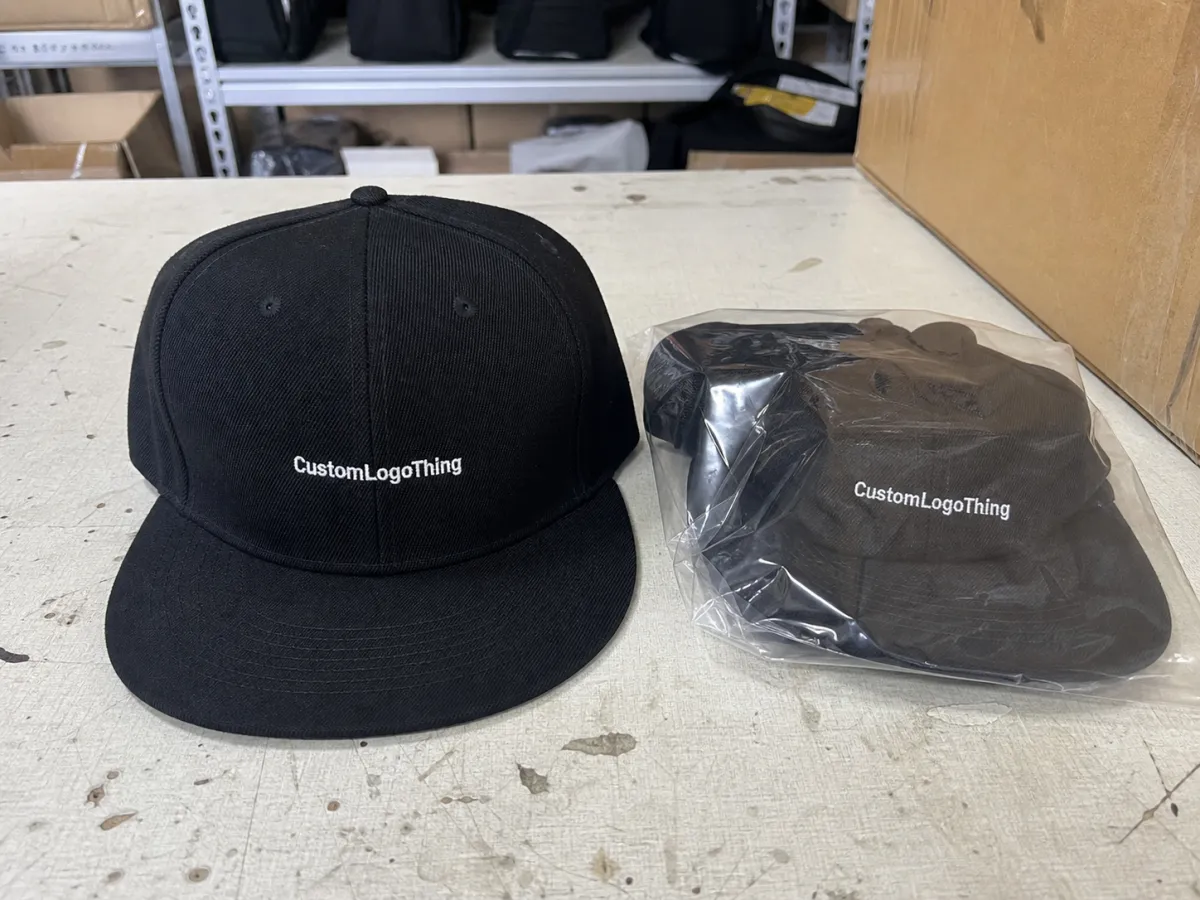
A custom snapback Caps Bulk Order makes sense for merch drops, staff uniforms, event giveaways, influencer kits, brewery releases, streetwear brands, sports clubs, construction crews, trade show campaigns, and corporate promo programs. The shared need is repeatable quality across a real quantity. Not ten random caps decorated five different ways because someone found a deal.
Bulk ordering lowers unit cost because setup, digitizing, proofing, machine calibration, sourcing, and admin time are spread across more units. It also keeps crown color, logo placement, thread selection, closure type, and packaging consistent. That matters if the caps ship with Custom Packaging Products, apparel kits, retail mailers, or branded launch materials.
Most buyers focus too hard on the front logo and ignore the parts people actually feel: crown shape, closure quality, sweatband texture, brim stiffness, and how the cap sits after ten minutes of wear. Cute. Then the boxes sit untouched because the fit is off, the brim feels cheap, or the embroidery looks like it lost a fight with the machine.
Practical rule: if people would not pay $18 to $35 for the cap at a merch table, do not expect it to build much brand value as a giveaway.
A good order starts with the use case. Retail resale needs sharper materials, cleaner finishing, and better packaging. A field team cap needs durability, easy replacement, and colors that still look decent after dust, sweat, and sun. A conference giveaway can be simpler, but it still needs to look wearable in photos. The goal decides the build.
Clear specs also prevent expensive confusion. Cap style, decoration method, quantity, packaging, deadline, and shipping location all affect cost and lead time. Vague instructions create vague quotes. Vague quotes create surprise invoices. Nobody enjoys that part.
Snapback Cap Styles, Materials, and Decoration Options
Snapbacks come in more variations than most buyers expect. Common builds include 5-panel, 6-panel, flat brim, slightly curved brim, high-profile, mid-profile, structured crown, unstructured crown, and trucker mesh back. Each one changes how the logo sits and how the cap feels on a real head.
A structured 6-panel cap with a flat brim gives the classic streetwear look. A mid-profile cotton twill cap feels more approachable for company uniforms. A trucker snapback with a mesh back works well for outdoor crews, breweries, landscape brands, jobsite teams, and warm-weather events. A 5-panel cap can look sharp for lifestyle merch, but the front artwork needs planning because the panel shape changes the printable and stitchable area.
Fabric choice does real work. Cotton twill is familiar, affordable, and easy to embroider. Acrylic wool blends feel more retail-driven and suit streetwear-style caps. Polyester is better for athletic, event, or outdoor use where sweat, sun, and repeat wear matter. Performance fabrics can add water resistance, stretch, or lighter weight, although they usually raise the unit cost. Mesh backs reduce heat and sometimes lower fabric cost, but they also shift the look from “retail cap” to “trucker cap.” That may be perfect. Or not.
Decoration should match the artwork. Flat embroidery is clean and cost-effective for simple logos. 3D puff embroidery works for bold letters, thick marks, and designs with enough open space. Woven patches handle fine detail better than direct embroidery. Rubber or PVC patches fit outdoor, tactical, motorsport, and streetwear designs. Leatherette patches give a rustic retail feel. Screen printing can work for some budget graphics, but it is rarely the first choice for a premium snapback.
Embroidery hates tiny gradients, hairline strokes, microscopic text, and delicate shadows. That is not a creative opinion. That is thread behaving like thread. Vector artwork, simplified marks, and practical minimum text sizes produce cleaner caps.
- Premium but sensible: 3D puff front logo with flat side embroidery.
- Retail-ready: woven patch on a structured crown with a woven label.
- Outdoor-friendly: rubber patch on a trucker snapback with mesh back.
- Rustic branding: leatherette patch on cotton twill with a metal buckle or snapback closure.
Placement options include front center, left panel, right panel, back arch, side logo, underbrim print, inside seam tape, custom sweatband, woven label, hang tag, and individual poly bag. More placements increase cost. One smart side hit can make a cap feel finished without turning it into a NASCAR hood.
Specifications Buyers Should Confirm Before Production
Before paying for a bulk snapback order, lock the core specs: cap style, panel count, crown height, brim shape, fabric, cap color, closure type, decoration method, logo size, logo placement, thread colors, inside labels, packaging, and quantity split. If any of those are missing, the quote is partly guesswork.
Closure choice affects both look and function. Plastic snapback is the classic adjustable option and works for most adult orders. A metal buckle gives a cleaner retail look, especially on cotton twill or lifestyle caps. Hook-and-loop closures are practical for utility teams and jobsite use, though they rarely feel premium. Fitted caps only make sense if you can manage size distribution, replacement inventory, and staff changes without creating a spreadsheet nightmare.
Most snapbacks are one-size-adjustable for adults. Still, youth sizing, oversized fits, and women-focused fits should be stated early. Do not assume one adult fit will solve every use case. Sports teams, school events, retail brands, and staff programs often need more than one sizing path.
Color matching has tradeoffs. Stock colors are faster, cheaper, and easier to reorder. Custom dyed fabric or exact Pantone matching can require higher MOQ, lab dips, longer lead time, and fewer last-minute changes. For many orders, choosing a close stock color is smarter than paying extra to chase a shade only three people in marketing can identify.
Sample approval depends on risk. Physical samples are best for resale caps, premium gifts, large quantities, or unfamiliar decoration methods. Digital proofs may be acceptable for repeat orders or simple promo caps. If the order is headed to a retail shelf, a merch table, or a launch kit with product packaging, sample the thing. Screens lie politely.
Also confirm what the sample represents. A decoration strike-off may show embroidery or patch quality without using the final cap body. A pre-production sample should show the full cap build, including fabric, placement, closure, label, and packaging. Those are not the same approval step, and treating them like they are is how ugly surprises sneak in.
Instructions like “make it look premium” are useless by themselves. Premium means a specific fabric, stitch count, label treatment, brim finish, closure standard, and packaging format. Manufacturers are not mind readers. Shocking, I know.
Pricing, MOQ, and Unit Cost Factors for Bulk Caps
Custom snapback pricing is driven by quantity, blank quality, fabric, decoration method, logo complexity, stitch count, number of thread colors, patch type, private labels, packaging, shipping method, and sample requirements. A cap with one flat embroidered logo is not priced like a private-label build with custom seam tape, woven labels, rubber patch, hang tag, and individual bag.
Basic embroidered snapbacks often start around 100 to 300 pieces for entry-level bulk orders. More customized private-label builds usually make better sense at 500 pieces and up. Lower quantities may be possible, but the unit cost rises because setup and proofing costs get spread across fewer caps.
Unit cost drops with volume because the boring but real costs do not repeat at the same rate. Digitizing, sampling, material sourcing, production admin, machine setup, and quality review all become more efficient over 500 caps than over 72 caps. That is the math. Not magic.
| Cap Build | Typical Starting Quantity | Common Cost Drivers | Best Fit |
|---|---|---|---|
| Stock snapback with flat embroidery | 100-300 pieces | Logo size, stitch count, thread colors | Company uniforms, events, basic merch |
| Stock snapback with 3D puff embroidery | 144-300 pieces | Foam setup, thicker logo shapes, stitch coverage | Streetwear-style caps, bold brand marks |
| Patch snapback | 200-500 pieces | Patch material, mold or weave setup, attachment method | Outdoor brands, breweries, retail launches |
| Private-label snapback | 500+ pieces | Labels, seam tape, custom fabric, packaging | Retail resale, brand drops, influencer kits |
Simple flat embroidery is usually the lowest custom decoration cost. 3D puff costs more because the production setup is more involved and the artwork has to support the raised effect. Woven, rubber, PVC, and leatherette patches add material and setup costs. Full private-label builds cost more, but they can look retail-ready instead of “free cap from a vendor booth.”
For a clean quote, send the target quantity, cap style, artwork file, decoration method, number of logo placements, delivery address, deadline, and packaging preference. If you need individual poly bags, hang tags, barcode labels, custom printed boxes, or other retail packaging, say that upfront. Packaging changes carton counts, labor, shipping dimensions, and fulfillment planning.
The lowest quote is not automatically the best quote. If the cap collapses after one sweaty event, congratulations, you bought landfill with a logo.
Production Process and Timeline From Quote to Delivery
The order process is straightforward when the specs are complete: inquiry, spec review, artwork check, quote, invoice, digital mockup, sample or pre-production proof, approval, bulk production, quality control, packing, shipping, and delivery. Skip steps and you do not save time. You just move the problem later.
Quote review can take 1 to 3 business days when the buyer provides clear specs. Artwork digitizing and proofing may take 2 to 5 business days. Physical sampling often takes 7 to 14 business days depending on decoration method, patch type, label work, and cap availability.
Standard bulk production commonly runs 15 to 30 business days after proof or sample approval. Complex patch work, custom fabric, custom labels, special packaging, or multiple delivery points can extend the schedule. Stock black caps with one embroidered front logo will move faster than a custom dyed crown with woven patch, branded seam tape, private label, and gift box packing. No mystery there.
Rush production may be possible with stock cap colors, simple embroidery, clean vector artwork, and quick buyer approvals. Rush cannot fix bad files, speed up unavailable material, or make five undecided approvers suddenly efficient.
Shipping adds another layer. Air freight is faster but costs more, especially once cartons get bulky. Sea freight is better for large, non-urgent orders, though it requires more planning. Split shipping can help if part of the order is needed for a launch while the rest can arrive later at a lower freight cost.
Build buffer time for events, photoshoots, product launches, and retail drops. Approval delays often come from the buyer side: missing artwork, late logo changes, unclear color decisions, or five people reviewing a proof with five opinions. Decide who has final approval before production starts.
For broader shipping and transit testing guidance on packaged goods, the International Safe Transit Association is a useful authority. Caps are soft goods, but packaging still matters when cartons move through parcel networks, warehouses, and event freight.
Quality Checks That Separate Good Caps From Cheap Ones
Quality is not one thing. It is a pile of small things done correctly. Before approving bulk production, inspect crown symmetry, brim alignment, stitch density, logo centering, thread trimming, patch edges, sweatband comfort, closure strength, and color consistency.
Good embroidery has clean edges, even thread coverage, readable lettering, correct thread colors, and no random jump stitches across open areas. Puckering around the logo usually means the artwork, backing, fabric tension, or stitch density needs adjustment. Tiny text under about 0.25 inches tall can get ugly fast, especially on textured fabrics.
Patch quality has its own signals. Woven patches should have sharp detail and sealed edges. Rubber or PVC patches should have clean molding, consistent color, and no rough flashing. Leatherette patches should not scorch, curl, or crack around the edges. Heat-applied patches should bond firmly without visible glue halos. Sewn patches should sit flat, with even stitch distance around the edge.
Check the cap body too. The front panels should not collapse unevenly. The brim should be centered and shaped consistently across the run. Eyelets should line up. The sweatband should feel secure, not loose or scratchy. Snaps should close firmly without brittle plastic or weak tension. These details are not glamorous, which is exactly why they get missed.
Packaging quality depends on the sales channel. Bulk-packed caps save money and work fine for staff uniforms or internal giveaways. Individual poly bags protect resale items, VIP kits, and mailer shipments. Hang tags, size stickers, barcode labels, and custom boxes can make sense for premium merch or retail programs. If the cap ships with custom printed boxes or other package branding, the cap presentation should match the rest of the system.
Minor color and placement variation happens in manufacturing. That is normal. Major logo drift, warped brims, loose snaps, dirty caps, crooked patches, or crushed crowns are not acceptable. Use clear tolerances before production, especially for resale orders.
At Custom Logo Things, we check specs before production because fixing a bad cap after bulk production is expensive, slow, and deeply annoying for everyone involved. Fancy sales language will not save a crooked logo.
Best Use Cases for Bulk Branded Snapbacks
Bulk branded snapbacks perform best where visibility and repeat wear matter. Think merch stores, brand launches, field teams, trade shows, staff uniforms, VIP gift boxes, sponsor kits, music tours, sports teams, outdoor crews, and retail collaborations.
Snapbacks beat cheaper giveaways in plenty of situations because they have higher perceived value, stronger photo presence, and longer use life than pens, stickers, or flimsy tote bags. A decent cap can be worn dozens of times. A bad pen disappears in a drawer before lunch.
Use case should guide style. A structured 6-panel with 3D puff works for streetwear and music merch. A trucker snapback with a rubber or woven patch suits outdoor brands, breweries, motorsports, and jobsite teams. Cotton twill with flat embroidery is sensible for company uniforms. A woven patch with inside labels, hang tag, and clean packaging works better for resale.
Quantity planning deserves more attention than it gets. Order enough for launch demand, staff replacements, influencer seeding, giveaways, damaged samples, and reorder lead time. Running out mid-campaign is not a strategy. It is just poor planning wearing a branded hat.
For reorders, keep approved artwork, thread colors, Pantone references, cap specs, packaging requirements, and proof files documented. That helps the next production run match the first one. If the caps sit inside a wider packaging design system with mailers, inserts, apparel, or retail packaging, document those specs together so the brand does not drift one order at a time.
Buyers managing larger recurring orders can review Wholesale Programs for repeat runs, bundled merch, and larger promotional campaigns.
Next Steps Before You Request a Bulk Cap Quote
Before requesting a quote, choose the cap style, target quantity, preferred fabric, decoration method, logo placement, delivery deadline, shipping address, and packaging preference. A buyer who sends those details gets useful pricing faster than a buyer who sends “How much for hats?” and a blurry screenshot. Brutal, but true.
Send vector artwork if available. AI, EPS, SVG, or print-ready PDF files are best for embroidery digitizing and patch production. High-resolution PNG or JPEG files may work for initial quoting, but cleanup may be required before production. If the logo has gradients, tiny type, shadows, or thin outlines, expect some simplification for embroidery or woven patches.
Decide the goal before choosing specs. A cheap giveaway, durable staff uniform, retail merch item, premium gift, and event drop should not all use the same build. Different goals need different caps, decoration methods, packaging choices, and budgets.
- Send: quantity range, artwork, cap reference photos, decoration preference, deadline, and destination.
- Decide: stock color versus custom color, sample requirement, packaging format, and approval contact.
- Ask: what changes lower cost, improve finish, shorten lead time, or reduce production risk.
- Check: whether the final cap needs to coordinate with product packaging, apparel, or gift kits.
A good supplier should explain tradeoffs, not just throw a price at you. Sometimes changing from 3D puff to flat embroidery saves money. Sometimes moving from embroidery to a woven patch improves detail. Sometimes stock colors protect the deadline better than custom dyeing. Boring choices often protect budgets.
For sustainability claims, be careful. If you ask for FSC paper hang tags, recycled packaging, or specific claim language, request documentation. The Forest Stewardship Council is a recognized source for paper and fiber certification standards, and claim accuracy matters more than pretty green icons.
If you are still sorting out files, decoration limits, or delivery timing, the FAQ can help tighten the request before pricing. For a custom snapback Caps Bulk Order, the safest path is simple: send clear specs early, approve proofs quickly, and leave room in the schedule for sampling, production, and shipping. That is how buyers avoid expensive surprises.
FAQ
What is the typical MOQ for custom snapback caps in bulk?
Basic embroidered snapbacks often start around 100 to 300 pieces, depending on cap style, blank availability, and decoration method. Fully custom caps with private labels, custom fabric colors, patches, seam tape, or specialty packaging usually make more sense at 500 pieces or more. Lower quantities may be possible, but the unit cost will be higher because setup, proofing, and production admin are spread across fewer caps.
How much does a bulk order of custom snapback hats cost?
Cost depends on quantity, cap quality, decoration method, logo complexity, number of placements, packaging, and shipping. Flat embroidery is usually more budget-friendly than 3D puff, woven patches, rubber patches, PVC patches, or full private-label construction. For an accurate quote, provide artwork, quantity, cap style, delivery location, deadline, and decoration preferences.
How long does custom snapback cap production take?
A standard order often takes 15 to 30 business days after proof or sample approval. Sampling can add 7 to 14 business days, especially for patches, custom labels, premium retail builds, or packaging add-ons. Rush timelines are easier with stock cap colors, simple embroidery, and clean vector artwork.
Can I order custom snapbacks with embroidered logos and patches?
Yes. Common options include flat embroidery, 3D puff embroidery, woven patches, rubber patches, PVC patches, leatherette patches, and printed details. You can combine decoration methods, such as front patch plus side embroidery, if the design and budget support it. Logo detail matters because tiny text, gradients, and thin lines may need adjustment for clean production.
What files do I need for a custom snapback caps bulk quote?
Vector files such as AI, EPS, SVG, or print-ready PDF are best for clean embroidery digitizing and patch production. High-resolution PNG or JPEG files may work for quoting, but artwork cleanup may be required before production. Send cap references, preferred colors, logo placement, quantity, deadline, and shipping destination to avoid a vague quote for your Custom Snapback Caps bulk order.


