Buyer Fit Snapshot
| Best fit | Custom Candle Boxes Recycled projects where brand print, material claims, artwork control, MOQ, and repeat-order consistency need to be specified before quoting. |
|---|---|
| Quote inputs | Share finished size, material target, print colors, finish, packing count, annual reorder estimate, ship-to region, and any compliance wording. |
| Proofing check | Approve dieline scale, logo placement, barcode or warning zones, color tolerance, closure strength, and carton packing before bulk production. |
| Main risk | Vague material claims, crowded artwork, missing packing details, or unclear freight terms can make a low unit price expensive after revisions. |
Fast answer: Custom Candle Boxes Recycled: Board, Finish, Dieline, and Unit Cost should be specified like a repeatable production item. The safest quote records material, print method, finish, artwork proof, packing count, and reorder notes in one written spec.
Production checks before approval
Compare the actual filled-product size with the drawing, then confirm tolerance on folds, seals, hang holes, label areas, and retail display edges. Reserve space for logos, QR codes, warning copy, and material claims before decorative graphics fill the panel.
Quote comparison points
Review material grade, print process, finish, sampling route, tooling charges, carton quantity, and freight assumptions side by side. A quote is only useful when the supplier can repeat the same color, closure quality, and packing count on the next order.
Custom Candle Boxes Recycled: Smart Sustainable Packaging
Custom candle boxes recycled are not just a cleaner-looking packaging choice. They sit at the intersection of protection, shelf appeal, freight survival, and the very real pressure to cut waste without making the product feel less valuable. A candle box has to do a lot of work in a short amount of space. It has to keep glass from cracking, labels from scuffing, and a brand from looking careless. That is a tall order, and honestly, it is why so many boxes fail quietly before anyone notices the fragrance inside.
In packaging audits I have reviewed, the weak point usually is not the recycled board itself. It is the fit. A box that is half a millimeter too loose can let a jar shift just enough to chip a rim during transit. That tiny movement sounds minor, but it can turn into returns, replacements, and a customer who is annoyed before they ever light the wick. Custom candle boxes recycled work best when they are designed as a system, not treated like a green sticker slapped onto a carton.
The business case is practical. Breakage costs money. Reprints cost money. Bad unboxing experiences cost money too, only that loss shows up later in reviews and repeat orders. I have seen brands save a few cents per unit on a cheaper carton, then spend far more fixing damaged inventory and repacking orders. That is why recycled packaging should be judged on performance first and sustainability second. If the box cannot protect the candle, the rest is just decoration.
Brand perception matters here in a way that can feel a little unfair. A candle may be poured beautifully, scented carefully, and priced with confidence, yet still feel ordinary if the outer box looks flimsy or prints badly. People judge before they burn. Sometimes before they even open the lid. Custom candle boxes recycled help align the message: the product feels intentional, the packaging feels considered, and the brand does not look like it cut corners to appear responsible.
"If the box looks cheap, the candle does too." Harsh, yes. Accurate, also yes.
The mistake many brands make is treating recycled packaging as a claim instead of a construction problem. A recycled mark on a weak box does not help anyone. A fully recyclable structure that rattles in transit does not help either. Custom candle boxes recycled should be measured by the same standards as any protective package: fit, strength, print quality, handling performance, and whether the materials match the disposal path customers actually use. Sustainability only earns trust when the box performs its first job well.
The smartest ordering process starts with three questions. How heavy is the candle? How far is it shipping? What is the packaging supposed to do once it reaches the customer - sit on a retail shelf, survive a mailbox drop, or create a gift-like reveal? Those answers shape the board choice, insert style, coating, and print coverage. Custom candle boxes recycled become much easier to spec once those variables are fixed. Guessing is expensive. Precise sizing is cheaper than replacing broken inventory.
Custom Candle Boxes Recycled: Why They Matter More Than You Think
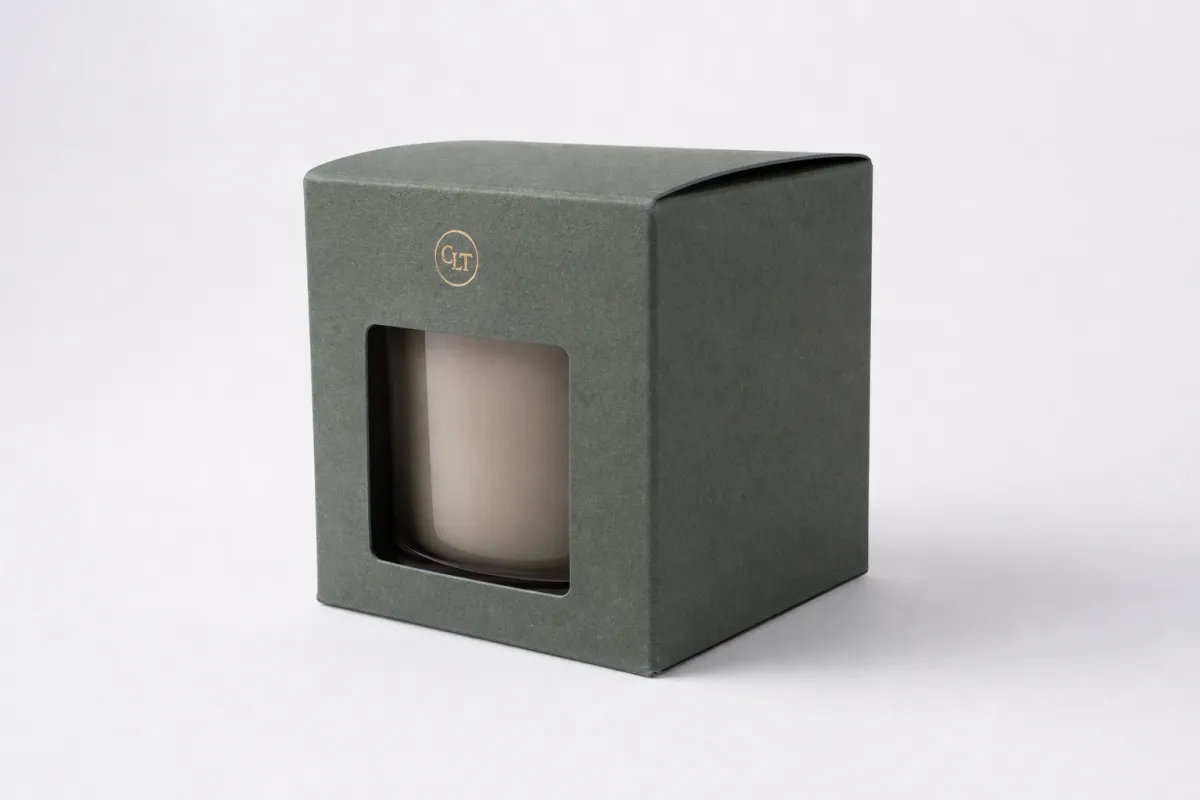
Custom candle boxes recycled matter because candles are fragile, emotionally purchased, and often bought as gifts. That combination is rough on packaging. A small scuff on the carton can make a luxury candle feel ordinary. A chipped jar can turn a planned gift into a return. Recycled packaging has to look composed while still protecting the product inside. If the box only performs well in a render and fails in transit, the material savings disappear into waste and customer service work.
Retailers are asking sharper questions now. They want to know whether packaging includes recycled fiber, whether the board can be recycled again, and whether the structure looks premium on a shelf. Consumers are asking different questions, but they are just as direct: does this feel wasteful, and will it hold up? Custom candle boxes recycled sit in that narrow space where both audiences need a convincing answer. The outer box is not an accessory. It is part of the product story.
Generic kraft packaging is not the same thing as a custom solution. Brand-specific fit changes everything. The insert, wall thickness, opening style, graphics, and board grade all need to suit the candle size and the intended channel. A loose box lets the candle move. A tight box can scuff labels or stress glass. Custom candle boxes recycled work best when they hit the middle ground: snug enough to control movement, open enough to avoid abrasion, and strong enough to survive shipping.
Sustainability is part of the buying math now, not a bonus feature sitting on the side. Many procurement teams ask for FSC-certified fiber, recycled content, and lower-waste shipping formats. Consumers are reading the packaging too. They know the difference between a box that can be recycled and a box that just says it can. That pressure pushes brands toward better decisions, but it does not excuse a weak structure. Buyers forgive a simpler look much faster than they forgive broken product. That has always been the rule.
Custom candle boxes recycled also help brands keep their catalog organized. Reusing a consistent dieline across different candle sizes reduces confusion in production and makes reordering less chaotic. It keeps printing schedules cleaner and inventory easier to manage. That side of packaging rarely gets attention, yet it saves real money. A tidy box system is not glamorous, but neither is overpaying for mismatched SKUs and last-minute freight.
Three common use cases shape the packaging brief:
- Retail display: the box needs strong shelf presence, readable labeling, and a polished finish.
- DTC shipping: the box needs crush resistance and a controlled fit for transit.
- Gift presentation: the box needs a clean open, a refined feel, and a memorable unboxing moment.
Custom candle boxes recycled can serve all three, but not with the same structure every time. A glass candle sold in a boutique and a two-piece gift set shipped across the country are different problems. Material choice, board thickness, and insert design need to match the use case. The best packaging teams treat that as a design question, not a guess.
For brands that need proof points, it helps to review FSC-certified fiber guidance and ask the supplier what documents they can provide. Certification is not a magic trick. It is verification, and verification matters when sustainability claims are printed on the box. The paper trail should be as clear as the design.
How Custom Candle Boxes Recycled Packaging Works
Custom candle boxes recycled packaging usually begins with one of four formats: recycled folding cartons, kraft paperboard, corrugated mailers, or rigid-style presentation boxes. Each serves a different purpose. Folding cartons suit lighter retail candles and clean graphic layouts. Kraft paperboard gives a natural, understated look. Corrugated mailers are better for direct shipping and crush resistance. Rigid-style boxes elevate presentation, though they add cost and can complicate the material story if too many finishes are used.
The phrase custom candle boxes recycled covers two different ideas, and mixing them up causes trouble. One is recycled content, meaning the board contains recovered fiber. The other is recyclability, meaning the finished package can usually enter standard recycling streams after use. Those are not identical. A box can be made with recycled fiber and still be hard to recycle if it includes heavy lamination, mixed materials, or adhesives that make separation difficult.
Fit is where packaging earns its keep. Candles travel in glass jars, tins, and ceramic vessels, and each one behaves differently under pressure. A heavy glass jar wants a tighter insert and firmer side support. A tin needs protection from denting and surface wear. A ceramic vessel needs extra corner control and better cushioning. Custom candle boxes recycled should be designed around the actual product dimensions, not a rough estimate taken from a catalog. That detail prevents a surprising number of breakages.
Insert design matters more than many brands expect. Recycled paperboard inserts can hold a candle in place without introducing extra material types. Molded pulp adds cushioning and gives the package a more natural look. If the candle is heavy, the insert has to resist compression as well as movement. A loose insert creates rattling, and rattling leads to scuffing. Scuffing turns into returns. The sequence is simple, even if the outcome is irritating.
Print and coating choices change both appearance and performance. Soy-based inks and water-based coatings are common in custom candle boxes recycled because they support a cleaner material profile. Aqueous coating can improve rub resistance without making the box feel plastic-heavy. Soft-touch lamination can feel luxurious, but it can also make recycling harder and add cost. Use it only when the brand truly needs the tactile effect and the tradeoff is worth it.
The greener the claim, the more disciplined the structure needs to be. Weak packaging creates more waste than a sturdier box made with recycled fiber. That is why the strongest custom candle boxes recycled are often not the flashiest ones. They protect the candle, hold their shape, and present the brand clearly without overcomplicating the build. In that sense, good packaging is a little boring - and that is exactly what you want.
Testing helps remove guesswork. Suppliers that can run transit or compression checks give you a more realistic picture of how the box behaves after it leaves the warehouse. Many packaging teams look for ISTA transport testing standards or similar methods when a candle ships direct to consumer. It does not eliminate risk, but it reveals weak points before they become customer complaints.
In practice, custom candle boxes recycled should handle four jobs at once:
- Protect the candle from movement, pressure, and surface damage.
- Support the brand visually with clear packaging design.
- Use recycled or recyclable materials that align with the sustainability brief.
- Survive retail handling, shipping, and storage without failing early.
Custom Candle Boxes Recycled Cost, Pricing, and MOQ Factors
Pricing for custom candle boxes recycled usually follows the same core variables as other packaging jobs: board grade, print coverage, finish, inserts, box style, and quantity. Sustainability choices can cut cost or raise it depending on how they are handled. A simple recycled kraft carton with limited print can be very efficient. A rigid presentation box with foil, lamination, and a complex insert can become expensive quickly. Recycled does not always mean cheap. It means better informed choices.
As a broad buying range, simple Kraft Folding Cartons often land around $0.20-$0.55 per unit at higher quantities, depending on size and print coverage. Printed recycled folding cartons commonly fall around $0.30-$0.80 per unit. Corrugated recycled mailers may run about $0.45-$1.10 per unit because they use more material and add shipping protection. Premium rigid-style boxes can begin around $1.25-$3.50 per unit and rise from there when lower MOQs, specialty inserts, or heavier decoration are involved. These are estimates, not guarantees. Specs move the numbers.
MOQ changes the cost picture because setup fees do not shrink just because the order is small. A run of 500 units usually costs more per box than a run of 5,000, even if the design stays the same. Tooling, die cutting, proofing, and press setup get spread across fewer units. Growing candle brands can still make custom candle boxes recycled work at lower volumes, but the design has to stay simple. Fancy details are expensive in small runs. That is the part the quote rarely says out loud.
Hidden costs usually appear later. Sampling can add fees. Artwork revisions can slow approval. Freight can climb if the boxes are bulky or shipped in multiple cartons. Specialty coatings may improve appearance while making recyclability less straightforward. That is where buyers often feel stuck. They wanted a responsible box, then the spec picked up extra weight in price and complexity.
To make the tradeoffs easier to compare, here is a practical snapshot of common options for custom candle boxes recycled:
| Box Type | Typical MOQ | Typical Unit Cost | Best Use | Main Tradeoff |
|---|---|---|---|---|
| Kraft folding carton | 500-1,000 | $0.20-$0.55 | Simple retail candles, clean branding | Less premium feel if the design is too bare |
| Printed recycled folding carton | 1,000-3,000 | $0.30-$0.80 | Retail packaging with stronger visual identity | More print choices can raise cost and lead time |
| Recycled corrugated mailer | 500-2,500 | $0.45-$1.10 | DTC shipping and extra crush protection | Bulkier, so freight and storage can cost more |
| Rigid-style recycled box | 300-1,500 | $1.25-$3.50+ | Premium gifting and high-end branded packaging | Higher price and more complex material decisions |
Cost control usually comes from better specs, not from stripping the packaging until it barely functions. A tighter dieline reduces board use. A cleaner one- or two-color print job lowers production complexity. A well-fitted insert can reduce breakage, which matters far more than saving a few cents on the carton if fragile glass is shipping through a courier network. Custom candle boxes recycled are cheapest when the design is thoughtful, not when it is underbuilt.
When comparing suppliers, ask for three things in writing: material spec, print method, and finish list. Then ask whether the box can be built with recycled content without creating mixed-material problems at disposal. Good suppliers can explain the difference between a low-cost carton and a package that actually supports the candle. Weak suppliers hide behind vague language and a tempting quote. That is not a deal. It is a future replacement order.
Production Steps, Timeline, and Lead Time for Recycled Boxes
The production path for custom candle boxes recycled is usually straightforward, but it has enough handoffs to cause delays when the details are not locked early. The process starts with the dieline, which sets the exact dimensions and folds. After that come material selection, artwork setup, proofing, sampling, production, and shipping. Skip a step and the cost shows up later in reprints, missed launch dates, or a box that fits the candle poorly.
Lead time depends on quantity and complexity. A simple recycled folding carton may take about 12-18 business days after proof approval. A more elaborate printed structure can take 18-25 business days. If inserts need tooling, if a specialty coating is involved, or if the board stock has to meet a specific recycled-content target, the schedule can stretch further. Sample changes are often the slowest part because one small tweak tends to pull in two more revisions.
Shipping method matters too. DTC packaging usually needs to survive more stress than a candle box headed to a local retailer. That is where test drops and transit checks become useful. A carton that looks perfect on a desktop can fail after vibration or corner impacts. Producers with real packaging experience can recommend the right tests for your distribution path, and that advice is worth following.
Common bottlenecks are predictable. Artwork arrives at the wrong size. Logos are sent in low resolution. The finish changes after proof approval. Insert thickness gets adjusted after the sample is already built. Each one sounds minor in isolation. Combined, they push production back. If you want custom candle boxes recycled on schedule, lock the spec early and stop moving the goalposts halfway through the job.
The quickest way to shorten turnaround is to prepare the order before asking for the first quote. Confirm the candle size, jar weight, and intended use. Decide whether the box is for retail, shipping, or gifting. Choose recycled board options before the artwork is finalized. Include exact dimensions, barcode placement, and any sustainability claim that can be supported. Careful prep saves time. Sloppy prep spends it.
Here is a practical timeline model for custom candle boxes recycled:
- Day 1-3: specification review, quote, and dieline confirmation.
- Day 4-7: artwork setup and proof exchange.
- Day 8-12: sample or prototype review, if requested.
- Day 13-25: production, depending on complexity and quantity.
- Final stage: packing, freight booking, and delivery.
Build a cushion into the schedule if the boxes support a launch or a retail reset. Packaging jobs involve more variables than most teams expect. Material sourcing, press timing, and freight all affect the final date. Custom candle boxes recycled are often underestimated, and that is where the headaches usually start.
Step-by-Step Guide to Ordering Custom Candle Boxes Recycled
Ordering custom candle boxes recycled gets much easier when the process starts with the product, not with the artwork. The best packaging brief begins with facts. What size is the candle? How much does the jar weigh? Will the candle be sold singly, in sets, or in a display case? Those answers decide the structure before anyone talks about color, texture, or finish.
-
Define the candle first. Measure the jar, lid, and full weight. A 9 oz glass candle does not need the same carton as a 16 oz vessel, and a two-candle gift set needs more internal control than a single item. The box should follow the product, not the other way around.
-
Choose the recycled structure. A recycled folding carton fits lighter retail packaging. A corrugated mailer makes more sense for shipping. A rigid-style box supports a higher-end presentation, but the price rises quickly. Pick the format that fits the channel and the customer experience.
-
Decide how the brand should appear. That includes typography, color, logo placement, and any sustainability messaging. Custom candle boxes recycled should support the product story without turning into a lecture. Keep the claims specific: recycled content, recyclable board structure, FSC-certified stock, or water-based coating if those details are true.
-
Ask for samples or prototypes. This step protects the budget. Test the fit, check for corner pressure, look for scuffing, and hold the box in hand. If the box is for DTC shipping, run a basic transit check. One sample can expose a costly problem before it becomes a full run.
-
Approve the spec sheet and stop editing it. Once the dimensions, material, finish, and insert are locked, keep them locked. Production drift is how good projects turn irritating. A clear spec sheet keeps custom candle boxes recycled from becoming a moving target.
Side-by-side comparisons make the decision easier. Recycled kraft may be the cheapest and most natural-looking option. White recycled folding carton stock may print better if the design needs brighter graphics. Corrugated may cost more, but it can save money if breakage drops. You are not just buying a box. You are buying a failure rate, a print outcome, and a customer reaction.
For brands with other packaging needs, it can help to review broader Custom Packaging Products before locking in the candle spec. Sometimes a matching mailer, sleeve, or insert style reduces confusion across the product line and makes the whole system feel more deliberate.
Channel matters as much as structure. Retail stores care about shelf read and barcode clarity. Subscription brands care about presentation and damage control. Gift brands care about texture and the first few seconds after opening. The same box can serve all three, but only if the structure was chosen with purpose. That is the difference between branded packaging and a cardboard box with a logo stamped on it.
Common Mistakes With Custom Candle Boxes Recycled
The biggest mistake is assuming the most eco-looking board is automatically the best board. It is not. Raw kraft can look strong and responsible, yet still compress too easily or absorb residue from scented glass. Custom candle boxes recycled need to protect the product first. A beautiful sustainability story means very little if the candle arrives broken or the carton looks tired by the time it reaches the shelf.
Overloading the box with finishes is another common problem. Foil, heavy lamination, spot UV, soft-touch coating, and metallic ink can all look attractive in a mockup. They also raise cost and can make recycling harder. Pick one visual direction and commit to it. Packaging that tries to use every effect in the catalog usually ends up feeling confused rather than premium.
Insert fit gets ignored more often than it should. If the candle can move inside the box, the walls take the damage. That leads to scuffs, corner crush, and broken glass over time. Many brands blame shipping when the real issue is geometry. For custom candle boxes recycled, a properly matched insert is one of the cheapest ways to reduce returns and protect margin.
Vague sustainability claims are another trap. Saying the box is eco-friendly tells the customer almost nothing. They want specifics. What fiber is used? Is it recycled? Can the package be recycled again? Can the supplier prove the claim? If the answer is unclear, do not print it. Trust drops fast when the packaging sounds greener than it really is.
Sampling gets skipped too often. Teams approve a PDF and then discover the logo sits too low, the box feels thin, or the closure is awkward. One sample can save an entire run from becoming expensive regret. Custom candle boxes recycled are still manufactured goods, and manufactured goods behave differently on a screen than they do in the hand. The sample usually tells the truth first.
Here is the short version of what to avoid:
- Do not choose recycled packaging that cannot support the candle weight.
- Do not stack on finishes that weaken recyclability and raise cost.
- Do not ignore insert fit or inner clearance.
- Do not print broad eco claims without proof.
- Do not skip sample testing because the render looked good.
Most of these mistakes are preventable. That is the frustrating part. Brands usually do not lose money because the idea was wrong. They lose money because the spec was rushed. Custom candle boxes recycled reward patience and punish guessing.
Expert Tips for Better Custom Candle Boxes Recycled Orders
Keep the visual story focused. One strong idea beats four competing ones every time. If the brand voice is natural and restrained, let the paper texture and typography do more of the work. If the brand is luxurious, use proportion and structure instead of piling on glossy effects. Custom candle boxes recycled do not need to pretend to be something else. They need to feel considered.
Separate the sustainability story from the sales story. That sounds subtle, but it changes how the box reads. The package should explain the product clearly, then support the environmental claim with specific details. Recycled fiber, recyclable board structure, FSC-certified stock, and water-based coatings are useful because they are concrete. That is stronger than generic green language, and retail buyers trust it more.
Think in terms of performance per dollar. A lot of brands try to raise perceived value by adding more finishes. That is not always the best route. Texture, print contrast, and a well-built structure can do more than a stack of decorative extras. Custom candle boxes recycled often feel more premium when the design is edited rather than crowded. Busy packaging tends to look cheaper than simple packaging with discipline.
Ask direct questions of suppliers. What recycled content is in the board? Is the coating compatible with recycling? Can the structure survive a basic drop test or compression test? What is the real turnaround after proof approval? If the answers are vague, that is a warning sign. Good suppliers talk about material thickness, print methods, and testing without drifting into marketing speak.
Compare samples side by side. Put the kraft version next to the white recycled carton. Put the mailer next to the folding carton. Put the premium box next to the budget option. One sample may look better online and feel weaker in the hand. That is normal. Packaging only becomes fully understandable when you touch it. Before that, it is a picture. Custom candle boxes recycled deserve a physical comparison because they are part of the product experience.
For brands with a larger range, keep the system consistent across SKUs. Related dielines, a repeatable type hierarchy, and a predictable board family make reorder planning easier and strengthen retail packaging across the shelf. Consistency also makes the collection feel more expensive than it really is, which is one of the few brand effects that actually pays rent.
Here is a practical checklist I would use before signing off on custom candle boxes recycled:
- Candle dimensions and weight are confirmed.
- Board spec and recycled content level are documented.
- Insert style fits the vessel tightly.
- Print and finish choices support the recycling story.
- Sample has been checked for fit, scuffing, and closure.
- Freight and lead time are realistic for the launch plan.
If that checklist is complete, custom candle boxes recycled stop being a vague sustainability idea and start acting like a real packaging system. That is the goal. Protect the candle. Support the brand. Cut unnecessary waste on the way out the door. The box should do its job so well that nobody has to think about it twice.
Final take: custom candle boxes recycled make sense when they improve the product experience and reduce unnecessary waste at the same time. Start with the candle's actual measurements, choose the recycled board based on the channel, and insist on one physical prototype before a full run. If the structure is right, the print is disciplined, and the sourcing is documented, the packaging can hold its own in retail, DTC, and gifting. That is the standard worth aiming for with custom candle boxes recycled.
FAQ
Are custom candle boxes recycled strong enough for glass jars?
Yes, if the board grade, box size, and insert are matched to the jar weight and shipping method. Heavier glass candles usually need tighter sizing and sturdier board rather than extra decoration. Custom candle boxes recycled can be very protective when the structure is designed around the actual vessel instead of a rough estimate.
What is the best recycled material for custom candle boxes recycled?
Kraft paperboard and recycled folding carton stock are common choices for retail candles. Corrugated recycled mailers work better when the box needs more shipping protection. The best option depends on whether the candle is headed to a shelf, a mailbox, or a gift set. Custom candle boxes recycled should match the channel first.
How much do custom candle boxes recycled usually cost?
Price depends on material, print coverage, finishing, insert type, and order quantity. Simple kraft cartons are usually the most budget-friendly, while rigid or heavily printed boxes cost more. For larger runs, custom candle boxes recycled often become much more efficient per unit because setup costs spread across more pieces.
What is the typical turnaround for custom candle boxes recycled orders?
Turnaround varies by supplier, but sampling, approvals, and production usually take the most time. You can speed things up by finalizing sizes and artwork before requesting a quote. For many orders, custom candle boxes recycled land in the 12-25 business day range after approvals, depending on complexity.
Can custom candle boxes recycled still look premium?
Yes, premium does not have to mean glossy waste. Strong typography, good structure, and clean finishing can make recycled packaging look high-end without hurting recyclability. In fact, custom candle boxes recycled often look more credible when the design feels edited instead of overloaded.

