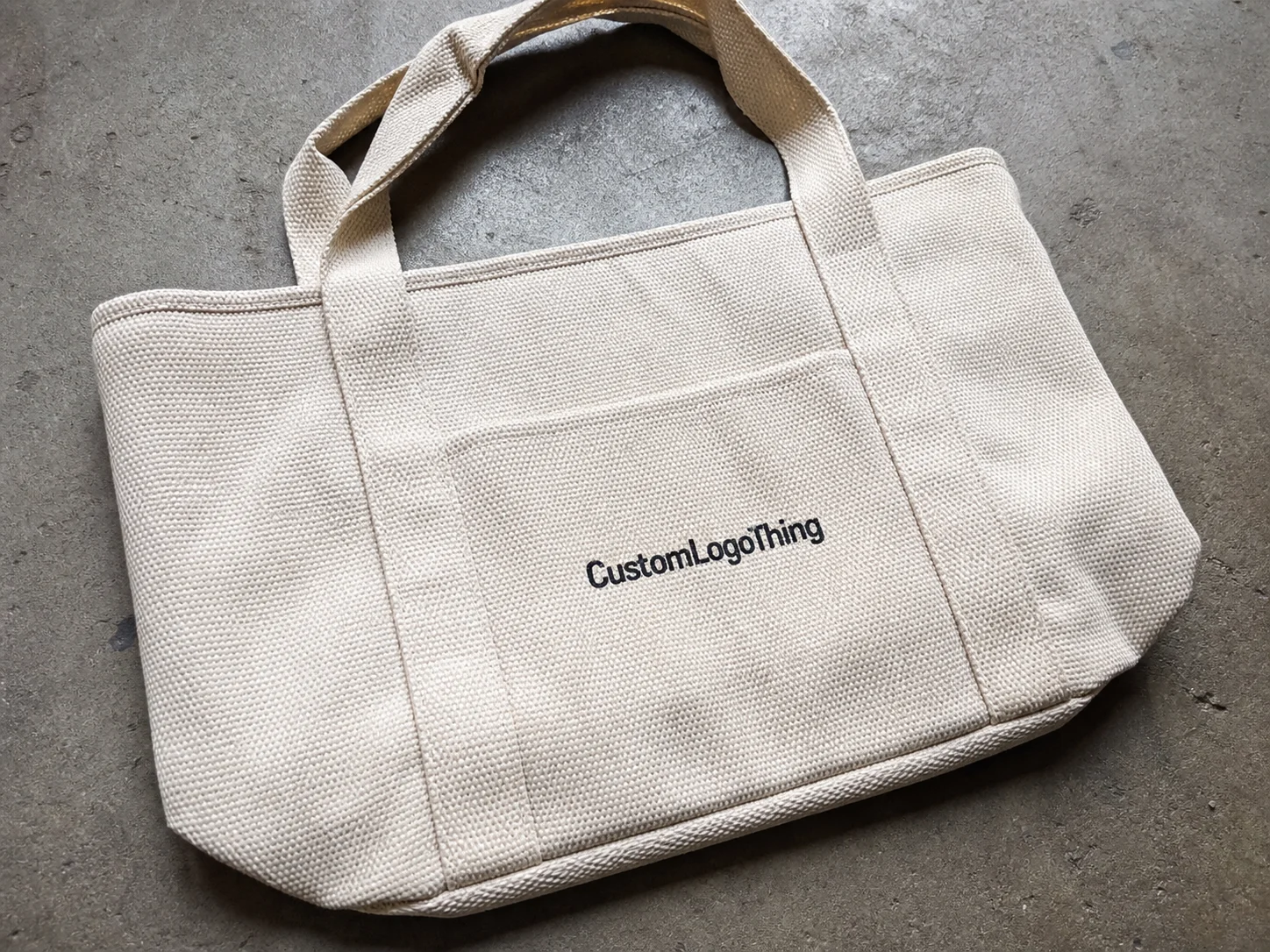
If you need Custom Canvas Bags no minimum, the real appeal is control. You can test a design, support a small event, or build a limited merch run without being pushed into inventory you may never use. For many buyers, that is the difference between moving a project forward and shelving it for another quarter.
From a packaging buyer’s perspective, low-quantity canvas orders solve a practical problem. They reduce cash tied up in stock, speed up approvals, and make it easier to align bags with a launch date, retail drop, or internal event. The tradeoff is equally practical: smaller runs cost more per bag, and some decoration methods are not efficient at tiny volumes. That is not a flaw. It is how setup costs behave.
A low-MOQ order should feel controlled, not improvised. If a quote looks unusually cheap, the missing cost often appears later in setup, freight, revisions, or a tighter production window.
Why custom canvas bags no minimum orders make sense
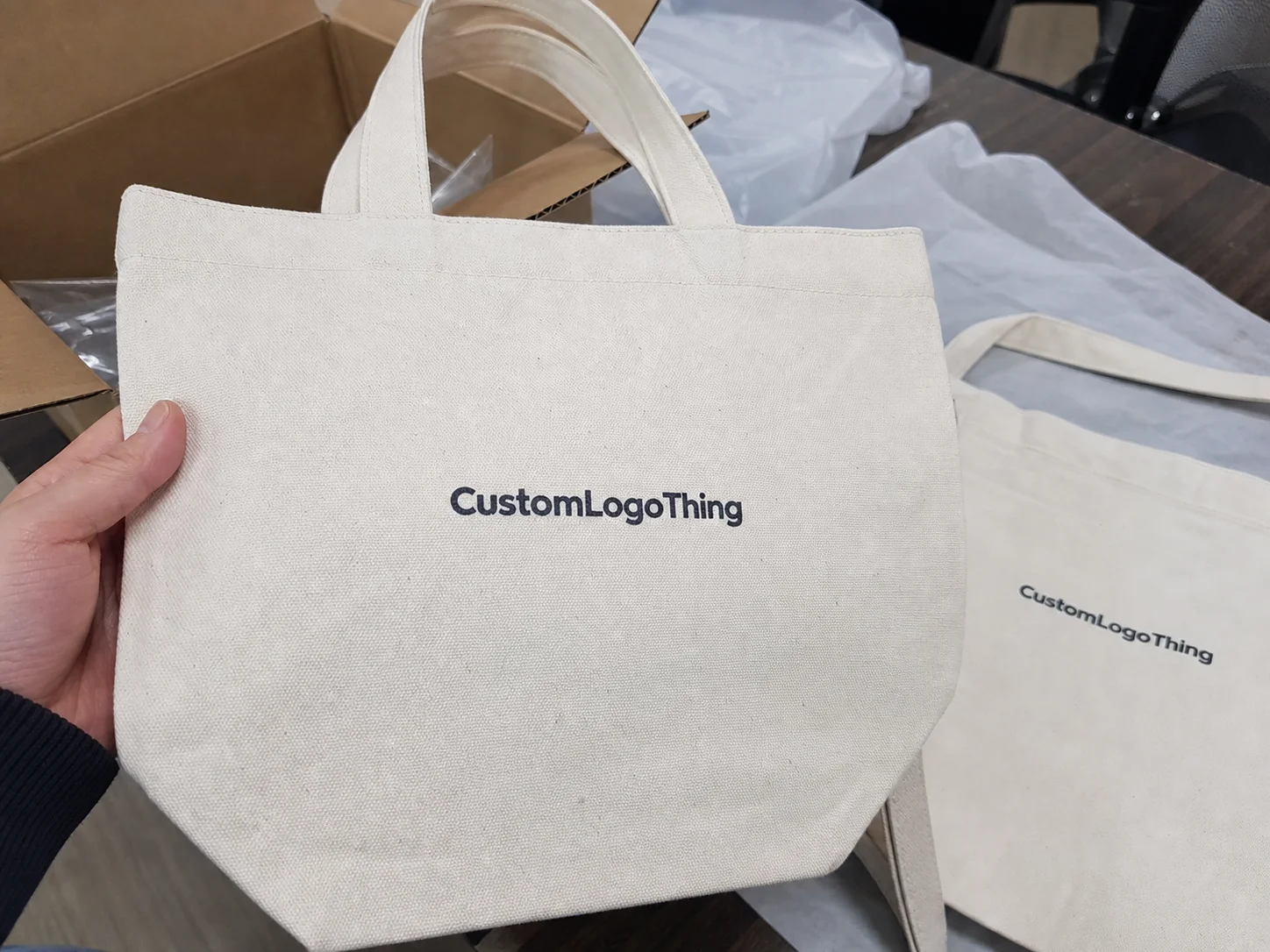
Most brands do not need a warehouse full of totes to validate a concept. A 50-piece or 100-piece run can reveal a lot: whether the logo prints cleanly, whether the bag feels substantial enough to keep, and whether the finished item matches the role it is supposed to play in the brand experience. That matters in branded packaging because the bag is not just carrying products. It is carrying perception.
custom canvas Bags No Minimum orders are designed for that kind of testing. They let smaller brands, internal teams, and event planners buy only what they need instead of committing to a high minimum order quantity that makes sense only for replenishment or retail distribution. The lower barrier means faster decisions, less risk, and fewer problems if the first version needs a correction.
Common use cases are fairly straightforward:
- Trade show giveaways and pop-up events
- Retail trial runs for a new tote design
- Staff kits and onboarding gifts
- Influencer mailers and press packages
- Limited-run merch for clubs, schools, and small brands
There is a tradeoff. No-minimum does not mean no limits. The unit price is usually higher, print options can be narrower, and some suppliers will only offer standard bag styles or one-color decoration on small orders. That is normal. You are paying for flexibility and lower commitment, not wholesale economics.
For buyers comparing product packaging options across totes, mailers, and Custom Packaging Products, the decision often comes down to timing and use case rather than pure volume. If the bag is part of a broader launch that also includes custom printed boxes or insert cards, a small tote run lets you keep the whole rollout aligned without overbuying anything.
How the ordering process and lead time actually work
The workflow is usually simple, but it still needs oversight. You choose the bag style, submit artwork, review a proof or mockup, approve the layout, and production begins. If you are ordering custom canvas bags no minimum, the process may look lighter than a retail-scale program, but proofing still matters. A weak proof becomes a weak batch.
Printing method affects timing more than many buyers expect. Digital printing is often the fastest route for small runs and complex artwork because it avoids extensive screen setup. Screen print works well for bold one- or two-color logos, but the setup still takes time. Embroidery creates a premium look, yet it also adds hooping, stitch-count planning, and more production steps. Clean artwork moves quickly. Busy artwork tends to slow the job down.
Typical timing looks like this:
- Simple low-quantity runs: about 7-14 business days after proof approval
- More detailed artwork or specialty finishes: 2-3 weeks, sometimes longer
- Rush orders: possible, but expect a surcharge and tighter artwork requirements
Most delays come from predictable places: artwork revisions, color matching, blank bag shortages, or a production calendar that is already crowded because everyone is ordering before a holiday or event season. Ask for a firm production window before you approve payment. “Fast” is not a schedule. It is a claim.
If the bags are being packed with retail kits or shipped as part of a larger fulfillment run, ask how the outer cartons are packed and whether the supplier has any transit-testing logic similar to the standards used by the International Safe Transit Association. If your packaging claim touches recycled content or responsible sourcing, the FSC system is a more reliable reference than vague sustainability language.
Cost, pricing, and unit cost drivers
Pricing on small runs is driven by a handful of variables that matter more than most buyers realize. Bag size, canvas weight, print method, number of colors, imprint placement, and any add-ons all affect the final number. Add a zipper closure, reinforced handles, or a second decoration location, and the quote rises. That is labor and material, not padding.
The reason unit cost rises on no-minimum orders is simple: setup gets spread across fewer pieces. A screen print program or embroidery run does not care whether you ordered 50 bags or 500; some of the preparation still has to happen. That is why custom canvas bags no minimum can be a smart test order without resembling a bulk quote in any meaningful way.
Here is a practical way to think about the main decoration methods:
| Decoration method | Best for | Typical setup | Common price behavior | Notes |
|---|---|---|---|---|
| Digital print | Small runs, detailed art, multiple colors | Low to moderate | Often more efficient for short quantities | Good for gradients and fine detail, though the canvas texture still affects sharpness |
| Screen print | Bold logos, spot colors, repeat orders | Moderate | Usually improves as quantity rises | Strong color impact, but each ink color adds setup and cost |
| Embroidery | Premium feel, simple marks, retail gifting | Moderate to high | Higher per unit on small orders | Looks durable and elevated, but not every logo translates well in thread |
Buyers often compare only the quoted unit price and miss the actual number: total landed cost. That includes setup, packaging, freight, proofing, tax, and any rush fee. A quote that is lower by a few cents per bag can still cost more overall if shipping is inflated or if a second proof is needed. This is why quoting retail packaging properly is less about hunting the lowest line item and more about reading the whole invoice.
There are a few reliable ways to keep costs under control without making the bag look cheap. Use a simpler logo, limit ink colors, stay with standard dimensions, and avoid extra print locations unless they serve a real purpose. If your team is comparing canvas totes with other branding packaging options, cleaner artwork usually gives the strongest return per dollar. Fancy often costs more than it earns.
Key specs that affect quality and branding
Canvas weight matters more than many people expect. Lighter canvas folds easily and works well for giveaways or short-life event kits. Heavier canvas feels more substantial, carries more weight, and is usually the better fit for retail use or repeated customer handling. If the tote is meant to feel like part of the product packaging system rather than a throwaway freebie, heavier stock usually makes more sense.
Size matters too. Small totes are fine for mailers, cosmetics, and handouts. Larger gusseted bags are better for apparel, trade show materials, and everyday shopping use. Strap length changes how the tote carries on the shoulder, and reinforced stitching changes whether the handles survive real use or just look good in a product photo. A beautiful logo on a weak bag is still a weak bag.
Print quality on canvas has limits. Bold marks, high contrast, and simple type are the safest choices because textured fabric can soften delicate lines. If the logo relies on thin strokes or tiny text, ask for a sample or a proof on the actual canvas color. Natural canvas behaves differently from bleached white or dyed blanks. The same artwork can look crisp on one and muddy on another.
These are the details that affect package branding in practice:
- Canvas weight and weave density
- Stitching reinforcement at the handle and side seams
- Gusset depth for usable capacity
- Zipper closure, snap, or open-top format
- Print placement and the amount of blank space around the mark
If the tote is being used in a protective context, such as a shipped retail kit or a multi-item welcome pack, ask whether the broader package design has been checked against the kind of transit stress addressed by industry testing groups like ISTA. Canvas is forgiving, but the outer package still has to survive handling, stacking, and the occasional rough corner.
Step-by-step: how to place a small custom order
Start with the use case. Are you trying to hand out bags at an event, include them with a retail purchase, or build merch? That answer should decide the size, style, and print method. If you do not define the job first, you will compare the wrong quotes and waste time arguing about features you never needed.
- Set quantity, budget, and deadline before requesting quotes.
- Prepare artwork in vector format if possible, and note brand colors clearly.
- Ask for bag specs, print method options, and a sample or digital mockup.
- Confirm what is included: setup, shipping, proofing, revisions, and taxes.
- Approve the proof only after checking logo size, placement, spelling, and canvas color.
- Save the final spec sheet for reorders so the next round is faster and more consistent.
One practical note: if you also need hang tags, inserts, or custom printed boxes, keep the specifications aligned. Mixed paper stocks, mismatched colors, or different proofing standards can make a package feel disconnected. For brands building a cleaner presentation, a coordinated packaging stack usually reads better than a set of unrelated pieces.
A good quote should answer the basics clearly. If it does not spell out bag style, imprint method, lead time, and shipping cost, ask again. If you need a broader reference point for packaging questions, the FAQ is the quickest place to check the basics without sorting through sales language.
Common mistakes buyers make with no-minimum orders
The first mistake is timing. Small quantity does not mean instant production. Proofing still takes time, blank stock still runs out, and freight still moves on its own schedule. If the event is next week, you should have started last week.
The second mistake is overdesigning the art. A detailed illustration that looks sharp on a monitor can fall apart on woven canvas. Thin lines, tiny text, gradients, and dense legal copy are all risky. If the tote is part of branded packaging, it should read quickly from arm’s length. Use the logo like a logo, not a poster.
Another common error is confusing setup fees with the real unit cost. A low setup number can hide expensive per-bag pricing, or the reverse can happen. Buyers also forget to ask whether shipping, proof changes, and sample charges are included. That is how a quote that looked acceptable turns into a budget headache.
Other avoidable mistakes:
- Picking a tote that is too small for the contents
- Using light canvas for heavy retail items
- Skipping a sample when color accuracy matters
- Assuming natural canvas and white canvas print the same way
- Ignoring how the bag will be stored, folded, or shipped
For custom canvas bags no minimum orders, the best protection is specificity. Ask for the exact canvas weight, print method, and packaging format before you commit. The less vague the brief, the fewer surprises later.
Expert tips for better results on low MOQ runs
If you want the finished bag to look better, keep the design simple. A one-color or two-color logo usually prints cleanly, keeps costs down, and looks more premium than a crowded graphic trying to do too much. That applies whether the tote is part of retail packaging, a launch kit, or staff onboarding.
Use standard bag dimensions whenever possible. Odd sizes can work, but they often cost more and take longer. Standard dimensions also make reordering easier, which matters if you want consistency across future runs. Buyers tend to underestimate how much time they save when the spec does not change every time.
Ask for the mockup against the actual canvas color, not a white digital background. Natural canvas, black canvas, and dyed options all affect how the logo reads. A design that looks balanced on screen can shift once it lands on woven fabric. You do not need perfection. You do need an honest preview.
Here is the short version of what tends to work best on low MOQ runs:
- Simple logo, bold type, strong contrast
- Standard-size bag with reinforced stitching
- One print location unless there is a clear reason for more
- Written turnaround window and shipping estimate
- One backup color or artwork variation if timing is tight
If you think you may reorder, lock the spec now. Same bag, same print method, same placement, same color callout. That makes the next round faster and more consistent, which is where real value shows up in packaging systems. Random changes are where brands lose time and money.
It also helps to ask the supplier what they would recommend for your actual use. A good vendor should be able to tell you whether your bag should be 6 oz or 10 oz, whether screen print or digital print makes more sense, and whether the artwork is too detailed for canvas. That kind of guidance is often worth more than a low quote with a lot of caveats hidden underneath.
Best next steps before you request a quote
Before you ask for pricing, collect the basics: quantity, bag size, artwork file, preferred print method, deadline, and any special finishing needs. Then decide what is non-negotiable and what you can flex. That keeps the quote comparison honest, which is where most buying decisions either get easier or turn messy.
If you need custom canvas bags no minimum, say that up front. Do not bury it in a long message and hope the supplier notices. Give them the right production path from the start so they quote a realistic lead time and the right decoration option. That saves everyone a round of unnecessary back-and-forth.
Use this checklist before approving anything:
- Final quantity and target delivery date
- Exact bag size and canvas weight
- Logo file and approved colors
- Setup fees, freight, and tax treatment
- Any backup style if the first option runs long or costs too much
For buyers building a larger branded packaging program, this is also the time to compare the tote against the rest of the kit. Sometimes a bag is the right choice. Sometimes a mailer plus insert card is better. Sometimes both are needed, and the order just needs to be planned cleanly. If you want a broader starting point, browse Custom Packaging Products and match the tote to the rest of the presentation.
Choose the bag for the job, not for the spreadsheet fantasy. The best custom canvas bags no minimum order is the one that ships on time, prints clearly, and fits the use case without paying for features nobody asked for.
How do custom canvas bags no minimum orders usually work?
You choose a bag style, submit artwork, approve a proof, and production begins once the details are confirmed. The supplier spreads setup and decoration costs across a smaller quantity, which is why the unit price is higher than a bulk run.
Are no-minimum canvas bags more expensive per piece?
Yes, usually. Setup, labor, and decoration costs are divided across fewer bags, so the per-unit price rises compared with larger runs. That does not mean the order is overpriced. It means the pricing structure is honest.
How long does a small custom canvas bag order take?
Simple low-quantity orders often take about 7-14 business days after proof approval. Complex artwork, specialty finishes, or backordered blanks can push the schedule longer.
What artwork works best for custom canvas bags no minimum?
Simple logos, bold type, and strong contrast usually print best on canvas. Overly detailed artwork can lose clarity on textured fabric, especially in small runs.
What should I ask for in a quote before ordering?
Ask for bag specs, print method, setup fees, shipping, proofing, and the expected turnaround. Also confirm whether the quote includes taxes, revisions, and rush charges.