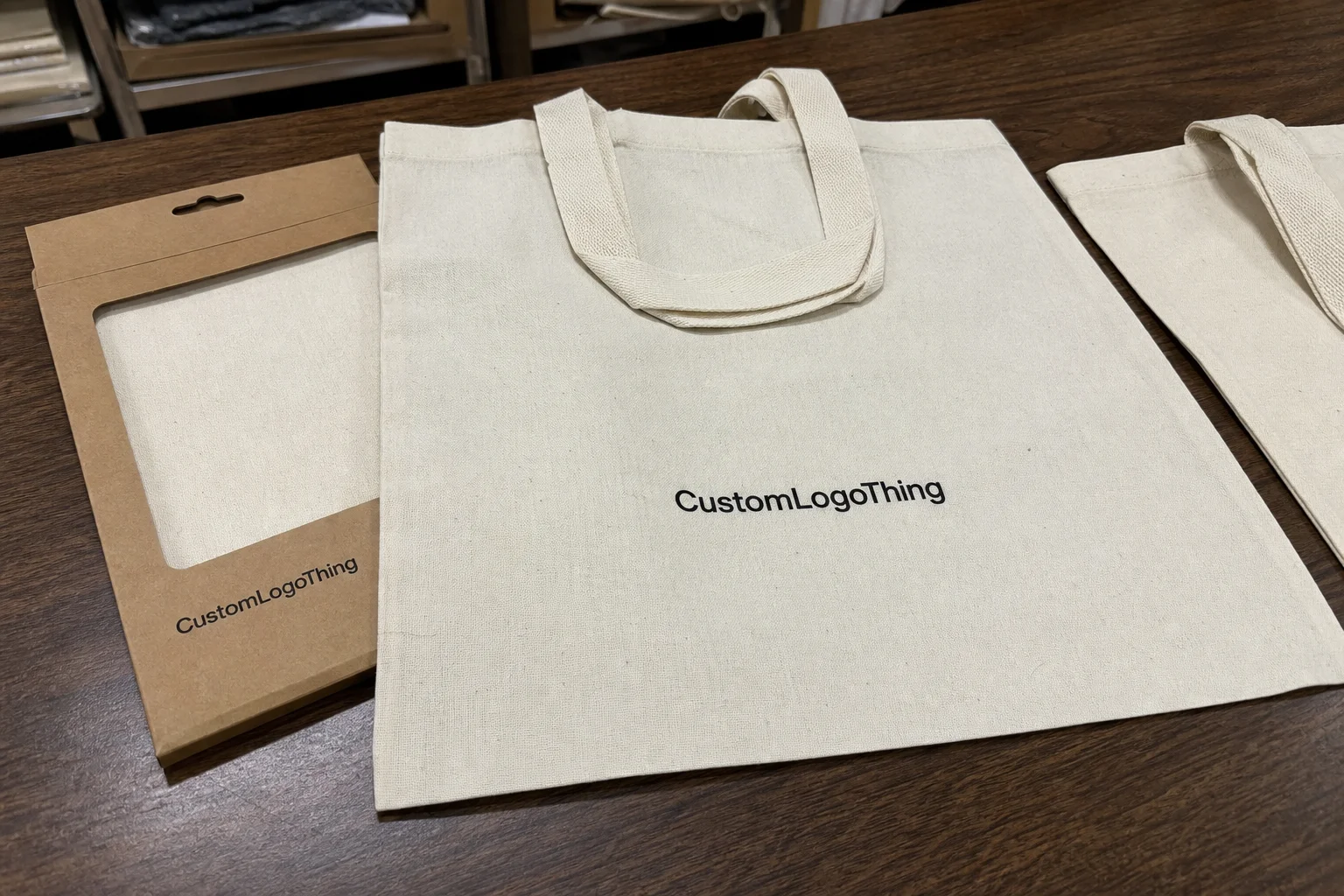
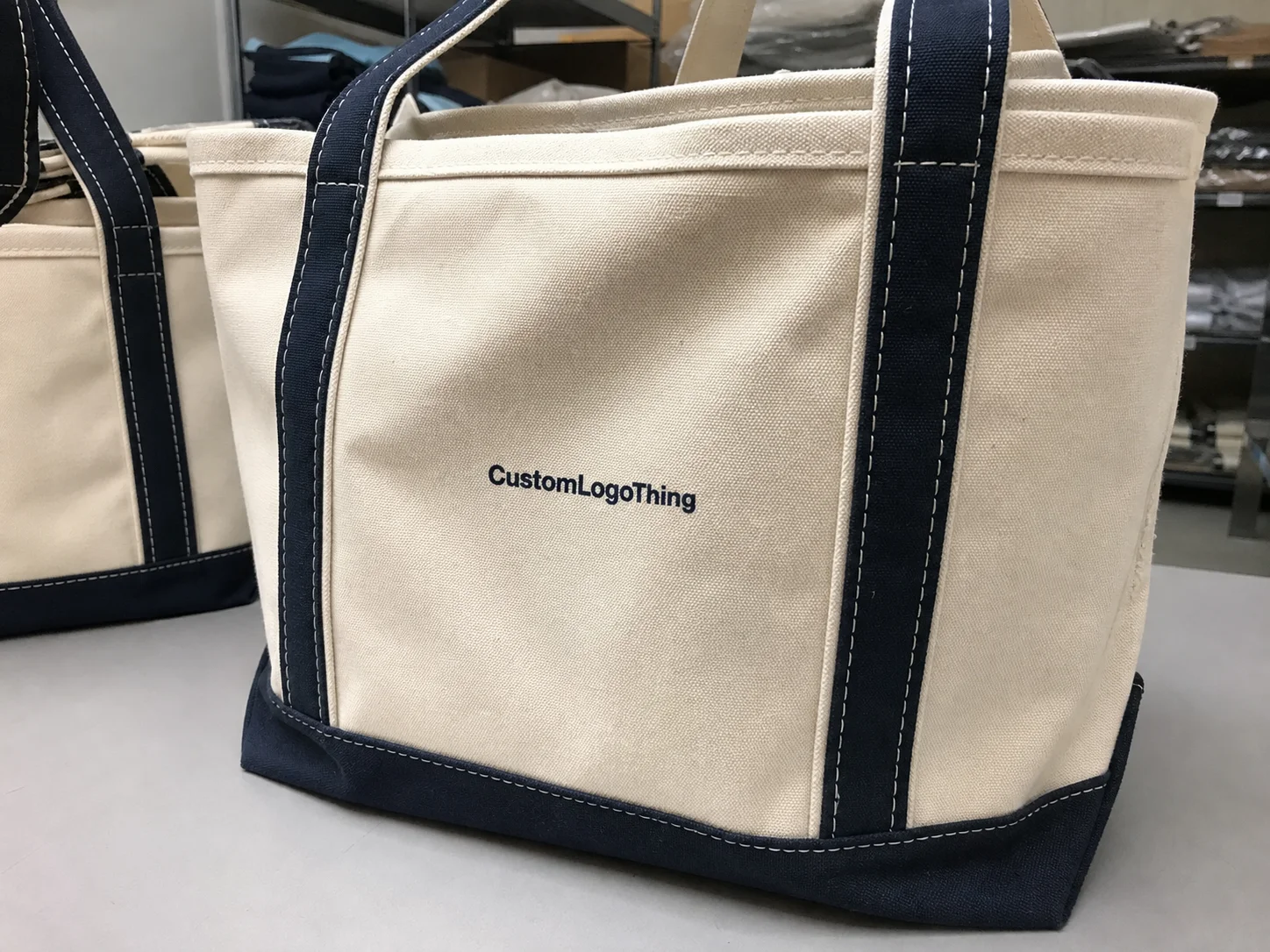
Why custom canvas bags with logo punch above their weight
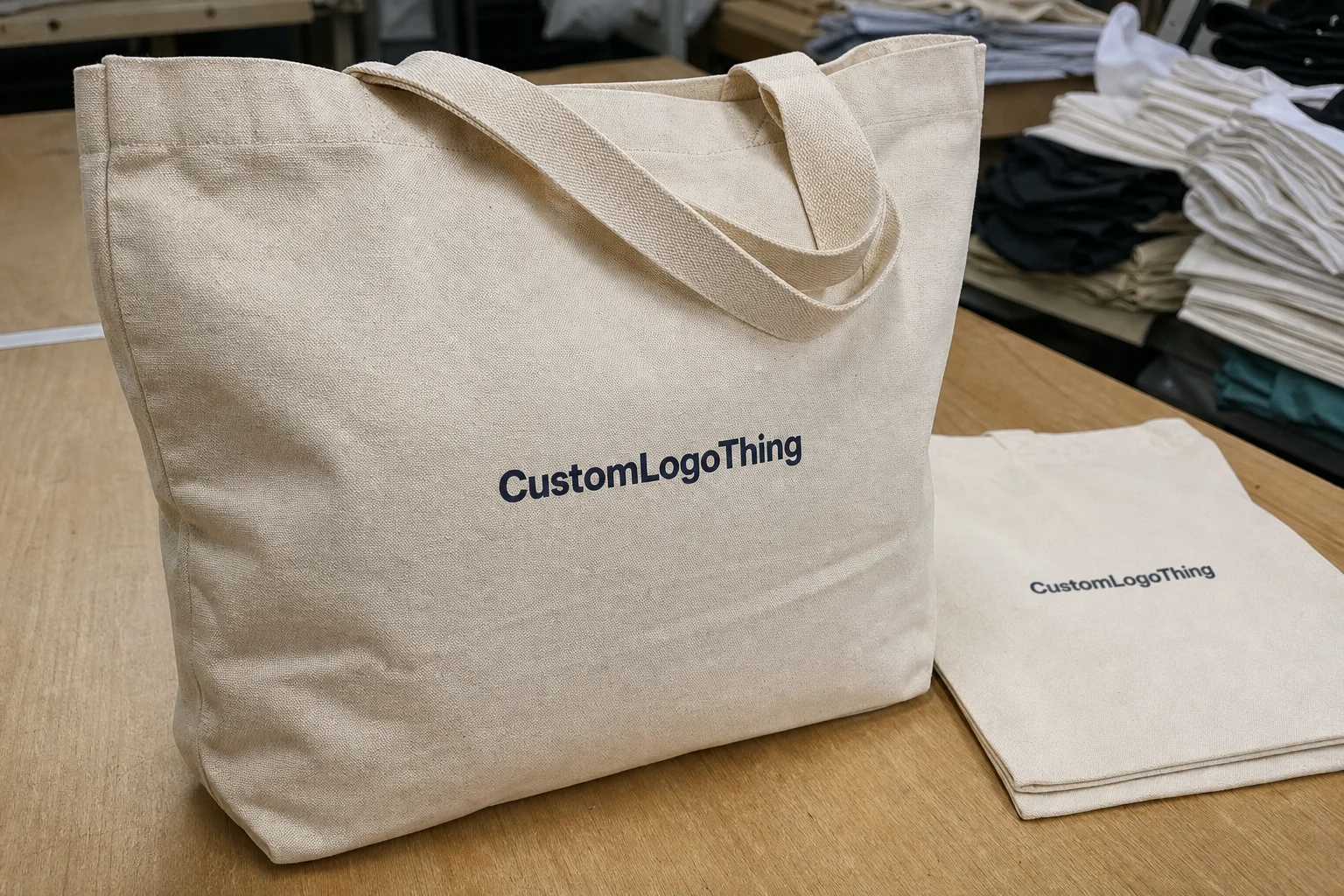
Custom Canvas Bags with logo do something a lot of packaging items cannot. They keep showing up. A bag gets carried to work, reused for shopping, stuffed into a car, folded and unfolded, then seen again a week later. That repeated exposure matters more than a one-time handout that disappears before anyone remembers who gave it out.
Canvas also changes the perceived value of the brand. It feels sturdier than plastic, more considered than a paper carrier, and less disposable than a promo item that breaks on first use. That makes it useful for retail packaging, event kits, trade show giveaways, subscription add-ons, and welcome bundles. The same basic tote can support all of those uses, but only if the spec fits the job.
People tend to treat totes as generic. That is a mistake. Fabric weight, stitching, handle length, gusset depth, and the print method all affect how the finished bag looks and how long it lasts. A thin bag with a large logo can look fine in a mockup and cheap in hand. A well-built tote with a restrained mark does the opposite. It feels more expensive than it is.
For buyers, the real goal is not to order a bag. It is to order something people will actually keep using. That means thinking about the canvas bag as part of the broader packaging system, not as an afterthought added because the budget had room.
How the printing and sewing process actually works
The production path is simple on paper: choose the bag style, send artwork, review a proof, approve the layout, print, sew, finish, pack, ship. The friction usually shows up before the press starts running. Most problems come from vague artwork, unrealistic color expectations, or a logo placed as if the bag were a flat sheet instead of a sewn product with seams and folds.
For Custom Canvas Bags with logo, the main decoration methods are screen printing, heat transfer, and embroidery. Screen printing is usually the best fit for bold marks and flat color work. It handles volume well, holds up through repeated use, and stays cost-effective once the run gets past the smallest quantities. Heat transfer can handle more detail or more colors, but the finish can sit on top of the fabric rather than becoming part of it. Embroidery gives a premium feel, but it adds thickness, takes longer, and is not always a good match for thin canvas or oversized artwork.
The sewing construction matters just as much as decoration. Side seams can cut into the print area. Gussets change the front panel dimensions. Handles can overlap the top of the logo if the artwork is placed too high. A clean mockup is useful, but only if it reflects the real printable area, not the full flat panel before assembly. That is where production reality starts to matter more than design software.
Artwork quality is another place where buyers either save money or create avoidable problems. Vector files, such as AI, EPS, or editable PDF, are the safest choice because they scale without losing edge sharpness. High-resolution PNG files can work for some jobs, but they are less reliable if the logo contains fine text, tiny lines, or multiple colors with tight registration. On canvas, especially natural or textured canvas, color can shift slightly because ink sits differently on woven material than it does on coated stock. White ink on natural canvas is not the same as white ink on dark dyed canvas. That is normal. It is not a defect.
Useful rule: if the logo only looks good because the mockup is doing all the work, the production sample will probably expose it.
If you already buy boxes, inserts, or labels, it helps to treat the tote as one item in the same packaging lineup. For a broader view of product formats, see Custom Packaging Products. A canvas bag is not trying to protect a fragile item the way a rigid box does. Its job is different. It carries, presents, and extends visibility.
Cost, pricing, MOQ, and what drives your quote
Pricing for custom canvas bags with logo usually comes down to five things: size, fabric weight, decoration method, number of print colors, and quantity. Once those are understood, quotes stop feeling random.
Quantity drives the biggest swing. Small runs cost more per unit because setup time has to be spread across fewer bags. Larger runs lower the unit cost, but they require more cash up front and more storage space. MOQ is not a sales trick. It exists because printing and sewing have fixed labor, setup, and material handling steps. A 100-piece order still needs screens, plates, file prep, machine setup, trimming, and packing. The unit cost only looks high if you ignore everything behind the scenes.
Buyers overspend in predictable ways. They choose too many print colors because the first mockup looks empty. They specify a heavy canvas because it sounds premium, then realize the bag is too stiff for the actual use case. They add a second print location to fill blank space, then wonder why the quote jumped. Most of the time, a cleaner spec gives a better result at a lower cost.
| Canvas option | Typical use | Common unit range | Notes |
|---|---|---|---|
| Lightweight canvas | Events, mailers, high-volume giveaways | $0.90-$1.80 | Lower cost, softer structure, best for lighter contents and short-term use. |
| Midweight canvas | Retail packaging, welcome kits, repeated everyday use | $1.60-$3.20 | Usually the most balanced option for feel, structure, and price. |
| Heavy canvas | Premium retail, longer reuse, stronger load-bearing needs | $2.90-$5.50 | Better structure and durability, but higher material weight and freight cost. |
Those ranges are broad because they have to be. Decoration changes the quote. So do self-fabric handles versus webbed handles, gussets, lining, individual packing, and whether the supplier has to source material in a specific color. A setup fee, sample charge, freight, and rush fee should be evaluated together. Looking only at the unit price is how people get surprised later.
If sourcing standards matter, bring that up early. FSC-certified materials or paper-based packaging components can affect both lead time and cost. Certificates do not usually change the bag itself, but they can change the schedule if documentation has to be confirmed before production starts. For background on material sourcing standards, the FSC site is a useful reference.
Choosing the right canvas weight, size, and imprint area
Canvas weight affects feel more than many buyers expect. Lightweight canvas folds easily and works well for high-volume distribution. Midweight canvas is the safest middle ground because it balances price, structure, and everyday usefulness. Heavy canvas feels more premium, keeps its shape better, and handles rougher use, but it can also be overkill if the bag only needs to carry a brochure, a boxed sample, or a small gift set.
Size should match the actual contents. A tote for grocery use needs different proportions than one for trade show handouts. Retail packaging often works best with a medium-size bag that can hold a product box, tissue, and a receipt without looking overstuffed. Event bags can be narrower if the items inside are light and flat. Go too large and you pay for extra fabric while shrinking the logo relative to the panel. Go too small and the bag stops being practical.
Handle length is easy to overlook until someone carries the bag for more than five minutes. Short handles feel tidy and compact, but they can be awkward on the shoulder. Longer handles improve comfort and reuse, especially if the tote is meant to be carried around all day. Gusset depth matters for the same reason. A flat bag looks neat, but a deeper gusset gives better volume and usually sits more naturally when set down.
Imprint area deserves the same discipline. Bigger is not always better. A logo that runs into seams or stretches awkwardly across a gusset often looks less polished than a smaller mark placed with intention. Negative space is not wasted space. On canvas, it usually makes the design look more deliberate and more expensive.
For buyers comparing basic tote specs, the short version is simple:
- Lightweight canvas for lower budgets and short-term distribution.
- Midweight canvas for the best mix of value, structure, and repeat use.
- Heavy canvas for premium presentation and stronger load-bearing needs.
Production steps and timeline from proof to delivery
A typical order moves through five stages: artwork prep, proof approval, production, finishing, and shipping. Each stage can stall if the brief is incomplete. A missing file or a vague color note can delay the order longer than the actual print run.
The usual sequence looks like this:
- Artwork review - the supplier checks file quality, logo placement, and print feasibility.
- Digital proof - you confirm the size, placement, colors, and bag spec.
- Production - printing, sewing, and assembly happen in the agreed configuration.
- Finishing - trimming, folding, packing, and carton labeling.
- Shipping - freight is booked based on destination and deadline.
For simple orders, standard turnaround is often 12-15 business days from proof approval. That can stretch if fabric has to be sourced, the order includes multiple print colors, or the finishing spec is unusually detailed. Larger quantities also take longer because sewing and packing are still physical processes. They do not scale like a spreadsheet.
Rush orders are possible, but they compress the schedule at exactly the point where there is less room for error. If a launch date or event date matters, build in buffer time. A tote is not the item you want arriving after the booth is already open.
Shipping is part of the production plan, not a separate afterthought. Ask how the bags are packed, how many units fit per carton, and whether cartons are palletized or loose-packed. Transit can be rough. Industry references such as ISTA cover packaging test methods for drop, vibration, and compression. That matters more when bags are bundled with inserts or included in a larger branded packaging program.
Common mistakes buyers make with branded canvas bags
The first mistake is low-resolution artwork. A logo that looks fine on screen can turn blurry or jagged in print if the source file is too small or has been stretched badly. That problem is avoidable, and it is expensive when it shows up late.
The second mistake is trying to cram too much into the design. Tiny type, thin lines, and excessive color changes are risky on fabric. Canvas is not glossy stock. Ink behaves differently on woven surfaces, so the design needs more breathing room than a digital mockup suggests. A strong logo with one clear message usually performs better than a busy layout.
The third mistake is skipping sample approval. If color matters, or if the artwork has to sit in a precise position relative to the handles or seams, a proof or production sample is worth the time. Small shifts can change the whole read of the bag, especially on compact totes with limited print area.
The fourth mistake is forgetting freight and storage. A low unit price can look attractive until shipping, warehouse space, carton counts, and packout are added. If the bags are for a campaign, the real number is landed cost, not just the factory quote.
The fifth mistake is choosing a spec that does not match the use case. A premium heavy canvas tote is wasted if the bag is only going into a one-time event kit. A lightweight tote is the wrong answer if the bag has to carry product weight and survive repeat use. The best bag is the one that gets used, not the one that sounds impressive in a quote summary.
Expert tips for better custom canvas bags with logo
Start with one strong logo treatment. Do not turn the bag into a bulletin board. Clarity wins. The totes people keep are the ones that feel easy to carry, look clean, and hold up under real use. Comfort, structure, and print durability matter more than decorative extras.
Choose the fabric color with the artwork in mind. Natural canvas is popular because it works with many ink colors, but dyed canvas can create better contrast or a more premium look. Darker fabrics can also raise print complexity. Light inks can lose punch, and some print methods need more passes to achieve consistent coverage.
Ask for a digital proof. If the project matters, ask whether a pre-production sample is available too. That extra step costs time and sometimes money, but it is cheaper than reprinting an order because the logo sat too close to a seam or the color looked wrong against the base fabric.
Ask the supplier which print method they recommend for your file, not which method is cheapest. Those are not always the same answer. A screen print may be the best production choice even if a transfer looks easier in the mockup. A heavy embroidered mark may look premium, but if the bag is lightweight, the result can feel awkward. Good production advice should explain the tradeoff instead of hiding it.
If you already have boxes, labels, and inserts, keep the tote consistent with the rest of the system. A bag that clashes with the rest of the packaging lineup creates noise. A bag that feels like it belongs makes the whole package feel more intentional. If you already order Custom Packaging Products, the tote should sit comfortably beside them, not look like it came from a different brief.
One last point: think like a buyer, not a slogan writer. The bag has to survive handling, printing, packing, and reuse. If it fails any one of those steps, the branding value drops fast. The most effective custom canvas bags with logo are usually the least dramatic. They are just well spec'd.
Next steps before you request a quote
Before you ask for pricing, gather the basics: target quantity, bag size, fabric preference, logo file, number of print colors, and deadline. That is the minimum useful brief. If you send those details upfront, the quote you get back is easier to compare and much less likely to change later.
Ask for at least two spec options. One should be the economical version. The other can step up in fabric weight, decoration method, or finishing. Side-by-side pricing usually makes the tradeoff obvious. Sometimes the upgrade is worth it. Sometimes it is just a nicer description wrapped around the same outcome.
Review the proof carefully. Check spelling. Check placement. Check the clearance around handles and seams. Check the ink color against the actual fabric color, not against a perfect white background on a monitor. That is where bad surprises start.
The point of the process is not to make the bag fancier. It is to make it usable, durable, and consistent with the rest of the package. If the tote performs well, it keeps working for the brand long after the shipment has been opened. That is the part that matters.
How much do custom canvas bags with logo usually cost per unit?
Unit price depends on bag size, fabric weight, print colors, order quantity, and decoration method. Smaller orders usually cost more per bag because setup gets spread across fewer units. Freight, samples, and rush charges can change the real total, so review the full quote rather than the headline price.
What is the minimum order quantity for custom canvas bags with logo?
MOQ varies by supplier and bag style. Smaller custom runs usually have a higher unit cost and fewer decoration options. Ask whether the minimum changes based on print method, bag color, or whether the order uses stock materials or special sourcing.
How long does production usually take?
Simple orders can often move through proof approval and production in about 12-15 business days, though that depends on stock, artwork readiness, and order size. Multi-color printing, specialty finishes, and larger quantities usually need more time. Shipping should be added to the schedule separately.
What artwork format works best for a logo on canvas bags?
Vector files such as AI, EPS, or editable PDF are the safest choice because they scale cleanly. High-resolution PNGs can work for some jobs, but they are less reliable for fine text or detailed logos. Clean artwork usually means fewer proof revisions and a lower risk of distortion.
Which canvas bag style is best for retail or events?
Retail usually benefits from a more structured bag that can carry product weight and still look polished. Events often need a lighter, lower-cost option that can be handed out in volume. The right choice depends on how the bag will be used, carried, and reused after the first handoff.