Buyer Fit Snapshot
| Best fit | Custom Carton Sleeves for Products projects where brand print, material claims, artwork control, MOQ, and repeat-order consistency need to be specified before quoting. |
|---|---|
| Quote inputs | Share finished size, material target, print colors, finish, packing count, annual reorder estimate, ship-to region, and any compliance wording. |
| Proofing check | Approve dieline scale, logo placement, barcode or warning zones, color tolerance, closure strength, and carton packing before bulk production. |
| Main risk | Vague material claims, crowded artwork, missing packing details, or unclear freight terms can make a low unit price expensive after revisions. |
Fast answer: Custom Carton Sleeves for Products: Board, Finish, Dieline, and Unit Cost should be specified like a repeatable production item. The safest quote records material, print method, finish, artwork proof, packing count, and reorder notes in one written spec.
Production checks before approval
Compare the actual filled-product size with the drawing, then confirm tolerance on folds, seals, hang holes, label areas, and retail display edges. Reserve space for logos, QR codes, warning copy, and material claims before decorative graphics fill the panel.
Quote comparison points
Review material grade, print process, finish, sampling route, tooling charges, carton quantity, and freight assumptions side by side. A quote is only useful when the supplier can repeat the same color, closure quality, and packing count on the next order.
Custom Carton Sleeves for products can seem like a small packaging decision until you put them next to a plain carton and see how much more work they quietly take on. The base box may already protect the item, yet it can still feel easy to overlook, too generic for the shelf, or just not quite finished. A sleeve changes that in a hurry. It brings color, shape, messaging, and package branding into the conversation without forcing a full rebuild of the carton.
That matters for the buyer as much as it matters for the brand. Custom carton sleeves for products can separate SKUs, support promotions, create gift-ready retail packaging, or let a company keep one reusable carton while changing the outer message for each season. The result is practical branded packaging with a clear job to do, not decoration tacked on after the fact.
I've seen teams treat sleeves like a cosmetic extra and then end up relying on them to do the heavy lifting for a launch. That is usually where the best sleeve ideas come from, honestly: a package that already performs structurally but still needs a stronger sales voice. A sleeve is often the simplest way to get that voice without redesigning the whole box family.
Custom carton sleeves for products: why the shelf test is brutal
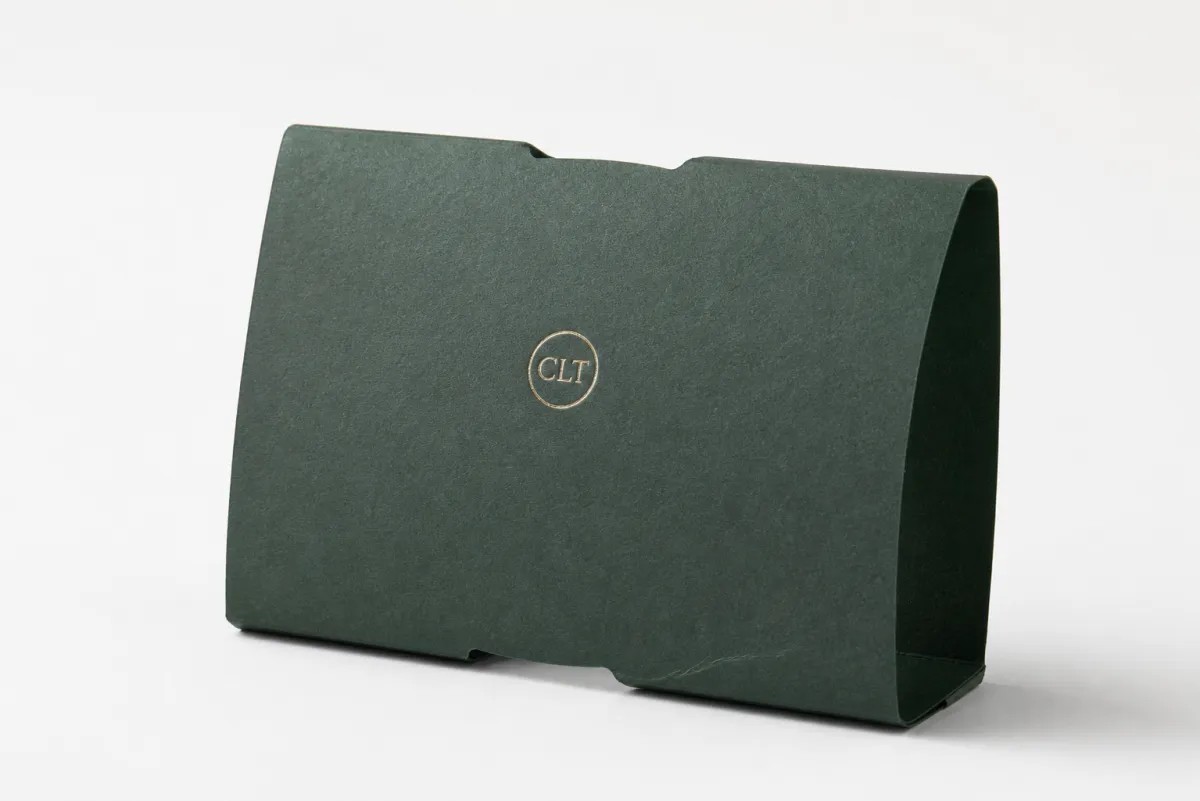
The shelf test is brutal because shoppers rarely study packaging design with patience. They glance, compare, and decide in seconds. If the carton is plain and the graphics stay quiet, the product can sink into the background even when the item itself is strong. Custom carton sleeves for products help break that pattern. They create visual urgency fast enough to matter.
Picture a mid-priced candle, a supplement set, or a folding gift box. The carton may already do its protective work, but it does not always explain why this version deserves attention. A sleeve can handle that part in one pass: call out a limited edition, highlight a new scent or flavor, introduce a holiday look, or frame a bundle offer. That is sales support wrapped in packaging, not empty ornament.
Custom carton sleeves for products also make product packaging easier to manage across a line. A brand can keep the same base carton for several SKUs and use different sleeves to create clear separation. Subscription kits, retail sets, launch programs, and seasonal rollouts all benefit from that kind of flexibility. Changing the sleeve costs less than changing the whole box structure every time the artwork needs a refresh.
There is a limit to what a sleeve can fix. A sleeve will not rescue a weak carton. If the box crushes, bows, or opens awkwardly, the sleeve only gives you a better-looking problem. The same goes for crowded graphics. Too many claims, icons, and fine-print notes turn the pack noisy and flatten the message. Custom carton sleeves for products work best when the carton already behaves and the sleeve has one clear job.
Practical rule: if the sleeve cannot make the product easier to buy in under three seconds, the design probably needs another pass.
That is why sleeves fit branded packaging programs that need decent volume but changing marketing needs. They are flexible, they can look premium, and they usually cost less than redesigning an entire carton family. If you want a starting point for related formats, browse our Custom Packaging Products page and compare sleeve-friendly structures against your current box.
Custom carton sleeves for products also work well in ecommerce, not just retail aisles. A sleeve can keep a plain shipper from feeling like a shipping carton and make the unboxing feel intentional. For ecommerce brands that want more polish without paying for a fully printed heavy board carton on every order, that is a real advantage. It is a small move, but it can change the whole first impression.
How custom carton sleeves for products work
At the simplest level, a sleeve is a printed wrap that slides around a carton, tray, or folded box. It might rely on friction, tuck points, a glued seam, or a cutout shape that locks over the pack. Custom carton sleeves for products are usually made from paper stock or lightweight board, then scored so they fold cleanly and hold their shape without fighting the carton underneath.
The main parts are easy to break down:
- Stock - paper or board chosen for stiffness, fold quality, and print finish.
- Artwork - branding, product claims, legal copy, barcode, and the visual system.
- Scores and folds - the lines that let the sleeve open, close, and sit flat.
- Closure method - friction, tuck, glue, or a locking feature.
- Die-cut details - windows, tear strips, hanging tabs, or finger notches.
Custom carton sleeves for products are not meant to carry the full structural load. The inner carton does that work. The sleeve handles visibility, messaging, and much of the first-impression lift. That makes sleeves a natural fit inside a packaging design system where one base box can support several campaigns or channels.
Common uses include cosmetics, candles, supplements, tea, chocolate, apparel accessories, and small electronics. In each case, the sleeve adds either contrast or information density. A plain carton becomes a retail packaging piece with actual shelf presence. A simple gift box turns into a more polished package branding moment. Same carton, very different result.
Custom carton sleeves for products differ from full custom printed boxes in a practical way: you are buying a layer, not an entire container. That often lowers cost and shortens lead time, especially if the carton already exists. They also differ from a belly band. A belly band is narrower, usually more minimal, and often wraps the center area only. A sleeve covers more visual space and can feel more substantial when premium impact matters.
If the goal is a more deliberate pack without changing the whole line, sleeves are often the smart move. If you need tamper resistance, heavy-duty protection, or a design that controls every panel of the carton, a full box redesign may be the better route. Custom carton sleeves for products can do a lot, but they are not a fix for every packaging problem. The honest answer is that sometimes the sleeve is the right tool, and sometimes it is not.
Custom carton sleeves for products cost, pricing, and MOQ
Price is where packaging discussions often get vague, and that helps nobody. Custom carton sleeves for products are priced by size, stock, print coverage, finish, die complexity, and quantity. A small sleeve with one-color printing on standard stock stays friendly. Add foil, embossing, soft-touch coating, and multiple die features, and the unit cost rises fast. Packaging does not respond to wishful thinking.
A practical way to think about it: for standard custom carton sleeves for products, short runs often land in the rough range of $0.18-$0.45 per unit at around 1,000 pieces, depending on dimensions and finish. At 5,000 pieces, that can drop to roughly $0.08-$0.22 per unit if the spec stays sensible. Specialty finishes and complex die work can move those numbers up quickly. That is normal, not a red flag. These figures are ballpark estimates, not promises, because paper availability, press setup, and regional labor rates can shift the final quote quite a bit.
| Option | Typical quantity | Estimated unit cost | Best use |
|---|---|---|---|
| Plain printed paper sleeve | 1,000-3,000 | $0.18-$0.35 | Launches, promos, SKU labeling |
| C1S or SBS sleeve with matte coating | 3,000-10,000 | $0.10-$0.22 | Retail packaging with a cleaner finish |
| Soft-touch, foil, or spot UV sleeve | 3,000-10,000 | $0.20-$0.55 | Premium branding, gift sets, seasonal lines |
| Complex die-cut sleeve with window or tab | 5,000+ | $0.16-$0.40 | Displays, hanging packs, special construction |
MOQ usually comes from setup efficiency, not material usage alone. A supplier might price custom carton sleeves for products around sheet yield, press setup, or finishing line minimums. That is why a small order can feel expensive per unit. You are paying for make-ready, not only paper. Clean inputs help a quote settle quickly: exact dimensions, quantity, stock preference, print coverage, finish, and whether the sleeve needs a window or cutout.
Do not chase the cheapest stock just because the quote looks neat. Weak board can scuff, curl, or fold badly. A low-cost sleeve that looks tired before it reaches the shelf is not cheaper. It is simply a slower way to waste money. Custom carton sleeves for products should survive handling, packing, palletization, and retail display without turning soft at the edges. If the sleeve has to travel far or sit under bright store lights, material choice matters even more.
If you are comparing specs, ask for side-by-side pricing with and without extras. A plain matte sleeve and a soft-touch foil sleeve can sit in very different cost brackets. That contrast shows which visual upgrade earns its place and which one is only adding surface shine.
Custom carton sleeves for products process, timeline, and lead time
The production path is straightforward, though small mistakes can slow it down. Custom carton sleeves for products usually move through dieline setup, artwork placement, proofing, print approval, finishing, cutting, packing, and shipping. Clear inputs keep the job moving. Wrong dimensions or repeated artwork changes stretch lead time. Packaging has a way of being very predictable about that.
A simple sleeve job can often move through production in roughly 10-15 business days after proof approval, especially when the stock and finish are standard and the run is not huge. More complex sleeves, specialty coatings, or larger quantities may need 2-4 weeks, sometimes longer if the project is going overseas or has to land in a seasonal retail window. Custom carton sleeves for products are not inherently slow; poor planning is what slows them down.
Lead time gets eaten in a few familiar places:
- Missing dimensions - nobody can build a sleeve blind and expect a clean fit.
- Late artwork changes - one small copy edit can trigger another proof cycle.
- Color uncertainty - if the brand wants an exact match but has no references, everyone starts guessing.
- Finish revisions - adding foil or changing a coating often changes scheduling.
- Freight choice - air is fast and expensive; ocean is patient and does not care about your launch date.
If the sleeve is tied to a product launch, plan backward from the ship date and leave room for at least one proof correction. That is the sane way to handle custom carton sleeves for products. One missed measurement can send the dieline back to square one, and nobody needs that kind of excitement.
For brands that care about transit performance, it helps to reference packaging tests rather than trusting good intentions. ISTA publishes widely used transit test families, and the current guidance is useful for ecommerce and retail shipments alike: ISTA. If you are sourcing paper and want a cleaner chain-of-custody story, FSC certification is worth asking about. That does not solve every packaging issue, but it does separate real documentation from vague supplier chatter.
Overseas production can lower unit cost, though the tradeoff is time, freight risk, and less room for quick revisions. Domestic production can be faster and easier to manage, especially if you need samples quickly or expect artwork changes. There is no universal winner. Custom carton sleeves for products should be chosen for the actual project, not the fantasy version where everything prints perfectly on the first try and arrives early. That fantasy has ruined many budgets, and I have watched perfectly good schedules slip because someone assumed the sample would be the final answer.
Key factors that shape custom carton sleeves for products
Fit is the first factor, and it is not negotiable. Custom carton sleeves for products need to sit on the carton without shifting, bowing, or leaving awkward gaps. Even a small dimensional miss can make the sleeve look sloppy. Measure the actual filled carton, not the idealized drawing somebody made months ago. Real packaging has real tolerances, and product fill can change the final height more than people expect.
Stock choice comes next. A stiff SBS or C1S board can hold crisp scores and keep edges neat. Lighter paper stock works for simple wraps, but it may buckle if the sleeve is large or heavily printed. Grain direction matters too. If the grain fights the fold, the sleeve can crack or spring back. That is not a glamorous topic, but it explains why some custom carton sleeves for products feel polished and others feel cheap.
Finish choices should be made for handling, not only for a proof image. Matte can look clean and modern. Soft-touch feels premium but can show oils and scuffs if the pack gets handled a lot. Foil can lift shelf appeal, though too much foil turns into visual noise. Spot UV can create contrast, but only if the base design gives it room to breathe. Pick finishes that support the message, not every finish that looked nice in a sample kit.
Printing constraints matter as well. Full-bleed color, fine type, small barcodes, and compliance copy all ask different things from the print process. If the sleeve needs lots of white space and tiny text, the art has to be set up carefully or the edges will look fuzzy. Custom carton sleeves for products should never be designed as if every press behaves the same. They do not. Some presses hold detail beautifully; others need a little more room, and that difference can be the gap between a clean sleeve and one that feels off by just enough to bother you.
End use changes the spec more than people expect. A sleeve for retail packaging may need stronger shelf pop and better scratch resistance. A sleeve for ecommerce may need to survive shipping abrasion and unboxing without rubbing off. A subscription kit may need a simpler assembly path so staff are not fighting the sleeve at pack-out. That is where branded packaging becomes practical instead of merely attractive.
For product launches that cross channels, custom carton sleeves for products can carry a lot of the load by changing only the outer wrap. The inner carton stays stable while the message shifts by market, campaign, or season. That keeps inventory cleaner, and it keeps the base carton from changing every time the creative team wants a different look. It also keeps warehouse teams from dealing with a new box structure every six weeks, which is its own kind of relief.
Common mistakes with custom carton sleeves for products
The first mistake is sloppy measurement. Someone guesses the carton size, orders the sleeves, and then wonders why they slip, jam, or show ugly gaps. Custom carton sleeves for products are unforgiving about dimensions because the fit has nowhere to hide. If the pack changes during manufacturing, update the dieline. Do not pretend the old spec still works.
The second mistake is stuffing too much into the design. Too many claims, too many icons, too much legal text. The sleeve starts reading like a ransom note with branding ambitions. Good packaging design gives the eye a place to land. Bad design makes every panel compete for attention. Custom carton sleeves for products need hierarchy, not a full-page argument.
The third mistake is choosing a finish that behaves badly in real use. A sleeve can look excellent in a mockup and still scratch, smear, or wrinkle once packers start handling it. A soft-touch coat that feels luxurious on day one can look tired after a few passes through fulfillment. That is especially true for custom carton sleeves for products used in retail or ecommerce, where handling is constant.
The fourth mistake is ignoring the carton under the sleeve. If the base box is flimsy, the sleeve is just expensive camouflage. A sleeve cannot create structure out of bad board or poor folding. It can improve presentation. It cannot fix engineering. That sounds obvious, yet packaging teams still treat sleeves like rescue gear for a weak carton.
The fifth mistake is skipping prototyping. A digital proof helps, but it does not show how the sleeve opens, slides, or resists scuffing. For custom carton sleeves for products, a physical sample is worth the time if the project matters at all. Check the fit, scan the barcode, read the fine print, and handle the pack under real light. That is how the details that screens miss come into view.
There is another quiet mistake people make with custom carton Sleeves for Products: they assume one spec can serve every channel. It rarely does. The sleeve that looks great for a boutique shelf may be too delicate for a subscription kit line. The sleeve that survives shipping may look too plain for premium retail packaging. Better to admit the tradeoff upfront than discover it after a full production run. It is kinda annoying in the moment, sure, but it saves far more money than a reprint later.
Expert tips and next steps for custom carton sleeves for products
Start with the boring inputs. Exact dimensions. Product weight. Carton style. Target quantity. Shipping method. Artwork status. If those are ready, custom carton sleeves for products become much easier to quote and much easier to build. If they are missing, the supplier has to guess, and guessing is how people end up paying for corrections.
Ask for a sample or a proof before approving volume. Then check the fit, the crease behavior, the barcode, the print clarity, and the way the sleeve looks under the lighting it will actually face. Retail lighting is not kind. Natural light is not always kind either. Good custom carton sleeves for products should survive both. I usually want to see one sample under bright store-style light and another in softer daylight, because a sleeve can fool you in one setting and tell the truth in the other.
It also helps to ask where the price changes happen. Does a bigger sleeve change sheet yield sharply? Does foil add a separate setup? Does a window cut force a different tooling step? The best suppliers can walk you through those tradeoffs plainly. That is the conversation that saves money, not vague promises about quality.
If you are trying to control budget, pick one priority and build around it. Maybe the goal is shelf impact. Maybe it is seasonal branding. Maybe it is information density for compliance-heavy product packaging. Custom carton sleeves for products work better when they are designed around one clear objective instead of trying to be everything at once.
Here is a simple buying filter I use:
- Need speed? Keep the structure simple and avoid extra finishes.
- Need premium presence? Use stronger board, cleaner print, and one or two well-chosen finishes.
- Need SKU flexibility? Keep the base carton stable and vary the sleeve artwork.
- Need retail or ecommerce durability? Test for scuffing, folding, and handling before volume.
That is the core of it. Custom carton sleeves for products sit in a useful middle ground between a simple band and a full redesign. They give you room to brand, room to explain, and room to adapt. If you want a practical next step, compare two or three sleeve specs side by side, then approve the version that balances cost, durability, and presentation for custom carton sleeves for products. Do that, and you stop buying packaging by hope.
FAQ
What are custom carton sleeves for products used for?
They add branding, product info, and shelf appeal without replacing the main carton. In practice, custom carton sleeves for products are useful for promotions, seasonal launches, SKU separation, and gift-ready packaging. They also let brands keep the base carton consistent while changing the outer message.
How much do custom carton sleeves for products usually cost?
Cost depends on size, material, print coverage, finish, quantity, and cut complexity. Short runs usually have a higher unit cost because setup is spread across fewer pieces. Special finishes like foil or embossing raise price fast, so use them where they actually matter. That is especially true for custom carton sleeves for products with a premium retail target. If a quote seems unusually low, ask what stock and finishing steps are being left out.
What information do I need before requesting a quote for carton sleeves?
Have the exact carton dimensions, target quantity, and product weight ready. Share your artwork status, preferred stock, finish choices, and whether you need a window or special cut. The clearer the brief, the fewer quote revisions and the less wasted time. That applies to custom carton sleeves for products just like any other packaging spec.
How long do custom carton sleeves for products take to produce?
Simple jobs can move quickly, but first-time projects usually need time for setup and proofing. Complex finishes, large quantities, or overseas shipping add lead time. If the sleeve is tied to a launch, build in buffer time for revisions and freight delays. That is the practical way to manage custom carton sleeves for products without panic later.
Do carton sleeves need a dieline or template?
Yes, a dieline helps prevent sizing mistakes and shows where folds, scores, and cuts go. A supplier can usually provide one if you do not already have a box spec. Never design the artwork blind, because even small measurement errors can ruin the fit. For custom carton sleeves for products, the dieline is not paperwork. It is the difference between a clean pack and a frustrating one.
Are custom carton sleeves for products better than full printed boxes?
Not always. Sleeves are a smart fit when the base carton already works and the main need is branding, seasonal messaging, or SKU separation. Full printed boxes make more sense when every panel needs decoration or the structure itself needs a redesign. The better choice depends on the carton, the budget, and how much change the product line can tolerate.

