Buyer Fit Snapshot
| Best fit | Custom Carton Sleeves with Logo projects where brand print, material claims, artwork control, MOQ, and repeat-order consistency need to be specified before quoting. |
|---|---|
| Quote inputs | Share finished size, material target, print colors, finish, packing count, annual reorder estimate, ship-to region, and any compliance wording. |
| Proofing check | Approve dieline scale, logo placement, barcode or warning zones, color tolerance, closure strength, and carton packing before bulk production. |
| Main risk | Vague material claims, crowded artwork, missing packing details, or unclear freight terms can make a low unit price expensive after revisions. |
Fast answer: Custom Carton Sleeves with Logo: Board, Finish, Dieline, and Unit Cost should be specified like a repeatable production item. The safest quote records material, print method, finish, artwork proof, packing count, and reorder notes in one written spec.
Production checks before approval
Compare the actual filled-product size with the drawing, then confirm tolerance on folds, seals, hang holes, label areas, and retail display edges. Reserve space for logos, QR codes, warning copy, and material claims before decorative graphics fill the panel.
Quote comparison points
Review material grade, print process, finish, sampling route, tooling charges, carton quantity, and freight assumptions side by side. A quote is only useful when the supplier can repeat the same color, closure quality, and packing count on the next order.
custom carton Sleeves with Logo can do something that still surprises buyers: the sleeve is often the first branded surface a shopper sees, even when the carton itself stays plain. That small strip of board ends up carrying a large share of the visual load. It has to fit, print cleanly, survive handling, and still make financial sense.
Packaging teams keep coming back to this format for a reason. Retail packs, subscription kits, gift bundles, food cartons, and e-commerce inserts all need branding, but not every SKU deserves a fully printed box. Custom Carton Sleeves with logo sit in the middle ground between a sticker and a custom carton. That middle ground can be useful. It is rarely the cheapest choice on paper, yet it often wins when a brand needs seasonal artwork, fast version changes, or a sharper shelf presence without rebuilding the whole pack.
The real question is not whether the sleeve looks attractive. It is whether Custom Carton Sleeves with logo fit the product, the production calendar, and the budget. Stock choice matters. Sleeve dimensions matter. Finishing matters. MOQ matters. So does the amount of time left before launch. Buyers comparing packaging formats usually get better results when they treat the sleeve as part of a larger system rather than a decorative add-on.
I have seen teams treat sleeves as a last-minute branding layer and then act surprised when the fit, the assembly sequence, or the freight cost complicates the job. The pattern repeats. The projects that go smoothly are the ones where the packaging brief is specific before the artwork starts.
Custom Carton Sleeves with Logo: What They Are
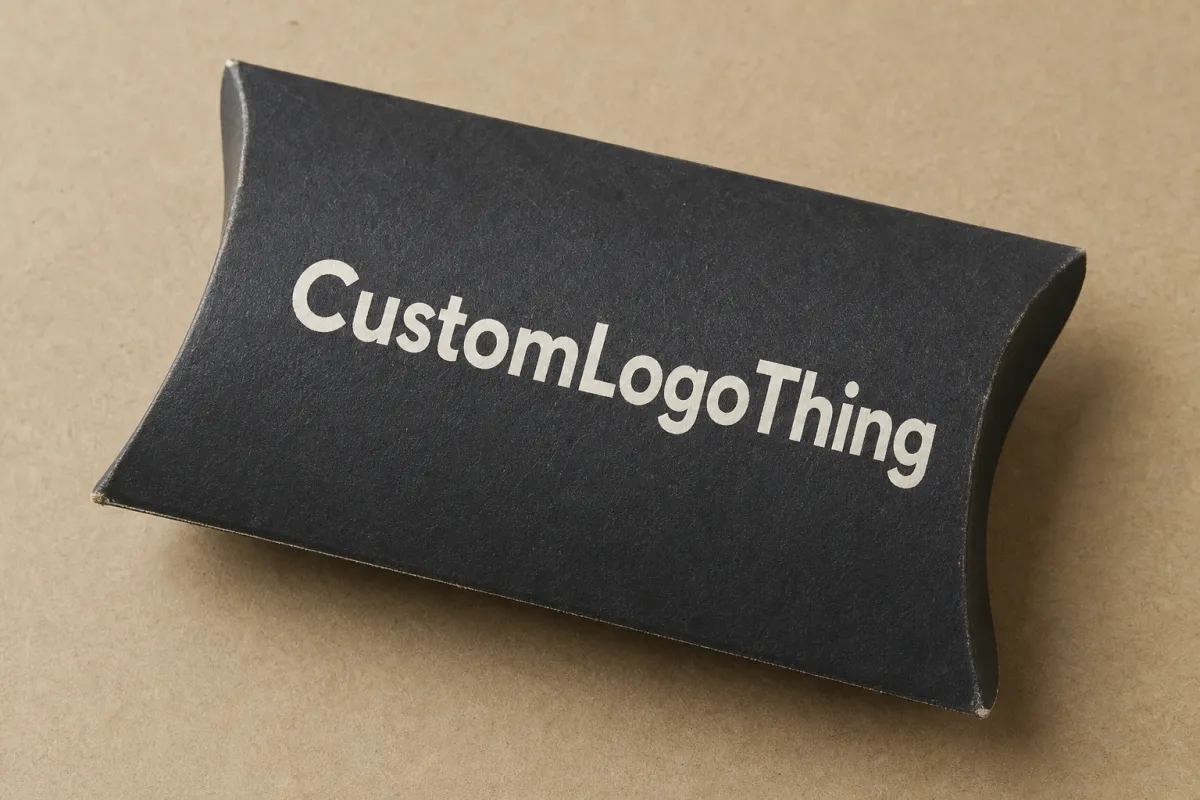
Custom Carton Sleeves with logo are printed wrap-around bands that slide over a carton, tray, or rigid box to add branding, product details, or a premium cue without replacing the main pack. That difference matters. The sleeve usually acts as a secondary structure, not the box itself, which lets the carton stay plain while the sleeve carries the visible message.
Most sleeves use paperboard or another paper-based stock. They are cut to a flat dieline, then folded or wrapped around the carton body. Depending on the design, the sleeve may include a front panel, back panel, side panels, tuck tabs, or a friction-fit closure. In retail packaging, that often becomes a shelf-facing graphic band. In a subscription kit, it may be the outer wrap that keeps components aligned. In product packaging, it can be the detail that makes a basic carton feel deliberate instead of improvised.
That is one reason custom carton sleeves with logo show up across so many categories:
- Retail packs that need more shelf presence without moving to fully printed cartons.
- Subscription kits that change contents often and need version-friendly branding.
- Promotional bundles where the outer presentation matters for gifting or display.
- Food and beverage cartons that carry seasonal, ingredient, or campaign messages.
- E-commerce inserts that need a branded unboxing moment without heavy packaging spend.
The business case is straightforward. A sleeve can make a low-cost carton feel custom. It can reduce the need for fully printed boxes on short runs. It can also simplify versioning across SKUs because the base carton stays the same while the sleeve changes. For many brands, that is the difference between a packaging program that bends with demand and one that becomes expensive every time marketing wants a new flavor, size, or promotion.
There is a practical detail buyers miss more often than they should: custom carton sleeves with logo can support package branding without forcing the entire structure to change. If the carton already passed fill, transit, or internal handling tests, the sleeve adds a branding layer on top. That means less rework than redesigning the box from scratch. Small gain, big effect over several launches.
So when does a sleeve make more sense than a printed carton, label, or sticker? Usually when one or more of these are true:
- The base carton is functional and does not need full print coverage.
- You need frequent SKU changes or seasonal graphics.
- The launch budget cannot support fully custom printed boxes.
- You want a premium visual cue without changing the box construction.
- The product needs a fast route from design approval to production.
That is why custom carton sleeves with logo stay so useful. They are not loud in a design-agency sense, yet they solve a real sourcing problem: how to make product packaging look branded without locking the buyer into a costly carton program.
How Custom Carton Sleeves with Logo Work
The structure is simpler than many people expect, but the sizing is less forgiving than it looks. A sleeve has a length, a height, and an opening style. It may wrap left-to-right or right-to-left, depending on the artwork and the way the line handles insertion. It may hold by friction, or it may use a tuck, seal, or lock feature if the design needs a tighter fit.
For custom carton sleeves with logo, the starting point is always the carton dimensions. Not a similar box. Not a sample that "looks close enough." The sleeve has to be built around the exact outer size of the carton, including board thickness, folded flaps, and manufacturing tolerance. A difference of just a few millimeters can create a sleeve that slips, sits crooked, or scuffs during insertion.
The production logic usually follows a predictable path. First comes the dieline, the flat template showing cut lines, fold lines, and safe areas. Then comes the printed sheet, often on a digital or offset press depending on quantity and quality targets. After printing, the job moves to finishing if needed, then die-cutting, then folding or flat packing. Some suppliers ship sleeves flat for later assembly. Others ship pre-folded or partially formed sleeves when the structure and quantity justify it.
Artwork has to respect that structure. A strong logo on the front panel usually comes first, but the surrounding layout matters just as much. Full-bleed graphics can create a premium effect, yet they demand tighter prepress control. Spot colors help when brand color has to stay exact. A barcode needs quiet space. Ingredients, legal copy, and claims need contrast that reads quickly. If the sleeve is going onto a food carton, beverage carton, or regulated consumer item, compliance text should be planned before the final artwork is locked.
Material choice changes both the look and the economics. Common options include:
- SBS paperboard for crisp print quality and bright whites.
- Kraft board for a more natural, earthy presentation.
- Coated stocks for stronger color and smoother image reproduction.
- Specialty finishes such as soft-touch lamination, matte varnish, spot UV, foil, or embossing.
For custom carton sleeves with logo, that choice can separate a standard promotional wrap from a piece of branded packaging that feels considered. A coated 14pt or 16pt stock is enough for many retail jobs. If the sleeve needs more stiffness, a heavier board or a better-calibrated fold line may be the answer. If the carton sits in a premium channel, soft-touch or foil can raise perceived value quickly, though those extras should be used with restraint.
"A sleeve is only simple when the carton dimensions are locked, the artwork respects the die line, and the finish matches the handling needs. Miss one of those, and the job gets expensive fast."
Transit testing still matters if the sleeve is part of the package system. Even when the sleeve is not the primary protective layer, the final pack should still be checked against the shipping environment. Standards and test methods from organizations such as ISTA help buyers think more clearly about distribution risk, vibration, compression, and handling. That matters most when custom carton sleeves with logo are used in e-commerce or club-store packaging where cartons get stacked, moved, and handled again and again.
The sleeve is a compact print product, but its success depends on package structure, board behavior, and the way the carton is assembled in real life. That is why custom carton sleeves with logo should always be treated as a dimension-driven project, not a decorative afterthought.
Custom Carton Sleeves with Logo: Cost, MOQ, and Unit Price Drivers
Pricing is where expectations often crack. Buyers assume the sleeve should be cheap because it is "just a band." That misses the setup cost. With custom carton sleeves with logo, unit price comes from size, quantity, printing method, stock, finishing, and how efficiently the job runs on the press and die-cutting equipment.
The cost stack usually includes setup, prepress, plates or tooling, printing, finishing, packing, and freight. If the artwork needs revisions or the supplier has to build a new dieline from scratch, those hours can land in the quote as well. On small orders, fixed costs are spread across fewer pieces, which is why a simple sleeve can still look expensive at low volume.
For directional budgeting, many buyers see numbers like these on a 5,000-piece run, depending on region and supplier capability:
| Option | Typical Material / Finish | Indicative Unit Cost | Best Fit |
|---|---|---|---|
| Basic sleeve | 14pt SBS, 1-color or simple CMYK, aqueous coat | $0.10-$0.18 | Short-run retail packaging and internal promos |
| Mid-tier sleeve | 16pt coated stock, full-color print, matte varnish | $0.14-$0.26 | Standard branded packaging and subscription kits |
| Premium sleeve | Heavier board, soft-touch, foil, or spot UV | $0.30-$0.60+ | Hero SKUs, gift packs, and higher-margin launches |
Those numbers are directional, not universal. A supplier with efficient sheet utilization may quote lower. A supplier handling small runs, multiple versions, or tighter tolerances may quote higher. The important part is understanding what moved the price. For custom carton sleeves with logo, size and material usually move pricing first. After that, print coverage, finishing, and packing method tend to add cost in layers.
MOQ is another place where buying teams get surprised. Some vendors quote by sheet efficiency, press size, or die-cut minimums rather than by the sleeve itself. That means a supplier might be comfortable with 2,500 units on one job and want 10,000 on another, even if both are technically the same format. When you request custom carton sleeves with logo, ask for tiered pricing at multiple quantities so the breakpoints are visible.
That tiered view often tells a better story than a single quote:
- 1,000 pieces can work for a pilot or market test, but the unit cost may be steep.
- 3,000 to 5,000 pieces often lands in a more efficient setup zone.
- 10,000 pieces or more may unlock better print economics if storage and cash flow allow it.
Finishes deserve their own scrutiny. Foil stamping, embossing, debossing, soft-touch lamination, and spot UV can raise perceived value, but they also add production steps. If the sleeve is already carrying strong color and layout, piling on three premium effects can create complexity without enough payoff. In many cases, the better move is to reserve embellishment for the hero panel and keep the rest of the sleeve simpler.
Freight can undo a good quote. Flat-shipping sleeves is efficient, but heavy board or bulky packing can still push costs upward. If the supplier includes kitting, insertion, or custom packing, ask whether those services are priced separately. Buyers sourcing custom carton sleeves with logo should compare landed cost, not just the factory figure, because a lower print price can disappear once shipping, handling, and local assembly are added.
If you are building a larger packaging program, it helps to compare the sleeve quote against Custom Packaging Products that could solve the same branding need with different economics. Sometimes a printed insert or a fully printed carton is the better fit. Other times, the sleeve wins because it preserves the base SKU architecture while improving shelf presence.
For paper-based stock selection, FSC-certified materials may matter if your brand has sustainability requirements or retail buyer expectations. The FSC system is documented at fsc.org, and it is worth checking whether a supplier can provide chain-of-custody documentation if that claim appears on the pack or in your procurement criteria. That does not change the appearance of custom carton sleeves with logo, but it can change sourcing confidence and account setup.
Production Process, Timeline, and Lead Time
The production process for custom carton sleeves with logo looks straightforward on paper and gets messy only when the brief is thin. A good workflow starts with specification gathering: carton dimensions, sleeve dimensions, quantity, stock preference, finish preference, artwork status, and delivery date. The clearer those inputs are, the less time the supplier spends guessing.
- Briefing - confirm carton size, sleeve size, SKU count, and target budget.
- Artwork submission - send print-ready files, logo assets, and legal copy.
- Prepress review - check dieline fit, image resolution, bleed, and safe areas.
- Proofing - review digital proofs or flat samples and correct anything that is off.
- Sampling - approve a physical sample when fit or finish matters.
- Production - print, finish, die-cut, fold, and pack the order.
- Shipment - arrange freight, receiving, and any local insertion work.
Where do delays show up? The same places, over and over. Missing dimensions are the usual suspect. Slow proof approval follows close behind. Revisions after prepress can push a job back because once a plate or cutting form exists, changes cost more time and money. Late edits to a barcode, ingredient line, or campaign message can also derail the schedule, especially when the sleeve is part of a regulated product packaging workflow.
Lead time and turnaround are not the same thing. Turnaround usually refers to the press run itself. Lead time covers the full calendar: quoting, approval, production, finishing, packing, and transit. That distinction matters when you are trying to hit a launch date. For custom carton sleeves with logo, buyers should ask for the full lead time to dock, not just factory time. That one question cuts through a lot of optimism.
Simple sleeves often move faster than jobs with foil, embossing, multiple versions, or repeated sample revisions. A plain printed sleeve may be ready in roughly 10-15 business days after proof approval, while more complex runs can stretch beyond that once finishing and freight are included. International transit can add another week or more depending on mode and destination. If the sleeves must arrive before a trade show, product launch, or seasonal reset, buffer time should be built in early.
Packaging buyers also underestimate how local operations affect the calendar. If the sleeves ship flat and need insertion into cartons on-site, someone has to plan receiving, storage, and labor. A fast print job can still become a slow internal project. custom carton sleeves with logo are efficient only when the receiving plan matches the production plan.
Testing and validation belong here too. If the sleeve changes how the carton stacks, ships, or displays, a sample run should happen before production is locked. Small shifts in fold quality, friction fit, or board stiffness can become shelf issues later. That is why custom carton sleeves with logo should be reviewed by both the packaging engineer and the brand team, not just one side of the business.
One practical way to manage the schedule is to split the project into two tracks: artwork readiness and physical readiness. Artwork readiness means the logo, copy, and dieline are approved. Physical readiness means the sleeve has been checked against the carton and, when needed, the transit path. Keep those two tracks aligned and the launch gets easier to control.
Common Mistakes When Sourcing Carton Sleeves
The most expensive mistake is approving artwork before the final carton dimensions are locked. I see that happen more often than I should. A team gets the design moving, the sleeve artwork gets set, and then the box changes by a few millimeters during fill testing or structural refinement. That small shift can force a reprint. With custom carton sleeves with logo, dimensions are not a side note; they are the project.
The second mistake is focusing too hard on price. A low quote looks attractive until the sleeve arrives and the fit is loose, the board feels flimsy, or the print loses sharpness on dark coverage. I would rather see a buyer spend a little more with a supplier that explains trade-offs clearly than chase the cheapest number and spend time fixing the result. In branded packaging, the cheapest run is rarely the cheapest outcome.
Another common issue is underestimating storage and transit. Sleeves often ship flat, which sounds simple until the receiving team has to store multiple SKUs, keep versions separate, and manage insertion at the right point in the line. If you are buying custom carton sleeves with logo for a bundle program or a seasonal promotion, ask how the sleeves will be packed, labeled, and staged. That is a logistics question, not just a print question.
Vague supplier briefs cause trouble too. A request that says "need 5,000 sleeves, quote ASAP" leaves out the details that affect price and production method. A useful brief should include:
- Carton dimensions and board thickness.
- Sleeve dimensions and desired fit.
- Quantity tiers for comparison.
- Material and finish preference.
- Barcode, legal copy, and claim requirements.
- Target ship date and delivery location.
Compliance is the last major risk, and it is easy to miss because the sleeve feels decorative. If the sleeve carries ingredients, country-of-origin statements, recycling claims, or regulated product language, it needs the same review discipline as the primary pack. That applies to food, health, beauty, and many consumer categories. Custom carton sleeves with logo should never be treated as a place to squeeze in copy after the main box is already approved.
There is also a strategic mistake that hides in plain sight: failing to think about the sleeve as a system. A sleeve that works for one SKU but cannot scale across a line can become a procurement dead end. That is why many sourcing teams pair custom carton sleeves with logo with a living specification sheet that records the approved board, finish, dieline version, and artwork file. It sounds administrative. It also prevents rework.
The brands that do this well treat sleeves like any other production component. They measure them, version them, approve them, and keep records. That discipline keeps a packaging program from drifting over time.
Expert Tips for Better Carton Sleeve Sourcing
If you want better results from custom carton sleeves with logo, compare suppliers on more than price. Response speed matters. Proof quality matters. Dimensional accuracy matters. So does how clearly the supplier explains trade-offs when the brief pushes against the budget. In practice, a supplier that asks good questions early is usually easier to work with later.
Ask for a physical sample or a solid digital mockup before production if the sleeve will affect shelf presentation or launch timing. A mockup can reveal whether the logo sits too high, whether the barcode area is cramped, or whether the sleeve looks too busy once it wraps the carton. That is especially useful for retail packaging, where the buyer sees the pack from a distance before touching it.
Artwork works better when it has some flexibility built in. If one sleeve structure can support multiple SKUs or seasonal messages, the artwork system becomes more efficient. That does not mean every version should look the same. It means the fixed elements stay fixed while the variable elements change cleanly. For custom carton sleeves with logo, that kind of planning cuts prepress churn and keeps package branding consistent.
Use finishes with intent. Reserve premium effects for the front panel or the hero SKU instead of spreading them everywhere. A small foil mark, a matte field with a gloss logo, or a soft-touch front panel can create visual hierarchy without pushing the whole order into premium pricing. That is more useful than asking every surface to compete for attention.
One sourcing habit separates experienced buyers from frustrated ones: keep a living spec sheet. Record the carton dimensions, sleeve dimensions, board grade, finish, proof version, and approved supplier notes. Update it after each order. It sounds dull. It saves time. When the next campaign arrives, that record becomes the fastest route to a clean reorder of custom carton sleeves with logo.
Another smart move is to ask the supplier how the sleeve behaves on press and on the carton. Some finishes look better in concept than in real handling. Some darker boards scuff faster. Some tight sleeves slow down the line. Those details show up only once the packaging is in motion. A good supplier should be able to talk about them plainly.
If sustainability is part of the buying criteria, ask for material documentation early. FSC options are common in paper-based packaging, and chain-of-custody paperwork can matter for retail compliance and brand claims. That does not automatically make a sleeve better, but it does make the sourcing conversation more complete. The strongest custom carton sleeves with logo programs balance appearance, cost, and documented material choices instead of treating them as separate decisions.
"The strongest sleeve programs are not the ones with the most embellishment. They are the ones where the dimensions are right, the supplier is clear, and the artwork was built for the actual carton, not an imagined one."
If you are still comparing structure choices, it may be worth revisiting Custom Packaging Products to see whether a sleeve, insert, or printed carton gives you the right mix of cost and presentation. The best option is not always the most custom-looking one. It is the one that fits the product, the production timeline, and the channel.
Next Steps: Build a Quote-Ready Sleeve Brief
The fastest way to get better quotes for custom carton sleeves with logo is to send a brief that removes guesswork. Start with the basics: carton dimensions, sleeve dimensions, quantity tiers, target material, finish preference, required delivery date, and ship-to location. If the sleeve has to fit a standard carton, include the exact carton spec rather than a category description.
Then gather your artwork assets. Make sure the logo file is in a clean vector format, images are high resolution, and legal copy is final or clearly marked as pending. Confirm which elements are fixed and which are still under review. If the barcode or regulatory text may change, tell the supplier before the proof stage so the layout is not rewritten twice.
A useful quote brief for custom carton sleeves with logo should answer these questions:
- What carton is the sleeve wrapping?
- How many versions do you need?
- What is the target finish and print style?
- What quantity tiers do you want quoted?
- What is the earliest and latest acceptable delivery window?
- Will the sleeve be inserted locally or shipped ready to use?
When the quotes come back, compare them on equal terms. A lower headline price can hide weaker stock, different packing assumptions, or a longer timeline. Look at whether the supplier included prepress, whether the quote covers freight, and whether the proofing process is clear. If the sleeve will affect shelf presentation or launch timing, ask for one mockup or prototype before production. That small step can prevent a very visible mistake.
Buyers often ask whether custom carton sleeves with logo are worth the effort compared with a label or a printed box. The answer is yes when the brief is specific, the timeline is realistic, and the quotes are compared on equal terms. That is the part most teams miss. Once the carton dimensions, artwork, and supply assumptions are clear, the sleeve becomes a practical tool instead of a packaging gamble.
One final takeaway is easy to act on: lock the carton size first, then lock the artwork, then request pricing at three quantities so the cost curve is visible. If those three pieces are stable, custom carton sleeves with logo stop being a moving target and start behaving like a controlled part of the pack system.
How much do custom carton sleeves with logo usually cost?
Pricing depends most on size, quantity, board stock, and finish, so small runs can cost much more per unit than larger orders. A simple sleeve may sit in a lower cost band, while foil, embossing, or specialty coatings can push the unit price up quickly. Ask suppliers for tiered quotes at several quantities so you can see where the economics improve.
What is the typical lead time for custom carton sleeves with logo?
Lead time usually includes artwork approval, proofing, production, finishing, packing, and shipping, so the calendar is longer than the press run alone. Simple sleeves move faster than jobs with multiple finishes or repeated sample revisions. If the sleeves must arrive before a launch, trade show, or retail reset, build in extra time for transit and approval.
What MOQ should I expect for custom carton sleeves with logo?
MOQ varies by supplier and is often tied to sheet efficiency, tooling, or press setup rather than the sleeve format itself. Some vendors can support smaller runs, but the unit cost will usually be higher. The cleanest way to compare is to request MOQ and pricing at several quantities in the same quote.
What file format do I need for custom carton sleeves with logo artwork?
Most suppliers prefer vector files with outlined fonts and properly packaged linked images. A dieline should be approved before final artwork placement so the logo, barcode, and legal copy stay inside the safe area. If your team is unsure, ask for a prepress checklist before you send files.
Can custom carton sleeves with logo fit standard cartons?
Yes, but the sleeve still needs to be measured against the exact carton dimensions, not estimated from a similar box. Even a small difference in width, height, or board thickness can affect fit and alignment. Ask for a sample or mockup if the sleeve must slide cleanly over a carton with tight tolerances.

