Buyer Fit Snapshot
| Best fit | Custom Cartons for Palletization projects where brand print, material claims, artwork control, MOQ, and repeat-order consistency need to be specified before quoting. |
|---|---|
| Quote inputs | Share finished size, material target, print colors, finish, packing count, annual reorder estimate, ship-to region, and any compliance wording. |
| Proofing check | Approve dieline scale, logo placement, barcode or warning zones, color tolerance, closure strength, and carton packing before bulk production. |
| Main risk | Vague material claims, crowded artwork, missing packing details, or unclear freight terms can make a low unit price expensive after revisions. |
Fast answer: Custom Cartons for Palletization: Board, Finish, Dieline, and Unit Cost should be specified like a repeatable production item. The safest quote records material, print method, finish, artwork proof, packing count, and reorder notes in one written spec.
Production checks before approval
Compare the actual filled-product size with the drawing, then confirm tolerance on folds, seals, hang holes, label areas, and retail display edges. Reserve space for logos, QR codes, warning copy, and material claims before decorative graphics fill the panel.
Quote comparison points
Review material grade, print process, finish, sampling route, tooling charges, carton quantity, and freight assumptions side by side. A quote is only useful when the supplier can repeat the same color, closure quality, and packing count on the next order.
Custom cartons for palletization can look like a small packaging adjustment right up until one change in height, footprint, or board grade turns a shaky stack into a load that sits square, wraps cleanly, and rides better through the network. On the dock, that difference is not subtle. A quarter-inch removed from case height can change the layer count, reduce overhang, or give stretch wrap a better chance to lock the load in place. That is why custom cartons for palletization deserve a serious look from shipping, operations, and procurement teams alike.
From a packaging buyer's point of view, the real question is not whether the box is custom. The real question is whether the box ships better. A stock case may appear cheaper on paper, but if it wastes cube, forces filler, or creates rework at the dock, the landed cost starts climbing fast. Custom cartons for palletization are built around the pallet pattern, product weight, handling method, and transit route instead of forcing the product to fit a generic structure.
That sounds simple. Execution is where the hard part shows up, and that is exactly why it pays to map the load before ordering cartons. The best carton protects the product, fills the pallet efficiently, and keeps the warehouse moving without surprises. For brands balancing product packaging, branded packaging, and shipping efficiency, custom cartons for palletization often deliver a better answer than one-size-fits-all Custom Packaging Products.
Custom Cartons for Palletization: Why a Small Change Can Save a Pallet
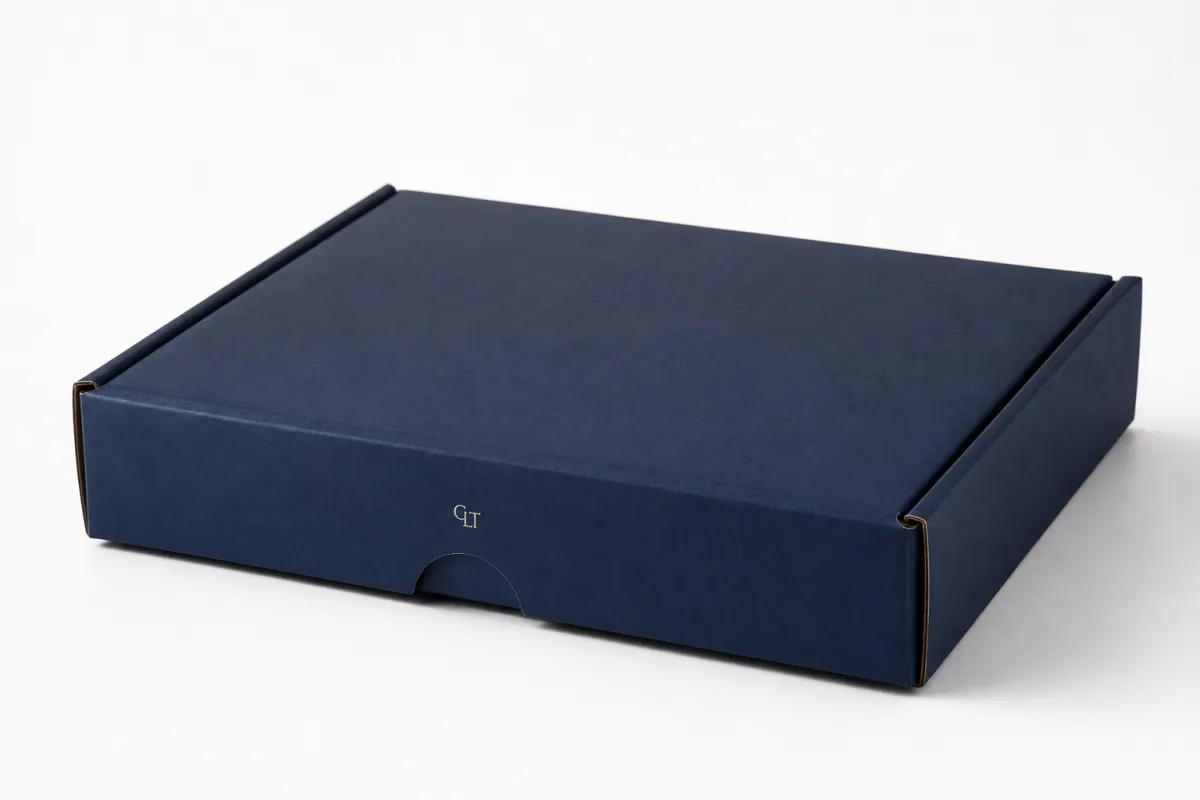
Most teams miss this packaging reality: a carton that is a little taller, wider, or shorter can change the whole pallet build. If a case drops from 10.25 inches to 10 inches, that 0.25-inch shift may sound tiny. On a 60-inch load, though, it can mean one more layer, a different wrap pattern, or fewer gaps between tiers. That is why custom cartons for palletization often create savings that a surface-level packaging change never will.
In plain language, custom cartons for palletization are cartons engineered to match the pallet footprint, product weight, stacking pattern, and warehouse handling needs. Instead of asking the product to fit a stock box, the box is built to suit the product and the pallet together. That matters because pallets do not fail in a vacuum. They fail from side pressure, crushed corners, poor layer alignment, vibration during transit, and the little shifts that happen every time a load gets moved.
The hidden cost of standard cartons is rarely visible in the purchase order. It shows up later as wasted cube, overhang, dunnage, repacking labor, and damaged goods. I keep seeing the same pattern: a buyer compares unit price, chooses the cheaper carton, and then the warehouse spends extra time rebuilding load after load because the dimensions are off by just enough to create unstable edges. Custom cartons for palletization reduce those downstream problems by making the ship unit behave like a system, not a stack of unrelated parts.
That system view matters for retail packaging and industrial shipments alike. A carton for palletized freight does not need the same finish as shelf-facing Custom Printed Boxes, but it still plays a role in package branding. A simple one-color logo, readable handling marks, and a practical carton spec can support both operations and presentation. Good packaging design does more than look tidy; it lowers touches, improves cube utilization, and makes every pallet easier to read on the dock.
“The cheapest carton is not always the cheapest shipment. If the pallet gets crushed, reworked, or delayed, the box price stopped mattering a long time ago.”
That is the core idea behind custom cartons for palletization: fewer losses, fewer touches, fewer surprises. Not every shipment needs a special structure, but any load that moves at volume, travels long distances, or stacks tightly is worth examining. A small spec change can preserve product, improve freight efficiency, and cut the number of headaches that usually get blamed on everything except the box.
How Custom Cartons for Palletization Work on Real Loads
Custom cartons for palletization work best when the design process starts with the pallet and works backward. The engineer or buyer looks at the pallet footprint first, then the case orientation, then the layer count, and only then the board grade and closure style. That order matters. If the carton is built from the product outward, it may protect the item but still create a weak pallet pattern. If it is built from the pallet inward, the whole load becomes easier to ship.
Think about the sequence. The carton footprint determines how many units fit per layer. The product orientation determines whether the case stacks flat, nested, or interlocked. Layer count determines the final load height and the compression stress at the bottom tier. Once those choices are set, the pallet pattern, wrap schedule, and label placement fall into place. That is the practical logic behind custom cartons for palletization—it is not just a box, it is a shipping geometry problem.
On a full-pallet program, custom sizing can often increase the number of sellable units per truckload or reduce the amount of air being shipped. On a partial-pallet program, the benefit is often simpler: the cartons fit the footprint better, the wrap holds more evenly, and the dock team handles fewer loose edges. With mixed-SKU shipments, custom cartons for palletization can also standardize outside dimensions so different products behave more predictably in a common pallet pattern.
There is a second layer to this discussion: the carton must be strong enough to survive the load it creates. A perfectly sized carton can still fail if compression resistance is too low or the flute profile is wrong. Board choice, closure style, and internal supports all matter. A 32 ECT singlewall box may be fine for light, short-haul loads, while a heavier or humid environment may call for 44 ECT or doublewall construction. The right answer depends on weight, route, and stacking time, not just on dimension.
For teams that want a benchmark, standards help. Compression and distribution testing often reference ASTM methods such as ASTM D642, while transit vibration and drop protocols are commonly explored through the ISTA testing standards. Those tests do not replace a live pallet trial, but they do give buyers a stronger basis for approving custom cartons for palletization.
Where the biggest gains usually show up
- Full-pallet loads: higher cube efficiency and cleaner layer counts.
- Partial pallets: less overhang and fewer wrap failures.
- Mixed-SKU pallets: more consistent case heights and easier stacking.
- Export loads: better protection against humidity, compression, and rough handling.
That is why the phrase custom cartons for palletization is more than a packaging trend. It describes a design method that connects the product, the case, the pallet, and the warehouse into one flow. A carton sized for the ship unit instead of the shelf unit can save more than the difference between box prices. It can also make the load behave in a more predictable way, and that is a big deal once the freight starts moving.
Cost and Pricing: What Drives the Quote
The price of custom cartons for palletization usually comes down to a handful of variables: board grade, flute profile, print complexity, die-cut requirements, inserts, partitions, and order volume. A plain corrugated shipper in a high run can price very differently from a reinforced carton with custom dimensions and internal dividers. Buyers sometimes focus only on the per-unit figure, but the quote reflects engineering choices as much as material costs.
Board grade makes an immediate difference. Lighter loads may be fine with singlewall B-flute or C-flute, while heavier products often need stronger wall construction or doublewall. If the carton is going into cold storage, a humid warehouse, or an export lane, the material spec may need extra margin. Print coverage matters too. Basic black or one-color marks are generally less expensive than full graphic coverage, especially if the box is treated like branded packaging rather than a plain shipper.
Tooling and setup are another piece of the math. A custom die, sample cutting, or insert tooling may add an upfront charge, but that cost is spread over the production run. For smaller volumes, that can make the carton look expensive at first glance. For larger volumes, it often becomes easier to justify because the run cost drops while the pallet efficiency improves. That is one reason custom cartons for palletization are often evaluated using landed cost rather than unit cost alone.
Here is the comparison I encourage buyers to make. The best carton is not the one with the lowest invoice. It is the one that lowers freight damage, cuts repacking, and reduces the labor tied to every load. A carton that saves ten minutes of dock work per pallet can pay back faster than a cheaper box that creates an extra handling step. That math gets ignored more often than it should, and then everybody wonders why the “cheaper” option is somehow costing more.
| Option | Typical Use | Approx. Unit Cost | Setup / Tooling | Operational Effect |
|---|---|---|---|---|
| Stock RSC | General shipping with flexible fit | $0.32-$0.65 | Usually none | Fast to source, but may waste cube and create overhang |
| Adjusted stock size | Short runs with modest fit improvement | $0.38-$0.72 | Low or moderate | Better than stock, but still limited by existing size options |
| Custom carton for palletization | Repeat loads, tighter pallet patterns, lower damage risk | $0.40-$0.95 | $250-$1,200 depending on structure | Usually improves cube, stack stability, and dock handling |
| Die-cut with inserts | Fragile or high-value goods | $0.70-$1.50 | Higher | Strong product control, but more complex and not always necessary |
Those ranges are not universal. Volume, board market conditions, print coverage, and freight spec all move the numbers. Still, the table shows the real decision: custom cartons for palletization may cost a bit more per box, but they often lower the total cost per shipped unit. That is especially true when the pallet pattern is repeatable and the product ships every week.
MOQ matters as well. Smaller runs usually raise the per-unit price because setup is spread across fewer cartons. Larger runs can improve pricing, but they also increase inventory risk if the product or pallet spec changes. A buyer with a volatile SKU should be careful about ordering too far ahead. A buyer with stable demand may benefit from locking in a better rate and reducing emergency reorders. Either way, custom cartons for palletization should be priced against the whole system, not against the carton alone.
If your packaging team also manages Custom Packaging Products, it helps to compare the pallet carton against the rest of the line. Sometimes a slight change in package branding, a simpler print layout, or a different closure style yields savings without sacrificing performance. The smartest packaging design decisions are usually the ones that improve function first and appearance second.
Process, Timeline, and Lead Time for Custom Cartons
The production path for custom cartons for palletization usually starts with measurement, but the best teams do not stop there. They collect product dimensions, unit weight, pallet footprint, target stack height, handling limits, and any 3PL or retailer requirements. Once those inputs are clear, structural design can begin. The process is straightforward on paper, but the quality of the inputs determines how many revisions happen later.
A good workflow looks like this: gather data, draft the carton, sample the structure, test it, approve it, and then move into manufacturing. If the carton needs a die-cut, inserts, or unique closure features, the sample step matters even more. Custom cartons for palletization can fail a project not because the idea is wrong, but because the team skipped the step where real-world handling exposed a weak point. That is the step nobody likes to delay, and also the step that saves the most trouble later.
Lead time is driven by a few predictable variables. Changing the spec late in the process slows everything down. Board availability can also matter, especially if a specific flute or strength grade is needed. Artwork revisions add time if the carton is being used for branded packaging or custom printed boxes. And if custom tooling is required, the first run takes longer than a repeat order because the tooling has to be made, checked, and approved.
For planning purposes, a simple project can move from concept to production relatively quickly if the measurements are complete and the sample performs as expected. A more complex carton with inserts, compression testing, and multiple approval rounds may take longer. I would rather see a team spend extra days validating the pallet pattern than rush the launch and spend weeks fixing damage claims later. That tradeoff is exactly why custom cartons for palletization deserve early involvement from operations, not just procurement.
A realistic project sequence
- Document product dimensions, weight, pallet footprint, and target load height.
- Define handling conditions such as cold storage, export, or cross-dock movement.
- Choose one or two carton structures for prototyping.
- Build a sample pallet and evaluate fit, wrap, and stackability.
- Run compression, drop, or vibration checks if the product is fragile.
- Approve the final spec and schedule the production run.
It also helps to be honest about who owns the calendar. Packaging teams often understate how long it takes to validate a pallet pattern in real warehouse conditions. Forklift forks are not perfectly consistent. Stretch wrap tension varies by operator. Pushing a load across a dock plate is not the same as a CAD model. Those are the moments where custom cartons for palletization either prove themselves or need one more adjustment.
For teams working with fiber sourcing requirements, certification can matter too. If your brand needs responsible sourcing language on the box, FSC-certified materials may be part of the spec. That choice does not replace performance testing, but it can strengthen the sustainability story while still supporting practical shipping goals.
Key Factors That Determine Carton Strength and Stackability
The strength of custom cartons for palletization depends on more than board thickness. Product weight matters, of course, but so do top-load pressure, humidity exposure, vibration, and the amount of time the pallet sits in storage before shipment. A carton that performs well on a one-day lane may need a stronger spec if it sits in a warehouse for a week or passes through a warm, moist distribution center.
Stackability starts with compression resistance. If the bottom tier cannot carry the load above it, the pallet will lean, crush, or shift. Board grades such as 32 ECT, 44 ECT, and doublewall configurations are part of the decision, but the right choice depends on the full route profile. That is why custom cartons for palletization often require a test plan, not just a dimension sheet. A box can look fine on paper and still fold under real pressure, which is why the sample pallet matters so much.
Pallet dimensions and warehouse equipment also shape the spec. A 48 x 40 pallet is common in North America, but not every lane uses the same footprint. Some customers require specific overhang limits. Some cross-dock operations want a faster handoff with cleaner labels. If the shipment is going export, handling can become harsher and moisture exposure more significant. In those cases, a carton designed for palletization may need stronger edges, better closure, or an upgraded liner.
Closures, inserts, and label placement play a bigger role than many teams expect. A well-placed adhesive strip or tape pattern can improve top-load performance. Inserts can stop product movement and reduce internal shock. Labels positioned on the same face of every case make scanning easier and help the dock crew stack faster. That is where custom cartons for palletization connect back to retail packaging and operations at the same time: the carton is both a unit of protection and a unit of control.
Testing should be practical. Compression testing shows how the box behaves under load. Drop tests expose weak corners. Vibration testing reveals how the product shifts during transit. And a real pallet trial tells the truth in a way no spreadsheet can. For that reason, many packaging teams use the standards published by the industry and then confirm them with live handling. A good spec is not guessed. It is verified.
“If the sample pallet survives a real wrap pattern, real fork handling, and real dock movement, you learn more in one afternoon than in a week of assumptions.”
That is the practical advantage of custom cartons for palletization. A stronger structure is useful, but only if the structure fits the route. A lighter carton may be perfect for local distribution. A heavier one may be needed for export or long-term storage. The right answer depends on the product, the environment, and the handling profile. Anything less is just box speculation.
For additional context on test methods and shipping performance, the packaging industry's reference points are useful, especially resources such as packaging industry guidance and established transport-test protocols. They do not replace judgment, but they do help packaging teams ask better questions before approving custom cartons for palletization.
Common Mistakes in Pallet Carton Design
The most common mistake is designing to the product alone and ignoring the pallet footprint. That usually creates one of three problems: gaps between cartons, overhang beyond the pallet edge, or a layer count that looks good on paper but fails once the load is wrapped. Custom cartons for palletization only work if the carton, pallet, and wrap pattern were considered together from the start.
Another trap is chasing the lowest carton price and forgetting the other costs. A cheaper box can trigger more damage claims, more repacking labor, more filler, and more freight inefficiency. The invoice may look good, but the shipment does not. From a packaging buyer's point of view, that is a false economy. I have seen teams save a fraction of a cent on the box and then spend far more on labor to fix the pallet later. It is a little maddening, honestly, because the warning signs were usually there from the start.
Orientation errors are easy to overlook. Rotate the carton one way and the pallet count changes. Rotate it another way and compression load shifts. If the load becomes harder to stretch wrap, the result is a pallet that looks acceptable for ten minutes and then starts to lean when it moves. That is why custom cartons for palletization should always be checked in all planned orientations, not just the one that looks best in a drawing.
Skipping sample testing is another expensive shortcut. A spec can look clean in a CAD file and still fail once it meets the real warehouse. The same goes for ignoring 3PL rules. Some partners care about case count, others care about label placement, and some require specific pallet heights or no-overhang rules. If the carton does not fit the network, the network will force a correction. Better to catch that before production.
Common failure points to watch
- Incorrect height: causes missed layer counts and unstable wrap tension.
- Weak corners: leads to crush damage on lower tiers.
- Poor fit: creates voids that waste cube and shift in transit.
- No testing: hides problems until the first live shipment.
There is also a branding issue that shows up in the wrong place. Some teams treat pallet cartons as invisible because they are shipping containers, not shelf cartons. But even industrial loads communicate. Clean printing, correct handling marks, and consistent case design support package branding and speed recognition in the warehouse. That is not vanity. It is operational clarity. Custom cartons for palletization can carry that signal without turning the box into a retail display.
Expert Tips and Next Steps for Better Palletization
If there is one practical rule that saves time, it is this: start with the pallet pattern and target ship unit, then reverse-engineer the carton from the freight goal. Do not guess from the product alone. Do not assume a stock box is close enough. Custom cartons for palletization work best when the design brief begins with how the pallet must move, stack, and survive in the real world.
A pilot is worth the effort. Build one real pallet. Use the real stretch wrap. Use the real handling path. Then watch what happens when the load is moved, staged, and loaded. A mockup on the table tells part of the story. A test pallet tells the rest. That is especially true for mixed-SKU programs, where a small difference in carton height can affect the whole stack and the wrapper's ability to hold tension.
It also helps to create a scorecard. Track damage rate, pick time, cube utilization, and cost per shipped unit before and after the redesign. Numbers settle debates quickly. If the new spec reduces damage by 2% or trims ten minutes of labor across a pallet build, the economics usually become obvious. Custom cartons for palletization are not just a material decision. They are an operating decision.
For teams evaluating next steps, this sequence keeps the work grounded:
- Audit the current pallet build and note where waste, crush, or rework appears.
- Gather exact dimensions, weights, and handling requirements from operations.
- Request two or three structural options from the packaging supplier.
- Test the best option on a real pallet with real wrap and real equipment.
- Roll out the final spec and monitor results for the first production cycle.
If your organization is also balancing custom printed boxes, retail presentation, and shipper performance, this is the moment to align those goals. The outer case does not need to be flashy, but it should be consistent with the brand and easy for the warehouse to read. Good custom cartons for palletization support both sides of the business: the people who buy the product and the people who move it.
My honest view is simple. The smartest pallet programs are not always the ones with the lowest carton price. They are the ones That Reduce Damage, keep the pallet square, and make the warehouse easier to run. For repeat shipments, custom cartons for palletization can create that advantage quietly, load after load. And if a spec change seems small enough to ignore, that is usually the sign it deserves a closer look, not a pass.
Frequently Asked Questions
How do I know if custom cartons for palletization are worth it for my shipment?
If your current pallets show void space, crushed corners, load shifts, or frequent repacking, custom cartons for palletization can usually improve both stability and freight efficiency. The quickest test is practical: compare damage rate, cube usage, and labor time before and after a pilot run. If you ship the same product on the same pallet footprint every week, the savings often stack up fast.
What measurements are needed to quote custom cartons for palletization?
You need product dimensions, unit weight, pallet footprint, target stack height, and any orientation limits from your warehouse or customer. It also helps to know shipping mode, humidity exposure, whether the carton needs inserts or partitions, and whether the outer case carries brand marks. The more exact the data, the fewer redesigns and sample rounds later for custom cartons for palletization.
Do custom cartons for palletization always cost more than stock boxes?
The box price can be higher, but the total landed cost may be lower once you account for reduced damage, tighter cube utilization, and fewer touches. Stock boxes can appear cheaper upfront, yet they often create hidden costs through repacking and wasted freight space. The better comparison is cost per shipped unit, not carton price alone. That is usually where custom cartons for palletization prove their value.
How long does the process usually take for custom cartons for palletization?
Timeline depends on design complexity, sampling needs, board availability, and how quickly stakeholders approve the spec. A simple project can move quickly, while a new structure with testing and revisions usually takes longer. The fastest way to avoid delay is to provide complete measurements and a clear pallet target from day one. That gives custom cartons for palletization a much cleaner path to production.
What is the biggest mistake companies make with pallet carton design?
They optimize the carton for the product but not for the pallet, which often creates unstable stacks or poor cube efficiency. A second mistake is choosing the lowest-cost board without testing compression strength against real shipping conditions. The fix is to evaluate the full system: carton, pallet, wrap, handling, and route. That is the difference between a box that fits and custom cartons for palletization that actually perform.
In the end, the value of custom cartons for palletization comes from what happens after the box is made: fewer crushed corners, less rework, tighter pallets, and a smoother dock flow. That is why the right spec matters more than the cheapest quote, especially for repeat loads that move through real distribution networks every week. The next move is practical: review one current pallet build, measure the waste honestly, and compare it against a carton sized for the load rather than the shelf. That usually tells the story pretty quickly.

