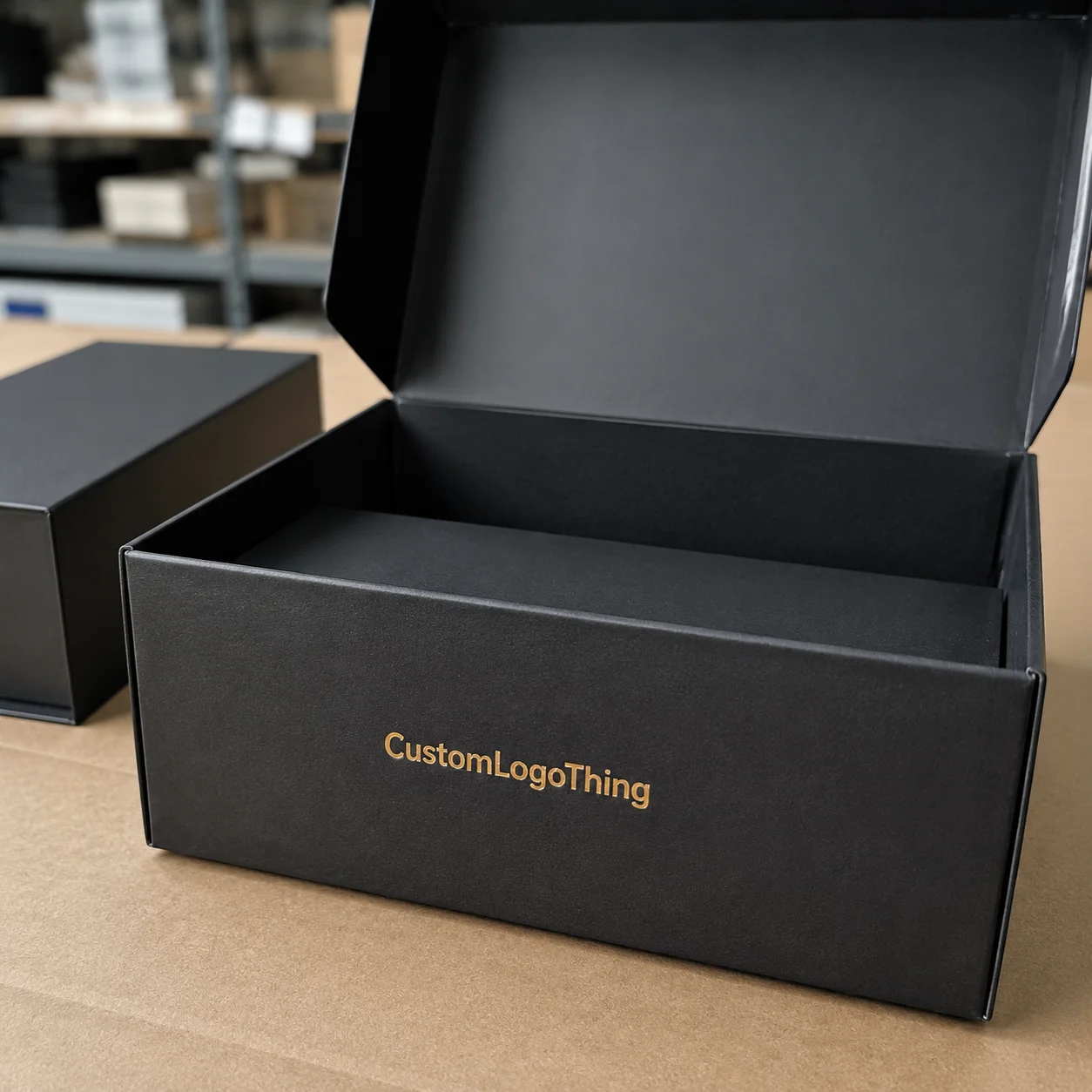
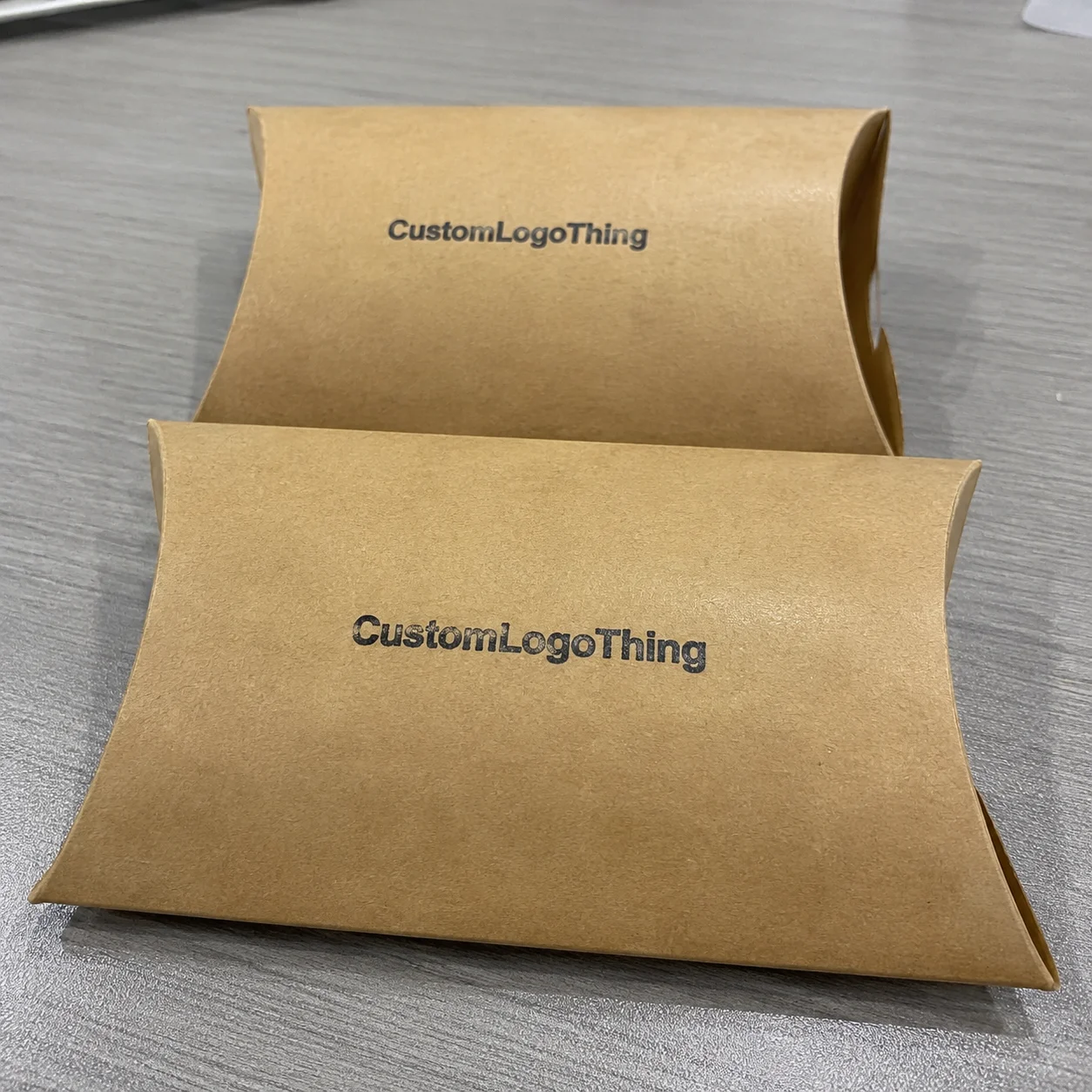
Buyer Fit Snapshot
| Best fit | Custom Chipboard Boxes Bulk Order Pricing projects where brand print, material claims, artwork control, MOQ, and repeat-order consistency need to be specified before quoting. |
|---|---|
| Quote inputs | Share finished size, material target, print colors, finish, packing count, annual reorder estimate, ship-to region, and any compliance wording. |
| Proofing check | Approve dieline scale, logo placement, barcode or warning zones, color tolerance, closure strength, and carton packing before bulk production. |
| Main risk | Vague material claims, crowded artwork, missing packing details, or unclear freight terms can make a low unit price expensive after revisions. |
Fast answer: Custom Chipboard Boxes Bulk Order Pricing: Structure, Print Proof, Packing, and Reorder Risk should be specified like a repeatable production item. The safest quote records material, print method, finish, artwork proof, packing count, and reorder notes in one written spec.
Production checks before approval
Compare the actual filled-product size with the drawing, then confirm tolerance on folds, seals, hang holes, label areas, and retail display edges. Reserve space for logos, QR codes, warning copy, and material claims before decorative graphics fill the panel.
Quote comparison points
Review material grade, print process, finish, sampling route, tooling charges, carton quantity, and freight assumptions side by side. A quote is only useful when the supplier can repeat the same color, closure quality, and packing count on the next order.
Buyers asking about Custom Chipboard Boxes bulk order pricing usually expect the answer to start with board thickness. It rarely does. After a few years standing beside a Bobst die cutter on a loud plant floor in Dongguan, I learned the hard way that the cheapest-looking box is not always the cheapest box to make, and the biggest cost driver is often not the board at all. Print coverage, die complexity, glue points, finishing time, and setup waste can move the number more than a slightly heavier sheet of paperboard, which is exactly why custom chipboard boxes bulk order pricing can feel slippery until the specs are settled. A 350gsm C1S artboard carton in a 5,000-piece run can price very differently from a 400gsm SBS box in a 25,000-piece run, even before you add foil or UV. Honestly, that’s what makes packaging maddening and fascinating at the same time.
I remember one cosmetics buyer in Southern California who walked in convinced thicker board would magically solve her budget problem. It didn’t. Metallic ink coverage and spot UV panels were quietly eating the cost alive. I’ve also sat through supplier meetings in Shenzhen where a tiny tweak to a tuck flap reduced waste by 8% and made custom chipboard boxes Bulk Order Pricing easier to forecast across three reorders. Most first-time buyers are not chasing the lowest possible number. They want cost-efficient packaging that protects the product, looks sharp on shelf, and stays inside margin. That’s the real brief, even if nobody writes it down that way.
Why custom chipboard boxes bulk order pricing can surprise buyers
The biggest shock in custom chipboard boxes bulk order pricing is how little board weight alone explains. A 400gsm SBS carton with one-color black print can come in well below a 350gsm carton covered edge to edge in CMYK with foil and embossing. Press time, setup, drying, and finishing labor all stack up. On the factory floor in Guangzhou, every changeover brings make-ready waste, registration checks, and time off the line, and that lost throughput gets folded into the quote. A run approved on Monday and produced by the second week of July may still carry the same setup burden as a run in October, which is why the calendar matters almost as much as the board. It’s a little like comparing the ticket price of a concert without counting parking, merch, and the overpriced soda you swear you won’t buy.
Bulk pricing helps because fixed costs spread out. Once a press run moves past a certain threshold, custom chipboard boxes bulk order pricing starts to soften per unit because sheet utilization improves, resets shrink, and labor per box drops. A 2,500-piece run and a 25,000-piece run do not behave the same way in a bindery in Ho Chi Minh City, even when the artwork is identical. In many plants, a simple straight tuck end carton can move through production in 12 to 15 business days after proof approval, while a decorated carton with foil may need 18 to 22 business days. The larger run lets the shop keep the line moving and assign less setup cost to each carton.
People often compare unit price before comparing structure. A simple retail-ready tuck box and a drawer-style package may look similar on a spec sheet, yet one may need extra handwork, a glued sleeve, or a separate insert that changes custom chipboard boxes bulk order pricing more than any board upgrade ever will. A plain reverse tuck end carton in a 10,000-piece order from a plant in Shenzhen may land near $0.22 per unit, while a drawer box with EVA insert and soft-touch finish can move above $0.95 per unit in the same quantity. Cheap packaging can become expensive if it ships damaged, prints poorly, or forces a team to repack units by hand. I’ve seen that movie. I did not enjoy the sequel.
“I’d rather see a buyer choose a clean, standard structure and spend the money on proper print and fit than chase a low number on paper and pay for it in returns.”
Another detail that gets missed: inserts, coatings, and special gluing. A cosmetic kit with a corrugated insert, soft-touch laminate, and window patch is a very different manufacturing job from a plain folding carton, and custom chipboard boxes bulk order pricing reflects that reality. In one Midwest client meeting, the team had budgeted only for the carton, then discovered the custom insert needed its own die and the adhesive spec had to change for a humid warehouse in Atlanta. That kind of surprise is normal when the design brief is incomplete. Frustrating? Absolutely. Avoidable? Usually, yes.
Once the dieline, dimensions, and order volume are final, the quote becomes much more predictable. At that stage, the manufacturer can calculate sheet yield, finishing passes, and carton nesting with more accuracy, which is why custom chipboard boxes bulk order pricing tightens after the technical details are locked. A plant in Dongguan may quote a 5,000-piece run with 350gsm C1S artboard at a different rate than a Mexico City supplier using 400gsm SBS because tooling, freight, and local labor all move differently. If you want to review the range of packaging programs available, our Custom Packaging Products page is a useful starting point, especially if you are comparing retail packaging, subscription packaging, and branded packaging structures side by side.
What custom chipboard boxes are and where they work best
Chipboard is a paperboard packaging material used for folding cartons, sleeves, tuck-end boxes, drawer-style cartons, and lightweight rigid-style applications. In practice, it is the workhorse material behind a huge share of Custom Printed Boxes you see in cosmetics aisles in Los Angeles, supplement displays in Dallas, candle shelves in Chicago, and apparel accessory kits in Miami. It folds cleanly, prints sharply, and stacks efficiently, which makes it a strong fit when custom chipboard boxes bulk order pricing has to support both presentation and volume. A 350gsm C1S artboard or 400gsm SBS sheet can be converted into a retail carton that looks far more expensive than it is, if the structure is chosen correctly.
I’ve handled thousands of cartons made from SBS, FBB, and other paperboard grades, and the pattern stays the same. Chipboard works best when you want strong visual impact without the added cost or weight of a full rigid setup. Cosmetics, lip products, beard oil, tea blends, and confectionery all fit that profile. For promotional kits and ecommerce product packaging, the flat-pack format also saves warehouse space and reduces inbound freight. A pallet of 20,000 flat cartons can occupy roughly one-fourth the cube of pre-assembled packaging, which matters in facilities from Toronto to Phoenix. I know “warehouse space” sounds dull until you run out of it, and then suddenly it becomes the center of your universe.
Chipboard is not corrugated, and that difference matters. Corrugated board is built for compression and transit abuse; chipboard is built for print quality, clean folds, and efficient presentation. Rigid boxes sit in another category entirely, with wrapped chipboard walls and a much heavier assembly process. If your product is light to medium weight and your branding matters, chipboard often gives the better balance, and that balance is exactly what buyers are trying to find when they ask about custom chipboard boxes bulk order pricing. For a 3-ounce lip balm, a 350gsm carton is usually enough; for a 12-ounce glass bottle, a 400gsm board or an auto-lock bottom may be a smarter choice.
In a packaging design review I sat in on for a supplement startup in Austin, the team debated a corrugated mailer versus a printed chipboard carton inside a shipper. The chipboard box won because the product weighed only 4.2 ounces, and the brand needed a sharper shelf presence for retail accounts in Texas and Florida. That choice reduced shipping cost, improved package branding, and kept custom chipboard boxes bulk order pricing under target without giving up the look the sales team needed. The final carton landed at $0.31 per unit in a 12,000-piece order, which was the number the finance lead had been waiting for.
Chipboard also supports efficient storage. Boxes ship flat, so a pallet of cartons can represent thousands of units without taking over a warehouse. For buyers running multiple SKUs, that matters more than it seems at first glance, because inventory carrying cost is tied not just to dollars but to cubic feet. When custom chipboard boxes bulk order pricing is evaluated honestly, storage advantages belong in the conversation. A folded carton in 350gsm board can save 30 to 40 times more storage space than a pre-built rigid alternative, depending on the configuration.
Custom chipboard boxes bulk order pricing: specifications that affect the quote
A handful of specs move custom chipboard boxes bulk order pricing more than almost anything else. Board caliper, GSM, box style, print coverage, and finishing options sit near the top of the list. Buyers who understand those levers usually get better quotes because they know where to simplify and where to spend. The fastest way to reduce confusion is to treat the carton as a production job, not just a design file. A quote for 5,000 pieces of a 350gsm C1S carton in one-color black print should never be compared directly with a 20,000-piece full-color run with foil and a custom insert.
Board caliper, GSM, and thickness
Chipboard is typically discussed in terms of GSM and thickness, and both affect pricing. A 300gsm sheet behaves differently from a 400gsm sheet in rigidity, scoring, crack resistance, and print feel. Thicker board can improve structure, but it does not automatically create a better carton. I’ve seen 350gsm SBS outperform heavier board simply because the score lines held better and the carton folded more cleanly on the folder-gluer in Suzhou, which kept custom chipboard boxes bulk order pricing lower by reducing spoilage. For many cosmetic and supplement cartons, 350gsm C1S artboard is the sweet spot because it prints cleanly and still bends without cracking.
If your product is a candle jar, bath salt pouch, or lightweight cosmetic set, the heaviest board on the list may be unnecessary. If the item is a glass bottle or a multi-piece kit with an insert, a stronger board or reinforced structure may be the right call. That is why a brief spec sheet matters so much. Product weight, dimensions, and transit conditions shape the board choice, and that choice feeds directly into custom chipboard boxes bulk order pricing. A 6.8-ounce jar in a 350gsm carton is a different engineering job than a 14-ounce bottle in a 400gsm auto-bottom box.
Box style and structural complexity
Some box styles are easier to produce at scale. Straight tuck end and reverse tuck end cartons usually run efficiently, while auto-bottom styles, drawer boxes, and window cartons add setup or handwork. Sleeve-and-tray systems look elegant, but they often add a second component and extra assembly time. Every added piece affects custom chipboard boxes bulk order pricing because it creates more touchpoints on the line. A straight tuck end box in a 10,000-piece order might quote at $0.18 to $0.26 per unit, while a drawer-style carton with a rigid tray can push beyond $0.70 per unit depending on finishing and labor in the region.
Auto-lock bottoms can help with heavier products, yet they are not always the most economical choice. If the product is light and the retail presentation is the main goal, a simpler tuck structure may protect margin better. Packaging teams sometimes get drawn to structure complexity because it looks premium in a render, but on a live line complexity shows up as labor and cost. I’ve watched more than one “simple” idea turn into a very expensive headache once it hit the floor in Dongguan at 2:00 p.m. on a Friday.
Print coverage and color method
Print method plays a major role in custom chipboard boxes bulk order pricing. CMYK process work is common for photographic graphics and rich branding, while Pantone spot colors can be ideal for brand consistency. Inside printing, flood coats, metallic inks, and heavy ink coverage raise both setup and production time. A one-color carton with a small logo is usually far more economical than a full-bleed design with multiple color builds and exact-match requirements. In practical terms, a simple one-color 5,000-piece run can come in near $0.15 per unit, while a full-color, foil-stamped version in the same quantity may land closer to $0.48 per unit.
Brand owners often want retail packaging to feel luxurious, and that is fair. There is a difference between strategic branding and decorative overload. A good production engineer will ask whether the dark background needs to cover every panel or whether a lighter field with selective graphics would deliver the same shelf effect at a lower cost. Those decisions shape custom chipboard boxes bulk order pricing just as much as the material grade. A bright white C1S board with a single Pantone logo can often outperform a fully flooded black carton in both cost and visual clarity.
Finishing and surface treatment
Finishing adds visual impact and cost. Matte lamination, gloss lamination, aqueous coating, soft-touch coating, foil stamping, spot UV, embossing, and debossing all affect custom chipboard boxes bulk order pricing. A matte aqueous finish may keep costs manageable, while a soft-touch film with foil accents can push the quote up because of extra press and finishing steps. On a finishing-room walk-through in Shanghai years ago, a supervisor pointed out that every added finish required a separate queue, separate QC, and separate risk of rework. That remains true everywhere I’ve worked.
If you are building premium branded packaging, choose the finishes that support the product story rather than stacking effects for their own sake. A candle carton may benefit more from a tactile soft-touch coating and one foil logo than from five decorative treatments. That restraint often improves custom chipboard boxes bulk order pricing while still giving the box strong retail presence. A 10,000-piece order with soft-touch and one foil hit can be priced more efficiently than a smaller 2,500-piece run with three premium finishes, especially in factories in Shenzhen or Dongguan where setup time is a major part of the equation.
Added components and special requirements
Inserts, partitions, hang tabs, window patches, tamper-evident features, and specialty gluing can move the number quickly. A custom insert may require its own die cut and assembly process, and a window patch adds material plus another operation. Special glues for cold storage, humidity resistance, or food-contact requirements can also alter custom chipboard boxes bulk order pricing. The same is true for cartons that need extra lock points or precise shelf-ready presentation. A 300-piece prototype for a tea brand in Vancouver, for example, may reveal that a PET window patch adds $0.06 per unit before freight is even considered.
| Option | Typical use | Pricing impact | Production complexity |
|---|---|---|---|
| Straight tuck end carton | Cosmetics, supplements, light retail items | Lower | Low |
| Reverse tuck end carton | General retail packaging | Lower to moderate | Low |
| Auto-bottom carton | Heavier products, faster packing lines | Moderate | Moderate |
| Drawer-style box | Premium presentation, gift sets | Higher | Moderate to high |
| Window box with patch | Visual merchandising | Moderate to higher | Moderate |
That table is not a universal price list, and I would never pretend it is. It does show the pattern I see again and again in custom chipboard boxes bulk order pricing: the simpler the structure, the easier it is to keep the quote under control. A basic reverse tuck end box in a 20,000-piece run will almost always be easier to hold at a stable unit price than a drawer box with multiple finishes and a glued insert.
Custom chipboard boxes bulk order pricing factors and MOQ
MOQ, or minimum order quantity, is where many buyers first run into the realities of custom chipboard boxes bulk order pricing. A packaging plant has to cover setup, plate prep, die cutting, press time, machine calibration, and finishing, so a small run carries a heavier share of fixed cost. Once the order volume climbs, those fixed costs spread out and the per-box figure drops, sometimes sharply. A 1,000-piece run in Dallas can cost twice as much per unit as a 5,000-piece run from the same factory, even with the same artwork and the same 350gsm board.
The basic pricing formula usually includes material cost, printing plates or digital setup, die cutting, finishing, assembly, and freight. Request a plain folding carton with simple artwork, and the quote may stay surprisingly efficient. Add foil, embossing, a window patch, and an insert, and the job becomes a layered production sequence; custom chipboard boxes bulk order pricing reflects each step. It’s a bit like ordering a burger and somehow ending up with truffle fries, a milkshake, and a regretful receipt you pretend not to read.
One of the best conversations I ever had with a client happened in a sample room near a guillotine cutter in Portland. She wanted a premium carton for a skincare line, but the first quote came in above budget. After we compared options, she switched from a two-piece rigid-style package to a high-quality chipboard tuck box with matte lamination and one spot foil mark. The product still looked upscale, the launch stayed on schedule, and custom chipboard boxes bulk order pricing dropped enough to leave room for a better insert. On the final 10,000-piece order, the unit price settled near $0.29 instead of the $0.61 she had been bracing for.
Sample and prototyping costs deserve attention too. A physical prototype can cost a little more upfront, but it often saves far more by catching fit issues, print placement problems, and assembly headaches before full production starts. If the dieline is off by even a few millimeters, the whole run can suffer. That is why I push buyers to approve a proof and, when possible, a real sample before releasing the order. It is one of the best ways to protect custom chipboard boxes bulk order pricing from waste. A proof approved on Tuesday and a sample approved by Friday can keep a 12- to 15-business-day production window on track.
Freight matters more than many buyers expect. Flat-packed cartons are lighter and more economical than pre-assembled packaging, especially in pallet quantities. If you are sourcing from overseas, container utilization, carton cube, and pallet pattern all affect landed cost. Even domestic freight can swing the total substantially if the boxes ship on multiple pallets or if rush delivery is required. A quote that ignores shipping is not a complete view of custom chipboard boxes bulk order pricing. A shipment from Shenzhen to Long Beach may look inexpensive per unit until ocean freight, customs handling, and inland trucking are added to the invoice.
Buyers comparing fulfillment models should think beyond the carton itself. If a warehouse team has to hand-fold every unit before packing, labor cost rises. If the box can run efficiently on a pack line or arrive flat for easy assembly, the total program cost improves. That is why I always encourage people to ask not just about unit cost, but about the cost to use the box in the real operation. A 15-second assembly versus a 45-second assembly can change annual labor cost by thousands of dollars at a facility in New Jersey or Nevada.
If your company is shopping programs or volume tiers, our Wholesale Programs page can help frame the conversation around larger replenishment orders, repeat buys, and multi-SKU purchasing. Those details matter because custom chipboard boxes bulk order pricing gets more favorable when volume and forecasting are steady. A recurring 25,000-piece monthly order in Atlanta is a very different buying profile from a one-time 2,000-piece launch run in Denver.
How the ordering process and timeline work from dieline to delivery
The ordering process for custom chipboard boxes bulk order pricing usually follows a practical sequence: quote request, specification review, dieline setup, artwork proofing, prototype approval, production, finishing, quality control, and shipping. That may sound straightforward, but the timeline depends on how complete the buyer’s information is on day one. If the dimensions are firm and the artwork is print-ready, the job can move much faster than a project still debating board thickness and finish. A complete request can save three to five days before production even begins.
Turnaround time changes with complexity. A plain folding carton with simple print may move through a plant quickly, while a carton with foil stamping, spot UV, custom inserts, and a special glue line needs more process control. On a North American plant visit in northern Mexico, the production manager told me the difference between a simple tuck box and a decorated retail carton could be several days just in finishing queue time. That is one reason custom chipboard boxes bulk order pricing should always be reviewed with schedule in mind, not just unit cost. A 5,000-piece job can be completed in 12 to 15 business days from proof approval, while a more elaborate 20,000-piece order may take 18 to 25 business days.
Artwork readiness is a real schedule driver. If the files need layout cleanup, font substitution, color correction, or dieline adjustment, the proof cycle slows. Print-ready files in the correct format reduce back-and-forth and help the manufacturer keep the order moving. Buyers who deliver final dimensions, logo files, and exact copy earlier usually get better control over custom chipboard boxes bulk order pricing because fewer revisions mean fewer hidden delays. A final PDF, an editable AI or EPS file, and a clearly marked dieline often shorten the proofing cycle by two to four business days.
Quality control happens at multiple checkpoints. On a good line, operators verify color against the approved proof, check die-cut accuracy, inspect fold memory, and test glue lines. Cartons that miss these checks can create downstream problems in packing, shipping, or retail display. I’ve rejected a run myself after seeing score cracks on one side panel, because a cheap-looking defect on 18,000 units is not a cheap problem to solve later. In one case in Guangzhou, a minor glue-line issue on 600 cartons would have been manageable, but the same flaw on a full pallet would have been a warehouse problem for weeks.
Buyers planning launch dates should work backward from the date products must be in hand, not from the date the artwork is finished. That gives room for proofing, sample approval, transit, and any unexpected correction. If you are replenishing inventory, order before stock gets tight. Early planning usually gives you better options on custom chipboard boxes bulk order pricing and less pressure on everyone involved. A retail launch in New York on the first of the month may need cartons in the warehouse by the third week of the prior month, which means ordering well before the art is final.
For customers who want more support on order timing, specifications, or packaging basics, our FAQ page is a practical resource, especially if you are sorting out the difference between sample approval and full production release.
Why buy custom chipboard boxes in bulk from a packaging manufacturer
Buying direct from a packaging manufacturer usually improves transparency in custom chipboard boxes bulk order pricing. You are not paying multiple markups for brokerage, warehousing, or reselling, and you can speak with the people who actually understand the press sheets, die lines, and finishing process. That direct line matters when a quote needs adjustment because one small spec change can alter yield or machine time. A buyer in Seattle can get a more precise answer from a factory in Dongguan than from a reseller who has to relay every technical question through three layers.
Factory capability also matters. Offset printing, die cutting, folder-gluer lines, scoring equipment, and carton folding machinery all influence what the plant can run efficiently. A manufacturer with the right equipment can keep output stable across bulk runs, which helps maintain consistency from the first carton to the last. That consistency is a hidden part of custom chipboard boxes bulk order pricing, because a good run with low spoilage is one reason the quote stays competitive. Plants in Shenzhen, Guangzhou, and Foshan often have enough throughput to handle 10,000-piece and 50,000-piece cartons without changing suppliers midstream.
Material sourcing is another advantage. A manufacturer that controls board supply and coordinates with reliable mills can maintain a more predictable spec across repeat orders. That matters for branded packaging, especially when your artwork depends on a precise shade of white or a consistent coating finish. I’ve seen repeat buyers get burned by sourcing through too many layers of middlemen, only to discover that one batch of board has a different surface feel or folding behavior than the last. That kind of variation can quietly damage custom chipboard boxes bulk order pricing over time. A 350gsm C1S artboard carton should not look and fold differently just because the order landed in a different quarter.
Experienced production teams also help optimize the dieline. A few millimeters of panel adjustment can improve sheet yield, reduce waste, and improve fit around the product. When a carton nests efficiently on the sheet, more units come out of the same paperboard, and that can bring the quote down without weakening the structure. Packaging design and production knowledge should work together, not in separate silos. In one case in Kuala Lumpur, trimming a side panel by 3 mm improved yield by nearly 2%, which helped cut the quote on a 30,000-piece order.
There is also value in a partner who understands multiple channels. Retail packaging has different priorities from ecommerce shipping, and subscription packaging has different priorities from promotional kits. A manufacturer familiar with all three can recommend the structure that makes the most sense for the product instead of defaulting to the most elaborate option. That guidance is often the difference between a tidy, scalable program and a box that looks impressive but drains margin. A folded carton that ships at $0.21 per unit in bulk may be a smarter choice than a rigid-style box that costs four times as much but adds little to sell-through.
For broader material and sustainability context, I often point buyers to the EPA paper and paperboard guidance and the Forest Stewardship Council when they want to understand fiber sourcing and responsible material choices. Those references do not replace a quote, but they help frame better buying decisions.
How to compare quotes and move forward with confidence
The cleanest way to compare custom chipboard boxes bulk order pricing is to make sure every quote is built from the same specs. Quantity, board grade, print method, finish, insert type, and shipping destination should all match, or the comparison is not really apples-to-apples. I have watched buyers choose the “lowest” quote only to discover later that the cheaper proposal excluded inserts, proofing, or freight, which changed the landed cost completely. A quote from Shanghai that excludes export packing will not compare fairly with one from Los Angeles that includes domestic delivery to a warehouse in Phoenix.
Send exact dimensions, target product weight, artwork status, and preferred ship date before requesting a formal quote. If you already know the box style, say so. If you need help choosing between straight tuck end and reverse tuck end, ask for guidance early. The more precise the brief, the more reliable the estimate for custom chipboard boxes bulk order pricing. A clear request that includes 4.8 x 2.6 x 1.1 inches, 350gsm C1S artboard, and a matte aqueous finish will generate a tighter estimate than a vague note that says “small retail box.”
Before approval, ask for a sample, a dieline, and a written breakdown of setup charges, per-unit cost, and freight. I like seeing these items in plain language because they expose where the money is going. If the quote has a line for plate setup, die charge, finishing surcharge, and packing, that is normal. If it shows only one number and nothing else, I would ask for more detail before signing off. I don’t love mystery pricing, and frankly, neither should anyone who has to live with the PO. On a 5,000-piece order, a sample fee of $75 to $150 and a proof turnaround of 1 to 2 business days are common enough to plan for.
It also helps to calculate total landed cost rather than unit price alone. That means adding freight, duties if applicable, sample charges, and any local assembly or storage expense. For repeat replenishment orders, even a modest reduction in yield loss or storage cube can save real money over a year. That is the practical side of custom chipboard boxes bulk order pricing that often gets ignored when people focus only on the quote sheet. A $0.03 difference per unit becomes $300 on a 10,000-piece order and $3,000 across ten reorders.
Here is the simplest path I recommend to new buyers:
- Gather product dimensions, weight, and display requirements.
- Choose the quantity tier that matches forecasted demand.
- Decide which finishes are essential and which are optional.
- Request a formal quote with a written scope.
- Review a prototype before releasing production.
That process keeps the project grounded and makes custom chipboard boxes bulk order pricing easier to manage. It also helps your packaging design team, procurement team, and operations team stay aligned, which prevents the late-stage changes that usually inflate cost. A 12-day approval window is far easier to manage than a last-minute redesign two days before the press run.
If you are building a broader packaging program, you can also review the range of Custom Packaging Products and the support options in our Wholesale Programs. Those pages are useful when you want to compare custom printed boxes across multiple formats rather than evaluating a single carton in isolation.
What is custom chipboard boxes bulk order pricing?
Custom chipboard boxes bulk order pricing is the per-unit and total cost structure for ordering printed chipboard cartons at scale. It typically includes board material, printing, cutting, finishing, assembly, quality checks, and freight. The final figure depends on volume, structure, artwork complexity, and add-ons such as inserts or coatings. A 5,000-piece order with simple print can price very differently from a 25,000-piece order with foil, embossing, and a custom insert, which is why buyers should compare full specifications before judging value.
In one final client meeting I remember well, a beverage accessory brand brought three nearly identical samples to the table. Two were flashy and one was simple, but the simple one had a tighter dieline, cleaner folds, and a lower spoil rate in the sample test. They chose it, and their reorder pricing stayed far easier to control. That is the kind of result I trust, and it is usually how custom chipboard boxes bulk order pricing becomes a tool instead of a headache.
When you are ready, gather your specs, compare quantity tiers, and ask for a formal breakdown. That is the clearest path to smart buying, and it is the best way to keep custom chipboard boxes bulk order pricing aligned with both your budget and your brand. If you remember only one thing, make it this: settle the structure, the finish, and the real use case before you compare numbers, because that’s where the true savings hide.
FAQs
What affects custom chipboard boxes bulk order pricing the most?
Quantity, box style, board thickness, print coverage, and finishing options usually have the biggest impact on custom chipboard boxes bulk order pricing. A 5,000-piece run with 350gsm C1S artboard and one-color print may price far lower than a 20,000-piece carton with foil, embossing, and a custom insert. Complex structures and heavy decoration raise setup and production time, while simple tuck boxes are typically more economical.
What is the minimum order quantity for custom chipboard boxes?
MOQ depends on the box style, print method, and finishing requirements. Simple folding cartons often start lower than complex retail cartons because setup and die-cut costs are easier to absorb at scale, which helps improve custom chipboard boxes bulk order pricing. In many factories in Shenzhen or Dongguan, a 1,000-piece MOQ is possible for basic cartons, while premium decorated boxes may require 3,000 or 5,000 pieces.
How can I lower custom chipboard boxes bulk order pricing without lowering quality?
Use a standard structure, reduce special finishes, and keep artwork coverage efficient. Approving a final dieline early and ordering in larger quantities usually lowers the per-box cost more effectively than cutting material quality, which is often the smartest path for custom chipboard boxes bulk order pricing. Choosing a 350gsm C1S carton with matte aqueous coating instead of a soft-touch, foil-stamped design can save several cents per unit in bulk.
How long does production usually take for bulk chipboard boxes?
Timeline depends on artwork approval, complexity, finishing, and current factory load. A print-ready file, confirmed specs, and a quick proof approval process can shorten lead time significantly, while more decorated cartons usually take longer to finish and inspect. For a basic carton, production is often 12 to 15 business days from proof approval; for more complex builds, 18 to 25 business days is common.
Can I get a sample before placing a bulk order?
Yes, a sample or prototype is strongly recommended for checking fit, print quality, and structural performance. A physical sample can prevent costly rework by confirming dimensions, folding behavior, and product presentation before full production begins. In many cases, a sample in 1 to 3 business days is enough to catch a problem that would have cost far more across a 10,000-piece order.