Buyer Fit Snapshot
| Best fit | Custom Cmyk Rigid Boxes projects where brand print, material claims, artwork control, MOQ, and repeat-order consistency need to be specified before quoting. |
|---|---|
| Quote inputs | Share finished size, material target, print colors, finish, packing count, annual reorder estimate, ship-to region, and any compliance wording. |
| Proofing check | Approve dieline scale, logo placement, barcode or warning zones, color tolerance, closure strength, and carton packing before bulk production. |
| Main risk | Vague material claims, crowded artwork, missing packing details, or unclear freight terms can make a low unit price expensive after revisions. |
Fast answer: Custom Cmyk Rigid Boxes: Board, Finish, Dieline, and Unit Cost should be specified like a repeatable production item. The safest quote records material, print method, finish, artwork proof, packing count, and reorder notes in one written spec.
Production checks before approval
Compare the actual filled-product size with the drawing, then confirm tolerance on folds, seals, hang holes, label areas, and retail display edges. Reserve space for logos, QR codes, warning copy, and material claims before decorative graphics fill the panel.
Quote comparison points
Review material grade, print process, finish, sampling route, tooling charges, carton quantity, and freight assumptions side by side. A quote is only useful when the supplier can repeat the same color, closure quality, and packing count on the next order.
Custom CMYK Rigid Boxes: Sustainable Packaging Guide A package can carry a product, or it can carry a story. That distinction shows up almost immediately, sometimes in the first three seconds after someone picks it up. It is one reason custom cmyk rigid boxes keep turning up in beauty, gifting, specialty retail, and premium electronics. They give a product weight in the hand, structure on the shelf, and a surface that can turn CMYK artwork into something that feels intentional rather than printed by habit.
Cheap packaging tends to betray itself at the edges. Corners warp, lids drift, print can look dull or slightly off, and the whole thing starts to resemble a procurement decision instead of a brand asset. A well-built rigid box behaves differently. Board thickness, wrap paper, print method, closure style, and insert design all have to pull in the same direction. Ignore one of them and the box still exists, sure, but it stops feeling trustworthy. That is the useful territory here: practical choices, production realities, and the tradeoffs that shape custom cmyk rigid boxes without turning them into unnecessary overbuilds.
What Custom CMYK Rigid Boxes Are and Why They Stand Out
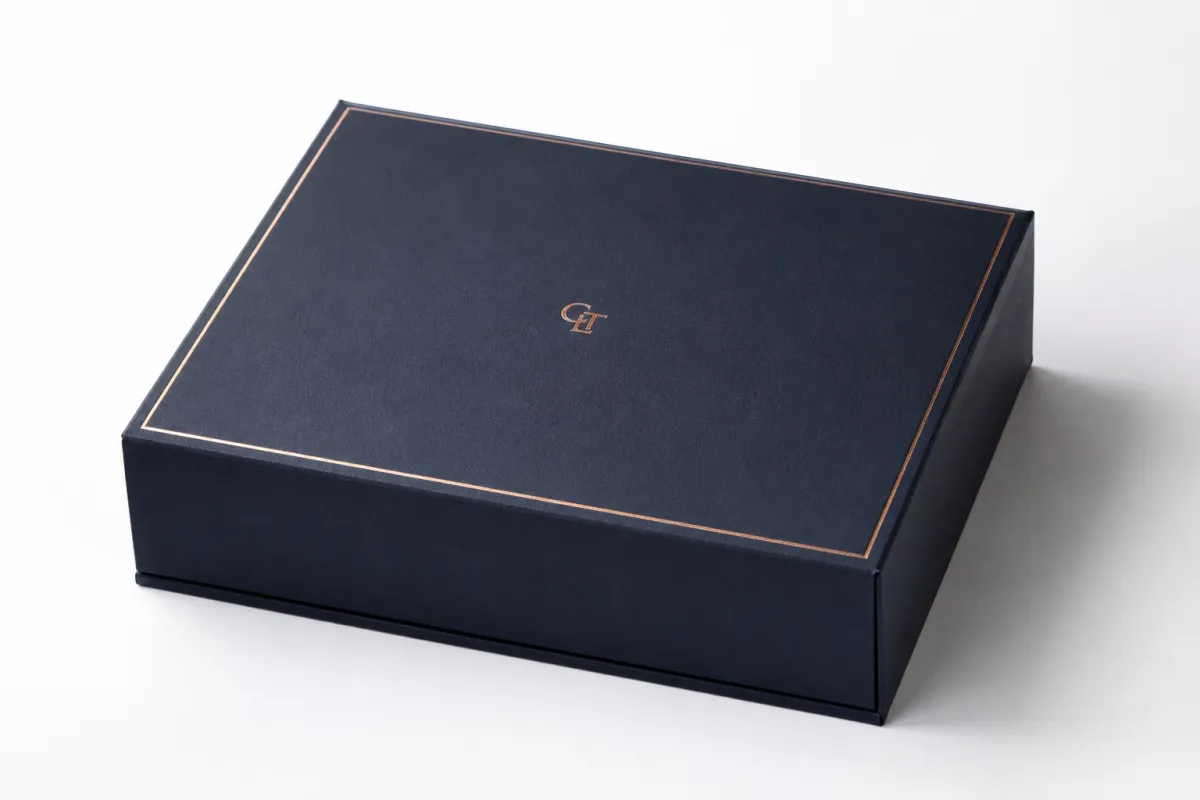
Picture a product arriving on a counter in a box with crisp corners, a controlled opening motion, and color that wraps the surface without looking crushed or muddy. That is the appeal of custom cmyk rigid boxes. They combine structure and presentation in one object, which means the box does more than protect the item inside. It becomes part of the product’s first impression, and that first impression can influence perceived value, gifting behavior, and even whether the item feels worth its price.
A rigid box usually starts with thick paperboard, often around 1.5 mm to 3 mm depending on size, weight, and how much compression the package needs to survive. The outer appearance comes from a printed wrap sheet, while the hidden interior structure supplies strength. That split matters. The board carries the load; the wrap carries the branding. Put together, they create a package that looks refined without needing a heavy amount of decoration. That is why custom cmyk rigid boxes often feel more substantial than folding cartons before anyone even sees the artwork.
Buyers tend to notice consistency before they notice decorative details. A rigid structure keeps its shape better during shelf display, photography, gifting, and unboxing. A folding carton can do the job for plenty of products, but it flexes, dents, and telegraphs rough handling faster. A rigid box behaves a little more like furniture than packaging. That comparison sounds odd, but it fits: the shell is meant to hold its form over time, not collapse at the first sign of pressure. For retail packaging and branded packaging, that stability is often the whole point.
A heavier box is not automatically a better one. A smarter box protects the product, uses only the layers it needs, and avoids forcing extra material into the build.
The sustainability question usually arrives late, after the visual approval is done, which is a shame. A rigid box can be designed with paper-based components, right-sized internal space, and fewer mixed materials than many people expect. Remove plastic windows, simplify inserts, and keep the structure close to the product dimensions, and the package becomes easier to justify from a material standpoint. Not every rigid box is low-impact, and plenty of them are wasteful. Still, custom cmyk rigid boxes can be specified with sustainability in mind if the material stack is chosen with discipline.
If you are comparing package styles across a wider product line, the options in Custom Packaging Products help show where a rigid box adds value and where a lighter format may be the better business decision. A rigid structure makes sense only when the product weight, shipping method, and brand positioning all call for it. Anything less and the box becomes theater.
One practical detail I have seen matter again and again: when a brand moves from a folding carton to a rigid box, the perceived jump in value can be bigger than the actual increase in material cost. That is not magic. It is just how humans read stiffness, weight, and resistance at the same time.
How Custom CMYK Rigid Boxes Are Printed and Built
Most buyers judge the finished package first, then try to guess how it was made. The production path matters more than it looks. Custom cmyk rigid boxes are usually printed as a wrap sheet rather than directly on the board, and that changes the workflow from the beginning. The artwork is built in CMYK, printed on the chosen paper stock, finished, cut, and then mounted over the rigid shell. The box you touch at the end has already passed through several other forms.
That process differs from folding carton production, where artwork is often printed directly on lightweight board and shipped flat. Rigid boxes are built from chipboard or greyboard, then wrapped by hand or machine. Because the shell is thick, the folds behave differently and the corner wrap becomes a make-or-break detail. A clean corner reads as quality. A poor one looks like a rushed prototype that escaped the factory.
Print methods and surface behavior
Offset printing remains common for artwork-heavy projects because it handles dense color and longer runs efficiently. Digital printing can make sense for shorter runs or for brands testing multiple versions before committing to scale. Both methods depend on the paper surface. Coated wraps usually deliver sharper edges, deeper blacks, and cleaner fine type. Uncoated wraps feel warmer and more tactile, but the color can soften a little. That difference is not minor. It changes the way a logo sits on the box and the way a skin tone or gradient survives the print stage.
Surface finish matters just as much. Soft-touch lamination, matte coating, gloss lamination, and aqueous coatings all alter how ink appears and how the box feels in the hand. Dark solids, fine lines, and subtle tonal shifts are the spots that expose weak proofing. A design that looks rich on a monitor can print flatter on paper, or the other way around, depending on the stock. That is why custom cmyk rigid boxes should always be approved on actual material, not guessed from a screen. I have had sample rounds where a deep navy looked almost black in digital mockups, then opened up into a softer, slightly greener tone on paper. Kinda annoying, but very normal.
Structure and insert choices
Rigid packaging comes in several forms: lid-and-base, magnetic closure, drawer style, and book-style presentation boxes. Each one creates a different motion, and each motion changes how the insert should be built. A lift-off lid is usually simpler to manufacture and easier to recover at end of life. A magnetic flap creates a more theatrical reveal, though it adds hardware and assembly steps. Drawer styles make sense for layered presentation, but they need tighter tolerances so the tray glides without rattle or drag.
The insert deserves the same level of attention as the shell. Paperboard, molded pulp, die-cut corrugated, and custom-cut cradles all solve different problems. A fragrance set, a jewelry piece, a cosmetic kit, and a small electronic device do not move the same way inside a package. Some need restraint around the edges. Others need pressure at exact points. A good package designer starts with the object, not the box style, then builds outward until the fit becomes exact.
For supply chain checks, it helps to compare the structure against recognized standards. The ISTA testing framework offers a useful lens for transit stress, while FSC certification gives a practical reference point for responsible fiber sourcing. Neither one designs the box for you, but both help create a better vocabulary for evaluating custom cmyk rigid boxes with more precision and less guesswork.
After artwork approval, production usually moves through cutting, board wrapping, edge folding, insert fitting, and final inspection. A box assembled well feels exact because the paper, board, and adhesive all seem to agree with one another. That harmony is what separates a package that merely looks expensive from one that actually feels engineered.
Key Factors That Shape Quality, Sustainability, and Shelf Impact
Quality in rigid packaging is measurable. It lives in the thickness of the board, the weight of the wrap paper, the adhesive choice, the insert material, and the finish. Custom cmyk rigid boxes make those choices visible because every edge and panel ends up carrying part of the brand message. There is very little hiding room.
Board thickness affects crush resistance and how the box keeps its geometry during handling. A fragrance set, a premium watch, and a lightweight accessory do not ask the same thing from the structure. A 3 mm board can be too much for one product and not enough for another if the interior support is wrong. Bigger is not always better. A box that is unnecessarily thick can become bulky, expensive to ship, and awkward to store. Balance matters more than brute force.
Wrap paper weight and coating control both appearance and touch. A coated sheet can deliver stronger CMYK saturation and sharper small type, which helps with Custom Printed Boxes that depend on logos, gradients, or fine patterns. An uncoated or lightly coated wrap feels more paper-forward and often fits brands that want a natural, material-first look. The right choice depends on the visual system and the product position, not a generic premium label pasted onto the brief.
Adhesive choice sounds mundane until a package starts failing in production. Water-based adhesives are common in paper packaging because they support paper-to-paper bonding without adding unnecessary plastic into the structure. They also fit better into a paper-centric recovery story than many mixed-material alternatives. Still, the adhesive has to suit the chosen wrap, the board, and the production speed. Materials do not care about intentions; they care about chemistry and process.
Sustainability claims need detail, not slogans. A box can use responsibly sourced board and still become difficult to recover if it relies on heavy lamination, metallic effects, or layered components that mix materials too aggressively. A clean paper structure is usually easier to explain, easier to recycle, and easier to defend. That does not mean every decorative choice is wrong. It does mean every decorative choice has a cost, even if the cost is hidden.
Shelf impact works the same way. CMYK design can be quiet or loud, but it should never be accidental. High-contrast typography, dark color fields, and full-bleed imagery create a premium signal fast, though they also reveal scuffs, fingerprints, and handling marks faster than pale surfaces do. A soft-touch finish can feel luxurious in the hand and still show wear in a different way from gloss. The practical question is simple: what does the box need to do in a store, on a truck, and in someone’s hands?
Brand systems work only when the parts keep speaking the same language. Package branding is more than a logo on a lid. It includes the outer color, the interior print, the insert style, and the way the box opens. For one product line, the right answer may be a bold graphic shell. For another, it may be restraint, where material and proportion carry the message. Either way, custom cmyk rigid boxes should fit the brand, not force the brand to reshape itself around a box chosen too early in the process.
There is a practical pattern worth remembering. The strongest packaging usually balances three things: enough board to protect the product, enough finish to signal value, and enough simplicity to keep the package sustainable. That balance explains why custom cmyk rigid boxes remain common in product packaging and luxury custom printed boxes. They can do both jobs at once if the spec is disciplined.
Custom CMYK Rigid Boxes Process, Timeline, and Lead Time
The schedule for custom cmyk rigid boxes has more steps than many buyers expect, and the timeline usually stretches because one small decision depends on three others. The process begins with product dimensions and the box structure, then moves through dieline setup, artwork review, proofing, sample approval, board cutting, wrapping, assembly, inspection, and shipping. Skip one decision and the rest starts slipping.
Late information from the buyer is one of the most common causes of delay. A product size changes. The closure style is still undecided. The insert dimensions are vague. Then the sample comes back, and the fit is off by a few millimeters. That sounds small until the box is built around it. A supplier can work quickly when the brief is clear, but custom cmyk rigid boxes remain a multi-stage build. The schedule should respect that reality rather than pretend it can be compressed by optimism.
What usually affects lead time
Simple lid-and-base structures with standard board and a standard wrap often move relatively quickly once artwork is approved, sometimes in roughly a couple of weeks for production after proof approval, depending on volume and workload. More complex structures need more time. Magnetic closures, heavy foil coverage, layered inserts, and book-style formats add manual work and tighter inspection. The more touchpoints a box has, the more chances there are for a misalignment, and the longer the process tends to run.
Sampling adds time, but it usually saves more time than it costs. A prototype shows whether the lid grip feels correct, whether the tray slides without wobble, whether the product shifts in transit, and whether the artwork wraps neatly around the corners. One sample can prevent a costly reprint. For custom cmyk rigid boxes, that is not a small benefit. It is often the difference between a controlled launch and a scramble.
How to move faster without cutting corners
Speed improves when the basics are locked in early. Finalize product dimensions. Deliver print-ready artwork with correct bleed and safe areas. Confirm the closure style before sampling begins. Decide whether the insert should be paperboard, molded pulp, or a die-cut support before the proof stage starts. Each choice made early removes a later round of correction.
Planning should also separate revision time from production time. Many teams count only the factory days and forget about approvals, freight, and rework. A better calendar includes sample review, a buffer for small changes, and shipping time at the end. That matters even more when a retail launch or online campaign depends on the package arriving on time. A delayed box can delay the entire release, which makes the packaging timeline a business issue, not just a production detail.
If you are comparing packaging programs, a broader look through Custom Packaging Products can show whether a rigid structure is justified or whether another format would support the launch more efficiently. Good custom cmyk rigid boxes rarely come from haste. They usually come from a clean brief and a realistic schedule.
Custom CMYK Rigid Boxes Cost, Pricing, MOQ, and Quote Factors
Pricing for custom cmyk rigid boxes comes down to a handful of hard variables. Size, board thickness, print coverage, finish, insert complexity, labor intensity, and shipping destination all influence the quote. A pretty mockup tells only part of the story. The rest lives in the production details.
MOQ matters because setup costs have to be divided across the run. Lower quantities usually mean a higher unit price because print prep, die cutting, wrapping, and assembly are spread over fewer boxes. That does not make small runs a bad choice. It just changes the math. A brand often saves more by simplifying the structure than by hunting for the absolute lowest unit price on paper.
| Box Option | Typical Structure | Approximate Cost Range at 1,000 Units | Approximate Cost Range at 5,000 Units | Best Fit |
|---|---|---|---|---|
| Simple Lid-and-Base | Rigid shell, printed wrap, paperboard insert | $1.20-$2.10 each | $0.72-$1.25 each | Gift sets, cosmetics, accessories |
| Magnetic Closure | Rigid shell with flap and concealed magnets | $1.85-$3.25 each | $1.10-$1.95 each | Luxury retail packaging, presentation kits |
| Drawer Style | Rigid outer sleeve, pull-out tray, ribbon pull | $2.00-$3.75 each | $1.25-$2.20 each | Premium accessories, multi-piece sets |
| Book-Style Box | Hinged cover, hidden closure, detailed wrap | $2.20-$4.20 each | $1.40-$2.55 each | High-end branded packaging, limited editions |
Those ranges are directional, not guarantees. Every factory, finish, and freight lane changes the total. Even so, the table gives a useful frame. A simple rigid box with standard CMYK coverage will usually price lower than a box that adds foil, embossing, spot effects, and a custom-cut insert. Often, labor is the expensive line, not print. Assembly and alignment consume time, and time is what factories invoice.
A useful quote starts with exact dimensions, product weight, target quantity, closure style, insert needs, finish preference, and destination. A request that says “premium rigid box” does not give much to work with. A request that says “200 x 120 x 55 mm lid-and-base, 2 mm board, 157 gsm art paper wrap, soft-touch lamination, paperboard insert, 3,000 units to a U.S. warehouse” gives a supplier a real path toward a useful price for custom cmyk rigid boxes.
Savings are possible without weakening the package. Standard paper stocks, fewer specialty effects, simpler inserts, and fewer wrapper pieces can reduce cost. Cutting board thickness below the point where the structure starts to feel flimsy is a poor trade. A package has to survive handling, stacking, and the occasional rough transit event. A lower price is not a bargain if the box arrives dented.
For some projects, the best move is to invest in the outer shell and keep the inside simple. For others, the insert matters more because the product needs to stay locked in place. That is why custom cmyk rigid boxes should be quoted as complete packaging systems rather than as decorative shells with no mechanical responsibility.
One thing that surprises new buyers is how often the “cheap” option gets more expensive after revisions. A box with a vague brief can chew through two or three sample rounds, and by then the savings have evaporated. The cleaner the specification, the less likely that is to happen.
Common Mistakes to Avoid With Custom CMYK Rigid Boxes
The most common error is also the easiest to miss: teams build the box around an early product estimate instead of the final product. The fit ends up loose, gaps become visible, or the box presses too hard against the item. A rigid package leaves less room for forgiveness than a mailer. A few millimeters can decide whether custom cmyk rigid boxes feel precise or awkward.
Overdesign creates another set of problems. More foil, more layers, more cutouts, more inserts, more texture can sound impressive in a spec sheet, yet that extra complexity often adds cost and slows production without improving the actual user experience. Packages can become busy very fast. The brands that look most refined usually know where to stop. Restraint often reads as luxury more convincingly than ornament.
Color mistakes are expensive because they travel through the whole run. Artwork in the wrong color mode, missing bleed, tiny type too close to trim, and oversized dark panels without proofing can all cause trouble. CMYK can produce excellent results, but it is still process color. It does not promise identical behavior on every surface. For custom cmyk rigid boxes, the proof should be checked on the actual paper stock and finish, not assumed from a monitor view.
Sustainability claims can also get muddy if the structure is not considered carefully. A box with a paper shell but plastic-heavy inserts, excessive lamination, or decorative pieces that complicate recovery is not automatically the better environmental choice. If the goal is credible sustainability, ask what materials are used, how they are bonded, and whether the box can be separated in a sensible way after use.
Fulfillment gets overlooked until the packing line starts. A beautiful box may stack poorly in cartons, scuff too easily in transit, or open too loosely after compression. A useful test should include real handling conditions, not just a visual review under good light. If the package is going into retail, e-commerce, or subscription fulfillment, it should be checked in that environment before the full run gets approved.
The simplest way to avoid most of these mistakes is to treat custom cmyk rigid boxes as both a branding tool and a physical object. Fit, shipping, recovery, and assembly labor belong in the same conversation as color and finish. Split them apart and the package becomes more expensive than it needs to be.
Expert Tips and Next Steps for Custom CMYK Rigid Boxes
Start with the product journey, not the artwork. Decide how the box must protect the item, how the customer should open it, and whether the package needs to store the product after unboxing before selecting a foil, emboss, or texture. That order prevents a lot of rework. The strongest custom cmyk rigid boxes usually begin as functional decisions and only later pick up their visual polish.
Ask for a sample or prototype when the fit is tight or the product is delicate. That is not a luxury request. It is the cheapest way to see the truth. A physical sample reveals how the lid closes, how much friction the drawer needs, whether the insert supports the product correctly, and whether the artwork looks balanced at real scale. A mockup on a screen cannot tell you that. The box has to exist in your hand before it can be trusted.
A one-page specification sheet saves time in every direction. Include dimensions, target quantity, box style, insert material, finish preference, sustainability requirements, and launch date. Add weight if the item is heavy. Add retail or e-commerce constraints if the box has to survive both. That kind of brief makes it easier to compare quotes for custom cmyk rigid boxes and keeps the discussion anchored to the tradeoffs that matter.
Review the material stack with the supplier before the final build gets approved. Board thickness, wrap paper weight, adhesive type, and finish selection all affect one another. Soft-touch can be ideal for a skincare line. A matte uncoated wrap can make more sense for a paper-forward gift box. There is no universal winner here, only a fit that is more or less correct for the product and the brand.
If the project is still early, browsing Custom Packaging Products can help you compare formats and decide whether a rigid box is the right level of packaging for the launch. After that comparison, it becomes easier to specify custom cmyk rigid boxes that feel intentional rather than overbuilt.
My practical advice stays simple: measure the product, choose the box style, shortlist the material and finish options, request a detailed quote, and review the proof with the actual product in mind. Do that well, and custom cmyk rigid boxes can deliver the premium feel, shelf presence, and material discipline that modern brands keep demanding.
One final checklist I would not skip: confirm the box opens cleanly after a drop test, confirm the printed colors still read well under store lighting, and confirm the insert holds the product without forcing the lid. If those three things work together, the packaging is doing its job. If they do not, the design is still in draft mode, no matter how polished it looks.
FAQ
What makes custom CMYK rigid boxes different from folding cartons?
Rigid boxes use thick board and a wrapped outer sheet, so they feel sturdier and more premium than a standard folding carton. They suit gift packaging, keepsake-style presentation, and products that need stronger perceived value at first touch. Folding cartons usually ship flat and cost less, while custom cmyk rigid boxes are assembled to create a more elevated unboxing moment.
Are custom CMYK rigid boxes sustainable?
They can be, if the build uses responsibly sourced board, paper-based wraps, and coatings that do not add unnecessary mixed materials. Sustainability depends on the full structure, including inserts, adhesives, and surface finishes. A simpler rigid build often makes a better environmental case than an overdecorated package, especially when custom cmyk rigid boxes are designed with paper recovery in mind.
How long does it take to produce custom CMYK rigid boxes?
Lead time depends on structure complexity, print coverage, finish selection, quantity, and whether sampling is needed. Simple builds with early artwork approval usually move faster than magnetic closures, drawer formats, or boxes with specialty inserts. Buffer time for proofing, revisions, and freight helps keep custom cmyk rigid boxes from becoming the bottleneck in a launch schedule.
What do I need for an accurate custom CMYK rigid box quote?
Provide exact product dimensions, weight, preferred box style, insert requirements, target quantity, finish preferences, and shipping destination. If sustainability matters, say so directly, because paper stock, adhesive, and coating choices all affect the result. The fuller the brief, the easier it is to compare custom cmyk rigid boxes on real value instead of placeholder pricing.
What should I check before approving custom CMYK rigid box artwork?
Confirm the dieline, bleed, safe areas, barcode placement, and color mode before the file goes to print. Check that logos, fine type, and dark solids still read clearly on the chosen paper stock and finish. Review the proof with the product in context, because custom cmyk rigid boxes need to support both the brand story and the physical fit.
Final thought: The best custom cmyk rigid boxes do more than look polished; they are measured, printed, assembled, and finished in a way that fits the product, supports the brand, and respects the materials involved. The actionable takeaway is simple: lock the product dimensions first, then choose the structure, finish, and insert around that real-world object, not around a pretty mockup.

