Buyer Fit Snapshot
| Best fit | Custom Compostable Carton Inserts projects where brand print, material claims, artwork control, MOQ, and repeat-order consistency need to be specified before quoting. |
|---|---|
| Quote inputs | Share finished size, material target, print colors, finish, packing count, annual reorder estimate, ship-to region, and any compliance wording. |
| Proofing check | Approve dieline scale, logo placement, barcode or warning zones, color tolerance, closure strength, and carton packing before bulk production. |
| Main risk | Vague material claims, crowded artwork, missing packing details, or unclear freight terms can make a low unit price expensive after revisions. |
Fast answer: Custom Compostable Carton Inserts: Board, Finish, Dieline, and Unit Cost should be specified like a repeatable production item. The safest quote records material, print method, finish, artwork proof, packing count, and reorder notes in one written spec.
Production checks before approval
Compare the actual filled-product size with the drawing, then confirm tolerance on folds, seals, hang holes, label areas, and retail display edges. Reserve space for logos, QR codes, warning copy, and material claims before decorative graphics fill the panel.
Quote comparison points
Review material grade, print process, finish, sampling route, tooling charges, carton quantity, and freight assumptions side by side. A quote is only useful when the supplier can repeat the same color, closure quality, and packing count on the next order.
Custom Compostable Carton Inserts: What to Know First
Custom compostable carton inserts can look almost too simple on a spec sheet. A product sits inside a box. A tray, cradle, or folded structure keeps it from wandering. The carton closes, ships, arrives, and the customer opens something that still feels intentional. But packaging almost never behaves politely once it leaves the studio. A bottle that slides a few millimeters can crack at the neck. A jar that taps the side wall all week can show up with a chipped lid. A premium set that rattles on day one tends to feel cheaper than it is. That is usually the moment custom compostable carton inserts prove their value.
These inserts are internal packaging pieces made from fiber-based, compostable materials that hold, cushion, separate, or display a product inside a carton. Their job is mechanical before it is aesthetic. A good insert keeps the item centered, limits movement, softens impact, and makes the package read as deliberate rather than improvised. The sustainability angle matters, but the first test is still straightforward: does the product survive the trip without looking like it lost a fight with the shipping lane?
Brands move toward custom compostable carton inserts for practical reasons. Better fit. Cleaner presentation. Less plastic. Easier messaging around eco-friendly packaging. Less loose filler that behaves like packaging confetti. The caution is just as practical. Compostable does not mean waterproof, indestructible, or automatically economical. Material choice, thickness, cavity depth, and carton size all need to work together. Skip that part and the project turns into a glossy claim wrapped around a fragile structure.
I have sat through enough packaging reviews to know the pattern: a sample looks elegant on a desk, then falls apart under a real courier schedule. That is why the useful questions matter more than the marketing language. What are custom compostable carton inserts actually made of? How do they behave in humidity? How much do they cost at your volume? And can they protect the product without forcing the packing line to slow to a crawl? If you are comparing options across a broader packaging line, the Custom Packaging Products page is a better reference point than guessing from a sketch. The insert should support the product and the carton system, not compete with them.
Custom Compostable Carton Inserts: Why They Matter More Than You Think
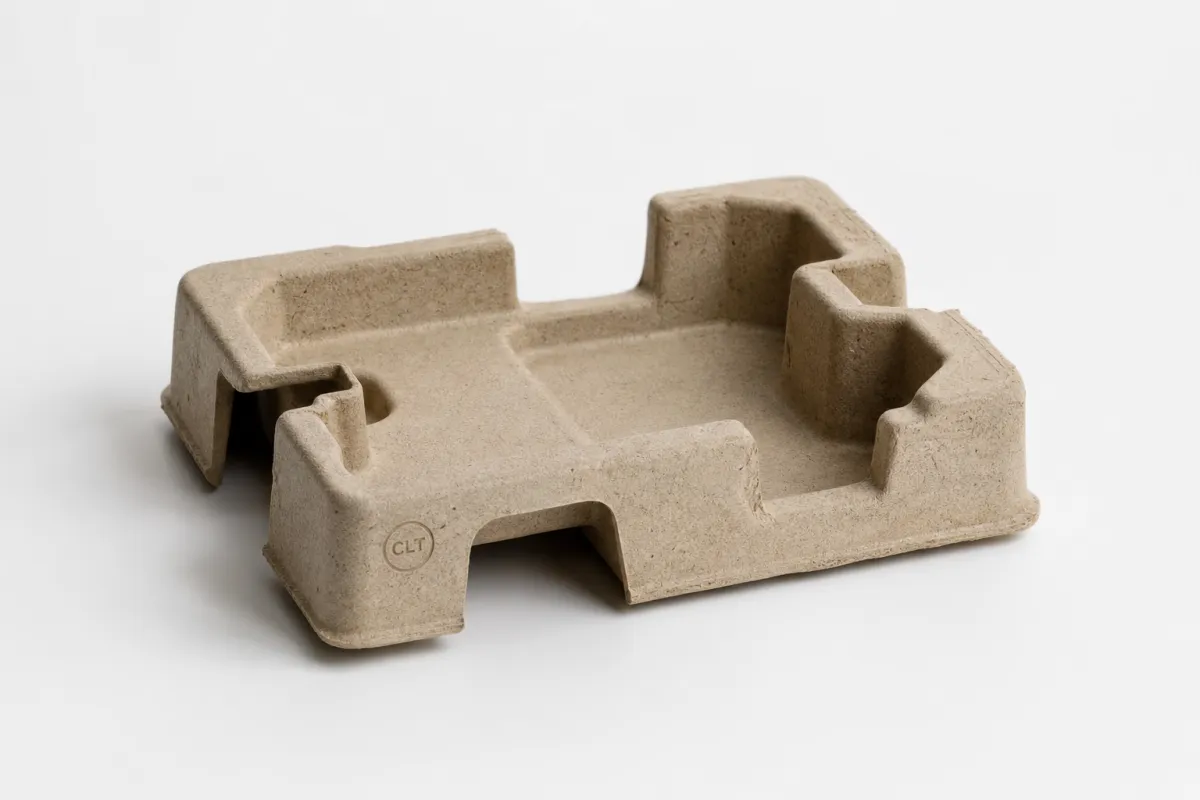
The easiest way to judge custom compostable carton inserts is to imagine an elegant box that still lets the product drift around inside it. Nice outer packaging. Wrong interior. That mismatch shows up quickly in damage claims, returns, and complaints that sound like someone packed the order while distracted. In the real world, the insert is not hidden infrastructure. It is part of the package story. It controls the first few seconds of the unboxing and the final few feet of the shipment.
For companies trying to reduce plastic and clean up their packaging language, custom compostable carton inserts can replace foam blocks, plastic trays, and the random paper stuffing that tends to signal last-minute improvisation. They also improve consistency. A cut-to-fit insert behaves the same way from one production run to the next, which matters for cosmetics, subscription kits, candles, small electronics, food gifts, and Custom Printed Boxes that need the same reveal every time. A customer notices repetition. They also notice sloppiness. Packaging never gets to be invisible for long.
The key distinction is simple: the insert is designed around the item, not just the carton dimensions. That sounds obvious until the carton looks perfect on paper and the product still has room to move in three directions. Ten millimeters of shift may sound minor. On a glass bottle, it can be the difference between a clean arrival and a cracked shoulder. On a premium jar, it can turn a polished kit into something that feels secondhand before the customer even touches it.
There is a commercial side too. Better product packaging can reduce replacement shipments, lower damage rates, and improve pack speed when the structure is built properly. A factory that packs 5,000 orders a day does not care about poetry. It cares about whether the insert slots quickly, keeps the product stable, and avoids rework. The same goes for premium brands. If the insert looks clean and the product arrives in one piece, the customer reads that as quality. If the box arrives damaged, nobody gives the sustainability claim a medal.
Not every fiber-based or paper-based insert behaves the same way. A molded pulp tray, a die-cut paperboard cradle, and a bagasse form may all be compostable in concept, but they do not perform identically. They vary in stiffness, surface finish, moisture response, and the kind of geometry they can support. The first question should not be whether the insert can be made from compostable fiber. The first question should be whether custom compostable carton inserts can protect this product in this carton, on this route, at this weight, and at this price.
A carton can look right and still fail if the insert was built from the box outward instead of from the product outward.
That distinction matters more than many buyers expect. If the outer carton is treated as the starting point, the result often looks tidy in CAD and weak in motion. If the product drives the design, the insert begins to earn its place. The difference shows up the first time a box gets dropped from conveyor height or stacked under pressure for a weekend. I have seen inserts pass a visual review and fail a simple shake test in under ten seconds. That is kinda humbling, but it is also useful information.
For buyers comparing packaging structures, it helps to place custom compostable carton inserts beside the rest of the system rather than treat them as an isolated add-on. A well-chosen insert supports the carton, the print design, and the shipping method at once. That is the standard worth aiming for.
What Custom Compostable Carton Inserts Are and How They Work
Custom compostable carton inserts usually come from a few material families: molded pulp, molded fiber, bagasse, recycled paperboard, and other fiber-based formats that can be formed, cut, or pressed into a product-specific shape. The surface may look plain. The geometry is doing the real work. A tray with the right cavity can hold a bottle more safely than an ornate structure that never truly captures the item. Packaging performance rarely depends on decoration. It depends on fit, pressure, and how the material reacts under load.
The insert has a narrow job list and a long list of ways to get it wrong. It must immobilize the product, absorb impact, spread pressure across a larger area, and keep parts from colliding during transit. That sounds basic until the package includes a bottle, a jar, a fragile electronic component, or a multi-piece set with separate cavities. Then the difference between a strong insert and a weak one can come down to a few millimeters of cavity depth, a better rib placement, or the way a tab supports a cap.
Wall thickness matters. Cavity depth matters. Return flanges matter. Locking tabs matter. Surface texture matters too, because the product should fit securely without being so tight that packing line workers have to wrestle every unit into place. A thicker wall can stiffen the structure, but it can also add bulk and increase cost. A tighter cavity can improve retention, but it may scuff labels or create pressure points on corners and shoulders. The best custom compostable carton inserts tend to sit in the middle of those extremes, where the product feels secure but the assembly process still moves at a sane pace.
There is a real split between cushioning inserts and presentation inserts. A cushioning insert is built for distribution abuse. It cares about vibration, compression, and drop energy. A presentation insert is built for the moment the carton opens. It cares about symmetry, clean lines, and the first visual read. Some products need both. Cosmetics, candles, food gifts, and small appliance kits often ask the insert to protect the shipment and make the unboxing feel deliberate. The structure has to survive rough handling and still look composed when the customer lifts the lid.
Moisture, humidity, oily surfaces, and sharp edges change the design quickly. Fiber-based materials respond to the environment in ways plastic does not. A dry warehouse in winter is one thing. A humid shipping lane or a refrigerated product is another. If the insert touches a cold bottle, an oily jar, or a sharp metal part, the supplier should explain exactly how custom compostable carton inserts behave under that condition. If the explanation is vague, the structure is probably not ready.
Testing should be part of the conversation from the start. A supplier should be able to discuss relevant transit checks, including ISTA test procedures, and explain whether the structure is intended to support a drop, vibration, or compression profile. Compostability claims need evidence too. If a board or molded structure is sold as compostable, ask for the certification basis and the material documentation. Packaging language gets sloppy fast. The paperwork should not.
Material snapshots that buyers usually compare
Here is the comparison most teams end up making. Molded pulp usually makes sense for deeper cavities, stronger retention, and higher-volume runs where tooling can be justified. Molded fiber is often the broader label for similar structures and may include different forming methods or finishes. Bagasse can work well when a denser, cleaner surface improves presentation. Recycled paperboard is often the fastest route for simpler custom compostable carton inserts because it can be cut and folded without a molded tool. Each material gets you a little closer to the goal and a little farther from something else. That is the tradeoff.
- Molded pulp: good for depth, retention, and shock absorption; common for fragile goods.
- Paperboard: efficient for lighter products, flat components, and fast production.
- Bagasse: useful for presentation-driven applications and fiber-rich compostable forms.
- Recycled fiber mixes: helpful when you want a cleaner sustainability story with a practical structure.
Custom compostable carton inserts can also work beside other packaging elements. A carton sleeve, a branded wrap band, or an outer printed box can carry graphics while the insert handles protection. That arrangement often beats trying to print every internal surface heavily. It keeps the structure honest and reduces the chance that the insert becomes an overdesigned centerpiece. Good packaging systems usually distribute the job. They do not ask one part to perform every role at once.
Key Factors That Decide Fit, Strength, and Sustainability
Product dimensions and weight come first. Always. A cavity that is even slightly off can waste space or stress the item. A 1-2 mm error may be trivial for one category and disastrous for another. A tall-neck bottle needs different retention than a wide-shouldered cosmetics jar. A cable kit behaves differently from a candle set. The shipping issue is not abstract. It shows up in the details.
Fragility changes the structure. Glass, ceramics, electronics, and premium cosmetics all need different protection profiles. A lightweight serum bottle may do fine in a paperboard cradle with a snug carton fit. A ceramic mug needs deeper retention and stronger corner support. A small electronic accessory may need separation between parts so they do not collide under vibration. Custom compostable carton inserts should be designed around the failure mode that matters most, not around the product photo that looks nicest in a pitch deck.
Environment matters more than buyers often want to admit. Heat can soften some board treatments. Humidity can reduce stiffness. Cold can change how fiber behaves during packing and opening. If the product moves through a hot warehouse, a damp courier network, or refrigerated storage, the insert design needs to account for that reality. Shipping lanes are not neutral. They are a stress test with a timetable.
Sustainability claims need precision. Compostable, recyclable, recycled content, and FSC-certified fiber are not interchangeable labels. Buyers Should Know whether the insert is certified for industrial composting, whether it depends on a standard such as ASTM D6400 or EN 13432, and whether the material source is documented. If the supplier cannot show that in writing, the claim is thin. Thin claims may work on a mood board. They fall apart fast in procurement.
For fiber sourcing, the FSC framework remains one of the clearer ways to verify responsible forest management and traceable paper inputs. That does not magically make a structure compostable. It does not solve poor geometry either. It does help separate documented supply chains from vague green language. Buyers should ask for test reports, material specs, and certification documents before building a sustainability story around one sample and a lot of hope.
Branding also has a place here. Custom compostable carton inserts do not need to look dull. Natural fiber texture can feel premium if the geometry is crisp. Light embossing can add structure without heavy ink coverage. Minimal graphics can keep the system aligned with eco-friendly packaging goals. Sometimes the best-looking insert is the quiet one, the one that uses negative space well and does not try too hard to announce its virtue.
Compatibility is another deciding factor. Does the insert sit in a rigid box, a folding carton, or a mailer? Does it need to work with a sleeve? Does the product have to ship in an e-commerce carton and still sit neatly on retail shelves? If the answer is yes, custom compostable carton inserts may need to do more than protect. They may also need to present the product after the shipping outer is removed. That is a different design brief from a simple void-fill replacement.
| Material Option | Best For | Typical Strength Profile | Typical Cost Tendency | Notes |
|---|---|---|---|---|
| Molded pulp | Fragile products, deeper cavities, transit protection | Good shock absorption, moderate to strong retention | Medium to higher, depending on tooling and volume | Often a strong fit for custom compostable carton inserts that need structure |
| Paperboard die-cut | Lighter products, fast runs, simple cradles | Moderate, depends on folds and tabs | Lower to medium | Good for quicker turnaround and simpler product packaging |
| Bagasse | Presentation-forward inserts, fiber-rich appearance | Moderate, with a denser feel | Medium to higher | Can support a cleaner premium look inside branded packaging |
| Recycled fiber blend | Eco-friendly packaging with practical structural needs | Varies by formation and thickness | Medium | Good option when sustainability and cost need a middle ground |
The table looks simple because the tradeoffs are simple, even if the buying process is not. The important question is whether custom compostable carton inserts need to protect, present, or handle both roles. Once that is clear, the right material usually appears without drama. Then the conversation can move to cost, volume, and whether the carton itself needs a small adjustment to keep the whole system honest.
Process and Timeline for Custom Compostable Carton Inserts
The process usually starts with a product brief. The quality of that brief has a direct effect on how many revisions you end up paying for. For custom compostable carton inserts, the supplier needs product dimensions, product weight, carton size, photos of the item from several angles, the shipping method, and the level of protection the product actually requires. If the product is fragile, note the failure points. If it is oily or refrigerated, include that. If the insert has to be packed quickly on a line, say that too. Guessing is expensive. Clear input saves time.
After the brief comes a material recommendation and a rough structure. That may be a molded pulp tray, a die-cut paperboard insert, or a hybrid approach. Next comes the concept stage, where cavity depth, wall thickness, retention features, and carton fit get defined. Custom compostable carton inserts should never be approved from a front-view drawing alone. The product needs to sit in the cavity, even if the first version is only a rough prototype. A drawing can hide a lot. A sample cannot.
Sampling is the stage where most teams learn whether the concept works. A sample can show that the insert is too stiff, too loose, too shallow, or too awkward to assemble. It can also reveal whether the product slides during a drop, whether a lid catches on a tab, or whether a printed surface gets scuffed. A few extra days here often save weeks later. A cheap sample is not cheap if the final run fails.
Lead time depends on the structure. Simple die-cut paperboard custom compostable carton inserts can move quickly, often around 7-12 business days after proof approval if the artwork, dielines, and dimensions are settled early. Fully custom molded pulp or molded fiber structures take longer because tooling, sample iterations, and validation add steps. A realistic range is often 3-6 weeks from final approval to production-ready output, with longer timelines if the project needs new tooling or multiple revision rounds. The fastest promises tend to be the least useful ones.
Production has a few hidden stages. Tooling setup, sample validation, compression checks, and freight planning all matter. Bulky inserts can increase shipping cost. Tight internal carton dimensions may force a change to the outer box. Custom compostable carton inserts are rarely a standalone decision. They usually influence the broader packaging design system, including board grade, closure style, and the amount of secondary packing needed to keep the order stable.
The approval chain should match the risk. Packaging should sign off on structure, procurement should confirm cost and MOQ, sustainability should verify claims and documentation, and operations or fulfillment should check pack-line reality. Leave one of those groups out and the project usually returns with a polite but expensive correction. The person packing the box should have a voice. If not, the insert may impress in a presentation and irritate everyone on the floor.
If your team already buys other structure-based items from Custom Packaging Products, keep the insert brief aligned with the rest of the order. That way carton size, print area, and retention features do not develop in separate silos. Silos work for grain. They work poorly for packaging systems that have to ship on time.
A sharp brief shortens the timeline more reliably than a fast promise ever does.
Custom Compostable Carton Inserts Cost, Pricing, and MOQ
Pricing for custom compostable carton inserts is shaped by material choice, cavity count, structural complexity, wall thickness, finish, print or embossing, tooling, and volume. That is a long list because the cost structure is genuinely layered. A simple paperboard insert for a light product can stay relatively low-cost. A molded pulp insert with several cavities, deep retention, and a custom tool will cost more upfront but may perform better over the long term. The right answer depends on the product and the route, not a generic label like “budget-friendly.”
For planning purposes, a simple die-cut paperboard insert might land around $0.08-$0.22 per unit at moderate volume, while molded pulp or molded fiber custom compostable carton inserts can sit closer to $0.18-$0.45 per unit at mid-size quantities depending on geometry and finish. More complex premium structures, special surface treatments, or low-volume runs can go higher. Tooling for fully custom molded formats may add roughly $800-$5,000 or more depending on size and complexity. Those figures are planning numbers, not promises. A flat quote without the product in view is usually just educated guessing.
MOQ matters because fixed setup costs need somewhere to land. On a small run, they make the unit price look harsh. On a larger run, the same tooling and prep are spread over more pieces. That is why buyers sometimes decide custom compostable carton inserts are too expensive when the real issue is volume. If the order is only a few thousand units, the material and design should match that reality instead of pretending the economics belong to a much larger campaign.
Hidden costs show up fast if nobody looks for them. Sampling fees. Freight. Storage. Mold or die setup. Revisions after the first prototype. Sometimes the outer carton changes too if the insert turns out thicker than planned. If the insert changes the ship size, freight can move as well. That is especially true for bulky fiber structures. A low unit price can still lead to a high landed cost if the packout is awkward or the insert pushes the carton into a more expensive shipping tier.
Here is the tradeoff worth thinking about: a simpler design can save money in the short term, but an oversimplified one can raise returns, breakage, or the need for extra void fill. That is not savings. That is moving cost from one line item to another and calling it efficiency. In many cases, custom compostable carton inserts lower total cost because they reduce damage and improve pack speed, even when the unit price is slightly higher than generic filler.
To get a useful quote, send product dimensions, product weight, carton size, shipping method, expected monthly volume, and sustainability requirements. Add whether the insert needs to be compostable, made with recycled content, FSC-certified, or tied to a specific eco-friendly packaging claim. If the product is fragile, describe the damage you want to avoid. If the product is premium, say how much presentation matters. Better input leads to better pricing. The market has no patience for vague inputs and then surprise expectations.
Ask for option splits too. Request a comparison between a simpler insert and a more protective one. Ask for a version with minimal print and another with a small branding element. Ask whether a hybrid structure could keep performance while trimming tooling. In packaging, small comparisons often save real money, especially when the project sits between custom printed boxes and functional product packaging.
For the buyer, the useful question is not “What is the cheapest insert?” The better question is “Which custom compostable carton inserts give me the lowest total cost once damage, freight, assembly time, and sustainability requirements are all included?” That answer usually looks less dramatic and more durable.
Common Mistakes That Turn Good Inserts Into Expensive Trash
The first mistake is designing from carton size alone. The carton is not the product. The product is the product. Custom compostable carton inserts need to hold the item, not simply fill the box with something green-looking. If the cavity is built from outer dimensions instead of the object shape, the result is usually too much void, too much movement, or pressure in exactly the wrong place. That is how a neat sustainability story turns into a damage claim.
The second mistake is skipping testing. A pretty sample that fails in transit is still a failure. It just cost more than a bad idea on paper. For custom compostable carton inserts, testing should include at least basic drop, vibration, and packing-line checks. If the product is fragile or expensive, a more formal program may be needed, and the supplier should be able to tie the sample to a relevant ISTA routine or an internal test plan that resembles real shipping conditions.
The third mistake is ignoring humidity or moisture exposure. Compostable fiber materials are not plastic. That is the point, and also the problem if the project is handled carelessly. An insert that behaves well in a dry office can behave differently in a wet warehouse or a cold transit lane. If the product is oily or refrigerated, ask directly how custom compostable carton inserts hold up under those conditions. No soft language. Actual data.
The fourth mistake is choosing the wrong strength level for the product category. Lightweight cosmetics and heavy glass bottles are not the same problem. A fragrance carton may need a neat presentation insert with a snug neck lock. A sauce bottle may need a deeper tray and stronger wall structure. A ceramic item may need corner protection and better load distribution. One insert style cannot do every job well, no matter how neatly it is described in a pitch.
The fifth mistake is overcomplicating the design. Buyers sometimes ask custom compostable carton inserts to do too much: dramatic reveal, heavy protection, fast pack speed, tiny carton footprint, low cost, and perfect sustainability messaging. That wish list is charming right up until production has to hit a deadline. Simpler structures often run better, cost less, and create fewer assembly headaches. A clean geometry with the right cavity and a sensible retention feature usually matters more than extra folds or decorative flourishes.
The sixth mistake is making sustainability claims before the paperwork exists. If the insert is compostable, the buyer should be able to explain what that means, which standard supports it, and where the material came from. If it is FSC-certified fiber, the record should exist. If it is recyclable but not compostable, say that plainly. Confused sustainability language does not build trust. It invites questions from retail buyers, procurement teams, and anyone trying to avoid a misleading claim.
A practical way to avoid these mistakes is to separate three questions: does the insert protect, does it pack efficiently, and does it support the brand story? Custom compostable carton inserts should answer all three, but not necessarily at the same cost level or through the same structure. That is why a sample, a test, and a clear material spec matter more than a polished render.
From a buyer’s point of view, the worst inserts are the ones that look brilliant in a mockup and then fall apart on the first actual shipment. That is not a compostable problem. That is a planning problem.
Expert Tips and Next Steps for Custom Compostable Carton Inserts
Start with the product, not the packaging trend. Custom compostable carton inserts should solve protection, presentation, and handling in that order. If the structure protects well but looks plain, the visual layer can live elsewhere in the carton system. If it looks impressive but fails in transit, it is not a premium solution. It is a future return.
Ask for samples or prototypes before committing to a full run. A 2 mm change in cavity depth, rib position, or return flange can change how the product sits. That matters especially for glass, ceramics, and rigid cosmetics packaging. If you are comparing two material approaches, test both. A molded fiber insert may outperform a paperboard cradle for shock protection, while paperboard may win on speed and simplicity. The right answer is the one that fits the real shipment, not the one that sounds better in a sales call.
Build a simple spec sheet. Include product dimensions, weight, carton size, shipping method, target drop level, expected monthly quantity, required certifications, and special handling conditions such as moisture, heat, or refrigeration. If the insert must align with custom printed boxes or a specific retail packaging format, note that too. Good specs reduce revisions, and revisions are where schedules and budgets tend to disappear.
Compare at least two material approaches if the product is fragile or moisture-sensitive. A hybrid solution can outperform a pure one-material answer. A die-cut board insert might handle branding and light retention while a molded fiber component manages the load-bearing section. That split is common in product packaging because it balances performance, cost, and appearance without forcing one material to carry every burden.
Ask direct questions about MOQ, tooling, sample time, and freight. If the supplier cannot explain how custom compostable carton inserts will be produced and delivered, they are probably not ready for a real program. Good partners talk in ranges and tradeoffs. Weak ones promise easy answers and send a surprise invoice later.
For sustainability reporting, keep the documentation in one place. If the insert is compostable, store the spec, certification references, and supplier declaration. If the fiber is FSC-certified, keep that record too. If the project affects carbon footprint or packaging claims, make sure marketing and operations are reading from the same file. Nothing erodes trust faster than three departments telling three different stories about the same insert.
Here is the next-step sequence I would use: measure the product, request a prototype, confirm the MOQ, verify the timeline, and then move into pilot production. That order keeps custom compostable carton inserts grounded in reality. It also keeps the decision focused on performance instead of letting it drift into a sustainability slogan contest.
For brands that want custom compostable carton inserts to support both shipping and presentation, the cleanest path is usually the one with the fewest surprises. A well-built insert can improve branded packaging, reduce waste, and make the unboxing feel intentional. It can also lower damage and speed up packout. That is the real value. Not the buzzwords. The result.
And yes, if the product, carton, and insert spec are all aligned, custom compostable carton inserts can become one of the smartest upgrades in the packaging system. They are not glamorous. They are the part that keeps the rest of the brand from bouncing around in the box. If you need one actionable rule to carry forward, use this: prototype against the actual product, not a guess, and approve nothing until the insert survives packing, drop, and moisture checks in the conditions your shipment will really face.
What are custom compostable carton inserts made from?
Most custom compostable carton inserts are made from molded pulp, molded fiber, bagasse, or recycled paperboard. The right material depends on product weight, finish, moisture exposure, and whether the insert needs cushioning or display value. Ask for the material spec and the compostability claim in writing, not just in a sales pitch.
Are compostable carton inserts strong enough for fragile products?
Yes, if the structure is designed around the product and tested before production. Fragile items usually need ribs, tighter cavity control, or deeper retention features to stop movement. If the product is very heavy, oily, or exposed to rough shipping, the insert may need reinforcement or a different material route.
What affects custom compostable carton inserts pricing the most?
Material type, complexity, order volume, tooling, and whether the design needs print or embossing are the biggest drivers. MOQ has a big effect because setup costs get spread across fewer units on small runs. Freight and sampling can matter more than people expect, especially for bulky fiber-based inserts.
How long does the process take for custom compostable carton inserts?
Simple structures can move quickly, while fully custom molded formats usually take longer because sampling and tooling add steps. The biggest delays are unclear specs, multiple revision rounds, and late changes to the carton or product dimensions. A clean brief and one decision-maker usually shorten the timeline more than any sales promise.
Can custom compostable carton inserts work for e-commerce shipping?
Yes, but they need to be designed for transit, not just for shelf presentation. The insert should prevent movement, absorb impact, and hold up under stacking, vibration, and temperature swings. If the route is rough or humid, choose a material and structure that are proven for that environment.

