Custom Corporate Stickers: Small Labels With Outsized Brand Impact
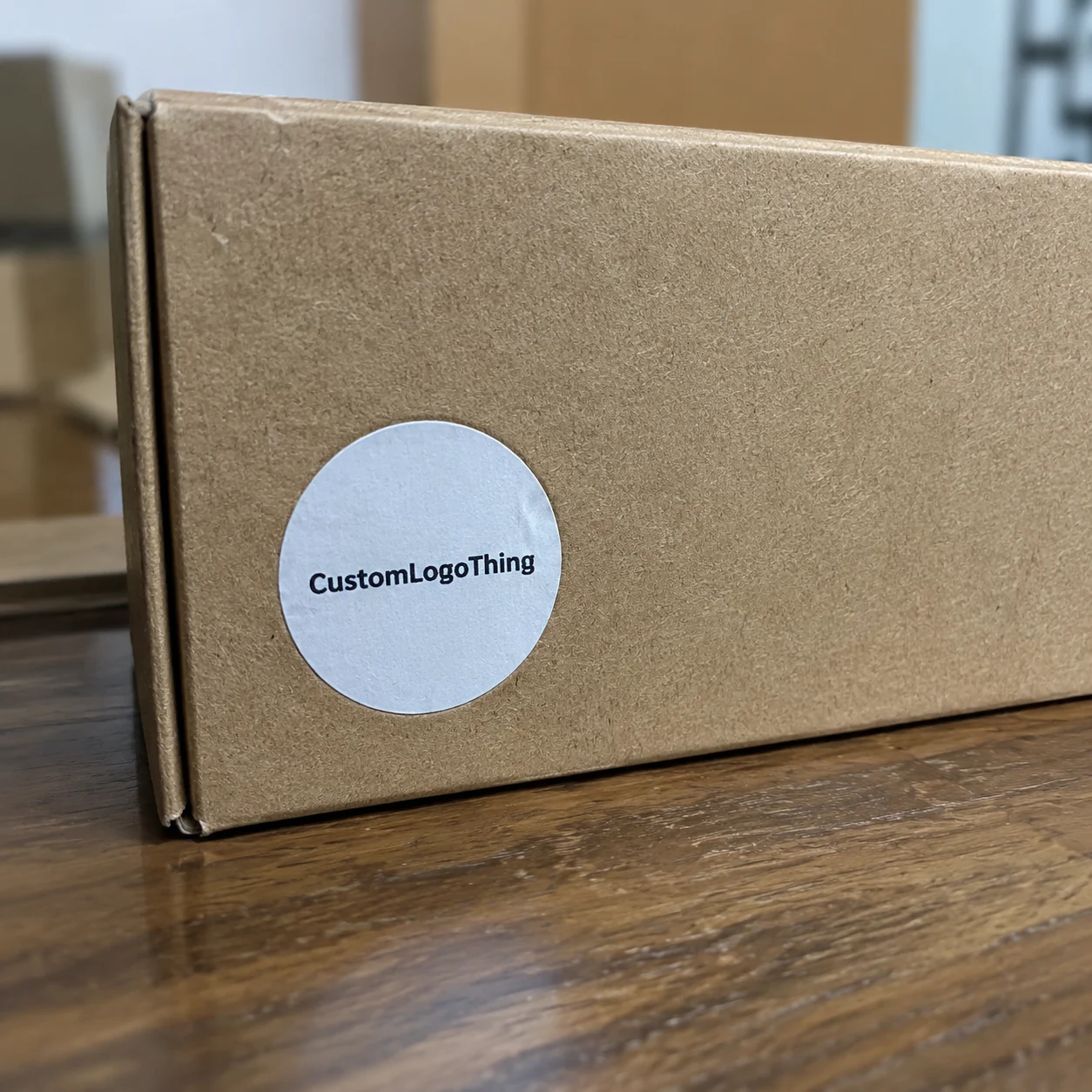
A sticker often travels farther than the box, folder, laptop, water bottle, or mailer it was first attached to. That is the quiet strength of custom corporate stickers: they start as a small print item and keep showing up in meeting rooms, shipping photos, home offices, trade show bags, and client desks long after the original campaign is over.
For corporate buyers, the job is usually practical. Sales needs onboarding kits sent to 300 prospects. HR is assembling welcome packs for 75 new hires across four sites. Marketing wants an event handout that feels branded without spending $6 to $12 per attendee on heavier swag. Operations needs a clean way to seal mailers, label samples, or identify internal assets. Stickers handle those jobs well if the spec is right.
They also sit in a useful middle ground between print, packaging, and operations. A Custom Printed Box can make a strong first impression, but it also locks you into a design and quantity. A sticker gives more flexibility. Seasonal messaging can change. A plain mailer can be branded for a short campaign. A kit can be personalized without building new packaging inventory every time.
Corporate projects are different from casual promotional runs. They usually require approved logo files, consistent Pantone or CMYK values, repeatable sizing, bulk ordering, and easy reorder control. The sticker on a client welcome box should match the one on an event envelope six months later. “Close enough” turns out to be a weak standard when a brand appears everywhere.
There is also a cost argument that gets overlooked. A 3-inch paper seal may cost roughly $0.04 to $0.12 per unit in larger runs. A fully printed rigid box can cost several dollars each. Those are not competing products; they solve different problems. But if the goal is to make plain packaging feel deliberate, the sticker is usually the leaner tool.
Buyer takeaway: treat stickers as part of the brand system, not a leftover. The print spec should match the surface, the environment, and the purpose.
This guide focuses on the decisions that matter before a quote request goes out: materials, finishes, adhesives, pricing, artwork, timelines, common mistakes, and the brief your printer needs to price custom corporate stickers without endless back-and-forth.
How Branded Business Stickers Work Across Teams
Most sticker projects do not begin with a design file. They begin with a task. Seal 2,000 kraft mailers. Mark sample kits for a regional campaign. Add QR codes to folders. Dress up retail packaging for a short seasonal launch. Give conference attendees something small enough to pack but solid enough to keep.
Different teams look at the same sticker differently. Marketing wants brand consistency and clean logo reproduction. Operations wants durability, simple application, and rolls that fit the packing station. HR wants employee engagement without a procurement headache. Procurement wants clear specifications, price breaks, lead times, and reorder control. A useful sticker brief gives all four what they need.
Formats vary more than many buyers expect. Common options include logo stickers, QR code stickers, product labels, packaging seals, name badges, laptop decals, envelope seals, safety labels, asset tags, and limited-run campaign graphics. Sheets work well for office teams. Rolls are better for packing lines. Individually cut decals feel more premium for giveaways or inserts.
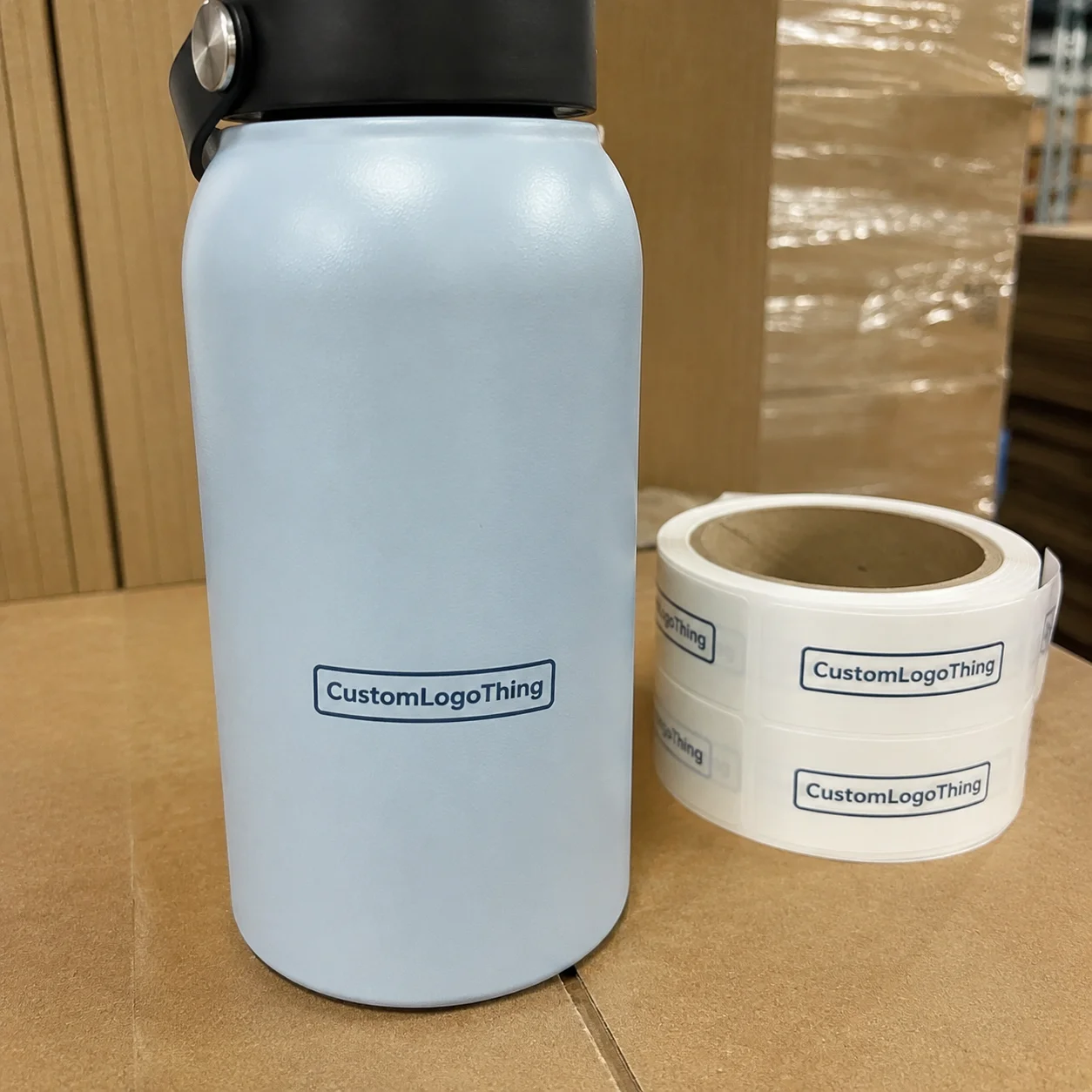
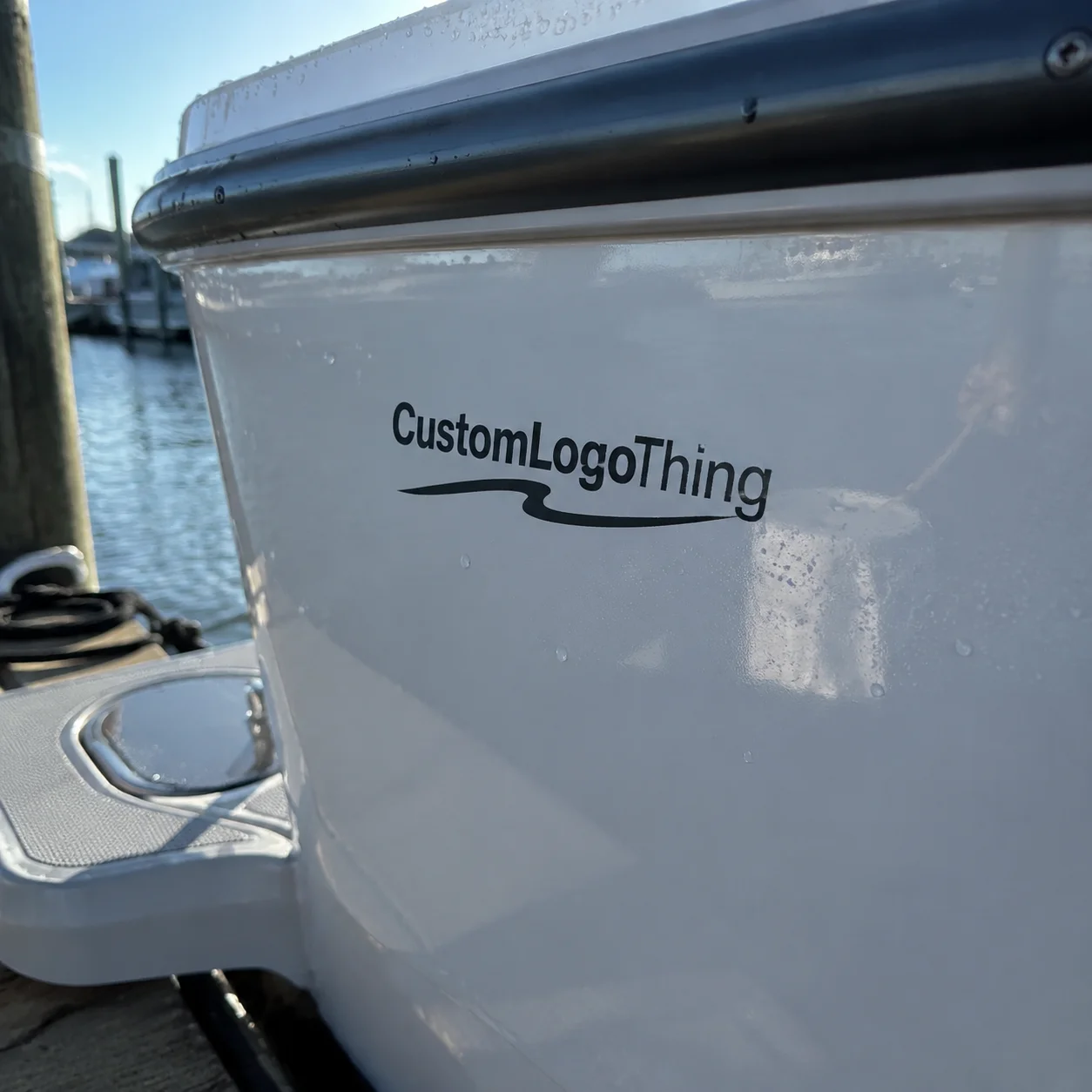
Indoor and outdoor use changes the conversation quickly. A sticker for an employee folder may only need coated paper and permanent adhesive. A sticker for a water bottle, cooler, outdoor event sign, or delivery tote may need vinyl, BOPP, lamination, and resistance to moisture, abrasion, and sunlight. If refrigeration is involved, freezer-grade adhesive may be necessary. If the surface is recycled board, textured paper, or low-energy plastic, standard adhesive may not grip well.
Stickers also fit into a broader branded packaging system. Custom Packaging Products such as mailer boxes, bags, and inserts carry the main experience, while stickers add flexibility. One plain box can support a product launch, an investor kit, a holiday mailing, and a regional campaign with different seals or labels. That flexibility matters when printed packaging minimums are higher than the campaign volume.
Brand governance matters more than buyers sometimes expect. QR codes need enough contrast and quiet space to scan; many printers recommend at least 0.8 inches square for simple short URLs, with larger sizes for longer codes. Trademark marks should be used correctly. Legal copy should not date too quickly. Approved Pantone references, CMYK values, and logo clear-space rules reduce drift between orders. The goal is straightforward: a sticker that looks like it came from the same company every time.
Materials, Finishes, and Adhesives That Change Performance
Material choice is where a good-looking sticker becomes either a dependable tool or an expensive mistake. Paper is cost-effective and works well for dry indoor use: folder seals, thank-you labels, envelopes, and short-term packaging. Vinyl is tougher and suits laptop decals, outdoor stickers, water bottles, and frequent handling. BOPP, short for biaxially oriented polypropylene, is common for product labels because it handles moisture better than paper and performs well on bottles, jars, and flexible packaging.
Clear film gives a no-label look on glass, plastic, or glossy boxes, though white ink may be needed under the logo so the artwork does not disappear. Metallic stock adds shine for premium campaigns, but small type can become hard to read if contrast is weak. Kraft paper gives a natural, tactile finish that pairs well with recycled mailers, food-adjacent gifts, and earthy brand systems. Removable materials are useful for laptops, temporary office signage, rented equipment, or event badges where residue would annoy the recipient.
Finishes change both feel and function. Matte reduces glare and looks more restrained. Gloss adds punch and saturation, especially for bright campaign colors. Soft-touch lamination feels premium, though it can scuff if handled roughly. UV coating improves surface protection and shine. Lamination can add abrasion and moisture resistance. Foil, embossing, and spot effects raise perceived value, although they also add setup steps and cost.
Adhesive matters as much as the face stock. Permanent adhesive is the default for packaging seals and shipping materials. Removable adhesive suits laptops, temporary campaigns, and event surfaces. Freezer-grade adhesive helps labels stay put in cold storage or refrigerated handling, often down to temperatures around -20°F depending on construction. High-tack adhesive is used for textured, recycled, or difficult surfaces. Even then, no adhesive fully fixes dust, oil, condensation, or rough application.
| Material | Best Use | Typical Strength | Watch-Out |
|---|---|---|---|
| Coated paper | Indoor seals, folders, envelopes | Low cost and sharp print | Poor moisture resistance |
| Vinyl | Laptops, bottles, outdoor giveaways | Durable and flexible | Higher unit cost than paper |
| BOPP film | Product labels and retail packaging | Moisture resistant | Needs the right adhesive for curved surfaces |
| Kraft paper | Natural-looking packaging design | Tactile and warm | Color appears more muted |
| Clear film | Glass, plastic, premium boxes | Clean no-label effect | May need white ink backing |
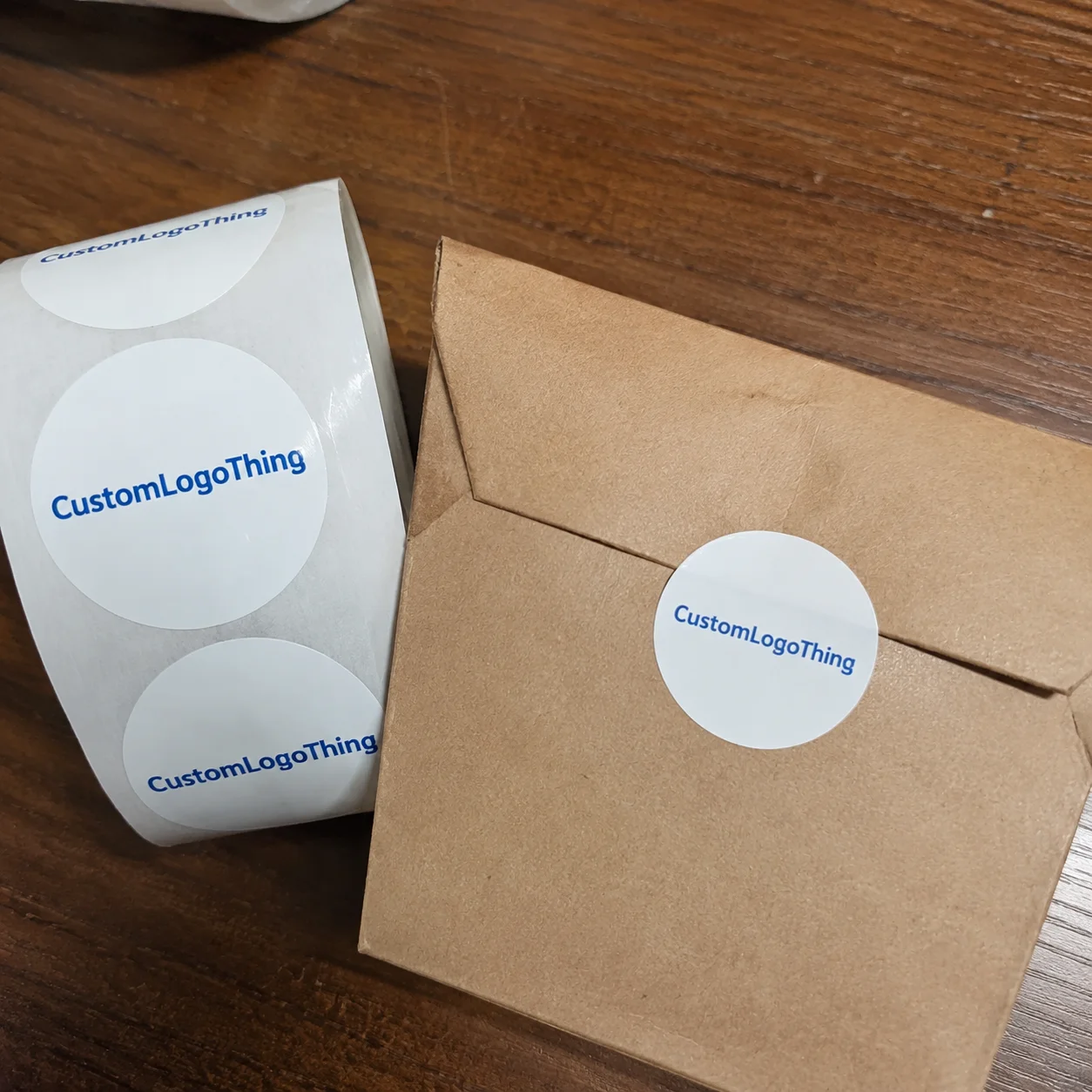
Shape and format affect application speed. Circles and rectangles are easy to apply consistently. Custom die-cut singles are memorable for giveaways. Kiss-cut sheets work well for mixed designs. Rolls help fulfillment teams move fast, especially if labels are machine-applied or used at a packing bench. Perforated rolls make hand distribution easier.
Choose specs from the surface outward. Sunlight, oil, moisture, abrasion, temperature swings, and frequent handling can turn a beautiful sticker into a poor brand signal. Style matters. Performance comes first.
Cost, Pricing, and Unit Cost Drivers to Know Before Ordering
Sticker pricing is shaped by quantity, size, material, finish, shape, adhesive, print method, setup complexity, proofing, and shipping destination. That is a long list because it needs to be. Two 3-inch stickers can price very differently if one is a simple paper logo seal on sheets and the other is waterproof vinyl with gloss lamination, custom contour cutting, and individually trimmed presentation.
Unit cost drops with quantity because setup, prepress, dies, plate work, machine setup, and production preparation are spread across more pieces. A digital run of 250 stickers may be right for testing an event concept, but the unit cost will be much higher than a 5,000-piece run used for recurring product packaging. For most corporate buyers, the useful comparison is not “cheap versus expensive.” It is “test quantity versus operational quantity.”
As a planning range, simple paper logo stickers may land around $0.04 to $0.18 per unit in mid-to-large quantities, depending on size and print coverage. Waterproof vinyl or BOPP stickers often range from about $0.12 to $0.45 per unit for common corporate sizes such as 2 to 4 inches. Foil, special shapes, textured stocks, small batches, or individual cutting can push pricing higher. Freight, rush timing, and artwork complexity can move the number too.
Minimum order quantity depends on the print method. Digital production supports lower volumes and faster testing. Larger roll or sheet runs usually make more sense for packaging operations that reorder every month or quarter. If your team uses 1,200 seals per week, a tiny order creates admin work. If your campaign may change after one event, a large order creates waste.
| Sticker Type | Common Quantity | Estimated Unit Range | Good Fit |
|---|---|---|---|
| Paper logo seal | 1,000-10,000 | $0.04-$0.18 | Mailers, folders, dry indoor packaging |
| BOPP product label | 2,500-25,000 | $0.08-$0.30 | Bottles, jars, product packaging |
| Vinyl decal | 500-5,000 | $0.12-$0.45 | Laptops, bottles, event giveaways |
| Foil or specialty sticker | 500-5,000 | $0.20-$0.75+ | Premium kits and high-visibility campaigns |
Do not compare quotes only by the lowest total price. Mismatched specs hide real differences: adhesive type, coating weight, liner quality, roll direction, color accuracy, or whether the quote includes proofs and freight. A cheaper sticker that peels off a recycled mailer in transit is not cheaper from a brand perspective.
A good quote request includes quantity tiers, exact dimensions, intended surface, indoor or outdoor use, finish preference, artwork file, delivery deadline, and reorder expectations. If you already buy Custom Labels & Tags, keep those specs nearby. Printers can often use similar material logic for adjacent sticker projects.
Process and Timeline: From Artwork to Finished Stickers
A well-run sticker order follows a predictable path: use-case brief, artwork review, material recommendation, quote, digital proof, approval, printing, cutting, finishing, quality check, packing, and shipment. Skip the early details and the timeline usually stretches later.
Prepress is where many problems are caught. The supplier checks resolution, bleed, safe area, color mode, font outlines, QR readability, small text, die lines, and logo placement. For most stickers, 0.0625 to 0.125 inches of bleed is common. Critical text and logos should sit inside a safe area, often at least 0.0625 inches from the cut line. Small type under 5 or 6 points may fill in, especially on textured or metallic materials.
Vector artwork is preferred because logos stay sharp at different sizes. AI, EPS, and editable PDF files are usually easier to prepare than flattened web graphics. High-resolution PNG or TIFF files can work for some designs, but screenshots and presentation exports are frequent offenders. They may look acceptable on a monitor and print soft on press.
Proofing comes in levels. A digital proof is fast and usually enough for straightforward logo stickers, QR labels, and packaging seals. A physical sample or press proof makes sense when color matching, adhesive behavior, finish, or executive approval carries risk. If a brand color is central to the campaign, provide Pantone references or approved CMYK builds. For color management standards, the PRINTING United Alliance technical standards are a useful reference for buyers who want to understand why proofs and press conditions matter.
Lead time depends on material availability, custom dies, foil or specialty finishes, quantity, proof revision cycles, peak demand, and freight method. Straightforward digital sticker orders may move in 5 to 8 business days after proof approval. More complex roll labels, foil pieces, custom dies, or large quantities often need 10 to 20 business days. Add shipping time. Add internal approval time too, because that is where many corporate schedules quietly lose three days.
For event dates, launch kits, retail rollouts, trade shows, and HR onboarding batches, build a buffer. Stickers are small, but they are often tied to immovable deadlines. A delayed seal can hold up 1,000 finished kits if the packing plan depends on it.
The fastest orders are not rushed at the press. They are prepared with clean artwork, decisive approvals, and complete specifications before production starts.
Common Mistakes That Make Corporate Stickers Look Cheap
The first avoidable failure is weak artwork. Low-resolution logos, screenshots, non-vector marks, missing fonts, and colors copied from old slide decks create predictable print problems. A corporate logo deserves better than a 96 dpi file pulled from a website header. If the sticker is only 2 inches wide, small defects may seem minor. Then the sheet arrives, and every flaw is repeated 5,000 times.
Poor sizing is another expensive mistake. A sticker that is too small loses readability, especially with URLs, QR codes, taglines, or legal copy. Oversized seals can wrinkle over box seams, overlap edges, or look clumsy on compact packaging. A 3-inch circle may look balanced on a 9-by-12-inch folder and oversized on a 4-by-6-inch mailer. Measure the surface. Print a paper mockup at actual size. It takes five minutes and prevents a lot of waste.
Material assumptions cause trouble too. Recycled mailers, coated boxes, curved bottles, textured folders, and cold-chain products all behave differently. A permanent paper sticker that works beautifully on a smooth folding carton may curl on a dusty kraft mailer or fail on a chilled bottle with condensation. For any new surface, ask for a material recommendation or run a small test.
Color drift is common in repeat orders when buyers skip brand references. One order prints from a Pantone-based logo file. The next uses a flattened CMYK export. A third comes from an agency PDF with different color settings. Suddenly the same blue looks like it was sourced from three different departments. Keep brand guidelines attached to the reorder file, especially for custom corporate stickers used across several teams.
Operational errors are less glamorous but just as costly. Ordering individually cut stickers for a packing line slows application. Choosing sheets when rolls would speed fulfillment adds labor. Selecting the wrong unwind direction can create headaches for label dispensers or automated equipment. Forgetting space for barcodes, QR codes, lot numbers, or regulatory copy can force a redesign after the proof stage.
There is also a reputation cost. A peeling sticker can make a premium kit feel improvised, even if the product inside is excellent. Packaging is judged as a system. If the seal fails, the recipient rarely blames adhesive chemistry. They blame the brand.
Spec before style: the surface, handling environment, and application method should guide material decisions before color, finish, or shape.
Next Steps: Build a Sticker Brief Your Printer Can Quote Fast
A strong brief does not need to be long. It needs to be complete. Start with purpose: decorate, identify, seal, promote, instruct, or drive a digital action. Then define the audience, surface, size, shape, quantity, material preference, finish, adhesive type, artwork status, deadline, and shipping location.
Use two or three quantity tiers. For example: 1,000, 2,500, and 5,000 pieces. Procurement can compare budget impact without sending the job back for a second quote. If the sticker will become part of recurring retail packaging or office operations, ask for reorder pricing too. Predictable reorders matter more than shaving a few dollars off a first test run.
Upload vector artwork whenever possible. Include brand rules for color, clear space, logo versions, trademark marks, and legal details. If a QR code is involved, provide the final URL and test the code at printed size. For sustainability claims or paper sourcing, avoid vague language unless the material choice supports it. If FSC-certified paper is required, say so early and verify availability through the Forest Stewardship Council framework or your supplier’s chain-of-custody documentation.
- Purpose: packaging seal, giveaway, asset label, product label, direct mail, or campaign marker.
- Surface: coated box, kraft mailer, glass, plastic, metal, folder, laptop, or refrigerated product.
- Size and shape: exact dimensions, die-cut profile, circle, rectangle, sheet, roll, or single.
- Environment: indoor, outdoor, cold, wet, oily, high-touch, or short-term use.
- Artwork: vector file, brand colors, bleed, safe area, fonts outlined, and QR code tested.
- Commercial details: quantity tiers, deadline, delivery address, packing preference, and reorder plan.
Ask for a material recommendation instead of guessing, especially for outdoor use, food-adjacent packaging, refrigerated goods, laptops, textured mailers, or high-touch giveaways. A supplier who knows the surface and environment can steer you away from the wrong adhesive before the order is printed.
For high-visibility campaigns, run a small test before committing to a large bulk order. Apply the sticker to the real surface. Rub it. Chill it if refrigeration is part of the route. Put it on the intended box seam. Scan the QR code under ordinary office lighting. Leave it for 24 to 48 hours and check edge lift. These simple checks reveal problems that a digital proof cannot.
Once the specs, surface, deadline, and artwork are defined, custom corporate stickers become easier to price, proof, and reOrder with Confidence. They stay small on the invoice, but they can do serious work across packaging, events, HR, sales, and operations.
FAQs
What are custom corporate stickers used for most often?
They are commonly used for packaging seals, event giveaways, employee welcome kits, client gifts, product samples, folder branding, direct mail, QR campaigns, and asset labeling. The best use depends on whether the sticker needs to decorate, identify, secure, promote, or guide the recipient to a digital action.
How much do branded company stickers usually cost?
Cost depends on size, quantity, material, finish, adhesive, shape, proofing needs, and shipping. Simple paper stickers in larger quantities usually have a lower unit cost, while waterproof vinyl, foil, custom shapes, or specialty adhesives increase the quote.
What file type is best for printing corporate logo stickers?
Vector files such as AI, EPS, or editable PDF are usually best because they keep logos sharp at different sizes. High-resolution PNG or TIFF files may work for some designs, but screenshots, web graphics, and presentation exports often print poorly.
How long does it take to produce custom business stickers?
Timeline depends on proof approval, material availability, quantity, finish, cutting method, and shipping distance. Orders move faster when artwork is print-ready, specs are complete, and decision-makers approve the proof without multiple revision rounds.
Should custom corporate stickers be printed on sheets, rolls, or singles?
Sheets work well for office use, handouts, and small batches; rolls are better for fulfillment, packaging lines, and repeated application. Individually cut stickers are useful for giveaways, event swag, and premium inserts where presentation matters.