Buyer Fit Snapshot
| Best fit | Custom Corrugated Subscription Boxes projects where brand print, material claims, artwork control, MOQ, and repeat-order consistency need to be specified before quoting. |
|---|---|
| Quote inputs | Share finished size, material target, print colors, finish, packing count, annual reorder estimate, ship-to region, and any compliance wording. |
| Proofing check | Approve dieline scale, logo placement, barcode or warning zones, color tolerance, closure strength, and carton packing before bulk production. |
| Main risk | Vague material claims, crowded artwork, missing packing details, or unclear freight terms can make a low unit price expensive after revisions. |
Fast answer: Custom Corrugated Subscription Boxes: Design & Strategy should be specified like a repeatable production item. The safest quote records material, print method, finish, artwork proof, packing count, and reorder notes in one written spec.
Production checks before approval
Compare the actual filled-product size with the drawing, then confirm tolerance on folds, seals, hang holes, label areas, and retail display edges. Reserve space for logos, QR codes, warning copy, and material claims before decorative graphics fill the panel.
Quote comparison points
Review material grade, print process, finish, sampling route, tooling charges, carton quantity, and freight assumptions side by side. A quote is only useful when the supplier can repeat the same color, closure quality, and packing count on the next order.
Custom corrugated subscription boxes do more than carry a product from one delivery cycle to the next. They have to survive parcel networks, keep mixed contents in place, look polished in the customer’s hands, and still fit inside a recurring fulfillment system that leaves little room for waste. That combination makes this packaging category unusually demanding: part shipping container, part brand stage, part operations tool.
For brands sending boxes every month, or every quarter, appearance only tells part of the story. The carton has to stack cleanly, pack quickly, resist crushing, and arrive with the contents exactly where they should be. A damaged shipment can cost more than the item inside once replacement inventory, customer service time, and another freight bill are added up. The first physical impression matters too. Structure, board grade, print method, and the order of the unboxing all shape how the brand is remembered.
Corrugated board earns its place because it can be tuned instead of guessed at. Flute profiles, liner weights, and print options give packaging teams room to balance protection, presentation, and sustainability without building a carton that is heavier than necessary. That flexibility lets the box satisfy retail expectations while still making sense for recurring shipping. The real question is not whether the box should be customized. The real question is how much structure, finish, and internal support the program actually needs.
Why Custom Corrugated Subscription Boxes Matter for Repeat Shipments
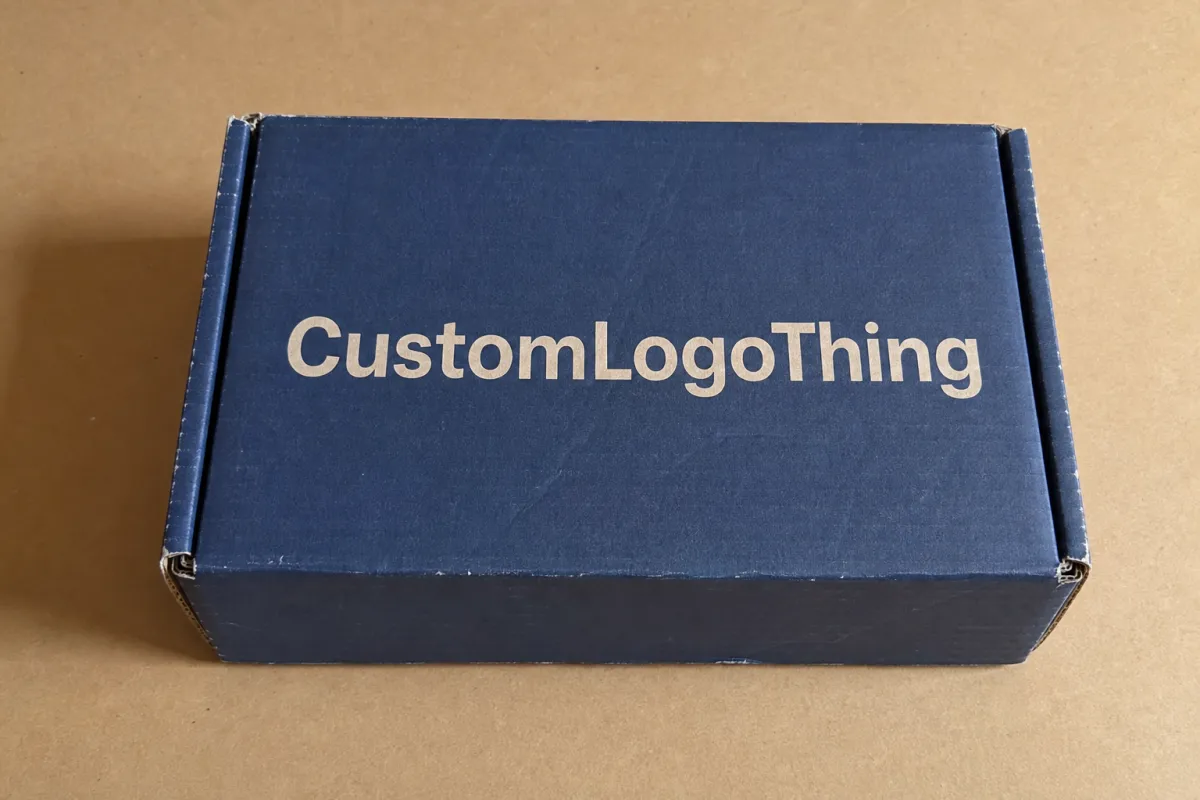
Subscription packaging gets handled roughly, even when the product itself is delicate. It is stacked on pallets, compressed in trailers, routed through conveyor systems, dropped during parcel handling, and scanned over and over before it reaches the customer. In practical terms, custom corrugated subscription boxes have to behave less like display cartons and more like transit equipment. A weak structure pushes costs into damage claims, reships, returns, and frustrated subscribers who remember the broken box more clearly than the product they ordered.
A plain definition helps. A custom corrugated subscription box is a purpose-built fluted board package designed around a specific product mix, shipping method, and brand presentation. It might be a mailer box, a corrugated outer shipper with an insert system, or a specialty build with partitions, locking tabs, or tear features. The dimensions, board grade, closure style, and printable area are chosen for one recurring use case rather than borrowed from a generic stock carton. That specificity is what gives the package its purpose.
Corrugated also aligns with the sustainability goals many brands are trying to hit. Recycled fiber content is common, the material is widely recyclable in many regions, and a well-planned structure can reduce the need for void fill. A box that fits the contents properly often uses less paper, fewer air pillows, and less plastic filler than a stock carton padded to make up the difference. The environmental benefit is not only about recycled content; it also comes from shipping fewer empty cubic inches and reducing the chance of a second shipment.
From a packaging buyer’s seat, the box has to do three jobs at once: protect the product, carry the brand, and keep fulfillment moving. That is why packaging decisions cannot live in separate departments. A premium printed shell with a weak closure causes trouble in the warehouse. A strong shipper with no visual identity feels forgettable. The right specification makes the package act like a system instead of a pile of disconnected choices.
The business side matters just as much. Subscription programs often scale in bursts, and one month’s kit can look nothing like the next. Overbuilt cartons inflate cost every time the contents change. Underbuilt cartons create returns and replacements that erase margin. The target is not the heaviest box on the market; it is the smartest one for the product mix, the shipping lane, and the cadence of orders.
A good subscription box does more than survive the trip. It makes the warehouse calmer, the pack-out faster, and the customer’s first touch with the brand feel deliberate instead of improvised.
For teams building a wider packaging system, corrugated often sits alongside paper inserts, branded sleeves, and secondary retail packaging. If you are sketching out the full mix, it helps to review the broader range of Custom Packaging Products and compare them against your shipping requirements. Brands that need a stronger transit shell can also evaluate Custom Shipping Boxes within the same planning process, especially when cartons need to travel through demanding parcel networks.
How the Process Works: From Dieline to Doorstep
The best subscription packaging projects start with measurements, not artwork files. Product dimensions, weights, fragility, and the way items sit together inside the carton should be documented before design work begins. A dieline can then be built around those measurements, with enough clearance for pack-out but not so much that the contents wander during transit. That early step matters because every extra millimeter changes material usage, print placement, and the final unboxing.
Once the box style is chosen, structural planning takes over. A mailer-style corrugated box may suit a premium subscription experience, while a regular slotted container can be the better answer for a more utilitarian shipping requirement. Some kits call for inserts, dividers, tear strips, tuck flaps, or locking tabs. The construction should match how the fulfillment line actually works. If a team is hand-loading a mixed assortment every month, the structure has to guide the packer and reduce the chance of mistakes.
Artwork setup comes after the structural choice, and it should never outrun it. Panel mapping, seam placement, barcode location, and copy safe zones all need to be checked against the dieline. A logo that appears centered on a flat design file can shift once the carton is folded and glued. Heavy coverage also changes how corrugated board reads visually, since flute structure and liner texture affect ink appearance. That is normal. Experienced teams plan for it instead of treating it like a defect.
Prototype samples and structural mockups catch expensive surprises early. A test fit can reveal product movement, a lid that catches, a closure that opens too easily, or corners that crush under modest pressure. It can also expose pack-out inefficiency, such as a box that takes too long to assemble or an insert that slows the line. A sample run usually costs far less than fixing a production-scale issue after cartons have been printed and shipped.
Production usually follows a familiar path: material sourcing, printing, converting, finishing, packing, and freight. Lead time depends on box complexity, quantity, and finishing requirements. Simpler programs can move quickly once artwork is approved, while jobs with Custom Die Cuts, heavy ink coverage, or insert tooling need more time for sampling and sign-off. The slowest steps are often not mechanical. They are the moments when different stakeholders need to agree on design, fit, and brand details.
Fulfillment strategy affects every stage. Some boxes ship flat to a co-packer or third-party fulfillment center, while others are packed on site. Some subscription programs are hand-packed; others are partially automated. That difference changes everything from glue flap design to the amount of compression a carton must survive in storage. It also changes the economics. A box that saves fifteen seconds per pack can matter more than a small print upgrade when the monthly volume gets large.
For projects that need extra transit validation, packaging engineers often reference testing frameworks from organizations such as ISTA. Those methods help teams understand how cartons respond to vibration, drop, and compression conditions, which is useful when boxes move through parcel systems and multiple handoffs. The carton does not need to be tested to exhaustion, but it does need enough verification to avoid preventable failure.
Cost, Pricing, and MOQ Factors to Plan Before You Order
Pricing for custom corrugated subscription boxes comes down to a few direct variables, and it helps to understand them before requesting quotes. Board grade is a major driver, followed by box size, print coverage, finishing, inserts, and total quantity. A simple one-color mailer will nearly always cost less than a large-format, full-coverage, multi-component package with Custom Paperboard Inserts. The quote may look attractive at first glance, but small structural choices can move the unit cost more than many buyers expect.
Volume matters because setup and tooling costs are spread across more units. A larger order can lower the per-box price even when the total spend climbs. That said, bigger boxes usually increase freight cost and storage demands, so the lowest unit price is not always the best outcome. Oversized cartons also consume more corrugated board, which can push material cost higher and increase dimensional weight in parcel shipping. For subscription brands, that hidden freight penalty can repeat month after month.
Minimum order quantity, or MOQ, depends on the box style, print method, and whether the project requires cutting dies, plates, or insert tooling. Simpler programs sometimes allow smaller runs, especially when the design uses fewer colors or standard constructions. More customized jobs usually need a larger commitment to keep production efficient. Ask for tiered pricing at several volume levels so the team can see the cost curve instead of making a decision from one number.
Comparison shopping works best when the quotes are normalized. Two vendors may both describe the same box, but one includes samples, prepress support, assembly, and freight while the other prices those items separately. A packaging buyer should ask what is included, what is optional, and what assumptions were made about size and board thickness. That clarity keeps the team from comparing sticker prices that are not actually comparable.
| Option | Typical Use | Approx. Unit Cost at 5,000 Units | Notes |
|---|---|---|---|
| Plain kraft mailer | Light products, minimal branding | $0.55-$0.95 | Lower print cost, faster production, simple pack-out |
| Printed mailer with one-color branding | Mid-range subscription kits | $0.78-$1.35 | Good balance of brand presence and affordability |
| Full-coverage custom corrugated box | Premium presentation, retail-style unboxing | $1.20-$2.40 | More setup, more ink coverage, more visual impact |
| Box with inserts or partitions | Fragile or mixed-item kits | $1.45-$3.10 | Higher material and tooling cost, better product control |
Those figures are directional only. Size, print area, board choice, geography, and market conditions all shift the final number. Still, they are useful for planning. A box that appears only slightly larger can cross into a different cost bracket once board usage, freight weight, and insert complexity are included. If the team knows the monthly volume, target ship method, and presentation level, the quote conversation becomes sharper and faster.
Budgeting works better when the internal brief includes a few concrete details: product dimensions, estimated monthly quantity, whether the box ships to consumers or to a fulfillment center, and whether the brand wants a premium printed finish or a restrained utility look. Those notes help the supplier recommend the right board and construction instead of guessing. They also reduce the back-and-forth that often slows down custom printed boxes projects.
Step-by-Step Guide to Designing the Right Subscription Box
Start with the contents. Measure every item, then note which components are fragile, irregular, or likely to shift. A subscription kit that includes bottles, sachets, printed cards, and accessories needs a different internal layout than a single apparel item. Product packaging works best when the box is designed around the real pack-out sequence, not a theoretical one. If the contents move, the box is too loose. If the packer has to force items into place, the box is too tight.
Next, choose the box style based on shipping and presentation together. Mailer boxes are popular because they open nicely and can feel premium, but they are not the only option. Regular slotted containers can provide strong transit protection, while specialty structures can support tiered reveals or nested products. Match the box to the unboxing goal without ignoring the shipping lane. A beautiful interior means little if the outer shell fails after a rough conveyor drop.
Board selection should reflect weight, compression needs, and presentation. Lighter kits may do well with a thinner corrugated board, while heavier or more fragile sets often need stronger flute profiles and better internal support. The board also affects stackability during warehousing. If cartons will sit in inventory or move through a co-packer’s facility, they need enough stiffness to hold shape under pressure. Stronger board does not always make a better box, but it often prevents failures that are costly to fix later.
Internal layout deserves the same attention as the exterior print. Inserts, partitions, and nestable features can keep products from moving and reduce the need for filler. That is especially useful for beauty, wellness, food, and multi-item lifestyle kits, where one product may be heavier or more fragile than the others. The ideal pack-out is quick, repeatable, and obvious to the warehouse team. If the box guides the person packing it, the program tends to hold up better month after month.
Samples close the loop. A flat dieline on a screen does not show how a closure behaves under pressure, how a bottle sits against a side panel, or how much room a card stack really needs. A prototype can be folded, loaded, shipped, and evaluated from both the operations side and the customer side. Some teams also use drop testing or vibration checks before approving a production run. Standards from ISTA are useful for shipping performance, while end-of-life decisions are better informed by local recycling rules, material recovery guidance, and fiber-certification programs such as FSC where appropriate.
From a packaging design standpoint, there is real value in treating the carton as a sequence of coordinated decisions:
- Measure the product set first.
- Choose the structure that matches handling and presentation.
- Select the board grade that supports the weight and travel distance.
- Plan internal organization before adding decorative elements.
- Confirm the fit with a prototype before ordering production quantities.
That sequence keeps the project grounded. It also protects the brand from one of the most common mistakes in branded packaging: designing for a mood board instead of a real shipment. Good package branding is not only visual. It is dimensional, structural, and operational.
Common Mistakes That Undermine Sustainable Packaging
The first mistake is oversizing the box. A carton that is too large for the product set uses more board, weighs more, and usually forces the team to add filler so the contents do not shift. That extra air space costs money in material and freight, and it dulls the unboxing experience. Sustainability weakens too, because the box is carrying empty volume instead of useful protection. Right-sizing is one of the simplest ways to improve cost and environmental performance at the same time.
Weak structural design is another problem that often shows up after launch, not during approval. A carton may look fine in the sample room and still collapse under real stacking pressure or parcel handling. Once that happens, returns and replacement shipments begin to erase the savings from choosing recyclable corrugated board. A box that fails in transit is not sustainable simply because it is made from fiber-based material. Durable design belongs in the sustainability conversation because it prevents waste and rework.
Mixed materials can complicate recovery as well. Heavy lamination, unnecessary plastic windows, or decorative elements that are difficult to separate can make recycling less straightforward in some streams. That does not mean every finish is off-limits, but it does mean the brand should weigh the visual gain against the recovery impact. A restrained design often ages better anyway. Many subscription brands get more value from strong print placement, thoughtful color, and clear hierarchy than from elaborate coatings that complicate end-of-life processing.
Artwork mistakes are another common pitfall. Low-resolution images, poor bleed setup, and incorrect panel mapping can lead to blurry print, missing copy, or graphics that disappear into a fold or seam. Corrugated surfaces behave differently from smooth paperboard, so detail that looks crisp on a screen may not read the same on the finished box. Package branding benefits from prepress discipline. A clean file, a checked dieline, and a mockup review often prevent embarrassing production errors.
Skipping prototype testing is probably the most expensive mistake of all. Small fit problems scale into major fulfillment headaches. A closure that catches once in a sample might slow every packer on a real line. A divider that is slightly too loose can let items rattle and damage each other across thousands of shipments. A product that sits just a little too high can crush the lid and ruin the first impression. The cost of one sample run is usually small compared with the cost of fixing a live program.
Another subtle mistake is assuming sustainability means minimum material, full stop. The lightest box is not always the best box if it leads to damage or requires more void fill. A better approach is to use only the material needed for protection and then stop. That may mean a slightly stronger corrugated board, a smarter insert, or a tighter footprint. Real sustainability is about reducing waste across the full shipping cycle, not just shaving board thickness on a spec sheet.
Expert Tips for Better Print, Performance, and Sustainability
Design around exact product dimensions, then add only the clearance needed for safe packing. That discipline keeps the box intentional and helps the customer feel that the kit was built for the contents rather than adapted from a generic template. It also improves transit performance because the product has less room to move. For subscription programs with recurring orders, even a small dimensional improvement can save material across a full year of production.
Print choices should support the brand without fighting recyclability or creating unnecessary complexity. Water-based inks, controlled coverage, and careful use of dark solids often give a cleaner result on corrugated board than a design that tries to do too much. Bold graphics can still work, but they should be planned with the board texture and fold lines in mind. That matters most for custom printed boxes that need to feel polished without becoming expensive to manufacture.
Recycled content is worth specifying where it makes sense, but it should match the actual performance need. Some projects benefit from a high recycled-fiber liner, while others need a stronger specification for compression and stacking. The smarter approach is not to chase the most recycled-looking option; it is to choose a board that meets the shipping requirement and fits the brand’s sustainability goals. Good programs are clear about tradeoffs and avoid claims they cannot support.
To improve sustainability without hurting the unboxing experience, reduce mixed materials in inserts and closures whenever possible. A well-designed corrugated insert can often replace a combination of plastic trays, foam, or extra paper fill. Simplifying the pack-out also helps the warehouse team move faster. A box that packs cleanly is easier to scale, easier to train on, and easier to repeat month after month. For subscription fulfillment, that operational simplicity often matters more than flashy features.
Warehouse efficiency and premium presentation do not need to compete. A strong design can do both if the structural logic is clear. Tabs should close naturally, inserts should hold products in place without fiddling, and printed cues should help packers understand orientation. The customer then sees a tidy interior while the warehouse sees a carton that is easy to assemble. That is packaging design that saves time without looking plain.
Thinking in systems is the real expert move. The box, insert, shipping method, artwork, and unboxing sequence all need to support one another. If the outer box is beautiful but the insert is awkward, the whole experience feels off. If the box is efficient but the branding is weak, the program loses marketing value. The best custom corrugated subscription boxes balance those pieces so the package performs well in transit and still feels like part of the brand story.
A few practical benchmarks help keep the project grounded:
- Allow only the clearance needed for insertion and minor product variation, usually a small fraction of an inch on each side.
- Use stronger board or better internal support when the kit exceeds light parcel weight or contains fragile components.
- Ask for at least one sample when the project includes new dimensions, complex print, or multiple product types.
- Keep the number of distinct components low if the box will be packed manually at scale.
Those details may seem minor, but they shape the performance of the entire subscription program. A box that is easy to pack, easy to ship, and easy to recycle after use is usually the box that stays in service the longest.
What to Do Next Before Requesting a Quote
Before reaching out for pricing, gather the practical information that helps a supplier recommend the right structure. Start with product dimensions, weights, and a rough count of the items in each kit. Add your target monthly volume, ship method, and any constraints from your fulfillment partner. If the box needs to fit a specific shelf, pallet pattern, or mailer tray, include that as well. The cleaner the brief, the more accurate the recommendation.
It also helps to spell out what matters most. Some teams care first about freight efficiency. Others want a strong unboxing moment. Some need the most recyclable structure possible, while others need the carton to survive heavier transit abuse. A simple ranking of cost, protection, sustainability, and brand impact lets the vendor tune the recommendation to the real objective instead of guessing.
For fragile, premium, or oddly shaped products, request a prototype or sample comparison before final approval. That step is especially useful if the package contains glass, delicate beauty items, food components, or mixed product categories. A sample tells you more than a drawing can. It shows how the products sit, how the closure behaves, and how much confidence the box inspires during handling. That is often the moment when teams decide they need a stronger board, a different insert, or a slight dimension change.
Ask direct questions during the quote stage. What board grades are available? What print method is being proposed? Are samples included? What is the MOQ? How long does production usually take after approval? What happens if the design needs one more round of adjustments? Those questions are not a sign of indecision. They are part of disciplined sourcing, and they often prevent schedule slips later. Suppliers can usually give better guidance when they know the intended use, the expected lifecycle, and the brand standards.
Teams that are still mapping their packaging program can also review broader options across Custom Packaging Products and compare them with box-specific needs through Custom Shipping Boxes. That wider view can reveal whether the subscription system needs one carton style or several. Some brands use a single outer shipper for all orders, while others use different configurations for different subscription tiers or seasonal kits.
Strong programs are built on clarity. Once the dimensions, volume, budget range, and presentation goals are known, the box design becomes a technical exercise instead of a guessing game. That is usually where the best results come from: a practical brief, a thoughtful structure, and production choices that fit the way the box will actually be used.
Done well, custom corrugated subscription boxes protect the product, simplify fulfillment, and support the brand every month, not just on the first shipment. The clearest next step is to define the product load, the shipping lane, and the unboxing requirement before approving a structure; that order keeps the project grounded and prevents expensive redesigns later.
Frequently Asked Questions
What makes custom corrugated subscription boxes better than standard mailers?
They are sized and engineered around the actual product set, so they usually waste less space and reduce movement in transit. They can also be built for stronger protection, better unboxing, and easier pack-out in recurring fulfillment runs. Standard mailers may work for simple shipments, but a custom structure gives the brand more control over inserts, branding, and sustainability choices.
How do I choose the right board strength for custom corrugated subscription boxes?
Start with product weight, stack pressure, and how far the box will travel through parcel networks. Heavier or more fragile kits usually need stronger board and better internal support than lightweight apparel or paper goods. A sample test is the safest way to confirm the box holds shape without overbuilding the material.
What is a realistic MOQ for custom corrugated subscription boxes?
MOQ depends on the box style, print method, and whether special tooling or finishing is required. Simple unprinted or limited-print jobs may have lower minimums than highly customized branded programs. The best way to plan is to ask for tiered pricing at several volume levels, not just one quote.
How long does production usually take for custom corrugated subscription boxes?
Timeline depends on artwork approval, sample needs, material availability, and finishing complexity. Prototype and revision stages often take the longest, especially when fit or branding details need refinement. If you already have final dimensions and clean artwork, the process usually moves much faster.
Are custom corrugated subscription boxes recyclable and sustainable?
Corrugated board is widely recyclable, especially when the design avoids unnecessary mixed materials. Sustainability improves when the box is right-sized, uses recycled content where appropriate, and minimizes filler. The most sustainable box is the one that protects the product well enough to avoid damage and re-shipping.

