Buyer Fit Snapshot
| Best fit | Custom Cosmetic Labels Wholesale projects where brand print, material claims, artwork control, MOQ, and repeat-order consistency need to be specified before quoting. |
|---|---|
| Quote inputs | Share finished size, material target, print colors, finish, packing count, annual reorder estimate, ship-to region, and any compliance wording. |
| Proofing check | Approve dieline scale, logo placement, barcode or warning zones, color tolerance, closure strength, and carton packing before bulk production. |
| Main risk | Vague material claims, crowded artwork, missing packing details, or unclear freight terms can make a low unit price expensive after revisions. |
Fast answer: Custom Cosmetic Labels Wholesale: Pricing, Specs & More should be specified like a repeatable production item. The safest quote records material, print method, finish, artwork proof, packing count, and reorder notes in one written spec.
Production checks before approval
Compare the actual filled-product size with the drawing, then confirm tolerance on folds, seals, hang holes, label areas, and retail display edges. Reserve space for logos, QR codes, warning copy, and material claims before decorative graphics fill the panel.
Quote comparison points
Review material grade, print process, finish, sampling route, tooling charges, carton quantity, and freight assumptions side by side. A quote is only useful when the supplier can repeat the same color, closure quality, and packing count on the next order.
Custom cosmetic labels wholesale is often judged in seconds, not after the sale. A serum bottle can carry an excellent formula and still lose shelf credibility if the label wrinkles, curls at the edges, or prints too flat under harsh retail lighting. From a packaging buyer's point of view, that is not a cosmetic issue. It is a sales issue. Labels sit at the intersection of brand presentation, compliance, and durability, which is why smart teams treat them as part of the product packaging system rather than an afterthought. The right label spec supports branded packaging, works with Custom Printed Boxes, and keeps repeat runs consistent across every SKU.
I have watched otherwise strong launches stumble because the label looked fine in a PDF and tired in real life once it met condensation, shipping friction, and a rushed application line. That gap between screen and shelf is where wholesale labeling earns its keep. When the material, adhesive, and finish are matched correctly, the package feels intentional; when they are not, the whole product can start looking a little off, even if the formula is excellent.
Why custom cosmetic labels wholesale matters for shelf appeal
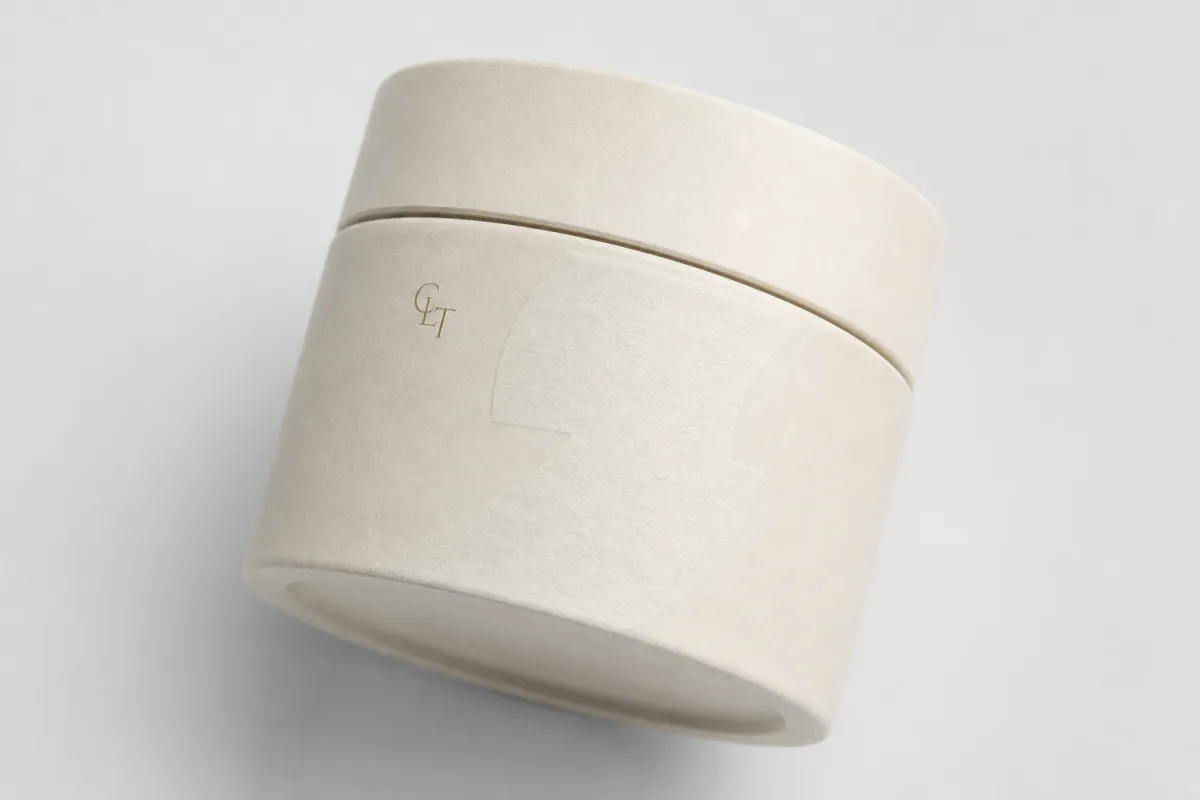
Custom cosmetic labels wholesale matters because most beauty products are sold in a crowded, fast-moving visual environment. A shopper scans a shelf, a display, or a phone screen, and the label has to do the heavy lifting immediately. That first impression is especially unforgiving for cosmetics. Small jars, narrow tubes, and curved bottles give you very little room to communicate value, so every millimeter counts.
Picture a premium face oil in a tinted glass bottle. If the label uses a paper stock that cannot handle residue, the edges can soften after a few cleanings. If the adhesive is too aggressive, it may leave a trace on glass. If the print density is weak, the brand looks cheaper than the formula inside. Custom cosmetic labels wholesale is not simply about buying more pieces at once; it is about locking in a stable visual standard so every refill, every restock, and every seasonal launch looks identical.
That consistency matters more than many brands expect. In retail packaging, repeatability is a form of trust. Buyers notice when a lavender lotion line has one label tone on the first production run and a slightly different tone three months later. Consumers notice too, even if they cannot explain why. A label that stays flat, clean, and legible tells them the product line is organized, controlled, and worth the price.
From a packaging buyer's point of view, a label is not decoration. It is a performance component that has to survive filling, transit, storage, and the customer's bathroom shelf.
That is why custom cosmetic labels wholesale often outperforms ad hoc ordering. It reduces the chance of reorder mismatches, makes inventory planning easier, and gives the brand room to standardize its package branding across lotions, cleansers, lip products, and bath items. For teams also ordering Custom Labels & Tags or broader Custom Packaging Products, the label spec should fit the full packaging design, not fight it.
There is also a practical retail side that gets overlooked. Store associates wipe down products, distributors stack them, and end users carry them home in bags that are not exactly gentle. A label system that tolerates that kind of handling keeps the line looking fresh longer, which helps the brand hold its price point. That is the unglamorous part, but it is usually the part that protects margin.
Custom cosmetic labels wholesale product types and materials
Custom cosmetic labels wholesale can cover several formats, and the format matters as much as the artwork. Roll labels are the most common choice for automated or semi-automated application. Sheet labels work well for short runs or hand-applied programs. Pressure-sensitive labels are the standard for most cosmetic containers because they offer a clean application and broad material compatibility. Specialty die-cuts can handle unusual jar shoulders, curved tubes, or compact lids where a standard rectangle would look generic.
Material choice changes everything. Paper labels can work for dry secondary packaging or low-moisture products, but cosmetics often demand more. BOPP is a common workhorse because it resists moisture and oil better than paper and still prints cleanly. Polyester offers extra durability for products that will be handled often or stored in demanding environments. Vinyl can be useful for flexible surfaces, while clear film creates a minimalist look that lets the container color show through. For brands that want a cleaner luxury feel, custom cosmetic labels wholesale often pairs clear film with white ink and a precise die line.
| Material | Best For | Typical Price Range | Strengths | Watch Outs |
|---|---|---|---|---|
| Paper | Dry products, outer packaging, low-moisture items | $0.08-$0.18 per unit at 5,000+ | Low cost, easy printability, FSC options available | Weak against water, oils, and repeated handling |
| BOPP | Lotion, cleanser, serum, bath and body lines | $0.12-$0.24 per unit at 5,000+ | Moisture resistance, good clarity, solid value | Some finishes can look less tactile without coating |
| Polyester | High-touch, long-shelf-life, premium cosmetic items | $0.16-$0.30 per unit at 5,000+ | Strong durability, excellent adhesion, crisp print | Higher cost than paper and some BOPP builds |
| Clear film | Minimalist branding, glass bottles, modern skincare | $0.14-$0.28 per unit at 5,000+ | No-label look, strong visual contrast, premium feel | Needs careful white ink planning and exact alignment |
Finish choice changes the story again. Matte gives a softer, editorial look that suits botanical branding and apothecary-style packaging design. Gloss can increase color pop and help vibrant graphics read from a distance. Soft-touch coating signals a more upscale tactile experience, especially on outer packs or higher-margin products. Lamination adds another layer of abrasion resistance, which can be useful when the product will ship in mixed cartons or move through distribution channels with more friction.
Many cosmetic brands also use decorative add-ons to support package branding. Foil can elevate a serum or cream line. Spot UV can create contrast without covering the full label. Embossing or debossing can be effective for prestige items, though these features should be chosen carefully because every added effect influences Cost, Lead Time, and registration tolerance. Custom cosmetic labels wholesale works best when the look is intentional rather than overworked.
Use cases differ by product type. Lotions and body washes often need labels that can survive bathroom humidity. Lip products may need smaller text blocks and tighter die lines. Scrubs and bath salts may demand stronger adhesion because container surfaces can become dusty or textured during filling. A cleanser line with a clear container may benefit from clear film, while a rich cream in an opaque jar may be better served by a matte white label that supports a cleaner retail packaging presentation.
It also helps to think about the finish in the same way you think about the formula. A lightweight gel cream and a heavy balm do not behave the same in use, and the label should not pretend otherwise. A restrained label on a premium jar can feel more honest than a crowded one, while a brightly colored body wash may need stronger contrast just to keep the front panel readable across a store aisle.
Specifications that keep labels looking premium
Custom cosmetic labels wholesale succeeds or fails on specification discipline. Before anyone approves artwork, the brand should confirm label size, bleed, shape, adhesive strength, core size, and unwind direction. Those are not boring details. They control whether the label fits the container, feeds correctly on the applicator, and lands in the right place every time. A beautiful file on screen is not enough if the die line does not match the bottle shoulder or the wrap area is too tight for the curve.
Container material matters too. Glass usually gives the cleanest bond, but curved glass can expose problems with label memory and edge lift. PET and HDPE containers are common in beauty, yet they behave differently during application and storage. Textured plastics can make adhesion more difficult, especially if the surface has mold lines, embossing, or residue from filling. A brand can spend money on strong graphics and still end up with peeling edges if the substrate and adhesive do not match the package surface.
Print setup also needs a practical eye. CMYK is fine for most artwork, but Pantone matching can be useful if a brand must hold a very specific signature color across custom cosmetic labels wholesale runs and custom printed boxes. Barcodes should be checked for contrast and quiet zone clearance. Small type needs enough stroke weight to stay readable after application. Clear labels need white ink planning so the text does not disappear on a dark bottle. If the formula or legal copy is dense, the layout should be revised before production, not after.
Compliance copy belongs in the spec discussion from the beginning. Ingredient lists, directions, warnings, net weight, and lot codes all compete for space. For some products, especially smaller bottles and tubes, the panel size forces a hard tradeoff between design and readability. I have seen brands try to cram too much copy into a label that should have been treated as a two-panel or back-panel system. The result is predictable: tiny text, poor hierarchy, and a premium product that looks rushed.
Durability testing is the last filter. If a product will move through humid storage, chilled shipping, or repeated handling, the label should be specified for that reality. Cosmetic buyers often ask for labels that can survive moisture, rubbing, and carton abrasion without turning cloudy or frayed. That is especially relevant if the product travels with promotional inserts or bundled retail packaging. Packaging testing references such as ISTA help teams think beyond the shelf and into transit, while FSC can guide buyers who want responsible paper sourcing for secondary packs or premium paper labels.
From a technical standpoint, the most useful checklist is simple:
- Exact container dimensions and label wrap area
- Material type and finish preference
- Adhesive requirement for glass, PET, HDPE, or textured surfaces
- Print method and color targets
- Legal copy, barcode, and net weight placement
- Temperature, humidity, and shipping conditions
That checklist saves time because it turns custom cosmetic labels wholesale into a repeatable buying process instead of a guessing game.
One more practical note: if the product line will be filled on more than one machine, confirm the applicator speed and direction early. A label that feeds beautifully on a tabletop applicator can behave very differently on a higher-speed line. That kind of mismatch is small on paper and annoying in production, and it is the sort of thing that can chew up an afternoon fast.
Cost, MOQ, and quote factors that change unit price
Custom cosmetic labels wholesale pricing depends on more variables than most first-time buyers expect. Material choice is usually the biggest driver, followed by print method and finish complexity. A simple BOPP label in one or two colors is going to cost less than a soft-touch, foil-stamped, clear-film label with multiple SKUs. Size matters too. Larger labels use more substrate and more ink, so even a small increase in dimensions can move the price.
Quantity changes the math quickly. At 1,000 pieces, a label might cost materially more per unit than it does at 5,000 or 10,000. That is because setup and proofing costs are spread across fewer labels. Still, the lowest unit price is not always the best deal. If an order saves two cents per piece but produces a higher waste rate or forces a reprint because the finish is wrong, the brand loses money. Custom cosmetic labels wholesale should be judged on total landed cost, not unit cost alone.
MOQ is another area where buyers need clarity. Some digital runs can start lower, especially for short campaigns, test products, or limited seasonal drops. Roll labels with specialty finishing often need a higher minimum because setup and production time are tied to press conditions. If one design needs to be adapted for ten shades or scents, ask whether the MOQ applies per design or across the entire family. That one detail can make a quote look dramatically different.
Here is a practical way to think about pricing tiers for custom cosmetic labels wholesale:
- Low volume: 250-1,000 pieces, useful for trials, small launches, or boutique runs
- Mid volume: 1,000-5,000 pieces, common for active DTC brands and local retail rollouts
- Wholesale volume: 5,000+ pieces, where repeatability and per-unit savings usually improve
Hidden costs can move the quote more than buyers expect. Artwork prep, dieline adjustment, proofing rounds, specialty coatings, shipping method, and rush fees all matter. If a label needs white ink on clear film, a tight foil registration, or a protective coating for product packaging that will sit in humid environments, expect the quote to reflect that work. A fast answer is not always a complete answer.
For a clean quote, buyers should provide the following:
- Label dimensions or container photos with measurements
- Quantity by SKU
- Material and finish preference
- Container type: glass, PET, HDPE, aluminum, or other
- Artwork files and legal copy
- Target launch date and shipping destination
That level of detail helps a supplier price custom cosmetic labels wholesale accurately the first time. It also reduces the chance of back-and-forth that slows the order.
The quote process usually gets cleaner once the buyer stops thinking in terms of "a label" and starts thinking in terms of a labeled system. Two serums might share the same brand family but need different panel sizes, different white ink coverage, and different adhesion because one is in glass and the other is in molded plastic. A good spec sheet catches those differences early, which keeps the budget from drifting later.
| Order Size | Typical Unit Price | Common Use | Best Buying Signal |
|---|---|---|---|
| 250-1,000 | $0.22-$0.55 | Sampling, pop-ups, test launches | Speed matters more than lowest cost |
| 1,000-5,000 | $0.12-$0.30 | Growing DTC or regional retail | Balance finish, durability, and MOQ |
| 5,000+ | $0.08-$0.24 | Wholesale replenishment, multi-SKU programs | Standardize specs to cut waste and reorders |
Process and timeline from artwork to delivery
Custom cosmetic labels wholesale follows a predictable production path, but delays usually happen at the same points. The process begins with an inquiry and specification review. Then comes file inspection, proof preparation, approval, production setup, printing, finishing, inspection, and shipment. Simple jobs can move quickly. Complex jobs need more checkpoints. Either way, the workflow should be clear before a brand commits to a launch date.
The biggest delays usually come from missing or incomplete artwork. A file may look polished, yet still lack a proper dieline or contain text too close to the trim edge. Container size mismatches are another common problem. A label that fits a mockup may not fit the real bottle once the shoulder curve, cap clearance, and application tolerance are measured. Custom cosmetic labels wholesale is much smoother when the buyer supplies exact dimensions and final copy before proofing starts.
Timelines vary, but a useful planning range is 12-15 business days after proof approval for many standard label runs. Faster jobs are possible if the files are print-ready, quantities are locked, and the material is common. Special finishes, custom shapes, or multi-SKU orders can add time. If a brand needs soft-touch lamination, foil, or white ink on clear film, it should assume the schedule may stretch beyond the simplest estimate.
Good planning matters most for launches and seasonal restocks. A cosmetic brand with a 30-day retail window cannot afford to wait on packaging while product sits ready in inventory. The same is true for subscription boxes, promotional bundles, and limited edition drops. Delays in labels can stall the entire product packaging chain, including custom printed boxes, cartons, and inserts. A week lost in label production can mean a month lost in revenue if the launch calendar is tight.
Fast-turn production is still possible when the buyer does the basics well. Submit final artwork. Confirm the label size. Choose the material. Approve the proof quickly. That simple sequence removes friction. It is not glamorous, but it works. And honestly, it is usually the difference between a calm launch and a frantic one.
A realistic timeline often looks like this:
- Inquiry and quote review: 1-2 business days
- Proof creation and buyer review: 1-3 business days
- Production: 5-10 business days for standard jobs
- Inspection and shipping: 2-5 business days depending on destination
For custom cosmetic labels wholesale, that timing is usually enough to prevent launch-day surprises if it is planned early. If it is not, the schedule gets expensive quickly.
One thing brands sometimes miss is the approval handoff between marketing and operations. Marketing may care about color and copy, while operations cares about feed direction, case pack quantity, and application speed. If those two teams are not looking at the same proof, the project can drift. A single approval owner keeps the order moving and avoids the "wait, who signed off on this?" problem that slows so many packaging jobs.
Why choose us for custom cosmetic labels wholesale
Custom cosmetic labels wholesale should be judged on repeatability, not just a low quote. The best supplier does more than print. It helps the buyer avoid problems before they become waste. That means reviewing artwork carefully, suggesting a better substrate when the product environment calls for it, and checking whether the label will actually work on the container the brand selected. A supplier that understands cosmetic shelf demands can save more money than a vendor who only chases the cheapest spec on paper.
For many brands, the real value is consistency across multiple SKUs. A cleanser, toner, and moisturizer line should look related without becoming boring. A bath salt jar and a body butter tub may need different sizes, but the label family should still feel like one brand. That kind of coordination improves package branding and makes the collection easier to merchandise in retail packaging or bundled sets. It also supports reorders because the buyer can standardize materials and finishes across the line.
We also pay attention to the practical parts of production. Color consistency matters. Adhesion matters. Edge quality matters. When a label is applied to a curved bottle or a chilled jar, small flaws become visible fast. A good wholesale program reduces that risk by holding color targets steady, choosing a material that fits the surface, and keeping proofing communication fast and clear. Buyers who need recurring supply often compare a one-off print job with a true wholesale relationship. The difference shows up in the second order, not the first.
If you are building a broader packaging program, it can help to compare label sourcing with other pieces of the line. Our Wholesale Programs are useful for repeat purchasing, while Custom Labels & Tags give you a focused starting point for label-specific projects. For brands that also need cartons, inserts, or display-ready outer packs, Custom Packaging Products can keep the full packaging design aligned. That matters because customers read the whole package, not only the front label.
Honestly, the strongest wholesale supplier is the one that makes reordering boring. Boring means the spec is stable, the color is stable, and the launch calendar is protected.
That is the standard we try to meet with custom cosmetic labels wholesale: practical guidance, clean production, and a result that looks right on the shelf and stays right in transit.
The trust piece matters too. Cosmetic packaging touches claims, ingredient lists, batch coding, and sometimes legal copy that has to be accurate to the character. A supplier should be willing to flag issues, ask for missing information, and slow the job down for a correction if the panel is not readable. That kind of pushback is a good sign. It means the focus is on a usable label, not just a shipped box.
Next steps to order custom cosmetic labels wholesale
Custom cosmetic labels wholesale becomes much easier once the buyer gathers the right inputs. Start with container photos and measurements. Add artwork files, legal copy, the quantity by SKU, and a rough target date. If the line includes multiple scents or shades, list each one clearly. If the product needs moisture resistance, oil resistance, or a luxury finish, say that up front. That first round of information can cut quote time and reduce revisions.
The cleanest decision sequence is simple. Confirm the substrate first. Choose the finish second. Verify compliance text third. Then request the quote and proof. That order works because the structure of the label should support the product before design polish is added. In practice, a well-spec'd label often saves more time than a fancy one. It is easier to make a BOPP label look upscale than it is to rescue a beautiful concept that does not survive application.
Buyers should also compare suppliers on more than price. Ask about turnaround, repeat color consistency, reordering ease, and whether the supplier checks artwork against the container size before printing. A low quote can look attractive until the first reprint or the first batch of curled edges. Custom cosmetic labels wholesale should support growth, not create hidden work for the brand team.
If the line is growing, think beyond the first run. Will the labels need to match custom printed boxes later? Will seasonal editions need the same base material? Will the same design family need a matte and gloss variation? Those questions belong in the planning stage, not after the first sell-through.
For a final quote, send the dimensions, container type, print quantity, finish preference, and launch deadline. That is the fastest way to get an accurate answer. For the right buyer, custom cosmetic labels wholesale is not just a buying decision. It is a control point for brand quality, retail performance, and replenishment discipline. The right spec prevents delays, reduces reprints, and keeps the label looking clean from carton to shelf to sink-side use.
Before you place the order, do one last pass with the actual bottle or jar in hand and check the wrap area, the legal copy, and the way the label will sit under normal handling. That small physical review catches more problems than another round of screen viewing ever will, and it keeps the final production run from turning into an expensive surprise.
FAQ
What affects custom cosmetic labels wholesale pricing the most?
Material choice, print method, and finish usually have the biggest impact on price. Higher quantities reduce the unit cost, but specialty coatings, clear film with white ink, or complex die cuts can raise it again. Artwork setup, rush timing, and shipping method also change the final quote, so the best way to price custom cosmetic labels wholesale is with complete specs from the start.
What is a typical MOQ for custom cosmetic labels wholesale orders?
MOQ depends on the label type, size, and production method. Small digital jobs may start lower, while specialty roll labels often require higher counts. If you need several shades or fragrances, ask whether the MOQ applies per design or across the full order. That detail can change the economics of custom cosmetic labels wholesale more than buyers expect.
Which material works best for custom cosmetic labels wholesale packaging?
BOPP and polyester are common for moisture, oil, and handling resistance. Paper can work for dry products or secondary packaging, but it is less durable on wet or oily surfaces. Clear film is useful when the brand wants a minimalist look and the container color should show through. The right choice for custom cosmetic labels wholesale depends on the product environment, not only the artwork.
How long does production usually take after artwork approval?
Production time depends on order size, finishing, and whether the artwork is fully approved. Simple label runs move faster than custom shapes or specialty finishes. The fastest jobs happen when files are print-ready, measurements are exact, and proof feedback is returned quickly. For many custom cosmetic labels wholesale projects, 12-15 business days after proof approval is a practical planning range.
Can custom cosmetic labels wholesale orders include compliance details?
Yes, labels can include ingredients, warnings, directions, lot codes, barcodes, and net weight. The buyer should provide final legal copy before proof approval to avoid reprints. Small label sizes may require tighter layout planning so the text stays readable, especially on compact bottles and tubes used in custom cosmetic labels wholesale programs.

