Custom cotton bags look straightforward until you have to buy them in quantity. Then the small decisions start to matter: fabric weight, handle length, seam construction, print method, and how the bag will actually be used after it leaves the warehouse. Get those wrong and the item feels cheap fast. Get them right and the bag keeps working as a moving piece of brand exposure long after the original order is forgotten.
That is why buyers should treat custom cotton bags as part of a packaging system, not as a throwaway add-on. They sit beside product packaging, Custom Printed Boxes, inserts, and retail carryout materials. If the bag is carrying products, samples, or a launch kit, it should match the load, the presentation, and the price point. A tote that collapses under weight or prints poorly does more damage than a plain bag ever would.
The good news is that this category is predictable once you know what drives the result. Cotton bags are forgiving in concept, but not in production. A few choices determine whether they look polished or disposable.
Custom cotton bags: the small spec that changes everything
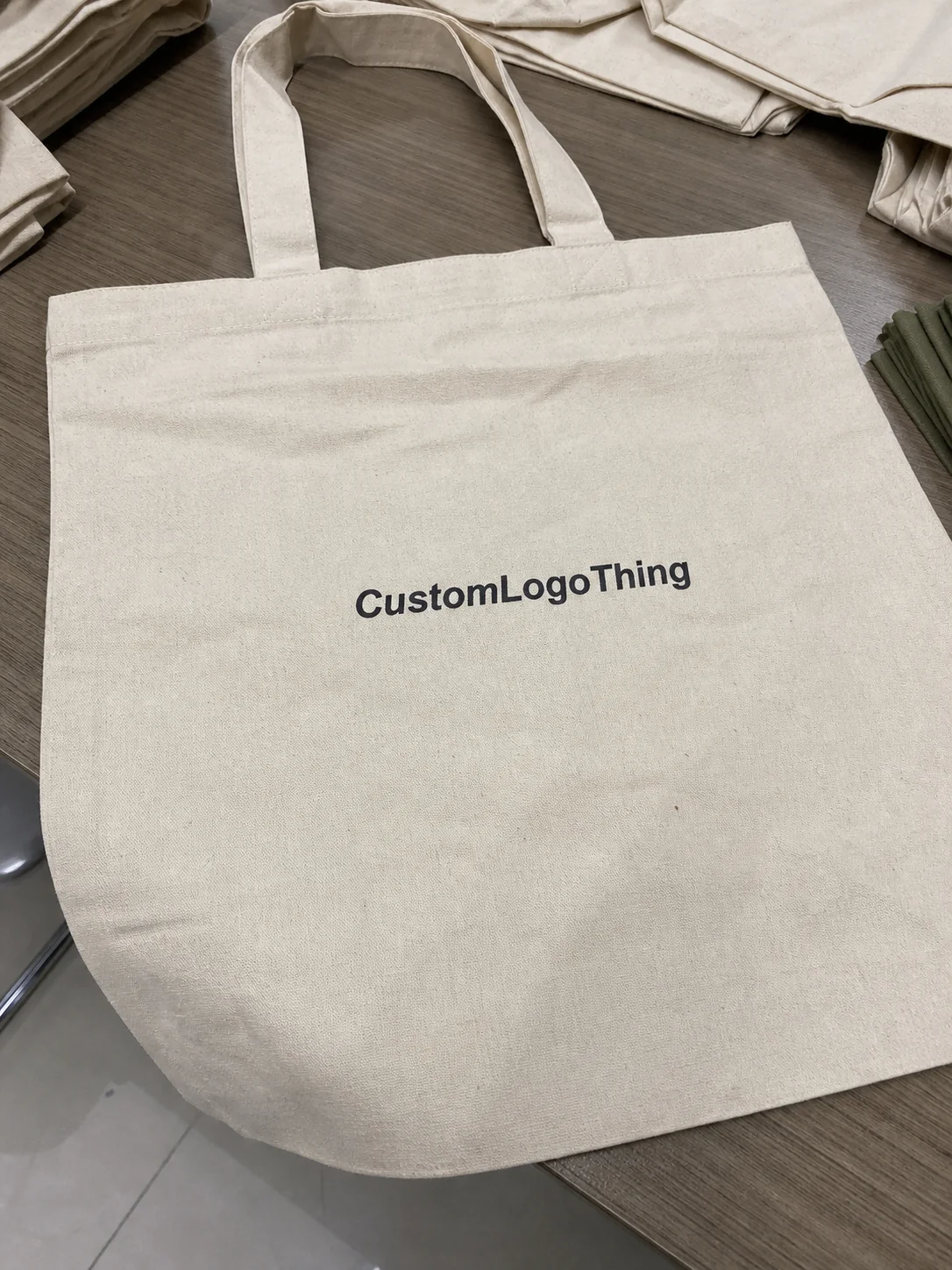
The basic appeal of custom cotton bags is simple: they are reusable, easy to brand, and practical enough that people keep them around. That repeat use is the whole point. A bag that gets carried fifty times will outwork almost any one-time insert or label. But only if the structure holds up. Weak stitching, thin fabric, or a logo that cracks after a few uses turns the tote into a negative signal instead of a useful one.
Buyers tend to focus on the artwork first. That is understandable and usually backward. A bag that fits the content badly, hangs awkwardly, or stretches out at the seams can make good artwork look worse. The better starting point is use case. A conference welcome kit, a retail shopper bag, and a bottle carrier are not the same product. They should not share the same spec sheet just because they are both made of cotton.
Lightweight muslin can work well for brochures, samples, and soft items. It folds small and keeps cost down. Midweight canvas is a safer middle ground for retail and event use because it has more body and feels more substantial in hand. Heavier canvas makes sense when the bag needs to carry books, bottles, or repeated daily loads. None of those choices is automatically right. The best one is the one that carries the actual contents without looking strained.
There is also a branding angle that gets overlooked. A tote is visible in public. A bad bag stays visible in public. That means every design choice is being judged in motion, under bad lighting, after repeated handling. The print has to stay readable. The handles have to feel comfortable. The bag has to keep its shape when full. That is basic, but it is also where many orders fail.
A tote that holds up for months does more for brand memory than a louder tote that falls apart in a week.
For buyers already coordinating Custom Printed Boxes or other branded packaging, the bag should fit the system. The artwork family should feel related. The finish should not clash. The size should make sense next to the other components. Otherwise the order reads like separate purchases stitched together at the last minute.
Material, weave, and print choices that control performance
Material choice drives most of the experience. Cotton sounds simple, but the differences between fabrics are real. Lightweight muslin is soft and easy to pack. Midweight canvas has better structure and usually looks more premium. Heavier woven options feel sturdier and can support repeated reuse, but they also add cost and can feel bulky if the bag needs to pack flat.
Fabric weight matters, but it is not the only variable. Seam quality, stitch density, and reinforcement at the handle anchors matter just as much. A well-made 6 oz bag can outperform a poorly sewn 8 oz bag. Buyers who only compare ounces or grams per square meter are missing part of the picture. The bag has to survive stress at the top edge, the bottom seam, and the handles. That is where failure shows up first.
Handle style changes the user experience too. Short handles are fine for hand carry. Longer handles make a bag easier to wear on the shoulder, which matters when people are walking through stores, trade shows, or transit hubs. If the bag is meant to carry weight for any length of time, handle length and stitching should be treated as functional specs, not cosmetic details.
Decoration method changes both the look and the production path. Screen printing is still the cleanest choice for bold logos, solid colors, and simple artwork. It is usually the most cost-effective option for one- or two-color graphics. Digital printing or heat transfer can handle more detail and more color variation, but the print may sit differently on textured fabric. Embroidery adds a premium feel for simple marks, though it increases cost and can affect drape if the artwork is large.
For most orders, the decision comes down to how the logo needs to behave on fabric. If the artwork is blocky and needs strong contrast, screen print usually makes sense. If the design depends on gradients or fine line work, ask for a sample or proof that shows the result at actual bag scale. A design that looks good on a screen can turn muddy once it is placed on cotton.
| Build | Best use | Typical unit cost range | Tradeoff |
|---|---|---|---|
| Lightweight muslin | Giveaways, sampling, low-load kits | $0.40-$0.95 | Lowest cost, but less body and a thinner hand feel |
| Midweight canvas | Retail packaging, events, repeat use | $0.85-$1.85 | Better durability and perceived value, with slightly higher cost |
| Heavier woven canvas | Premium branding, books, bottles, long-life reuse | $1.40-$2.80 | Strongest feel, but higher freight and production cost |
Those ranges are only useful if the quote is built the same way. Size, gusset depth, handle length, print locations, ink coverage, and finishing all move the number. A bag with a gusset and reinforced cross-stitch handles is not comparable to a flat tote with basic seams. If a supplier quotes one but not the other, the comparison is meaningless.
Shipping and compliance can matter as well. If the bags are part of a broader packaging program that includes inserts or paper components, FSC documentation can help keep the rest of the order tidy. For heavier retail loads or mixed packaging flows, ISTA testing language may be useful as a reference point, especially if the bags are shipped as part of a larger kit. The tote itself is only one piece of the system.
Cost, pricing, and MOQ: what moves the unit price
Pricing for custom cotton bags is a stack, not a single figure. Fabric weight, dimensions, print color count, print coverage, handle style, packaging format, and freight all affect the landed cost. Buyers often compare base unit price and miss the part that matters. A cheap factory quote can become an expensive order once setup, shipping, and packaging labor are added.
MOQ is just as important. Small runs usually cost more per piece because screen setup, proofing, and labor get spread across fewer units. That does not make smaller orders wrong. It just means the buyer should understand why the price rises. A 500-piece run might be the right move for a launch test or event. A 5,000-piece run can make more sense for recurring retail use or a seasonal program. The economics shift quickly.
The cleanest way to compare quotes is to force consistency. Use the same bag size, same fabric weight, same handle length, same print method, and same delivery terms across suppliers. If one quote includes freight and another does not, the lower number is not actually lower. If one supplier is quoting a single print location and another is pricing front and back, the comparison is off before it starts.
- Ask for the exact fabric weight, bag dimensions, and handle length in writing.
- Confirm whether setup, screens, packaging, and freight are included.
- Check whether the quote assumes one print location or multiple.
- Request landed cost, not just factory price.
That last point saves time later. Freight, duty, domestic delivery, and carton packing can add a meaningful percentage to the real spend. A quote that looks 10 percent cheaper may land above budget once it reaches your dock.
There are also slower-moving cost drivers that show up late if nobody flags them early. Color matching can lead to extra proof rounds. Individual polybagging adds labor. Special folding instructions, retail tagging, or a request to pack the bags inside another product package adds handling time. If the tote has to fit inside a launch box or a branded mailer, say that up front. Rework after quoting is where margins disappear.
For buyers managing custom cotton bags alongside Custom Packaging Products, the tote should be priced as part of the whole package architecture. Sometimes a slightly higher bag cost is justified because it improves the unboxing sequence or replaces a more expensive outer layer. The right answer is rarely the cheapest line item in isolation.
Process and timeline: from artwork to delivery
The production sequence is usually simple: brief, quote, artwork review, proof, sample approval, production, inspection, and shipping. The delays happen before the factory run starts. Missing vector files, vague color references, and late changes to size or handle spec are the usual culprits. Once the order is in motion, changes get expensive fast.
A realistic timeline depends on complexity and season. Simple custom cotton bags with one-color printing can move faster than highly customized versions with embroidery, multiple print locations, or special finishing. The factory run itself may be short, but approval, sampling, and freight can take just as long. For straightforward domestic or nearshore runs, a planning window of roughly 12-15 business days from proof approval is common. That is not a promise. Peak periods and longer transit lanes can push it out.
Most schedule slips come from a handful of avoidable issues:
- Artwork is not supplied in vector format.
- The logo contains fine text that will not reproduce cleanly at bag scale.
- Color changes are requested after the first proof.
- Handle length or gusset depth is revised after quoting.
- Sample approval waits on too many internal reviewers.
The fix is administrative, not creative. Lock one spec sheet before production begins. Confirm the dimensions, fabric, print method, artwork placement, and shipping address. If the bags are paired with other product packaging or custom printed boxes, coordinate the timelines so one delay does not hold the entire kit. A bag sitting ready while the rest of the order is still in transit is wasted margin.
For high-stakes orders, ask for a pre-production sample or at least a proof with exact placement measurements. That catches issues like logo size, seam interference, and awkward positioning before the full run starts. It is cheaper to adjust a proof than to explain a bad batch after delivery.
Common mistakes that make custom bag orders look cheap
The most common mistake is under-specifying the bag. A mockup can look fine while the real item feels flimsy in hand. Once that happens, the value perception drops immediately. Thin fabric, weak seam stitching, and lightweight handles make even a decent print feel disposable. That is a hard look to recover from.
Oversized artwork is another problem. A huge logo can work on some products, but on soft cotton it often feels heavy-handed. The bag stops looking wearable and starts looking like a flyer with straps. Better packaging design usually leaves some visual breathing room. A smaller mark, good contrast, and a clean placement often read more premium than a full-face graphic.
Color choice can also sabotage the result. Low contrast between the fabric and the ink makes the artwork harder to read from a distance. Dark ink on natural cotton is usually safe. Pale inks, metallics, and fine gradients should be sampled before approval. That matters even more if the bags will be used in bright retail spaces or event halls where lighting can flatten the print.
Skipping sample review is a costly habit. Buyers approve a mockup on a screen, then notice handle length, gusset shape, or color drift only after the run is complete. At that point the problem is not a design issue anymore. It is stock sitting in cartons. The campaign date does not move just because the bag is wrong.
Ordering too little is the last mistake that shows up more often than it should. If the quantity is too low, the per-unit cost climbs and the campaign can run out early. That creates a cost problem and a service problem. A bag that disappears halfway through a launch makes the operation look unprepared.
Cheap-looking branding usually comes from weak fabric, weak artwork hierarchy, or weak approval discipline.
Expert tips for better branding and longer bag life
If the goal is repeat use, design for repeat use. That sounds obvious, which is probably why it gets ignored. Keep the artwork simple enough that it still reads after the bag has been folded, carried, and handled a few times. Avoid fragile line work unless the print method can support it. Place the logo where it stays visible without fighting the bag’s natural drape.
Size matching is another easy win. A bag should fit the contents without looking overstuffed or empty. A tote that swallows one small item can feel wasteful. A tote that bulges at the seams can feel underbuilt. Good packaging and good branding usually meet in the same place: the bag looks intentional because the dimensions match what goes inside.
Before you approve a production run, test the bag with real contents. Put the actual brochure stack, bottle set, or apparel pieces inside and lift it by the handle. Watch what happens at the stress points. Check whether the bottom sits flat. See whether the print distorts when the bag is full. A real load test catches more issues than a mockup ever will.
A short QC checklist helps keep the order honest:
- Inspect stitch density at the handle anchor points.
- Confirm the seam allowance is consistent on both sides.
- Review print alignment against the finished bag dimensions.
- Ask how the ink or embroidery behaves after washing.
- Verify how the bags are folded and packed before shipping.
That last point gets ignored until it becomes a problem. A tote that arrives creased, dusty, or poorly packed loses value before it is handed out. If the bag is part of a higher-end program, specify the carton pack, folding method, and any sleeve or retail presentation requirement before the order is approved. Presentation is part of the product.
For buyers balancing custom cotton bags with other branded packaging, the strongest programs usually keep the visual language consistent across the tote, inserts, and any Custom Packaging Products shipped with it. That consistency is what makes the package feel designed instead of assembled from separate purchases.
Next steps: build a cleaner quote and sampling plan
The fastest way to improve a quote is to remove ambiguity. Write one spec sheet with the bag size, fabric weight, handle style, print method, quantity, delivery date, and intended use. Add whether the order supports retail packaging, an event, a welcome kit, or a promo rollout. That single page does more to tighten pricing than a long email thread ever will.
Then ask for a few price scenarios. Request one version with lighter fabric, one with a reduced print count, and one at a higher quantity. That shows where the real cost levers are and makes the tradeoffs visible. If the supplier cannot explain the difference between those options, the quote is not ready.
Sampling should reflect the actual use case, not just the art file. If the bag is for a premium launch, the hand feel and print finish need to match that level. If it is meant to be reused often, test it with weight and motion, not just on a table under good light. That is where the weak spots show up.
It also helps to set a reorder threshold before the first run ships. If the tote will support ongoing retail demand or recurring events, know the stock level that triggers a new order. Storage matters. A good production plan can still fail if cartons are buried, damaged, or unavailable when the next campaign starts.
Finally, lock the sign-off owner and the delivery window before production begins. Late changes are expensive, and they rarely improve the result. With custom cotton bags, discipline in the setup phase is what keeps the finished product useful, consistent, and worth handing out.
FAQ
What should I compare when buying custom cotton bags?
Compare fabric weight, stitch quality, handle length, print method, and bag size rather than looking at price alone. Ask for a quote that includes setup, packaging, and freight so the numbers can be compared fairly. A sample or proof should match the actual load and the presentation you need.
How much do custom cotton bags usually cost per unit?
Unit cost depends on quantity, fabric weight, decoration method, and whether you need one or multiple print locations. Smaller orders usually cost more per bag because setup charges are spread across fewer pieces. Freight, rush service, and special finishing can change the final landed price significantly.
What is a normal lead time for custom cotton bag orders?
Lead time includes artwork approval, sampling, production, and shipping, so the full schedule is longer than the factory run alone. Simple orders move faster than highly customized ones, especially when approvals are delayed. Build in buffer time for peak seasons and freight.
Which fabric weight is best for custom cotton bags?
Lightweight cotton works for giveaways and low-load items, while midweight or heavier fabric is better for retail and repeated use. Heavier is not always better if the bag needs to drape well or stay comfortable on the shoulder. Match the fabric to what the bag will actually carry.
Can custom cotton bags be reused and washed?
Yes, many cotton bags are designed for repeat use, but durability depends on fabric quality, stitching, and print method. Washability improves when the ink system and decoration method are chosen with laundering in mind. Tell the supplier if the bags need to survive frequent handling or cleaning.
Handled well, custom cotton bags can do more than carry products. They can extend a launch, support a cleaner packaging system, and keep a brand visible without adding much complexity. The best results usually come from buyers who spec the bag with the same discipline they would use for any other visible part of the package.