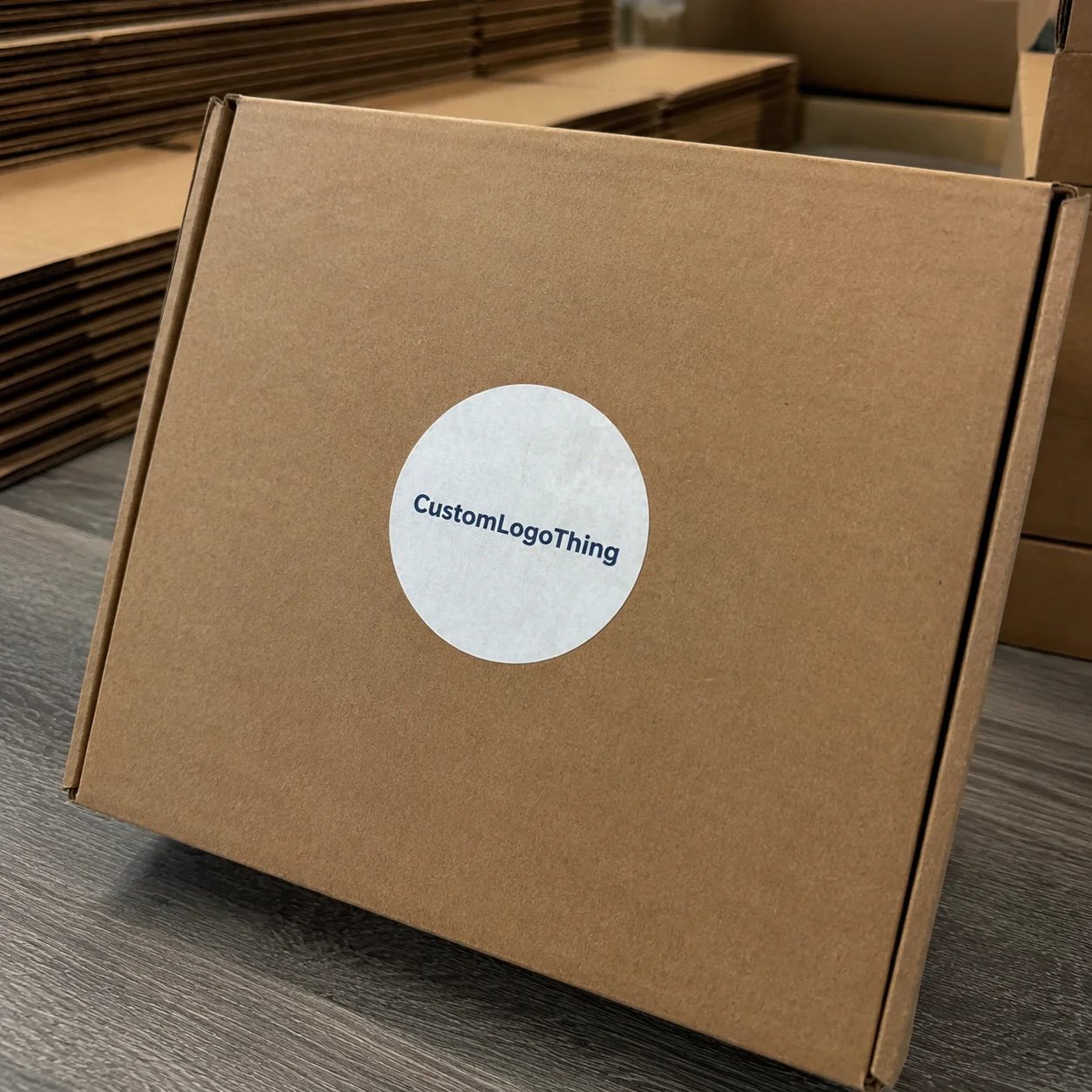
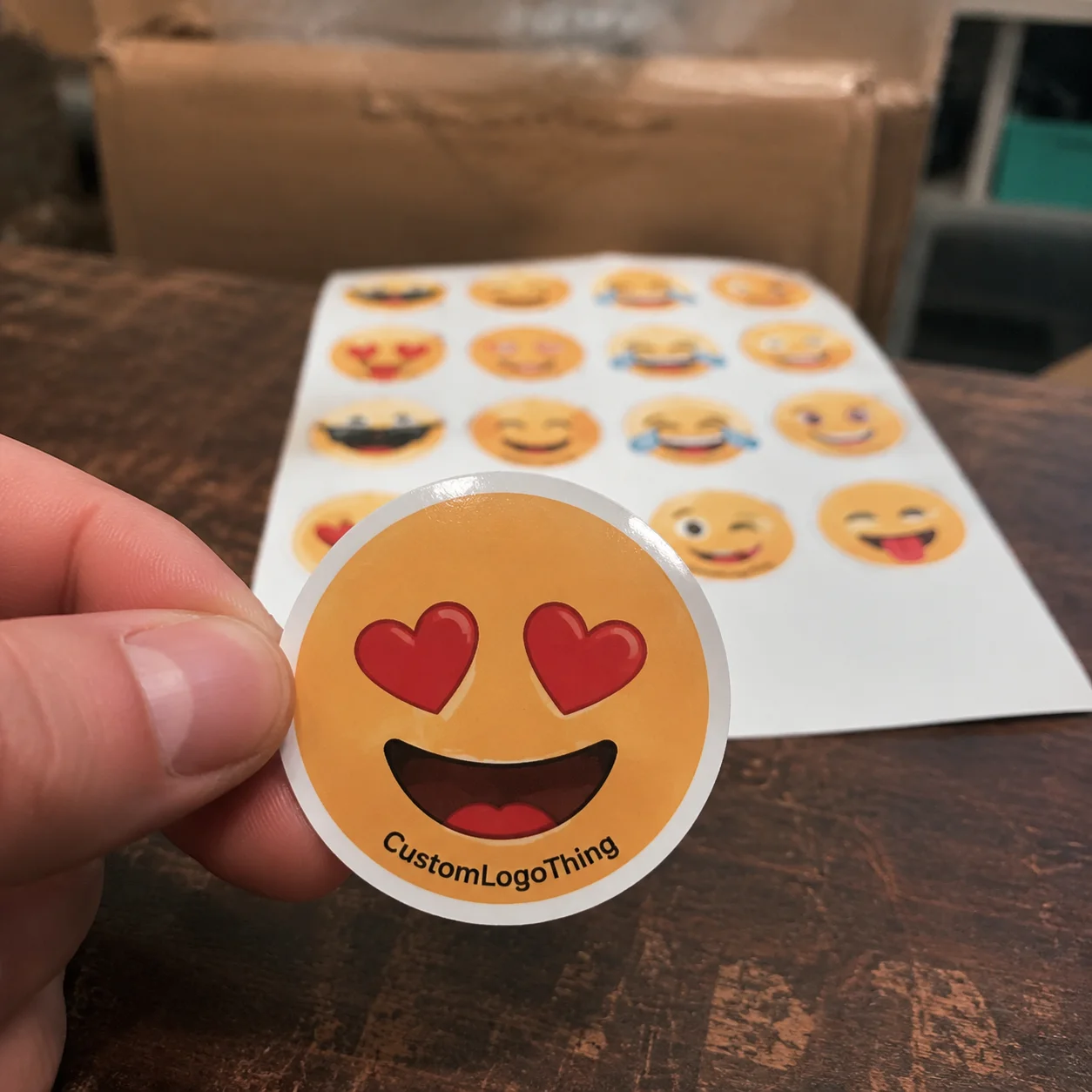
Custom design labels stickers can make a product look finished, credible, and easy to understand, or they can make it look rushed in the exact ways customers notice first. A label that curls at the corners, smudges when handled, or starts lifting after a few days on a curved bottle does more damage than many brands expect, because it suggests the packaging system was chosen without real testing. The artwork may be excellent. The wrong stock, adhesive, or finish can still ruin the result.
That is why buyers should think about labels as working components, not decoration. The right label has to fit the container, survive the environment, support the brand, and sometimes carry practical information such as ingredients, warnings, barcodes, or shipping details. If you are comparing custom design labels stickers, the real decision usually comes down to surface, durability, finish, and how the label will be applied after it leaves the press.
Some labels exist mainly for branding. Others must do several jobs at once. A cosmetic jar label may need to look premium, resist moisture, and leave room for legally required text. A shipping sticker may need clean adhesion and dependable scan quality more than visual flair. Same product category, very different requirements.
When Labels Have to Do More Than Look Good
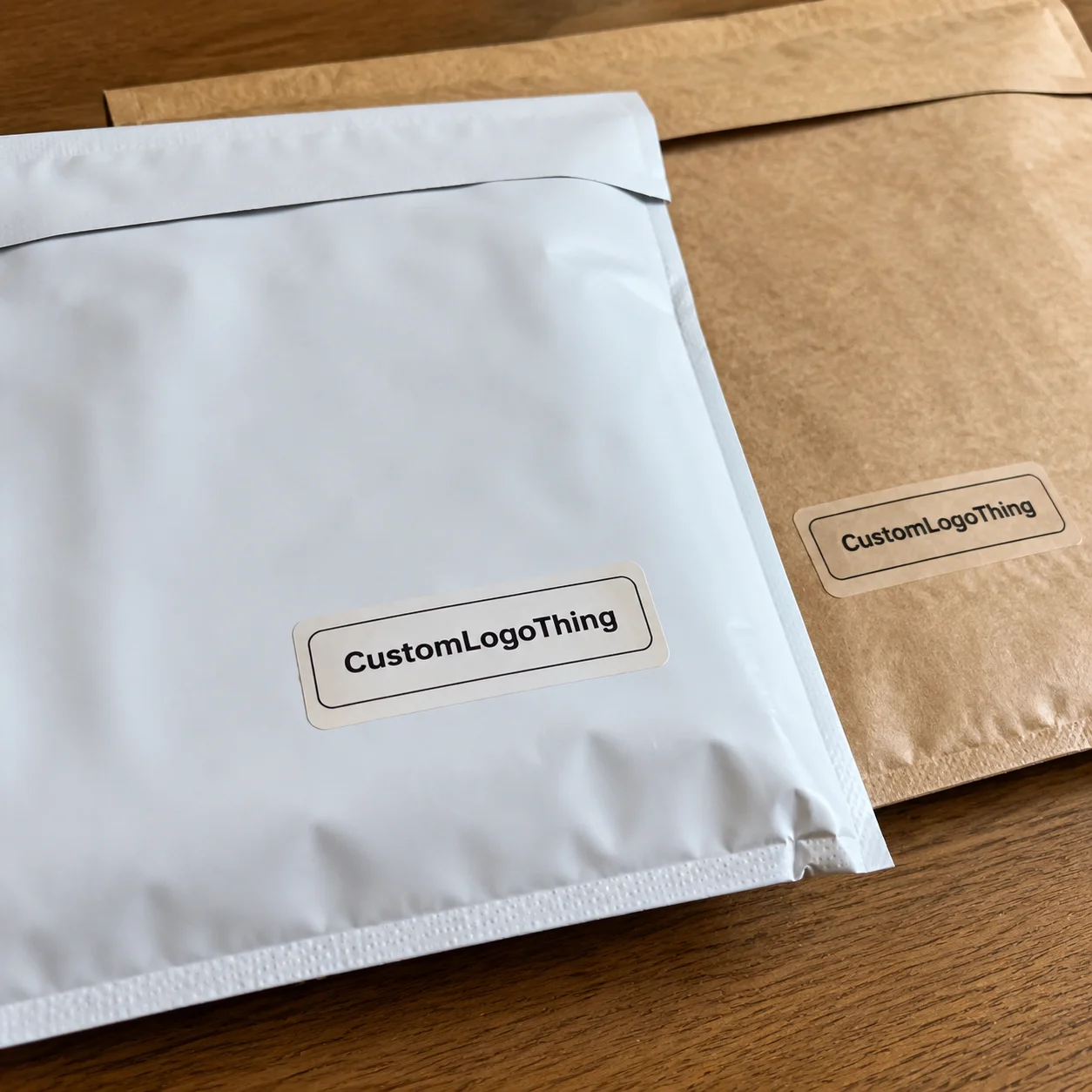
Labels sit at the intersection of packaging design and production reality. A bottle label for a refrigerated beverage does not live the same life as a paper sticker on a dry retail carton, and a branding label on a reusable jar has its own set of constraints. Moisture, abrasion, handling, temperature swings, and curved surfaces all affect how well a label performs after application.
The biggest mistake is assuming every label behaves the same way. Paper stock can be a smart choice for dry products, but it is not ideal for condensation, refrigeration, or frequent abrasion. Film stocks such as BOPP are more forgiving in wet or high-touch environments. A removable adhesive may be useful for short-term promotions, while a permanent adhesive is usually better for retail, shipping, and long-term use.
Custom design labels stickers typically fall into four practical categories: branding, product information, SKU identification, and shipping or logistics. Sometimes one label handles all four. When that happens, the stakes rise, because the label has to remain readable and attached while still doing a decent job representing the product visually.
If a project also includes Custom Labels & Tags or broader Custom Packaging Products, it helps to treat labels as part of a larger packaging system rather than as a separate purchase. A great label on the wrong container still looks off. A well-matched label on a stable package looks intentional, and that sense of fit matters more than people admit.
A label should survive the product’s actual life, not just the mockup.
How Custom Label Printing Actually Works
Most label orders move through the same basic stages: file review, proofing, printing, finishing, inspection, and packing. The part that slows projects down most often is not the press run. It is artwork prep. Clean files save time, reduce revision loops, and lower the chance of surprises later.
Printers usually prefer vector files such as AI, EPS, or PDF with editable text. If brand colors matter, ask whether the job will be printed in CMYK or whether spot color matching such as Pantone is available. Bleed is commonly around 1/8 inch, though that can vary depending on the cut method and the label shape. Safe margins matter too, especially for small type, barcodes, and legal copy. Keep important content away from the edge so trimming does not become a problem.
A proof is useful, but it is not a production sample. That distinction matters. A digital proof can confirm layout, spelling, barcode placement, and general artwork direction, yet it will not fully predict how ink behaves on clear film, metallic stock, or textured material. It also cannot show how the adhesive will respond to a chilled bottle, a dusty carton, or a slightly curved jar.
Finishing changes both appearance and function. Lamination adds protection and usually improves resistance to scuffing and moisture. Varnish gives some surface protection, though generally less than lamination. Die-cutting creates the final shape, while kiss-cutting is common for sticker sheets and easy-peel formats. Roll labels are usually chosen for faster hand application or machine application, while sheets are often easier for smaller batches and manual use.
Application method affects the whole spec. A label intended for a labeling machine needs the right roll direction, core size, spacing, and unwind direction. A hand-applied label may need a more forgiving adhesive or a slightly more generous liner tab. Those details do not sound dramatic on paper, but they decide whether a production line moves smoothly or turns into a bottleneck.
The short version is simple: provide clean files, confirm the spec, approve the proof, and make sure the final format matches how the label will actually be used. That is the difference between a label that looks right and a label that works.
Material, Finish, and Adhesive Choices
Material choice is where a lot of label purchases get either smart or unnecessarily expensive. Paper is usually the most economical option for dry products, short runs, and packaging that will not face much moisture or abrasion. It prints well, feels familiar, and can be a good fit for jars, boxes, and retail items that stay in stable conditions. The tradeoff is durability. Paper can scuff, absorb moisture, and lose its clean edge faster than film.
BOPP and other film stocks are common upgrades when a label needs better moisture resistance or longer wear. They are often used on food, beverage, bath, and beauty packaging because they hold up better than paper in humid environments or in light refrigeration. Clear film creates the no-label look many brands like on glass or transparent plastic. That effect can look premium, but it also exposes the container underneath, so surface cleanliness and bottle consistency matter more than they do with opaque stock.
Finish changes the tone of the package. Matte gives a softer, quieter feel and often suits premium or minimal branding. Gloss boosts color and usually handles moisture better, which is one reason it shows up often on Product Packaging That will be touched a lot. Clear finishes can disappear visually, which is useful for a modern look, although they also make dust, bubbles, and print alignment more visible than many people expect.
Adhesive selection is the part buyers tend to underestimate. Permanent adhesive is the standard for retail, shipping, and long-term use. Removable adhesive is better when the label needs to come off cleanly later, such as for promotions or reusable packaging. Freezer-safe adhesive is designed for cold environments. High-tack adhesive is often the right answer for textured, curved, or harder-to-bond surfaces. There is no universal best choice, only a best match for the job.
Environment should drive the spec. If the product sees condensation, refrigeration, oil, UV exposure, or heavy handling in transit, the material and adhesive need to reflect that. A label that looks fine on a desk can fail in a cooler or on a bottle with condensation. That is not usually a print defect. It is a mismatch between the label and the conditions it was asked to survive.
| Material | Best Use | Strengths | Tradeoffs |
|---|---|---|---|
| Paper | Dry retail items, jars, boxes | Lower cost, clean print, easy to write on | Less moisture resistance, more prone to scuffing |
| BOPP / Film | Food, beverage, bath, beauty | Durable, moisture resistant, flexible | Usually costs more than paper |
| Clear Film | Glass, premium branding, no-label look | Modern appearance, strong durability | Requires clean surfaces and careful design |
| Vinyl | Tough-use or outdoor applications | Strong, flexible, dependable | Can be more material than a simple packaging label needs |
For buyers who want a wider frame of reference, industry organizations such as the International Safe Transit Association publish guidance around transit performance, and the EPA packaging materials guidance is useful when sustainability claims or material choices are part of the brief. Most label projects do not need formal lab testing, but serious buyers do ask how the label will behave in the real environment before placing a larger order.
Pricing, MOQ, and What Changes the Cost
Label pricing is driven by a handful of predictable variables: material, size, quantity, color count, finish, shape complexity, and turnaround time. Bigger labels use more stock. Specialty finishes add production steps. Custom shapes can require additional tooling or setup. Rush jobs usually cost more because they compress scheduling and limit material options.
The unit price almost always drops as quantity increases because setup costs are spread over more pieces. That does not mean the total order is cheaper at scale. A 5,000-piece run can cost more overall than a 1,000-piece run even though the per-label price is much lower. Buyers need to separate unit cost from total spend. Those are not the same question.
MOQ exists for a reason. There are fixed costs in label production whether the order is tiny or large: plate or die setup, press calibration, proofing, and inspection all take time and resources. That is why very small orders often carry a higher per-piece cost. If a quote sounds too low for a small quantity, something important is probably being simplified away.
For rough planning, simple paper labels at larger quantities may fall into a lower price band, while durable film labels, specialty adhesives, and complex finishing push pricing upward. Small custom runs are useful for testing or limited launches, but they are rarely the cheapest route on a per-unit basis. If you want meaningful quotes, compare identical specs: same size, same stock, same finish, same adhesive, same format, same quantity.
Before requesting pricing, it helps to gather a short spec sheet:
- Exact label size and shape
- Quantity per SKU
- Material and finish
- Adhesive type
- Roll or sheet format
- Surface type and application method
- Any moisture, freezer, or food-contact requirements
Custom design labels stickers become easier to price when the brief is clean. Fewer versions, fewer exceptions, and fewer revision rounds usually mean a smoother quote process.
Proofing, Production, and Timeline Realities
Production timelines usually break into file review, proof approval, printing, finishing, quality check, and shipping. Straightforward digital jobs can move quickly once artwork is approved. Orders with specialty stock, custom dies, or variable data need more time because more steps must line up before the final run is complete.
The most common delays are late artwork, repeated revisions, and vague instructions. If the supplier has to ask whether the label is going on a matte carton, a curved glass jar, or a chilled plastic bottle, that exchange will cost time. It is not bureaucracy. It is the reality of matching the material to the surface.
Rush production can solve a real deadline problem, but it often increases cost and narrows material choices. A launch date may also depend on other packaging pieces, such as custom printed boxes or related branded components, so the label schedule should be aligned with the full packaging plan. The slowdowns that hurt launches usually show up at the handoff points, not in the obvious headline tasks.
A practical rule: build extra time when labels need to arrive before filling, kitting, or seasonal inventory assembly. If the label is part of a larger packaging order, the pieces should land together whenever possible. That keeps branded packaging consistent and reduces last-minute scrambling.
Mistakes That Show Up on the Shelf
Low-resolution artwork is still one of the fastest ways to weaken a label. A logo copied from a web image may look acceptable on screen and still print soft or pixelated at scale. Thin type can also disappear, especially on small labels. If customers have to squint to read the important information, the design is not doing its job.
Wrong adhesive choice causes another common failure. Curved, cold, textured, or oily surfaces can make a standard adhesive look weak very quickly. Edges lift first, then the whole label starts to look neglected. That effect is hard to ignore once it starts.
Ignoring bleed and safe zones creates problems that are completely avoidable. Borders look uneven. Text gets cut off. Barcodes drift too close to the trim line. Those are production issues, not mysterious print defects. The same goes for choosing a finish that fights the product. A heavy gloss can overpower a quiet minimalist package, while a softer matte finish may fit better when the brand wants restraint and readability.
Testing on the actual container is the most useful quality-control step many buyers skip. Not on a similar bottle. Not on a desk sample. On the real package, under the conditions it will actually face. That one step reveals whether the adhesive holds, the surface curves behave, and the printed result still looks right in normal lighting.
For teams managing retail packaging, print quality, and package branding together, a sample approval or small test run is often the cheapest insurance available. It may feel slower at the start, but it is much less expensive than discovering a spec problem after thousands of pieces are already in circulation.
Practical Buying Advice for Better Results
Start with the environment, not the art file. If the label has to survive moisture, cold storage, or frequent handling, choose the stock and adhesive first, then build the design around those constraints. That order saves money and avoids a label that looks good in mockup form but fails on the actual package.
Whenever possible, use one primary label size across multiple SKUs. It makes inventory easier to manage, reduces reorder mistakes, and often improves pricing. You can still vary the copy, color palette, or finish for each product line. Operationally, fewer label variables make life simpler for everyone involved in production and fulfillment.
If color accuracy matters, ask for print tests, especially on clear, metallic, or dark substrates. Ink behaves differently depending on the stock underneath it. A color that looks rich on white paper can appear flatter on transparent film or more muted on a darker surface. Brand color should be checked, not assumed.
Shape should help readability, not distract from it. Round labels can feel approachable. Rectangles often leave more room for copy and barcodes. Custom die-cut shapes can help a brand stand out, but only if the usable space is still enough for the text and compliance information the product needs. A clever outline is not worth much if the label becomes hard to scan or hard to read.
Keep the artwork organized by version, size, and application notes. Future reorders go faster when the file structure is clean, and it reduces the odds that a small revision turns into a larger production mistake. That is not glamorous work, but it is the kind that prevents expensive confusion later.
For brands that care about sourcing, paper-stock guidance from fsc.org can help when the project includes responsible sourcing expectations. That matters more in some categories than others, but it is worth considering if sustainability language is part of the packaging story.
Good custom design labels stickers are usually the result of a clear brief, a realistic material choice, and a few honest tests before the full run begins. That is the part buyers remember after the launch: not the mockup, but whether the label stayed put, stayed readable, and looked like it belonged on the package.
What are custom design labels stickers used for besides branding?
They can carry ingredients, instructions, safety details, barcodes, and shipping information. They also help separate SKUs, organize inventory, and make products easier to identify on shelves or in storage.
How do I choose the right material for custom design labels stickers?
Start with the container and the environment. Paper works well for dry, low-wear use, while film stocks are better for moisture, refrigeration, and more demanding handling. Always test the adhesive on the actual package before committing to a full order.
What affects the price the most when ordering custom labels?
Quantity, material, size, finish, and shape complexity usually have the biggest impact. Rush schedules and specialty adhesives can raise the price faster than small design changes.
How long does the process usually take?
Simple jobs can move quickly after proof approval, while specialty materials and custom finishing take longer. Delays usually come from artwork revisions, unclear specs, or late approvals rather than the press run itself.
Can custom design labels stickers be removed cleanly later?
Yes, if the label uses a removable adhesive and the surface is suitable. Permanent adhesives are better for shipping and long-term retail use, but they are not intended to Peel Off Cleanly.