A Custom Event Hats supplier comparison should help you avoid the quote that looks fine until setup, packing, and freight are added. The hat itself is only one part of the cost. Decoration method, carton configuration, paperwork, and delivery terms usually move the total more than the crown shape does.
Comparing suppliers only on unit price tends to create bad surprises. One supplier may be factory direct with tighter process control. Another may be a trading company that is easier to communicate with but less transparent on margins. A domestic reseller may be fast for a rush job and expensive for anything beyond a small run. Same product category, very different outcome.
For event teams, promo buyers, and merch managers, the real question is not who is "best" in general. It is which supplier gives the right mix of price, speed, consistency, and communication for one deadline and one risk level. The same approach applies if the order also includes Custom Packaging Products; compare the whole job, not just the front-end quote.
Why Supplier Comparison Matters Before You Pick the Hat Style
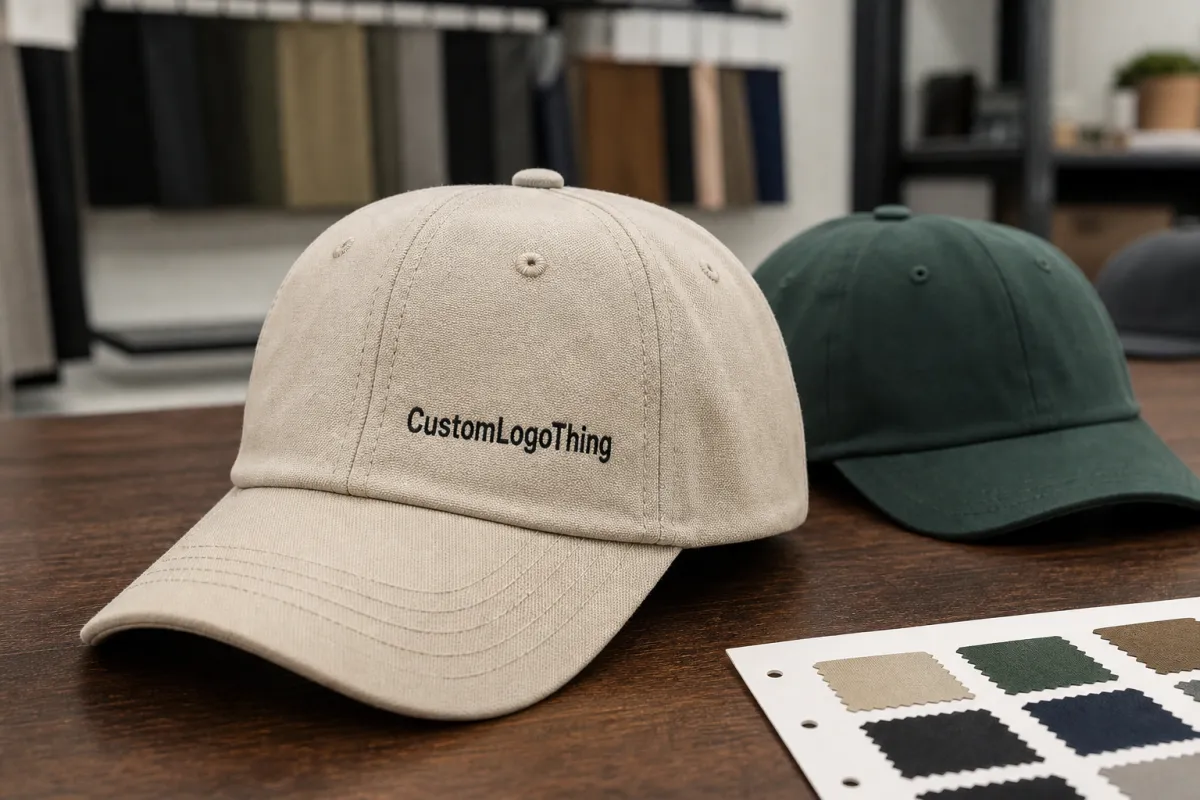
Most buyers begin with the silhouette: dad hat, trucker hat, five-panel, bucket hat, foam front, rope cap. That is a sensible starting point, but it does not explain why one quote lands at $2.40 and another at $4.90. The difference usually comes from decoration, packing, and how much process control the supplier can hold once production starts.
The cheapest quote often looks cheap because it quietly leaves out details. Embroidery digitizing, sample shipping, carton labels, inner polybags, or export paperwork may not appear until later. By then, the "low" quote is no longer low. Experienced buyers compare only after the quote is built on the same assumptions.
A useful supplier comparison starts by identifying supplier type:
- Factory direct: usually stronger on unit economics and repeatability, but often slower to answer and less flexible on low MOQs.
- Trading company: easier to manage for some buyers, sometimes more flexible on mixed items, but quote structure can be less transparent.
- Domestic reseller: best for quick turnarounds and smaller quantities, though landed cost rises quickly.
None of those categories is automatically best. The right choice depends on the event. A 5,000-piece product launch giveaway has different needs than 120 caps for a one-day sponsor activation. Compare suppliers against the same brief, the same artwork, and the same packing spec, and the differences become much clearer.
How the Ordering Process Works From Brief to Delivery
A reliable supplier should not ask for "a logo and a quantity" and leave the rest to guesswork. They should turn the request into a usable spec sheet. That means hat style, quantity, event date, logo placement, decoration method, color references, closure preference, and packing requirements. If those questions never come up, the order is probably under-described.
The process usually follows a predictable path:
- Brief: send artwork, approximate quantity, deadline, and any hard requirements.
- Quote: supplier returns price, MOQ, sample fee, and lead time.
- Mockup: you review logo placement, patch size, thread color, or print position.
- Sample: one physical or pre-production unit confirms shape and decoration.
- Bulk production: the factory runs the order after approval.
- Packing and shipment: hats are boxed, labeled, and handed to the carrier.
The failure point is often sample approval. Buyers approve too quickly because the event date is close, then the bulk run arrives with a crown that sits slightly deeper, a closure that feels stiffer, or a logo that looked fine in a mockup but awkward in hand. The approved sample should be treated as the reference, not as a polite suggestion.
A quote is only comparable when it covers the same spec, the same packing, and the same delivery terms. Otherwise it is just a lower number with missing context.
A good supplier can explain what is held tightly, what varies within tolerance, and where the process limits sit. That kind of answer is more useful than polished sales language. For event merchandise, repeatability matters more than a nice product photo. The hat has to look right on the fiftieth piece, not just the first one.
Custom Event Hats Supplier Comparison: Pricing, MOQ, and Quote Rules
Price matters, but only after the quote is built on the same foundation. Comparing a bare cap price from one supplier against a finished, packed, and shipped price from another is not analysis. It is how buyers end up defending a budget line item they never actually approved.
For a basic six-panel cap or dad hat with one-color embroidery, factory-direct pricing at around 500 pieces often sits near $2.20-$4.80 per unit before freight. The range shifts with fabric weight, stitch count, and closure type. Add woven patches, custom labels, hang tags, or individual polybags, and the total rises quickly. Smaller orders usually carry a higher per-piece cost because setup gets spread across fewer units.
| Supplier Type | MOQ | Typical Price Behavior | Turnaround | Best Fit |
|---|---|---|---|---|
| Factory direct | 300-1,000+ pcs | Lower unit price at scale; setup and sample fees are usually clearer | Usually 2-4 weeks before shipping, depending on complexity | Planned events, repeat orders, larger drops |
| Trading company | Often 200-500+ pcs | Mid-range pricing; may bundle services into one quote | Often similar to factory, sometimes slower if approvals move through layers | Buyers who want one point of contact |
| Domestic reseller | Can be as low as 25-100 pcs | Higher unit price, but fewer sourcing steps | Fastest for rush jobs and local delivery | Small events, last-minute handouts |
MOQ is not a random number. It usually reflects how the supplier runs the line. Small factories may accept lower minimums but charge more for setup or sample work. Larger suppliers often want more volume, but their per-piece economics are cleaner. The right MOQ is the one that matches event volume without leaving dead stock after the event.
Every supplier should quote the same line items:
- Hat style and fabric weight
- Decoration method and setup fee
- Sample fee and sample shipping
- Packing method, carton count, and carton labels
- Freight terms: ex-works, FOB, DDP, or delivered
- Any extra charge for rush handling or art revisions
Then compare like for like: same cap, same embroidery, same closure, same delivery point. If one supplier quoted a trucker hat with a foam front and another quoted a brushed cotton dad hat, the lower price did not win. The products were different, which makes the comparison meaningless.
For buyers who care about presentation as much as cost, carton layout and inner packing matter more than they first seem. A clean carton count, sensible labeling, and consistent inner packing can make a handout feel more polished without adding much to the bill. For broader packaging context, the Institute of Packaging Professionals has useful background on packaging basics.
Specs That Separate Reliable Suppliers From Risky Ones
Reliable suppliers talk in specs, not slogans. They can discuss crown shape, brim structure, fabric weight, sweatband quality, closure type, and color consistency across the run. That matters because two hats can look similar in a product photo and feel completely different once they are handled.
The details that separate decent work from sloppy work are usually not dramatic, but they are visible:
- Fabric weight: lighter cotton twill can feel soft but may look thin under bright light.
- Embroidery density: too loose reads cheap; too dense can pucker the panel.
- Patch edges: clean heat-cut or merrow edges usually look sharper than fuzzy trims.
- Closure consistency: snapback, buckle, Velcro, or strapback should sit evenly across the run.
- Sweatband and seam finish: these are felt first, even when buyers do not mention them.
Decoration quality is not only about the logo. A logo can be in the right place and still look wrong if the thread color is off, the patch size overwhelms the crown, or the placement drifts from sample to bulk. The same principle applies to product packaging: technical consistency keeps the final look from slipping.
If a supplier can show QC photos, define defect tolerance, and explain what happens when a piece misses spec, that is a strong sign. If the answer stays in mockups and avoids hard questions, treat it as a warning. The better partner is usually the one with fewer promises and more process discipline.
For orders that will be repacked, palletized, or moved through multiple warehouses, ask how cartons are protected in transit. If the supplier says the box can survive anything, ask for proof rather than poetry. Transit damage is usually a packaging decision, not bad luck. Standards from ISTA are useful if the shipment needs to move through a rough logistics chain.
Timeline, Turnaround, and Production Steps to Verify
Split the schedule into three parts: sample lead time, production lead time, and shipping time. If a supplier gives one vague promise like "about three weeks," ask them to separate those stages. The single number hides every place where a deadline can slip.
Reasonable planning ranges look like this:
- Sample: 5-10 business days for simple embroidery, longer for structured patches or revised art.
- Bulk production: often 12-20 business days for straightforward runs, longer for larger quantities or complex decoration.
- Shipping: a few days domestically, 1-3 weeks by air freight on many cross-border jobs, and longer by ocean freight.
Timeline depends on quantity, decoration complexity, artwork changes, and factory congestion. Peak season slows everything down. So does a buyer who sends multiple logo versions, then changes the Pantone color after sample approval. That is not a supplier problem. That is a planning problem with a deadline attached.
Ask for milestones in writing:
- Artwork approval
- Sample dispatch
- Pre-production signoff
- Bulk completion
- Carton closeout
- Carrier handoff
Build in a buffer. For a fixed event date, it is risky to plan against the fastest possible timeline unless the order is tiny and the decoration is simple. Two extra weeks is a practical cushion for many custom merch orders, and more if customs clearance or split shipping is involved. Deadlines have a way of becoming urgent right after production starts.
Common Mistakes Buyers Make When Sourcing Event Hats
The first mistake is choosing the cheapest quote without checking what is missing. A low number can hide thin fabric, loose decoration, poor packing, or fees that appear only after approval. If setup, sample, freight, and packing terms are not visible, the quote is incomplete.
The second mistake is vague artwork. "Use our logo in blue" is not enough. Suppliers need the file, size, placement, and a color reference. Leave the gaps open, and they will fill them with assumptions. That is how a clean design turns into a disappointing one.
The third mistake is skipping sample review, especially on larger giveaway runs. A 50-piece issue is annoying. A 5,000-piece issue is expensive and public. Even a simple sample can reveal that the crown sits too high, the embroidery is too small, or the closure feels flimsy.
The fourth mistake is forgetting landed cost. The hat price is only one part of the total. Add shipping, duties, domestic delivery, warehousing, split shipments, and any repacking. A quote that looks tidy on paper can become awkward once it moves through the real world. That is why a smart comparison focuses on the full landed number, not the first line in the PDF.
If the order includes custom printed boxes, inserts, or branded packaging, fold that into the same brief. One supplier may align carton size, label placement, and packing flow better than three separate vendors negotiating over whose problem it is.
What to Do Next: Shortlist, Request Quotes, and Lock the Details
Start with three suppliers, not eight. Three is enough to show a pattern without creating an email swamp. Send the same brief to each one, and keep the spec tight: hat style, quantity, decoration method, delivery date, packing requirements, and artwork file. If the brief changes, the comparison starts to blur immediately.
Ask each supplier for the same response set:
- Detailed quote with all fees shown
- Sample timing and sample cost
- Production calendar with milestone dates
- Decoration method and limitations
- Evidence of similar work or a comparable spec
Then rank the options by total value, not unit price alone. The best supplier is usually the one that matches your deadline, quality tolerance, and communication speed with the fewest surprises. If the cheapest option is also slow and vague, it is not saving money. It is creating work for later.
Before production starts, lock the approved sample, payment terms, carton counts, and delivery date. That final Custom Event Hats supplier comparison should be measured against the sample you actually approved, not the mockup someone made in a hurry. Do that, and the order is more likely to arrive looking like a planned purchase rather than a near miss.
How do I compare custom event hats suppliers without getting misled by price?
Use the same hat style, decoration method, quantity, and delivery terms for every quote. Ask for all fees up front, including setup, samples, packing, and freight. Compare total landed cost, not just the unit price on the first line.
What MOQ should I expect from a custom event hats supplier?
Small factories may accept low MOQs but charge more per piece or per setup. Larger suppliers often want higher quantities but offer better unit economics. The right MOQ is the one that matches your event volume without leaving excess stock behind.
Which decoration method is best for event giveaway hats?
Embroidery works well for durable branding and a clean finish on simple logos. Patches can handle more detail and often look sharper for textured designs. Printed decoration can be quicker or cheaper, but check durability and color consistency before you commit.
How long does a custom event hats order usually take?
Sample time and bulk production time are separate, so ask for both dates. Simple runs can move faster, while custom decoration, revisions, or peak season orders take longer. Add shipping time and a buffer if the event date is fixed.
What should I ask for in a supplier quote for custom event hats?
Request quantity breaks, unit price, sample fee, setup costs, and packaging details. Ask for lead time, shipping method, and any extra charges tied to changes or rush handling. Make sure the quote matches the exact hat spec so you are not comparing two different products by accident.

