Custom Event Hats Embroidery Cost Guide for Bulk Buyers
custom event Hats Embroidery Cost guide pricing usually comes down to three things: digitizing, stitch count, and quantity. Add a second placement, a harder cap body, or a rush deadline, and the quote moves again. The cleanest way to compare options is to price the blank cap, the embroidery plan, and the order size together.
Why embroidered event hats still win fast
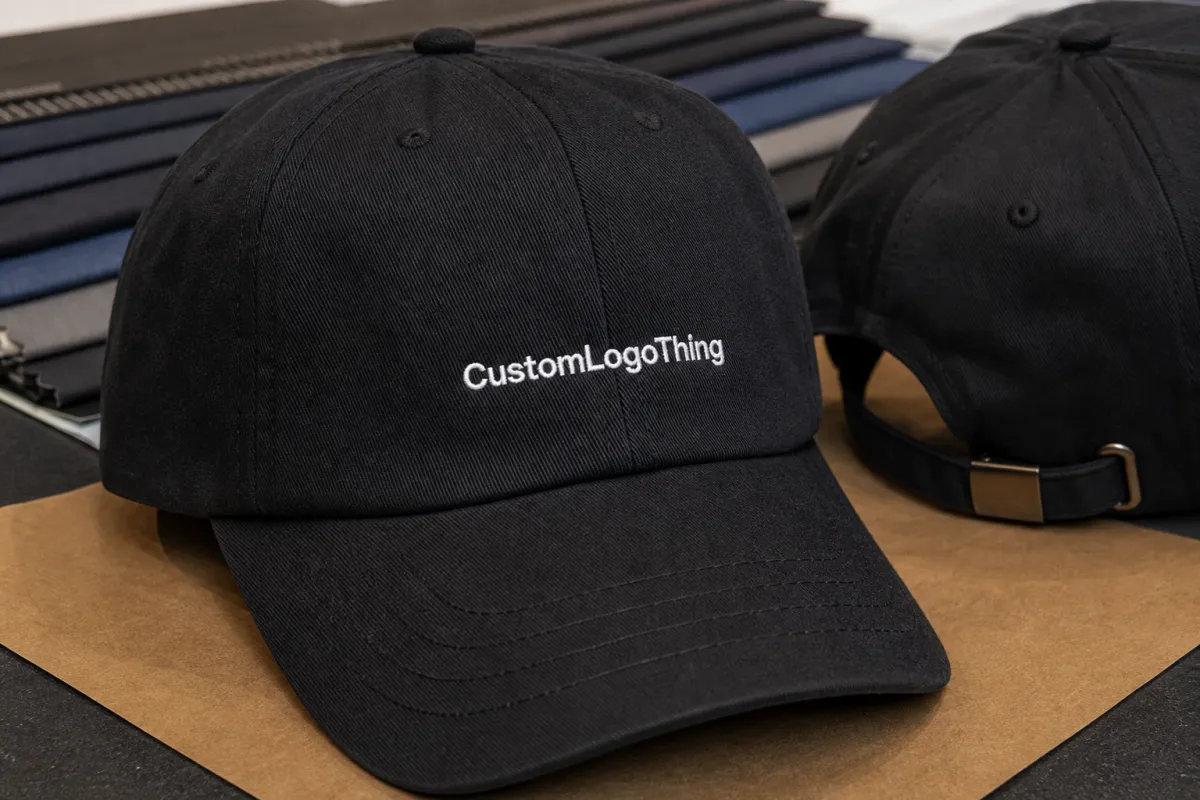
People do not inspect event merch for long. They decide whether it looks credible, useful, and worth wearing later. Embroidery works because thread feels built into the cap instead of sitting on top as a surface layer that can peel or crack.
That matters for bulk buyers. A hat is often more than a giveaway item. It may be worn on a job site, in a golf cart, at a trade show, or in photos long after the event ends. The decoration has to survive actual use, not just a mockup.
Compared with many printed promo items, embroidered caps usually hold perceived value better when the audience is likely to keep them. That does not make embroidery the cheapest option every time. It makes it a better long-term spend when wear time matters.
Keep the cap wearable after the event, and the marketing keeps working. Keep it crowded or mismatched to the fabric, and the order turns into expensive inventory.
The tradeoff is simple: a good embroidered hat supports the event, the brand, and the person who wears it. A bad one just proves the budget was approved without enough spec detail.
Which hat styles and placements pay off
Cap style changes both appearance and cost. Some bodies support clean embroidery with little risk. Others are softer, less structured, and less forgiving when the logo has small type or too much detail. The right choice depends on the audience, the event setting, and how visible the mark needs to be.
- Dad hats: Soft and relaxed, good for casual events, but small lettering can sink into the crown if the design is dense.
- Structured baseball caps: Usually the safest choice for front-panel embroidery because the crown holds shape.
- Trucker hats: Useful for promotions and larger groups; the mesh back keeps them lightweight while the front panel gives space for a bold logo.
- Foam-front caps: Strong for simple graphics and larger lettering, but less suitable for fine type or narrow outlines.
- Performance caps: Good for golf outings and outdoor activations, as long as stitch density stays controlled.
Placement matters just as much as style. Front embroidery is still the default because it gives the best visibility and the cleanest production path. Side marks work well for sponsor names, staff identifiers, or event dates. A back arch can add a secondary line of information without crowding the main logo.
The practical rule is simple: keep the strongest brand element on the largest stable area and treat everything else as secondary. A logo with two to four thread colors usually stays readable and efficient. Push too many details into a small space and the cap starts looking crowded before it leaves production.
Cap specs that change the stitch result
The cap body controls more of the final look than most buyers expect. If the material, structure, or shape is wrong for the design, the embroidery has to fight the blank the whole way through production. The main variables are crown shape, panel count, fabric weight, closure type, and whether the cap can handle the stitch density the artwork needs.
Crown shape is the first call. A higher structured crown gives embroidery a stable field. Low-profile unstructured caps can look excellent in person, but they are less forgiving when the logo has tight lettering or a heavy fill. If the design is clean and simple, soft crowns still work. If the art is detailed, structure helps more.
Panel count changes the front decoration area. A 6-panel cap usually gives a more centered embroidery field than a 5-panel style. Foam-front and flat-front bodies create different visual effects again, which is why the same artwork can look sharp on one style and cramped on another.
Fabric weight affects how much thread the cap can hold without puckering. Brushed twill and firmer cotton blends usually support detail better than very light performance fabric. Thin material can still work, but the stitch plan has to be calmer. Heavy density on a light crown is a common reason a cap starts to ripple.
Closure type affects inventory planning as much as fit. Snapbacks are easier for large mixed crowds because they fit more people. Strapbacks and Velcro closures can feel more tailored, but they are not always the easiest choice for mass distribution.
Artwork format matters too. Vector files are the best starting point because they preserve edges and spacing. If the art is not vector, the digitizing stage becomes more dependent on cleanup, which can add time and cost. A one-color logo is usually the cheapest to sew. Multi-color art is still fine, but each added thread color can increase run time and price.
Digitizing is the map the machine follows. If the logo has tiny type, thin outlines, or cramped spacing, the digitizer may need to simplify it so the stitch file stays legible. As a rough limit, lettering below about 0.20 inch in height can get mushy fast on hats.
3D puff embroidery is another branch point. It creates dimension on bold letters and thick front panels. It is a poor fit for delicate scripts, narrow icons, or soft crowns. A design that needs precision should stay flat.
Custom event hats embroidery cost guide: MOQ and pricing
A useful quote is built from five things: quantity, stitch count, number of locations, cap style, and setup. Special thread effects and rush timing can move the number, but those core factors drive most of the cost.
Digitizing is usually the first setup charge that surprises new buyers. If the artwork has not been converted for embroidery before, the one-time fee often lands around $35 to $90, depending on complexity. Simple logos are cheaper to digitize. Fine detail, multiple stitch directions, and tiny text push the fee upward. A good file can usually be reused for reorders.
Minimum order quantities vary by supplier and cap style, but many bulk hat runs start around 50 to 100 pieces. The more important question is not the absolute minimum. It is the quantity where the unit cost starts behaving like a bulk order instead of a sample run. A 25-piece order can be produced, but the per-hat price usually looks high because setup costs have nowhere to spread out.
| Order profile | Typical all-in unit cost | MOQ range | Best use | Notes |
|---|---|---|---|---|
| Simple front-only embroidery | $6.50-$11.00 | 50-100 | Staff hats, booth giveaways | Lowest complexity, fastest quote path |
| Front + side embroidery | $8.00-$13.50 | 100-200 | Sponsor events, team apparel | Extra placement adds labor and stitch time |
| 3D puff front logo | $9.50-$15.50 | 100-300 | Bold branding, premium merch | Works best with simple artwork and firm crowns |
| Performance cap with embroidery | $7.50-$14.00 | 100-250 | Outdoor activations, golf events | Fabric choice affects stitch density and hand feel |
Those are wholesale ranges, not fixed prices. Blank availability, cap brand, decoration complexity, and shipping destination all move the final quote. Still, the bands are useful. If a price falls far outside them, there is usually a reason: premium blanks, a difficult stitch file, or add-ons that were not explained clearly.
The fastest way to get an accurate quote is to send the final logo file, the cap style, the quantity target, the embroidery locations, the thread colors, and the delivery ZIP in one message. If you want a cleaner comparison, ask for two cap styles and two quantity tiers. That makes the break between a small run and a real bulk order easier to see.
Production steps, proofs, and timeline
The production path is predictable. Artwork review comes first. Then digitizing, if needed. Then a proof. Then approval. Then production, packing, and shipping. Orders usually go sideways for the same reasons: the art changes after approval, the quantity changes after blanks are allocated, or the schedule was never realistic.
- Artwork review: The file is checked for resolution, spacing, and embroidery-safe detail.
- Digitizing: The logo is converted into stitch instructions if it has not already been done.
- Proof: A mockup or stitch sample confirms placement, size, and thread direction.
- Approval: The buyer signs off or requests revisions.
- Production: Caps are embroidered, inspected, and packed.
- Delivery: The order ships after final quality checks.
For simple in-stock caps, many orders move in about 12 to 15 business days after proof approval. More complex designs, multi-location embroidery, puff, or larger quantities can stretch that timeline. Shipping time sits on top of production time, so a fixed event date should drive the order date, not the other way around.
The most common delay points are boring, which is exactly why they keep happening: missing artwork details, slow proof approval, thread color changes, and quantity edits after production has been scheduled. If the order includes inserts, sleeves, or event boxes, packaging approval can add more time.
Transit also matters. Caps are more durable than fragile promo items, but they still need strong carton packing if they are moving through parcel networks. Outer box strength, interior fill, and palletization matter when the order is large. For sustainability or compliance needs, some buyers also ask whether board materials can be sourced from FSC-certified stock.
Lock the cap style, logo, thread colors, and count before proofing starts. Every change after that has a cost attached to it, even when nobody says the number out loud.
What repeat buyers look for
Repeat orders are usually not about novelty. They are about consistency: same stitch quality, same placement, same thread match, same turnaround. The second order matters because it proves the process can be repeated without rebuilding everything from scratch.
Procurement teams usually want the same things every time: artwork cleanup that reduces back-and-forth, cap sourcing that does not change the look unexpectedly, clear proofs, and delivery dates that mean something. They do not need a polished pitch. They need the quote to match the invoice and the sample to match the proof.
If the logo needs a long explanation after production, the embroidery spec was too loose.
Reorders are easier because the stitch file, placement, and thread colors are already on record. That shortens approval cycles and reduces the chance of avoidable mistakes. It also makes it easier to compare a nearly identical blank against a better one. Sometimes a small fabric upgrade is worth it. Sometimes it is not. The only honest way to know is to compare the spec, not the sales language around it.
What to send for a fast, accurate quote
If you want numbers back quickly, send the complete brief in one pass: logo file, cap style, quantity target, embroidery location, thread colors, due date, and delivery ZIP. That gives a quoting team enough information to price the job instead of guessing at the missing pieces.
- Logo file: Vector artwork is best; clean PDF, AI, or EPS files reduce delays.
- Hat style: Dad hat, structured cap, trucker, foam front, or performance cap.
- Quantity target: Ask for at least two tiers so the unit cost break is visible.
- Placement: Front, side, back arch, or a second mark if needed.
- Thread colors: Keep the count realistic unless you want the price to drift upward.
- Due date: Be specific so the schedule can be measured instead of guessed.
A smart comparison is one that tests both style and quantity. Compare a structured cap against a dad hat, then compare 100 units against 250 units. That usually shows where the savings sit and whether the more premium blank is actually worth it. In many event settings, the answer is yes if the hat will stay in use after the venue clears out.
Keep the brief short, but not vague. “Need hats soon” is not a spec. “250 structured caps, front embroidery, 2 thread colors, ship to one address” is a spec. One produces a guess. The other produces a quote.
Frequently Asked Questions
How much do custom event hats embroidery cost per unit?
Unit price depends mostly on quantity, stitch count, and how many locations are embroidered. A simple front-only logo is usually cheaper than multi-location work or 3D puff embroidery. Ask for tiered pricing so you can see the difference between a small run and a bulk order.
What is the MOQ for custom event hats with embroidery?
MOQ depends on cap style and decoration complexity, but many bulk hat orders start around 50 to 100 pieces. Lower MOQs usually carry a higher unit cost, so compare total order value as well as the minimum. Confirm whether the MOQ applies per design or across the whole order.
How long does event hat embroidery turnaround usually take?
Turnaround depends on artwork approval, stock availability, and whether the design needs digitizing first. Simple in-stock orders can often move in about 12 to 15 business days after proof approval, while larger or more complex runs take longer. Rush timing only works if the blank caps are available and the design is simple.
Which hat style gives the best embroidery result for events?
Structured caps usually give the cleanest front-panel embroidery because the crown holds shape well. Dad hats and truckers can work too, but the logo size and placement need to match the cap style. Choose the style that fits the audience first, then adjust the stitch plan around the fabric.
Can I get a sample before ordering custom event hats in bulk?
Yes, ask whether you are getting a pre-production proof, a decorated sample, or a blank cap approval. A real embroidery proof is the best way to catch placement or size issues before the full run starts. If the event is tight on time, confirm how long sample approval adds to the schedule.

