Some packaging looks straightforward until it reaches the quoting stage. Custom fabric bags are a good example. They can carry a logo, protect the product, support reuse, and shape how people remember a brand, all in one item that may still be inexpensive compared with rigid packaging. For buyers who need visible value without the complexity of custom boxes, a fabric bag often sits in a useful middle ground.
The catch is that fabric bags are not all built the same. Material weight, weave, print method, seam construction, and packing requirements all change the final result. A bag that works beautifully for a retail T-shirt can be the wrong choice for glass jars or event kits, even if the printed artwork looks nearly identical in a catalog.
That is why it helps to think about these bags as a production project rather than just a branded accessory. The right spec can keep costs under control, improve durability, and make the printed message last long enough to matter.
What custom fabric bags are and where they fit in packaging
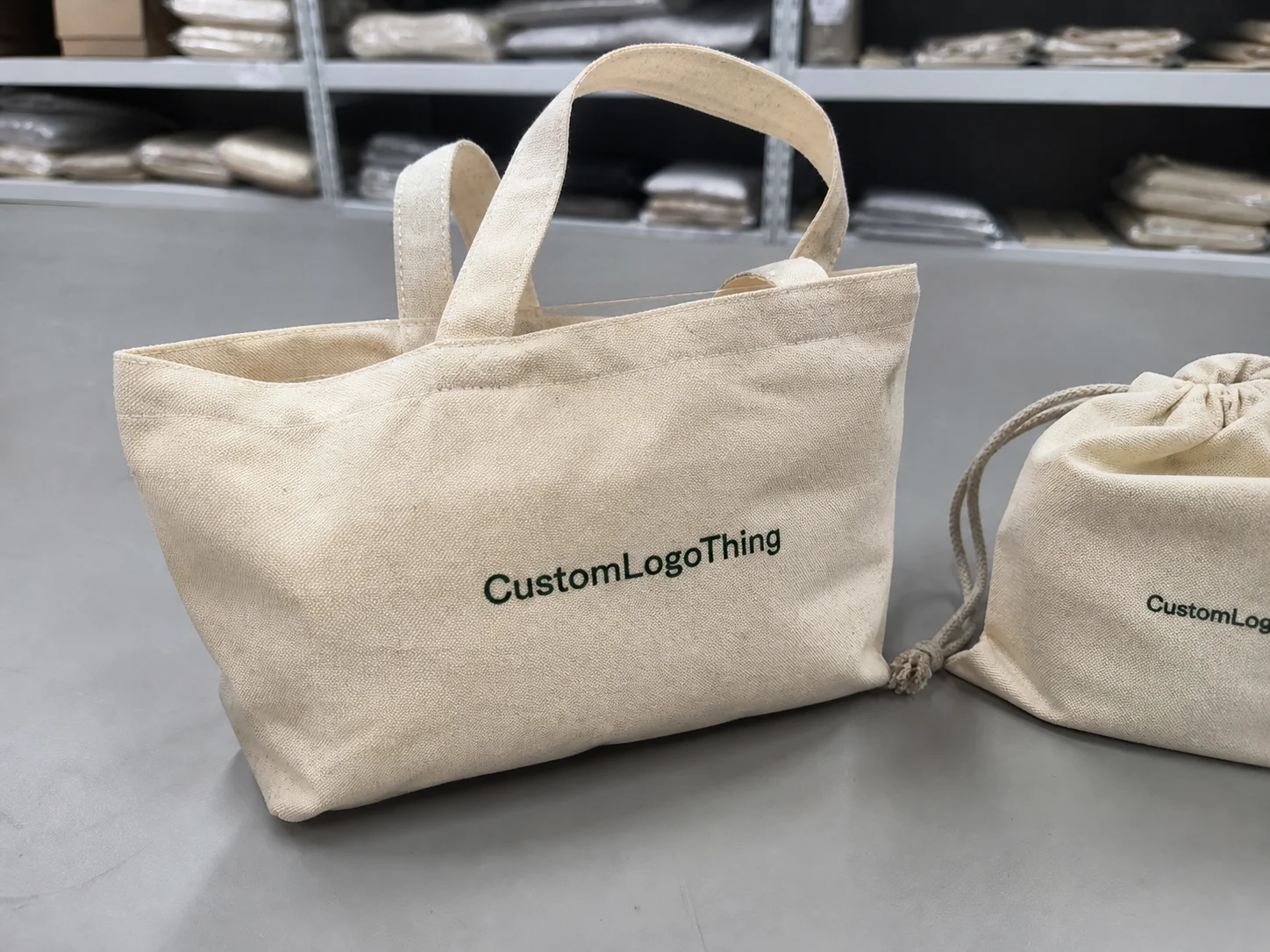
A fabric bag often does three jobs at once: it carries the item, presents the brand, and gets reused enough times that the logo keeps working after the first handoff. That combination is what makes it useful in retail packaging, trade shows, food service, subscription kits, and promotional programs where the goal is more than simple containment.
The material choice changes the personality of the bag right away. Cotton feels soft and familiar. Canvas is usually heavier and more structured. Jute has a natural, textured look. Non-woven fabric is common for lower-cost promotions. Poly-cotton blends can balance printability, handfeel, and strength. Recycled blends also appear often, but “recycled” does not automatically mean compostable, and “eco-friendly” only means something when the material and end-of-life path actually support the claim.
Buyers tend to choose fabric over paper or plastic for two reasons: the bag needs to last, or the presentation matters enough that a softer, more substantial material makes sense. A well-made tote can hold apparel, samples, boxed food, or event kits with less risk of tearing than a thin paper sack. It also gives more room for package branding, especially when the logo needs to be visible from a distance in a retail space or conference hall.
There is a practical caveat, though. A heavier bag that is used once and discarded may not outperform a simpler option from a sustainability or budget standpoint. The real value comes when the construction, material, and intended use match the way the bag will actually be handled.
That is where custom fabric bags become interesting from a packaging buyer’s perspective. They sit between utility and marketing, and the best results come from treating branding, durability, budget, and production method as connected decisions rather than separate ones.
How custom fabric bags are made from material to finished print
The production flow is simple on paper, but each step affects the final look and lifespan. Fabric is sourced and checked for weight, weave, and color consistency. It is then cut to size, sewn or heat sealed depending on the construction, and moved into decoration. After that come the handles, gussets, closures, labels, and final inspection.
For sewn bags, seam allowance matters more than many buyers expect. A 10 oz canvas tote with reinforced stitching at the handle attachment points behaves very differently from a lighter bag with basic side seams. If the bag is intended for groceries, books, or sample kits, reinforcement is part of the functional design, not an upgrade to add later.
Decoration method changes both cost and appearance:
- Screen printing is usually the most economical choice for simple logos, solid colors, and larger runs.
- Heat transfer works well for detailed artwork or smaller quantities, although the handfeel and wash durability depend on the transfer type.
- Embroidery gives a premium, textured finish, but it is slower and not ideal for tiny text or very fine lines.
- Woven labels provide a polished brand touch and keep edges crisp when printed detail would blur.
The base fabric affects print results more than many first-time buyers realize. A rough jute weave will not hold razor-sharp detail the way smooth cotton canvas can. Dark fabric can make light ink stand out, but it also demands better opacity and often a white underbase if the logo needs strong visibility. Thicker fabrics usually feel more premium and hold shape better, although they also add cost and shipping weight.
Sample approval is where a lot of problems get caught early. A logo that looks balanced on a screen may sit too close to a seam, disappear into the background color, or feel too small once the bag is actually in hand. Once production starts, those details are harder to change, which is why a proof reviewed with a ruler and a clear use case in mind is far more useful than a quick email glance.
Key specs that affect cost, durability, and brand impact
Most pricing and performance differences trace back to a handful of specifications. If those are defined before requesting a quote, the numbers tend to be cleaner and the production results are easier to control.
The main variables are material weight, bag size, handle length, gusset depth, print colors, and the complexity of the decoration. A 7 oz cotton tote is not in the same class as a 12 oz canvas shopper, even if the product photos look similar. The heavier bag may hold shape better, feel more premium, and carry more weight, but it also uses more material and usually costs more to sew and ship.
A useful rule of thumb is to match the fabric to the load. Lightweight bags are fine for folded apparel, brochures, and small samples. Medium-weight cotton or canvas works Better for Retail goods and event kits. If the bag will hold bottled drinks, boxed items, or repeated heavy loads, reinforcement at the handles and seams becomes essential.
Interior dimensions matter just as much as the flat size. A bag that looks large on a spec sheet may still feel cramped if the gusset is shallow. Likewise, a very deep gusset can create a bag that holds a lot but looks bulky or awkward when carried. Those practical details affect both the customer experience and the likelihood that the bag gets reused.
Here is a simplified comparison of common options:
| Bag Type | Typical Feel | Best For | Relative Cost | Print/Decoration Notes |
|---|---|---|---|---|
| Non-woven tote | Light, economical | Events, giveaways, short-term use | Lowest | Works well for simple screen printing and large logos |
| Cotton tote | Soft, casual | Retail, lifestyle brands, giveaways | Moderate | Handles screen print and some transfers well |
| Canvas bag | Structured, premium | Apparel, books, retail packaging | Moderate to higher | Strong for bold logos and embroidery |
| Jute bag | Natural, textured | Gift sets, specialty retail | Moderate to higher | Best with larger graphics and simple artwork |
| Poly-cotton blend | Smooth, practical | Promo programs, repeat use | Varies | Often a good balance of print clarity and durability |
Minimum order quantities matter because fabric bag production has setup steps: cutting patterns, preparing screens or embroidery files, and lining up sewing or finishing operations. A supplier cannot absorb those costs indefinitely on a small order. That is why MOQ is usually tied to setup economics rather than simple sales preference.
Pricing: what drives unit cost and quotes
Pricing for custom fabric bags is driven by more than the bag itself. Material type, dimensions, print method, number of print locations, stitching complexity, and order quantity all feed into the unit cost. A one-color screen print on a standard cotton tote will usually land well below a bag with full-color decoration, custom labels, reinforced seams, and special folding or polybagging requirements.
As order quantity rises, unit cost usually drops because setup charges are spread across more pieces. That does not mean bigger is always better. Ordering 10,000 bags when you only need 2,000 can tie up budget and storage space, and if the design changes later, leftover stock can become a problem. The right quantity is the one that fits the event plan, sales forecast, or fulfillment schedule.
Quotes can vary a great deal between suppliers even when the bags look similar. One supplier may include setup, another may itemize it. One may quote factory pricing while another includes domestic freight. Some include basic packing, and others charge extra for individual polybags, barcode labels, or carton markings. If the assumptions are not aligned, the comparison stops being useful.
For reference, a basic promotional tote might quote around $0.60-$1.20 per unit at larger quantities, while heavier canvas, embroidery, or more complex construction can raise the price noticeably. That range shifts with order size and decoration, so treat it as a working estimate rather than a fixed benchmark.
Common overlooked costs include:
- Artwork cleanup or redraw fees for low-resolution logos
- PMS color matching or custom ink mixing
- Extra print locations, especially front and back
- Special folding, tagging, or retail-ready packing
- Freight, duties, and rush charges
If the bag is being compared with Custom Printed Boxes or flexible mailers, the landed cost should be calculated across the full project, not just the printed unit price. A lower piece price can still end up more expensive if shipping weight, packing requirements, or handling steps are higher.
“The cleanest quote lists the same fabric weight, the same dimensions, the same print method, and the same packing standard. Without that, the pricing number only looks precise.”
Process and timeline: from artwork approval to delivery
The usual process starts with an inquiry and a spec check, then moves to artwork prep, proofing, sample approval if needed, mass production, final inspection, and shipping. The steps sound routine, but each one can add or save days depending on how prepared the project is.
Timeline depends on material availability, print method, and order size. A straightforward tote with a clean logo and no special fittings can move relatively quickly after proof approval. A more complex bag with custom colors, multiple decoration areas, or embroidery will take longer. If the supplier needs to source a specific fabric weight or handle component, lead time stretches again.
Artwork readiness matters more than many buyers expect. Vector files in AI, EPS, or PDF format generally move faster than a blurry JPEG pulled from a website. If the logo has thin lines, tiny type, or tightly spaced elements, the production team may need to thicken or simplify it so the print stays readable on fabric.
Sampling is worth it when placement, texture, or finish has to be exact. On a premium bag, a one-inch shift in print position or a slight color mismatch can change the whole feel of the item. A pre-production proof or physical sample gives the buyer a chance to catch those issues before the full run.
International shipping adds another layer of timing. Freight booking, customs clearance, and seasonal congestion all affect delivery, even after production is complete. If the launch date is fixed, build in buffer time. A practical approach is to work backward from the event date and leave room for revisions, approval, production, inspection, and transit.
For buyers coordinating multiple packaging items at once, the fabric bag should be treated as part of the larger package branding system rather than an isolated line item. If inserts, labels, and Custom Packaging Products are being ordered alongside the bags, align all approvals early so one delayed proof does not hold the rest of the kit.
Common mistakes buyers make when ordering reusable bags
The most common mistake is choosing a bag because it photographs well instead of because it performs well. A light tote may look elegant online, but if it stretches, wrinkles badly, or fails with regular use, the brand pays for it later in poor perception.
Another mistake is selecting a decoration method that cannot support the artwork. Fine gradients, tiny text, and hairline details often get muddy on textured fabrics. If the logo depends on delicate detail, screen printing, embroidery, or a woven label may need to replace the original idea rather than decorate it.
Buyers also underestimate the real load. A tote intended for apparel samples is not automatically right for bottled beverages, boxed goods, or event kits with catalog stacks. Interior dimensions, gusset depth, and handle attachment points all matter once the bag is actually in use.
Color contrast gets overlooked a lot. A cream logo on a natural jute bag may disappear from a distance, and a dark logo on a similarly dark fabric can lose impact. Strong contrast is one of the simplest ways to improve visibility without adding cost.
Finally, some buyers approve artwork without checking where seams, handles, or folds will land. A design can look centered on a flat proof and still feel off once it wraps around a bag body. That is a small detail on a screen and a very visible detail in hand.
Expert tips for better results with custom fabric bags
If you want better results with custom fabric bags, choose the fabric first based on use, then choose the decoration method that fits it. That order helps avoid mismatched specs. A premium canvas bag with a weak print treatment still feels like a missed opportunity, no matter how good the material is.
Keep artwork bold and legible. Fabric texture can soften edges, and detailed graphics that look sharp on a monitor can lose clarity on a woven surface. Simple logos, strong type, and enough spacing usually print better and age better than a crowded layout.
Ask for a pre-production proof or sample whenever the design has more than one moving part. That includes multiple print locations, contrast-sensitive colors, embroidery, custom labels, or exact placement relative to seams and handles. A little extra review time can prevent a lot of waste later.
Think about the whole user experience. How will the bag be stored, shipped, handed out, and carried home? If it arrives wrinkled, oversized for the contents, or hard to open on the sales floor, the bag starts working against the brand instead of supporting it.
If reusability is a priority, reinforce the parts that wear out first. Wider handles, bar-tacked stress points, and a bag size people actually want to reuse will do more for long-term value than flashy decoration alone. A strong bag is good branding because people keep it in circulation.
For sustainability claims, use real criteria. Organizations like the EPA and standards-focused groups such as FSC are useful reference points when evaluating material sourcing and responsible fiber choices. For shipping and transit durability, packaging teams often look to guidance from ISTA, especially when bags are packed into larger kits or shipped with other items.
Next steps for specifying and ordering the right fabric bag
The cleanest way to start is with a short spec sheet. Include bag size, fabric preference, print colors, quantity, intended use, and whether you need one decoration area or more. That single page usually saves time and leads to cleaner quotes.
Gather artwork early. Clean vector files, Pantone references if color control matters, and a clear idea of where the logo should sit all speed up proofing. If you are not sure whether a full-color print or a single bold imprint is better, ask for mockups that show both versions on the actual bag shape.
Then compare supplier quotes using the same assumptions: same material weight, same dimensions, same decoration, same packing standard, and same shipping basis. Once the specs are aligned, pricing differences are easier to understand. Without that, you are really comparing different products that happen to share a category name.
Plan timing backward from the date you actually need the bags. Leave room for proofing, corrections, production, inspection, and freight. A well-run order is usually about preparation more than luck.
Handled that way, custom fabric bags can do more than carry a product. They can support branded packaging, strengthen package branding, and give retail packaging or event kits a reusable piece that stays in circulation longer than a disposable alternative.
What are custom fabric bags made from?
Common materials include cotton, canvas, jute, non-woven fabric, and poly-cotton blends. The right choice depends on whether you want a softer retail feel, stronger load-bearing performance, or a lower-cost promotional option.
Are custom fabric bags more expensive than plastic bags?
Usually yes on a per-unit basis, because fabric uses more material and often requires sewing or more complex decoration. The tradeoff is better perceived value and repeated use, which can improve branding impact over time.
What is the best printing method for custom fabric bags?
Screen printing is often the most economical choice for simple logos and solid colors. Embroidery, woven labels, and heat transfer can work well when a premium look or more detail is needed, depending on the fabric.
How long does it take to produce custom fabric bags?
Timeline depends on material availability, artwork readiness, print method, quantity, and whether sampling is required. A clean, finalized design usually moves faster than a project that still needs revisions or special color matching.
How do I choose the right size for custom fabric bags?
Match the bag to what it will carry, such as apparel, groceries, samples, or event kits. Check both flat dimensions and usable depth so the bag fits the intended contents without stretching or bulging.