The outside box can look flawless, not a crushed corner in sight, while the product inside arrives scratched, dented, or rattling around like a loose screw in a junk drawer. That is exactly the kind of failure a Custom Foam Insert is built to prevent, assuming the rest of the package has not been treated as an afterthought.
A foam insert is not just “some padding.” It is a shaped internal support system designed around the product, the box, the shipping method, and the way a customer or warehouse worker will handle the package. Good packaging works as a system: outer carton, inner tray, closure, label placement, packing method, and carrier handling all affect the result. Annoying, but true.
What a Custom Foam Insert Actually Does
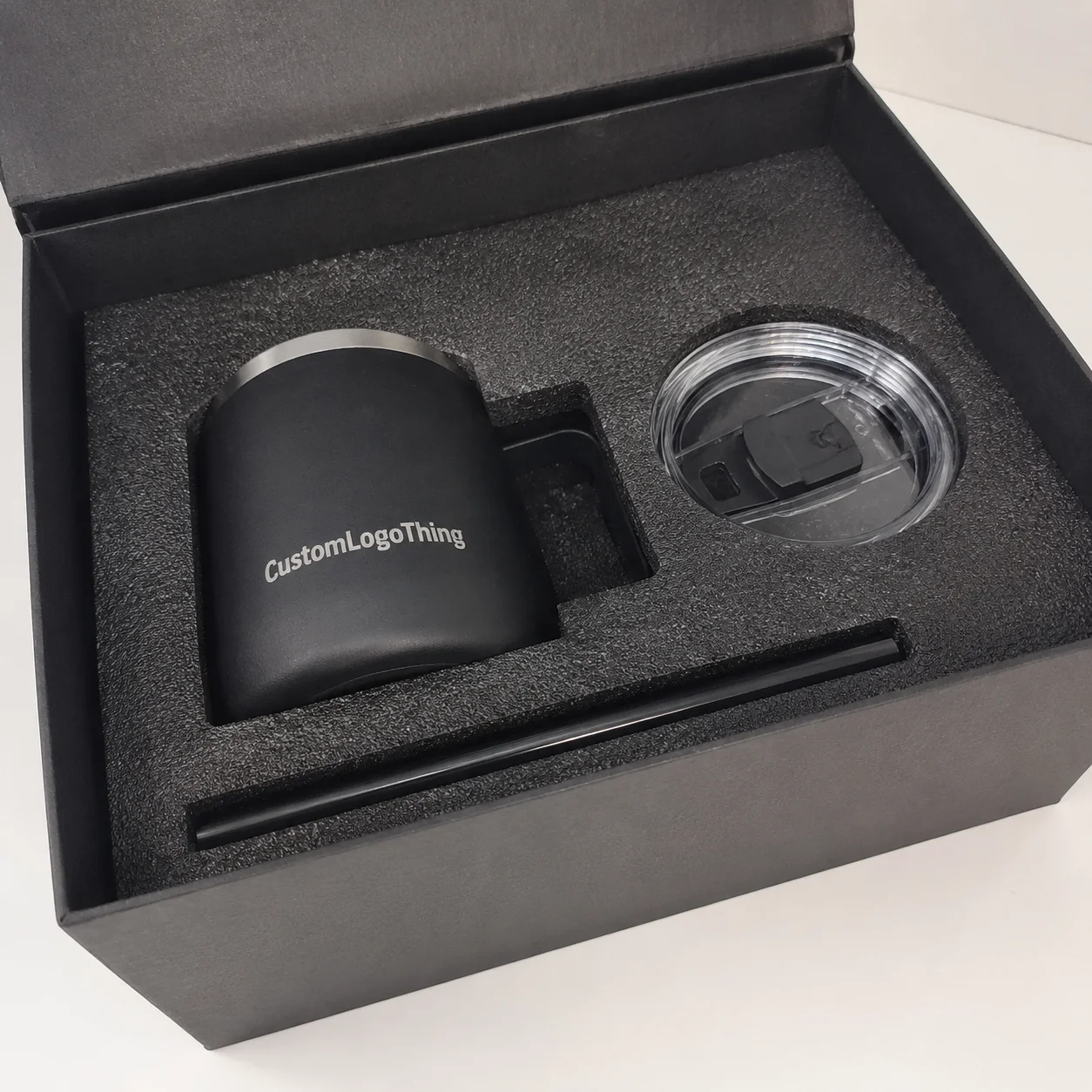
A custom foam insert holds products in a defined position so they do not collide with the box walls, accessories, or each other. That sounds simple until the kit has five parts, one glossy screen, two cables, a glass component, and a fulfillment team trying to pack 800 orders before the carrier pickup cut-off.
Loose fill, such as packing peanuts or crumpled kraft paper, fills empty space but does not create a repeatable fit. Die-cut foam uses tooling to cut repeated shapes and is often a practical choice for flat or moderately shaped products. CNC-cut foam works better for detailed cavities, stepped depths, and smaller runs where hard tooling may not make sense. Molded foam can suit high-volume shaped protection, though tooling costs are higher. Layered foam stacks multiple sheets to create depth, contrast, or complicated pockets without carving from one thick block.
The main jobs are practical: shock absorption, scratch prevention, product separation, presentation, kit organization, and faster packing. A well-designed insert gives each item one obvious place to go. No guessing, no rotating the product three times, no wondering whether the accessory should sit above the cable or under it. Seconds saved per shipment become real money once volume climbs.
Foam inserts are common for electronics, glassware, precision tools, medical devices, cosmetics sets, sales sample kits, instruments, collectibles, and premium retail bundles. They also help branded packaging feel intentional. The difference between “stuff in a box” and a controlled reveal is usually not magic. It is cavity design, material choice, and enough testing to catch the irritating details.
Practical rule: foam protects best when it supports the product, controls movement, and works with the outer box. It will not rescue a weak carton, bad sizing, or reckless carrier handling by itself.
How Foam Inserts Protect Products During Shipping
Foam protects products by doing three basic things: controlling movement, spreading impact force, and creating a buffer between the product and hard surfaces. No physics lecture required. If the item cannot gain speed inside the package, it has less energy to dump into one corner, edge, lens, cap, or fragile seam during a drop.
Fit matters more than most buyers expect. Too tight can create pressure points that mark painted surfaces, bend thin parts, loosen caps, or make removal feel like a wrestling match. Too loose lets the item move, and movement is how damage gets a running start. For many small retail or ecommerce products, a clearance range around 0.5 mm to 2 mm may be enough. Heavier, handmade, irregular, or flexible items often need more tolerance and a smarter support strategy.
Compression is the foam’s ability to squeeze under force and recover. Cushioning is the way that compression reduces the impact transferred to the product. Vibration control matters for shipments that spend hours in trucks, especially electronics, instruments, or assemblies with delicate internal parts. Abrasion resistance matters for glossy, painted, coated, or polished surfaces that can show scuffs after one rough ride.
Small design details carry a surprising amount of weight. Cavity depth should support enough of the product to stop tipping or rocking. Wall thickness between cavities needs enough material to resist tearing, especially with PE or EPE foam. Finger notches help packers and customers remove snug products without digging at the edges. Lid clearance deserves attention because a beautiful insert that crushes the product when the box closes is not beautiful. It is a liability with nice lighting.
Different shipping risks change the design. A single-item ecommerce parcel needs drop protection from multiple orientations. Retail packaging may need a clean presentation while still surviving warehouse handling. Sample kits need organized access because sales teams will open and close them repeatedly. Multi-part product sets need separation so parts do not scratch each other. Heavy industrial components may require firmer polyethylene foam, thicker walls, reinforced corrugated, or a tested board grade.
For formal transit testing, many brands reference procedures from ISTA, especially for parcel and distribution simulation. Not every small run needs lab testing. Still, the standard gives buyers a useful framework for thinking about drops, vibration, compression, and real handling rather than designing from hope.
Material, Density, and Finish Choices That Matter
Material choice affects protection, appearance, odor, cost, production method, and packing feel. Pick based on the product first, not the prettiest photo in a supplier gallery. Photos lie by omission. They do not show scuffs, packing speed, density, lid pressure, or whether the foam smells like a new tire shop.
| Foam Type | Best Use | Typical Feel | Buyer Notes |
|---|---|---|---|
| EVA foam | Premium presentation, retail kits, rigid boxes | Firm, clean, structured | Costs more, cuts sharply, and works well for branded packaging and display inserts |
| PE foam | Durable shipping protection, tools, heavier items | Firm and resilient | Good balance of strength and cushioning; common for protective packaging |
| PU foam | Lightweight, delicate, or irregular products | Soft and compressible | Useful for gentle contact, but often too soft for heavy parts without added structure |
| EPE foam | Lightweight ecommerce shipping | Springy and lightweight | Often cost-effective, though less premium-looking than EVA |
| Anti-static foam | Electronics, circuit boards, sensitive components | Varies by type | Used for ESD-sensitive products; confirm actual requirements before quoting |
Density is the buyer-friendly way to talk about how supportive the foam feels. Higher density usually looks cleaner, cuts sharper, and supports more weight. It can also raise unit cost and may be excessive for a 2-ounce cosmetic tube. Lower density can reduce weight and cost, but it may dent, tear, or feel cheap depending on the product and finish.
Surface finish also matters. Options may include smooth, textured, laminated, black, white, gray, custom color, and layered contrast effects. Black EVA often looks premium in retail packaging, but it shows dust. White foam looks clean until warehouse reality gets involved. Gray hides more sins. Custom color can be possible on some projects, but exact brand color matching in foam is not as predictable as ink on paperboard or printed boxes.
Product sensitivity should drive the final call. Sharp edges can cut soft foam. Painted surfaces can scuff if the cavity is too tight. Glass needs support without hard pressure points. Screens may need a liner or protective film. Oils, coatings, moisture exposure, and odor sensitivity should be discussed before sampling, not after the production run arrives.
If the product touches skin, food-adjacent tools, cosmetics, or medical components, ask about material suitability and any relevant testing documentation. Foam is not one universal material. Suppliers may use similar product names for different grades, densities, additives, or surface treatments, so assumptions can get expensive.
Flocking, fabric lining, or a paperboard tray with foam can improve presentation and reduce abrasion. Foam glued into a rigid box is common for premium kits, awards, electronics, and collector products. Every extra layer, glue step, and lining adds cost, lead time, and another quality-control checkpoint.
Process and Timeline From Sample to Production
The normal process starts with product dimensions and packaging goals. Then the supplier recommends material, creates a dieline or 3D layout, makes a prototype, collects feedback, revises the design, moves to production, checks quality, and ships. Simple on paper. Slightly less simple once three departments start commenting on the shade of black foam.
Buyers should provide exact product size, weight, photos from multiple angles, CAD files if available, order quantity, outer box dimensions, branding requirements, shipping method, and target budget. If the insert must fit existing Custom Packaging Products, send the internal box dimensions, not just the outside size printed on a spec sheet. Interior dimensions decide the fit.
Timeline varies by complexity. Simple die-cut foam samples often take about 5 to 10 business days after specs are confirmed. More complex CNC-cut, layered, laminated, or glued samples can take 10 to 20 business days, especially if the product has many cavities or tight tolerances. Small to mid-size production orders often take 2 to 4 weeks after sample approval. Larger runs, special materials, custom colors, or rigid-box assembly can take longer.
Timeline killers are predictable: missing dimensions, late artwork, changing the product after sampling, unclear tolerances, and approval by committee. The committee always adds a week. Sometimes three.
Sampling matters because an insert can look perfect on screen and still need adjustment once a real product is pressed into it. Maybe the bottle shoulder catches. Maybe the cable well is too shallow. Maybe the lid presses on the top edge. Better to find that on one prototype than after 5,000 units are packed, sealed, and sitting in cartons.
Quality control should be more specific than “looks good.” Check cavity length, width, depth, wall thickness, glue alignment, odor, dust, tearing, color consistency, and lid clearance. For assembled packaging, pull random units and pack actual products into them. A ruler catches some problems. A real pack-out catches more.
Sustainability claims need caution. Foam materials vary widely, and recycling options depend on local facilities and material type. If recycled content, recyclability, or responsible paperboard sourcing is part of the project, ask for documentation. For paper components, FSC information from FSC may be relevant. For broader packaging waste guidance, the EPA is a useful reference point.
Cost, Pricing, and MOQ Factors Buyers Should Expect
Foam insert pricing is usually driven by material type, thickness, density, number of cavities, cutting method, order quantity, assembly labor, packaging format, and freight volume. Freight is often ignored until the end, which is adorable because foam is bulky even when it is lightweight.
As a practical range, simple inserts at volume may land around $0.40 to $1.50 per unit, depending on size and material. Basic EPE or PE designs usually sit lower than dense EVA. More detailed EVA inserts, multi-layer builds, flocked finishes, or foam assembled into rigid boxes can run $2.00 to $8.00+ per unit. Very large inserts, many cavities, specialty materials, or low quantities can push higher.
Tooling and setup can also apply. Die-cut foam may need a cutting die, commonly anywhere from $80 to $400+ depending on size and complexity. CNC prototypes may carry programming or sample charges, often $75 to $300+. Layered inserts may look simple but include extra labor for cutting, aligning, laminating, and gluing.
MOQ is a tradeoff, not a moral failing. Low minimums may be possible, especially with CNC cutting, but unit cost climbs because setup time gets spread across fewer pieces. A 100-piece run might be useful for a pilot, trade show, or launch test. A 1,000 to 5,000-piece run usually gives a more realistic Unit Cost for Ecommerce or retail packaging.
Ways to control cost are usually boring and effective: reduce foam thickness where safe, simplify cavity shapes, standardize box sizes, avoid unnecessary layers, use one foam color, and order enough volume to make setup worthwhile. Also, do not request six display wells if three products actually need to ship. Packaging design should solve the problem, not audition for a museum.
Saving twenty cents on an insert and losing a $90 product in transit is not math. It is wishful thinking with a barcode.
Step-by-Step Specs to Prepare Before Requesting a Quote
A supplier can quote faster and more accurately if the first email includes real specs. Otherwise, the process becomes five follow-up emails just to learn the product weighs more than the box can handle. Nobody wins.
- Measure the product: provide exact length, width, height, weight, and any irregular features such as knobs, caps, handles, buttons, lenses, or raised logos.
- Describe the material: mention glass, metal, painted plastic, coated paper, rubber, polished surfaces, screens, or anything scratch-sensitive.
- Rate fragility honestly: a stainless tool, a ceramic jar, and a circuit board do not need the same protection.
- Send photos: include front, back, side, top, bottom, and a scale reference. CAD files help for complex products.
- Define the box: share interior dimensions, shipper type, retail box style, board grade if known, and whether the insert must be removable.
- List kit contents: note the number of items, accessory wells, cables, cards, manuals, bottles, jars, or replacement parts.
- Set performance expectations: state parcel carrier, pallet freight, drop-test goals, shipping distance, temperature exposure, moisture concerns, and anti-static requirements.
- Explain branding needs: include color preferences, logo embossing, instruction card space, reveal order, and whether products should be displayed or hidden.
If you already have Custom Printed Boxes, ask whether the insert should be designed around the existing box or whether the box should change around the insert. There is no universal right answer. A shallow box may force thinner foam than the product deserves. A deeper box may improve protection but increase freight, storage space, and retail shelf footprint.
For brands building a larger product packaging system, it helps to review insert design alongside labels, sleeves, mailers, cartons, and other Custom Packaging Products. The insert should not be treated as a lonely piece of foam floating in procurement purgatory.
Common Foam Insert Mistakes That Create Bad Fit
The first mistake is designing from product photos instead of measured dimensions. Photos are helpful. They are not engineering data. A slightly angled image can hide a tapered base, raised cap, curved edge, or handle depth that changes the whole cavity.
The second mistake is ignoring tolerances. Handmade products, molded parts, bottles, jars, and assembled components can vary by 1 mm to 3 mm or more. If the cavity is cut to the smallest sample, larger units may jam. If the cavity is cut to the largest sample without a support strategy, smaller units may move. Ask whether the product dimensions are fixed or variable before approving the insert.
Overly tight cavities create damage and slow packing. Warehouse staff should not need to press, twist, or pry products into place. Tight fit can mark finishes, bend components, loosen caps, or make customers feel like they need tools to open a premium kit. That is not premium. That is annoying in a nice box.
Oversized cavities are just as bad. Movement inside the insert defeats the reason for using foam at all. If the product can shift during normal handling, the cavity may need tighter walls, a deeper pocket, a lid pad, a secondary retainer, or a different orientation.
Forgetting finger notches is painfully common. Snug products need a removal path. Delicate items need a clean lift point. Retail kits should open without customers gouging foam with their nails. Add pull tabs, thumb notches, ribbon lifts, or stepped cavities where needed.
Mismatched outer packaging can ruin a good insert. If the shipping box is too large, the insert may move inside the carton. If the carton is too weak, the foam may protect the product while the box collapses around it. If empty space surrounds the insert, add corrugated pads, resize the box, or redesign the internal structure.
Over-design is the expensive cousin of bad design. Too many layers, dramatic cutouts, fancy linings, and unnecessary contrast effects can increase cost without improving protection or presentation. If the feature does not protect the product, improve packing speed, or support the brand experience, question it.
Next Steps for Choosing the Right Foam Insert Design
Start with the product, not the insert. Measure it, weigh it, list the fragile points, and identify which surfaces cannot be scratched. Then list the shipping risks: parcel drops, pallet stacking, long-distance freight, repeated sample-kit use, retail handling, or storage in hot and humid conditions.
Decide whether the main goal is protection, presentation, or a balanced mix. Ecommerce shipping usually prioritizes damage reduction and packing consistency. Retail packaging may prioritize display, color, and customer reveal. Sales kits need durability because they get opened repeatedly by humans who are often in a hurry. Humans are the ultimate packaging test.
Do not try to design one insert for ecommerce shipping, trade shows, retail display, and influencer gifting all at once unless the use cases are genuinely similar. Multi-purpose packaging often becomes too expensive for shipping and not polished enough for presentation. Pick one primary target use case, then decide which secondary needs are worth supporting.
Order a physical prototype before full production, especially for fragile, heavy, glossy, electronic, or high-value products. Test the sample with real packing staff, not just the founder or design team. The warehouse will find every annoying fit issue in about six minutes: the cable that will not sit flat, the bottle that rotates, the accessory well that needs a notch, the lid that presses too hard.
Check the sample in a normal workflow. Close the lid. Shake the packed box gently. Open it again. Remove and replace each item. Confirm lid clearance, accessory placement, branding visibility, and product removal. If shipping protection is critical, run an internal drop test or use a lab test based on ISTA-style procedures. For high-value products, that cost is usually easier to justify than a wave of returns.
If the custom foam insert needs to protect the product, improve the unboxing, and keep fulfillment sane, gather dimensions, photos, quantity, budget range, and shipping requirements before asking for a quote. Then match the foam, box style, and production method to the real job. Not the prettiest render. The real job.
FAQ
What is the best foam for a custom product insert?
EVA foam is often best for premium presentation and firm structure. PE foam works well for durable shipping protection. PU foam is softer for lightweight or delicate products, and anti-static foam is used for electronics. The right choice depends on product weight, fragility, surface sensitivity, budget, and whether the insert is mainly for shipping protection or retail display.
How much does a custom foam packaging insert cost?
Cost depends on material, thickness, density, cavity complexity, cutting method, quantity, assembly, and freight volume. Simple inserts may cost less than $1.50 per unit at higher quantities, while dense EVA, multi-layer builds, tight tolerances, or rigid-box assembly can push the price into the $2.00 to $8.00+ range.
What information is needed to quote a custom foam insert?
Provide product dimensions, weight, photos, quantity, outer box size, number of items per kit, shipping method, material preferences, branding needs, and any fragile or scratch-sensitive areas. CAD files are helpful for complex products, but clear measurements and photos are usually enough to start a practical quote.
How long does it take to make custom foam inserts?
Simple samples often take about 5 to 10 business days, while complex CNC-cut, layered, or assembled inserts may take 10 to 20 business days. Production commonly takes 2 to 4 weeks after sample approval, depending on order size, material availability, complexity, and shipping method.
Can a custom foam insert fit inside an existing box?
Yes, but the box interior dimensions, lid clearance, product height, and insert thickness must all work together. If the existing box is too shallow, too weak, or surrounded by empty space, the insert may need adjustment or the box may need to change.