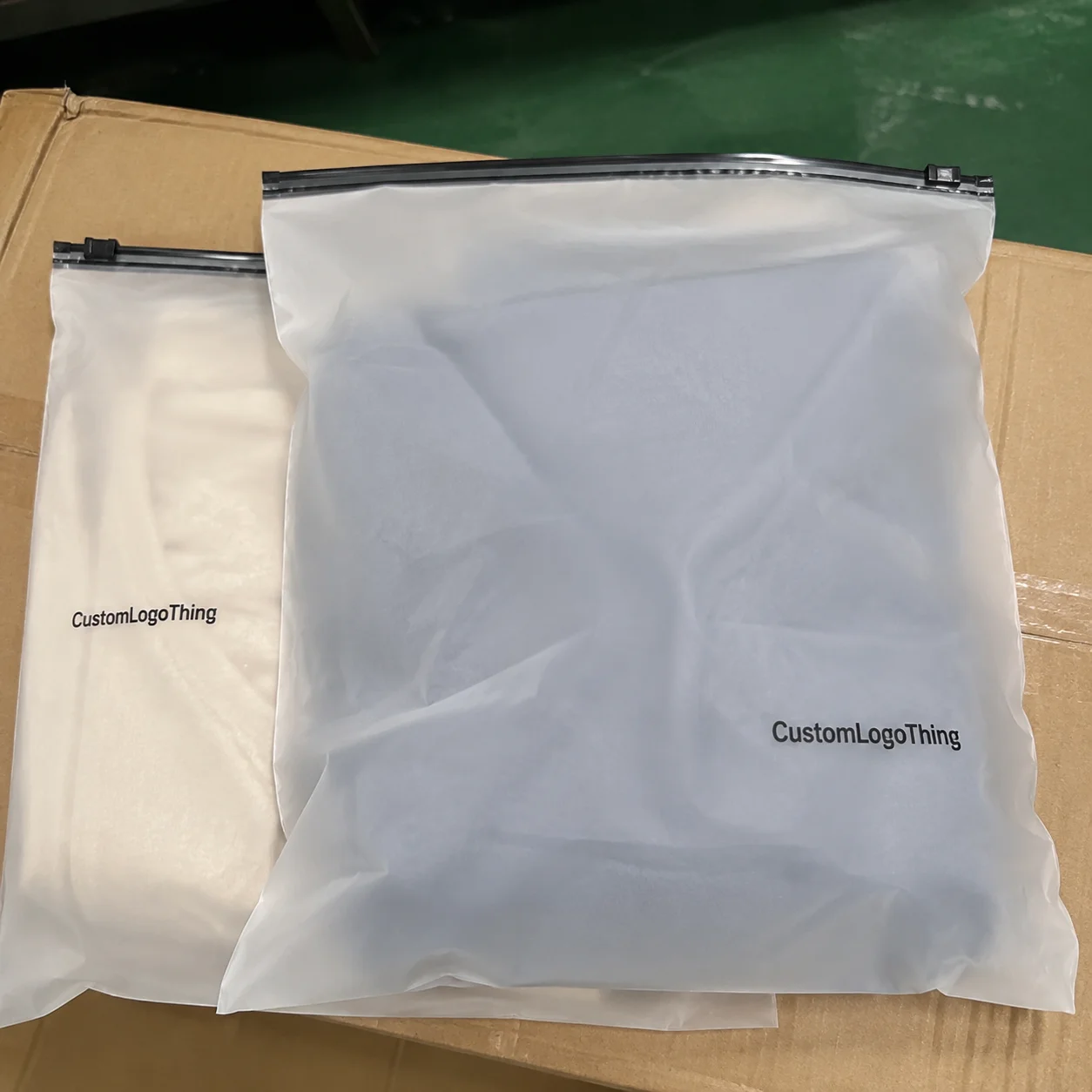
Most apparel teams treat a garment bag as a minor line item until a shipment arrives scuffed, creased, or looking less finished than the product deserved. That is usually the point where Custom Plastic Garment Bags unit Cost for Ecommerce stops feeling abstract. A few cents of film can protect the garment, preserve presentation, and reduce avoidable repacking, which is a better use of money than trying to recover from damage after the order is already in transit.
In ecommerce, the product gets handled more times than people outside the warehouse usually picture. It is folded, sleeved, scanned, picked, moved across racks, packed, stacked, trucked, and opened again on the other end. If the item is premium basics, formalwear, uniforms, or resale-ready apparel, the bag is doing quiet work long before the customer sees the carton. That work is basic protection, but it also affects brand perception in a very direct way.
A bag that holds its shape, resists splitting, and stays clear enough to identify the garment is not cosmetic fluff. It keeps dust off, limits friction at fold lines, and helps the order arrive in a condition that feels deliberate instead of improvised. That is where packaging earns its place.
A low unit price is not a good price if the film tears at the seam, clings to the fabric, or makes the collar look crushed by the time it reaches the customer.
For teams already buying Custom Packaging Products, garment bags usually sit in the same decision set as mailers, inserts, labels, and outer cartons. Good packaging works as a system. A strong outer box does not fix a weak inner pack-out, and a branded bag cannot compensate for a spec that does not fit the garment.
Why garment bags save more than they cost in ecommerce
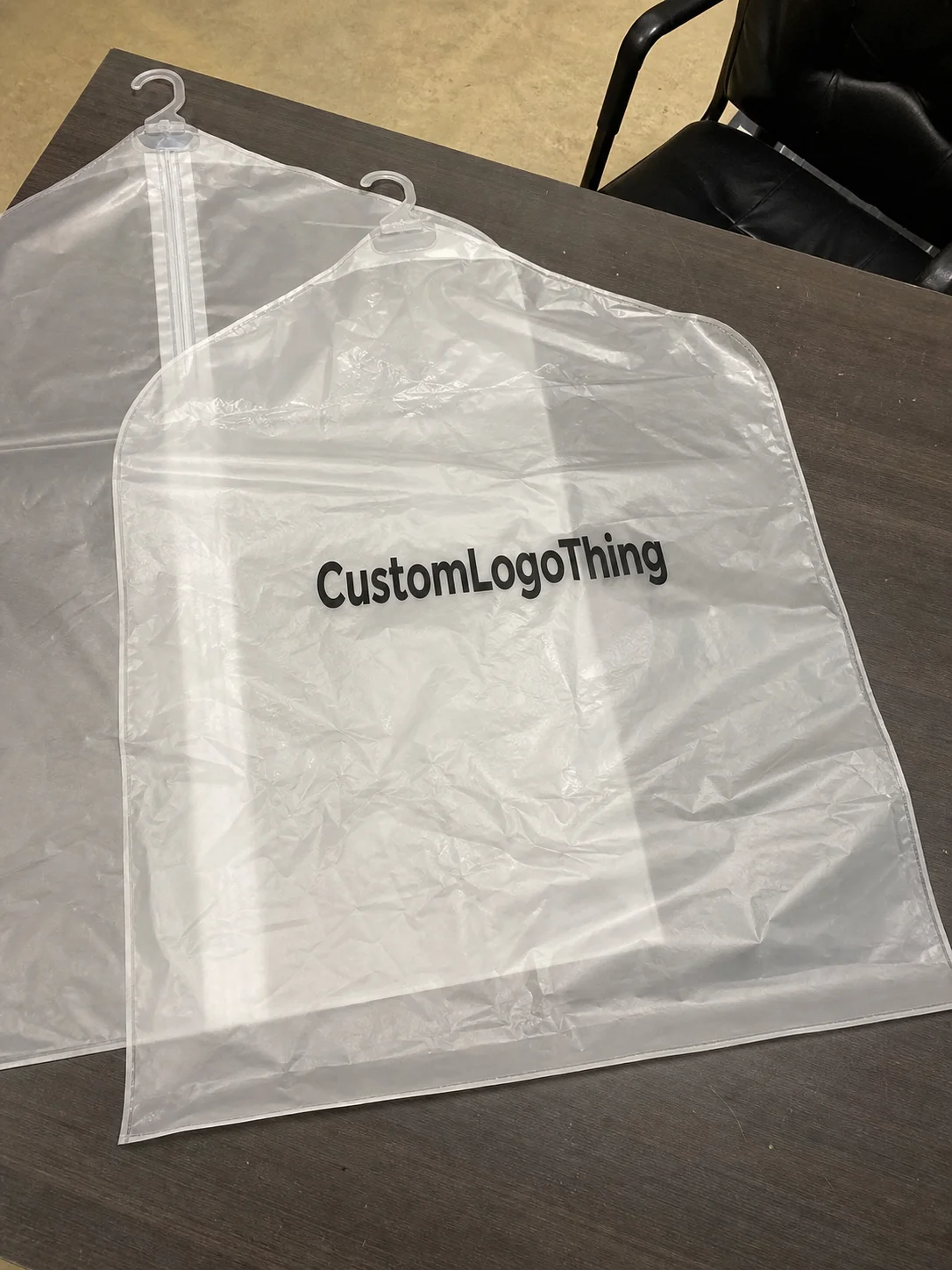
A garment bag earns its place because it handles the boring part of fulfillment well. It protects the item from dust, surface abrasion, and the small but common damage that happens when apparel moves through a warehouse built for speed, not display. One bad drag across a carton edge or rack rail can leave a crease line that looks like a product defect even when the garment itself is fine.
The strongest use cases are easy to identify. Premium tees that must arrive folded a certain way. Shirts and jackets that need crease control. Uniform programs that require consistency across every unit. Subscription apparel where the unboxing experience affects how the customer rates the brand. In those categories, the bag does more than protect the item. It keeps goods saleable, reduces rework, and prevents small handling issues from becoming customer service problems.
There is also a warehouse-side benefit. Bagged apparel stacks more predictably, sorts faster, and tends to stay cleaner during handling. That matters when labor is stretched and pack stations are moving quickly. A clear, properly sized sleeve is easier to work with than a loose, overly large bag that catches on everything or a tight one that fights the garment.
I see a lot of brands spend heavily on custom printed cartons and then drop unprotected apparel into them. That is backwards. If the product is the thing the customer actually wears, start with the layer that protects the product. Then build outward from there. That approach is usually cheaper and it tends to produce better results at the pack line.
The same logic applies to returns and reverse logistics. A bag that can be resealed or at least reopened cleanly makes the item easier to inspect, refold, and restock. That matters in resale, subscription, and premium retail channels where the garment still needs to look presentable after one trip through fulfillment.
Film choice, thickness, and closure details that affect performance
Material choice drives both cost and behavior. LDPE is soft, flexible, and forgiving, which makes it common for apparel packs that need a little give. PP is crisper and usually clearer, so it feels more polished when presentation matters. Co-extruded film sits between those two in many cases, giving buyers a balance of clarity, stiffness, and tear resistance.
Thickness matters more than many buyers expect. Thin film can work for light basics if the fold is controlled and the bag is not getting crushed in transit. Heavier gauge film is more forgiving when the warehouse handling is rough, the garment is bulkier, or the order needs to stay presentable through multiple touches. For ecommerce apparel, common ranges often sit around 25 to 60 microns, though the right spec depends on weight, garment structure, and how much abuse the pack has to absorb.
Closure style should match the workflow, not a default template from a supplier catalog:
- Resealable flap works well for return-friendly apparel and programs that expect the bag to be opened again.
- Adhesive strip is efficient for pack-out and gives a clean seal in one step.
- Hanger opening suits hanging presentation, jackets, and formalwear.
- Gusset adds room for thicker garments or bundled sets.
- Vent holes help release trapped air and keep the bag from ballooning or shifting during folding.
Anti-static additives are useful when fabrics cling or the packing environment is dry. Recycled content can be a good choice, but it should be evaluated honestly. It may affect clarity, stiffness, and consistency from run to run. If the packaging needs to look pristine and the recycled blend compromises that, the tradeoff may not be worth it. Sustainability claims are useful only when the packaging still performs.
Buyers comparing garment bags with custom printed boxes or other forms of packaging design should think in terms of function first. Which component protects the product? Which one keeps the line moving? Which one preserves the visual standard the brand wants? Those answers matter more than whether a bag or box looks better in isolation.
For transit-heavy programs, a supplier should be able to talk sensibly about handling and test conditions. The ISTA framework is a better reference point than vague promises because it focuses on shipping reality rather than polished sales language. For recycling and waste questions, the EPA recycling guidance is a useful baseline, though the final answer still depends on the film type and the local recovery stream.
Size, fold pattern, and print specs buyers usually miss
Bag size should be based on the garment, hanger style, folded depth, and packing method. A common mistake is to size from flat apparel measurements alone. That usually creates bags that are too roomy, which wastes film and makes the package look sloppy, or too tight, which bends hems, stretches seams, and slows the pack line.
Fold pattern matters just as much as length and width. A jacket folded to a fixed display width needs different support than a shirt packed for speed. Dresses usually need more length and cleaner top access. If the brand wants a standard fold across multiple sizes, that fold chart needs to be locked before production starts. Otherwise the bag spec ends up chasing the garment instead of supporting it.
Print specs are another place where buyers lose money quietly. One-color logo print is usually the best place to start because it keeps setup simpler and unit cost lower. Multi-color printing can work well, but it adds complexity, extends proofing, and can slow down production. If a window is needed, it should stay clear of the logo and should not interfere with barcode scanning or size visibility.
Practical print and labeling details include:
- Size sticker placement that is visible during picking
- Barcode visibility without opening the bag
- Simple warning copy if the film could be mistaken for food-safe or child-accessible packaging
- Stacking notes for warehouse bins and cartons
The most common sizing errors are easy to spot. Too much width creates a sagging bag that looks cheap. Too little length bends the hem. The wrong hanger cut tears during pack-out. Guessing at fold depth is the one that hurts most because it looks small on paper and expensive in production. A few millimeters matter when the garment is being packed thousands of times.
Custom plastic garment bags unit cost for ecommerce pricing, MOQ, and quote drivers
Custom Plastic Garment Bags unit cost for ecommerce depends on a handful of variables buyers can actually control: film type, bag dimensions, thickness, print colors, closure style, and order volume. A plain clear bag at a stable volume will cost less than a printed bag with a gusset, adhesive flap, and recycled content request. That is not a special case. That is how flexible packaging pricing works.
For a practical reference point, simple clear LDPE garment bags at around 5,000 pieces may land near $0.08 to $0.18 per unit ex-works, depending on size and gauge. Add print, heavier film, venting, or a more complex closure and the range often moves to roughly $0.18 to $0.45 per unit. Smaller runs can cost more than that, sometimes much more, because setup, proofing, and waste are spread across fewer pieces. If a quote looks unusually low, check what is missing before assuming the supplier found a miracle price.
| Option | Typical unit cost range | Best fit | Main tradeoff |
|---|---|---|---|
| Plain clear LDPE | $0.08-$0.18 | Basics, repeat volume orders | Lower brand presence |
| Printed PP or co-ex film | $0.18-$0.32 | Premium apparel, clearer presentation | Higher setup and press cost |
| Heavier gauge with closure upgrades | $0.25-$0.45 | Coats, uniforms, higher-return channels | More material and freight weight |
| Small MOQ pilot run | $0.35-$0.80+ | Testing a new spec | Setup cost dominates |
MOQ changes the economics quickly. Lower MOQ usually means a higher per-piece price because setup, plates, and proofing are spread across fewer units. Higher volume lowers unit cost only if the spec stays stable. If the buyer keeps changing the dimensions or print after quoting starts, the savings disappear. The cleanest comparison is landed cost, not a bare factory price.
Watch the quote for these drivers:
- Plate or cylinder charges for printed runs
- Proofing fees when artwork needs prepress work
- Freight from the factory to the warehouse
- Import duties if the supply chain crosses borders
- Split shipments to multiple fulfillment centers
Quote comparison only works if the specs are truly aligned. Same film type. Same thickness. Same dimensions. Same print colors. Same closure. Same carton pack count. If one price is much lower, the usual explanation is that material was reduced, the film was downgraded, or a processing step was removed and will reappear later as a problem. That is not savings. That is delayed cost.
For brands trying to manage unit cost without compromising presentation, the right question is not whether the bag is the cheapest possible item. The right question is whether the bag is the cheapest way to keep the garment clean, visible, and usable after transit.
Process, proofing, and production steps from file to freight
The process should be simple enough to run without constant clarification. Start with the brief: garment type, dimensions, quantity, print needs, closure style, destination, and target date. Then move into the bag spec or dieline. After that comes artwork, proofing, sample approval if needed, production, QC, packing, and freight booking. The order matters because every skipped step shows up later as delay or rework.
The usual slowdowns are easy to predict. Vague dimensions. Artwork built for a different format. A logo file pulled from a website instead of supplied as vector art. A buyer asking for a sample after the press schedule is already set. None of that is unusual. It just means the order was not fully defined before sourcing started.
Digital proofing is enough for many plain or single-color orders. Physical sampling matters when the fit, closure, film clarity, or print registration affects how the garment reaches the customer. That is especially true for premium retail packaging, launch programs, and products that need a very specific presentation standard. A sample is cheaper than a full run of the wrong bag.
Quality control should be practical and specific. Check gauge tolerance, seam strength, adhesive alignment, vent placement, print registration, fold consistency, and carton pack count. If the bag is transparent, confirm haze and clarity under warehouse lighting, not just under a bright sample lamp. If the seal is adhesive, test whether it holds after repeated handling or cold storage. The details sound small until they cause a rejection on arrival.
When the bag is part of the broader package branding, the supplier should be able to keep the spec consistent with the rest of the system. The bag should not fight the carton, label, or insert. It should support the same presentation logic so the pack-out feels intentional from the first touch to the final unboxing.
- Confirm the garment type and folded dimensions.
- Lock the film, gauge, and closure.
- Approve artwork and print placement.
- Review proof and sample if the program needs it.
- Release production only after the spec is final.
Custom Packaging Products work best when the supplier understands that clean input saves money. Vague language creates revisions. Revisions create delay. Delay creates higher freight or missed replenishment windows.
Lead time planning for ecommerce replenishment and peak demand
Lead time depends on the actual spec, not the category name. A plain run with a stable design can move faster than a printed order with artwork revisions. As a practical range, custom garment bag production often takes about 10 to 20 business days after approval, then freight adds whatever the route requires. More complex print, larger MOQs, or unusual film requirements can extend that timeline. If a supplier promises a fast custom run without asking detailed questions, something in that answer is incomplete.
The bigger planning issue is inventory. Ecommerce demand does not rise in a tidy line. Seasonal drops, holiday surges, and campaign spikes can burn through packaging inventory faster than expected. If the garment bag supports a hero SKU or a subscription program, buffer stock is not a luxury. It keeps the pack line from improvising with the wrong size or no bag at all, which is exactly how packaging value gets lost.
Air freight makes sense when the item is high margin, the launch date is fixed, and the cost of missing the window exceeds the freight bill. It is wasteful for routine replenishment where patience would have been cheaper. Split shipments can help if one fulfillment center needs stock now and another can wait, but the supply plan should be based on consumption, not optimism.
Reorder points should be set from real burn rate. If the bag SKU is moving steadily, reorder early enough to absorb production and transit. That is ordinary inventory control, but it prevents the emergency buying that pushes unit cost up at the worst possible time.
If garment bags are being coordinated with custom printed boxes or other mailer formats, share the replenishment calendar across all packaging components. One late item can hold up the entire pack-out system. Packaging only feels simple when the whole set is in stock.
What to send for a fast quote and clean next steps
If the goal is a real quote rather than a placeholder, send the garment type, target dimensions, film thickness, quantity, print art, closure style, destination, and due date. That is the minimum useful set. If there is a current spec sheet, include it. If not, a sample photo with measurements and folding instructions is enough to narrow the estimate. Better input means fewer revisions and a quote that reflects the actual order.
Ask for three things before approving production: a sample, a spec sheet, and a landed-cost estimate. Those three documents reveal whether the supplier understands the job or is just pricing a generic bag. For transactional buying, the first comparison should be simple: unit cost, lead time, and spec match. The rest comes after those three are aligned.
The short version is straightforward. If the product is premium, the bag should protect it and keep the presentation tight. If the program is high-volume basics, the bag should stay cheap, consistent, and easy to pack. If the garment needs more visual polish, the film, closure, and print should be chosen as one system instead of separate guesses. That is how Custom Plastic Garment Bags unit cost for ecommerce stays under control without weakening the result.
Lock the spec early, compare landed cost instead of headline price, and keep the bag aligned with the rest of the packaging system. That is the cleanest way to avoid surprises later.
What is the typical custom plastic garment bags unit cost for ecommerce?
Custom Plastic Garment Bags unit cost for ecommerce changes with size, film thickness, print colors, closure type, and MOQ, so there is no honest flat rate. Simple clear bags cost less than printed or heavier-gauge bags with more features. Ask for a landed-cost quote so freight and duty are included instead of appearing later.
How does MOQ change garment bag pricing for ecommerce orders?
Lower MOQ usually raises the per-piece price because setup costs are spread across fewer units. Larger runs reduce unit cost only when the spec stays stable. If the order keeps changing, the savings disappear in proofing, waste, and rework.
Which thickness is best for ecommerce apparel bags?
Light basics can work with thinner film if the fold is controlled and the warehouse handling is gentle. Premium items usually need heavier film and a better closure to reduce wrinkles, tears, and cosmetic damage. Choose the gauge based on handling risk, not just price.
How long does production usually take after approval?
Standard production often lands around 10 to 20 business days after artwork and sample approval, then freight adds more time. Complex print or larger volumes can extend that window. Rush orders only make sense if the spec is simple and approval moves quickly.
Can I get a sample before ordering custom garment bags for ecommerce?
Yes. A digital proof is the first step, and a physical sample is worth it when fit, closure behavior, or print quality matters. Sampling catches sizing errors and bad assumptions before a full run is committed.