Buyer Fit Snapshot
| Best fit | Custom Foil Stamping Boxes projects where brand print, material claims, artwork control, MOQ, and repeat-order consistency need to be specified before quoting. |
|---|---|
| Quote inputs | Share finished size, material target, print colors, finish, packing count, annual reorder estimate, ship-to region, and any compliance wording. |
| Proofing check | Approve dieline scale, logo placement, barcode or warning zones, color tolerance, closure strength, and carton packing before bulk production. |
| Main risk | Vague material claims, crowded artwork, missing packing details, or unclear freight terms can make a low unit price expensive after revisions. |
Fast answer: Custom Foil Stamping Boxes: Board, Finish, Dieline, and Unit Cost should be specified like a repeatable production item. The safest quote records material, print method, finish, artwork proof, packing count, and reorder notes in one written spec.
Production checks before approval
Compare the actual filled-product size with the drawing, then confirm tolerance on folds, seals, hang holes, label areas, and retail display edges. Reserve space for logos, QR codes, warning copy, and material claims before decorative graphics fill the panel.
Quote comparison points
Review material grade, print process, finish, sampling route, tooling charges, carton quantity, and freight assumptions side by side. A quote is only useful when the supplier can repeat the same color, closure quality, and packing count on the next order.
A plain mailer does its job and disappears into the background. Custom Foil Stamping boxes do something different. The reflective finish catches light before the box is even opened, draws the eye to the logo, and gives the package a sense of intent that is hard to miss on a desk, a shelf, or a doorstep.
That is why custom foil stamping boxes sit right where packaging design, brand perception, and fulfillment reality meet. The finish can shape shelf presence, gifting appeal, and the first unboxing moment a customer remembers. In a lot of categories, that first physical impression carries more weight than the copy printed on the carton, even if the copy is strong.
The process has a practical side that gets glossed over too often. Foil is not metallic ink. It is not embossing. It is not debossing. Each method creates a different result, and each behaves differently on coated paperboard, rigid board, or folding cartons. If you are comparing custom foil stamping boxes with other forms of custom printed boxes, those differences matter in the pressroom, in the warehouse, and in the customer’s hands.
There is a tradeoff built into the choice. You gain a premium visual signal, but the job also asks for more setup, tighter artwork control, and better production planning. That is easy enough to manage when the project is mapped out early. It turns into a headache when the box is approved in a rush and the finish is expected to fix problems later. I have seen that happen more than once, and it is never pretty.
For brands that need presentation without a major structural overhaul, custom foil stamping boxes can be a sensible middle ground. They can lift product packaging without changing the whole carton architecture, and they work especially well when a logo, product name, or one clean graphic element needs to stand out with precision.
Custom Foil Stamping Boxes: Why the Finish Changes the Sale
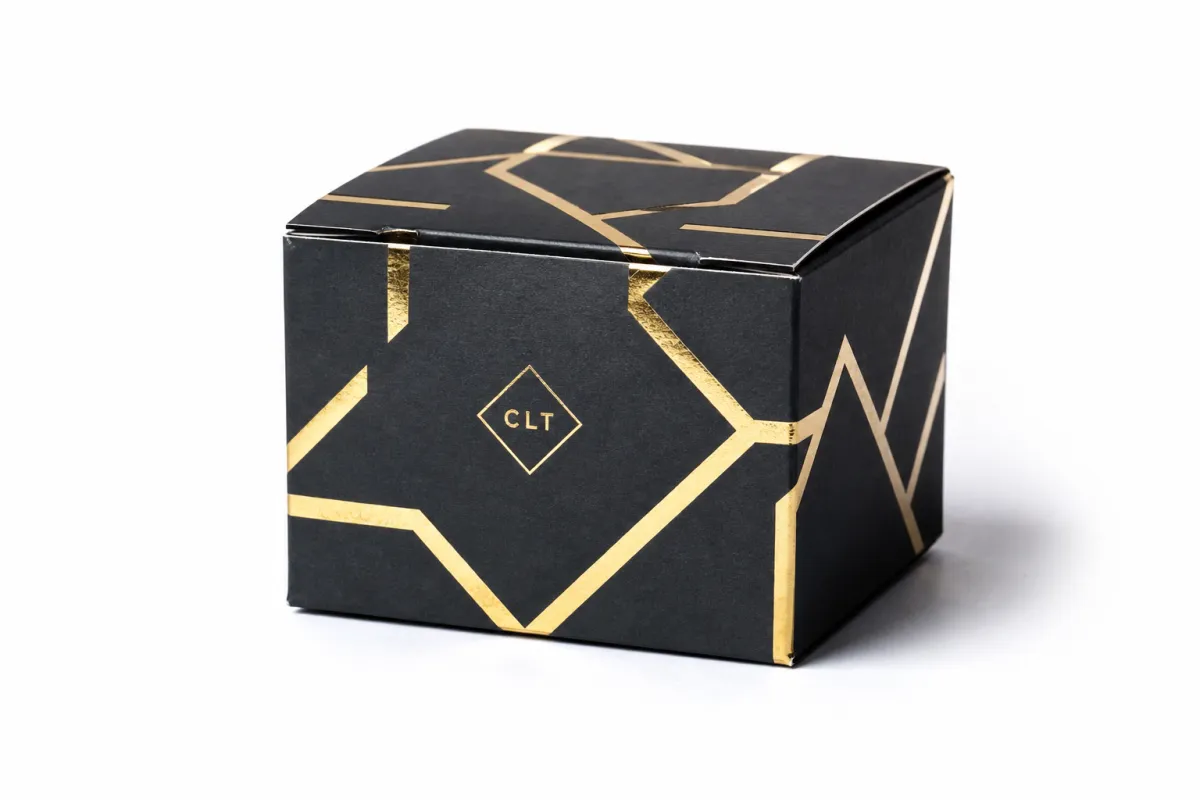
The premium feel of custom foil stamping boxes comes from optics, texture, and contrast working together. Foil reflects light in a way printed ink cannot, so even a small stamped area can make the whole package look more finished. A simple black carton with a gold logo can feel more deliberate than a full-color printed box with no special finish because the eye goes straight to the focal point.
That matters on shelves and in direct-to-consumer shipping alike. A carton sitting among competitors has to win attention in a crowded field. A mailer landing on a doorstep or conference table has to feel thoughtful before the customer lifts the lid. Custom foil stamping boxes handle both settings well because the finish suggests restraint and detail at the same time.
The techniques are easy to confuse, so a clean distinction helps. Foil stamping transfers a metallic or pigmented layer under heat and pressure. Embossing raises the paper surface. Debossing presses it inward. Metallic inks can suggest shine, but they do not create the same reflectivity or tactile presence. On custom foil stamping boxes, foil usually carries the visual message, while embossing adds depth when a more tactile and upscale result is desired.
That is one reason custom foil stamping boxes show up so often in cosmetics, fragrance, jewelry, supplements, gift sets, and premium accessories. The box becomes part of the purchase, not just the thing that protects it. From the buyer’s point of view, that framing can shape perceived value as strongly as the printed message itself.
A foil-stamped box only feels premium when it still looks sharp after printing, conversion, transit, storage, and opening. The finish has to survive the full route, not just the mockup table.
Buyers sometimes miss the branding value built into custom foil stamping boxes. A strong foil logo on the lid or front panel creates a visual anchor, and that anchor helps the package become familiar over time. In repeat-purchase categories, that visual memory can matter as much as the structural design.
So the finish is not decoration for its own sake. It functions as branding. The right custom foil stamping boxes can make a product feel more deliberate, more giftable, and more worth keeping, which is a practical result for packaging that will be handled, stacked, photographed, and sometimes saved for reuse.
How the Process and Timeline Work for Custom Foil Stamping Boxes
The production path for custom foil stamping boxes usually begins with the structure, not the shine. A dieline has to be confirmed first because the stamping area must match the folds, glue flaps, and panel dimensions exactly. If the measurements drift, even by a small amount, the foil can land too close to a seam or wrap into a place where it should never have appeared.
Artwork preparation comes next. Foil elements should be supplied as vectors, separated clearly from the print layer, so the converter knows exactly what gets stamped and what gets printed. That matters because custom foil stamping boxes often combine several processes at once: print, foil, die cutting, folding, and sometimes embossing or a specialty coating.
Foil stamping is not like digital printing. It usually requires dedicated tooling. A plate or die is made for the foil area, and the machine uses heat and pressure to transfer the layer onto the substrate. That extra tooling step is one reason custom foil stamping boxes need closer coordination between design and production than a standard one-color mailer.
Lead time depends on the structure and the number of approvals required. For a straightforward custom foil stamping boxes project, a realistic window may land around 12-18 business days after final proof approval. Rigid cartons, mixed finishes, or several rounds of revisions can stretch that timeline. Freight adds another layer, so a little margin is healthier than planning to the edge of the calendar.
The sequence usually makes the most sense in this order:
- Finalize dimensions and box style.
- Confirm which artwork elements will be foil stamped.
- Review the dieline and registration points.
- Approve a proof or sample.
- Release tooling and production.
- Check final packing and shipping details.
Physical sampling is especially useful for custom foil stamping boxes because foil can look different under different lights. A finish that feels rich in a studio may look quieter in a warehouse, while a bright silver can read almost mirror-like under showroom lighting. That behavior is normal, not a defect, and a sample keeps surprises under control.
Planning early matters even more when the boxes need to land before a launch, a seasonal shipment, or a fulfillment changeover. If the packaging arrives late, every downstream step gets compressed. Receiving gets rushed. Assembly gets rushed. Rework gets rushed too. With custom foil stamping boxes, the strongest schedule is the one that leaves room for review instead of pretending review is optional.
For buyers comparing structural options, it helps to review the broader range of Custom Packaging Products before locking the format. Sometimes the right answer is a mailer. Sometimes it is a rigid set-up box. Sometimes a sleeve over a printed tray makes more sense. The finish should fit the structure, not fight it.
Key Factors That Shape the Look and Performance
Custom foil stamping boxes do not all behave the same way. The box construction sets the tone first. A folding carton gives you speed and efficient shipping. A rigid box brings more presence and a heavier feel. A mailer works well for ecommerce. A sleeve adds a premium layer without changing the entire structure. Each choice changes how the foil sits on the surface and how the package survives transit.
The substrate matters just as much. Smooth coated stocks usually deliver the sharpest foil detail. Uncoated papers can still work, though the finish may read a little softer. Textured papers can look beautiful, but they do not always support tiny lettering with the same clarity. Board density matters too, because a weak or overly soft board can compromise the clarity of custom foil stamping boxes after press and die-cutting work.
Foil color is another strategic decision. Gold still signals luxury the fastest, while silver often reads more modern or technical. Black foil can feel understated and dramatic. Rose gold carries a softer, gift-oriented tone. Holographic foil gives a more expressive look, though it is not the best fit for every brand category. Custom tones can be possible, but they should support the product instead of pulling attention away from it.
The artwork itself needs discipline. Thin lines, tiny text, and crowded shapes are where projects get into trouble. Foil looks crisp when the design is clear, but very fine detail can fill in or break apart, especially on textured material or in dense layouts. Strong typography and simple icons usually stamp better than delicate illustrations. Packaging engineers and print buyers learn that lesson quickly, often after one too many revisions.
Finish interaction can make custom foil stamping boxes feel elegant or overloaded. Spot UV can make foil pop against a matte base. Soft-touch lamination gives the box a velvety surface that feels expensive in hand. Matte coatings reduce glare. Gloss coatings sharpen color saturation. Embossing can add depth around the foil mark, though stacking too many effects can make the design feel busy rather than refined.
Shipping and handling should be in the discussion from the start. If the box will be packed tightly, stacked in cartons, or handled by automated fulfillment equipment, you need enough scuff resistance and surface durability for real distribution. Leave room for barcodes, labels, and required copy so the branding treatment does not interfere with the logistics treatment. That matters most in product packaging that moves through more than one warehouse.
Brand context changes the design choice too. A luxury fragrance box may use a small foil crest and a lot of white space. A specialty food box might use foil as a badge on the front and keep the rest of the graphics practical. A tech accessory box may choose silver foil to support a more engineered feel. Custom foil stamping boxes work best when the finish fits the buying situation instead of simply filling empty space.
A good reference point is simple: the most durable custom foil stamping boxes usually combine a strong substrate, a restrained foil area, and a finish stack the converter can reproduce consistently. That does not mean plain. It means deliberate.
| Box Style | Typical Feel | Foil Behavior | Best Use Case |
|---|---|---|---|
| Folding carton | Light, efficient, cost-conscious | Sharp on smooth coated board | Retail packaging, mid-volume shipments |
| Rigid box | Heavy, premium, gift-ready | Very strong visual impact | Luxury sets, high-value product packaging |
| Mailer box | Practical, ecommerce-friendly | Good for logo accents and front-panel branding | Direct-to-consumer shipping |
| Sleeve + tray | Layered and presentation-focused | Works well for restrained branding | Gift sets, subscription kits |
Custom Foil Stamping Boxes Cost: What Drives Pricing
Pricing for custom foil stamping boxes usually comes down to a few predictable variables. Structure is the first one. A simple folding carton generally costs less than a rigid setup because it uses less material and less manual assembly. Foil coverage is next. A small logo stamp costs less than foil across several panels, and a single color usually costs less than multiple foil passes.
Tooling is the third cost driver. Custom dies, plates, and setup steps are part of the job, and those costs are spread across the run. That is why smaller orders often carry a higher per-unit price. If you are ordering 500 custom foil stamping boxes, the setup cost has to be absorbed by fewer units than it would across 5,000. The math is simple, even when the quote sheet looks complicated.
Minimum order quantities can vary widely. Some converters will quote lower minimums on standard structures with limited foil coverage. Others need higher quantities if the box is fully custom or the stamping area is large. The real question is not only the MOQ itself, but whether that quantity aligns with sell-through, storage capacity, and replenishment needs.
Hidden costs can show up in predictable places. Very detailed logos may need extra proofing or a wider tolerance window. Specialty materials can require more careful press handling. Multiple revisions add time. A design that wraps foil across corners or folds can complicate registration. Even shipping cartons can change the total if the boxes need to be palletized a certain way. None of those are deal-breakers, but they belong in the quote review.
Here is a practical way to compare options for custom foil stamping boxes:
| Option | Approximate Unit Impact | What You Gain | What You Give Up |
|---|---|---|---|
| Logo-only foil | Lower | Clean premium signal, simpler setup | Less surface drama |
| Multi-panel foil | Moderate to higher | Stronger shelf presence | More tooling and registration risk |
| Foil + embossing | Higher | More tactile luxury | Added setup and tighter material requirements |
| Foil + soft-touch | Moderate | Soft hand feel with contrast | Need to protect against scuffing in some supply chains |
Quote review should go beyond the line item total. Check whether tooling is included, whether proofs are included, whether assembly is included, and how the boxes will be packed for shipment. A quote that looks lower at first can become expensive later if the packing method does not fit your warehouse, or if the finish quality misses the sample.
The cheapest route is not always the best one for supply-chain reality. If a carton scuffs easily, collapses under stack pressure, or loses foil detail during handling, replacements and complaints can erase the savings fast. For custom foil stamping boxes, value usually comes from the balance between appearance, repeatability, and the amount of handling the packaging will actually see.
A useful rule of thumb is to price the box against the brand value it creates, the quantity you will truly use, and the environment it has to survive. That is a better way to think about custom foil stamping boxes than chasing the lowest number in isolation.
Step-by-Step Guide to Ordering Custom Foil Stamping Boxes
Start with the product, not the decoration. Ask what is being packed, how it is sold, how it ships, and what kind of first impression the box needs to create. A subscription box, a luxury accessory box, and a seasonal gift package will not all need the same packaging design, even if each one uses custom foil stamping boxes.
Pick the structure next. If the item is light and needs retail presentation, a folding carton may be enough. If the item is expensive or intended as a gift, a rigid setup may work better. If the product ships directly to consumers, a mailer format can protect the contents while still supporting the foil treatment. Structure first, finish second. That order prevents a lot of avoidable problems.
Once the structure is chosen, map the artwork onto the dieline. Foil elements should respect folds, edges, and seam placement. This is where exact placement matters. A logo that looks centered on screen can drift once the box is assembled. On custom foil stamping boxes, even a polished design can fail if the artwork is not registered against the real production geometry.
File preparation should be clean and specific. Use vector artwork whenever possible. Separate the foil layer. Indicate whether the finish belongs on the lid, the front panel, the inside panel, or several locations. If there are tiny lines or small type, flag them early so the production team can tell you whether the detail is realistic. That kind of early conversation saves time and often saves money.
A proof or sample is worth requesting when the project uses fine type, edge-to-edge artwork, or a mixed finish stack. Foil color, reflectivity, and contrast are easier to judge in person than on a monitor. For custom foil stamping boxes, a physical sample is often the difference between a confident release and a costly round of revisions.
Before production starts, confirm the logistics. How many cartons are shipping? Will the boxes arrive flat or assembled? Does the warehouse need pallet quantities? Are there receiving constraints? What is the acceptable delivery window? Those details sound boring until they create a delay. In real operations, boring details are usually the ones that keep the launch on track.
It also helps to coordinate brand, operations, and procurement early. Marketing may want a high-gloss luxury effect. Operations may need fast pick-and-pack efficiency. Procurement may need a predictable price point and clear minimums. Custom foil stamping boxes work best when those goals are balanced before the order is released, not after production begins.
If you are managing a larger packaging rollout, treat the order like a chain of approvals rather than one big yes-or-no decision. Each step protects the next one. That is how custom foil stamping boxes move from concept to shipping without creating rework, waste, or a scramble at the dock.
Common Mistakes With Custom Foil Stamping Boxes
The first mistake is trying to force too much detail into the foil area. Fine scripts, tiny outlines, and crowded decorative elements often look elegant in a digital proof but turn weak or muddy in production. Foil rewards clear shapes. It rewards confidence. Custom foil stamping boxes usually look better when the art direction is simplified a little.
The second mistake is ignoring the substrate. If the stock is too rough, too soft, or too inconsistent, the foil can lose crispness. That is especially true on lower-density board or heavily textured papers. A premium finish still depends on a stable base, which is why material selection belongs in the brand decision, not only in the printer decision.
The third mistake is designing across folds and corners without checking how the box is assembled. Registration problems show up quickly when foil elements cross seams or sit too close to glue zones. A box may look fine flat, then reveal misalignment after die cutting and conversion are complete. Custom foil stamping boxes need to be designed for the finished shape, not only for the flat artwork file.
Skipping proofs is another easy way to get burned. Screen color is not the same as foil reflectivity. A gold foil might read warm and rich on one material, then appear brighter and more yellow on another. Black foil can look subtle on glossy stock and sharply high-contrast on matte board. If the finish matters, verify it physically.
Lead time is another common blind spot. Tool creation, approvals, and finish coordination all take time. If there is also a supplier change, a new structure, or a custom insert, the schedule can stretch quickly. Custom foil stamping boxes should be planned with breathing room, especially when the boxes are tied to a launch or a seasonal inventory shift.
Shipping conditions matter too. Foil can scuff if cartons are packed loosely, rubbed against rough surfaces, or stored in abrasive environments. It is worth discussing packing orientation, carton strength, and warehouse handling before release. That becomes especially relevant for branded packaging meant to arrive looking pristine rather than merely functional.
Finally, some projects ask too much of the budget. The brand wants full-panel foil, embossing, soft-touch lamination, thick board, and a custom insert, but the order volume cannot support all of that economically. Ambition is not the problem. The problem is stacking every premium feature onto custom foil stamping boxes when one or two strong choices would create a cleaner result and a healthier cost structure.
Most of these mistakes are preventable when design, production, and logistics are discussed together. That is the honest truth. The best custom foil stamping boxes are not accidents; they come from a clear spec and a realistic plan.
Expert Tips for Better Custom Foil Stamping Boxes
If you want a finish That Feels Premium without turning heavy-handed, use foil as an accent rather than a blanket treatment. A logo, a border line, or a small crest can carry the brand signal very well. With custom foil stamping boxes, restraint often reads more expensive than coverage.
Test the foil against both matte and gloss backgrounds whenever possible. The contrast changes the whole reading of the box. Matte surfaces tend to make foil feel more dramatic, while gloss surfaces can make the finish feel more energetic and reflective. That matters for packaging design because the same artwork can create very different emotional cues depending on the background.
Give the stamped artwork a little breathing room. Small margins around foil elements help protect the design during trimming, folding, and handling. The adjustment may look minor in layout, yet it makes a real difference once the custom foil stamping boxes start moving through production.
Choose foil color by product category and distribution environment, not only by logo preference. Gold works well in luxury and gifting. Silver often suits technical or modern products. Black foil can feel elegant on a light stock and moody on a dark one. Holographic finishes catch the eye, but they are not the right answer for every brand story. The best choice should support the item inside the box.
Simple shapes usually stamp more cleanly than highly delicate illustrations. Strong typography, clear borders, and bold iconography translate well into foil. If the design needs fine detail, keep it selective. That is a useful lesson for anyone building custom printed boxes with premium finishes: clarity beats complexity almost every time.
Ask for a physical sample whenever the box will play a big role in gifting, retail display, or subscription fulfillment. Tactile impact matters. So does the way foil catches light when the box is photographed on a phone, since many customers see the package in images before they ever hold it.
Do not separate the packaging decision from the warehouse decision. If the box is difficult to stack, hard to label, or too fragile for automated handling, the visual win may create operational pain later. The strongest custom foil stamping boxes are the ones that still make sense after someone in operations has to receive, store, pack, and ship them.
For teams comparing branded packaging options, it often helps to think in layers: structure, finish, handling, and cost. If the structure is sound, the finish can do its job. If the handling is realistic, the box will arrive in good shape. If the cost lines up with volume, the program can keep moving without constant redesign.
That is the practical sweet spot. Good custom foil stamping boxes balance aesthetics, repeatability, and supply-chain practicality. They look refined, and they also behave like real packaging. That balance is what keeps the package from feeling like a mockup and makes it feel like something customers actually trust.
What to Do Next: Plan, Sample, and Lock the Spec
The next step is to narrow the decision set before you ask for quotes. Build a short list of box styles, foil colors, and finish combinations that actually fit the product, the price point, and the shipping environment. That keeps quote comparisons from turning into apples-to-oranges confusion. For custom foil stamping boxes, clear direction at the start saves a lot of back-and-forth later.
Gather the essentials first: exact dimensions, quantity targets, artwork files, foil preferences, and delivery deadlines. If the boxes need to arrive flat, say so. If they need to arrive assembled, say that too. If the project must align with a launch date or a seasonal fulfillment wave, include the window and any warehouse constraints. Cleaner inputs lead to cleaner quotes.
Then ask for a proof plan. Who checks the foil? Who signs off? What happens if the sample reveals a placement issue or a contrast problem? Those questions may feel procedural, but they are exactly what keeps custom foil stamping boxes from drifting between design intent and production reality.
It also helps to lock the spec before release. Confirm the board, the foil placement, the run size, the packing method, and the delivery expectations one more time. A final review is not bureaucracy. It is insurance. It makes sure the version being produced is the version everyone agreed on.
Here is the simplest way to move the project forward: choose one structure, one foil direction, and one timeline. Then commit to the sample, review it carefully, and release production only after the details line up. That process is especially useful when the packaging supports a launch, a retail changeover, or an ecommerce move where timing and first impression both matter.
Custom foil stamping boxes work best when the decision is treated as both a branding choice and an operations choice. Keep those two sides in balance and the result is usually stronger than a purely decorative upgrade. The finish feels intentional, the box ships cleanly, and the brand gets a better first impression without creating a hidden headache.
The practical takeaway is simple: pick the right structure, keep the foil area focused, sample the finish under real light, and confirm pack-out before you approve production. Do that, and custom foil stamping boxes have a much better chance of looking sharp on day one and still looking sharp after the boxes have moved through storage, shipping, and the first unboxing.
What are custom foil stamping boxes used for?
They are used when a brand wants packaging with a premium metallic finish that improves shelf presence, gifting appeal, or unboxing impact. Custom foil stamping boxes work especially well for cosmetics, luxury goods, accessories, specialty foods, and any product where the box is part of the brand experience.
How does foil stamping differ from metallic printing on boxes?
Foil stamping uses heat and pressure to transfer a metallic layer onto the substrate, while metallic printing uses ink. Foil usually delivers sharper shine and stronger tactile presence, especially for logos, text, and accent elements on custom foil stamping boxes.
What affects the lead time for custom foil stamping boxes?
Artwork readiness, tool creation, proof approval, material availability, and the complexity of the box all affect timing. More foil coverage, multiple finishes, or custom structures typically require a longer production window for custom foil stamping boxes.
Are custom foil stamping boxes expensive for small runs?
Small runs often cost more per box because setup and tooling are spread across fewer units. You can reduce unit cost by simplifying the design, limiting foil coverage, and choosing a standard box structure when possible.
What should I prepare before requesting a quote for custom foil stamping boxes?
Have the box dimensions, quantity, foil color preference, artwork files, and delivery timeline ready. It also helps to know whether the boxes need to arrive flat or assembled and whether they must meet specific shipping requirements.
ISTA shipping test standards and FSC responsible sourcing guidance are useful references when you are evaluating how custom foil stamping boxes will perform in transit and how the board stock fits your sustainability goals. Keeping those standards in view makes the packaging decision easier to defend across both brand and operations teams, and it gives you a cleaner path from concept to production without guessing at what the box needs to survive.

