Buyer Fit Snapshot
| Best fit | Custom Folding Box Inserts Price projects where brand print, material claims, artwork control, MOQ, and repeat-order consistency need to be specified before quoting. |
|---|---|
| Quote inputs | Share finished size, material target, print colors, finish, packing count, annual reorder estimate, ship-to region, and any compliance wording. |
| Proofing check | Approve dieline scale, logo placement, barcode or warning zones, color tolerance, closure strength, and carton packing before bulk production. |
| Main risk | Vague material claims, crowded artwork, missing packing details, or unclear freight terms can make a low unit price expensive after revisions. |
Fast answer: Custom Folding Box Inserts Price: Cost, Specs & Options should be specified like a repeatable production item. The safest quote records material, print method, finish, artwork proof, packing count, and reorder notes in one written spec.
Production checks before approval
Compare the actual filled-product size with the drawing, then confirm tolerance on folds, seals, hang holes, label areas, and retail display edges. Reserve space for logos, QR codes, warning copy, and material claims before decorative graphics fill the panel.
Quote comparison points
Review material grade, print process, finish, sampling route, tooling charges, carton quantity, and freight assumptions side by side. A quote is only useful when the supplier can repeat the same color, closure quality, and packing count on the next order.
Custom folding box inserts price is rarely the number that breaks a packaging budget. Damage does that. Replacements do that. Packout inconsistency does that too. A well-designed insert keeps a product in place, protects the finish, and stops a carton from becoming a rattle chamber before it reaches the customer. That makes the insert part of the packaging system, not a filler piece somebody added because the box felt empty.
Brands buying Custom Printed Boxes, retail packaging, or branded packaging usually ask the wrong first question. They ask whether an insert costs a few cents more. Fine. The real question is whether it saves money somewhere else. Less breakage. Fewer returns. Cleaner assembly. Less overboxing. If you are comparing options for Custom Packaging Products, the cheapest insert can become the most expensive choice once labor and damage show up. A useful quote should make the pricing logic obvious, not mysterious.
A folding insert should do more than occupy space. It should hold the product where it belongs, protect the finish, and make every packout look deliberate instead of improvised.
Why the Insert Often Decides the Real Packout Cost
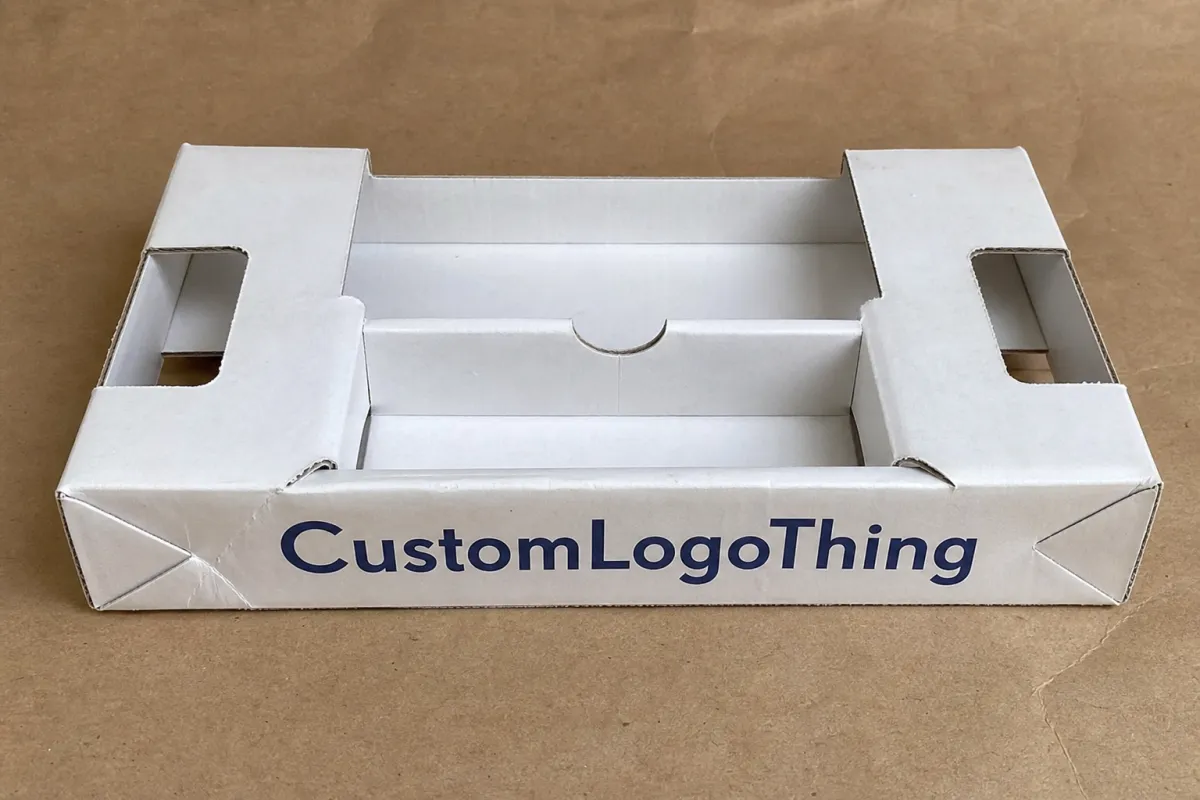
The insert is the quiet decision-maker in a package. A folding carton can look sharp on the drawing and still fail the moment the contents shift in transit. Products rub. Corners crush. Bottles lean. The outer box gets blamed, but the insert was the weak link. That is why custom folding box inserts price should always be measured against the cost of damage, replacement shipments, and the labor tied up fixing bad packouts. A few cents saved on board can disappear fast when a product arrives scuffed or broken.
Freight matters too. A well-shaped insert can reduce headspace, tighten the carton footprint, and cut down on void fill. That often means less corrugated, less dunnage, and a better shot at avoiding dimensional weight penalties on parcel shipments. If a brand ships multiple components together, a divider or structured insert can replace bubble wrap, tissue, or loose fill that slows the line and makes every box look a little different. Those savings rarely jump off the quote sheet. They show up later, usually when someone is trying to explain why the “cheap” option cost so much.
Presentation is not fluff. Customers notice when a product lands neatly nested instead of banging around inside the carton. A clean insert improves unboxing, supports package branding, and makes the product feel priced the way it was supposed to. That matters for cosmetics, consumer electronics accessories, wellness kits, gift sets, and other retail packaging where the inside of the box is part of the experience. A well-fitted insert also helps the packing line move with less hesitation. Operators do better when the process is repeatable. Not exactly a surprise.
The smart buying decision starts with the full system: product dimensions, product fragility, shipping lane, and packout speed. If an insert saves 10 seconds per unit, cuts damage even a little, or removes extra protective material, the payback can be real. The cheapest option only looks good if it performs like the better engineered one. Most of the time, it does not.
What Custom Folding Box Inserts Are Made To Do
Custom folding box inserts are paperboard or corrugated components designed to organize, cushion, separate, or display products inside a folding carton. They are cut, scored, and folded into a shape that matches the product geometry and the interior of the box. Depending on the build, an insert may use tabs, slots, locking folds, partitions, or layered supports to keep items from shifting. The structure sounds simple. The actual engineering can get fussy fast.
At the basic level, the insert has four jobs. It holds the product in a fixed position. It prevents parts from touching each other. It improves the look of the packaged item. It makes assembly more consistent. If a set includes multiple pieces, the insert separates them so they do not rub during transit. If the product has a fragile finish, the insert creates a barrier between surfaces. If the packing team needs speed, the insert guides placement so each unit goes together the same way every time. Those are the benefits that matter before anyone gets hypnotized by unit price.
Common uses include cosmetics, candles, small electronics, beverage sampler sets, personal care kits, supplements, promotional items, and multi-piece retail packs. A folding insert also shows up in mailer-style product packaging when the goal is a neat interior without moving to a molded pulp tray or thermoformed component. Some inserts disappear once the carton closes. Others become part of the display, especially in gift packaging or open-window retail designs where the inside of the box has to carry some of the visual load.
It helps to separate the terms that get mashed together in quote requests. A divider usually splits space into sections. A tray often carries the product or gives it a display surface. An insert can do either job, and sometimes both, while also helping with fit and protection. That difference matters. The wrong structure can look fine on a PDF and fail the second a real product meets a real packing line.
Buyers who understand the function of the insert usually make better material choices. A paperboard insert may be a strong fit for lightweight products and cleaner presentation. A corrugated insert may make more sense for heavier glass, layered kits, or longer shipping distances. Structure should follow the product, not the artwork. That is the point where packaging design stops being decoration and starts being a commercial decision.
Material, Style, and Structural Specifications That Affect Performance
Material choice affects both performance and price. Paperboard grades such as SBS, SUS, CCNB, and recycled fiber boards each bring different stiffness, appearance, and cost levels. Thicker board usually improves hold strength and edge stability. It also makes folding tighter and can increase the chance of cracking if the score is off. Corrugated board adds cushioning and compression resistance, which helps with heavier items. It can feel bulkier, though, and may not belong in premium shelf packaging unless the finish is handled with care.
Surface finish changes the story too. Coated stock improves print appearance and scuff resistance, which matters when the insert is visible after opening. Uncoated stock can feel more natural and may fold more easily in some structures, though it may show fiber lift or wear faster. If moisture, condensation, or surface rubbing are part of the equation, aqueous coating or a light barrier treatment may be worth the discussion. That comes up often in food, beverage, and health and wellness packaging, where the inside of the carton still has to survive distribution and handling.
Structural details decide whether the insert works well or just looks good in a drawing. Die-cut openings need enough clearance for the product without leaving it loose. Score quality affects how cleanly the insert folds and how much force the packer needs during assembly. Locking tabs can speed the line, but they need to be sized correctly or they pop open at the worst time. Fold direction changes the final tension in the structure. That is one reason samples matter before full production. A dieline can be technically correct and still be annoying to build.
Product weight and edge sensitivity should drive the design. A lightweight cosmetic vial can sit in a simple paperboard cradle. A glass bottle or metal component may need reinforced corrugated construction, wider bearing surfaces, or a deeper seat to reduce impact. If the item has sharp corners, the insert should keep those corners away from pressure points in the outer carton. If the package is going through parcel networks or traveling a long distance, an insert that holds up under vibration and compression is worth far more than one that only looks tidy in a sample.
Finishing choices change both price and appearance. Printing on the insert may be unnecessary if it stays hidden, but in branded packaging systems it can make the interior feel coordinated and intentional. Embossing or debossing can elevate presentation, though it adds tooling and setup. Aqueous coating improves rub resistance without the feel of film lamination. Sustainability goals add more decisions: recycled content, FSC-certified paper, and lightweighting all deserve early discussion because they can change the material spec and the quote.
For teams validating a package for transit, standards matter. ISTA test methods are widely used to evaluate shipping performance, while fiber sourcing claims may be tied to FSC certification. Those references do not replace engineering judgment, but they give buyers a common language for performance and sourcing. In a serious packaging program, the structure, substrate, and test plan should all point in the same direction.
Custom Folding Box Inserts Pricing, MOQ, and Unit Cost
The custom folding box inserts price depends on several linked variables, and the quote gets slippery if one spec does not match the next. Board type is a major driver. So is cut complexity, the number of folds, and whether the insert needs print or special finishing. Tooling and setup matter too, especially on a die-cut design with tight tolerances or locking features that need to fit cleanly. Add quantity and freight, and the gap between a basic insert and a more engineered one can get wider than buyers expect.
MOQ changes the unit price in a very real way. A smaller run usually carries a higher per-piece cost because the fixed setup, die, and press time are spread across fewer inserts. Larger runs push the per-unit number down, but only if the buyer can actually use the inventory without clogging storage or cash flow. That is why the right order size is not always the biggest one. It is the run that fits the consumption rate, product shelf life, and the storage reality of the operation. For one brand, 2,500 units may be the sweet spot. For another, 25,000 makes more sense.
Accurate price comparisons start with the same assumptions. The carton size should match. The insert dimensions should match. The board spec should match. Print coverage, coating, and freight terms should match too. Otherwise one supplier may look cheaper because the structure is lighter, the tolerances are looser, or shipping is not included. A short line-item breakdown helps a lot: material, tooling, print, finishing, and packing method. That makes it easier to see whether the quote is actually lower or just stripped down.
The table below gives planning ranges for common folding insert types. These are not universal prices. They move with region, market conditions, and exact specifications. Still, they help with early budgeting.
| Insert Type | Typical Material | Best For | Planning Unit Cost | Typical MOQ | Notes |
|---|---|---|---|---|---|
| Simple folding divider | 16 pt to 18 pt paperboard | Lightweight kits, cosmetics, small accessories | $0.08-$0.18 | 1,000-5,000 | Low complexity, usually fast to produce |
| Die-cut insert with tabs | 18 pt to 24 pt paperboard | Retail sets, display packs, branded packaging | $0.12-$0.30 | 2,500-10,000 | Better fit control, may need more setup |
| Corrugated protective insert | E-flute or B-flute corrugated | Glass, heavier components, parcel shipping | $0.20-$0.60 | 1,000-5,000 | Stronger support, usually bulkier |
| Printed premium insert | Coated paperboard with finish | High-visibility retail packaging | $0.18-$0.40 | 3,000-10,000 | Better visual finish, print adds cost |
| Multi-compartment custom insert | Paperboard or corrugated hybrid | Sample kits, gift sets, multi-piece packs | $0.25-$0.75 | 2,500-10,000 | More folds and tighter assembly requirements |
Those ranges make more sense when they are tied to the true cost stack. A project can have a lower unit price and a higher total cost because it needs manual assembly, creates scrap, or requires extra protective material around the insert. Another project can look expensive on paper and still save money because the packout motion is clean and repeatable. That is why purchasing teams should ask about scrap rate, assembly time, and whether the structure can be nested or shipped flat. The unit price is only one slice of the picture.
Tooling can stay modest on a simple insert, but a custom die, sample iterations, or unusual scoring can add real startup cost. Depending on complexity, one-time tooling and setup may range from roughly $150 to $600 or more for a simple project, with higher figures possible on more complex shapes or multiple versions. Sampling can add cost too, especially if the supplier needs to produce a physical prototype before the production run. Ask about those numbers before approval, not after the paperwork is already moving.
If your team is comparing custom printed boxes, product packaging systems, or insert-only projects, insist on apples-to-apples comparisons. A premium-looking sample that uses more board and deeper folds may cost more, but it may also reduce damage and improve retail packaging quality. The cheapest line item is not automatically the best purchase. The best purchase is the one that survives production and still makes sense on a cost-per-pack basis.
Production Process and Timeline From Quote to Delivery
The production process starts with a complete RFQ. The supplier needs product dimensions, product weight, carton size, desired insert style, quantity, shipping method, and any presentation or protection concerns. If the product has a glossy finish, fragile edges, or unusual geometry, include that detail early. If the carton has to fit a retail shelf or a shipper with a strict interior dimension, say so plainly. The more the supplier knows at quote stage, the less likely the project will need a redesign later.
The proofing stage is where the real issues show up. A digital dieline can look fine and still miss the mark on fit. It cannot tell you whether a bottle neck clears the opening, whether a tab is easy to fold by hand, or whether the finished insert sits too tight in the carton. That is why samples matter. A prototype lets the buyer verify fit, insertion force, fold sequence, and how the product behaves after repeated handling. For tighter tolerances, the sample should be checked with the real production product, not a placeholder unit. Small dimensional differences can change the whole result.
Once the design is approved, production moves through cutting, scoring, folding, packing, and inspection. Lead time varies with complexity and quantity. A simple folding insert may move faster than a multi-compartment, printed, or coated structure. As a practical planning range, many projects land in the 12 to 15 business day window after proof approval. More complex jobs can run longer. Rushed jobs can cost more. If a supplier needs to source a particular board or revise a sample, the schedule can expand. Freight adds another layer, especially for larger cartons or international shipment lanes.
Lead time and freight should be discussed together. A quote that looks quick may not be the fastest delivered job if materials are not available or the sample loop takes longer than expected. Buyers should ask for an estimated production window, shipping method, transit time, and whether the order ships flat, nested, or palletized. Those details affect receiving efficiency as much as they affect the calendar. A supplier with clear production planning can help avoid the common mistake of approving a good price and then losing time to preventable delays.
The most reliable projects usually follow a simple path:
- Define the product and carton dimensions.
- Select the insert style based on protection and presentation needs.
- Review a sample or prototype against the real product.
- Approve the dieline, board spec, and finishing details.
- Run production and confirm packout performance before release.
That sequence sounds basic because it is. Basic is good. It prevents expensive mistakes. In packaging design, the biggest problems usually come from assumptions, not from the material itself. A careful sample review can save far more than it costs.
Why Work With a Packaging Partner That Knows Folding Inserts
A strong packaging partner does more than print and cut board. The better team acts like a technical resource, helping the buyer choose a structure that protects the product without overbuilding it. That matters because too much material can raise cost, slow assembly, and create a bulky pack that feels clumsier than it should. Too little structure does the opposite and turns savings into returns. Good insert engineering sits in the middle, where cost, fit, and presentation all support each other.
Experience tends to show up in the details. Dieline guidance can cut down redesign cycles. Prototype recommendations can expose fit issues before production. Material selection advice can stop a lightweight board from being used where a stronger flute or thicker stock is needed. Production planning helps align volume with capacity so the order ships when expected. Those are practical benefits, and they matter even more on repeat programs where the same insert has to behave the same way every time.
Consistency matters more than many teams expect. If a brand reorders inserts every quarter, the dimensions, fold behavior, and visual finish need to stay stable. A difference of a few tenths of a millimeter can change how a vial sits or how tightly a tab locks. When packaging is part of the customer experience, inconsistency becomes a quality issue, not just a supply issue. A dependable partner reduces that risk by documenting specs clearly and running repeat jobs to the same standard.
Communication has business value too. When the supplier explains what is driving price, the buyer can make better tradeoffs. Maybe a thicker board is not needed. Maybe a simpler score pattern will speed assembly. Maybe the insert can be redesigned to nest more efficiently and lower freight. Those conversations keep the project grounded in facts. A supplier who knows folding inserts well can help balance protection, presentation, and cost without pushing the design into unnecessary complexity.
If you are building a broader packaging program, it helps to work with a partner that can support the full range of custom packaging products, not just one structure. That allows the insert, carton, and outer shipper to be developed as a system instead of separate purchases. For brands with strong package branding goals, that system-level thinking usually beats piecing components together one by one.
Next Steps to Get an Accurate Quote
The fastest way to get a reliable quote is to send complete information. Product samples or exact dimensions are best. Include carton size, quantity, target budget, shipping method, and whether the insert needs to support retail display, e-commerce transit, or both. If the product has uneven surfaces, soft coatings, or fragile corners, mention that early. A quote is only as good as the information behind it, and one missing dimension can change the structure completely.
If the project is still being refined, ask for two structure options. One can be the simplest version that meets the basic need. The other can be a reinforced or more polished version for heavier products, better presentation, or longer transit. That side-by-side view usually makes the tradeoff obvious. A buyer may find that the stronger structure costs only a few cents more and prevents a far more expensive problem later. For retail packaging, that kind of comparison is usually worth the extra step.
Before you approve an order, confirm the MOQ, sample timing, production lead time, and freight assumptions in writing. Ask whether the price includes tooling, whether print is included, how the cartons are packed, and whether pricing changes at specific quantity breaks. If the order will repeat, ask for a spec sheet or production record so the next run can match it closely. That cuts future friction and keeps the package consistent as the program grows.
It also helps to ask how the supplier handles fit verification. Some projects need a single prototype. Others need one revision after the first sample. For tighter products, an in-hand sample with the actual product is worth much more than a drawing alone. When the supplier is comfortable talking about board grade, score depth, and fold sequence, that is usually a good sign. It means the quote is based on a real structure, not a generic carton idea.
For teams sourcing related packaging, the next step may be broader than inserts alone. Review our Custom Packaging Products if you need cartons, inserts, or other structural components built around the same product and branding goals. The more aligned the packaging parts are, the more likely the finished pack will feel deliberate and cost-effective.
For a reliable custom folding box inserts price, start with the product, not the insert, and ask for the quote in the same language every time: board spec, structure, tooling, quantity, finishing, sample timing, and freight. That is the cleanest way to compare bids, protect the product, and Buy with Confidence.
FAQ
What affects custom folding box inserts price the most?
Board choice, insert complexity, quantity, finishing, and tooling are the biggest drivers. Tighter tolerances, more fold points, and more print coverage usually raise setup time and unit cost. Larger runs generally lower the per-piece price because fixed costs are spread across more inserts.
How does MOQ change folding box insert pricing?
A lower MOQ usually means a higher unit price because setup and cutting costs are divided across fewer pieces. A higher MOQ can reduce unit cost, but only if you can store or use the inventory efficiently. Ask whether pricing steps down at specific quantity breaks so you can choose the most efficient order size.
What information should I send to get an accurate quote?
Send product dimensions, weight, carton size, desired insert style, quantity, and any print or coating requirements. Include photos or samples if the product has unusual shapes, fragile surfaces, or tight fit tolerances. If you need a fast turnaround, say so early so lead time and production capacity can be quoted correctly.
Are folding box inserts better than loose void fill?
For organized retail packaging and repeatable packout, folding inserts usually perform better than loose fill. They hold the product in place, improve presentation, and reduce packing variation from one carton to the next. Loose fill can still work for some shipments, but it rarely offers the same fit, speed, or shelf appeal.
Can custom folding box inserts reduce total packaging cost?
Yes, if they reduce damage, simplify assembly, or let you use a smaller carton with less void space. A well-designed insert can also lower labor cost by making packout faster and more repeatable. The best comparison is total packaging cost, not insert price alone.

