Custom Folding Carton Box: Buy Smarter Retail Packaging
What a Custom Folding Carton Box Really Does for a Product
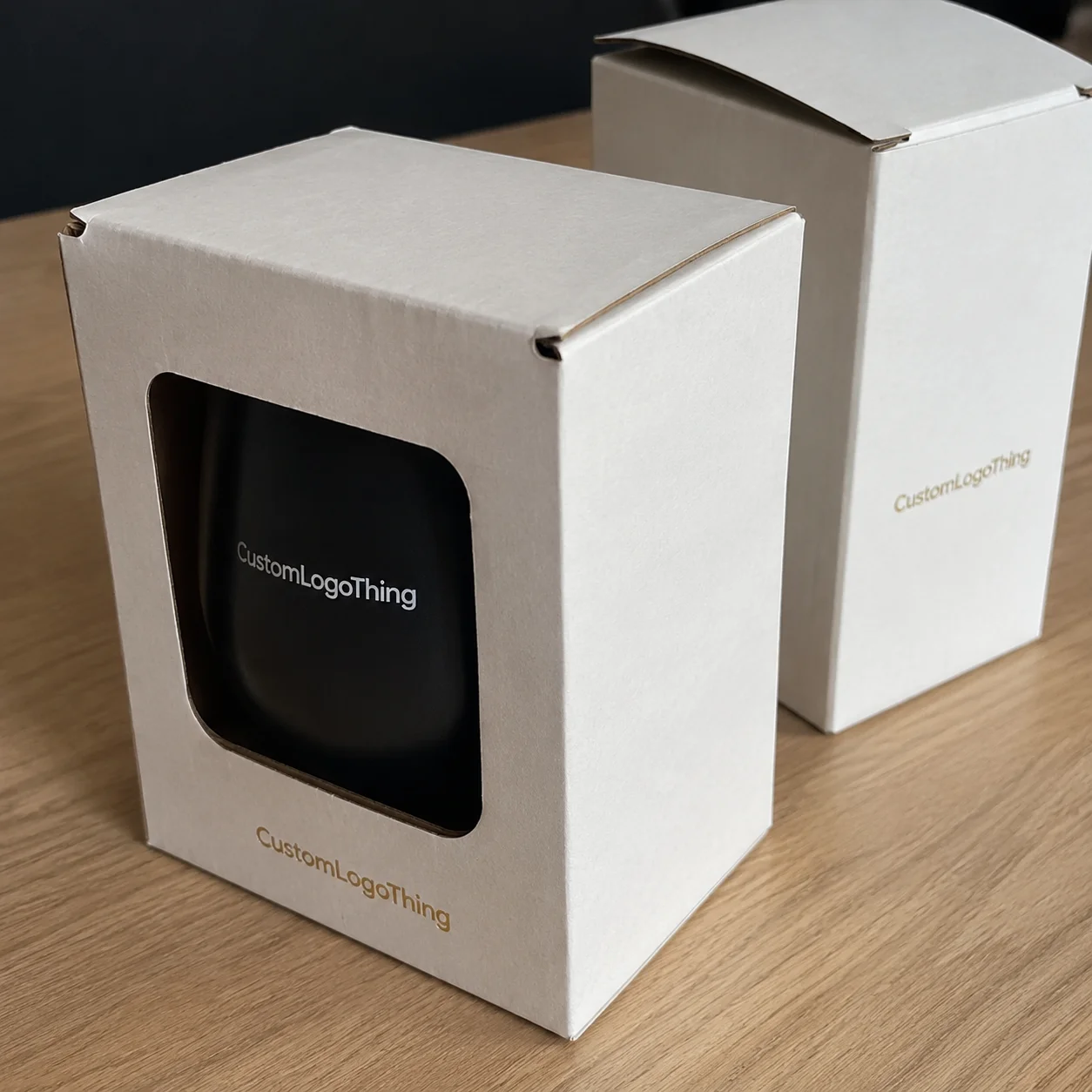
Shoppers judge packaging fast. Sometimes in three seconds, sometimes less. A custom folding carton box is a paperboard package cut, printed, scored, folded, and glued for a specific product, and for many retail goods it is the first physical proof of quality a buyer touches.
That sounds simple. It is not.
A folding carton is usually made from lightweight paperboard, shipped flat, then assembled during packing. You see this format around cosmetics, supplements, candles, confectionery, skincare, tea, soap, small electronics, and plenty of products that need shelf presence without the cost of a rigid box. It is different from a corrugated mailer, which is built mainly for shipping protection. It is also different from a rigid setup box, which has a heavier board structure, longer production path, and higher storage cost.
The appeal is practical. Folding cartons are usually economical to produce, efficient to store, quick to fill, and strong enough for many lightweight retail items. They also carry the dull but necessary details: ingredients, warnings, barcodes, usage instructions, certifications, lot-code areas, recycling marks, and regulatory copy. Glamorous? No. Required? Often.
Size deserves more attention than it gets. A carton with 12 mm of extra empty space may not seem dramatic during design review. Across 5,000 units, that empty space can change master case counts, pallet efficiency, and freight cost. It can also make the product rattle. Corners crush faster. A premium serum, candle, or supplement suddenly feels careless in the hand.
Packaging reality: a folding carton is not just a printed shell. It is a selling surface, a protection system, an information panel, and an operational tool packed into a few square inches of paperboard.
That is why the best carton decisions start with the product, not the prettiest mockup. Artwork matters, of course. But if the carton does not fit, fold, scan, pack, ship, and survive normal handling, the design has failed before it reaches the shelf.
How Folding Carton Boxes Are Built, Printed, and Finished
The anatomy is worth understanding before asking for a quote. A carton starts with a paperboard substrate. The manufacturer creates a dieline: the flat technical map showing panels, flaps, tuck ends, glue seams, dust flaps, score lines, and cut lines. Designers place artwork on that map, but the structure decides whether the box actually folds, locks, and packs correctly.
Common styles solve different problems. A straight tuck end keeps both tuck flaps opening in the same direction, which gives the front and back panels a cleaner retail face. A reverse tuck end is often efficient for lighter products and may reduce material waste depending on the layout. An auto-lock bottom adds strength and speeds assembly for heavier jars, bottles, or products packed by hand. A sleeve wraps around a tray or product for a clean, minimal presentation. A window carton adds visibility, usually with a PET or cellulose-based patch selected around clarity, cost, and disposal expectations.
Material choice affects cost, print quality, stiffness, and the message the product sends. SBS paperboard is bright white and smooth, so it works well for detailed color printing and premium retail graphics. Kraft board gives natural texture and suits minimalist or earthy branding, but bright colors and tiny details will not pop the same way. Recycled board can support sustainability goals, though stiffness, surface smoothness, and coating performance vary by grade.
Coated stock usually holds sharper graphics than uncoated stock, especially for saturated color fields, small type, and fine linework. Uncoated paperboard has a softer look and tactile feel, but it absorbs ink differently. That can be beautiful on the right product and disappointing on the wrong one. Print expectations should match the substrate instead of pretending every board behaves like a glossy brochure.
Print method matters too. Offset printing is common for detailed, higher-volume Custom Printed Boxes because it handles color consistency well once the job is dialed in. Digital printing is useful for short runs, early samples, seasonal versions, and SKU testing. Flexo can be cost-efficient for certain production needs, especially when graphics are simpler and volumes justify the setup.
Finishes are where budgets start wandering off unattended. Matte lamination, gloss lamination, soft-touch coating, spot UV, foil stamping, embossing, debossing, aqueous coating, and window patching all change appearance, durability, lead time, and unit cost. Some finishes also affect recyclability claims or require extra compatibility checks with inks and glue areas.
Decoration should support the product position. A $14 supplement carton may benefit from crisp typography, strong contrast, and a smooth matte finish. It probably does not need foil, embossing, a window, metallic ink, and a raised logo all shouting at once. More effects do not automatically mean more premium. Sometimes they just mean more setup charges.
Key Specs That Decide Fit, Strength, Shelf Impact, and Compliance
Start with the product. Measure length, width, height, weight, fragility, fill level, and required orientation. Then decide whether the item needs an insert, divider, dust protection, tamper evidence, hang tab, window, or room for a seal. A glass dropper bottle behaves differently from a cardboard tube, even if both fit inside a similar-looking carton.
Interior dimensions protect the product. Exterior dimensions affect shelf plans, case packs, pallet patterns, and freight. That distinction is not academic. A 50 mm × 50 mm × 120 mm carton may fit neatly on shelf, but a 54 mm width after structure changes could reduce units per master case or disrupt a retailer’s planogram.
Caliper is the buyer-friendly way to talk about board thickness and stiffness. A thinner board may save money, but it can bow, crease, or feel weak in the hand. A thicker board improves structure, yet it may increase material cost and create folding limits around tight panels. Small retail cartons often use roughly 300gsm to 400gsm SBS or equivalent board, depending on product weight, carton size, and handling requirements. Very small cosmetics may work on lighter stock. Candles, jars, and bottled products often need more stiffness or an auto-lock base.
Grain direction matters more than most first-time buyers expect. Paperboard folds cleaner in one direction than the other. If the grain fights the main score lines, cartons can crack, bulge, or resist closing. A good manufacturer will account for this during layout, but it is still worth asking about on cartons with tight folds, heavy ink coverage, or dark flood colors.
Artwork hierarchy is a specification too, even if it sounds like a design conversation. The front panel should carry the purchase trigger: product name, benefit, scent, flavor, shade, dosage, or point of difference. Side panels can support ingredients, claims, and brand story. Back panels should handle directions, warnings, manufacturer details, recycling marks, and compliance copy. Tiny type squeezed into a corner is not a strategy. It is a future reprint.
Retailers and regulators can be unforgiving. Barcodes need quiet zones and scannable contrast. Cosmetics may require ingredient declarations. Food cartons may need nutrition panels and allergen language. Supplements may require warnings and serving information. Country-of-origin marks, lot-code areas, tamper-evident features, and recycling symbols should be planned before final artwork, not patched in after the proof.
If distribution includes ecommerce or mixed shipping, consider testing. The International Safe Transit Association publishes transport testing protocols used across packaging programs; the standards at ISTA are a useful reference point for understanding why shelf packaging and shipping packaging are not always the same job. A retail carton can look perfect on a shelf and still need a protective shipper around it.
Pricing, MOQ, and Unit Cost: What Moves the Quote Up or Down
A folding carton quote is rarely one flat number because tooling, setup, materials, print coverage, finishing, labor, spoilage allowance, and order volume all interact. Two boxes with the same dimensions can price very differently if one is one-color kraft board and the other is full-color SBS with foil, embossing, and a window patch.
Main cost drivers include carton size, board grade, caliper, number of colors, ink coverage, coatings, foil stamping, embossing, debossing, window patching, inserts, and structural complexity. The die itself can also matter. A standard reverse tuck carton is usually simpler than a custom structure with locking tabs, multiple compartments, hang holes, tear strips, or unusual curves.
MOQ depends on the production path. Lower quantities may be possible with digital print or simplified specs. Offset printing and specialty finishes usually make better financial sense at higher volumes because setup time is spread across more units. For many small retail cartons, rough unit pricing might land around $0.35 to $1.20 at lower quantities, while larger runs can drop meaningfully. Treat that as directional. Size, finish, board grade, freight, and market conditions can push the number outside that range.
| Spec Choice | Typical Use | Cost Impact | Buyer Watchout |
|---|---|---|---|
| One-color print on kraft board | Natural soaps, simple food items, artisan goods | Lower | Fine detail and bright colors may not reproduce as sharply |
| Full-color SBS carton | Cosmetics, supplements, premium retail products | Medium | Color consistency needs proper proofing and print-ready artwork |
| Soft-touch with foil | Luxury skincare, fragrance, gift products | Higher | More setup points, longer lead time, higher spoilage allowance |
| Window carton | Candles, confectionery, toys, visible product samples | Medium to higher | Patch material, glue control, and recycling claims need review |
Volume changes the math. A small carton with one-color print and no specialty finish behaves like a lean production job. A foil-stamped, soft-touch, windowed carton has more setup points and more chances for waste. That does not make premium finishes wrong. It means they need to earn their place.
Ask for quote tiers: 500, 1,000, 2,500, and 5,000 units. The curve often tells the real story. A buyer may discover that 2,500 units cost only modestly more than 1,000 because setup and tooling are spread across more cartons. Or the opposite may happen if storage limits, cash flow, or SKU versioning make a larger run risky.
Also ask what is included. Does the quote include a custom die? Artwork checking? Digital proofing? Physical sample? Freight? Overrun or underrun tolerance? Carton packing method? If those details are missing, the lowest quote may not stay low for long. Funny how that works.
For broader packaging planning, the Custom Packaging Products page can help compare folding cartons with other formats before locking the spec.
Process and Timeline: From Dieline to Delivered Cartons
The production sequence is fairly predictable, even though every project has quirks. Discovery comes first: product size, weight, sales channel, quantity, budget, and timeline. Then the manufacturer recommends a structure, creates the dieline, places or checks artwork, sends proofs, produces a sample if needed, waits for approval, prints, die-cuts, folds, glues, packs, and ships.
The dieline stage prevents expensive mistakes. The manufacturer translates product dimensions and carton style into a flat template that controls every fold, cut, glue area, and panel relationship. If the dieline is wrong, beautiful artwork will not rescue the package. It will just make the failure prettier.
Proofing has two jobs. A digital proof checks artwork placement, spelling, barcode position, panel orientation, bleed, and basic color expectations. A physical sample checks fit, structure, board feel, opening experience, and packing behavior. For fragile products, glass containers, odd shapes, or retail displays, a sample is not a luxury. It is risk control.
Color proofing deserves its own reality check. A screen proof is not a press sheet. Monitors vary, office printers lie, and kraft board changes color behavior. If brand color accuracy is critical, ask about contract proofs, drawdowns, or press checks. Not every project needs that level of control, but brands with strict color standards should plan for it early.
Timeline depends on material availability, print method, finish complexity, sampling rounds, approval speed, order quantity, and shipping distance. Simple short-run cartons may move faster, especially with digital production. Larger offset runs with foil, embossing, or window patching usually need more time because each process step has its own setup and quality checks.
A practical planning range might look like 2 to 5 business days for dieline and proofing once specs are clear, 5 to 10 business days for sampling if required, and 10 to 20 business days for production after final approval. Complex finishes, high quantities, material shortages, or multiple SKU versions can extend that. Shipping is separate and should not be treated like a rounding error.
Build in buffer time before product launches, retailer delivery dates, influencer mailings, subscription box kitting, or seasonal promotions. One delayed artwork approval on a Monday can push printing later in the week. Then finishing moves. Then freight moves. Packaging schedules are chain reactions, and they do not care about launch calendars.
Common Mistakes That Make Folding Cartons Cost More Than Expected
The most common problem is designing around the artwork before confirming product fit. On screen, the carton looks balanced. In the hand, it bows. Or the tuck flap fights the product. Or the insert adds 2 mm nobody allowed for. A custom folding carton box has to work physically before it can work visually.
Tolerance is another quiet offender. Buyers measure the product and stop there. But coatings, seals, labels, product bulge, shrink bands, inserts, and manual packing all need breathing room. Too tight, and the packing team slows down. Too loose, and the product rattles or feels cheap.
Artwork errors are painfully common: low-resolution images, missing bleed, unreadable 5-point text, weak contrast, incorrect barcode placement, and important copy placed across fold lines or tuck areas. A barcode wrapped around a corner may look clever in a mockup. A scanner may disagree.
Finish overload creates a different kind of cost. Too many premium effects can dilute the design, slow production, and make a mid-priced product feel visually confused. Honestly, this is one of the fastest ways to spend money without improving shelf impact. Pick the one or two effects that match the product promise.
Sustainability claims require care. Words like recyclable, compostable, biodegradable, or eco-friendly should be tied to actual materials and real disposal conditions. The U.S. Environmental Protection Agency has useful resources on recycling systems at EPA.gov, and the larger lesson is simple: vague claims can create trust and compliance problems.
Logistics can surprise people too. Folding cartons ship flat, but flat stacks still take space. Master case counts matter. Assembly speed matters. Storage humidity matters, especially with uncoated or recycled boards. If cartons are stored in a damp area, panels may warp or glue seams may behave differently during packing.
Quality checks should be boring and specific. Inspect carton dimensions, score alignment, glue seam strength, color consistency, coating coverage, foil registration, window adhesion, barcode readability, and carton count per case. Check a few cartons from the start, middle, and end of a run when possible. Defects do not always spread evenly.
- Check fit with the actual product, not only CAD dimensions.
- Confirm barcode size and quiet zones before printing thousands of units.
- Ask how many flat cartons fit per case and how those cases ship.
- Test assembly speed if a packing team will build hundreds per hour.
Next Steps Before You Order: Build a Smarter Carton Brief
A good carton brief is not long. It is specific. Gather product dimensions, product weight, photos, target quantity, launch date, sales channel, delivery location, and any retailer requirements. If the item is fragile, irregular, filled by hand, or sold in several SKU versions, say so early.
Choose one primary goal. Lower unit cost. Stronger shelf appeal. Faster turnaround. Premium unboxing. Sustainability positioning. Better packing efficiency. You can care about all six, but one should lead the decision-making. Otherwise the carton becomes a compromise nobody actually chose.
Prepare artwork assets before the dieline arrives: logo files, brand colors, fonts, barcode, compliance copy, ingredient lists, warnings, claims, icons, and certification marks. If using FSC-certified material or claims, confirm chain-of-custody and logo rules with the supplier before artwork approval; the Forest Stewardship Council explains certification basics at FSC.org.
Request the dieline before final artwork. This gives the design team the exact panel layout instead of guessed proportions. It also prevents common problems such as placing the hero message on a dust flap or wrapping small type across a score line.
Then test one assembled sample with the actual product. Open it. Close it. Shake it gently. Put it on a shelf. Scan the barcode. Ask someone unfamiliar with the product what they think it is within five seconds. That quick test can reveal more than a polished rendering.
If you are comparing formats, review available Custom Packaging Products and think beyond the single unit: carton, insert, label, shipper, and retail display should work as a system. The smartest custom folding carton order starts with accurate specs, honest budget priorities, and enough timeline for proofing before production.
FAQ
What is the best material for a custom folding carton box?
SBS paperboard is a strong choice for bright, premium retail graphics because it gives a smooth white printing surface. Kraft paperboard works well for natural, minimalist, or earthy branding. Recycled board can support sustainability goals, but buyers should confirm print quality, stiffness, coating compatibility, and finish performance before ordering. The best material depends on product weight, shelf expectations, print coverage, and budget.
How much does a custom folding carton box cost?
Cost depends on size, board thickness, quantity, print method, ink coverage, coatings, foil, embossing, window patching, inserts, and structural complexity. Many small retail cartons fall somewhere around $0.35 to $1.20 per unit at lower quantities, but that is only a rough planning range. Unit cost usually decreases as volume increases because setup, tooling, and press preparation are spread across more cartons. The most useful quote compares several quantity tiers so the buyer can see where the price break begins.
How long does custom folding carton production take?
The timeline depends on dieline approval, artwork readiness, sampling, print method, finishing, order quantity, and shipping distance. Simple cartons with digital printing may move faster than complex cartons with foil, embossing, windows, or specialty coatings. A practical schedule may include several days for dieline and proofing, another week or two for sampling if needed, and 10 to 20 business days for production after approval. Buyers should allow buffer time before launches, retail deadlines, promotional kits, or seasonal campaigns.
What information do I need before requesting a folding carton quote?
Provide product dimensions, product weight, target quantity, preferred carton style, artwork status, material preference, finish ideas, delivery location, and deadline. Share sales channel details such as retail shelf, ecommerce, subscription box, or promotional kit because each channel puts different demands on product packaging. If possible, send product photos or a physical sample to improve sizing accuracy.
Can a custom folding carton box be eco-friendly?
Yes, but the claim needs specifics. Options may include recyclable paperboard, recycled-content board, responsibly sourced fiber, soy-based or water-based inks, aqueous coatings, and right-sized structures that reduce material waste. Buyers should balance sustainability goals with print quality, durability, moisture exposure, retailer requirements, and local recycling realities. A recyclable paperboard carton with a plastic window, heavy lamination, or mixed-material decoration may need a closer review before any claim goes on the package.