Buyer Fit Snapshot
| Best fit | Custom Food Pouches Supplier Quote projects where brand print, material claims, artwork control, MOQ, and repeat-order consistency need to be specified before quoting. |
|---|---|
| Quote inputs | Share finished size, material target, print colors, finish, packing count, annual reorder estimate, ship-to region, and any compliance wording. |
| Proofing check | Approve dieline scale, logo placement, barcode or warning zones, color tolerance, closure strength, and carton packing before bulk production. |
| Main risk | Vague material claims, crowded artwork, missing packing details, or unclear freight terms can make a low unit price expensive after revisions. |
Fast answer: Custom Food Pouches Supplier Quote: Pricing & Specs should be specified like a repeatable production item. The safest quote records material, print method, finish, artwork proof, packing count, and reorder notes in one written spec.
Production checks before approval
Compare the actual filled-product size with the drawing, then confirm tolerance on folds, seals, hang holes, label areas, and retail display edges. Reserve space for logos, QR codes, warning copy, and material claims before decorative graphics fill the panel.
Quote comparison points
Review material grade, print process, finish, sampling route, tooling charges, carton quantity, and freight assumptions side by side. A quote is only useful when the supplier can repeat the same color, closure quality, and packing count on the next order.
Why a Custom Food Pouches Supplier Quote Can Expose Hidden Cost Drivers
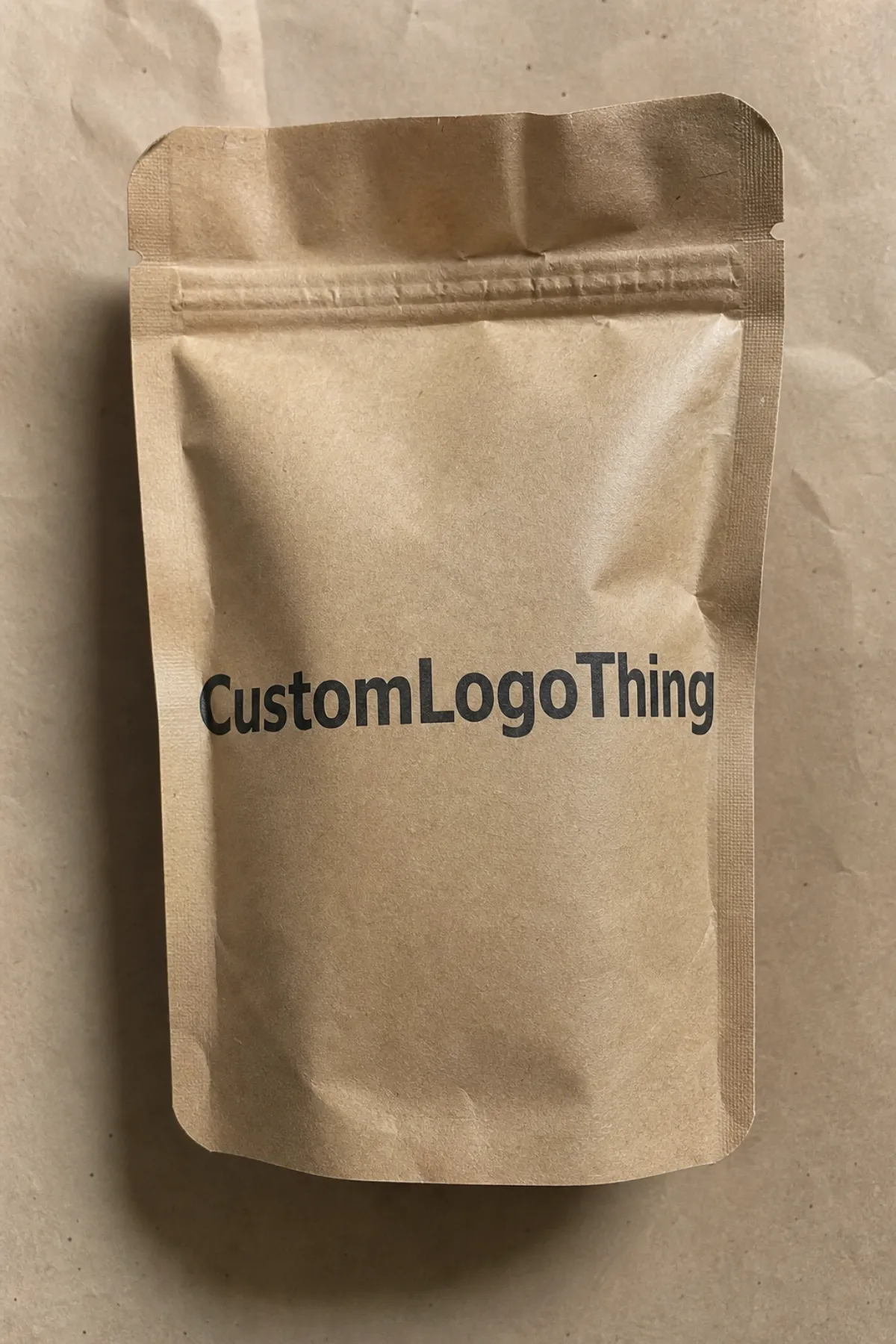
A custom food pouches supplier quote should do more than put a number on a screen. It should show how the pouch is built, what it is expected to protect, and where the cost pressure is coming from. The best quotes read like a spec sheet with financial consequences. They name the film structure, the closure, the print method, freight assumptions, and the compliance details that determine whether the pack survives pallet stacking, transit vibration, and shelf handling without trouble.
Two pouches can look almost identical in a mockup and still land 20% to 40% apart in price once the laminate, zipper, finish, and testing requirements are fully defined. That gap is not decorative. It often separates a pouch that merely looks premium from one that keeps coffee aromatic, snacks crisp, or sauce stable across the intended shelf life. If a buyer only compares headline pricing, the real cost drivers stay hidden until production starts.
That is why the most useful questions are practical, not theoretical:
- What exact film structure is being proposed?
- Does the closure include a zipper, and if so, what type?
- Are printing plates, setup fees, or digital production included?
- Do freight, duties, and pack-out materials sit inside the quoted number?
- What MOQ applies, and where does the unit cost move down with volume?
Those details matter because packaging errors compound. A pouch that is too light on barrier can fail before the product does. A pouch that is too heavy on structure can quietly erode margin month after month. The quote is not only a price sheet; it is evidence that the supplier understands the product, the line speed, the shelf-life target, and the route the package will travel before a customer opens it.
A quote that hides the laminate, zipper, and freight assumptions is not a real quote. It is a guess with letterhead.
For buyers comparing branded packaging, retail packaging, and broader forms of product packaging, the quote also draws a line between visual appeal and functional value. A matte panel may look upscale on a screen, yet it may add cost without improving sell-through or handling. Clear windows can help shoppers see texture or fill level, but too much exposed area can reduce protection. The same logic applies to foil layers and specialty gussets. Smart buyers ask whether the added spend improves sales, shelf life, or operations. If it does not, the design may be expensive decoration.
One buyer scenario comes up often: a brand wants to launch a premium granola pouch with a window, zipper, and matte finish because the mockup looks strong. The supplier’s quote should reveal whether that combination still leaves enough barrier for aroma retention. If not, the design needs adjustment before the first order, not after the first complaint.
Custom Food Pouch Product Details: Formats, Materials, and Barrier Choices
Pouch format comes first because it shapes the machine run, the shelf silhouette, and the final price. Six structures appear most often in food sourcing: stand-up pouches, flat-bottom pouches, side gusset pouches, three-side seal pouches, spouted pouches, and retort-ready formats. Each one solves a different problem. A stand-up pouch gives strong shelf presence. A flat-bottom pouch adds stability and a more premium footprint. A side gusset pouch works well for coffee, tea, and dry goods. A three-side seal pouch usually sits at the lower end of the cost curve for samples, sachets, and single-serve formats. Spouted and retort-ready pouches belong to tougher food applications, where thermal processing, leak resistance, and barrier testing raise the bar.
Product behavior matters just as much as shape. A 200 g puffed snack does not flow like a 200 g powder, and neither behaves like a sauce or puree. Dense fills need different seal geometry than airy dry goods. Line speed changes the equation too. A line running at 40 units per minute can tolerate a little more variation than one pushing 120 units per minute, where a few millimeters of inconsistency can become a stoppage. That is why a serious supplier asks about the machine type and fill process, not only about artwork.
Material selection is usually where the quote moves most. Dry snacks may need moderate barrier protection, while coffee, high-fat foods, powdered mixes, frozen products, and sauces often need stronger oxygen and moisture resistance. Common structures include PET/PE, BOPP/PE, PET/VMPET/PE, and nylon-based laminates built for puncture resistance. Foil delivers high barrier performance, though it also increases cost and can complicate some recyclability goals. Clear windows help shoppers see the product, yet a window that is too large can reduce barrier performance and increase risk under light exposure.
Add-ons are rarely just decorative. A resealable zipper helps repeat use and cuts waste, but it adds material and converting cost. A tear notch makes opening cleaner and improves first-use behavior. Hang holes matter for peg displays and club-store merchandising. Matte and gloss finishes change both the shelf look and the unit cost. Each feature should appear clearly in a quote because the total climbs quickly once several options are stacked together.
- Zippers: Often worth the added cost for coffee, nuts, snacks, and anything opened multiple times.
- Windows: Useful for visibility, but they need to be sized with barrier and light exposure in mind.
- Matte or gloss finish: A branding choice that can also influence scuff visibility and unit cost.
- Low-migration inks: Important for several food applications where compliance paperwork matters.
- Tear notches and hang holes: Small features that can alter usability and retail performance more than expected.
Compliance belongs in the product review from the start. Food-contact inks, migration limits, resin choices, and shelf-life assumptions need to fit the intended product. If a snack needs nine months of aroma retention, a lightweight film may underperform. If a frozen item faces condensation, cartons and rough handling, seal strength and puncture resistance become more valuable than an elaborate front panel. Buyers who work to recognized standards often ask how the package relates to ISTA distribution testing and whether paper-based components can support FSC chain-of-custody goals where relevant.
Packaging design and package branding cannot sit apart from the technical spec. The artwork can be sharp, but if the pouch structure cannot protect the food, the package only does half the job. Buyers who combine the design brief and the material brief into one document usually get tighter quotes and fewer unpleasant surprises later.
That combined brief also helps when the product team and operations team are not looking for the same thing. Marketing may want a large window and a soft-touch finish. Operations may need a structure that runs cleanly at speed and holds a stable seal. A good quote shows where those priorities meet, and where one of them has to give.
Pricing, MOQ, and Unit Cost: What Shapes Your Quote
Three figures steer most buying decisions: material cost, MOQ, and unit price. The real quotation, though, includes more moving parts. Base film, print method, pouch size, closure type, finishing, setup fees, inspection, and freight all shape the final number. One supplier may present a clean headline price while another breaks the job into line items. The second quote can look higher at first glance and still be the better deal once every charge is counted.
MOQ is usually the loudest force behind unit price. A smaller order spreads setup and changeover costs across fewer pouches, so the per-piece number rises. That does not make low MOQ a bad choice. It means the buyer is paying for flexibility. Launches, test markets, seasonal flavors, and limited editions often justify that tradeoff. For repeat programs, a larger run can reduce the unit cost sharply. A brand moving from 5,000 pieces to 25,000 pieces may see the price drop more than the design changes would suggest.
Printing method changes the economics in a direct way. Digital printing usually fits short runs, artwork updates, and lower setup needs. Gravure or other high-volume methods tend to make more sense as quantity rises, especially when the graphics stay stable across reorders. The right method is not the one with the flashiest name. It is the one that fits the order size, the revision rate, and the growth plan. A short run with heavy coverage can cost more per pouch than a larger run with simpler print panels, even when the final mockups look similar.
Think about the pouch silhouette as a shell with several price levers attached. Film thickness, zipper style, finish, and seal format all move the quote. A 100 micron structure may cost less than a 130 micron structure, but if the heavier film protects against puncture or extends shelf life, the added spend may earn its place. A basic press-to-close zipper usually costs less than a premium zipper, and a three-side seal pouch normally costs less than a flat-bottom design. Small structural choices often affect the quote more than artwork changes do.
In practice, buyers often discover that the cheapest quote is the one that leaves out the most. A quote that excludes tooling, freight, barcode revisions, or final inspection can look lean on paper and still come in higher after the missing pieces are added back. That is why a line-by-line comparison is more reliable than a simple “lowest bid” check.
| Pouch Format | Typical Use | Common Cost Range per Unit | Buying Notes |
|---|---|---|---|
| Stand-up pouch | Snacks, coffee, powders | $0.16-$0.42 at mid-sized runs | Strong shelf presence; zipper and window choices affect price quickly. |
| Flat-bottom pouch | Premium retail food, specialty products | $0.24-$0.60 | Uses more film and more converting steps; often selected for package branding. |
| Side gusset pouch | Coffee, tea, dry goods | $0.14-$0.36 | Efficient format, especially for taller fills and bagged products. |
| Three-side seal pouch | Samples, sachets, single servings | $0.08-$0.22 | Usually the most economical, but shelf impact stays limited. |
| Spouted or retort-ready pouch | Sauces, purees, heat-processed foods | $0.40-$1.20+ | Technical specs, testing, and barrier requirements can push cost up fast. |
Those numbers are broad by design. Artwork coverage, material selection, and order volume change the real range. Even so, the bands work as a sanity check. If a supplier sits far outside them, ask why. Maybe the order is unusually small. Maybe the barrier is higher. Maybe the quotation includes freight, tooling, testing, or quality control that another supplier left out.
One rule cuts through the noise: compare total landed cost, not only the unit price. A lower unit number can be offset by freight, customs handling, plate fees, or extra packaging requirements. Cross-border sourcing makes this even more visible. The cheapest line item on paper can become the most expensive purchase once shipping delays and duty exposure are added. A buyer should know whether the quote is ex-factory, FOB, or delivered, because those terms change the cost picture fast.
Setup fees may be modest on digital short runs and more visible on longer-run methods. A zipper can add a few cents per pouch depending on style. A matte finish may add a small premium. Foil, specialty barriers, and high-performance seals add more. None of that is unusual. It is the normal price of Custom Food Packaging. The best supplier shows those differences clearly instead of folding them into a blended number that hides the real drivers.
For a regional snack brand, the difference between a seemingly cheap quote and a properly specified one can be the difference between a profitable launch and a second round of reordering after the first pallet is rejected. The packing list matters. So does the technical language behind it.
Process and Timeline: From Spec Review to Final Delivery
A clean quote process follows a predictable order. Inquiry first. Spec review next. Quote after that. Proofing comes after the numbers, then sampling if needed, then production, inspection, and shipment. Buyers should treat each stage as a checkpoint. A missing dimension or a vague seal requirement can ripple through the rest of the job and show up later as a delay or a cost increase.
The first slowdown usually appears during spec review. If the pouch dimensions are incomplete, or if fill weight is listed without product density, the supplier cannot recommend the right structure with confidence. If the dieline is missing, artwork edits can stall. If the closure requirement is unclear, the quote may assume a standard zipper instead of the exact style the product needs. A detailed brief up front saves time because it gives the supplier something real to price.
Realistic timing helps more than the promise of a “fast turnaround.” A basic quote can often return in 1 to 3 business days when the spec is complete. Artwork proofing usually takes another 1 to 2 business days if the files are clean and revisions are modest. Sampling can take 5 to 10 business days for common structures, longer for custom films or unusual closures. Production often falls in the 12 to 25 business day range after proof approval, although highly customized pouches may take longer. Freight needs its own clock because lane and mode change the schedule.
Delays usually come from the same places:
- Missing or inconsistent dimensions
- Slow artwork approvals
- Sample revisions after the first review
- Material shortages or substitute approvals
- Launch dates set before the packaging is final
That final item causes more pain than most teams expect. Packaging schedules often get squeezed because the product calendar is already late. Then the buyer asks the pouch vendor to force the job through with little room for proofing or transit delays. That approach costs money. It increases expedite charges, narrows material options, and removes room for careful specification. A slower start often produces a better price and a cleaner pack.
Suppliers should also show what they are reviewing at each checkpoint. During quote preparation, the supplier should confirm structure, size, print area, closure, and the intended use case. During proofing, the buyer should check color, panel placement, barcode zones, and legal copy. During sampling, the buyer should inspect seal behavior, fill performance, and shelf presentation. During production, the supplier should provide progress updates on quantity, inspection, and shipment timing. These steps reduce rework and keep the project from wandering.
A useful planning habit is to leave buffer time for seasonal demand spikes and freight variability. If a launch date is tied to a trade show or a retail reset, the packaging should lock earlier than feels comfortable. Brands that manage Custom Printed Boxes, pouches, and mixed-format product packaging often discover that one late change slows the entire rollout. A few extra days at the beginning can prevent a week of damage later.
There is also a trust issue here. A supplier who warns you that a certain structure is overbuilt for your product is often the supplier worth keeping. Honest guidance may not produce the lowest nominal quote, but it usually produces the fewest surprises.
Why Choose Us for Custom Food Pouches
Custom Logo Things is built for buyers who want a quote they can read without translating jargon line by line. The value sits in the detail: clearer material guidance, quicker answers to technical questions, and pricing that exposes the tradeoffs instead of burying them. If a pouch needs a stronger barrier, a different zipper, or a revised format for line efficiency, that should be explained plainly. Buyers should not need to decode the entire spec alone.
That matters most for brands balancing shelf life and cost. A lower-price laminate can fit one snack category and fail another. A good supplier should explain why one structure protects aroma better, why another may run cleaner on a filler, and where the extra spend actually pays back. That kind of guidance helps whether the buyer is launching one SKU or building a larger packaging program around several flavors, sizes, or seasonal runs.
Low-MOQ projects show the same pattern again and again. Many brands need a smaller first run for launch testing, then a larger reorder once velocity becomes clear. The packaging partner should support both phases without turning the second order into a new project. Consistent record keeping, artwork control, and repeatable quality checks matter here. Prepress support matters too, because the artwork for branded packaging has to stay aligned across restocks and line extensions.
Quality review should cover seal integrity, print consistency, pack-out accuracy, and shipment verification. Those are not extras. They are the basics of a reliable packaging supply chain. If a food pouch is under-sealed, the pouch price stops mattering. If the barcode zone is wrong, retail can delay the product. Buyers care about those issues because they protect margin and reputation at the same time.
Service quality becomes obvious during sourcing. Some suppliers answer only the visible question. Others help solve the real one. If a coffee brand is choosing between gloss and matte, the better supplier will discuss scuff resistance, shelf appeal, and print contrast, not only unit price. If a snack brand is debating a window panel, the better supplier will discuss barrier impact and product visibility. That sort of guidance shortens sourcing cycles and makes the custom food pouches supplier quote more useful.
If you are comparing options, start with our Custom Packaging Products page to review the range of formats and finishing options. If you already have a spec sheet, artwork, or even a rough concept, use Contact Us and send what you have. The more complete the brief, the more accurate the quote will be.
For buyers working on a first launch, the real test is not whether the pouch looks right in a mockup. It is whether the supplier can translate the product story into a format that fills well, seals well, and ships without drama.
Next Steps to Get an Accurate Quote
The fastest way to improve quote quality is to send a cleaner brief. Start with pouch dimensions, fill weight, product type, and quantity. Add the barrier need if you know it: moisture, oxygen, aroma, light, grease, or puncture resistance. Include closure preference, whether you need a clear window, and what finish you want on the front panel. If artwork files already exist, send them. If they do not, say that plainly so the supplier knows whether they are pricing a print-ready job or a concept-stage project.
Good briefs usually contain these items:
- Pouch style: Stand-up, flat-bottom, side gusset, three-side seal, spouted, or retort-ready.
- Dimensions: Width, height, and gusset depth if applicable.
- Fill weight: The target net weight or volume of product.
- Product type: Snack, coffee, powder, frozen food, sauce, pet food, or another category.
- Print details: Full coverage, spot coverage, clear windows, and barcode placement.
- Quantity: Current order size plus expected reorder volume.
- Launch date: The date the product must be in market, not only the date you would prefer.
Ask for an apples-to-apples comparison from more than one supplier. That does not mean chasing the cheapest number. It means comparing the same pouch structure, the same print coverage, the same closure, the same freight terms, and the same production assumptions. If one quote includes tooling, inspection, and shipping while another leaves them out, the lower number is not truly lower. It is incomplete.
Request samples before approval, especially for a new food item or a new SKU. Physical samples reveal things flat artwork files never can: zipper feel, seal behavior, stiffness, gloss level, and how the pouch stands after filling. Ask for a proof as well, because proofing catches copy placement, barcode zones, regulatory text, and panel orientation before production starts. If the project is high-value or highly technical, request a material specification sheet and ask how the proposed structure relates to shelf-life targets.
It helps to ask a few direct questions during the quote stage:
- Are plate fees or setup charges included?
- What lead time applies after proof approval?
- Are freight and duties included in the price?
- What quality checks happen before shipment?
- What changes the price if I increase volume later?
Those questions prevent friction later. They also make the supplier easier to evaluate because the answers show how well they understand the packaging job, not just the artwork. A clean process is especially useful if your brand also manages retail packaging, product packaging, or a broader line of package branding materials across multiple SKUs.
The best time to fix a packaging problem is before the quote is approved. After that, every adjustment costs more.
In the end, a custom food pouches supplier quote should help you make a confident sourcing decision. It should show the structure, the cost drivers, the timing, and the risks clearly enough that you can approve the run with confidence instead of guesswork. The actionable takeaway is simple: send a complete spec, compare landed cost rather than headline price, and insist that every assumption be written down before production begins.
What information do I need for a custom food pouches supplier quote?
Provide pouch dimensions, fill weight, product type, and target quantity so the supplier can recommend the right structure. Include print coverage, finish preferences, closure type, and whether you need clear windows or special features. Add your launch date and artwork files early so the quote reflects real production requirements, not assumptions.
How does MOQ affect a custom food pouches supplier quote?
Lower MOQ usually raises unit cost because setup and material-change costs are spread across fewer pouches. Ask for price breaks at different volumes so you can see where the per-unit cost starts to improve. Compare MOQ with inventory risk; the cheapest unit price is not always the smartest cash-flow decision.
How long does it take to get a custom food pouches supplier quote?
A complete spec sheet can often produce a basic quote in 1 to 3 business days. Sampling, artwork proofing, and material confirmation add more time, especially for highly customized pouches. If the project includes new tooling or unusual barrier requirements, expect the review to take longer.
Why do two custom food pouches quotes look different for the same size?
Quotes can differ because of material structure, print method, zipper type, seal style, and finish selection. Freight, compliance checks, and packaging add-ons may be included by one supplier and excluded by another. The lowest number may leave out key items, so compare what is actually included line by line.
What should I compare besides price in a custom food pouches supplier quote?
Check MOQ, lead time, sample support, shipping terms, and whether the quote includes tooling or plate fees. Review quality-control details such as seal testing, print consistency, and inspection before shipment. Use landed cost and schedule reliability as the real decision metrics, not unit price alone, because that is what makes a custom food pouches supplier quote useful in practice.

