Buyer Fit Snapshot
| Best fit | Custom Food-Safe Pouches Wholesale for Food Brands projects where brand print, material claims, artwork control, MOQ, and repeat-order consistency need to be specified before quoting. |
|---|---|
| Quote inputs | Share finished size, material target, print colors, finish, packing count, annual reorder estimate, ship-to region, and any compliance wording. |
| Proofing check | Approve dieline scale, logo placement, barcode or warning zones, color tolerance, closure strength, and carton packing before bulk production. |
| Main risk | Vague material claims, crowded artwork, missing packing details, or unclear freight terms can make a low unit price expensive after revisions. |
Fast answer: Custom Food-Safe Pouches Wholesale for Food Brands should be specified like a repeatable production item. The safest quote records material, print method, finish, artwork proof, packing count, and reorder notes in one written spec.
Production checks before approval
Compare the actual filled-product size with the drawing, then confirm tolerance on folds, seals, hang holes, label areas, and retail display edges. Reserve space for logos, QR codes, warning copy, and material claims before decorative graphics fill the panel.
Quote comparison points
Review material grade, print process, finish, sampling route, tooling charges, carton quantity, and freight assumptions side by side. A quote is only useful when the supplier can repeat the same color, closure quality, and packing count on the next order.
Custom Packaging Buying Guide
Custom Food-Safe Pouches Wholesale for Food Brands
Custom food-safe pouches wholesale for food brands that need clear specs, dependable barrier protection, realistic MOQs, and straightforward pricing.
Custom food-safe pouches wholesale can protect a margin or quietly eat it. That sounds dramatic until a buyer has lived through a seal failure, a zipper that closes unevenly, or a barrier film that looks fine on day one and starts letting moisture move too early. I have seen a brittle snack line lose an entire afternoon because the seal window was a hair too narrow. The product was good. The package was not. That is why custom food-safe pouches wholesale deserves the same scrutiny as formulation, line speed, and freight. A well-built pouch supports shelf life, portion control, handling strength, and brand presentation in a format that usually ships more efficiently than rigid packs or oversized cartons.
The shift toward custom food-safe pouches wholesale is not a design fad. It is a response to hard supply-chain math. Flexible packaging often means lower cube, less pallet waste, and fewer shipping headaches than heavier containers. A good structure protects against moisture, oxygen, grease, and light, which are often the real shelf-life thieves for dry snacks, coffee, powders, dried fruit, nut mixes, and oily foods. Shelf appeal matters too, but not in a fluffy way. Print coverage, finish, and window placement change how packaging reads from three feet away, then from six. Brands that buy wholesale can standardize materials across SKUs, cut repeated design work, and keep cost per unit more predictable as volume grows.
The question is not whether the pouch looks polished. It is whether custom food-safe pouches wholesale can protect the product long enough to justify the run size, the artwork investment, and the freight bill. Structure, testing, and direct quoting matter more than sales language. That is the boring truth, and it is also the useful one.
Why Custom Food-Safe Pouches Wholesale Can Reduce Waste Fast
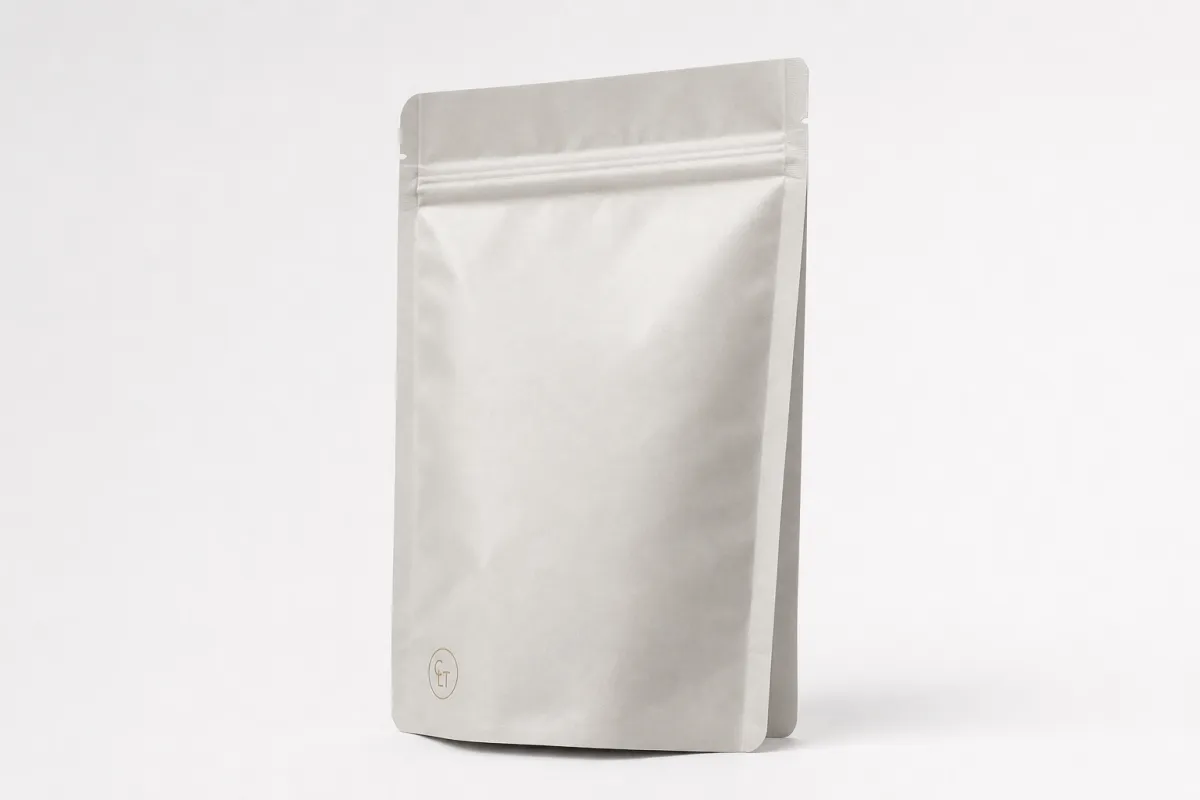
Waste usually starts in small, expensive ways. A pallet leaves the plant with a seal issue. A case arrives with scuffed print or a zipper that does not close consistently. A product sits longer than planned because the pouch was chosen for appearance rather than barrier performance. Custom food-safe pouches wholesale reduces that risk because it lets a brand match the package to the product instead of forcing the product into a generic shell. The fit matters most when shelf life is tight or the product is sensitive to humidity, oxygen, aroma loss, or grease migration.
A flexible pouch can do several jobs at once. It can reduce headspace, improve shipping density, and give the brand a clean front panel for retail display. In e-commerce, a properly built pouch tends to travel better than many rigid containers because it can absorb impact instead of cracking. On shelf, it can stand upright, hang from a peg, or show a wide face that carries the artwork clearly. That is one reason custom food-safe pouches wholesale often becomes the default format for brands that want a family look across snacks, powders, coffee, and specialty ingredients.
There is a finance angle, too, and it is bigger than most teams admit in the first meeting. When one pouch structure can be adapted across several products, custom food-safe pouches wholesale trims repeated setup work in packaging design and artwork approval. A brand can reuse dimension logic, closure choices, and print rules, then adjust only the product-specific details. That is cleaner than reinventing the package every time a new flavor or fill weight launches. It is also easier on the warehouse, because the team handles fewer variations and purchasing can forecast replenishment with less guesswork. That kind of predictability is not glamorous, but it saves real money.
A pouch can look right and still fail if the seal window, barrier, or zipper choice does not match the fill. Packaging is protection first, decoration second.
Brands that want fewer surprises usually do better with custom food-safe pouches wholesale than with the cheapest untested structure they can find. The lowest quote often becomes the highest cost once leakage, repacks, complaints, and write-offs enter the ledger. I have watched that movie more than once, and it never ends well.
Product Details: Materials, Structures, and Food-Grade Features
The first thing to examine is the material stack. Most custom food-safe pouches wholesale programs rely on laminated films, and those laminates can be built in several ways depending on the product. A common high-barrier setup combines PET for print clarity and toughness, aluminum foil or metallized film for oxygen and light protection, and PE for heat-seal performance. A more sustainability-oriented option may use a mono-material PE or PP structure, which can be easier to recycle where local systems support it. Paper-based looks also exist, with functional barrier layers beneath the paper face, which gives a natural shelf appearance without surrendering performance. The recycling claim deserves honesty, though: a structure may be technically recyclable and still end up in landfill if local collection does not accept it.
The food-safe piece is not limited to the outside layer. In custom food-safe pouches wholesale, the food-contact layer has to suit the product, the seal layer has to close cleanly under real line conditions, and the printed outer layer has to hold registration and color consistency through the full run. That is why buyers should ask how the layers work together instead of asking only for "food-grade material." The supplier should explain the film, the sealant, the ink system, and the documented compliance for the target market. A vague answer here is a warning sign. Food-safe does not mean shelf-stable by default, and it definitely does not mean every product can use the same film.
Feature choices matter just as much. Resealable zippers help with products opened repeatedly, such as snacks, coffee, and powdered blends. Tear notches make the first opening cleaner. Hang holes support peg display. Degassing valves are useful for roasted coffee because they let gas escape without inviting oxygen in. Rounded corners reduce snagging during packing and handling. Clear windows show the product itself, which works well when a brand wants a more transparent packaging approach. Matte finishes feel softer and more premium, while gloss finishes help graphics pop under strong retail lighting. Custom food-safe pouches wholesale can include all of those features, but the supplier should confirm which ones fit the product and the fill process before the design is locked.
Different pouch styles suit different products:
- Stand-up pouches work well for snacks, powders, dried fruit, granola, and pet treats that need shelf presence.
- Flat pouches fit sample packs, small servings, and single-use applications where low profile matters.
- Side-gusset pouches are common for coffee, tea, baking ingredients, and products that need more fill volume.
- Quad-seal pouches support heavier fills and a more rigid shelf profile.
- Spouted or specialty pouches can work for sauces or liquid-like foods if the fill and seal setup supports them.
For buyers comparing custom food-safe pouches wholesale against other formats, performance and process fit should lead the decision. A pouch that looks premium but slows the line, tears during packing, or fails transit testing is the wrong pouch. For practical testing guidance on shipping and handling, the International Safe Transit Association offers useful resources at ISTA, and brands using paper-based content should understand fiber sourcing and certification paths through FSC.
Chosen well, custom food-safe pouches wholesale gives food brands a controlled balance of barrier, shelf appeal, and packability. That balance is usually what buyers are paying for, even if the quote sheet never says so in plain language.
Specifications to Confirm Before Ordering Custom Food-Safe Pouches Wholesale
Before a quote request goes out, the buyer should have the core dimensions ready. That means pouch width, height, bottom gusset depth if applicable, fill weight, and the closure style. For custom food-safe pouches wholesale, even a small dimension change can alter pricing, shelf fit, shipping density, and print layout. A 2 mm shift may sound minor, yet on a production floor it can change how the pouch fills, how the seal lands, and how the case packs stack on a pallet. Buyers should also confirm whether the pouch needs to stand upright, lay flat, or fit into a display carton.
Food-contact and product-compatibility details should be settled early. Dry snacks, oily seeds, powdered mixes, frozen products, and aromatic coffee do not all ask the same thing from the film. A supplier quoting custom food-safe pouches wholesale should know the storage conditions, expected shelf life, filling temperature, and whether the product includes sharp edges or heavy particulates that could stress the seal. If the pouch will be exposed to high humidity, refrigerated storage, or rough distribution, the structure may need a stronger sealant or a thicker laminate than the buyer expected at the start.
Artwork is another place where preparation saves money. Ask for the dieline in the correct format, confirm bleed, review safe zones, and decide where the barcode, lot code area, and any regulatory copy will sit. In custom food-safe pouches wholesale, barcode placement can affect scanner readability, and print limits can affect how crisp small text appears on film. If the brand uses specific colors, ask about Pantone targets or approved samples so the production team knows what matters most on press. Packaging design should support the filling operation, not just the creative file.
A simple pre-quote checklist usually shortens the process:
- Product name, product type, and fill weight.
- Target shelf life and storage conditions.
- Pouch style, dimensions, and closure preference.
- Artwork files, version notes, and dieline requirements.
- Quantity target, reorder expectations, and destination.
The more complete the brief, the cleaner the quote. That is especially true for custom food-safe pouches wholesale, because the wrong assumption about structure or finish can move the number more than a buyer expects. If your brand is also looking at cartons, secondary packs, or a broader mix of formats, our Custom Packaging Products page is a good place to compare structures beyond pouches.
Samples help, too. A tactile sample shows seal feel, film stiffness, zipper quality, and the way the pouch sits in hand. A PDF cannot do that. For buyers managing multiple channels, custom food-safe pouches wholesale should always be reviewed against the real product path: filling line, warehouse, truck, shelf, and consumer use. That is the part that sounds obvious in theory and gets ignored in practice.
Custom Food-Safe Pouches Wholesale Pricing, MOQ, and Quote Basics
Pricing usually comes down to a handful of variables, and understanding them makes the quote easier to compare. For custom food-safe pouches wholesale, the main cost drivers are material choice, pouch size, print method, number of colors, closure type, and finishing details such as matte lamination, spot gloss, clear windows, or soft-touch effects. Tooling can matter as well. If the pouch needs custom plates, cylinders, or special setup, those costs should appear in the quote instead of surfacing later as a surprise. A clean quote is easier to manage because it separates true unit cost from one-time setup cost.
MOQ shifts with structure and print approach. Simpler stock-style options often allow lower entry quantities, while fully Custom Printed Pouches usually need higher volumes to justify the setup. That said, smaller quantities can still make sense for launches, seasonal products, or regional tests. Custom food-safe pouches wholesale is not only for giant runs. It also fits brands trying to validate packaging design without overcommitting inventory. A buyer may accept a higher unit cost at a 2,000-piece run if it protects cash flow and avoids dead stock. The real question is often landed cost versus inventory risk, not unit price in isolation.
Here is a practical comparison of common pouch approaches. These are indicative ranges only, but they help buyers frame a quote discussion for custom food-safe pouches wholesale:
| Structure | Best Use | Typical MOQ | Indicative Unit Cost | Notes |
|---|---|---|---|---|
| Plain stock-style food pouch | Launches, trials, limited SKU tests | 1,000-3,000 pcs | $0.12-$0.24 | Lowest setup burden; limited branding flexibility |
| Custom printed stand-up pouch | Retail snacks, powders, coffee | 3,000-10,000 pcs | $0.18-$0.42 | Strong shelf appeal; costs depend on print coverage and finish |
| High-barrier laminated pouch | Oily, aromatic, or moisture-sensitive foods | 5,000-20,000 pcs | $0.22-$0.58 | Better protection; may include foil or metallized film |
| Mono-material recyclable pouch | Brands prioritizing recyclability goals | 5,000-15,000 pcs | $0.24-$0.55 | Structure choices are narrower; barrier must still suit the product |
Comparing quotes the right way means checking the same dimensions, film thickness, barrier level, closure type, and shipping terms on every proposal. If one supplier quotes a 4 mil structure and another quotes a 5 mil structure, the lower number may simply reflect less material. If one quote includes freight, proofing, and inspection while another does not, the numbers are not actually comparable. That is why experienced buyers ask for an itemized breakdown in custom food-safe pouches wholesale sourcing. It protects the purchase order and makes reorders simpler.
Hidden costs deserve a seat at the table. Plates, cylinders, proofing, freight, and remake risk can all change the final landed price. If artwork changes late or the dieline is not approved carefully, the cheapest quote can become the most expensive run. In food packaging, that is especially true because a remake can miss a launch window and create inventory imbalances downstream. Custom food-safe pouches wholesale should be priced with enough detail to prevent those surprises. You do not want to discover the real cost after the goods are already on the water.
If your team is comparing supply options and wants a broader view of the purchasing path, our Wholesale Programs page can help frame what volume tiers and service levels may look like across a packaging program. That is useful when custom food-safe pouches wholesale is one part of a larger branded packaging system that also includes labels, cartons, or secondary packs.
Production Process and Timeline for Custom Food-Safe Pouches Wholesale
The production workflow is straightforward once the information is complete. A typical custom food-safe pouches wholesale run starts with the inquiry, then moves into specification review, artwork setup, proof approval, production, inspection, packing, and shipment. Each step has a job to do. The review stage confirms the film structure and pouch style. The proof stage checks artwork placement, color intent, and barcode location. Production then handles printing, lamination, converting, sealing, and finishing. Final inspection catches obvious defects before shipment, which matters because a small issue in the pouch mouth or seal can affect the whole case.
Lead time depends on several factors, and buyers should hear those factors plainly. Print method matters because some processes need more setup than others. Material availability matters because specialty films and barrier layers are not always stocked in every size. Finish details matter because matte lamination, spot effects, windows, and special closures can add setup time. During custom food-safe pouches wholesale production, approval speed is often the biggest schedule variable on the buyer side. If the proof sits for a week because nobody signs off on barcode placement, the entire schedule moves.
Delay points are usually predictable. Late artwork changes are one. Missing dimensions are another. Unclear barcode files, unresolved product claims, and uncertainty about the correct seal position can all slow things down. Another common issue is approving a design before the pouch structure has been finalized. That creates a loop of revisions that wastes time and can introduce avoidable risk. In custom food-safe pouches wholesale, it is better to spend one extra hour confirming the spec than one extra week correcting it later.
For planning, many buyers should think in terms of a broad production window rather than a promise tied to a single date. A clean run may move faster than a complex one, but a more realistic expectation is often shaped by proof approval, line capacity, and the finishing details selected. Buyers who need shipping verification can also ask about transit testing. A packaging program that will travel long distances or pass through multiple warehouses should consider drop and vibration expectations, and ISTA resources are useful for that discussion. Packaging is judged on the truck as much as in the studio.
Here is the fastest way to keep custom food-safe pouches wholesale on schedule:
- Send product type, fill weight, and storage conditions in the first email.
- Provide the final dieline or request one before artwork starts.
- Confirm barrier needs, closure style, and shelf life target early.
- Review proofs promptly and answer technical questions the same day when possible.
- Avoid changing copy, barcode placement, or dimensions after approval.
That may sound plain, but it saves real time on the floor. A good supplier keeps the process disciplined without making it feel cold. For custom food-safe pouches wholesale, disciplined production keeps the schedule honest and the product ready for launch. That is the difference between a smooth rollout and a production scramble nobody wants to repeat.
Why Choose Us for Custom Food-Safe Pouches Wholesale
Buyers usually want the same four things: dependable manufacturing, clear communication, realistic recommendations, and pricing that makes sense for the product. That is the standard we try to keep in focus with custom food-safe pouches wholesale. We do not see value in overselling a structure that does not add protection, and we do not see value in pushing fancy finishes that never change the shelf outcome. The better approach is to match the pouch to the food, the fill line, and the channel.
That practical mindset matters because packaging fails in practical ways. A pouch that looks premium but lifts at the seal edge is a problem. A zipper that sounds nice but does not close cleanly in cold storage is a problem. A barrier structure that is too light for a greasy or aromatic product is a problem. Custom food-safe pouches wholesale should be judged on the same floor-level criteria that operators and buyers care about: seal performance, print consistency, handling strength, and repeatability. That is where experience in product packaging pays off.
Support matters too. Buyers often need help interpreting dielines, checking artwork scale, or deciding whether a clear window helps or hurts the final shelf look. A strong supplier should answer those questions directly, with references to what the pouch can actually do. For a brand using multiple formats, the same discipline applies to Custom Printed Boxes and other retail packaging components. The system works better when every piece of branded packaging follows the same logic, from first review to final shipment.
We also think in measurable outcomes. A good custom food-safe pouch should protect freshness, present the brand cleanly, fit the planned fill weight, and keep reorders manageable. If a structure does not improve one of those outcomes, it may be more decoration than packaging. That is a poor trade for most buyers. Custom food-safe pouches wholesale should make the product safer to ship, easier to stock, and easier to sell again. If it does not do those things, the bells and whistles are just expensive noise.
For brands that want a broader view of available formats, our Custom Packaging Products and Wholesale Programs pages can help connect the dots between pouches, cartons, labels, and the rest of the packaging system. The goal is not only to buy a pouch. The goal is to build a consistent packaging program that can scale without constant redesign.
Next Steps: What to Prepare Before Requesting a Quote
If you are preparing a request, start with the product itself. List the product type, fill weight, expected shelf life, storage conditions, and whether the food is dry, oily, aromatic, frozen, or moisture-sensitive. Then note the pouch style you think fits best, even if you are not fully certain yet. For custom food-safe pouches wholesale, a supplier can usually recommend a better structure once those basics are clear. A vague brief often leads to a vague quote, and vague quotes are hard to compare.
Your checklist should also include closure preference, dimensions, artwork files, barcode files, and shipping destination. If you have a target cost, include that too. If you want samples before committing, say so early. A practical custom food-safe pouches wholesale quote request might include two or three structure options so you can balance appearance, protection, and cost instead of choosing on price alone. That is a better way to buy food packaging because it gives you room to compare tradeoffs honestly.
Here is a simple decision path that usually works well:
- Confirm the product and shelf life target.
- Choose the pouch style that fits the fill weight and shelf display needs.
- Compare two or three material structures for barrier and cost.
- Review samples or proofs before approval.
- Place the order only after the final spec is locked.
That sequence keeps the project grounded. It also makes the supplier’s job easier, which usually leads to fewer revisions and a cleaner final product. If your team is ready to move, custom food-safe pouches wholesale works best when the brief is complete and the decision is based on real product needs rather than guesswork. Send the specs, review the options, and build the pouch around the food, not the other way around. That is the whole play.
For brands that want stable supply, clean branding, and packaging that protects the product through handling and transit, custom food-safe pouches wholesale is a practical route forward. When the details are right, the pouch does more than hold food; it supports freshness, shelf appeal, and a purchasing process that stays predictable from the first run to the reorder. In other words, the packaging stops being a headache and starts doing its job.
What materials work best for custom food-safe pouches wholesale?
The best material depends on the product. Dry snacks often need moisture and oxygen barriers, while oily or aromatic foods usually need a stronger laminate structure. A good supplier should recommend the film based on shelf life, handling, and retail conditions instead of defaulting to one standard pouch for every item. That is especially true in custom food-safe pouches wholesale, where the wrong structure can create avoidable waste. Food-safe is a starting point, not the finish line.
What MOQ should I expect for custom food-safe pouches wholesale?
MOQ varies by size, structure, and print method. Simpler stock-style options often allow lower entry quantities than fully custom printed runs, while high-barrier or specialty finishes usually require more volume. If you are launching a new product, ask for multiple quantity tiers so you can compare unit cost against inventory risk. That makes custom food-safe pouches wholesale easier to plan financially. Sometimes the smaller run is the smarter one, even if the unit price stings a little.
How do I compare quotes for custom food-safe pouches wholesale?
Compare the same pouch size, material thickness, barrier level, closure type, and shipping terms so you are not comparing different products by accident. Also ask whether the quote includes plates, proofing, inspection, and freight, because those line items can change the real landed cost. In custom food-safe pouches wholesale, the lowest quote is not always the best value. I have seen the cheapest bid get very expensive after one remake and a missed ship date.
Can custom food-safe pouches wholesale include zippers, valves, or windows?
Yes, many pouch structures can include resealable zippers, degassing valves, tear notches, hang holes, and clear windows if the product and structure support them. The key is confirming that each feature fits the barrier requirements and the filling process before artwork is finalized. That step prevents surprises later in custom food-safe pouches wholesale production. Fancy features are fine, but they have to earn their place.
How long does production take for custom food-safe pouches wholesale?
Production time depends on artwork approval, material availability, printing method, and finishing details, so the fastest path is to send complete specs from the start. A clean approval process usually shortens the schedule more than any single production change, especially when proof revisions are avoided. For custom food-safe pouches wholesale, a clear brief is often the best way to protect the timeline. If the brief is muddy, the schedule usually gets muddy with it.

