Buyer Fit Snapshot
| Best fit | Custom Front Panel Labels projects where brand print, material claims, artwork control, MOQ, and repeat-order consistency need to be specified before quoting. |
|---|---|
| Quote inputs | Share finished size, material target, print colors, finish, packing count, annual reorder estimate, ship-to region, and any compliance wording. |
| Proofing check | Approve dieline scale, logo placement, barcode or warning zones, color tolerance, closure strength, and carton packing before bulk production. |
| Main risk | Vague material claims, crowded artwork, missing packing details, or unclear freight terms can make a low unit price expensive after revisions. |
Fast answer: Custom Front Panel Labels: Material, Adhesive, Artwork, and MOQ should be specified like a repeatable production item. The safest quote records material, print method, finish, artwork proof, packing count, and reorder notes in one written spec.
Production checks before approval
Compare the actual filled-product size with the drawing, then confirm tolerance on folds, seals, hang holes, label areas, and retail display edges. Reserve space for logos, QR codes, warning copy, and material claims before decorative graphics fill the panel.
Quote comparison points
Review material grade, print process, finish, sampling route, tooling charges, carton quantity, and freight assumptions side by side. A quote is only useful when the supplier can repeat the same color, closure quality, and packing count on the next order.
Custom Front Panel Labels: Design, Cost, and Process Tips
Custom front panel labels do a lot of quiet heavy lifting before a shopper ever opens a spec sheet, compares ingredients, or asks a rep for a sample. The front face of a package acts like a small billboard with a very short life span, so it has to earn trust fast. If the label feels cramped, flimsy, or unclear, the package starts losing ground long before anyone figures out what is actually inside.
That is why custom front panel labels matter so much in branded packaging. They can turn plain jars, cartons, bottles, pouches, and boxes into retail packaging that feels deliberate instead of assembled in a hurry. They also shape production choices, compliance checks, and total cost in ways that are easy to miss if you are only looking at the artwork on a screen. I have seen beautiful mockups fall apart the minute they met a curved bottle shoulder or a cold cooler case, and that lesson tends to stick.
Why Custom Front Panel Labels Change First Impressions
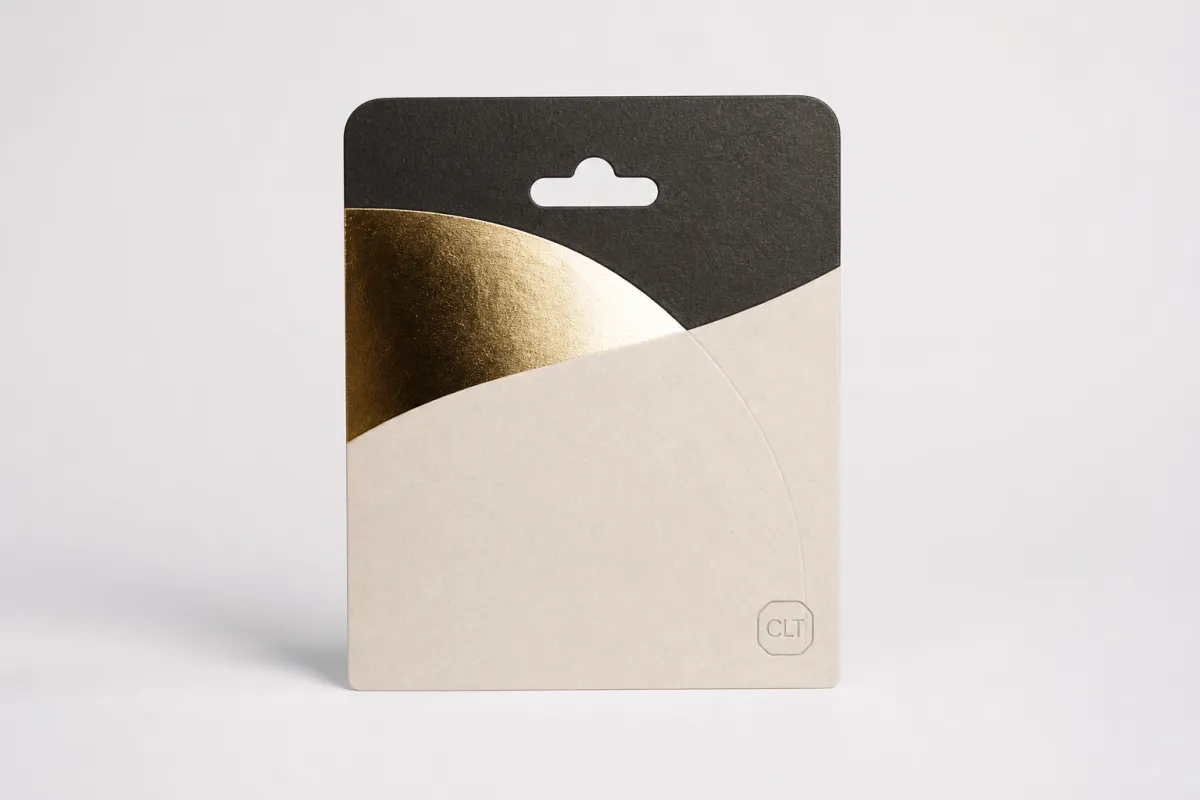
Shoppers usually see the front panel first. That sounds simple enough, yet a lot of packaging still gives that space too little attention. Custom front panel labels have to work in a few seconds, often under harsh store lighting, on a crowded shelf, or from a phone camera held a few feet away. That is a tough environment, and the label does not get a second look.
Custom front panel labels are the labels designed for the most visible face of a package. They carry the brand name, the product name, and the message that gets someone to pick the item up. They can be applied to glass, plastic, coated paperboard, metal tins, corrugated mailers, and some custom printed boxes when the front face needs another layer of branding. In other words, they are not just decorative stickers. They are part of the package architecture.
For a packaging buyer, custom front panel labels are a sales tool, a compliance tool, and a consistency tool at the same time. A label can make a candle feel premium, help a supplement look more trustworthy, or give a specialty food SKU enough presence to stand apart from nearby lookalikes. That matters across cosmetics, food, supplements, beverage cartons, personal care, and niche retail packaging. The front panel often decides whether the rest of the package even gets noticed.
If your product line includes several SKUs, custom front panel labels also help with recognition. A strong front panel system can keep the brand family aligned while still making room for flavor, scent, size, or formula changes. Many buyers pair them with Custom Labels & Tags and other Custom Packaging Products when they want the whole package to feel connected rather than assembled from unrelated parts. That kind of consistency matters more than people admit, because shoppers notice when the front panel, side panel, and outer carton are speaking the same visual language.
In practice, the best custom front panel labels do three jobs at once:
- They make the product name easy to read at a glance.
- They reinforce package branding without crowding the panel.
- They signal quality through finish, shape, and print control.
That last part carries more weight than many teams expect. A matte paper label on a dry pantry item sends a different signal than a clear film label with foil accents on a glass bottle. Neither choice is automatically better. The right one depends on the product, the shelf environment, and the budget. That practical balance is where custom front panel labels earn their keep.
The front panel also should not carry every claim the marketing team wants to squeeze in. Custom front panel labels work best when they stay disciplined. If the copy is trying to do everything at once, it kinda starts arguing with itself. The label should guide the eye, not start a shouting match with it.
How Custom Front Panel Labels Work in Production
Production starts with dimensions, not inspiration. Custom front panel labels need to fit the actual panel, not the imagined panel in a mockup. The process usually begins with a brief, a dieline, and a review of the package surface. Once those details are clear, the artwork is built to size, proofed, approved, printed, finished, and shipped.
The three most common label formats are pressure-sensitive labels, roll labels, and printed stickers. People use those terms loosely, but the differences matter. Pressure-sensitive labels are the everyday workhorse: peel, stick, done. Roll labels are the format many applicators prefer because they feed cleanly through machines or semi-automatic setups. Printed stickers can work for short runs, but if you want consistent custom front panel labels at larger volumes, a format built for repeatable application usually makes more sense.
Finishes change the feel quickly. Matte gives a softer, more restrained look. Gloss pushes color and contrast. Soft-touch lamination can make Premium Product Packaging feel more substantial in hand, though it is not the right answer for every item. Foil accents, spot UV, embossing, and debossing can add depth, but they also add cost and setup complexity. If the label already carries a busy layout, piling on effects can make it feel cluttered instead of elevated. The trick is knowing when the finish is doing useful work and when it is just making the job more expensive.
Substrate choice is where practical thinking saves money. Paper is usually the lower-cost option for dry environments and shorter-run needs. Film stocks, such as BOPP or other moisture-resistant materials, fit better when the package sees refrigeration, condensation, handling, or splash exposure. Specialty stocks can create a premium look, but they should earn that role. I have seen buyers choose a beautiful stock that felt perfect in the sample room and then went limp or scuffed badly once the package reached a humid sales floor. That is not a design problem so much as a mismatch between the material and the real use case.
Surface type matters just as much as stock. Custom front panel labels on curved bottles need different adhesive behavior than labels on flat cartons. Textured paperboard can challenge adhesion. Cold storage changes how aggressively an adhesive grabs. Oily jars, powder-coated tins, and squeeze tubes all behave differently. That is why the same front panel art can work on one package and fail on another. The art did not change. The surface did.
Registration and dielines do quiet but important work. A label can look good and still fail if the trim line is off, the bleed is too tight, or key copy sits too close to an edge. For custom front panel labels, a 1/8 inch bleed is common, though the printer's spec sheet always takes priority. If the logo sits too close to the cut line, the result can look careless even when the print quality is solid.
On higher-risk shipments, it helps to think beyond the label and ask how the whole package will travel. Standards from groups like ISTA can be useful here. A package that looks great on a shelf but scuffs, peels, or rubs off in transit still misses the mark. Labels do not get a pass just because the design file looked polished. The real test is whether the package survives the route from press to pallet to shelf.
"If the label cannot survive the real package, the design is unfinished."
That is the test. Custom front panel labels have to perform on the actual surface, under real handling, with real adhesive behavior. Pretty is not enough.
Custom Front Panel Labels Process and Timeline
The fastest projects are the ones with clear inputs. Custom front panel labels move more quickly when the buyer knows the exact panel size, material target, quantity, application method, and launch date. The rest is execution. If any of those basics are vague, the schedule starts to wobble. Delays usually come from missing information, not from a mysterious printing problem.
A clean workflow usually looks like this:
- Gather the package specs, including dimensions, surface type, and usage conditions.
- Build or check the dieline so the artwork fits the front panel exactly.
- Prepare the artwork in the right file format with clear copy and color expectations.
- Review the proof for size, bleed, type hierarchy, and finishing details.
- Approve the proof so production can start.
- Print, finish, cut, and package the labels for shipment.
Simple custom front panel labels with ready-to-print artwork can often move in roughly 5-8 business days after proof approval, depending on capacity and material availability. More complex jobs need more breathing room. Add foil, embossing, custom shapes, or specialty adhesives, and 10-15 business days is a more realistic range. Large runs can take longer, especially if the order needs color matching across multiple SKUs or if the supplier is balancing several production schedules at once.
Late changes are the usual troublemaker. Missing dimensions, weak source files, vague Pantone expectations, and copy edits after proofing can all slow things down. A buyer who sends a half-finished brief and then asks for a rush job is asking the plant to guess. That is a fast route to waste, not efficiency. If the timeline matters, the best move is to lock the basics early and avoid “we’ll fix it later” thinking.
For custom front panel labels, the pre-production checklist should include:
- Exact panel width and height.
- Package surface material and texture.
- Run quantity and SKU count.
- Desired finish, such as matte, gloss, or soft-touch.
- Application method, manual or machine.
- Required delivery date and shipping destination.
- Any compliance text, barcode, or regulatory copy.
Proofing is where money gets saved. A strong proof catches alignment mistakes, color shifts, bleed problems, and text that is too small to survive real-life viewing. I would rather see a buyer spend an extra day on proofing than pay for a production run that needs rework. That is not caution. That is basic math, and in packaging it usually saves more than it costs.
If the project touches food, supplements, or regulated retail packaging, keep the claims on the label aligned with your compliance team or legal reviewer. A design can look beautiful and still create problems if it uses copy that cannot be supported. The label printer is not your regulatory backstop. Custom front panel labels should support the product story, not invent one.
For brands that need more than a single label, it helps to think about how the front panel works with the rest of the pack. The strongest results often come when custom front panel labels are planned alongside cartons, inserts, shipper graphics, and the wider branded packaging system. That keeps the package consistent from shelf to shipment and avoids the patchwork look that can happen when each element is developed in isolation.
Custom Front Panel Labels Cost, Pricing, MOQ, and Quote Factors
Price is where reality enters the room. Custom front panel labels are not priced by vibes. Size, material, finish, quantity, shape, color count, adhesive, and turnaround all change the number. If a quote looks suspiciously low, ask what was left out. There is usually a catch. Printing does not run on wishful thinking, and the cheapest quote often assumes fewer variables than the project actually has.
For a rough sense of range, standard custom front panel labels in paper stock can fall into these ballparks:
- 500-1,000 pieces: roughly $0.30-$0.90 per unit, depending on size and coverage.
- 2,500-5,000 pieces: often $0.12-$0.35 per unit for simpler builds.
- 10,000+ pieces: can move closer to $0.05-$0.18 per unit when the format is efficient.
Those ranges are not fixed. They shift with print coverage, shape complexity, finishing, and whether the order needs moisture resistance or a premium appearance. Add foil, soft-touch, or a specialty adhesive, and the price can rise by 15-40% or more. That is normal. Special finishes cost more, and the press still has to be set up, checked, and cleaned down before anything goes out the door.
MOQ exists because setup costs do not disappear just because the order is small. Plates, calibration, press time, trimming, and inspection all take labor. Many suppliers set minimums around 500-1,000 labels for digital work, while press-based runs often land higher. The exact floor depends on the supplier's process and how efficiently the job can be nested on press. If you need only a few hundred custom front panel labels, expect a higher unit cost or ask about digital production.
Here is a practical comparison of common options:
| Option | Typical Price Range | Best For | Tradeoffs |
|---|---|---|---|
| Paper pressure-sensitive labels | $0.05-$0.25 per unit at mid to higher volumes | Dry goods, short runs, lower-cost retail packaging | Less moisture resistance, can scuff more easily |
| BOPP or other film labels | $0.08-$0.35 per unit depending on finish | Moist environments, handling, refrigerated products | Higher material cost, may feel less natural on some brands |
| Premium custom front panel labels with foil or soft-touch | $0.18-$0.60+ per unit | Cosmetics, specialty food, premium branded packaging | Higher setup cost, longer lead time, more proofing needed |
The lowest quote is not always the least expensive job. A low-cost label that peels on a curved jar, misfeeds in an applicator, or scratches during shipping can burn more money than it saves. That matters even more if the SKU launch is tied to a trade show, retail reset, or new distribution window. Reprinting custom front panel labels in the middle of a launch is the sort of “savings” nobody wants to explain to a sales team.
When you request a useful quote, include the actual artwork file if you have it, plus the panel dimensions, surface type, expected volume, and any durability requirements. If the label needs to withstand cold chain handling, oily surfaces, or repeated touch, say so plainly. If you want FSC-certified paper for sustainability goals, mention that early. For paper sourcing and stewardship standards, the FSC site is a solid reference point.
One more pricing tip: compare total value, not only unit price. Custom front panel labels that apply cleanly, hold up better, and support a stronger retail presentation can justify a higher piece cost if they reduce labor and protect the brand. That is real money. So is the cost of a messy line, wasted labor, and a product that looks one step cheaper than the competition. The best quote is the one that matches how the product will actually be used.
Key Design Factors for Custom Front Panel Labels
Good design starts with hierarchy. For custom front panel labels, the eye should find the brand first, then the product name, then the one detail that matters most to the buyer. That could be flavor, scent, use case, size, or a short promise like “cold-pressed” or “extra strength.” If everything shouts at the same level, nothing gets remembered.
Typography does a great deal of the work. Small labels need fonts that stay legible at shelf distance. Thin scripts and decorative faces can look elegant on a monitor and fall apart in the real world. Strong contrast, enough whitespace, and a clear type scale help custom front panel labels survive on a bottle-cap-size panel or a narrow carton face. Packaging design is not the place to prove you found the world's smallest serif.
Color and finish should support the message. A matte surface can feel clean, calm, and modern. Gloss can make color blocks hit harder under retail lighting. Foil or metallic accents can signal premium positioning, but they should have a reason. If the brand story is simple and grounded, a more restrained finish often fits better. If the product is luxury or gift-oriented, a richer treatment may match the price point. That is the difference between package branding and decoration for decoration's sake.
Custom front panel labels also need room for required information. Depending on the product, that might include net weight, scent, flavor, dosage, warnings, or other on-pack details. On food and supplements, readability and compliance matter. On household products, safety copy can matter just as much. The trick is to place that information where it does not fight the main message. Front panels fail when they start looking like a legal notice wearing a brand logo.
Surface fit is the last major design check. A label that looks perfect on a flat proof can distort on a curved jar or a textured paperboard carton. That is where mockups matter. I always want to see the art wrapped around the actual shape, not just floating inside a flat rectangle. Custom front panel labels need to be judged on the package, not in a vacuum.
If a brand is building a wider system with custom printed boxes, inserts, and shelf-ready cartons, the label should match that family. The strongest product packaging feels intentionally connected. Same tone, same type logic, same level of restraint or energy. The front label is only one piece, but it is usually the first one a buyer sees, so it has to carry the system cleanly.
For a quick design check, ask these four questions:
- Can someone read the product name in two seconds?
- Does the front panel make the brand feel credible?
- Are the finishes helping or distracting?
- Will the design still work on the real package shape?
If the answer to any of those is shaky, the custom front panel labels need another round of work before print approval. A little restraint here saves a lot of trouble later.
Common Mistakes to Avoid With Custom Front Panel Labels
The most expensive mistake is designing for the mockup instead of the package. Custom front panel labels need the actual panel width, corner radius, and curvature. If those numbers are wrong, the label can wrinkle, lift, or sit off-center. And yes, off-center is exactly the sort of thing customers notice even when they cannot explain why the package feels off. A millimeter here and there can matter more than people expect.
Proofing mistakes come next. Some buyers approve from a monitor, glance at the text, and assume everything is fine. It is not. Color, scale, bleed, and trim need to be checked against the printer's specs. A front label can look beautiful in Photoshop and still fail once it is sized to the real panel. That is why custom front panel labels need a true proofing process, not a rush toward “good enough.”
Overdesign is another classic problem. Too many finishes, too many fonts, too many competing messages. The result is a front panel that feels expensive in the worst possible way: expensive to print, expensive to read, and expensive to fix. Strong custom front panel labels usually do less, not more. They choose one visual idea and execute it cleanly.
Adhesive choice matters more than many buyers expect. If the package is cold, damp, textured, oily, or frequently handled, the wrong adhesive can make the label fail early. That is not just a cosmetic issue. It can trigger returns, repacking labor, and complaints about quality. For retail packaging, a lifting front label makes the whole product look cheap, even if the carton or bottle underneath is perfectly fine.
Copy overload is the last major mistake. If the front panel tries to explain every ingredient, every benefit, every origin story, and every sales claim, the main product message gets buried. Custom front panel labels should act like a signpost, not a brochure. There is a reason the best shelf-facing packaging usually has one clear message. It respects how people shop, and it keeps the package from becoming a wall of competing priorities.
"A front panel that says everything usually says nothing well."
One practical way to avoid mistakes is to compare the label against the package as a system, not as a standalone file. If the brand is using custom printed boxes, a carton sleeve, or a multi-part retail set, the front label should not fight those elements. It should make the whole presentation feel tighter, cleaner, and easier to buy. When the pieces are working together, the package tends to feel more intentional in the hand and on the shelf.
Expert Tips and Next Steps for Better Custom Front Panel Labels
Start with a packaging audit. Measure the front panel, photograph the package from shelf height, and check where the label will be handled, stacked, chilled, or shipped. That sounds basic because it is basic. Yet it is the step people skip most often. Custom front panel labels improve fastest when the buyer knows exactly how the package lives in the real world. The shelf is not a sterile design file, and the freight lane is never as gentle as the mockup makes it look.
Build a one-page spec sheet before you request a quote. Include size, quantity, substrate, finish, application method, target surface, and timeline. If the project has multiple SKUs, list them clearly. That gives the printer something concrete to work from, and it keeps the conversation focused on production instead of guesswork. Good specs also help compare custom front panel labels across suppliers without apples-to-oranges confusion.
Ask for proof options if the design is sensitive. That is especially useful when the label depends on exact color, metallic effects, or a premium finish. Two or three proof directions can save a lot of debate later. The cost of a small proof adjustment is tiny compared with the cost of a bad production run. No one gets a medal for shipping the first ugly version.
Think about total value in layers:
- Material value: Will the stock hold up in use?
- Labor value: Will it apply cleanly by hand or machine?
- Brand value: Does it make the package look more credible?
- Risk value: Will it reduce returns, scuffs, or label failure?
That is where custom front panel labels often justify a slightly higher price. Not because they are fancy, but because they avoid downstream problems. A cleaner front panel can support stronger retail packaging, a smoother launch, and less rework. Those are the kinds of savings finance people actually care about.
If you are still early in the planning stage, it helps to review your wider packaging lineup too. A front label does not live alone. It sits beside secondary packaging, shippers, inserts, and any other branded packaging the customer sees. That is why buyers often review Custom Labels & Tags alongside Custom Packaging Products before locking the final spec.
For brands that care about material sourcing, ask whether the paper stock can be FSC-certified, and whether the supplier can document it. For shipping durability, compare your product's route to relevant ISTA testing ideas. Those are not trendy extras. They are practical checkpoints that reduce surprises and make the final package less fragile in the real world.
Here is the simplest next move: send the dimensions, artwork, quantity, and target date, then review the proof carefully before production starts. That keeps custom front panel labels moving and keeps the launch from slipping because somebody guessed on a panel width. If the front panel is doing its job, the package looks intentional, the message reads fast, and the product has a better shot at getting picked up. That is what custom front panel labels are for, and that is why they deserve more attention than most teams give them.
What are custom front panel labels used for on packaging?
They place the main brand and product message on the most visible face of the package. Custom front panel labels help the item stand out, clarify the offer quickly, and support shelf appeal without forcing the shopper to hunt for the basics.
How do I choose the right material for custom front panel labels?
Paper works well for dry, lower-cost applications, while film is the better pick for moisture, handling, or cold storage. The adhesive matters too, because custom front panel labels have to stay put on curved, textured, or chilled surfaces.
What affects the turnaround time for custom front panel labels?
Artwork readiness, proof approval speed, material availability, and finishing complexity are the main drivers. Simple custom front panel labels can move quickly, but specialty finishes, custom shapes, and larger quantities usually need more lead time.
Why do custom front panel labels have MOQ requirements?
Setup, calibration, and waste make very small runs inefficient for most print jobs. MOQ helps keep per-unit pricing workable and makes the production run economically sensible for the supplier.
How can I reduce the cost of custom front panel labels without hurting quality?
Keep the shape simple, limit special finishes, and order a quantity that absorbs setup costs better. Accurate specs also matter, because they prevent redesigns, proof changes, and waste that drive the real cost up.

