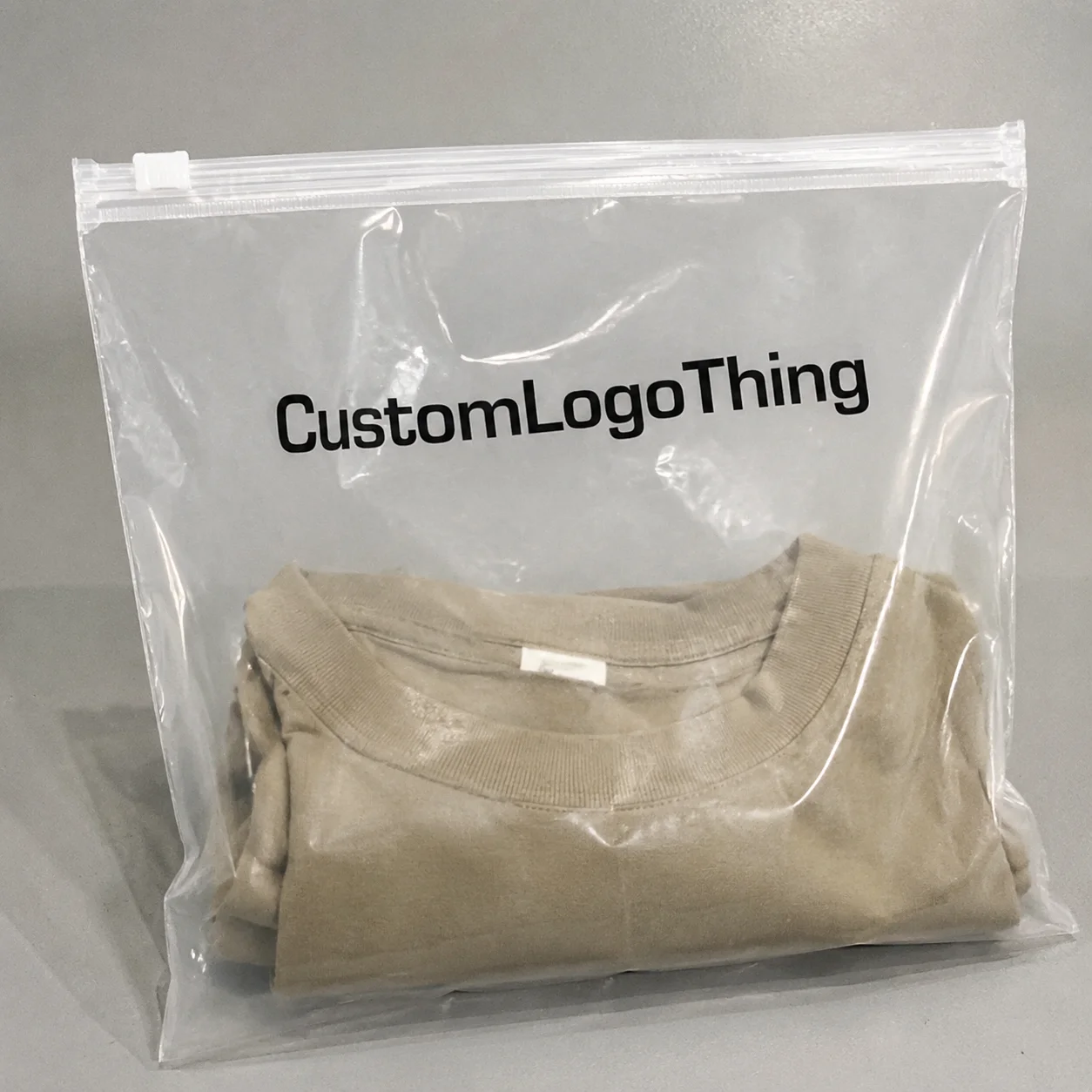
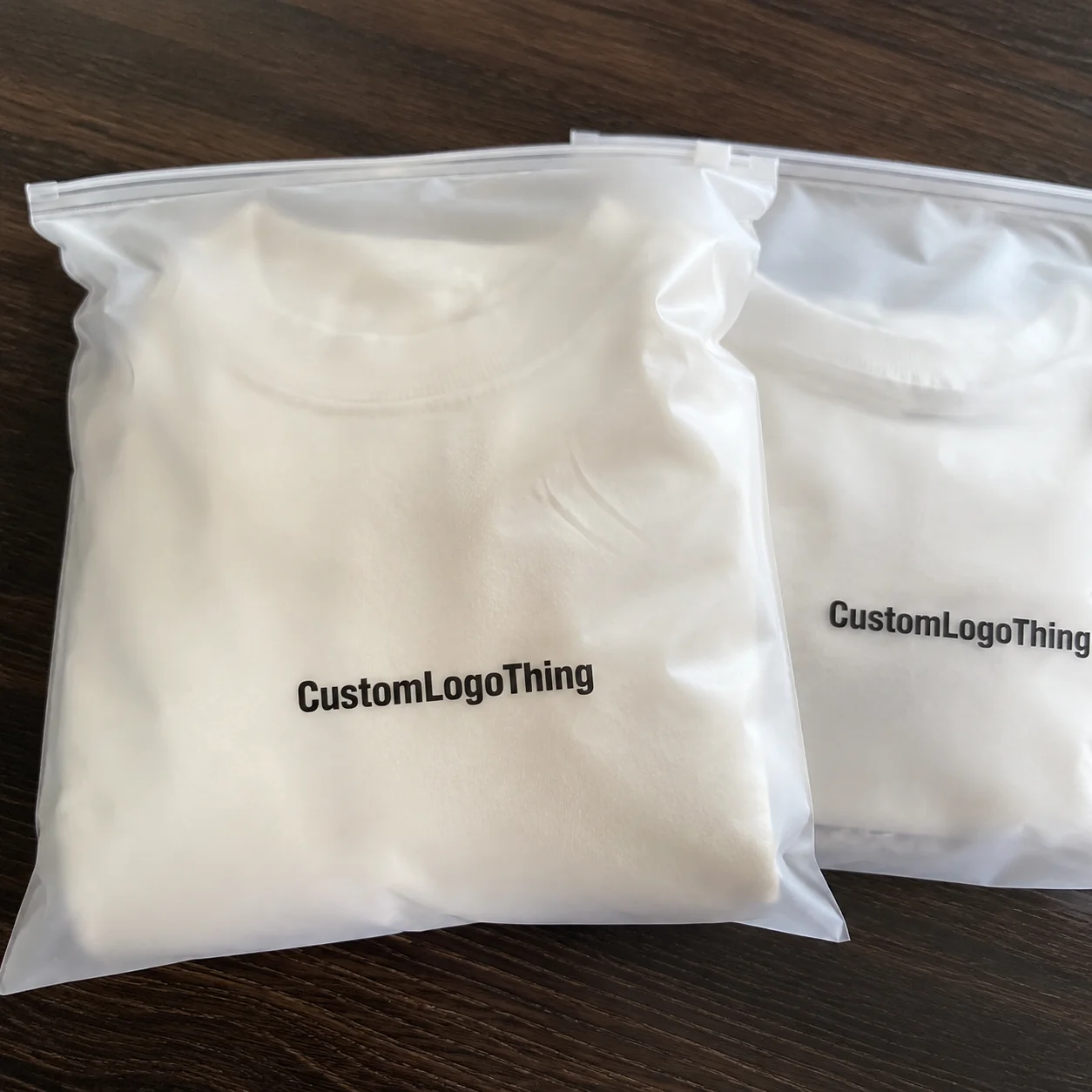
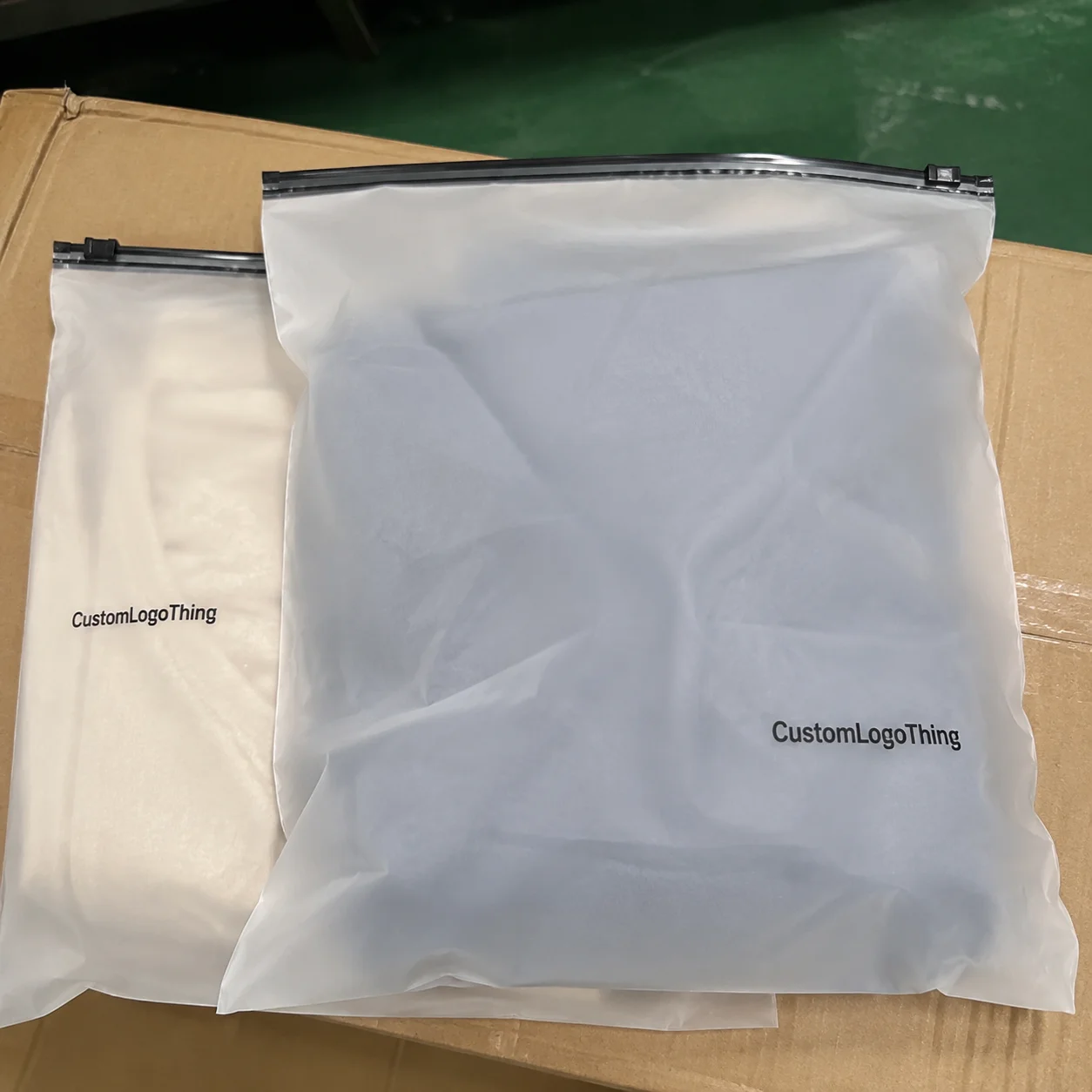
If you are comparing Custom Frosted Zipper Bags usa options, the real question is not whether they look nice. It is whether they help the product look more intentional without blowing up unit cost or creating production headaches. A frosted pouch softens the contents, hides fingerprints better than clear film, and usually reads as more polished the moment someone picks it up. That matters when the bag is part of the product experience, not just a container.
From a buyer’s point of view, these bags sit in a useful middle ground. They are more presentable than basic poly, less rigid and expensive than boxes, and easier to store than hard packaging. For sample kits, skincare, supplements, apparel accessories, and small retail goods, that middle ground is often exactly right. Not dramatic. Just cleaner.
What custom frosted zipper bags actually do for a product
Custom Frosted Zipper Bags are a presentation upgrade with a practical side. The frosted finish diffuses light, which makes the contents less visually harsh and the surface less likely to show every smudge from handling. That sounds minor until you compare it with a clear bag and realize how quickly clear film can look tired if the product inside is uneven, colorful, or small. Frosted film gives the design a calmer background for package branding.
They work best for products that need a clean, modern look without moving into rigid boxes or trays. Think travel-size skincare, promo samples, apparel accessories, small electronics, supplements, or retail bundles. If the product ships in a mailer and also sits on a shelf or counter, the bag often has to do both jobs. That is why buyers use them for retail packaging and for internal sets that need better presentation.
“A frosted pouch does not yell for attention. It just makes the product look like someone cared.”
That sounds basic because it is. And basic is good when the bag has to perform. If you are comparing Custom Packaging Products, frosted zipper bags usually sit between plain poly sleeves and more expensive custom printed boxes. They make sense when the packaging should feel elevated, but the budget still needs to behave.
They also help hide minor imperfections in the contents. A stacked kit with slightly different shapes looks more organized behind frosted film than it does behind crystal-clear plastic. That does not hide a bad assembly job, but it does reduce visual noise. Packaging cannot fix everything. Shocking, I know.
How the material, zipper, and printing process work
Most Frosted Zipper Bags are made from PE film or a similar flexible plastic structure. The bag usually includes side seals, a top zipper closure, and sometimes a hang hole or tear notch depending on how the product is displayed or opened. Thickness is usually discussed in mils or microns. In practical terms, thicker film usually feels sturdier and resists punctures better, but it also costs more and may take more effort to fold or fill.
The zipper matters more than many buyers expect. A weak zipper turns a decent bag into a complaint generator. For sample distribution or retail use, the closure should feel crisp, align well, and stay closed after repeated opening. If the bag is being used for food or supplement products, ask whether the materials meet the relevant food-contact or storage requirements for your use case. Not every supplier builds for the same end application, and a bag that works for apparel inserts may be wrong for anything that needs stricter handling.
Printing basics without the fluff
Printing on frosted film can be straightforward or slightly annoying, depending on the artwork. One-color logos are usually the easiest route and often the cleanest visually. Multi-color printing is possible, but each extra color can increase setup complexity, registration risk, and cost. If the artwork has tiny text, thin lines, or a lot of gradients, ask how it will reproduce on the frosted surface before you approve anything.
There are also differences in how the print sits on the bag. Some suppliers print directly on the film, while others use methods or coatings that improve abrasion resistance. If the bag will be handled a lot in retail or fulfillment, ask about ink durability and rub resistance. A nice logo that scuffs off in transit is just expensive disappointment.
For reference, quality-minded buyers often ask about general packaging standards and material guidance from organizations like the Institute of Packaging Professionals and shipping test expectations from ISTA. Those are not magic badges, but they are better benchmarks than “trust us, it’s fine.”
Why the frosted finish changes the look
Frosted film does two useful things. It reduces glare and gives the package a softer, more premium visual texture. It also makes simple branding look more deliberate because the background is less noisy. That does not turn the bag into luxury packaging. It means the bag stops fighting the product.
For many brands, that is enough. A good frosted pouch can support branded packaging without looking overdesigned. If the logo is bold and the product itself is the hero, the material does a lot with very little.
There is also a practical display advantage. Under harsh lighting, clear bags can reflect enough to distract from the label or product shape. Frosted film cuts that down. The result is less glare on shelf photos, cleaner product shots, and fewer complaints from teams trying to make the packaging look consistent across channels. Small win, but those add up.
Key specs that affect cost, MOQ, and quote accuracy
If you want a quote that means anything, send actual specifications. Not “medium size” and not “something around 6 inches.” Size, thickness, zipper style, print colors, and quantity drive most of the pricing. Bigger bags use more material. Thicker film uses more material. More print colors mean more setup and more room for variation. The math is not subtle.
For custom frosted zipper bags usa buyers, minimum order quantity usually changes based on the structure of the bag and the complexity of the print. Lower MOQs are convenient, but the per-unit price climbs because setup gets spread across fewer pieces. That is normal. A 500-piece run is not supposed to price like a 10,000-piece run. Anyone pretending otherwise is either new or trying to sell you a story.
| Option | Typical use | Cost pattern | Tradeoff |
|---|---|---|---|
| Small MOQ, simple print | Testing demand, limited launches, sample kits | Higher per-unit cost | Less inventory risk, but less price efficiency |
| Mid-volume, one-color logo | Retail packaging, recurring orders, small brands | Moderate unit cost | Good balance of price and presentation |
| Higher volume, multi-color print | Established product lines, ongoing fulfillment | Lower unit cost, higher setup complexity | Best for repeat demand, less flexible if artwork changes |
Here is a realistic pricing frame for many custom runs: a simple frosted zipper bag with one-color print might land around $0.18-$0.35 per unit at mid-volume, while smaller runs or heavier film can push that higher. Add a second or third print color, custom sizing, special closures, or stricter quality checks, and the quote moves quickly. Shipping can also swing the final number more than people expect, especially if the bags are bulky and freight is charged by dimensional weight.
Other variables matter too. Custom die changes, artwork cleanup, expedited production, special inks, and revised proofs can all change the final price. If you are comparing suppliers, ask for a quote that separates unit price, setup, proofing, packaging, and freight. That way you can see where the money is actually going.
One more thing: ask for sample photos or a printed sample if the order has any visual risk. A digital proof is useful, but it will not show the way a light-colored logo fades into frosted film or how a zipper line looks near the seal. That part still needs human eyes.
Do not ignore tolerances either. A bag ordered at 6 x 8 inches may arrive with slight variation depending on the tooling, seal width, and trim allowance. That is normal in flexible packaging. What matters is whether the supplier tells you the acceptable range up front. If they cannot explain tolerance, they probably do not manage it very well.
Step-by-step ordering process and turnaround expectations
The ordering process should be boring. Boring is good. First define the product that will go into the bag. Then measure it. Then choose the bag size with enough allowance for easy insertion and closure. After that, finalize artwork, approve a proof, and move into production. If any supplier tries to jump straight to printing without getting the dimensions right, slow down. That is how people buy unusable packaging.
For turnaround, simple orders usually move faster than custom-heavy ones. A single-color design on a standard size bag can often be produced in roughly 12-15 business days after proof approval, though that depends on factory schedule, quantity, and whether the artwork is clean. Add revisions, special sizes, or high-volume orders, and lead time stretches. That is not a problem. It just needs to be stated upfront.
Proofing is not optional if the artwork matters
Ask for a digital proof at minimum. If the brand depends on precise logo placement, text size, or exact opacity, request a printed sample or pre-production sample whenever possible. Check the zipper alignment, seal quality, and whether the print is centered where the bag will actually be seen. Packaging buyers often approve art on a white screen and then get annoyed when the physical item looks different. The screen is not the product. Still annoyingly true.
Also think about logistics. Will the bags be packed flat or boxed? Will your warehouse accept pallet freight only? Does the receiving dock have limited hours? These are small details until they are not. More than one packaging schedule has slipped because the buyer never confirmed delivery requirements before the freight hit the dock.
If your bag is part of a broader line that includes product packaging or a matching outer shipper, keep the full system in mind. The pouch should not fight the rest of the packaging design. It should support it.
Common mistakes buyers make with frosted zipper bags
The biggest mistake is the easiest one to avoid: ordering the wrong size. Too small, and the product looks crammed or will not fit after sealing. Too large, and the bag looks sloppy, wastes material, and can make the whole presentation feel cheap. Measure the product, then add a small allowance for closure and movement. Do not guess. Guessing is not a sizing method.
Another common issue is poor contrast. Light-colored logos, tiny fonts, and thin lines can disappear into frosted film. If the artwork depends on subtle detail, test it against the actual bag color or ask for a printed sample. Darker inks usually read better. Simple artwork often performs best. Fancy is not always better.
Buyers also get distracted by the lowest quote. That is how you end up with thin film, weak zippers, or inconsistent sealing. I would rather pay a bit more for a bag that opens and closes properly than save a fraction and deal with returns. Cheap packaging is only cheap until it starts failing in the field.
- Wrong size: causes fit problems and sloppy presentation.
- Poor artwork contrast: makes logos look faint or muddy.
- Low zipper quality: creates closures that do not hold up.
- Wrong use case: retail display, shipping, and sampling need different specs.
That last point matters. A bag used for customer samples does not need the same durability as a pouch used for shipping small parts. A retail item may need better visual finish than a kit handed out at a trade show. Match the spec to the job. Novel idea, I know.
Another mistake is approving artwork before checking the real print area. The usable space is usually smaller than the full bag dimension because of seals, zippers, and edge margins. If the logo sits too close to the top seal, it may look crowded or get distorted. A supplier should tell you the safe print zone. If they do not, ask. That question saves a lot of regret later.
What to compare before you approve a supplier quote
Price is only one line on the sheet. Compare sample quality, print clarity, zipper feel, and seal consistency first. If the sample is weak, the production run will not magically improve. Ask the supplier whether they manufacture in-house or broker the job out. That affects communication, repeatability, and timeline control.
You should also check what the quote actually includes. Setup fees, proofs, packaging, and freight can all hide in different places. A quote that looks lower on paper can end up more expensive once the missing pieces show up. Ask for the total landed cost to your receiving location if possible.
Questions that save money later
- Can you recommend a bag size based on the product dimensions?
- What is the exact material thickness?
- How many print colors are included in the quote?
- Is the zipper standard, press-to-close, or a stronger upgraded version?
- Do you provide a digital proof, printed proof, or both?
- What is the re-order process if we need the same spec again?
For brands with sustainability targets, ask about material sourcing or recycled content where applicable. If the supplier references FSC, make sure that claim is relevant to any paper components in the overall packaging system. For environmental guidance on broader packaging waste and material reduction, the EPA is a useful reference point. Not glamorous. Useful.
The best suppliers usually help with size recommendations, artwork cleanup, and clear answers on MOQ. If the response is vague, slow, and full of filler, expect the production process to feel the same way.
One more comparison that helps: ask for a re-order quote on the exact same spec. A supplier with organized production records should be able to repeat the job without reinventing the wheel. If they cannot find the prior details, that is not just annoying. It is a sign the next order may drift in color, fit, or pricing.
Actionable next steps before you place an order
Start with the product itself. Measure width, height, and thickness, then decide how much extra room you need for insertion and closure. If the item is soft or compressible, allow a bit less than you would for rigid parts. If the product is bulky or irregular, allow more. That small measurement step prevents most sizing problems before they start.
Build a simple spec sheet. Include dimensions, quantity, print file type, zipper preference, intended product weight, and whether you need printed samples or just a digital proof. If you can, request two quotes: one for the lowest practical unit cost at a higher quantity, and one for a smaller MOQ to test demand. That gives you a real comparison instead of one number that may or may not fit your business.
Then confirm the timeline in writing. Ask when proof approval is due, when production starts, how long production takes, and what shipping method will be used. If you need the bags for a launch date, do not leave freight time to chance. Production time and shipping time are separate. Somehow that still surprises people.
For buyers comparing custom frosted zipper bags usa suppliers, the smartest move is usually the simplest one: get the specs right, keep the artwork clean, and compare total landed cost rather than a shiny unit price. That is how you buy packaging that looks good, works consistently, and does not become a recurring problem.
If the packaging is going into a regulated or temperature-sensitive workflow, ask those questions before you approve anything. A frosted pouch that looks great on a desk may still be wrong for heat exposure, cold-chain storage, or long warehouse dwell time. Packaging should be chosen for use, not just for the mood board.
FAQ
Are custom frosted zipper bags USA better than clear poly bags for retail?
Usually, yes, if presentation matters. The frosted finish hides fingerprints and gives branding a softer, cleaner background. Clear Poly Bags can be cheaper, but frosted bags often improve perceived value and make the product feel more intentional on shelf or in a mailer.
What affects the price of custom frosted zipper bags most?
Bag size, thickness, print colors, zipper style, and quantity drive most of the cost. Smaller orders usually cost more per unit because setup gets spread across fewer bags. Shipping, proof revisions, and special requests can also change the final quote.
What is a realistic MOQ for custom frosted zipper bags?
MOQ varies by supplier and print complexity, but custom runs often start in the low hundreds or higher. Heavier materials, special sizes, or more print colors can raise MOQ. If you are testing demand, ask whether a smaller trial run is available.
How long does turnaround usually take?
Simple orders can move faster, while custom sizes, artwork edits, and larger volumes add time. Proof approval is often the biggest delay because production should not start until details are confirmed. Shipping time is separate from production time, so ask for both upfront.
What should I send for an accurate quote on custom frosted zipper bags USA?
Send exact bag dimensions, quantity, artwork file, intended product use, and any zipper or thickness preferences. Include whether you need printed samples, a digital proof, or rush production. The more specific the request, the fewer pricing surprises later.