Choosing a Custom Garment Bags Plastic manufacturer affects more than packaging procurement. It changes how a coat hangs on a rack, how a suit looks after transit, and how quickly a warehouse team can pack, label, and move product without damaging it. For retailers, brands, and apparel suppliers, that makes the bag part of the product experience, not just a cover.
Plastic Garment Bags serve several jobs at once. They keep dust off fabric, reduce handling wear, help with visibility, and make branding visible at the point of sale. A clear bag can make a dress look ready for display. A weak bag that clouds, tears, or wrinkles badly can make even a premium item look underbuilt. The difference is usually not dramatic in the sample room. It shows up at scale, in transit, and on the packing line.
The real sourcing question is less about finding any supplier and more about specifying the right bag for the job. Material, thickness, closure style, print coverage, and size all affect cost and performance. Miss one of those variables and the quote may still look fine, but the run will not behave the way you expected.
Why a custom garment bags plastic manufacturer matters for retail presentation
Most buyers think of garment bags as protective sleeves. That is only part of the story. In practice, the bag is the first visual filter between the garment and the customer. Before anyone touches the fabric, they see the packaging. For premium apparel, bridal, uniforms, or outerwear, that first impression matters more than many teams admit.
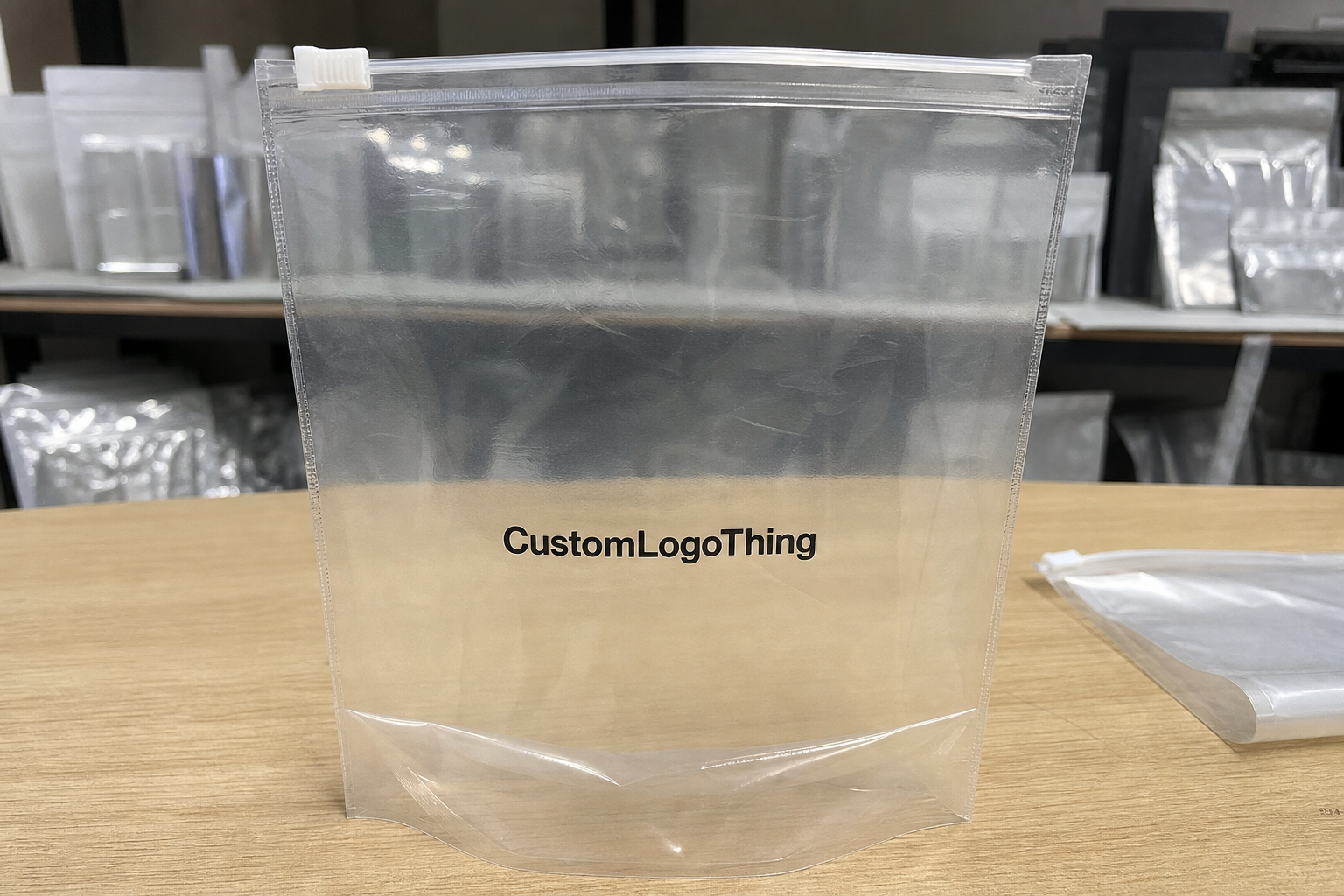
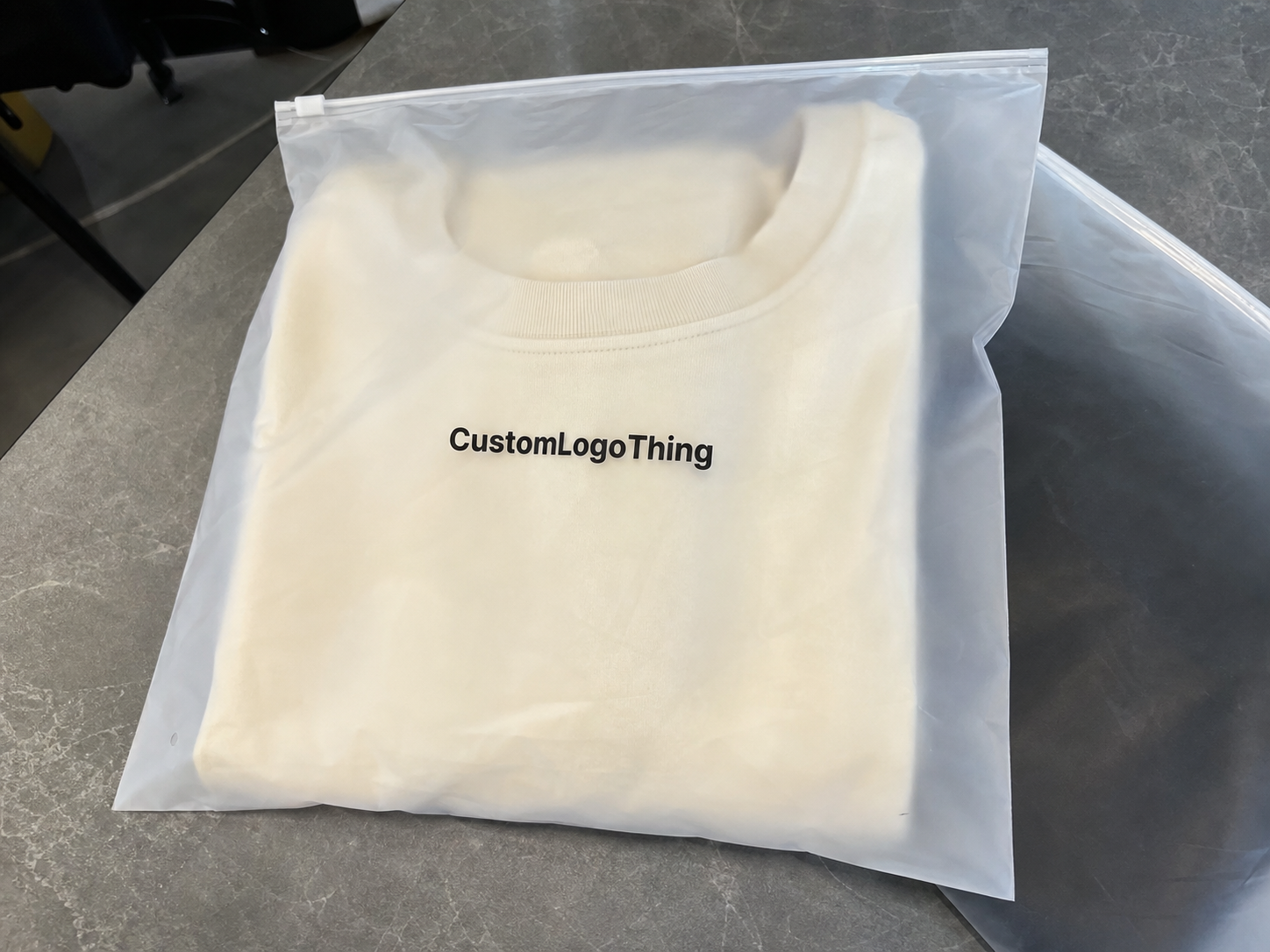
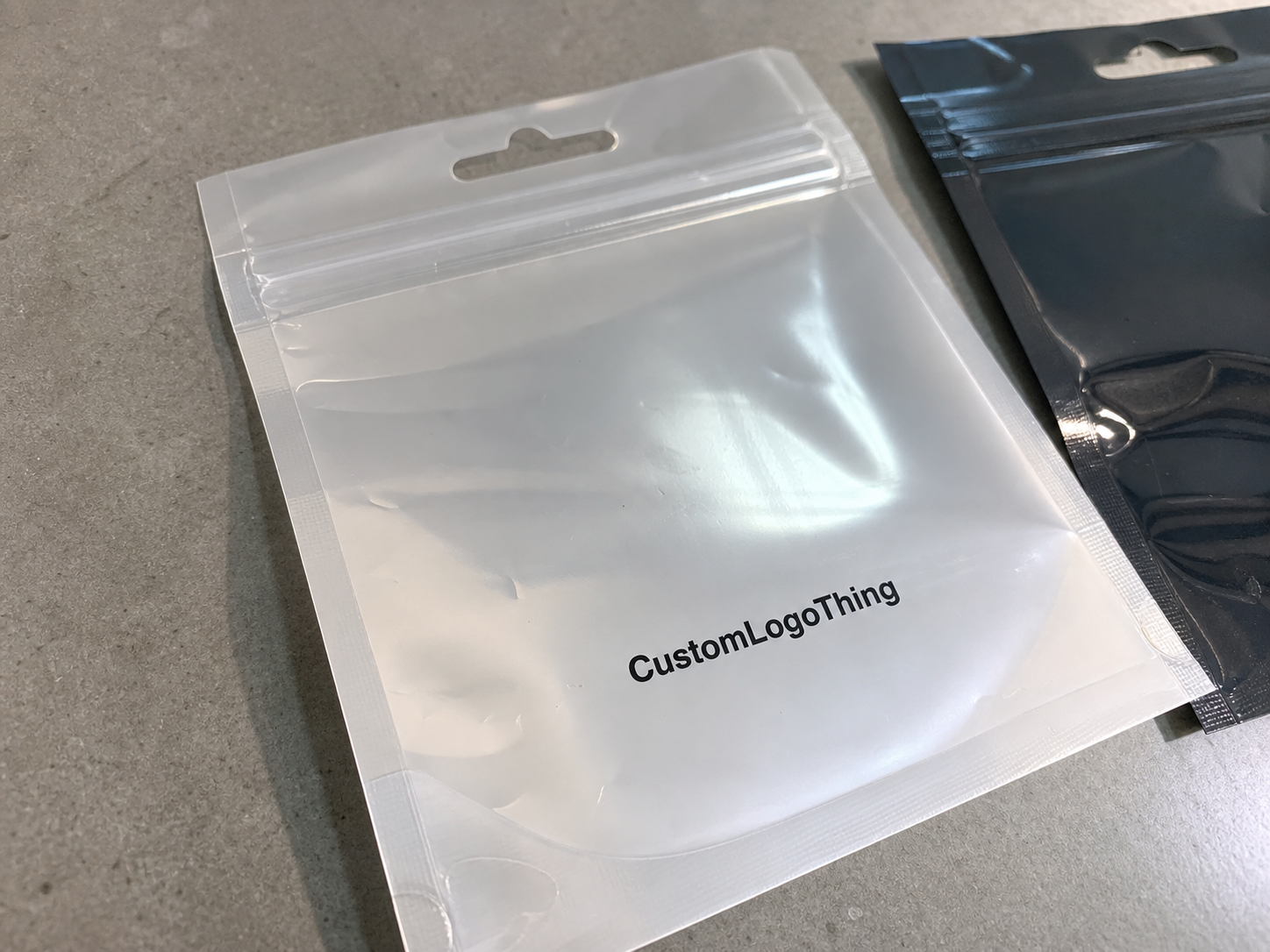
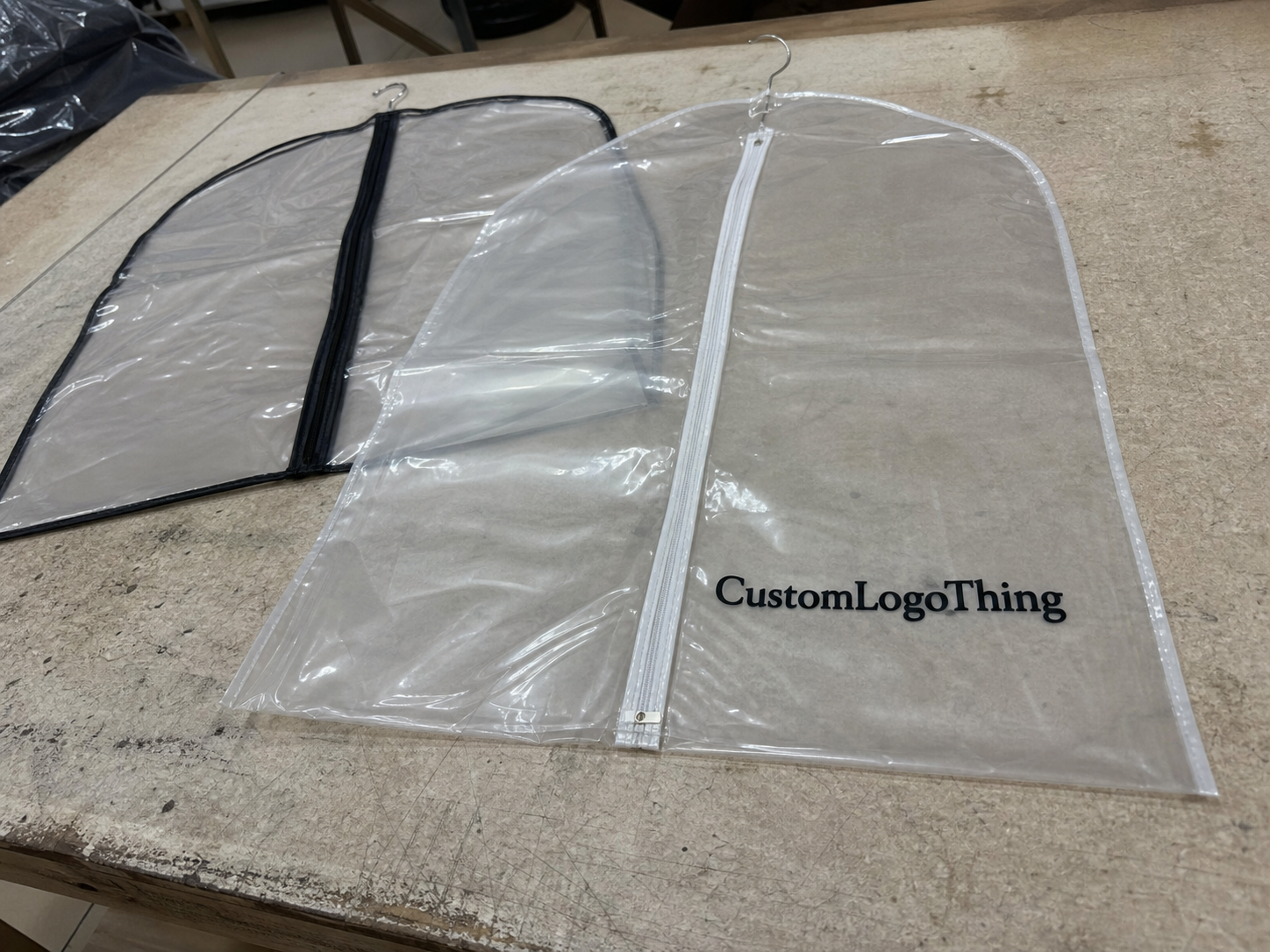
There are several common formats. Clear PE bags are used for low-cost storage and quick identification. Frosted or matte bags soften the appearance while still showing the garment. Printed bags support branding and improve shelf presence. Gusseted bags create room for bulkier shoulders, coats, or layered pieces. Zipper bags are better for repeated use, while hanger-hole bags help with retail display and quick handling. Folding travel styles are used when the garment bag needs to fit inside luggage or a promotional kit.
The wrong bag creates practical problems fast. If the film is too thin, it tears during packing or shipping. If the closure is weak, dust and moisture can get in. If the bag is oversized, the garment shifts and wrinkles. If it is too tight, workers force the item in, which slows packing and increases rejects. The bag then starts causing labor cost, not just packaging cost.
Experienced buyers compare garment bags the same way they compare custom printed boxes or retail hangers. The bag is not a separate detail. It is part of the product system. If it looks flimsy, the brand looks careless. If it handles well and keeps its shape, the garment feels better before it is even opened.
“Packaging is often the first proof of quality. If the garment bag looks cheap, buyers assume the item inside was sourced the same way.”
How a custom garment bag is manufactured from resin to finished pack
The production sequence is straightforward, but each step changes the finished result. It begins with resin selection. PE is common because it is soft, economical, and flexible. PP is used when the buyer wants better clarity and a crisper feel. Some runs include recycled content, though that decision is never just a marketing choice. Recycled blends can affect odor, film consistency, clarity, and seal behavior, so they need to be checked against the actual use case.
Film production comes next. Many factories extrude or blow film into sheet form, then treat the surface if printing needs better ink adhesion. After that, the film is printed, cut, sealed, punched, and inspected. Final bags may include a hanger opening, zipper track, vent holes, a bottom seam, or a gusset. Each detail is small on paper and important on the line.
Customization starts early. Length, width, and gusset depth are set by the die and sealing pattern. Logo placement is fixed by the print layout. Vent holes and zipper position should match the garment’s movement through storage, transport, and retail handling. A lightweight blouse cover does not need the same structure as a heavy wool coat bag. Treating them as interchangeable usually leads to either waste or failure.
Quality control is where a good custom garment bags plastic manufacturer proves its value. Buyers should ask how the factory checks seal strength, thickness consistency, print registration, odor, and defect rates. A flat sample can look clean and still fail once the bag is hung, stretched, or packed with a real garment. For transport-sensitive orders, some teams also run basic packaging checks aligned with ISTA packaging test standards. That is not overkill when the bag is protecting higher-value goods.
There is also a practical reason to understand the process. Two quotes can look nearly identical while producing very different results. One may use better film gauge control, tighter sealing, and cleaner print alignment. The other may simply be cheaper resin and looser inspection. The difference shows up after the order ships.
Cost, MOQ, and quote drivers buyers should compare
Pricing for garment bags usually comes down to a short list of variables. Material grade is one. Film thickness is another. Print complexity, bag size, gusset depth, and closure style follow close behind. MOQ matters because setup cost gets spread over fewer units in smaller runs, which can make a reasonable order look expensive on a per-bag basis.
As a rough buyer-level reference, a simple unprinted PE bag in a mid-volume run may land around $0.05 to $0.12 per unit. A printed, gusseted bag with custom sizing can move into the $0.18 to $0.40 range, depending on volume, artwork, and structure. These are not universal numbers. They are useful as a sanity check. If a quote is far outside those bands, the buyer should ask what is driving the spread.
Quote structure matters as much as the unit price. Ask for separate line items for unit cost, tooling or plate charges, sampling, freight terms, carton pack-out, and any premium for recycled content or special print coverage. A single blended number hides the tradeoffs. It also makes it hard to compare suppliers fairly.
| Option | Typical Use | Relative Cost | Buyer Watchout |
|---|---|---|---|
| Plain PE bag | Storage, warehouse packing, basic retail use | Lowest | Can feel thin if under-spec’d |
| Printed PP bag | Retail display, branded packaging, premium apparel | Moderate | Ink coverage and color matching can raise cost |
| Gusseted zipper bag | Coats, suits, repeated handling | Higher | Closure quality becomes critical |
| Recycled-content bag | Sustainability-led product packaging | Varies | Confirm material claim and performance |
Freight can distort the picture. Bulky bags, inefficient carton pack-out, and low pallet density raise landed cost even when the factory quote looks attractive. A sharp buyer checks the full landed number, not the ex-factory price alone. That habit matters just as much for garment bags as it does for custom printed boxes or other retail packaging.
There is one more trap. Low minimums often come with hidden setup inefficiency. If the order is too small, the supplier may still need to run film, plates, or sealing setup in the same way they would for a larger job. That overhead does not disappear. It just gets divided across fewer units.
Process and timeline: from sample approval to production
A normal project begins with an artwork review and a fit brief. The supplier then develops a sample or proof, the buyer approves it, and production starts. After that come inspection, packing, and shipment. The sequence sounds simple because it is. The delays usually come from vague measurements, weak artwork files, or a late change in material spec.
Lead times vary by complexity. A basic unprinted order can move faster than a bag with multiple print colors, custom zipper placement, or a new gusset size. A realistic planning window for a custom run is often 12 to 20 business days after proof approval, though tooling, special materials, and seasonal congestion can push it longer. If the order lands near peak apparel season, buyers should assume additional slack is needed.
Sampling deserves real attention. Physical samples are more useful than email mockups because the buyer can check fit, seal feel, print visibility, and packing speed using the actual garment. Color references should be set before approval, especially if the bag must match a broader packaging system across retail packaging, hang tags, and shipping materials. A sample that looks acceptable on screen can still fail once it is hung, folded, or stacked.
The common schedule risk is not the manufacturer’s machine speed. It is decision latency. Missing dielines, unclear file resolution, and approval loops that drag because no one owns the final sign-off usually cause more delay than the factory itself. Buyers also underestimate the time needed to test one packed sample on the real line. A spec can look tidy in a spreadsheet and still be awkward in production.
For sustainability-minded teams, documentation matters at this stage. If recycled content or FSC-related packaging claims are part of the brief, ask for support documents before production starts, not after. The same standard used for FSC-certified materials should apply here: verify the claim before it becomes part of the marketing copy or procurement record.
Key specification choices that affect fit, durability, and branding
Size comes first. Measure the garment on its hanger, not just the fabric body. Shoulder width, collar height, sleeve bulk, and hanger hardware all affect the final dimensions. If the garment has padded shoulders, a hood, or structured lining, the bag needs extra room. Otherwise, the packaging works against the product.
Thickness is the next decision. Thinner film reduces cost and weight, but it also feels less substantial and tears more easily under repeated handling. Thicker film improves structure and perceived quality, though not every use case requires it. For light shirts or short-term storage, lower thickness may be enough. For heavy coats or shipping protection, buyers usually specify a higher film weight to reduce failure risk.
Closure and access style also shape performance. Open-bottom bags are simple and cheap. Zipper bags are better for recurring use or travel. Snap or flap closures can work for special presentation formats. Resalable styles are useful when garments move between warehouse, store, and customer hands. The right choice depends on whether the bag will be stored, displayed, or shipped. A lot of orders go wrong because the spec tries to satisfy all three.
Branding needs to stay visible after handling. A logo printed too low may disappear once the bag is folded or hung. A logo printed too small can get lost on a crowded rack. Matte and gloss finishes each change the visual effect, and clear film feels different from opaque print. Those are not cosmetic distinctions only. They affect how the garment reads at first glance.
Compliance should be part of the specification conversation too. Buyers need to know whether the material supports recyclability claims, whether recycled content is documented, and whether the supplier can explain local retail expectations for the market being served. If the company is building broader branded packaging across multiple product categories, consistency matters. A garment bag that conflicts with the rest of the packaging system creates a mixed signal.
There is a practical constraint that gets overlooked. Not every print method behaves the same on every film. Very dense solids can show banding or uneven coverage if the substrate is too soft or the color match is too ambitious. Buyers should ask for print tolerances, not just artwork approval.
Common ordering mistakes that cause returns, rework, or waste
The most common mistake is measuring only the garment body. That leaves out hanger size, shoulder structure, and packing tolerance. A bag that fits flat on paper can be too tight once a jacket is placed on a hanger or once a lining adds bulk. Another mistake is approving a sample without testing the real workflow. A bag that closes neatly in a meeting may be awkward on a line moving dozens of units per hour.
Artwork causes a second round of avoidable problems. Low-resolution logos, incomplete dielines, and vague color references often lead to blurry print, misalignment, or inconsistent brand tones. Buyers working with a custom garment bags plastic manufacturer should treat artwork files the same way they would for custom printed boxes: the file has to be production-ready, not merely close enough to review.
Film thickness is another under-specified detail. Teams sometimes approve a sample that feels acceptable, then discover tears in transit or during store handling because the spec was never pinned down. That is a familiar pattern in packaging sourcing. The cheapest route usually becomes the most expensive once reorders, damaged goods, and labor waste are counted.
Supplier control matters too. If the factory cannot clearly explain inspection points, packing tolerances, or defect handling, that uncertainty moves to the buyer. A low quote means little if the supplier cannot repeat the same bag lot after lot or cannot show what happens when a batch falls outside spec. Consistency is not a bonus. It is the job.
Another issue is over-engineering. Some teams specify a heavier, more expensive bag because it feels safer, then discover that the real application never needed the extra cost. The bag is overbuilt, the freight cube gets worse, and the margin quietly shrinks. Good sourcing sits between those two failures: under-spec and over-spec.
Expert tips for placing a better order the first time
Start with use case, not product category. A bag for storage, display, shipping, or travel should not share the same spec unless the workflow is genuinely identical. That sounds basic, but buyers still try to force one design across different needs. The result is usually a compromise that satisfies no one completely.
Request two or three material-and-thickness combinations in parallel. A comparison like 30 micron versus 40 micron, or clear PE versus frosted PP, gives the buyer a concrete view of the tradeoff. A strong supplier will quote alternatives without turning the process into a sales pitch.
Test one packed sample with the actual garment, hanger, and fold method before approving the run. Do not test a generic shirt if the order is for heavy knits or a wool coat. Real samples expose the issues mockups hide. That includes zipper drag, awkward folding, and whether the logo still sits in the visible zone once the bag is hanging.
Build a checklist with the non-negotiables: size, print area, color standard, carton quantity, delivery date, and storage conditions. If any of those are missing, the order is not ready. A competent custom garment bags plastic manufacturer will respect that structure because it reduces ambiguity and protects both sides from avoidable revision cycles.
Negotiate on total landed value, not the base unit alone. That means unit price, freight, carton efficiency, sampling, and the cost of risk. A slightly higher quote can still win if it reduces damage, improves packing speed, or better supports retail packaging standards. Cheap bags that slow the line are not cheap.
One more practical rule: keep the print brief unless the branding strategy really needs more coverage. Full-surface artwork adds complexity, raises rejection risk, and can make the bag look crowded after folding. Often the cleanest answer is also the strongest one.
Next steps: build your spec sheet before requesting samples
Before requesting pricing, write down the garment type, dimensions, hanger style, print artwork, quantity target, and deadline. That single sheet gives suppliers enough context to quote accurately instead of guessing. It also forces the buyer to resolve contradictions early, which is where most sourcing delays begin.
Create a comparison table for each supplier. Include material, thickness, closure style, MOQ, unit price, tooling cost, sample timing, and shipping terms. If you are managing a garment bag order alongside other branded packaging work, this structure keeps the decision clear and prevents price from getting mixed up with presentation.
Once the sample arrives, test fit, seal strength, print quality, and handling in the real workflow. Then use the result to refine the spec before mass production. That is the simplest way to avoid paying twice for one mistake.
If you are comparing suppliers, ask for a written quote and sample lead time before you commit. A responsive vendor is useful, but a precise vendor is more valuable. For buyers looking across Custom Packaging Products, that same discipline usually improves every order, not just garment bags. It also helps to understand the company behind the sourcing process through About Custom Logo Things.
A good custom garment bags plastic manufacturer should help you specify a bag that protects the garment, supports the brand, and fits the real handling environment. If those three are aligned, the packaging stops behaving like overhead and starts doing real work.
What should I ask a custom garment bags plastic manufacturer before ordering?
Ask about material type, thickness, MOQ, print options, sampling, and production lead time. Request a quote that separates unit cost, tooling, artwork, freight, and any special handling charges so you can compare suppliers properly.
How do I choose the right plastic thickness for garment bags?
Use lighter film for simple storage or lower-risk retail use. Choose thicker film for heavy garments, repeated handling, or shipping protection, especially when the bag needs to hold shape around a coat, suit, or structured dress.
What affects the price of custom garment bags the most?
Order quantity, material choice, print complexity, and bag size usually drive pricing. Closures, gussets, recycled content, and special finishes can raise the unit cost too, especially when setup work is spread over a small run.
How long does production usually take for custom garment bags?
Simple orders can move faster than printed or highly customized bags. Artwork approval, sampling, and material availability often determine the final timeline, so the fastest way to stay on schedule is to lock the spec before sampling begins.
Can custom garment bags be made with recycled plastic?
Yes, many suppliers offer recycled-content options depending on print and performance needs. Always confirm the material specification and ask whether the sustainability claim can be documented before you build it into packaging or marketing copy.