If you’re searching for a Custom Garment Bags Plastic manufacturer, you probably already know one thing: the cheapest bag is not always the smart buy. A plastic garment bag can protect apparel, improve presentation, and keep returns or warehouse moves from turning into a wrinkled mess. Or it can be flimsy, cloudy, and basically a plastic apology.
From a packaging buyer’s point of view, the right choice depends on garment type, shipping distance, storage time, and how much brand presence you want on the bag itself. That is the real job here: not just covering clothes, but supporting retail packaging, product packaging, and package branding without creating extra problems.
What custom plastic garment bags actually do for apparel
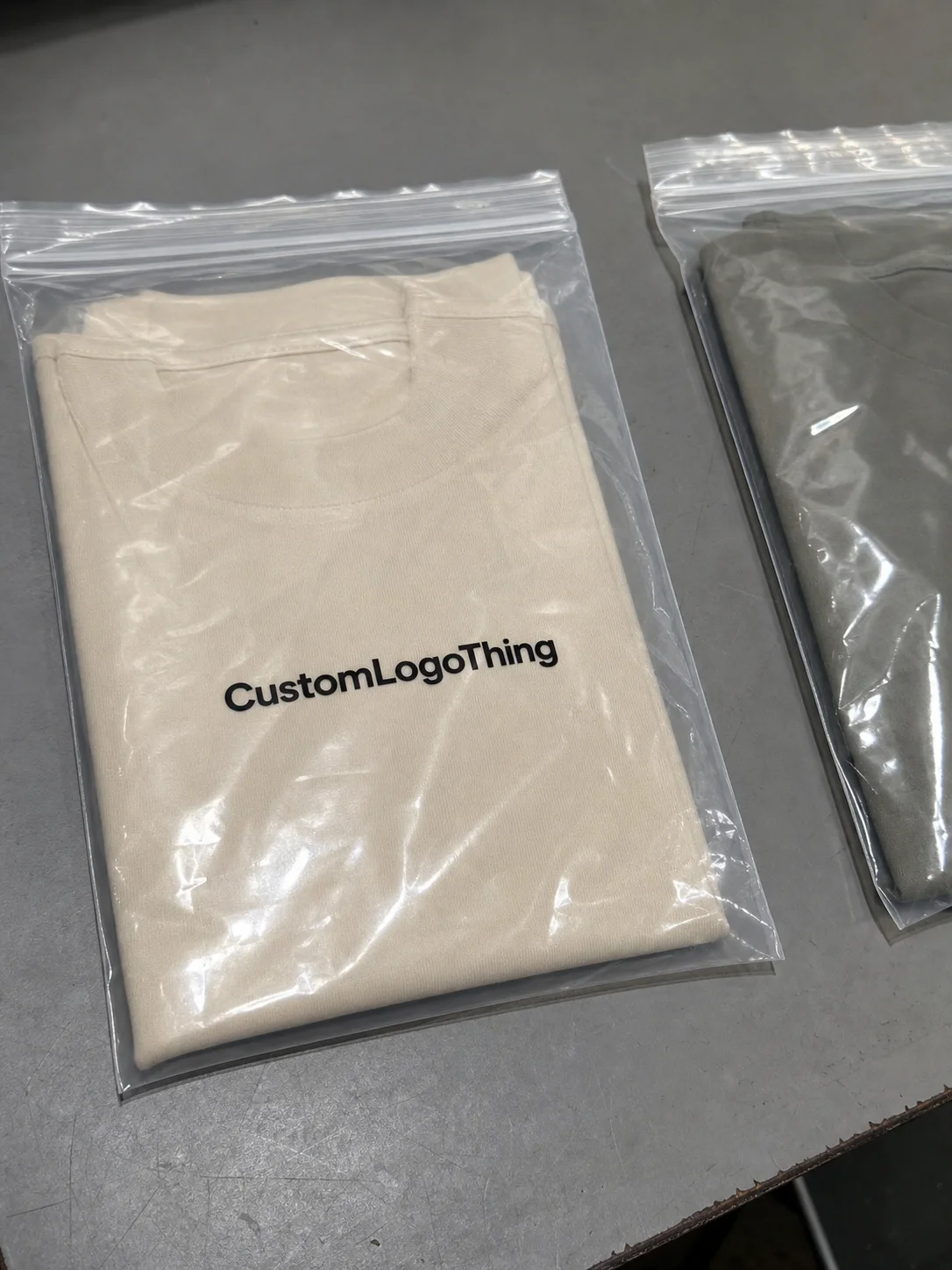
Plastic garment bags are not just dust covers. In practice, they protect apparel against light moisture, scuffs, hanger damage, and the kind of handling abuse that happens between finishing, storage, and retail display. A decent bag also helps reduce friction marks on delicate fabrics and keeps pieces looking sellable longer.
Different buyers use them in different ways. Dry cleaners need practical protection and easy handling. Apparel brands care more about presentation and branded packaging. Showrooms want garments to look clean on the rack. E-commerce teams use them for returns, warehouse transit, and in-box protection. That is a very different set of priorities, and a good Custom Garment Bags Plastic manufacturer should ask which one matters most.
Common materials include PE (polyethylene), PP (polypropylene), and some PVC alternatives where a buyer wants a specific feel or clarity profile. PE is flexible and usually the budget-friendly option. PP tends to look clearer and crisper. Bags can be clear, frosted, printed, or partially tinted. “Custom” usually means you can adjust size, thickness, closure style, hanger hole placement, print coverage, and finish.
Buying mistake I see a lot: people choose the thinnest bag possible, then wonder why garments arrive scuffed, wrinkled, or cheap-looking. Saving a few cents and losing the product presentation is not a great trade.
The right bag depends on what you are protecting. A silk blouse, a heavy coat, and a bulk warehouse shipment do not need the same spec. If the bags will sit in storage for weeks, you may want better seal strength and thicker film. If they are mainly for short-term retail display, clarity and print quality matter more.
How a custom garment bags plastic manufacturer works
A good custom garment bags plastic manufacturer usually follows a predictable production flow. First comes material selection. Then the film is extruded or sourced, depending on the factory setup. After that, the bag is printed, cut, sealed, finished, packed, and checked for basic quality issues. Simple on paper. Not always simple in execution.
Buyers usually can customize a long list of features:
- Thickness measured in microns or mils, depending on the supplier’s system
- Size based on garment length, shoulder width, and hanging style
- Closure style such as open top, zipper, slit, flap, or side gusset
- Hanger hole or reinforced top opening
- Logo print in one color or multiple colors
- Color and finish like clear, frosted, matte, or tinted
- Packaging format such as folded, stacked, polybagged, or carton-packed
Artwork setup matters more than most buyers expect. Clean vector files usually print better and cost less to prep. Simple logos with one or two colors are easier to register than full-coverage graphics with tiny type. If you want a sharp result, keep the logo bold and give the printer room to work. Tiny gradients and hairline text are how people end up disappointed.
Samples and proofs are worth the time. A digital mockup can show layout, sizing, and logo placement. A physical sample tells you whether the film feels right, whether the bag smells off, and whether the dimensions actually fit your garments. Those are different questions. A mockup cannot answer all of them.
Quality checks should cover clarity, weld strength, print adhesion, odor, and dimensional accuracy. For apparel used in shipping or retail chains, I also like to ask about basic testing references such as ASTM or transport-related checks aligned with ISTA packaging standards. No, the bag does not need to be certified like a drum of industrial chemicals. But transport behavior still matters.
For broader context on materials and recycling considerations, the EPA plastics resources are useful when you are deciding whether a material choice fits your packaging sustainability goals.
Cost, pricing, MOQ, and what really changes the quote
Pricing for a custom garment bags plastic manufacturer order comes down to a few big drivers: resin type, film thickness, bag size, print colors, construction style, and finishing requirements. If someone gives you a quote without asking those details, they are either guessing or planning to revise the price later. Neither is charming.
Here is a practical way to think about cost ranges for standard production:
| Bag type | Typical order profile | Indicative unit price range | What pushes the cost up |
|---|---|---|---|
| Plain clear PE garment bag | 5,000+ pieces | $0.08-$0.18 | Thicker film, larger size, special folding |
| Printed PE or PP bag | 5,000-20,000 pieces | $0.14-$0.32 | Multiple print colors, larger logo coverage |
| Heavy-gauge or specialty bag | 3,000+ pieces | $0.22-$0.55 | Zipper, gusset, premium finish, tighter QC |
Those are concept ranges, not a promise. A 0.03 mm clear PE bag for a basic apparel line will usually cost less than a heavy printed bag with a zipper and reinforced hanger hole. Size matters too. A long coat cover uses more resin than a short shirt bag, so the unit price rises even before print enters the picture.
MOQ depends on the print method and construction. Digital print or simpler short-run setups may support lower quantities, sometimes a few hundred to low thousands. Traditional flexo or gravure runs usually make more sense at higher volumes because plate and setup costs need to be spread out. That’s why the first quote you see is often not the real comparison point. Ask for pricing at two or three quantities. A quote at 5,000 units and another at 20,000 units tells you where the breakpoints are.
Watch the hidden costs. Artwork cleanup can be charged separately. Plate fees can add a few hundred dollars depending on the print setup. Sampling costs may be waived on larger orders or charged back on smaller ones. Freight can move the total by a lot, especially if the bags are packed in bulky cartons that occupy more space than expected. Rush charges are a thing too. Factories do not magically compress time because a launch is close.
When comparing quotes from a custom garment bags plastic manufacturer, ask for the same spec across every vendor: material, thickness, bag dimensions, print method, packing count, and freight terms. Otherwise you are comparing apples, oranges, and a mystery fruit.
Process and timeline: from spec sheet to finished shipment
The order process usually starts with an inquiry and a spec sheet. That should include garment type, target size, closure style, print needs, quantity, and delivery destination. A proper supplier then reviews the artwork and confirms whether the design is printable as submitted or whether it needs cleanup. If you skip this step, you may end up paying for revisions that should have been obvious from the start.
The normal sequence looks like this:
- Inquiry and requirement review
- Size and structure confirmation
- Artwork review and pricing
- Sample or digital proof approval
- Production scheduling
- Quality control and packing
- Shipment
Timeline depends on order complexity. A simple sample may take a few days. A more detailed physical sample can take one to two weeks. Production often runs around 12-20 business days after proof approval, though larger or more complex jobs can take longer. If the supplier needs new tooling, more print setup, or special packaging, add time. That is not pessimism. That is just how production works.
Three things usually slow things down: artwork revisions, unclear sizing, and payment delays. Factory queue time also matters, especially during seasonal retail peaks when many buyers are trying to launch at once. If your apparel delivery date is fixed, build in buffer time. A good target is at least one extra week beyond the quoted lead time, and more if the shipment crosses borders.
You can shorten the timeline by doing the boring work early. Confirm the garment measurements. Decide on print placement before asking for a quote. Send vector art instead of a fuzzy screenshot. Approve the proof quickly. None of that is glamorous, but it saves money and keeps the schedule from wobbling.
For apparel brands, timing matters because packaging often sits between the garment production timeline and the retail or warehouse release date. That’s why many teams coordinate garment covers alongside Custom Packaging Products so the whole product packaging system arrives together instead of in pieces.
Key specs that decide whether the bags perform or flop
Thickness is one of the first specs to decide. Thin bags work for light dust protection and short handling cycles. Thicker film makes more sense for repeated use, shipping, and rougher warehouse environments. In practice, buyers often land in the middle, because they want protection without turning the bag into a stiff plastic board.
PE is usually the flexible, cost-conscious option. It folds well, handles easily, and works for many general apparel applications. PP is better when you want more clarity and a crisper appearance, which can be useful for retail packaging and display-focused garments. Specialty blends can make sense for unusual needs, but they should be justified by the use case, not by the supplier’s desire to sell you the fanciest thing in the catalog.
Dimensions matter more than people think. A garment bag needs enough room for shoulder width, body length, and any hanger hardware or folding allowance. Too small, and the garment wrinkles or tears at the seam. Too large, and you pay for wasted material and bulky freight. Add gusset depth only if the garment actually needs it. A padded coat and a thin shirt are not the same spec, even if they both hang from a hook.
Closure and access features affect usability. Open-top bags are simple and cheap. Zipper bags are easier for repeated access and better for premium presentation. Slit or flap openings can be practical for quick retail handling. A hanger hole is often necessary, but reinforcement may be worth it if the bag will be lifted often. Venting can help in certain storage conditions, especially where moisture control matters.
Print decisions should match the brand goal. A one-color logo on clear film often looks clean and costs less. Full-area printing makes a stronger visual statement, but it reduces transparency and usually raises cost. If the garment itself is the hero, keep the print restrained. If the bag is part of the brand experience, more coverage may make sense. Packaging design should support the apparel, not fight it.
Some buyers also compare garment bags against other formats like custom printed boxes or hangtags for brand experience. That comparison only works if you understand the use case. A box protects shape. A garment bag protects surface and hanging presentation. Different tools. Different job.
For brands that care about sustainability messaging, material choice can also tie into FSC-certified paper inserts or companion packaging elsewhere in the packout. Plastic garment bags themselves are a separate decision, but they still sit inside the broader About Custom Logo Things conversation around packaging materials and brand standards.
Common mistakes when ordering plastic garment bags
The first mistake is ordering before confirming garment measurements and hanger style. That sounds obvious. People still do it. Then the bags arrive a little too short, too narrow, or awkward around the hanger opening. A 2 cm sizing miss can be enough to create wrinkles or slow down packing.
Second mistake: choosing material based only on price. A low-cost bag that smells strongly, tears under handling, or turns cloudy in storage is not a bargain. It is deferred pain. Buyers should ask for a sample, then check clarity, welds, odor, and handling feel before approving a full run.
Third mistake: overcomplicating the print. More colors, more setup, more cost, more opportunities for registration issues. If the logo is strong, a clean one- or two-color print usually does the job. You do not need a circus on a hanger bag to make the brand recognizable.
Fourth mistake: skipping test samples. Physical samples often reveal problems that the proof does not. Maybe the film curls. Maybe the zipper feels weak. Maybe the bag creates static or clings in a way you didn’t expect. Small issues become expensive once you have 10,000 units on the floor.
Fifth mistake: ignoring packaging and freight dimensions. A bag that folds neatly can still ship in a surprisingly bulky carton configuration. That affects pallet count, freight cost, and warehouse space. In other words, the quote can look good and the landed cost can still bite you later.
Buyer takeaway: if you’re sourcing from a custom garment bags plastic manufacturer, treat the bag as part of the full packaging system, not a throwaway accessory. It influences labor, storage, shipping, and how the apparel is perceived the moment it leaves the carton.
Expert tips and next steps for a cleaner order
Start with three inputs: garment type, order quantity, and where the bags will be used or shipped. That sounds basic because it is basic. But those three details determine most of the structure, material, and price logic. If you skip them, every later conversation gets murky.
Ask for quotes at two or three quantities. You want to see where the real pricing breakpoints sit. Sometimes moving from 3,000 to 5,000 units cuts the unit cost enough to justify the higher buy. Sometimes it does not. That answer should come from numbers, not hope.
Request a sample or pre-production proof before approving a full run, especially for printed bags. Check the size with an actual garment. Fold it. Hang it. Inspect the print. Smell the film. That last part sounds odd, but odor complaints are real in apparel packaging, and they can damage the customer experience faster than a slightly imperfect logo position.
Keep the artwork simple unless the brand truly needs decoration. Clear logo placement, good contrast, and proper sizing usually outperform noisy graphics. Strong package branding comes from consistency more than decoration. A bag that looks clean, fits well, and protects the garment will do more for perception than a cluttered print ever will.
Before placing the order, confirm:
- Exact bag dimensions and tolerance
- Material and thickness
- Print method and color count
- Packaging count per carton
- Lead time after proof approval
- Freight method and destination terms
- Sample policy and any setup fees
That checklist sounds like paperwork because it is paperwork. It also prevents the most annoying kind of surprise: the kind you discover after the goods have shipped. If you need more support on the broader packaging side, browse Custom Packaging Products and compare how garment bags fit with your other retail and shipping materials.
If you are working with a custom garment bags plastic manufacturer, the smartest move is usually not the fanciest one. It is the bag that fits the garment, holds up in handling, supports the brand, and lands at a cost that makes sense at your volume. That is the whole point.
FAQs
What should I ask a custom garment bags plastic manufacturer before ordering?
Ask about material, thickness, size, closure style, printing method, MOQ, sample policy, and production timeline. Also confirm freight terms and whether the quote includes artwork cleanup or packaging costs. Those two items get overlooked all the time, then everyone acts surprised when the invoice grows legs.
What is the best plastic material for custom garment bags?
PE is usually the budget-friendly flexible option, while PP gives a clearer, crisper look. The best choice depends on whether you need storage protection, retail presentation, or repeated shipping. If the bag is mainly for dust protection, PE often does the job. If display matters more, PP is worth a look.
How much do custom plastic garment bags cost per unit?
Unit cost depends on size, thickness, print colors, bag style, and order volume. Lower-volume printed bags often cost more per unit because setup is spread across fewer pieces. Heavier film and zipper styles also push the price up. A clean quote should show pricing at multiple quantities so you can see the breakpoints.
What is a typical MOQ for printed garment bags?
MOQ varies by printing method and bag construction. Digital printing may allow smaller runs, while traditional print methods usually need larger quantities to stay economical. Ask for the supplier’s true minimum, not the number they hope you’ll accept. Those are not always the same thing.
How long does production usually take for custom garment bags plastic manufacturer orders?
Samples can take from a few days to a couple of weeks depending on complexity. Full production time depends on quantity, printing method, and whether artwork and specs are approved quickly. If you need the bags for a launch or seasonal delivery, build in buffer time so a small delay does not turn into a launch problem.


