A boutique can ship a pressed blazer in a plain poly sleeve and make a $180 garment feel like clearance stock in three seconds. That is the strange power of Custom Garment Bags Plastic private label packaging. It is one thin layer of film, but it works as protection, presentation, stockroom control, and brand signaling all at once.
Buyers often spend real time on hangtags, tissue, labels, and printed boxes, then treat the garment bag like a backroom supply item. Bad move. For many apparel customers, the bag is the first branded packaging they physically touch after checkout or delivery. It frames the garment before they see the stitching, lining, finish, or fit.
The better question is not “Can we print our logo on it?” That part is usually easy. The better question is “Can this bag survive the actual way our product is packed, stored, shipped, scanned, handled, and opened?” That is where the real buying work starts.
Custom Garment Bags Plastic Private Label: What Buyers Are Really Ordering
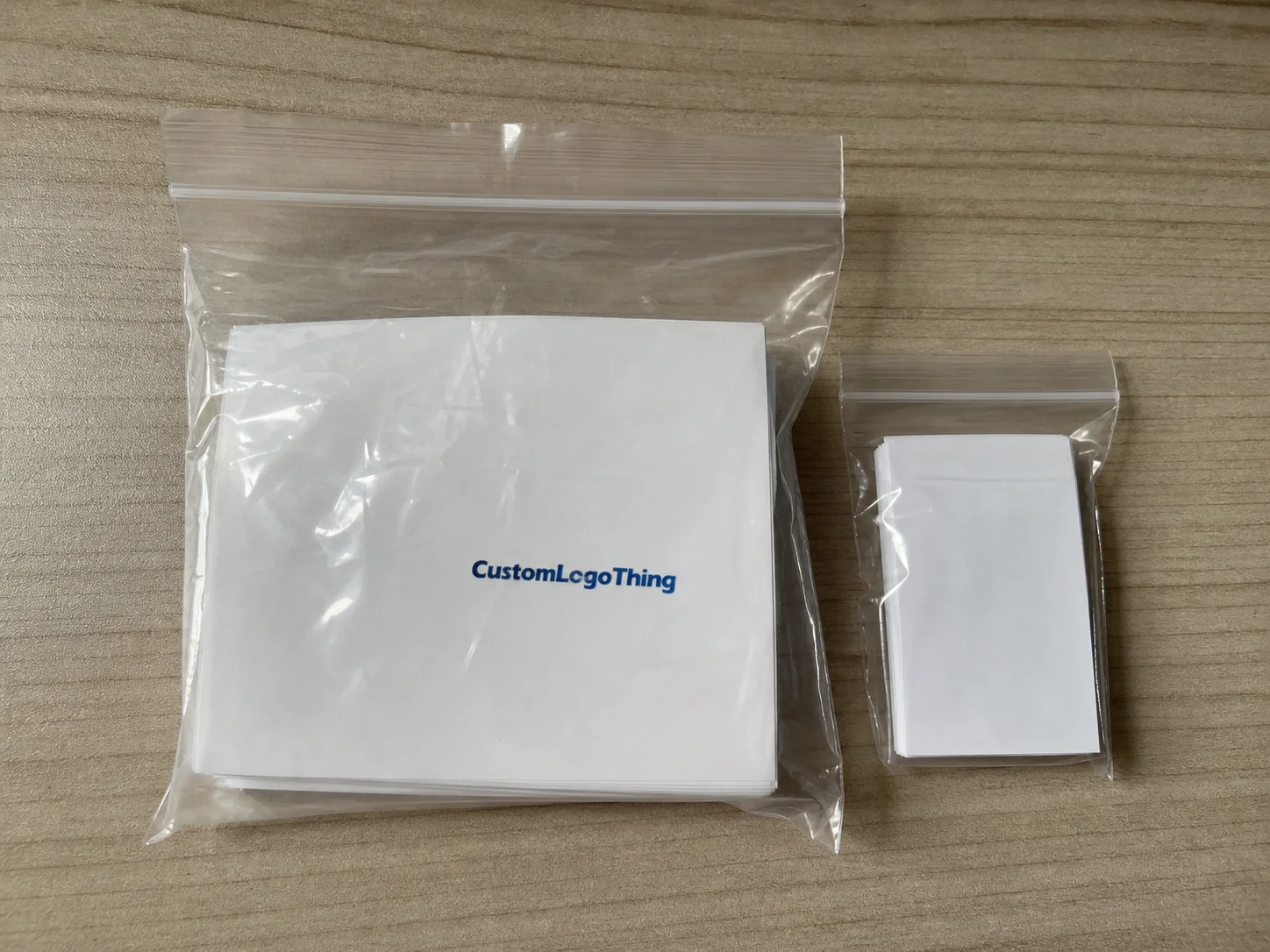
A private label plastic garment bag is an apparel cover made around a buyer’s chosen dimensions, film type, thickness, closure style, hanger opening, print artwork, warning copy, packing format, and distribution channel. Technical? Yes. Packaging usually gets technical right after it gets expensive.
A hanging suit cover for a showroom rack is not the same product as an adhesive-flap bag for folded e-commerce apparel. A bridal gown bag has different stress points than a uniform bag shipped in batches. A dry-clean-style open-bottom cover solves a different problem than a retail-ready zip bag with a barcode label area.
Generic stock bags cover the garment. Custom private label bags do more. They make the packaging repeatable, branded, compliant, and appropriate for the way the product moves. The buyer controls logo placement, warning language, barcode space, film feel, print color, fold style, carton count, and reorder specs instead of accepting whatever stock bag happens to be available.
That control matters more than people think. If the medium blazer, long coat, and folded shirt all use the same almost-right bag, the packaging starts to look improvised. Oversized bags feel sloppy. Undersized bags wrinkle garments and split at the shoulders. Weak film makes a good product feel temporary.
For apparel brands, boutiques, uniform suppliers, bridal shops, promotional clothing sellers, and retail operations with dry-cleaning-style handling, garment bags protect against dust, scuffing, moisture exposure during transit, warehouse abrasion, and customer disappointment. They may also carry suffocation warnings, recycling marks, SKU labels, care prompts, retailer compliance text, or return-processing information.
The buying decision should stay practical. Which film thickness gives enough shoulder resistance without making freight costs jump? Which print method keeps a one-color logo sharp? What order quantity makes sense before a seasonal drop? How much approval time belongs in the launch calendar? Those questions decide whether the bag behaves like a controlled packaging component or another rushed purchase order nobody wants to own.
Packaging buyer rule: if the garment is worth pressing, folding, inspecting, and shipping carefully, the bag needs a written specification. A vague “clear bag with logo” request leaves too many quality decisions to someone else.
How Plastic Garment Bag Manufacturing Works From Film to Finished Pack
The chain usually starts with resin selection or film sourcing. LDPE is common because it feels softer, has good clarity, and flexes well around garments. HDPE tends to feel crisper and can be economical for lighter-duty uses, though it often looks more utilitarian. CPP or BOPP-style films can create a cleaner retail presentation for folded apparel where gloss, transparency, and shelf appearance matter.
Recycled-content options may be available, but buyers need to ask hard questions before building a claim around them. Clarity can vary. Color consistency can vary. Minimum quantities can rise. Some recycled films perform well for the right use case; others make a premium garment look like it was packed in a cloudy grocery liner. Not ideal.
Film thickness is measured in mils or microns. One mil equals 25.4 microns. A light poly garment bag might sit around 0.8 to 1.2 mil. Stronger retail, stockroom, or storage bags may run 1.5 to 2.5 mil. Heavy zip garment bags can go higher depending on construction.
Thicker is not automatically better. It can improve tear resistance and perceived value, but it also increases unit cost, carton weight, storage space, and stiffness. A heavy bag that resists folding can slow packing teams. A stiff hanging cover can bunch badly around shoulders. Film choice always has tradeoffs. Packaging loves tradeoffs.
After film is made or sourced, converters cut, print, seal, punch, fold, and pack the bags. Common constructions include side gussets for volume, bottom seals for folded garments, sloped shoulders for hanging apparel, hanger holes for racks, zip closures for storage, adhesive flaps for e-commerce, vent holes for air release, and perforated rolls for fulfillment lines.
Small design choices change labor speed. A roll-packed bag positioned near a packing bench may save seconds per order compared with loose bags in a carton. Vent holes can stop folded apparel bags from puffing like pillows. A slightly deeper adhesive flap can help packers close bags faster without catching fabric. None of this looks glamorous on a quote sheet. It matters anyway.
Printing is usually straightforward at the simple end. A one-color logo can control cost and reduce registration risk. Multi-color branding creates more presence but may require more setup, tighter artwork control, and closer color approval. Flexographic printing is common for higher-volume plastic packaging because it is efficient once plates are made.
Artwork designed for paper does not always behave on plastic. Fine gradients, tiny text, thin reversed lines, and pale ink on transparent LDPE can disappoint. White ink may be needed under certain colors for opacity. Large solid print areas can show pinholes or inconsistency depending on film surface and print method. If the proof looks delicate on screen, it may look even weaker on clear film.
Many “printing defects” are actually file or specification problems. Low-resolution logos, missing vector artwork, thin strokes, no Pantone reference, unrealistic opacity expectations, or barcode placement over a fold cause a surprising number of delays. Film choice matters too. A cloudy film can make a clean print look dull. Weak seals can make a beautiful logo irrelevant if the bag splits under normal handling.
Testing should be boring and practical. Put the actual garment inside the actual bag. Hang it. Fold it. Add the barcode sticker. Pack it in the carton. Pull it from the carton the way warehouse staff will pull it. If the print scuffs, the seal strains, the hanger hole tears, or the bag traps too much air, fix the spec before production.
Key Specs That Decide Whether the Bag Looks Premium or Disposable
Premium is not just shine. In garment bags, premium usually means accurate fit, clear film, appropriate stiffness, strong seals, clean print registration, and a packing format that suits the operation. A matte bag can feel expensive. A glossy bag can look cheap if it is oversized by four inches on every side.
Start by measuring the packed garment, not the size chart. Shirts need different shoulder width and length than coats. Bridalwear may need extra length, soft handling, and more generous gussets. Uniforms often need durability because they are handled in batches. Folded e-commerce apparel needs a bag sized for mailers, labels, and returns, not a rack.
For hanging apparel, buyers should review shoulder width, total length, hanger opening diameter, bottom opening, and shoulder slope. For folded apparel, the key numbers are width, height, flap depth, venting, label area, and whether the garment needs room for an insert or return form.
Oversizing creates a floppy, leftover-plastic look. Undersizing creates stress points, wrinkles, and tears. The difference between “clean presentation” and “why is this bag fighting the garment?” can be half an inch in the wrong place.
Closure choice should follow the use case. Open-bottom covers are practical for retail racks and fast access. Zip garment bags work for storage, travel, uniforms, suits, bridalwear, and longer-life use. Adhesive-flap bags suit e-commerce because they create a neat packed unit. Perforated rolls help fulfillment teams move quickly, especially when the same size is used hundreds of times per shift.
Seal quality deserves more attention than it gets. A good seal should hold under normal packing, lifting, hanging, and carton compression. Shoulder seams and hanger openings are common failure points. For heavier garments, the seam strength and hole reinforcement may matter more than a small increase in film thickness.
Compliance details are less charming, but skipping them is how brands create avoidable problems. Suffocation warnings may be required based on bag size and sale location. Recycling marks should match the actual material and local rules. Barcode quiet zones need enough blank space for scanners. Retailers may specify warning placement, venting, minimum film thickness, carton labeling, or polybag dimensions. For parcel-shipped apparel, some brands also reference protocols from ISTA when packaging choices affect damage rates.
A two-cent saving on thinner film can disappear fast. If warehouse staff double-bag 20% of units because the first bag tears, the real cost jumps. If scuffed garments create returns, the saving becomes noise. Packaging design has a math side, and the math is not sentimental.
| Bag Format | Typical Use | Common Thickness Range | Buyer Watchout |
|---|---|---|---|
| Open-bottom hanging cover | Retail racks, showroom storage, dry-clean-style handling | 0.8-1.5 mil | Too thin can tear around hanger holes and shoulders |
| Zip garment bag | Uniforms, suits, bridalwear, premium storage | 1.5-3.0 mil | Zip quality and seam strength matter as much as film thickness |
| Adhesive-flap poly bag | Folded apparel for e-commerce and retail prep | 1.0-2.0 mil | Flap depth, venting, and barcode space should be tested |
| Perforated roll bag | High-speed packing stations and bulk fulfillment | 0.8-1.5 mil | Perforation strength affects packing speed and waste |
Cost, Pricing, MOQ, and Quote Variables Buyers Should Check
Unit price is not one number. It is the result of material, dimensions, thickness, printing, order quantity, packing style, inspection requirements, and freight assumptions. Two quotes can both say “custom printed garment bag” and describe products that behave very differently.
The biggest pricing levers are bag size, plastic type, mil thickness, number of print colors, artwork coverage, closure complexity, carton packing, and tolerance requirements. A simple one-color printed LDPE hanging bag may be dramatically cheaper than a heavy zip bag with full-panel print, inserts, individual folding, and retail-ready carton labeling.
MOQ deserves plain language. Lower quantities may be possible, but custom printing becomes more economical when setup, plates, machine time, and material runs are spread across more units. For a basic one-color logo bag, a practical custom run may start around a few thousand pieces. Larger bags, specialty film, multi-color artwork, or zip closures often push the efficient threshold higher.
For planning, simple private label plastic garment bags might land around $0.10-$0.35 per unit at moderate quantities. Heavier zip or specialty retail formats may run $0.60-$2.50 or more. That range is broad because the product category is broad. A 5,000-piece order of one-color LDPE covers does not price like a 50,000-piece annual program, and neither prices like a premium zippered storage bag.
Hidden costs often sit outside the factory unit price. Printing plates, digital proofs, physical samples, Pantone matching, rush production, inner cartons, export packing, duties, customs brokerage, and domestic delivery can change the landed total. Freight is especially sneaky with garment bags because cartons can be bulky even when the plastic itself is light.
Ask for quote tiers. A trial quantity, a standard reorder quantity, and a high-volume annual quantity will show the price curve. Then compare properly: same material, same thickness, same dimensions, same print area, same incoterms, same lead-time assumptions. If one quote excludes delivery and another includes it, the cheaper number may be doing a little magic trick.
Also ask what happens if the approved spec changes later. A shift from 1.2 mil to 1.5 mil changes resin use. A larger logo may change plate cost. Switching from loose-packed bags to rolls can change converting and carton assumptions. Private label packaging is repeatable only when the spec stays documented.
For buyers building a wider packaging set, it helps to align garment bags with Custom Labels & Tags, carton labels, inserts, and other branded packaging elements. The goal is consistency, not decoration for decoration’s sake.
| Quote Variable | Why It Changes Price | Question to Ask Before Approval |
|---|---|---|
| Film thickness | More resin increases material cost and carton weight | Has this thickness been tested on the actual garment? |
| Print colors | Each color may add plates, setup time, and registration control | Can one color deliver the brand effect we need? |
| Closure style | Zips, flaps, and seals add converting steps | Does the closure match retail, storage, or fulfillment use? |
| Packing format | Loose, bundled, folded, or roll-packed bags affect labor and cartons | How will warehouse staff use the bags at the bench? |
| Freight terms | Bulky cartons can alter landed cost more than expected | Is the quote factory-only, delivered, or landed? |
Process and Timeline: From Artwork Approval to Delivery
A clean process usually moves through discovery, specification sheet, quote, artwork check, proof, sample or pre-production approval, production, quality control, packing, and shipping. First orders take longer because every assumption must become a measurable spec. Repeat orders move faster when nothing changes.
Before asking for a timeline, prepare the basics: target in-hand date, delivery address, garment dimensions, artwork files, order quantity, packing method, and retailer compliance rules. A supplier cannot build a serious production plan from “we need branded garment bags soon.” They can guess. Guessing is not planning.
Artwork corrections are often faster than film sourcing, but they still cause delays. Print plate preparation can add time on first orders. Physical samples can prevent expensive mistakes, but shipping samples back and forth consumes calendar days. Freight can become the largest variable, especially if the order misses a vessel cutoff or moves during a peak shipping period.
For many Custom Garment Bags Plastic private label projects, buyers should think in stages rather than one blanket deadline. Artwork review may take one to three business days if files are clean. Proofing may take several more. Production might run 10-25 business days depending on quantity and complexity. Shipping may be a few days domestically or several weeks internationally. Those are planning ranges, not promises carved into stone.
Approval bottlenecks are predictable. A logo arrives as a small PNG instead of vector art. Legal adds a suffocation warning after proofing. The team cannot choose between 1.2 mil and 1.5 mil. Someone changes from open-bottom to adhesive flap after quoting. Each change can restart part of the process because material use, print layout, or converting setup changes.
Build a buffer for launches, seasonal drops, uniforms, influencer mailers, and wholesale deliveries. Finished garments waiting on bags create an ugly inventory problem: the expensive product is ready, but it cannot ship in the condition the brand promised.
Reorders deserve their own discipline. Keep the approved sample, final proof, spec sheet, carton label, and purchase order history together. If a supplier asks for “the same as last time” and nobody knows which file was final, the reorder is already wobbling.
Common Mistakes That Lead to Weak Bags, Bad Print, or Slow Reorders
The most expensive mistake is ordering by visual preference without testing the bag on the actual garment, hanger, folding method, and fulfillment process. A bag that looks beautiful flat on a desk may fail once a wool coat pulls against the shoulder seam or a packer slides in 400 folded sweatshirts before lunch.
Cheap film can backfire in several ways. Tears appear around hanger openings. Cloudy material weakens retail presentation. Seals split during handling. Ink looks dull because the film surface and print method were mismatched. Customer perception becomes inconsistent: one order feels premium, the next feels disposable.
Artwork mistakes are just as common. Low-resolution logos print soft. Reversed colors on transparent film lose contrast. Tiny type fills in. Missing Pantone references cause color drift. Barcodes fail because there is no quiet zone. Warning copy gets placed over folds or seals. These are preventable errors, not mysteries.
Operational mistakes hide in the warehouse. Cartons may be too large for shelves. Bags may be packed loose when the team needs rolls. Static may frustrate packers in dry storage conditions. A dispenser format may matter more than a small unit-price difference if labor is the real bottleneck. Apparel packaging has to work with people, not just products.
Vague quote requests create supplier assumptions. “Standard garment bag with logo” does not define film, thickness, seal type, hanger hole, dimensions, print size, warning text, carton count, or delivery terms. The buyer loses control over quality and cost before the quote even arrives.
The overlooked reorder risk is supplier switching without a specification sheet. The logo may look similar, but film haze, bag width, shoulder slope, ink density, and carton packing can all change. Customers may not know why the package feels different. They still notice.
Sustainability claims need care. Recycled content, recyclability, and store drop-off language depend on material, local infrastructure, and current guidance. The U.S. Environmental Protection Agency provides general information through its EPA recycling resources, but packaging claims should be checked against the actual market where the product is sold. A vague green claim is not a strategy. It is a liability with nicer wording.
Steps to Take Before You Approve a Private Label Bag Order
Start with the garment, not the bag. Collect flat and packed measurements for each product group. Decide whether the bag is for retail racks, e-commerce fulfillment, long-term storage, wholesale presentation, or mixed use. Choose the film type and thickness based on handling, not just appearance. Confirm closure style before asking for final pricing.
Create a one-page specification sheet. It should include finished bag dimensions, material, thickness, clarity target, artwork placement, print colors, warning text, barcode needs, packing format, carton quantity, delivery location, and approval contacts. It does not need to be fancy. It needs to be exact.
- Garment test: pack the real item, with hanger or fold method, and check fit, wrinkling, seal stress, and presentation.
- Artwork check: provide AI, EPS, or editable PDF files with Pantone references and minimum text sizes confirmed.
- Compliance review: confirm suffocation warnings, recycling marks, barcode placement, and retailer packaging rules.
- Quote structure: request trial, reorder, and annual-volume tiers with the same material and delivery terms.
- Reorder record: save the approved sample, proof, carton label, and final specification for future runs.
Samples are worth the pause, especially for premium apparel, long coats, uniforms, bridalwear, delicate fabrics, or garments with embellishments. A sample can reveal shoulder strain, cloudy film, weak adhesive, barcode problems, or print scale issues before thousands of units are made.
Compare total landed cost rather than only factory unit cost. A bag priced at $0.19 that arrives late, needs relabeling, or ships in cartons that waste storage space may cost more than a $0.23 bag with cleaner packing and predictable reorders. Procurement should protect margin. It should not pretend operations are imaginary.
If the garment bag is part of a wider launch, align it with labels, inserts, mailers, and other Custom Packaging Products. Consistent retail packaging does not mean everything must match perfectly. It means the customer sees one brand system instead of a pile of unrelated supplies.
The best buyers treat packaging like a production component. They document it, test it, price it in tiers, and keep the approved spec ready for reorder. Manage custom garment bags plastic private label packaging as a controlled specification, not a logo add-on, and the result is simple: better pricing, fewer surprises, smoother packing, and a bag that protects the garment without making the brand look careless.
FAQs
What are custom plastic garment bags for private label apparel?
They are garment bags made to a brand’s chosen size, plastic film, thickness, closure, print design, warning text, and packing format rather than sold as blank stock packaging. Private label means the bag carries the buyer’s brand identity or required retail information and can be reordered to the same approved specification.
What MOQ should I expect for custom garment bags plastic private label orders?
MOQ depends on size, film, print colors, closure type, and production method. Simple one-color printed bags usually have a lower practical threshold than multi-color, specialty film, or zippered bags. Ask for tiered pricing so you can compare a trial quantity against a more economical reorder quantity.
How much do custom printed plastic garment bags cost?
Cost is driven by dimensions, film thickness, resin type, print coverage, number of colors, closure design, packing method, and freight. Basic Printed Garment Bags may cost cents per unit at volume, while heavy zippered or specialty retail formats can cost much more. Compare quotes using the same material, size, thickness, artwork, quantity, and delivery terms.
How long is the lead time for private label plastic garment bags?
First orders usually take longer because artwork, specifications, proofs, plates, samples, and approvals must be completed before production. Repeat orders can move faster if the previous specs, color targets, and approved artwork remain unchanged. Buyers should build extra buffer for launch dates, seasonal drops, and wholesale delivery windows.
What artwork files are best for custom garment bag printing?
Vector files such as AI, EPS, or editable PDF are typically preferred because they keep logos sharp and scalable. Include Pantone references, print placement, warning text, barcode requirements, and retailer compliance notes before proofing begins. Small PNG or JPG files often create soft edges, poor scaling, and avoidable proof delays.


