Buyer Fit Snapshot
| Best fit | packaging buyers who need clearer specs, stronger internal paths, and repeatable quote decisions where brand print, material, artwork control, and repeat-order consistency matter. |
|---|---|
| Quote inputs | Share finished size, material target, print colors, finish, packing count, annual reorder estimate, and delivery region. |
| Proofing check | Approve dieline scale, logo placement, barcode or warning zones, color tolerance, and any recyclable or compostable wording before bulk production. |
| Main risk | Vague material claims, crowded artwork, or missing packing details can create delays even when the unit price looks attractive. |
Fast answer: Custom Gloss Finish Pouches: Benefits, Costs, Process should be specified like a repeatable production item. The safest quote includes material, print method, finish, artwork proof, carton packing, and reorder notes in one written spec.
What to confirm before approving the packaging proof
Check the product dimensions against the actual filled item, not only the sales mockup. Ask for tolerance on folds, seals, hang holes, label areas, and retail display edges. If the package carries a logo, QR code, warning copy, or legal claim, reserve that space before decorative graphics fill the panel.
How to compare quotes without losing quality
Compare board or film grade, print process, finish, sampling route, tooling charges, carton quantity, and freight assumptions side by side. A lower quote is only useful if the supplier can repeat the same color, closure quality, and packing count on the next order.
Custom gloss finish pouches can change how a shopper reads a product in the first few seconds of contact. That sounds dramatic, but packaging is often decided that quickly. A reflective surface can deepen color, sharpen contrast, and make a brand feel more deliberate before anyone lifts the pack off the shelf.
For a packaging buyer, that is not a cosmetic footnote. It sits at the intersection of shelf appeal, print production, and supply planning. If you are comparing branded packaging for snacks, coffee, supplements, pet treats, beauty items, or promotional kits, custom gloss finish pouches deserve a hard look because they combine visual impact with flexible-packaging practicality.
The important distinction is this: shine does not protect the product by itself. The structure does that. The gloss finish shapes the visual story, while the film layers, seals, and closures decide shelf life and handling. Once those jobs are separated, the buying process becomes much clearer.
What Are Custom Gloss Finish Pouches?
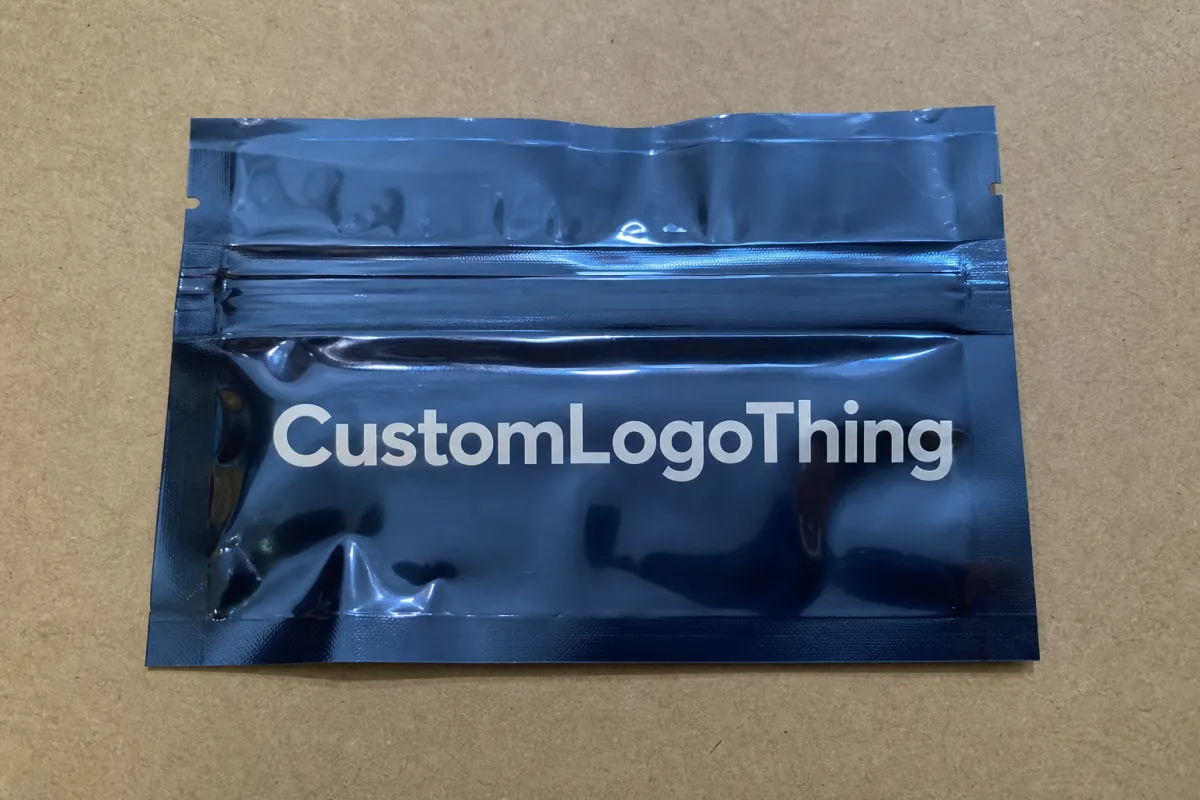
Custom gloss finish pouches are flexible packages built with a shiny outer surface, usually created through a gloss laminate, coating, or exterior film layer. The pouch may be a stand-up pouch, flat pouch, spouted pouch, or resealable format. What ties them together is the reflective face that helps artwork read brighter and crisper under store lighting.
The practical effect is easy to see. A gloss surface tends to intensify contrast. Dark colors look deeper. Bright colors look louder. Photography can appear more saturated. On a crowded shelf, that visual force can be the difference between a shopper noticing the product and moving past it in seconds. That is one reason custom gloss finish pouches are often favored when shelf visibility is the main objective.
That does not make gloss universally right. Some categories call for a softer, more natural look. Others need a quiet, premium feel. Matte and soft-touch finishes can support those brands well. Gloss, by contrast, pushes clarity, energy, and a polished first impression. In packaging design terms, it is the finish that most aggressively separates itself from the field around it.
You will see custom gloss finish pouches most often in categories where color, freshness cues, and retail impact matter. Coffee, trail mix, gummies, powdered supplements, face masks, bath salts, and pet treats all fit the pattern. Promotional kits use them too, especially when the package needs strong branding without relying on folding cartons or Custom Printed Boxes.
If the product sells online as well as in stores, gloss can help in both settings. It photographs well when the artwork is strong, and it usually reads clearly in lifestyle shots. Digital mockups can flatter any finish, though. Real shelves, real light, and real handling are the tougher test. A render cannot tell you how glare will fall across a logo or whether a dark panel will swallow fine type.
How the Gloss Finish Works on a Pouch
Most of the gloss effect comes from the outer film or laminate, not from the pouch structure itself. A pouch might use PET/PE, PET/AL/PE, BOPP-based structures, or another multilayer combination, and the top layer is usually where the shine lives. The result is a reflective front face that changes how printed artwork appears.
Light behaves differently on glossy film. It bounces more directly, which can make blacks look denser and colors more saturated. Deep blue, red, green, and black packaging can look dramatically richer in gloss than in a flat finish. For product packaging with bold graphics, that can be a real advantage. For subtle layouts with low contrast, it can become a problem if the design does not hold together under reflection.
Print quality matters more on gloss because the finish exposes everything. Fine type, low-resolution imagery, weak color separation, and uneven gradients become easier to spot. A design that looks fine on a screen may look crowded or overlit on the pouch itself. That is not a defect in the finish. It is a reminder that shiny surfaces are less forgiving.
Gloss is also a tactile choice. It feels smoother and slicker in the hand than matte or soft-touch alternatives. Some buyers read that as premium. Others see it as more commercial. Both reactions can be correct. The answer depends on how the brand wants to be perceived in the aisle and on the unboxing table.
One common mistake is assuming the finish changes protection. It does not. A gloss surface affects appearance and handling, while barrier performance depends on the film build, seal quality, zipper choice, and whether the pouch uses metallization, EVOH, or another high-barrier layer. If the product needs moisture, oxygen, aroma, or light protection, the finish is only one piece of the spec.
A shiny exterior can win attention. It cannot rescue the wrong film structure, weak seals, or a rushed proof.
If you want a broader view of packaging standards, trade resources such as packaging.org can provide general context, while transit testing references from ISTA help teams think about shipping abuse, drop risk, and distribution durability. Those references are not a substitute for a real spec sheet, but they do help buyers ask better questions.
Key Factors That Affect Performance and Shelf Appeal
The best pouch decision starts with the product, not the finish. Fill weight, moisture sensitivity, oxygen sensitivity, aroma retention, shelf-life goals, and retail channel all matter. A 2 oz snack pouch and a 2 lb coffee bag can both be custom gloss finish pouches, yet they will not need the same barrier, structure, or closure.
Storage and shipping conditions matter just as much. Will the packs sit in a hot warehouse? Will they travel through humid regions? Will they spend weeks under fluorescent retail lighting? Those conditions influence film selection, seal design, and the amount of protection the pouch needs before the first opening. A gloss face can look excellent, but if the product is fragile, the full build needs to reflect that.
Artwork choices behave differently on gloss too. Bold typography, strong contrast, and clean spacing usually perform well. Fine lines, muted color palettes, and complex gradients can work, but they need more proofing. On glossy retail packaging, the design should read from several feet away and still make sense in hand. If a shopper has to lean in just to find the product name, the front panel is carrying too much friction.
Format changes the story as well. Stand-up pouches create broad front panels for branding. Flat pouches are compact and efficient. Spouted pouches add functionality for liquids or semi-liquids. Resealable zippers matter when repeat use is expected. A gloss finish can suit any of them, but the surface effect looks different depending on panel size, seal placement, and how much front-face space the design gets.
Brand perception is the last major factor. Gloss can signal freshness, energy, and a more polished profile. It can also feel less natural if the brand position depends on handcrafted, organic, or understated cues. That does not mean gloss is wrong for natural products. It means the artwork and structure need to work harder so the pack does not read as overly commercial.
- Product type: snack, coffee, supplement, beauty, pet, or kit products often need different barrier levels.
- Storage environment: heat, humidity, and light exposure can change the ideal film structure.
- Artwork style: high-contrast graphics usually benefit more from gloss than subtle palettes do.
- Closure and format: zippers, tear notches, and hang holes affect both use and shelf presentation.
- Brand position: gloss can push premium polish or retail energy, but it may soften a handmade look.
One practical comparison helps here: a pouch that looks strong in a design file may perform very differently once it sits under a store lamp. Teams that sell into club channels, specialty retail, or pharmacy shelves often see this firsthand. The same artwork that feels restrained on a monitor can become glare-heavy in person. That is why finish selection is rarely a purely aesthetic choice.
Cost, Pricing, MOQ, and Quote Basics
Cost starts with the basics: pouch size, material build, barrier level, print method, finish type, and order volume. Once you add special features like zippers, hang holes, clear windows, degassing valves, or spouts, the price starts moving quickly. A gloss finish is usually not the biggest cost driver on its own; structure and complexity matter far more.
MOQ, or minimum order quantity, has a bigger impact than many first-time buyers expect. Lower quantities spread setup, prepress, and production time across fewer units, which pushes up the unit cost. At 3,000 to 5,000 pieces, the per-unit number is often noticeably higher than at 10,000 or 25,000 pieces. The exact spread depends on the plant, print process, and finish specification.
In practical terms, a gloss laminate or gloss overprint varnish may add only a modest premium compared with a matte or soft-touch alternative. The bigger jump usually comes from special constructions, heavy ink coverage, metallic effects, or complex artwork that requires more proofing and tighter register control. If you are comparing Custom Printed Boxes with flexible pouches, the pouch may still land lower in total packaging cost, but finish and feature choices can narrow that gap.
It helps to ask for quotes in a way that exposes real tradeoffs. Do not ask for one number. Ask for three quantities, two finish options, and a clear breakdown of setup and freight. You want to see where the cost moves and why. A supplier who can explain the difference between a base spec and an upgraded spec is usually easier to work with later, too.
| Finish Option | Visual Effect | Typical Use | Cost Signal |
|---|---|---|---|
| Gloss | High shine, strong color pop, bright shelf presence | Snack, coffee, supplements, beauty, pet treats | Usually modest premium if structure stays simple |
| Matte | Soft, low-reflection, understated look | Natural, artisan, premium minimalist brands | Can cost slightly more depending on laminate and print setup |
| Soft-touch | Velvety, tactile, more upscale in-hand feel | Beauty, premium retail packaging, gift sets | Often the highest finish premium of the three |
| Gloss with special features | Same shine, plus better functionality | Resealable, spouted, or hanging display formats | Higher due to added components and tooling |
What should a good quote include? Unit cost at multiple volumes, tooling or setup fees, proof charges if any, lead time, freight estimate, and whether revisions are included. If a supplier cannot clearly explain how the number changes with volume or finish, that is a warning sign. A cheap price means little if the barrier is wrong, the seal fails, or the color looks off by a mile.
A useful procurement habit is to compare total landed cost, not just the piece price. Freight, warehousing, damage rates, and the cost of delays can be larger than the finish premium. In branded packaging, the wrong pouch can cost more than the right one ever will.
Process and Timeline: From Artwork to Delivery
The production path is usually straightforward, but the details matter. Discovery comes first, then spec selection, artwork submission, proofing, approval, production, inspection, and shipment. Each step looks simple on paper. In practice, most delays happen during the handoff between design and production.
Artwork revisions are the most common source of schedule drift. Missing dieline details, low-resolution logos, wrong Pantone targets, incorrect barcode placement, and last-minute copy edits can all add days. If several people need sign-off, even a clean job can slow down. Packaging design is often where good timelines go to die, not because the work is hard, but because approval chains are long.
Lead time depends on the order type. A repeat run with no structural changes can move relatively quickly. A fully custom project with new dimensions, new tooling, specialty zippers, or a more complex gloss treatment takes longer. For many pouch jobs, a realistic window is often 12 to 20 business days after proof approval, though that range shifts based on material availability and plant queue length.
Gloss itself does not usually extend the timeline much. The bigger schedule drivers are print method, material sourcing, and how many revisions the art takes. If the supplier is waiting on a specific film or closure component, the finish becomes part of a larger material plan rather than the main cause of delay.
That is why buffer time matters. If the pouch is tied to a launch, a trade show, or seasonal demand, build in slack for proof corrections, transit, and inspection. Even a strong production run can lose value if it arrives too close to the deadline to check, rework, or repackage. A two-day delay can be more expensive than a modest upgrade in materials if it forces a launch to slip.
- Discovery: define the product, volume, shelf life goal, and display environment.
- Spec selection: choose size, structure, closure, and gloss finish details.
- Artwork submission: provide dielines, logos, copy, and color references.
- Proofing: review layout, color, and readability before approval.
- Production: print, laminate, convert, seal, and inspect the pouches.
- Shipment: confirm packaging counts, freight method, and receiving window.
If your team also uses FSC-certified paper components elsewhere in the line, or if you plan a retail display carton alongside the pouch, that is a good time to review sourcing claims carefully through FSC. The pouch itself may be film-based, but the broader packaging system often includes more than one material.
Step-by-Step Guide to Ordering the Right Pouch
Step 1 is always the same: define the product requirements first. Before you look at artwork or finishes, know the fill weight, shelf-life target, storage conditions, and how the pouch will be sold. A retail shelf pouch and an ecommerce shipper pouch can look similar, yet they often need very different specs.
Step 2 is choosing the format and finish together. A gloss finish can look bold on a large stand-up panel and much busier on a small flat pouch. Zipper placement also affects how much uninterrupted art space you have. That is why finish and structure should be decided as a pair, not treated as separate decisions.
Step 3 is preparing artwork with print reality in mind. Strong contrast helps. Clear hierarchy helps. So does restraint. If the pouch will be shiny, do not overload it with fine text, weak lines, or too many competing messages. Product packaging works best when the shopper can find the brand name, product name, and key benefit within a second or two.
Step 4 is asking for samples or mockups whenever possible. A screen render can suggest the right mood, but it cannot show glare, color density, or hand feel under actual light. A sample helps you judge whether the gloss level supports the brand or fights it. For many teams, that is the moment where the design either gets sharper or gets simplified.
Step 5 is confirming the spec sheet before approval. This should include dimensions, film layers, gloss details, seal style, zipper type, panel count, print colors, and case pack quantity. Small errors here create large problems later. It is far cheaper to catch a mismatch on paper than after production begins.
Step 6 is lining up internal approval. Marketing, operations, compliance, and finance often care about different parts of the brief. Bring them into the process early. A good packaging buyer does not just chase a better-looking pouch. They keep the launch moving and reduce avoidable rework.
- Have the final product name and net weight ready.
- Know whether the pouch needs barrier protection or just basic containment.
- Prepare artwork files in editable and print-ready formats.
- Decide whether the pouch needs a zipper, tear notch, valve, spout, or hang hole.
- Set a target quantity and a realistic launch date before requesting quotes.
If you are still comparing suppliers or formats, browsing a broader range of Custom Packaging Products can help you see how custom gloss finish pouches fit into a larger package branding strategy rather than a one-off purchase. That wider view matters, because the right finish in isolation is not always the right finish inside a full line.
Common Mistakes and Expert Tips for Better Results
The most common mistake is choosing gloss for looks and forgetting that reflective surfaces expose weak design faster than matte surfaces do. A dull logo, thin typography, or low-quality photography becomes more visible, not less. Gloss rewards strong graphics and punishes sloppy ones.
Another frequent error is ignoring category fit. Gloss can work beautifully for candy, supplements, coffee, or beauty. It can also feel out of place for brands built on earthy textures, organic cues, or artisan restraint. That is why packaging design should always start with the brand story, not with the finish sample.
Proofing deserves more attention than many teams give it. A monitor is lit from behind. A pouch is not. Under retail lighting, a layout can become too bright, too dark, or visually crowded. If a design has critical information, make sure it is readable in the final finish, not just on a PDF.
Here is a practical test: hold the mockup at arm’s length under bright light. Can you still identify the product name, main claim, and brand in two seconds? If not, simplify the front panel. That one check catches more problems than long design debates. It is also close to how real shoppers behave, which makes it more useful than subjective opinions in a conference room.
Operational realities matter too. Gloss can show scuffs, rub marks, and fingerprints more easily than less reflective finishes. If the product will be handled often in distribution or retail, make sure the film and pack-out plan can tolerate that. Sometimes a slightly less reflective gloss, paired with better artwork and better overwrap handling, is the right compromise.
The best pouch is not the prettiest render. It is the one that survives production, survives transit, and still looks intentional on the shelf.
Another useful habit is comparing your pouch against adjacent packaging types. If your shelf set includes cartons, labels, or custom printed boxes, make sure the gloss pouch does not fight the rest of the line. Brands lose coherence when every package speaks a different visual language. Strong packaging systems feel related, even when the formats are different.
Buyers who have worked a few launches learn this the hard way: a finish choice can look minor in a mockup, then become the thing everyone notices in a store visit. That is not failure. It is information. The best teams use that information before the first order, not after the first pallet arrives.
Expert Tips and Next Steps
Start with your product specs, not with the artwork folder. Once you know the fill weight, target barrier, and shelf-life goal, the rest of the pouch decisions become easier. That single move often saves a buyer from overbuying features they do not need.
Compare at least two or three quote scenarios. Look at unit cost, MOQ, timeline, and finish quality together. A slightly higher price can be the better buy if it reduces risk, improves consistency, or gives you a cleaner presentation in the aisle. Price alone is too blunt a tool for this category.
Ask for a production sample or a close mockup if your launch depends on color accuracy. Gloss can shift the apparent tone of inks, especially with dark or saturated artwork. If your brand depends on exact color recognition, this step is not optional. It is insurance, especially for repeat orders where consistency matters as much as first-run appeal.
Build a simple scoring sheet before you choose. Rate shelf appeal, product protection, budget fit, and timeline from one to five. That sounds basic, but it cuts through a lot of subjective debate. Most teams already know what matters. They just do not write it down early enough.
If you are preparing to buy custom gloss finish pouches, gather the product brief, target quantity, artwork files, closure preferences, and a realistic schedule before you request a quote. That gives the supplier enough detail to return a usable spec instead of a vague number. If you want the gloss look to earn its place, tie it to the full package strategy, not just the finish. Done well, custom gloss finish pouches can sharpen package branding, improve shelf impact, and fit cleanly into a broader product packaging plan. The clearest next step is simple: compare finish options against the product’s real handling and shelf conditions, then choose the spec that still looks strong after proofing, transit, and store lighting.
What products work best in custom gloss finish pouches?
Products that benefit from strong shelf visibility, vivid color, and a polished first impression often do well in gloss, including snacks, coffee, supplements, beauty items, and pet treats. If the brand needs a clean look that stands out under retail lighting, gloss is usually a strong fit.
Are custom gloss finish pouches more expensive than matte pouches?
The finish itself is usually only one part of the price difference. The bigger cost drivers are pouch size, materials, print complexity, and order volume. In many cases, the unit cost gap between gloss and matte is modest compared with MOQ and structural choices.
How long does the process take for custom gloss finish pouches?
Lead time depends on artwork readiness, proof approval speed, material availability, and production queue length. Simple reorder jobs usually move faster than fully custom projects with new tooling, new artwork, or special features.
Will a gloss finish change the barrier performance of the pouch?
Not by itself. Barrier performance comes from the pouch structure, film layers, and seal quality rather than the shine on the outer surface. Gloss affects appearance and handling, while protection depends on the full material build.
What should I prepare before requesting a quote for custom gloss finish pouches?
Have your product dimensions, fill weight, target quantity, preferred pouch style, artwork files, and any special features ready. It also helps to know your timeline, budget range, and whether you need samples so the quote is accurate and useful.

