Custom Guest Address Labels: Pricing and Ordering Tips
Custom guest address labels solve a small job that tends to get complicated fast. Wedding invitations, event mailers, donor packets, and client-facing envelopes all look better when the addressing is clean, consistent, and easy to read. Handwriting works for a handful of pieces. Once you are dealing with dozens or hundreds, it starts to look improvised. That is usually the moment buyers realize the label itself is not the expensive part. The expensive part is the time, the rework, and the mistakes that creep in when the data is messy.
Labels also do a quiet branding job. A well-made address label keeps the envelope consistent with the rest of the package, whether that package is a formal invitation suite or a branded mailer. The look should feel deliberate. Not loud. Not fussy. Just clean enough that nobody notices the mechanics.
What Custom Guest Address Labels Solve
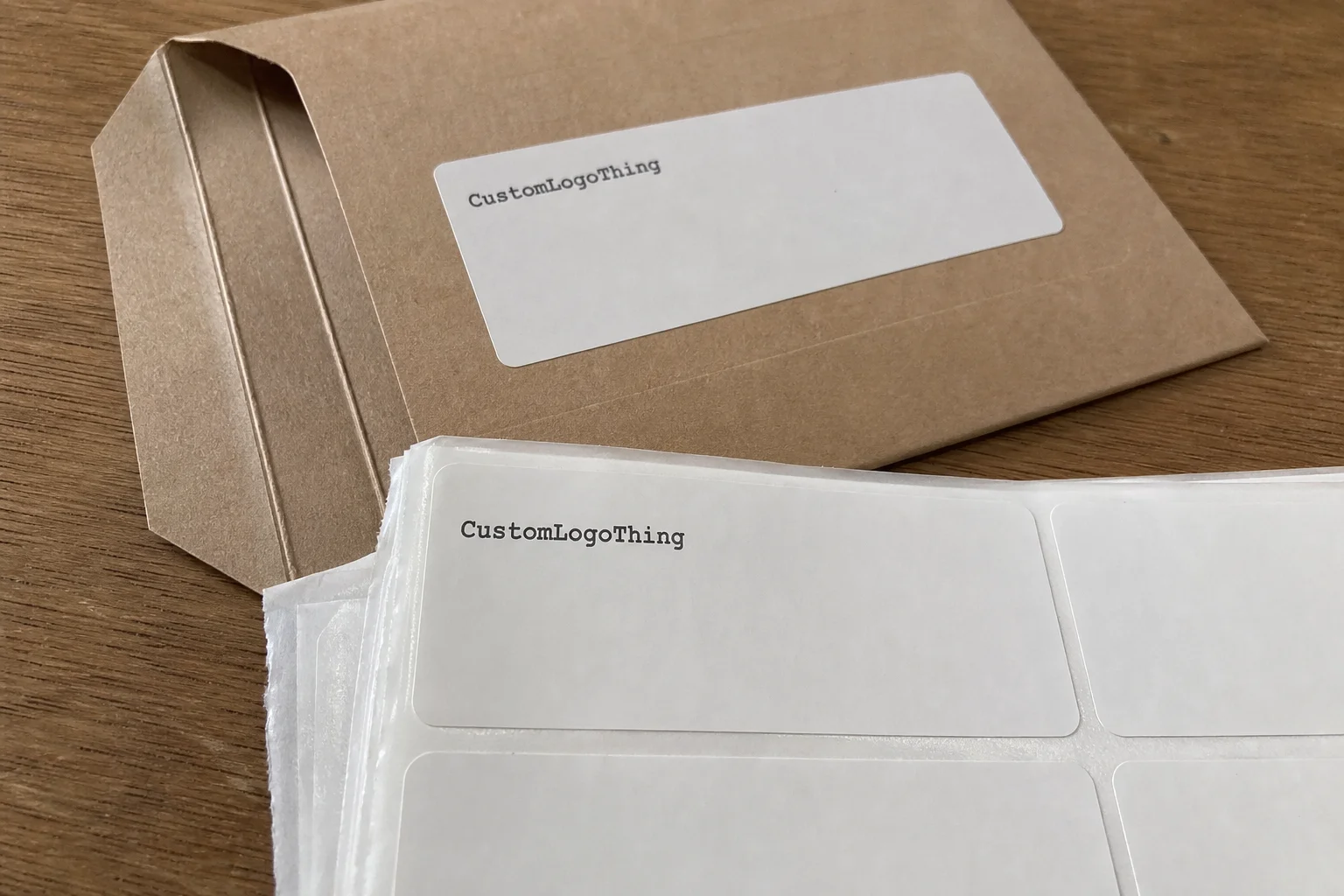
At the simplest level, custom guest address labels keep a mailing stack organized. They help a wedding team avoid 250 slightly different handwriting styles. They help a business send client packets without names drifting off-center. They help a nonprofit keep donor mailings neat when the rest of the assembly line is moving too fast for careful handwriting.
That sounds basic because it is. The value is in removing friction. A well-designed label reduces spelling errors, speeds up assembly, and makes the final piece feel finished instead of assembled on a deadline. If the mailing is part of a larger branded package, the label also keeps the visual system intact across the envelope, insert cards, seals, and outer packaging.
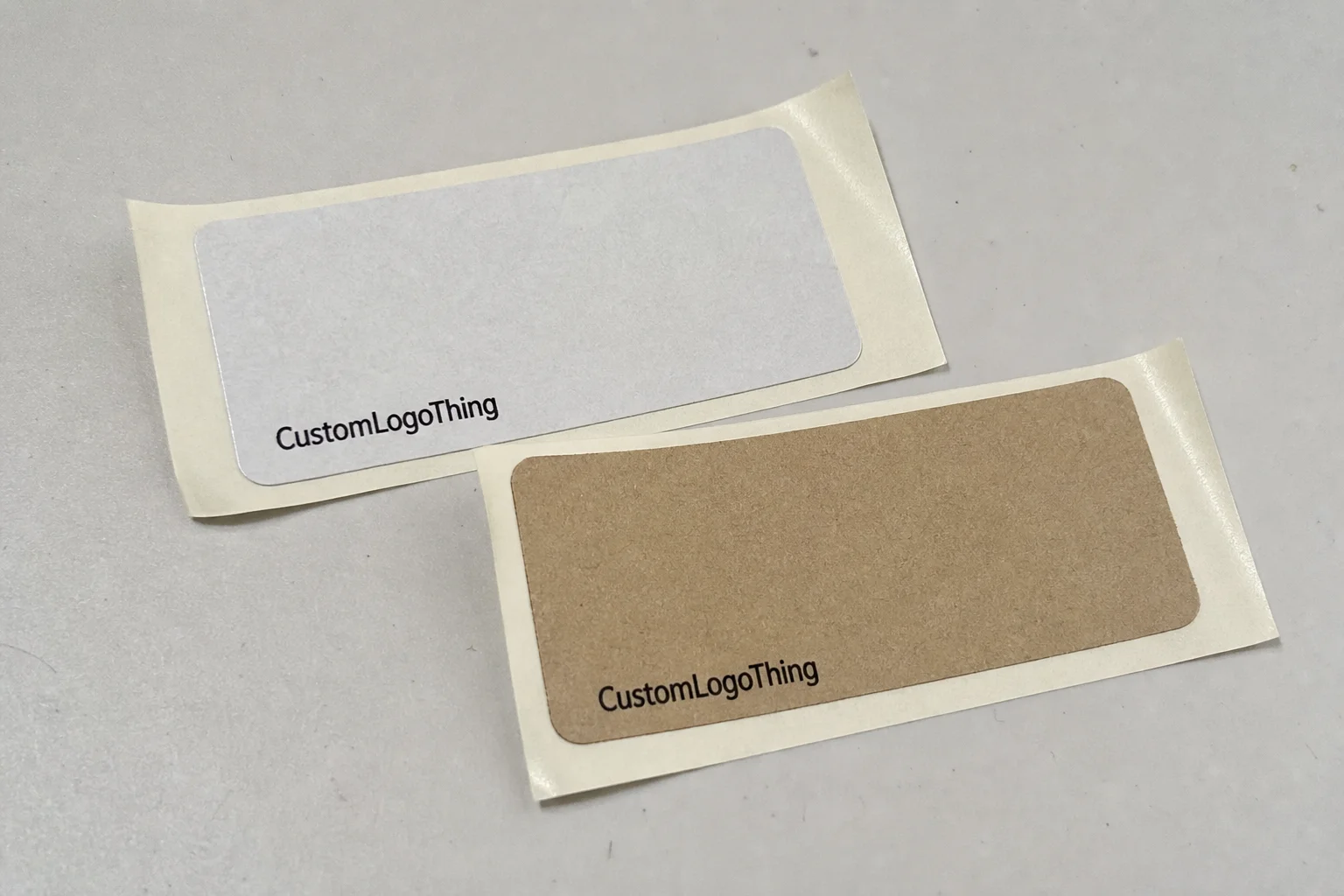
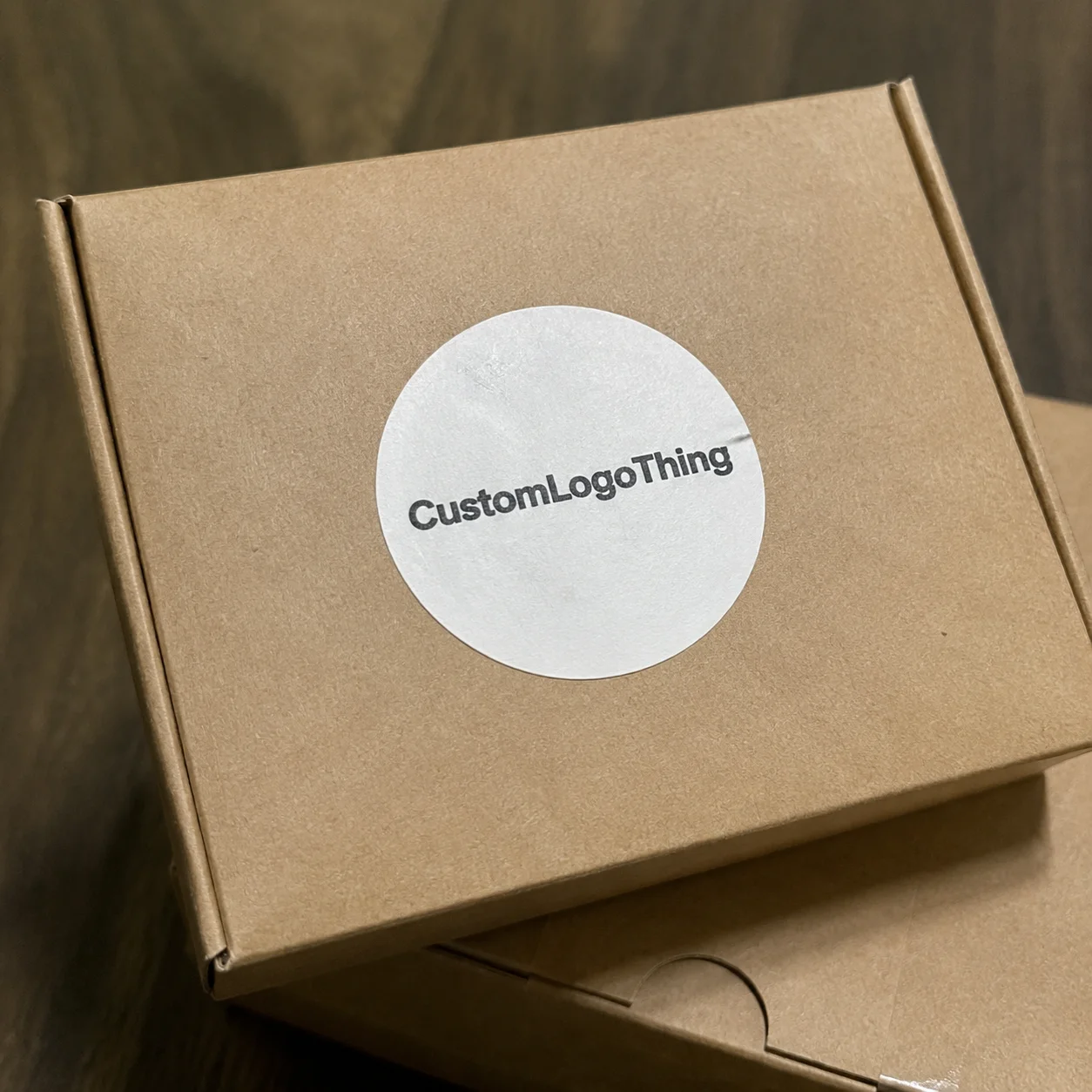
These labels are often used as Return Address Labels, guest address labels, or coordinating mailing labels for event stationery. Some buyers only need a plain black typeface on white stock. Others want a label that matches their invitation suite or product packaging with a logo, border, or color accent. Both approaches are valid. The right answer depends on how much the label needs to do beyond carrying an address.
One point gets overlooked a lot: the label is rarely the actual problem. The problem is a spreadsheet full of inconsistent punctuation, missing apartment numbers, or names entered six different ways. If the source file is unstable, the label order will be unstable too. No printer fixes bad data for free, and no press can turn a messy list into clean output without extra work.
If the list is sloppy, the proof will be sloppy. Production starts with the file, not the press.
How the Printing and Application Process Works
The workflow is straightforward, but every step has a cost if it goes wrong. The buyer sends a list, a template, or a merged file. The production team checks the addresses for spacing, punctuation, line breaks, state abbreviations, and name consistency. If something looks off, they flag it before proofing. That is the cheapest point to fix a problem.
Proofing comes next. This is where the order either stays on schedule or starts slipping. If the proof is approved quickly, production moves. If the proof sits while three people debate capitalization styles, the calendar keeps moving without you. The machine does not care that the event date is fixed.
After approval, the job moves into print setup, output, finishing, cutting or roll conversion, packing, and shipment. For small label jobs, the physical setup is lighter than a full custom packaging run, but the same rule applies: fewer changes after proofing means fewer delays. Variable data is efficient when the file is clean. It becomes expensive when the file needs cleanup, recoding, or repeated revisions.
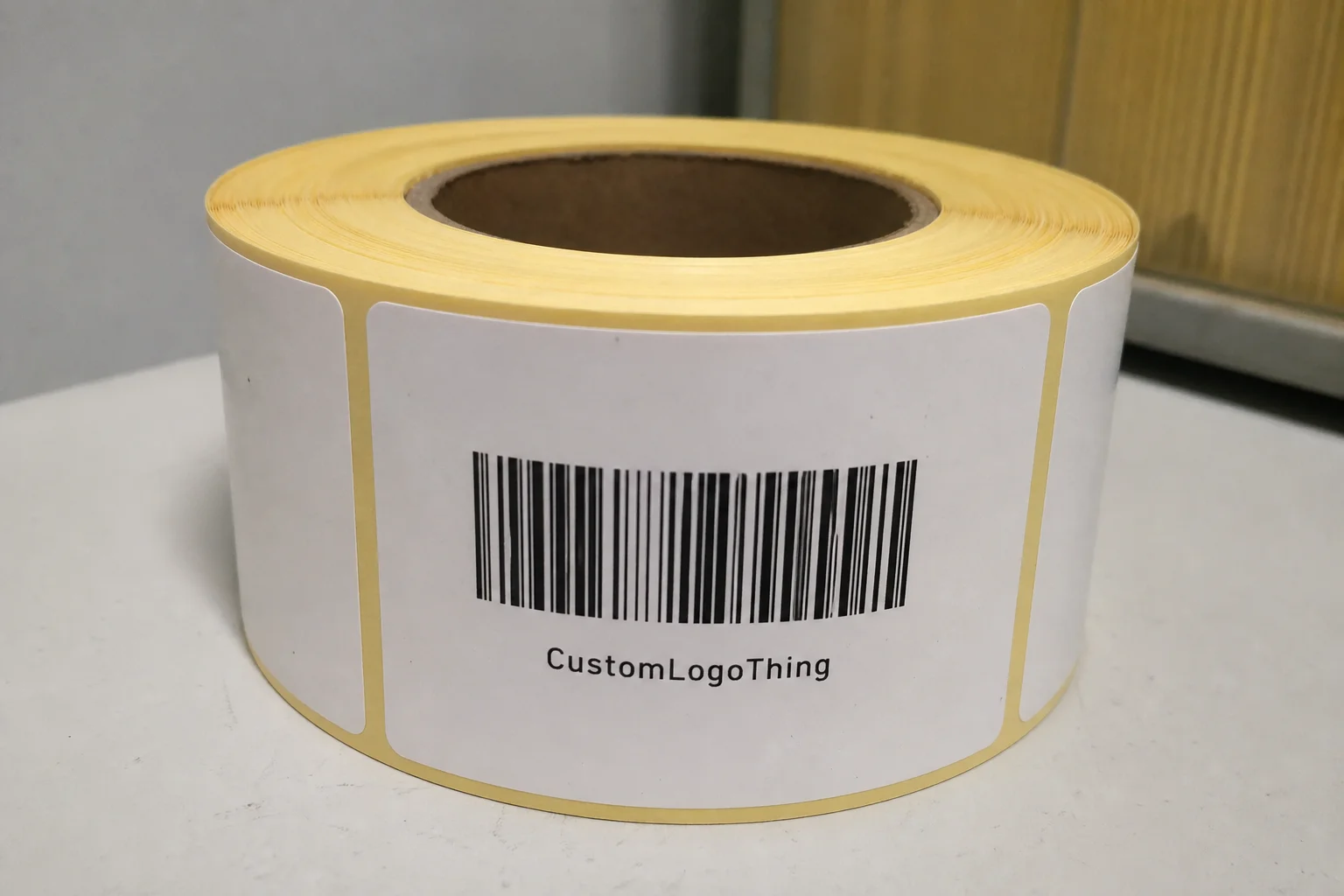
Application format matters as much as print quality. Sheet labels work well for hand application and smaller batches. Roll labels make sense when a team needs speed or plans to use a dispenser. Fanfold labels are useful when feeding efficiency matters and space is tight. Adhesive choice matters too. Removable adhesive is useful for temporary labeling or event logistics. Permanent adhesive is the safer choice for mail pieces that need to stay put through sorting and transit.
Most label jobs move faster than full packaging jobs because the setup is simpler, but the file still has to be clean. Good vendors will proof carefully, especially when the order uses variable data. If the labels are part of a wider branded kit, it helps to treat them as one component of the whole system rather than as an isolated line item. That mindset avoids mismatched stock, wrong sizing, and last-minute surprises.
For buyers comparing paper options, FSC certification is a useful benchmark for certified paper-based materials: fsc.org. For broader packaging context and material standards, packaging.org is worth keeping on hand. Neither replaces a supplier spec sheet, but both help separate marketing language from actual material claims.
Pricing, MOQ, and Unit Cost Drivers
Pricing usually comes down to six variables: size, material, finish, print method, variable data setup, and quantity. Rush service can matter too, but the first six do most of the damage. A small matte sheet label with simple print is a very different job from a die-cut gloss label with multiple recipients and decorative accents. The price gap is real because the production work is different.
MOQ is simple in theory and inconvenient in practice. Small runs are easier to place, but the unit cost is higher because setup has to be spread across fewer labels. As the quantity increases, the per-label price usually drops. For many buyers, that means a 250-piece order looks reasonable until the 500-piece price is compared side by side. If the design will be reused for a second mailing, or if the same address system will support return labels, RSVP cards, or event inserts, the larger run often makes more sense.
The best way to judge a quote is to compare total spend against the labor it saves. If a $95 label order eliminates two hours of manual addressing, the math is not difficult. If the same file can be reused across a coordinated stationery set or branded packaging program, the value gets better. The label is one piece of the job. The workflow savings are the part people forget to price in.
| Format | Best For | Typical Price Range | Notes |
|---|---|---|---|
| Sheet labels | Small batches, hand application | $0.08-$0.22 per label at mid-size quantities | Lowest setup complexity; good for office use and guest mailing lists |
| Roll labels | Faster application, dispenser use | $0.06-$0.18 per label depending on quantity | Better for repetitive jobs and higher counts |
| Fanfold labels | Efficient feeding and batch labeling | $0.07-$0.20 per label | Useful when the application process needs speed without rolls |
| Custom die-cut labels | Distinctive package branding | $0.12-$0.35 per label | More setup, more flexibility, usually higher minimums |
Hidden costs are where buyers get surprised. File cleanup, multiple proof versions, split shipping, unusual shapes, and special packaging can all push the quote upward. None of those are outrageous on their own. Put them together and the job starts behaving like a larger custom packaging order, complete with more hands involved and more chances to slow down.
One useful habit is to ask for at least two quantity tiers. If 250 labels are priced at one level and 500 only adds a small amount, the larger order may be the better value. If the jump is steep, stay conservative. The right buy is not always the lowest line item. It is the order that matches the actual use case without creating leftover inventory that nobody wants to look at later.
Choosing the Right Size, Stock, and Finish
Size starts with the surface. Envelope dimensions, border space, and postage placement all matter. A label can fit on paper and still look wrong if it crowds the return address, cuts too close to the flap, or leaves an awkward amount of blank space. A label that is too small has the opposite problem: it looks timid. The right size lands in the middle and respects the envelope.
Stock choice is about readability, handling, and the tone of the piece. Matte stock is usually easier to read and tends to feel more controlled. Gloss adds shine, but it can catch light in a way that makes the address harder to scan at a glance. For mailing pieces, readability comes first. Decoration should never interfere with that.
Adhesive choice matters more than most people expect. Removable adhesive is useful when the label needs to come off cleanly or when the piece is temporary. Permanent adhesive is the safer default for actual mail. If the envelope has texture, coating, or an unusual surface, adhesion should be tested early. A label that lifts or wrinkles after application is not a minor annoyance. It is a reprint.
Format should match the way the labels will be used. Sheets are easy for office teams and smaller quantities. Rolls make sense when application speed matters. Fanfold works when the feed path needs to stay efficient and the storage setup is tight. None of these is universally better. The right one is the one that fits the job.
Readability beats decoration every time. A pretty label that cannot be scanned or read cleanly has failed. That rule holds across event mailings, retail packaging, and donor outreach. A polished design still has to function in the real world, where envelopes get stacked, handled, sorted, and sometimes bent. A clean layout with good contrast will always age better than a busy one with weak legibility.
There is room for style. A restrained border, a monogram, or a subtle color accent can make custom guest address labels feel intentional without turning them into a design stunt. If the labels are part of a larger stationery or packaging system, keep the typography and palette aligned with the rest of the pieces. The mailer should look related, not copied from three different projects.
Step-by-Step Ordering Checklist
Start with the final mailing list. Not the version someone says is final. The real one. Cleaning address data after proofing is where timelines slip and budgets expand. If one person is still editing names while another is approving layout, the job is already at risk.
Next, lock the basics in this order: label size, stock, finish, quantity, target delivery date, and whether the order needs variable data or a static design. If there is an existing branding system, send it. If not, keep the instructions direct. Clear constraints are easier to execute than vague creative notes with too many opinions attached.
Request a proof and review every line. Names, postal abbreviations, punctuation, spacing, and line breaks all need a human check. Automated address verification is useful, but it will not catch every design issue that makes a label feel off-center or visually inconsistent. If the proof shows a mistake, fix it before approval. Once the file is signed off, every change costs more time and usually more money.
The cheapest proof is the one reviewed properly the first time.
After approval, confirm the ship date and line up the mailing schedule. That sounds obvious. It still gets missed. If labels arrive on Thursday and the event is Friday morning, the planning was never realistic. Mail timing is unforgiving. There is no polite way around that.
If the labels are part of a broader print or packaging order, keep the specs in one place with the rest of the job files. That makes repeat orders easier and reduces the chance that someone reorders the wrong stock, wrong size, or wrong finish six weeks later. It also helps when labels need to coordinate with inserts, seals, or other branded components that share the same design system.
Common Mistakes That Raise Cost or Delay Shipping
The fastest way to slow a label order is to send inconsistent address data. Mixed capitalization, missing apartment numbers, random spacing, and inconsistent punctuation all force cleanup. That extra work adds time before proofing and can push the schedule back a day or two. It is not dramatic. It is just expensive in a boring way.
Wrong adhesive selection causes another round of problems. A label that peels on a textured envelope or wrinkles on an uneven surface often has to be reprinted. The same is true for size. If the design is too large for the available blank area, it can crowd the envelope or hide important information. A cheap label is not cheap if it has to be done again.
Premium finishes are easy to overbuy. Foil, heavy gloss, and special textures can look good, but they are not always justified for a straightforward guest mailing. If the audience only needs the address to read cleanly, spend the budget where it matters. A label does not need to impress a room. It needs to survive handling and look correct when it arrives.
Lead time gets underestimated because the job looks small. It is still a production job. Proofing takes time. Shipping takes time. Rush fees usually show up when the deadline becomes the only thing that matters. At that point, the pricing stops being friendly and starts being reactive.
Another mistake is treating labels as separate from the rest of the mailing system. They should work with the envelope, the insert, and any matching branded packaging materials. If the pieces do not coordinate, the whole package feels patched together. That is avoidable, and it usually starts with not sharing enough context up front.
Expert Tips for a Better First Order
Ask for two or three quantity quotes. That one move shows where the price breaks live and whether a slightly larger run makes more sense. If the spread is small, the larger quantity often wins. If the spread is wide, stay conservative and avoid inventory you will not use.
If the address list or design is still changing, start with a short run or proof quantity before committing to the full batch. That matters even more for a first-time buyer or a one-off event. Nobody wants a box of 1,000 labels with the wrong suffix, wrong spacing, or wrong return address. Errors like that do not disappear. They sit there until someone opens the box and sighs.
Prepare a clean order packet before asking for pricing: final address file, exact dimensions, finish preference, target delivery date, and any branding notes. If matching stationery or other Custom Labels & Tags already exists, include a sample image so the printer can align the look. If the labels sit inside a larger kit, mention the related pieces from Custom Packaging Products so the order reads like one system instead of a pile of disconnected items.
For material sourcing, keep the standard practical and verifiable. FSC is worth asking about for paper-based stock. If waste reduction or handling is a concern, the EPA has useful guidance at epa.gov. Those references do not replace a supplier spec sheet, but they do help you ask better questions and spot vague claims faster.
Final rule: lock the list, approve the proof, and place the order only when the timeline is stable for custom guest address labels. That is usually the cheapest path. It is also the least annoying one.
FAQ
What should custom guest address labels include?
Include the recipient name, street address, city, state, and ZIP in the final format you plan to mail. Add a return address if needed, and keep punctuation, capitalization, and abbreviations consistent across the full list.
Are custom guest address labels cheaper than printing envelopes?
Usually yes for smaller or changing mail lists, because labels avoid full envelope reprints when addresses change. The better comparison is total cost: label price plus labor saved versus direct envelope printing and setup fees.
How long does production usually take for guest address labels?
The timeline usually starts with proofing, then moves into production after approval, so fast feedback matters. Standard turnaround is often quicker on repeat jobs and slower when the file needs cleanup or the order is rushed.
What size works best for guest address labels on envelopes?
Choose a size that fits the longest address line without crowding the edges or blocking postage areas. Test the layout against the actual envelope or mailer before approving the final proof, not after.
Can I order a small batch without a huge unit cost?
Yes, but smaller quantities usually carry a higher unit cost because setup and proofing are spread across fewer labels. Ask for pricing at two or three quantity tiers so you can see whether a slightly larger run is the smarter buy.