Buyer Fit Snapshot
| Best fit | Custom Gusseted Pouches Wholesale projects where brand print, material claims, artwork control, MOQ, and repeat-order consistency need to be specified before quoting. |
|---|---|
| Quote inputs | Share finished size, material target, print colors, finish, packing count, annual reorder estimate, ship-to region, and any compliance wording. |
| Proofing check | Approve dieline scale, logo placement, barcode or warning zones, color tolerance, closure strength, and carton packing before bulk production. |
| Main risk | Vague material claims, crowded artwork, missing packing details, or unclear freight terms can make a low unit price expensive after revisions. |
Fast answer: Custom Gusseted Pouches Wholesale: Pricing, Specs, MOQ should be specified like a repeatable production item. The safest quote records material, print method, finish, artwork proof, packing count, and reorder notes in one written spec.
Production checks before approval
Compare the actual filled-product size with the drawing, then confirm tolerance on folds, seals, hang holes, label areas, and retail display edges. Reserve space for logos, QR codes, warning copy, and material claims before decorative graphics fill the panel.
Quote comparison points
Review material grade, print process, finish, sampling route, tooling charges, carton quantity, and freight assumptions side by side. A quote is only useful when the supplier can repeat the same color, closure quality, and packing count on the next order.
Custom Gusseted Pouches wholesale sounds simple until a weak spec starts draining money through freight, fill time, and shelf appeal. That extra side or bottom volume does real work. It gives the package room to stand, protects the seams from unnecessary strain, and makes a small product look finished without changing the product itself. Buyers notice the difference quickly. They stop shopping for “a pouch” and start shopping for the right structure.
Brands usually land on gusseted pouches after flat pouches stop doing the job. Maybe the pack will not stand up. Maybe the product is too heavy for the current format. Maybe the current container eats shipping cube like it has a personal vendetta. Wholesale ordering solves another headache too: setup costs sting more when every replenishment means starting over. Artwork, plates, proofing, and quoting should not need to be rebuilt every time inventory dips. If you are trying to tighten product packaging spend while improving retail packaging performance, this format deserves a hard look.
Rule of thumb: buy the structure first, the decoration second, and the unit price third. The cheapest pouch is usually expensive in exactly the wrong place.
Why Custom Gusseted Pouches Wholesale Makes Sense Fast
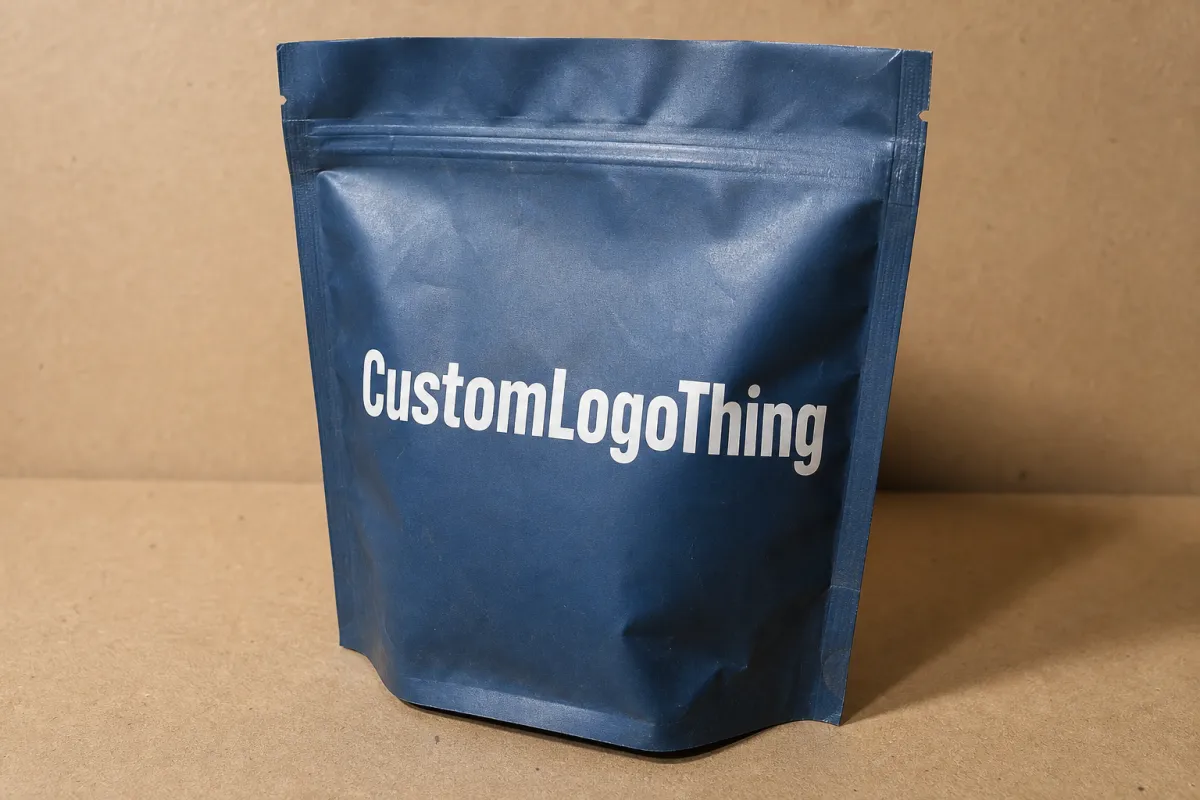
A gusseted pouch is not complicated. That is part of the appeal. The expandable panel gives the bag more usable volume, which lowers strain on the seams and keeps overfilling from turning into a mess. In plain terms, that matters when a brand is moving away from a flat pouch or a rigid jar and needs packaging that holds more, ships flatter, and still looks clean on shelf.
Wholesale is where the math starts behaving. Setup, print prep, and inspection get spread across more pieces, so the unit cost drops. That helps growing brands that need predictable supply instead of scrambling for small runs every few weeks. Procurement teams like boring. Boring means repeatable lead times, consistent seal performance, and fewer surprises hiding in the quote.
Gusseted pouches also pull their weight in retail. A bag that stands well gives you a steadier front face for branding, compliance text, and promotional copy. That extra printable space matters. So does the freight savings from a pouch that stores and ships more efficiently than a bulky secondary package or a stack of rigid tubs. If you have ever compared this with custom printed boxes for a small fill weight, the cube efficiency difference can be mildly annoying in the best possible way.
The business case is not only about price. It is about removing friction from the supply chain. A good wholesale program gives you a stable format, cleaner replenishment planning, and less time spent re-approving the same structure on every cycle. If you need a starting point for a broader sourcing plan, the Wholesale Programs page is the place to compare volume options and packaging paths.
The smartest purchase starts with use case, barrier needs, and artwork requirements. Not the cheapest quote. Cheap quotes usually hide one of three problems: the material is too light, the pouch is not built for the fill weight, or the print spec is too limited to support branded packaging properly. That is how buyers end up paying twice.
One more practical point: wholesale makes the most sense when the SKU is stable enough to repeat. If you are still changing the formula, the fill weight, or the closure every other week, ordering too much too soon can backfire. Packaging should support the product, not lock you into a bad decision for twelve months.
Product Details: What Custom Gusseted Pouches Are Built to Do
Gusseted pouches use expandable side or bottom panels to increase capacity and improve standing stability compared with flat bags. That extra material is the whole point. It gives the pouch room to expand as it fills, which spreads weight more evenly and keeps bulging from going wild in the wrong places. For many dry goods, powders, snacks, and specialty retail items, that makes the package look controlled and easier to handle.
There are a few common formats, and each one behaves differently in the real world:
- Side gusset pouches expand on both sides and are often used for coffee, tea, grains, dry foods, and products where a neat rectangular profile matters.
- Bottom gusset pouches expand at the base and are useful when the product needs better standing stability or a little more lift on shelf.
- Quad seal pouches add reinforced side panels and are often chosen for heavier fills or premium package branding where crisp edges matter.
- Stand-up gusseted formats combine gusset volume with display-friendly geometry, which is why they show up so often in retail packaging.
The material stack matters just as much as the shape. You will see kraft laminates, matte or glossy film, foil structures, clear windows, and high-barrier constructions designed to protect against moisture, oxygen, aroma loss, or light exposure. A paper-looking outer layer can still hide serious barrier performance underneath. That is useful when the brand wants a natural look without wrecking shelf life. It is also where some buyers get fooled by appearance. Pretty is not the same thing as protective.
Closure and functional features vary too. Heat seal tops are standard for many food and industrial products, but zippers, tear notches, degassing valves, hang holes, and euro slots can change how the pouch works in store and in transit. Coffee is the obvious valve example. E-commerce products may need tear notches for opening ease. Retail items may need reseal features because the customer is not using the pack once and tossing it.
Branding on gusseted pouches is more flexible than it looks. You can use full-color print, spot accents, metallic effects, and matte or gloss finish combinations to shape how the package reads from a distance. The wider panel area also helps when you need to fit barcodes, ingredients, compliance text, and marketing claims without turning the back of the pouch into a cluttered mess. That is packaging design, not just decoration.
If you are comparing pouch formats against rigid cartons or Custom Packaging Products more broadly, the biggest difference is how efficiently the structure uses space. Gusseted pouches stay light, but they deliver more presence than a flat bag and usually cost less to ship than a hard-sided container.
There is also a practical reason buyers like them: they are forgiving up to a point. A good gusseted pouch can tolerate slight fill variation better than a rigid container with fixed dimensions. That does not mean the spec can be sloppy. It just means the format gives operations a little breathing room, which is helpful when a line is moving fast.
| Format | Best For | Display Behavior | Typical Strength | Tradeoff |
|---|---|---|---|---|
| Side Gusset | Coffee, tea, dry blends, grains | Clean rectangular profile | Good for medium fills | Less stable than some stand-up styles before filling |
| Bottom Gusset | Snacks, powders, lighter retail goods | Better upright stance | Good shelf presence | May need careful fill control to avoid leaning |
| Quad Seal | Heavier products, premium retail, coffee | Sharp edges and premium look | Strong panel control | Usually costs more than simpler builds |
| Stand-Up Gusseted | Retail goods, snacks, specialty items | Strong front-facing shelf appeal | Balanced display and volume | Requires accurate sizing for fill and seal performance |
Specifications That Actually Matter Before You Order
If you remember one thing, make it this: dimensions are not optional. Before You Order, you need width, gusset depth, height, fill volume, and clarity on whether the measurements are pre-fill or post-fill. Too many buyers approve a pouch from a mockup that looked fine on screen, then find out the real product stretches the seams or leaves a ridiculous amount of empty headspace.
Barrier requirements are another place where details decide whether the package works. A moisture-sensitive product needs a different structure than a dry snack. Oxygen barrier matters for freshness, flavor retention, and shelf life. Aroma retention matters for coffee, tea, and anything fragrance-driven. UV protection matters when light degrades the product or when the brand needs longer retail life under bright shelves. These are not vague upgrade options. They are functional decisions tied to the product.
Print and finish choices affect both appearance and production. CMYK is common for full-color work, while spot color can support cleaner brand-specific output when the design is simple and controlled. Matte finish gives a softer premium look. Gloss makes color hit harder under retail lighting. Soft-touch can feel upscale, but it may increase cost and sometimes lead time. Metallic inks and foil details can look sharp if they fit the brand, but restraint usually wins unless the entire point is a louder shelf presence.
Compliance and retail requirements should be checked before artwork gets too far along. Food-safe structures, recycling claims, child-resistant requirements, label space, and country-specific packaging standards all affect what can go on the bag and how the structure must perform. If your product will cross borders, the spec sheet needs to account for more than one market. That is not overkill. That is how you avoid reprints and rejected inventory.
For transport and package testing, the International Safe Transit Association publishes widely used test methods. If your product is shipping through distribution, not just sitting on a shelf, looking at ISTA testing guidance is smart practice: ISTA test methods. For paper sourcing and chain-of-custody questions, FSC is the cleaner reference point: FSC certification. And if your packaging claim touches recyclability or environmental handling, the EPA has useful background material that keeps marketing language from drifting off a cliff: EPA resources.
Here is the practical test I use: if a spec does not affect fit, seal, shelf life, compliance, or machine compatibility, it should not drive the buying decision. That sounds blunt because it is. Buyers overspend on decorative choices while under-specifying the actual barrier layer or seal structure. Then they wonder why the order looks great and performs badly.
One good habit is to get the filling team involved early. A pouch that works on paper can still fail on a line if the seal zone is too narrow for the machine, the zipper sits too high, or the gusset depth creates awkward fill behavior. Packaging and production have to agree, or the project turns into expensive guesswork.
- Confirm the fill weight before you approve the final pouch size.
- Ask for material layer details, not just a surface description like “matte pouch.”
- Check seal area and zipper placement if the product is heavy or oily.
- Decide on the finish last unless the finish changes the buyer experience.
- Keep compliance copy separate from the visual mockup until the structure is final.
Custom Gusseted Pouches Wholesale Pricing, MOQ, and Unit Cost
Custom gusseted pouches wholesale pricing depends on more variables than many quotes admit upfront. Material choice, print coverage, size, barrier complexity, zipper or valve add-ons, and order volume all push the number around. The broader the spec, the more chances there are for price movement. That is normal. What is not normal is a quote that hides the moving parts and pretends everything is one clean flat rate.
MOQ usually behaves exactly the way you would expect: the smaller the run, the higher the per-unit cost. Setup, proofing, plates, and print prep have to be spread over fewer pieces. A few hundred units can be perfectly valid for a test launch or seasonal SKU, but nobody should expect the same unit economics they would get on a larger wholesale order. There is no magic. Just allocation.
Here is a useful pricing framework instead of a fake-perfect number. For a simple gusseted pouch with standard print coverage, short-run pricing may sit in a higher bracket, while bulk pricing becomes materially better once you move into larger volume tiers. Add a zipper, a valve, or a multi-layer barrier structure and the cost climbs again. That is why two quotes that look close on paper can produce very different landed costs after freight and setup are included.
| Order Tier | Typical Price Behavior | Best Use Case | Risk Level |
|---|---|---|---|
| Sample / Prototype | Highest unit cost | Fit check, artwork review, early approvals | Low volume, low commitment |
| Short Run | Moderate to high unit cost | Launches, seasonal products, test markets | Good for validation, not ideal for long-term economics |
| Wholesale Tier | Lower unit cost as quantity rises | Ongoing supply, retail programs, repeat SKUs | Best balance of cost and consistency |
| High Volume | Best unit economics | Established products, national distribution | Requires stronger forecasting and storage planning |
Hidden cost traps show up all the time. Overspecifying barrier properties for a product that does not need them wastes money. Adding too many finishes makes production harder and can increase reject risk. Changing artwork late can delay proofs and force corrections. Ordering a size that is awkward for freight or carton packing can quietly add logistical cost every step of the way. A quote that looks inexpensive before shipping, setup, and packaging configuration is not a good quote. It is a teaser.
When requesting pricing, give enough detail for a real comparison. Include dimensions, product type, expected fill weight, closure preference, artwork count, target annual volume, and delivery location. If the supplier is guessing, the quote is not useful. You want apples-to-apples numbers, not three creative interpretations of the same pouch.
Typical buyer ranges can still help as a sanity check, even though every program depends on spec. A plain laminated gusseted pouch with simple print is usually less expensive than a quad seal pouch with a valve and premium finish. The difference can be modest on large runs and painful on small ones. That is why smart buyers request two or three options at different volumes and compare the breakpoints instead of chasing the cheapest headline number.
One more thing that affects total spend: freight. Pouches are light, but they still occupy carton space, and carton packing efficiency can change the total landed cost more than people expect. A pouch spec that packs neatly into master cases can save real money. A spec that wastes an inch here and there adds up fast across a wholesale order.
Process and Timeline: From Quote to Production
The order flow is straightforward if the input is clean. It usually starts with an inquiry, then moves to spec review, quote, artwork prep, proof approval, production, inspection, packing, and shipment. Every step can be quick or slow depending on how decisive the buyer is. The packaging side is only part of the timeline. The rest lives in approvals, corrections, and whether the design files are actually ready to print.
Simple stock-backed builds move faster than fully custom printed runs. That is especially true when the artwork is final and the structure is standard. Once the pouch includes custom artwork, special finishes, compliance text, or barrier changes, the job needs more checking. That is normal, and it is good. Packaging failures cost more than a few extra days of proofing.
Delays usually come from the same places:
- Unclear dimensions or fill requirements.
- Slow proof approvals from internal teams.
- Missing dielines or low-quality art files.
- Color corrections after the first proof.
- Last-minute changes to structure or closure type.
Samples matter because they reduce guesswork. A digital mockup helps with layout and messaging, but it does not tell you how the pouch feels in hand. A physical sample shows real material behavior, seal geometry, and standing performance. A production sample sits much closer to the final run and is the best checkpoint before a larger purchase. If you skip those stages on a brand-new structure, you are betting inventory on optimism. That is a bad hobby.
To keep the timeline tight, prepare the important details before requesting quotes. Final dimensions. Target quantity. Logo files in usable format. Mandatory labeling. Shipping destination. If you are still debating whether the product needs a zipper or whether the finish should be matte or gloss, that is fine. The core structure needs to be stable before production starts.
For teams also managing broader branded packaging systems, coordination helps. A pouch program often touches label design, carton packing, and shelf presentation at the same time. That is why packaging design should be handled as a system, not as a series of disconnected file uploads. The more stable the intake, the less painful the production cycle.
It also helps to ask who owns the approval chain on your side before the first proof lands. A delay of one day in engineering, one day in marketing, and one day in procurement can easily turn into a week. Packaging timelines do not usually fail because the factory is busy. They fail because nobody wants to be the person who signs off first.
Why Choose Us for Custom Gusseted Pouches Wholesale
The advantage is not hype. It is practical sourcing. Buyers want clear quoting, consistent material sourcing, and fewer back-and-forth emails. They want a supplier that can explain why one structure works better than another and does not wrap every answer in sales fluff. That matters when the packaging is tied to launch timing, retail deadlines, or recurring replenishment.
Technical guidance saves money because it cuts rework. If the spec review catches a mismatch between fill weight and pouch geometry, the buyer avoids a bad run. If the material recommendation shifts from overbuilt barrier to appropriate barrier, the quote gets leaner without damaging product protection. That is the kind of support that actually helps a procurement team. The goal is not more packaging. The goal is better packaging.
Production controls matter too. Color consistency, seal checks, dimensional accuracy, and repeatable packing are all part of the job. A pouch that arrives looking good but seals poorly is useless. A pouch that fits the product but prints inconsistently is not a branded packaging solution. It is a near miss. Buyers need packaging that is ready for filling or retail use, not a stack of problems waiting for round two.
Wholesale support should also cover planning for multi-SKU programs and repeat runs. Brands rarely live on one SKU forever. They add flavors, sizes, seasonal items, and regional variants. A good sourcing setup helps forecast those changes without rebuilding the process every time. That makes it easier to keep unit cost under control while still supporting the product line.
If you are comparing suppliers, ask simple questions and listen closely to the answers:
- Can they explain the material stack without hand-waving?
- Do they quote the same spec every time, or does the number drift?
- Will they review artwork and dielines before production?
- Can they support repeat orders without re-inventing the process?
- Do they understand how the pouch fits the actual product, not just the mockup?
That last point is the real filter. Buyers do not need a supplier who talks like a brochure. They need one who answers quickly, understands the application, and does not turn simple packaging into a mystery novel. If the pack is part of a larger product packaging line, the right partner will also help you keep the pouch aligned with boxes, labels, and shipping cartons so the whole system works together instead of fighting itself.
Trust also comes from saying what a pouch cannot do. No structure fixes a product that off-gasses heavily, crushes under its own weight, or needs an active barrier level beyond the budget. A supplier worth listening to will say that early instead of pretending every spec is a fit. That kind of honesty saves money and keeps launch plans realistic.
Next Steps for Ordering Custom Gusseted Pouches Wholesale
Start with function. Confirm the product type, measure the fill volume, choose the gusset style, and decide whether the pouch must stand on shelf or only ship flat. That sequence matters because structure limits what the design can do later. A pretty pouch that does not fit the product is just expensive artwork.
Then build a proper quote packet. Include dimensions, material preferences, finish, closure, target MOQ, artwork files, and delivery location. If you have a shelf target, note that too. If the package must support food-safe use, say so early. If the product needs a reseal feature or a degassing valve, do not bury that in an email thread where three people interpret it differently.
Decision order matters: lock function first, then appearance, then price. That is not a slogan. It is how you avoid budget damage from late-stage structural changes. A product can survive a simpler finish. It does not survive a pouch that is too small, too weak, or incompatible with the fill process.
Request two or three quote options at different volume tiers. That lets you compare unit cost, lead time, and feature tradeoffs cleanly. One version may be ideal for a pilot run, another for ongoing wholesale replenishment, and another for a full rollout. That comparison is where real purchasing judgment shows up. Not in the first number that lands in your inbox.
Once the specs and timeline are clear, custom gusseted pouches wholesale becomes a straightforward sourcing job instead of a guessing game. That is the goal. Fewer unknowns. Better unit economics. Cleaner shelf presentation. Less waste in shipping and fewer headaches in production.
The practical takeaway is simple: define the fill, the barrier, and the closure before you talk about finishes or price. If those three pieces are right, the rest of the project gets easier fast. If they are vague, the cheapest quote will probably cost more than it saves.
Frequently Asked Questions
What is the minimum order for custom gusseted pouches wholesale?
MOQ depends on size, print method, and how complex the structure is, but wholesale runs usually start at a few hundred to a few thousand units. Smaller orders can be done, but the unit cost is usually higher because setup and print prep get spread across fewer pouches. If you need a lower MOQ, expect fewer customization options or a higher per-unit price.
How do I compare custom gusseted pouches wholesale quotes fairly?
Compare the same dimensions, material layers, finish, closure type, and print coverage on every quote. Check whether freight, tooling, plates, and setup fees are included or billed separately. Ask for pricing at multiple volumes so you can see where the real breakpoints are instead of comparing one-off numbers that do not mean much on their own.
Which type of gusset pouch is best for heavy products?
Bottom gusset and quad seal formats usually handle heavier fills better because they distribute weight more evenly. Side gusset pouches still work well for dry goods, powders, and products that do not need a rigid stand-up base. Always match the structure to fill weight, seal strength, and shipping method before ordering. Otherwise you will learn about failure the expensive way.
How long does wholesale production usually take?
Simple runs with final artwork and standard materials move faster than custom barrier builds or highly decorated finishes. Expect time for proof approval, production, quality checks, and transit, not just the press run itself. The fastest way to delay a job is changing specs after quoting. That habit has ruined more timelines than bad luck ever did.
Can custom gusseted pouches wholesale be used for food products?
Yes, if the structure is built with food-safe materials and the right barrier properties for the product. Dry goods, snacks, coffee, tea, and powdered blends are common use cases. You should confirm compliance requirements, sealing method, and shelf-life needs before placing the order. Food packaging is not the place to guess and hope.

