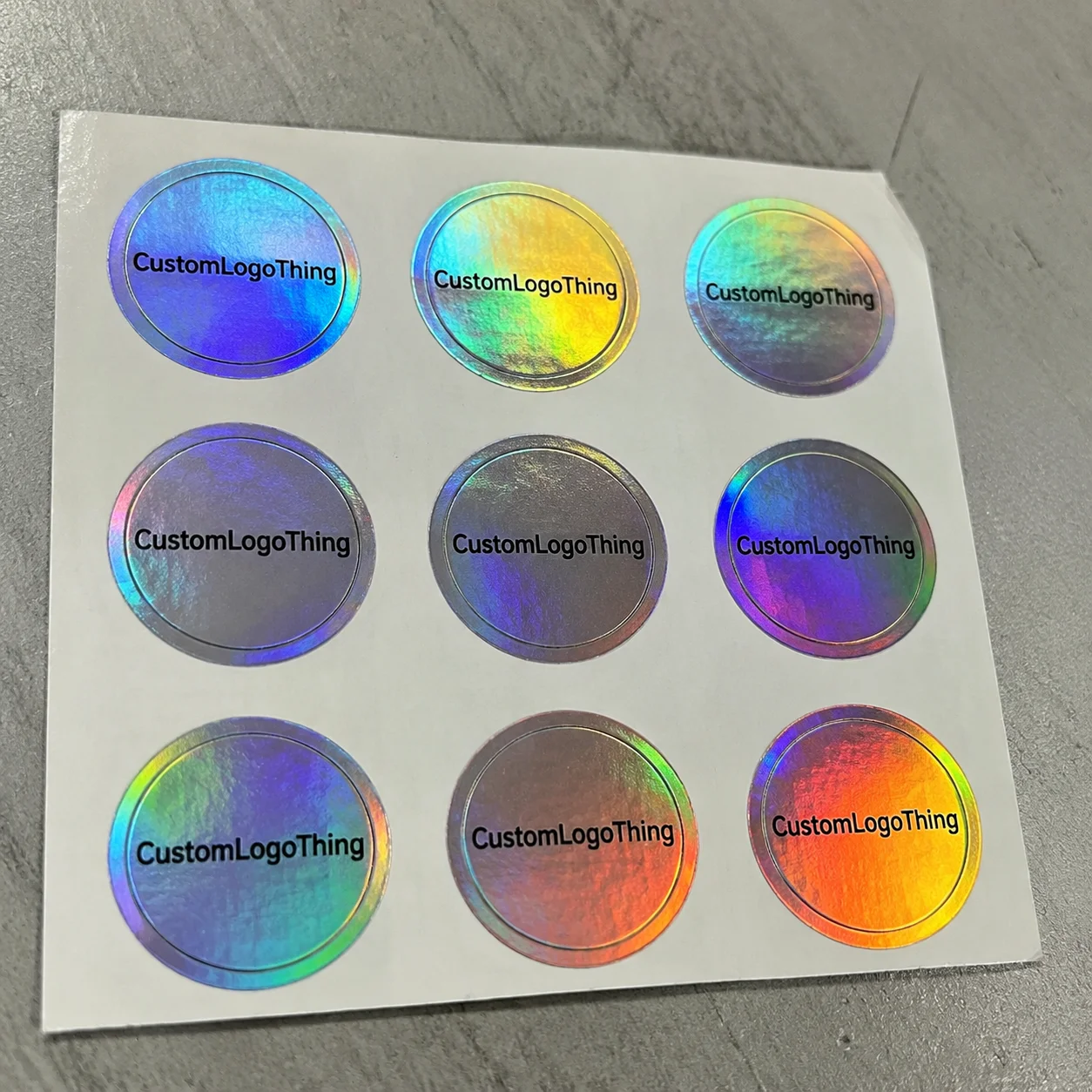
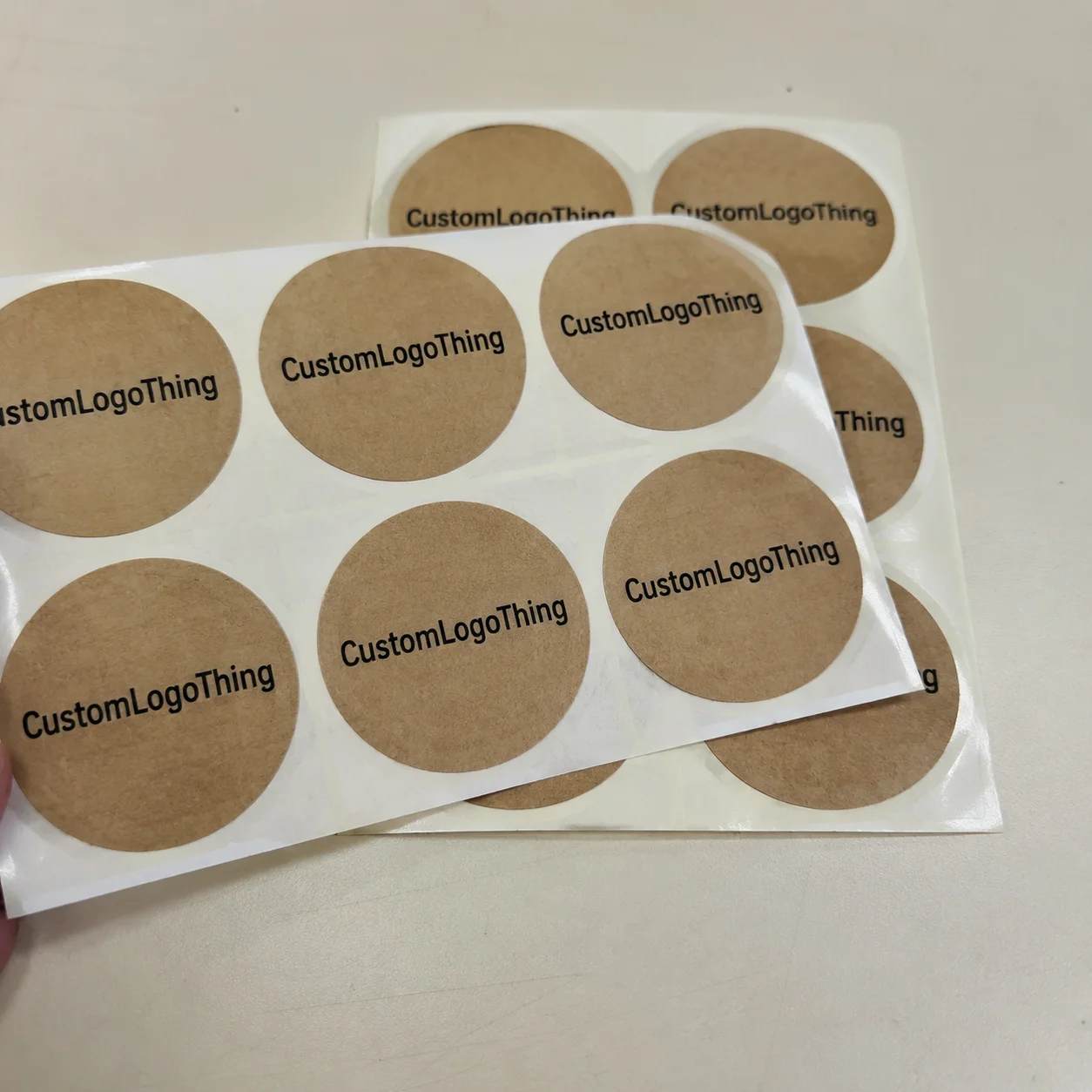
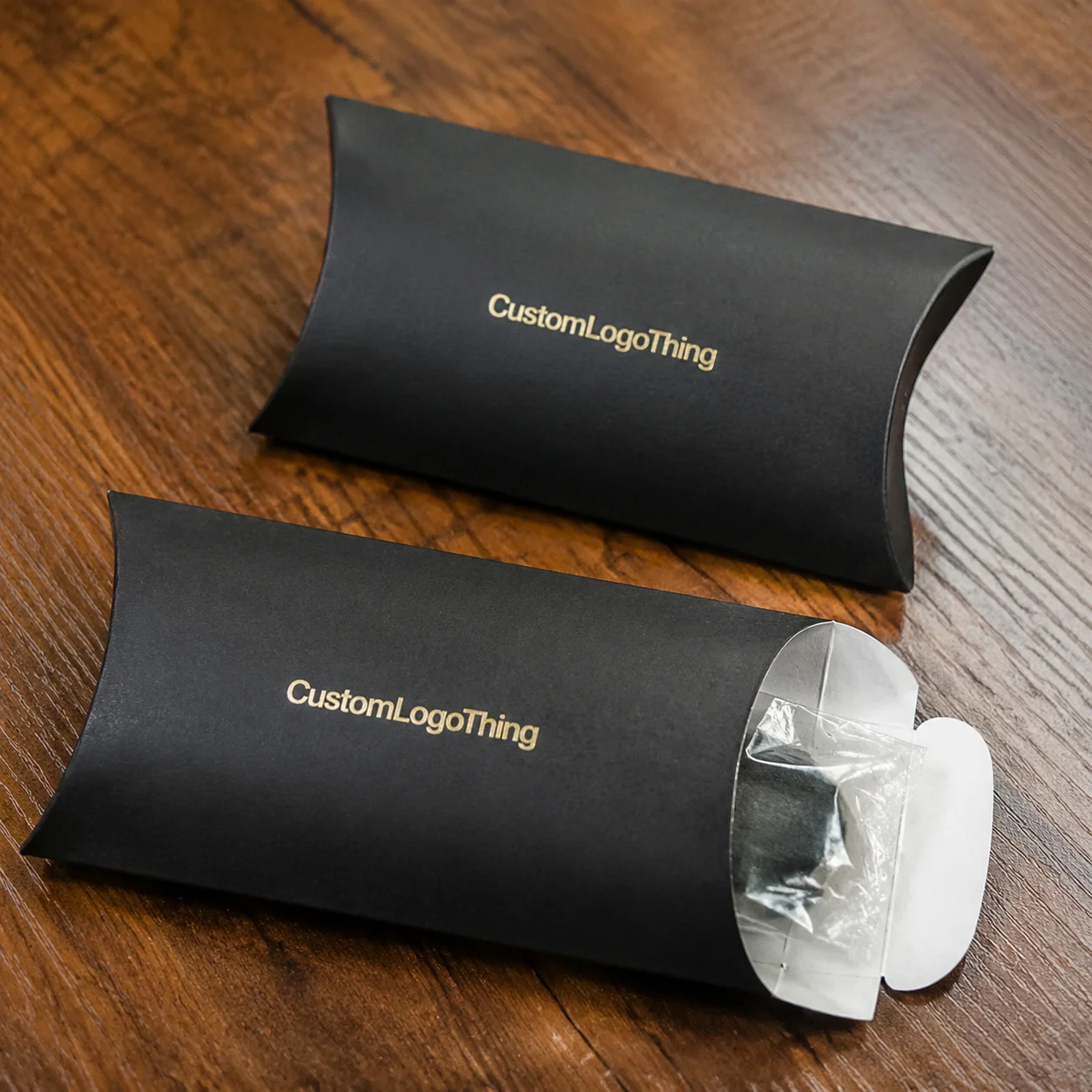
Why custom hang tag stickers punch above their weight
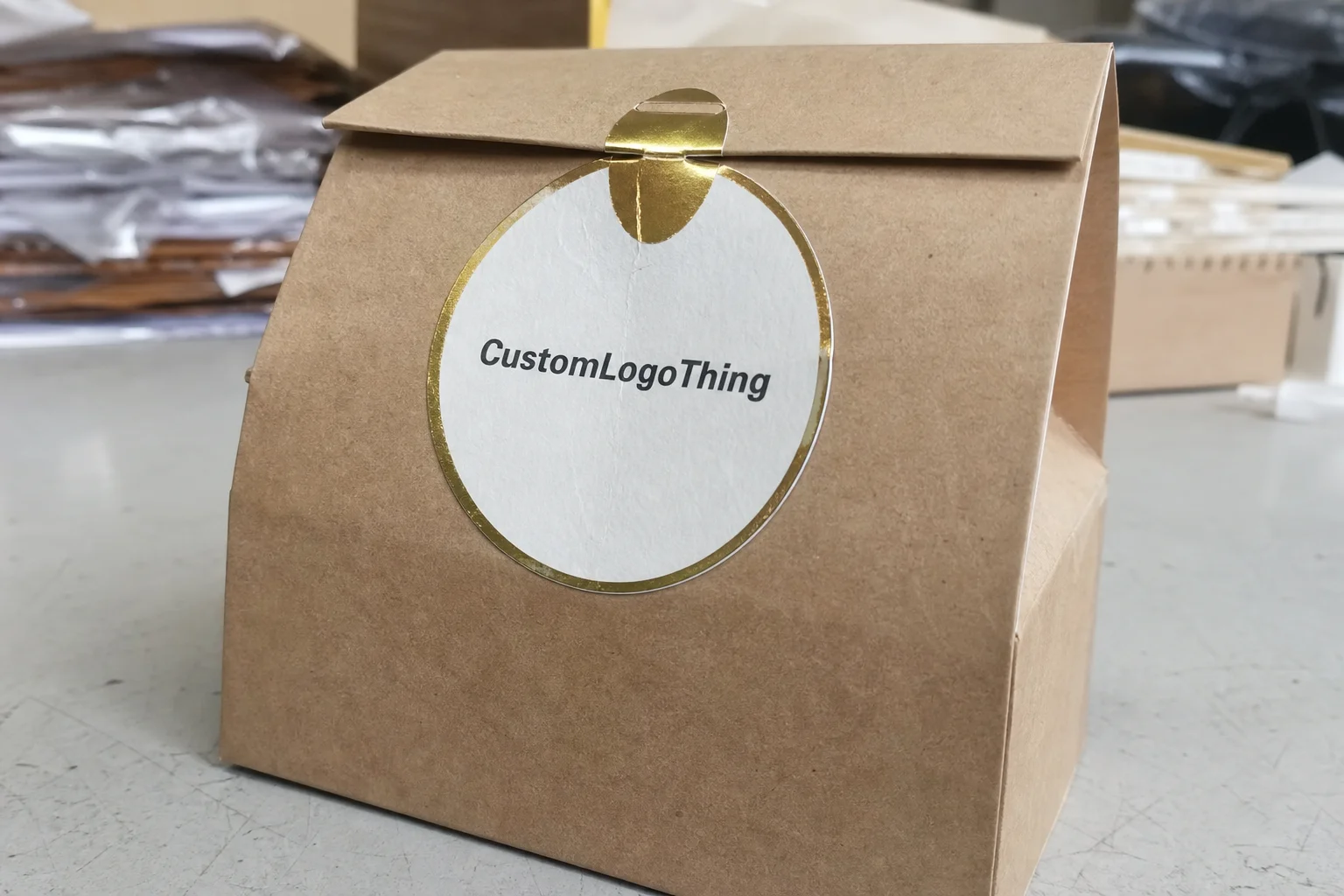
Custom hang tag stickers are a compact packaging element that can make a product look more finished without adding much cost or assembly time. They usually carry a logo, price, SKU, QR code, or short brand message, so they sit at the point where branding and operations overlap.
They are useful when a sewn tag, folded insert, or Custom Printed Box would take too long or push the order over budget. A sticker can clean up a plain pouch, carded item, tissue wrap, or hang tab with less labor and fewer components to manage. For small teams, that simplicity matters because it reduces the number of ways a launch can drift off spec.
The format also helps when details change often. Pricing updates, seasonal notes, limited-edition runs, and retail codes are easier to handle with a sticker than with a fixed tag structure. That flexibility is most valuable on short runs, test assortments, and product drops where the packaging needs to be ready before the broader line is fully settled.
The best use cases are practical rather than flashy. A batch of apparel for a pop-up, a cosmetic sample kit, or a wellness item that needs clear product and traceability information all benefit from a label that is quick to revise, easy to read, and inexpensive to produce.
How the format works on real packaging
In production, these stickers are usually applied to an existing carrier surface rather than replacing the carrier itself. That surface might be a hang tab, a stringed card, a pouch, a tissue wrap, a display card, or a folded sleeve. The sticker adds branding or information where the buyer will look first.
That distinction matters because a sticker is not a rigid hang tag. It should be chosen for the substrate it will touch. A paper label can work well on a smooth coated pouch and fail on rough kraft or textured stock if the adhesive is mismatched. The common failure points are edge lift, curling, scuffing, and residue.
The format should also fit the packing flow. Kiss-cut sheets work well for teams applying labels by hand in small batches. Rolls are better when application is steady or automated. Individually cut pieces help when placement needs to be precise or the final presentation needs to feel more refined.
Typical copy on custom hang tag stickers includes:
- Logo or monogram
- Product name or SKU
- Price or retail code
- Barcode or QR code
- Care note, ingredient note, or short promo message
- Batch or lot identifier for internal tracking
A normal production path starts with artwork, then proofing, print setup, finishing, packing, and shipping. If the sticker is part of a broader packaging system, review it with the rest of the branded components so the color and typography stay consistent across the line.
Cost, pricing, and MOQ factors that change the quote
Price is mostly driven by size, shape, quantity, material, finish, and print method. A standard rectangle in one color is simpler to run than a Custom Die Cut with specialty coating, and that difference shows up in the unit price.
MOQ matters just as much. Small runs carry more setup cost per piece, so unit price climbs. Larger runs lower the unit price, but they also increase inventory risk if the product line changes or the promotion ends early. The lowest quote is not always the best buy if unused stock gets boxed and forgotten.
| Option | Best for | Typical unit range | Notes |
|---|---|---|---|
| Basic paper sticker | Short campaigns, low-cost retail packaging | $0.08-$0.18 at 5,000 pieces | Works well for dry indoor use and simple artwork |
| Laminated retail sticker | Brand-facing product packaging | $0.14-$0.28 at 5,000 pieces | Better scuff resistance and a cleaner shelf appearance |
| Synthetic or specialty stock | Moisture, handling, or longer shelf life | $0.22-$0.45 at 5,000 pieces | Higher durability, usually higher material and setup cost |
| Short-run custom shape | Launches, samples, seasonal packaging | $0.25-$0.60 at 1,000 pieces | Die cutting and setup spread across fewer units |
Those ranges are practical, not universal. Artwork coverage, white ink, variable data, and specialty coatings can move the number quickly, and rush production can do the same. Buyers often focus on the total quote and miss the more useful number: unit cost with the real spec attached.
One reliable way to keep pricing under control is to reduce variation. Standard sizes, fewer SKUs, and one finish across a product family usually do more for the quote than aggressive price haggling. Simpler specs also tend to move faster through production.
Process and turnaround: from artwork to delivery
The production sequence is straightforward, but each stage depends on the one before it. A good brief should cover size, quantity, target delivery date, surface, and use case. After that comes artwork prep, proofing, setup, finishing, packing, and shipping. If the brief is vague, the job slows down while missing details get resolved.
Turnaround depends on the spec. A straightforward paper label with print-ready art can move quickly once the proof is approved. A custom shape, specialty laminate, or multiple revision rounds adds time. If the order has to match another packaging component, color approval can become the bottleneck.
Common causes of delay are predictable:
- Missing dielines
- Low-resolution logos
- Artwork without bleed or safe margins
- Color corrections after proofing starts
- Late approval from marketing, compliance, or operations
A digital proof is usually enough for layout, size, and copy review. Physical samples make more sense when the adhesive, finish, or fit is critical, or when the label has to work across different surfaces. A screen can confirm design. It cannot confirm adhesion on textured kraft, coated paper, or a flexible poly bag after shipping.
For tight launches, build in a little cushion. Proof revisions happen, shipping slips, and a line of copy can read differently at actual size. If the schedule is tight, tell the supplier which details are fixed and which can be standardized. That saves more time than trying to compress every step.
Materials, adhesives, and finish choices that actually matter
Material choice should start with the environment. Paper is the economical default for dry indoor retail use. Synthetic stocks handle moisture, abrasion, and repeated handling better. Lamination adds protection and usually improves how the sticker survives in transit and on shelf. If the product will sit in a bathroom, cooler, shipping box, or high-touch retail fixture, that decision belongs at the start of the order.
Finish changes how the packaging reads in real lighting. Matte tends to feel quieter and often suits a minimal system. Gloss adds brightness and makes color pop, though it can create glare and make small type harder to read. Soft-touch lamination has its place, but it should earn its keep through the final look and feel. None of these options is automatically better.
Adhesive selection
Adhesive performance is where many otherwise good orders fail. Permanent adhesive is the safer choice for most retail-facing applications, but removable adhesive matters for temporary promotions, sample kits, and reusable carriers. If the sticker needs to peel cleanly, test residue before approving the run.
Surface type is the first checkpoint. Coated stock, glass, and smooth plastic are usually easier. Kraft, recycled paper, and textured surfaces need testing because the bond behaves differently. If the product has to survive heat, refrigeration, or rough shipping, the adhesive should be selected for that environment rather than assumed to work because it looked fine on a sample sheet.
Special requirements are common enough to plan for. Freezer-safe labels, stronger tack on rough surfaces, and FSC-certified paper options can all be part of a normal spec. The practical rule is simple: choose for the environment first, then refine for appearance. If the piece cannot stay put, the finish does not matter.
A sticker that looks premium and falls off in transit is just expensive confetti.
Design and ordering steps for a clean first run
Start with a brief that answers five questions: what product this supports, what surface it will touch, how many pieces are needed, when delivery has to land, and whether the sticker carries pricing or compliance text. That keeps the proof from turning into a guessing exercise and helps the supplier separate decorative pieces from functional ones.
The dieline needs to be correct, and the safe area needs to be respected. Small-format custom hang tag stickers can look polished on a screen and still fail in production because type sits too close to the edge or the cut line removes more margin than expected. Once the piece is printed, a fraction of an inch matters.
Keep the hierarchy clear. Put the logo or product name first, then one supporting message, then the operational information such as barcode, SKU, or batch code. Too much copy in a small label makes the whole piece read as noise. A clean layout usually does more for shelf presentation than a crowded one with extra type styles.
Always review the art at actual size before approval. A layout that feels balanced on a large monitor can get cramped when it is scaled down to an inch or two. Thin rules, tiny type, and low-contrast colors become less forgiving at that scale. If the order covers multiple SKUs or different carrier surfaces, a short pilot run can be the cheapest insurance in the project.
Common mistakes that waste money or delay launch
The first mistake is choosing the wrong size and discovering too late that the sticker covers seams, folds, or essential copy. This usually happens when the art is approved on a flat screen instead of on the actual carrier. Measure the placement area before design starts.
Second, buyers often choose a finish for appearance alone and forget about readability, rub resistance, and moisture. Gloss can look polished in a mockup and still make small text harder to scan. Matte can look calmer, but if the piece will be handled a lot, it may need extra protection. The spec has to work in the hand, not just in the PDF.
Application speed is another place where savings disappear. If the label is fiddly to place, packing slows down. Misalignment on a tiny piece also makes the whole run look sloppy, especially when the package is meant for retail display. Labor can erase the money saved on print.
Artwork issues are just as expensive. Missing bleed, no safe margin, and raster logos are common causes of proof delays. Sending a logo that only exists as a screenshot is another avoidable problem. Vector art, clean typography, and correct dimensions save time because they reduce back-and-forth before the press starts.
Under-ordering is the last common mistake. A second run placed under deadline usually costs more than ordering enough the first time. If the launch is real, quantity should account for samples, spoilage, and follow-on sales.
Spec checklist before you place the order
If the goal is a clean quote and a clean first run, the spec needs to be complete. Confirm the following before sending artwork:
- Final size and shape
- Carrier surface or packaging substrate
- Quantity and target delivery date
- Paper, synthetic, or laminated stock
- Permanent or removable adhesive
- Matte, gloss, or soft-touch finish
- Barcode, QR code, SKU, or variable data needs
- Whether a proof or sample is required before full production
That list exists because missing one of those details changes the run. If the supplier has to guess, the proof takes longer. If the buyer has to revise late, the schedule stretches. The best orders are the ones where the practical constraints were handled before the artwork was sent.
It also helps to be clear about purpose. A decorative label can prioritize finish and visual presence. A functional label has to prioritize legibility, durability, and placement speed. If both are true, say so up front. That lets the spec reflect the actual job instead of a wish list.
Used well, custom hang tag stickers give a product line a quick, controlled upgrade without locking the packaging into a heavier format. Used badly, they become another box of misfit inventory. The difference usually comes down to the brief, the substrate, and whether the buyer treats packaging as a system.
What are custom hang tag stickers used for?
They are used to brand packaging, show price or SKU information, and add a polished retail look without producing full sewn-on hang tags. They work well for short runs, seasonal promotions, samples, and products that need fast turnaround or flexible application.
Are custom hang tag stickers the same as regular hang tags?
No. A hang tag is usually a card or label attached with string, while a hang tag sticker is adhesive-based and applied directly to packaging or to a carrier piece. The sticker is usually faster and cheaper to produce, but it does not replace every use case for a rigid tag.
What affects the price of custom hang tag stickers most?
Quantity, size, material, finish, and shape are the biggest drivers of cost. Special requirements like Custom Die Cuts, premium laminates, white ink, or variable data usually increase the unit price.
How long does production usually take?
Simple jobs move faster when the artwork is ready and the spec is clear. Custom shapes, specialty finishes, and proof revisions add time, so it is smart to build in a cushion before launch. Tight timelines usually slip at the proof stage, not at print.
How do I choose the right adhesive and material?
Match the adhesive to the surface first, then choose the material based on the packaging environment. Use paper for basic indoor retail use, and synthetic or laminated stocks for moisture, rubbing, or longer shelf life. If the label has to peel cleanly, test for residue before ordering.
Do custom hang tag stickers work on kraft or recycled packaging?
Yes, but textured or porous surfaces need testing. Kraft and recycled papers can reduce adhesive contact and change how colors print, so it is better to confirm with a sample or proof before a full run. In many cases a stronger tack or different face stock solves the problem.