Pretty hang tags are easy. Tags that survive waxy jars, shipping boxes, and retail handling without curling, smudging, or falling off take better sourcing. If you are comparing Custom Hang Tags for Candle brands factory audit questions, you are not just buying paper with a hole in it. You are checking whether a supplier can produce branded packaging that still looks right after a little abuse.
Candle tags do several jobs at once. They carry fragrance notes, scent family names, safety language, SKU codes, price points, and gift-ready presentation. That means the wrong stock, weak finish, or sloppy cutting can turn a polished design into expensive confetti. Buyers who treat tags as a minor add-on usually learn the hard way that packaging has a habit of exposing weak vendors.
The better mindset is practical: ask the factory questions that reveal real control over materials, printing, finishing, and consistency. That is what custom Hang Tags for Candle brands factory audit questions are for. Not to sound technical. To avoid silent quality failures that only show up after 3,000 pieces are already in a carton.
Why candle hang tags fail when the factory skips the basics
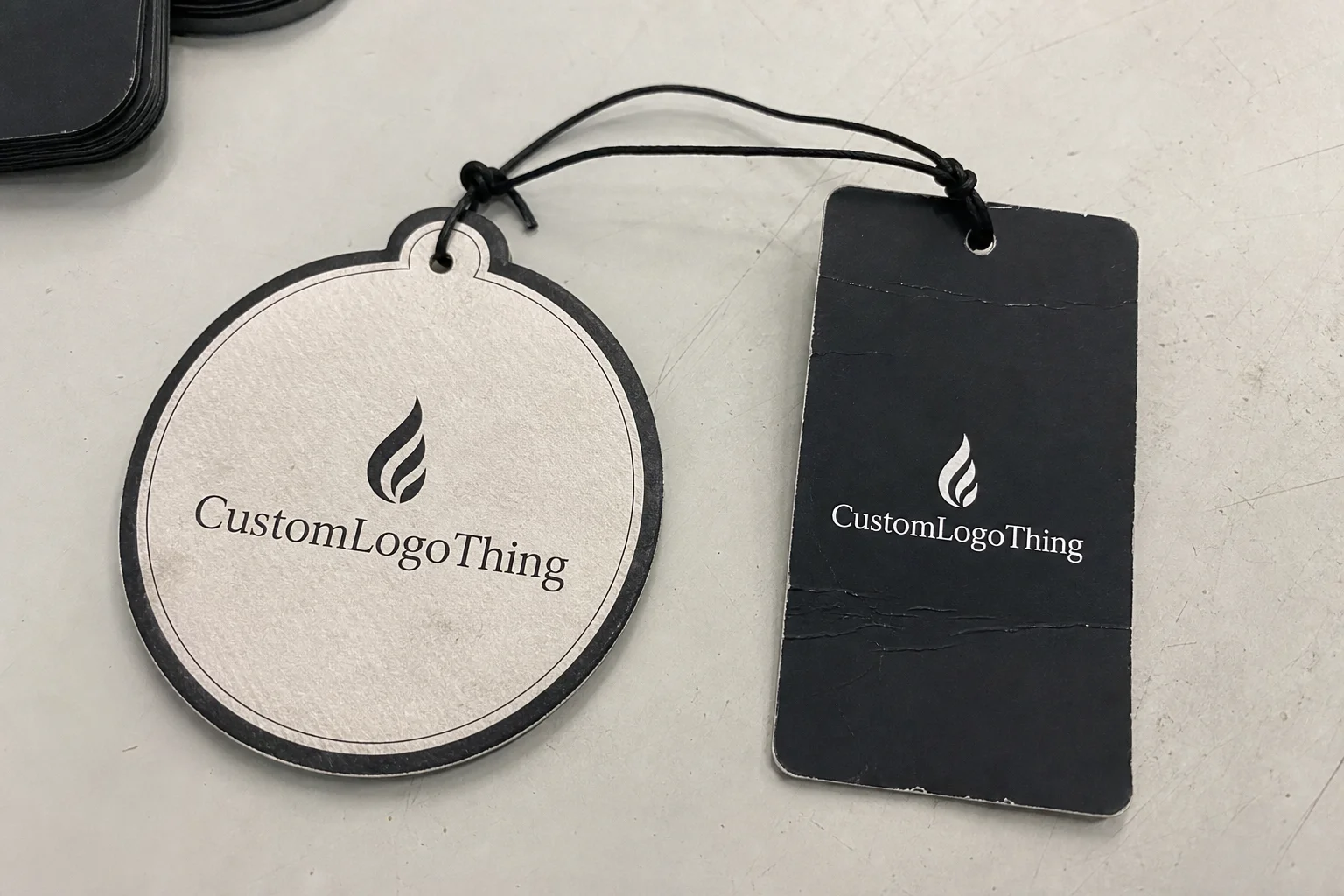
A candle hang tag can look perfect in a mockup and still fail in production. Paper stock matters. Ink adhesion matters. Hole placement matters. Even the way the factory packs finished tags matters, because thin paper can pick up edge curl if it is stuffed too tightly or stored badly. Waxy jars and fragrance oils do not help either.
What do Custom Hang Tags actually do for candle brands? A lot. They support brand recognition, help retail staff identify SKUs, give shoppers scent information, and make gift sets feel intentional instead of random. In practice, they are a small piece of packaging that can make a product look finished, or make it look like somebody printed a label at 2 a.m. and hoped for the best.
The buyer’s goal should be boring in the best way: tags that arrive on spec, stay readable, and hold up through packing and display. The factory-audit mindset helps you verify the basics before money leaves your account. That is why custom Hang Tags for Candle brands factory audit questions matter less as jargon and more as proof of process.
“The mockup looked premium. The production lot looked tired.” That is the difference between a pretty sample and a factory that can actually repeat the result.
How custom candle hang tags are made and checked
The production flow is straightforward, which is exactly why people underestimate it. Files get prepped. A substrate is chosen. Proofs are approved. The job prints, gets cut, finished, punched, strung, and packed. Every step can introduce a problem if the factory is loose with process control.
Here is where quality usually drifts:
- Wrong stock: a 350gsm coated board can feel premium, but a lighter 300gsm sheet may curl less on some designs.
- Off-color printing: uncalibrated presses can shift brand reds, deep greens, and muted neutrals more than buyers expect.
- Poor finishing: a soft-touch laminate can scuff if it is too thin or poorly cured.
- Bad cutting: dull knives leave fuzzy edges or slight shape mismatch across the run.
- Hole errors: tiny placement issues make stringing slower and can weaken the tag near the punch.
Factory checkpoints should be visible, not implied. Ask whether they do prepress approval, Pantone matching, in-line checks during print, sample approval before bulk, and final inspection before shipment. Those steps matter because candle brands often order hang tags alongside custom printed boxes, labels, and inserts. If the supplier cannot hold one detail steady, the rest of the package stack may wobble too.
There is also a real difference between a factory and a broker. A factory usually has more direct control over substrate sourcing, print setup, and finishing. A broker may still get the job done, but you may spend more time clarifying who owns which problem. If you want to compare supplier types, Case Studies and FAQ pages are useful for seeing how actual jobs are handled.
Material, finish, and durability factors that change results
Material choice is where candle brands either get precise or pay for reprints. Coated paper prints crisp and holds rich color well. Uncoated cardstock feels warmer and more handmade. Kraft works for natural, minimalist brands, but it can mute fine detail. Textured papers add tactile appeal, though they are not always the best choice for small text or fine line art. Specialty boards can look beautiful, but beauty is expensive and occasionally annoying.
The best stock depends on brand position and actual use. A boutique soy candle line sold at markets may do well with 350gsm uncoated board and a matte finish. A premium gift candle could justify foil accents and soft-touch lamination. If the tag will hang near a jar sleeve or be tucked into a shipping box, the build needs enough stiffness to resist bending without becoming bulky.
Shape and attachment details matter just as much as the paper. Rectangles are efficient. Rounded corners reduce edge damage. Die-cut shapes can be memorable but raise tooling costs and waste a little more stock. For attachment, you can choose a single hole, reinforced hole, or slot-style design. A reinforced hole is often worth the small extra cost if the tag hangs from thick twine or satin cord.
Finish options change both appearance and risk. Matte is the safest all-around choice. Gloss boosts color but can show scratches. Soft-touch feels expensive, though it is more prone to scuffing if packed carelessly. Foil, embossing, and spot UV can lift the design, but each one adds setup complexity and extra failure points. Fancy is fine. Fancy with no QC is just expensive regret.
Candle tags also need to survive practical abuse: humidity during shipping, handling at pop-up markets, friction inside cartons, and occasional heat exposure near product displays. Most tags will not sit directly on a hot jar, but waxy residue and packaging dust can still make a poor stock look tired fast. Keep readability high. Strong contrast, sensible font sizes, and enough white space help more than people think.
If the tag includes safety copy, scent notes, or ingredient language, do not cram it into a corner. Retail packaging has to read fast. A cluttered tag feels cheap even when the material cost was not cheap at all. For broader packaging design choices, Custom Labels & Tags and Custom Packaging Products give you a decent benchmark for what different finishes and formats can do.
For paper sourcing and sustainability references, the FSC program is useful if you want certified paper options, and the EPA has guidance relevant to materials, waste, and environmental claims. No magic there. Just fewer bad assumptions.
Cost, pricing, MOQ, and quote questions buyers should ask
Pricing for candle hang tags is driven by the usual variables: stock, size, color count, finish, hole punching, stringing, and packing method. Change one variable and the quote moves. Change three, and the “same” tag can suddenly cost 40% more.
For rough planning, a simple 4-color hang tag on 350gsm cardstock might land around $0.08-$0.18 per unit at 5,000 pieces, depending on size and packing. Add foil, embossing, specialty paper, or stringing, and the number can move into the $0.18-$0.45 range or higher. Low-MOQ orders usually cost more per piece. That is normal. Setup costs are being spread across fewer units.
| Option | Typical MOQ | Common Unit Range | Best For |
|---|---|---|---|
| Basic printed cardstock tag | 1,000-3,000 | $0.12-$0.22 | Launches, test runs, market sellers |
| Premium tag with matte or soft-touch finish | 3,000-5,000 | $0.18-$0.35 | Gift sets, boutique retail packaging |
| Foil, emboss, or die-cut custom shape | 5,000+ | $0.25-$0.55 | Seasonal launches, luxury collections |
Always compare quotes apples-to-apples. Same dimensions. Same stock. Same finish. Same ink coverage. Same attachment. Same carton count. If one supplier quotes on a 300gsm sheet and another on 350gsm, that is not a fair comparison. It is how bad purchasing decisions happen while everyone smiles politely on email.
Ask about hidden charges too. Plate or die charges, sample fees, rush fees, color correction, special packing, and international freight can distort the final cost. Payment terms matter as well. A 30% deposit and 70% before shipment is common, but some factories want different structures depending on order size and buyer history. Always confirm whether price breaks apply at specific tiers, such as 3,000, 5,000, or 10,000 pieces.
Process and timeline: from artwork approval to delivery
The timeline should be mapped before you approve anything. Usual flow: inquiry, quote, proof, sample, approval, production, inspection, shipment. Simple jobs can move quickly. Custom shapes, foil, layered finishes, or complicated stringing add time. If the factory gives you a vague answer like “soon,” keep digging.
For a straightforward printed candle tag, 12-15 business days after proof approval is a reasonable production window in many cases. Add another few days if the job includes custom die-cutting, multiple finishes, or manual stringing. If the supplier says lead time starts before artwork is final, that is not a timetable. That is optimism wearing a hard hat.
What delays production most often? Vague copy. Slow file corrections. Unclear Pantone references. Waiting on sample approval. Stock shortages. Peak season overload. The factory can only work with what it receives, and candle brands sometimes send “almost final” files that are nowhere near final. That creates friction nobody enjoys.
Ask exactly when the clock starts. Is it after deposit? After file approval? After hard proof sign-off? Those details change whether your order lands before a launch, or six days after your holiday market opens. Also ask what happens if the factory finds a print error or finishing defect mid-run. Reprints should be discussed before the run, not after the carton is sealed.
A practical schedule control checklist:
- Approved dieline and final dimensions
- Final text, warning copy, and SKU content
- Confirmed Pantone or color target
- Approved sample or digital proof
- Confirmed ship method and delivery address
- Buffer time before launch or retail delivery
Factory audit questions to ask before you approve the run
This is the section that saves money. The best custom Hang Tags for Candle Brands factory audit questions are plain, direct, and annoying in a useful way. You are checking whether the supplier can prove capability, not just describe it nicely.
Equipment and in-house control
Ask what presses, cutters, laminators, and punching machines they use. Ask whether the full job stays in-house or gets split between multiple vendors. A factory with better internal control usually gives better consistency on print registration, cut quality, and turnaround. If they outsource the die-cutting or finishing, ask who handles defects and who pays for rework.
Proof of consistency
Request recent production photos, sample sets, and inspection records. If they can show you color comparison standards, even better. Good factories should be able to explain how they match Pantone references, how they monitor repeat jobs, and how they compare the approved sample against bulk output. If they dodge that question, take the hint.
Quality control process
Ask how they inspect cut accuracy, print registration, hole placement, string strength, and finished count per carton. For candle tags, hole placement and edge quality matter a lot because those two issues affect both appearance and how fast the team can assemble products. A supplier that measures by guesswork is a supplier that ships guesswork.
For context, packaging standards from groups like the ISTA can help frame transit testing expectations, especially if your tags are packed with heavier product packaging or shipped with custom printed boxes. You do not need every test under the sun. You do need a supplier who understands that retail packaging gets handled, stacked, and occasionally abused.
Communication and traceability
Who is your point of contact? How often do updates come through? What happens if the job goes off spec? A decent factory should be able to identify production batches, isolate a defective lot, and show production records if something needs review. That traceability matters more than people admit, especially when several SKUs are being produced in the same window.
Ask for batch tracking, inspection documentation, and carton count confirmation. If a supplier cannot explain lot control, they probably also cannot explain why one run printed darker than the sample. That is not a small thing. It affects the consistency of your branded packaging across every channel.
Common mistakes candle brands make with custom hang tags
The first mistake is text overload. Candle brands want fragrance notes, story copy, burning instructions, warnings, and seasonal messaging all on one tag. The result is a wall of microtype that nobody reads. If the message matters, it needs breathing room. Otherwise, it becomes decorative noise.
Second mistake: choosing a finish for the photo instead of for the product. A gloss-heavy tag may look sharp online, but if it scuffs in transit or fingerprints easily, it can look worn before it reaches retail. The same goes for soft-touch lamination on jobs that will be handled a lot. Luxury should not mean fragile.
Third mistake: approving a sample without checking whether the production stock is identical. Paper substitutions happen more often than brands expect. The color shifts, the stiffness changes, and suddenly the perfect sample is no longer the real reference. Verify the actual substrate and keep the spec sheet written down.
Fourth mistake: ignoring the attachment system. Twine thickness, knot style, hole reinforcement, and tag weight all affect whether the tag stays put. A heavy tag with a weak hole and flimsy cord is a bad combination. It may look fine in the box, then fall off during transit. Brilliant.
Last mistake: no written spec sheet. Vague emails create vague outcomes. A one-page spec is enough for most candle tag jobs. It should include size, stock, finish, quantity, attachment details, artwork notes, and delivery target. That one page keeps everyone honest.
Expert next steps for ordering smarter
Start with a one-page spec sheet. Include dimensions, stock, finish, hole style, stringing, quantity, artwork requirements, and delivery window. Add notes for any matching requirements with labels, cartons, or other custom packaging products so the whole line looks intentional. That is how you keep package branding coherent instead of patchwork.
Request two or three quote levels. A budget option, a balanced option, and a premium option give you real comparison points. You may find that the middle tier is the sweet spot, especially if you want a cleaner finish without overpaying for decorative extras. If you are comparing vendors across multiple SKUs, that structure also makes internal approval easier.
Ask for a pre-production sample or a digital proof before the full run, especially for new collections, holiday launches, or gift sets. Then check the proof like someone will actually spend money on it. Because they will. If the design needs tweaks, fix them before the factory commits to bulk materials and machine setup.
Build in launch buffer. A good margin of time protects you from freight delays, reprint issues, and the occasional factory bottleneck. It also keeps your retail packaging rollout from becoming a customer service problem.
If you want a supplier screening tool you can reuse, keep custom hang tags for candle brands factory audit questions as your checklist and confirm the answers in writing before you approve production. That is the cleanest way to compare factories, reduce color surprises, and avoid the kind of deadline drama that makes people swear off custom printed boxes forever.
What should I ask when reviewing custom hang tags for candle brands factory audit questions?
Ask about materials, print methods, finishing, QC checks, lead time, and whether they can show samples or inspection records. If they give vague answers to specific questions, that is a signal, not a misunderstanding.
How much do custom candle hang tags usually cost?
Price depends on stock, size, color count, finish, quantity, and attachment extras. At scale, simple tags can be low cost, while premium finishes, specialty papers, or die-cut shapes push unit price higher. MOQ and setup fees can change the math a lot.
What is a reasonable lead time for custom candle hang tags?
Simple orders can move quickly, but custom shapes, special finishes, or sample revisions add time. A straightforward run may take about 12-15 business days after proof approval, though shipping and peak-season capacity can extend that. Always confirm when production officially starts.
Which material is best for candle hang tags?
Matte cardstock and kraft are common, while coated or specialty stocks work for premium looks. The best choice depends on durability, branding, budget, and how much handling the tag will get before it reaches the customer.
How do I know if a factory can handle candle brand quality requirements?
Look for in-house equipment, clear QC steps, traceability, sample approval, and straight answers about how they prevent color, cut, and finishing defects. If the supplier can explain their process without improvising, you are in better shape.


