The same hang tag can look refined on a tasting table and strangely flat under hard cafe lighting. I have watched that happen more than once during press checks, and it is exactly why Custom Hang Tags for coffee roasters Print Finish Comparison deserves more attention than many buyers give it. A finish is not just decoration; it can affect legibility, feel, color behavior, scuff resistance, and whether the tag helps or hinders the sale.
Roasters often spend hours on the logo and very little time on the finish. That choice can work against the final piece. A finish changes how people read the tag, how the paper feels in hand, how well it survives handling, and whether the result reads as thoughtful branded packaging or just another piece of product packaging that moved through approval too quickly. That kind of shortcut can cost you more later, which is a little annoying, to put it mildly.
Specialty coffee lives or dies on small cues. Matte can feel calm and crafted. Gloss can push color and energy forward. Soft-touch brings a quieter luxury. Uncoated stock feels honest and easy to write on. The right answer depends on the brand story, the budget, the production timeline, and the way the bag gets used on a shelf, at a market table, or inside a subscription shipment. That practical balance sits at the center of Custom Hang Tags for coffee roasters print finish comparison.
A finish that looks expensive but hides the roast date is doing only half the job.
The hang tag is not decoration for its own sake. It has to support package branding, survive repeated handling, and stay readable under real lighting. If it also needs to coordinate with Custom Labels & Tags or sit beside Custom Packaging Products, the finish should be chosen with the same care you would give to roast profile or bag stock. I always tell roasters to think about the customer picking up the bag in a bright shop, not just the art director looking at a proof on a monitor.
Why Custom Hang Tags for Coffee Roasters Need the Right Finish
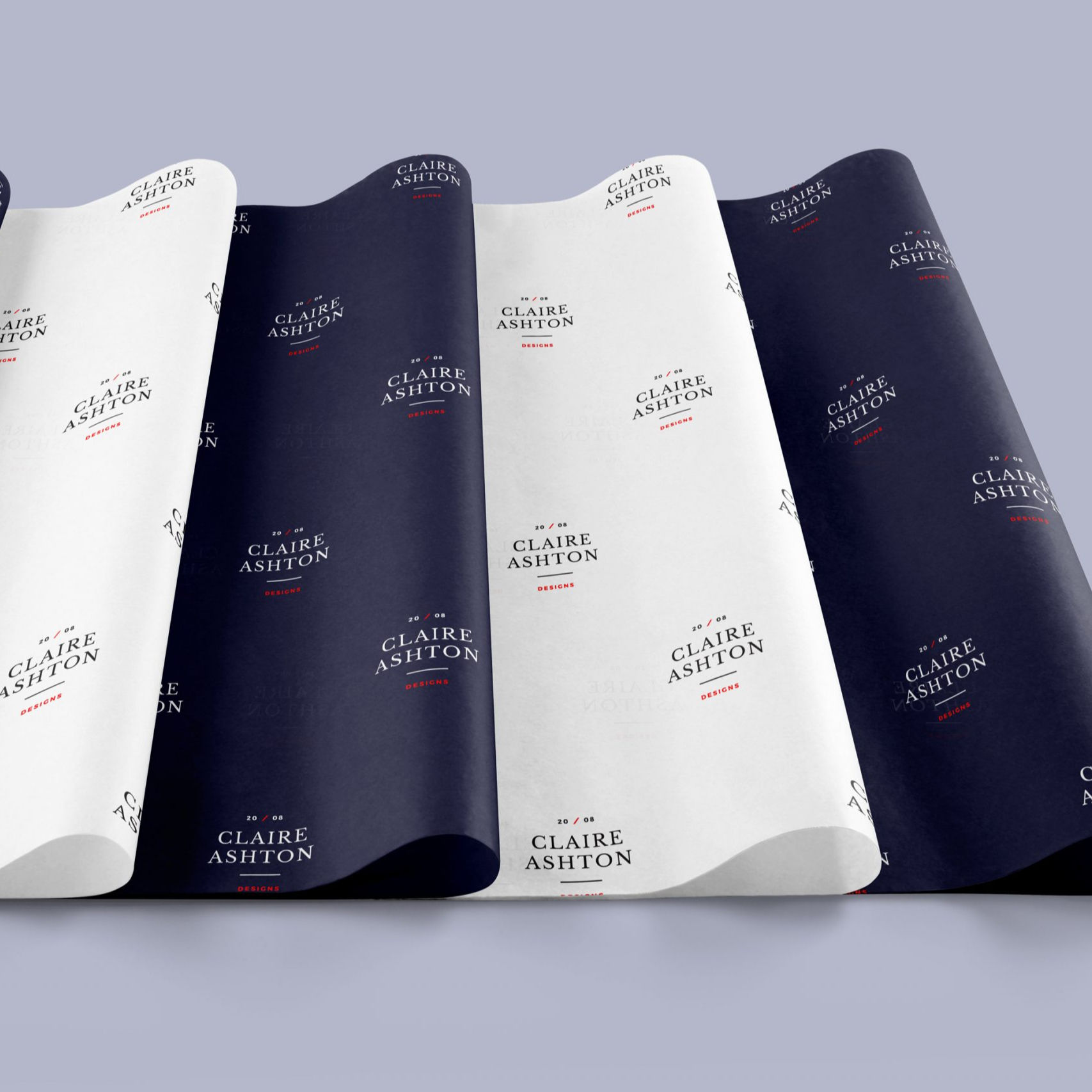
Picture two copies of the same coffee bag. Same artwork. Same paper weight. Same dieline. One sits on a clean counter in daylight. The other hangs under warm retail LEDs with fingerprints near the edge and a roast date written into a tiny box. The finish suddenly matters a great deal. That is the basic reason Custom Hang Tags for coffee roasters print finish comparison is worth doing before an order goes in.
A hang tag carries several jobs at once. It introduces the roast. It gives tasting notes a place to live. It supports pricing. It can hold origin information, processing method, and brew guidance. Sometimes it needs a blank area for batch numbers or handwritten updates. If the finish is wrong, those jobs start competing with one another. Gloss can make dark artwork feel rich, yet it can throw glare across small type. Matte usually settles the layout and makes details easier to read. Soft-touch brings a premium feel, though it can deepen colors more than some buyers expect.
Many buyers think they are choosing a "look," yet they are really choosing a reading experience. High gloss can strengthen saturated reds, blacks, and deep greens, but it can bury fine type when a shopper tilts the bag. A restrained matte or satin finish often works better for roast details, tasting notes, and origin descriptors. For Custom Hang Tags for coffee roasters print finish comparison, that tradeoff tends to be the real decision.
Price point matters too. Specialty coffee asks customers to pay attention, and the tag helps justify that attention. A flimsy reflective tag can make a $24 bag feel rushed. A finish chosen with care can make the same bag feel deliberate, even if the paper stock itself is straightforward. Good packaging design does not shout. It earns trust quietly.
For roasters building a retail wall, cafe bar, or wholesale presentation, the finish should fit the wider retail packaging system. The hang tag should not fight the bag, the label, the shipper, or the display. It should make the set feel related. That includes pairing it with custom printed boxes for gift sets or seasonal bundles if the line needs a more polished presentation.
Custom Hang Tags for Coffee Roasters Print Finish Comparison
The cleanest way to think about custom hang tags for coffee roasters print finish comparison is to separate the paper stock from the finish. Those two choices get blended together all the time, but they are not the same. A 14pt or 16pt stock can feel very different depending on whether it gets a matte aqueous coating, a gloss laminate, a soft-touch film, or no coating at all. The same artwork can look polished, earthy, minimal, or luxury depending on the final surface.
Matte is usually the safest all-around choice. It cuts glare, supports legibility, and photographs well. If the tag carries tasting notes, brew ratios, or a barcode, matte often behaves better than a glossy surface. Gloss creates sharper contrast and stronger color pop, which can suit modern brands that want more shelf presence. Soft-touch is the tactile option; it feels velvety and tends to signal premium positioning. Uncoated stock feels more natural, is easier to write on, and is often the best choice when the tag needs handwritten information.
Readability is never a side note in custom hang tags for coffee roasters print finish comparison. Roast level, origin, tasting notes, and QR codes are usually viewed at arm's length, sometimes closer, often while a customer is already reaching for the bag. If the finish reflects overhead light at the wrong angle, the tag loses usefulness. Barcode and QR performance matters too. A shiny coating over a code can create scan issues if contrast drops or the camera catches glare. That happens often enough in shops to deserve real attention.
Durability changes as well. Gloss films and laminated surfaces usually resist scuffing better than plain paper, though they can show edge wear in a different way. Soft-touch feels great until it is rubbed by transit packaging or stacked in a display tray. Uncoated stock can mark more easily, even while giving the tag a more natural texture and an honest look for earth-toned brands. A solid custom hang tags for coffee roasters print finish comparison needs to account for handling, not just a mockup on a screen.
Use this quick lens:
- Color accuracy: gloss boosts saturation; matte and uncoated soften it; soft-touch often deepens colors slightly.
- Tactile feel: soft-touch feels premium, matte feels balanced, uncoated feels organic, gloss feels crisp but more artificial.
- Readability: matte and uncoated usually win for small type and handwritten notes.
- Scuff resistance: laminate and coated surfaces usually hold up better than raw paper.
- Sustainability claims: FSC stock adds substance, recycled papers help, and coatings should match the message honestly.
For buyers who care about sourcing, the FSC standard gives the paper story real structure instead of vague green copy. If you want to see how forestry certification is handled, start with FSC. If you need a better sense of how packaging survives movement and handling, the testing logic at ISTA is useful too. Not every coffee tag needs laboratory-level testing, yet the mindset is worth borrowing. Even a simple round of sample handling can reveal whether a finish is gonna cause trouble in real use.
Bottom line: custom hang tags for coffee roasters print finish comparison is not about picking the prettiest surface. It is about finding the surface that supports the message, survives the use case, and still feels right in hand.
Custom Hang Tags for Coffee Roasters: Cost, Pricing, and MOQ
Pricing is where custom hang tags for coffee roasters print finish comparison gets real quickly. Everybody wants a premium result. Nobody wants a premium invoice. Print work does not do tricks, though. Every added process adds cost, setup, or both.
For small to mid-size runs, the main cost drivers are quantity, size, stock weight, print coverage, finish type, and whether the tag needs a second pass. A simple one-sided matte tag might land around $0.10-$0.22 per unit at a few thousand pieces, depending on the spec and the supplier. Add gloss lamination or a heavier stock and the number moves upward. Soft-touch, foil, embossing, spot UV, or a custom die cut can push unit cost into the $0.25-$0.60+ range, especially on lower quantities. Those numbers are not universal, and any honest printer should say the same thing before a quote gets treated like gospel.
MOQ logic stays simple. Setup costs get spread across fewer pieces on smaller orders. A 250-piece run can cost dramatically more per tag than a 5,000-piece run. Once the first setup hurdle is behind you, unit cost often drops fast. Roasters who expect to reorder should ask for tiered pricing at 250, 500, 1,000, 2,500, and 5,000 pieces. That makes the tradeoff visible instead of hiding it inside a vague quote.
There are also quote surprises. Custom shapes cost more than standard rectangles. Rounded corners are usually manageable, while unusual outlines need a custom die. Metallic ink, variable data, and exact PMS color matching can each affect the price. If the tag needs space for handwritten roast dates or batch numbers, that can affect layout and sometimes stock choice. A proper custom hang tags for coffee roasters print finish comparison should separate print, finish, die cutting, and freight so the budget is easier to read.
| Finish Option | Typical Feel | Best Use | Relative Cost |
|---|---|---|---|
| Matte | Clean, low glare, premium without flash | Readable tasting notes, QR codes, minimalist brands | Low to moderate |
| Gloss | Bright, reflective, color-forward | Bold visuals, saturated artwork, shelf pop | Low to moderate |
| Soft-touch | Velvety, tactile, upscale | Specialty launches, gift sets, premium retail packaging | Moderate to high |
| Uncoated | Natural, writable, paper-forward | Handwritten details, earthy branding, eco messaging | Low to moderate |
| Foil or spot UV | Decorative, high contrast, attention-grabbing | Hero SKUs, limited releases, luxury positioning | High |
If you are comparing suppliers, ask for the same quantity, the same stock, the same finish, the same print sides, and the same shipping terms. Otherwise you are comparing three different jobs and pretending it is a budget review. That is how procurement confusion starts. It also creates false savings that look clever for about five minutes.
For roasters building a broader packaging line, it also helps to compare the hang tag quote against other items in the same order, like Custom Labels & Tags or related Custom Packaging Products. Sometimes the tag finish should echo the box finish instead of competing with it. Thoughtful branded packaging feels coordinated without looking overdesigned.
Production Process and Timeline for Coffee Roaster Hang Tags
A clean custom hang tags for coffee roasters print finish comparison starts with production reality, not an artboard fantasy. The order usually moves through a set of predictable steps: file check, proof, print, finish application, cutting, inspection, packing, and shipment. If one step gets messy, the schedule slips.
Simple tags with standard matte or gloss finishes can often turn around in roughly 7-12 business days after proof approval, depending on the shop and the quantity. Specialty finishes, custom shapes, or a required physical sample can push that to 12-18 business days or more. If foil, embossing, or variable data enters the mix, add time. There is no point pretending otherwise. The machines still need setup, and setup still takes time.
The biggest delays usually come from avoidable problems. Missing bleed. Low-resolution graphics. Color references that were never confirmed. A QR code placed in a reflective area. A buyer who wants a very specific texture but has not approved a sample. The file may look fine on screen, but print does not forgive sloppy prep. That matters even more in custom hang tags for coffee roasters print finish comparison, because the finish itself can exaggerate any layout problem.
Proofing deserves real attention. Digital proofs are useful for checking dimensions, text placement, and copy. They do not show sheen, glare, or tactile feel with any honesty. A physical sample is the only reliable way to compare matte versus gloss versus soft-touch. If your tag needs handwritten notes or a readable barcode, test those too. A sample that scans well under office light should also scan under a cafe pendant and near a window, because that is where the practical issues show up.
Shipping and receiving matter more than brands usually admit. A retailer opening a new display on Friday does not care that the printer finished on Thursday if the cartons arrive Monday. For seasonal releases, work backward from the launch date, not forward from approval. If the tags are going into retail packaging or bundled gift sets, build in a buffer. Coffee launches have a habit of becoming urgent at the least convenient time.
One more practical note: if your hang tags are part of a larger brand refresh, keep the finish discussion aligned with the other pieces in the system. A polished tag beside raw-looking bags can be a smart contrast. A polished tag beside equally polished custom printed boxes can feel intentional. Mismatched finishes can also look accidental, which is an expensive way to say the system was not coordinated.
Key Factors in a Custom Hang Tags for Coffee Roasters Print Finish Comparison
The strongest custom hang tags for coffee roasters print finish comparison starts with brand fit. Minimal, earthy roasters usually feel more honest on matte or uncoated stock. Bright, modern brands often prefer gloss or a spot treatment that adds energy. Premium subscription brands may lean toward soft-touch because it suggests care before the bag is even opened. None of those choices is automatic. The right finish depends on the voice of the roast and the tone of the shelf.
Legibility comes next. Roast dates, origin details, processing method, and tasting notes often live in small type. If the finish lowers contrast or adds glare, the tag loses the information that matters most. A glossy tag can look excellent in a mockup and then become frustrating in a bright cafe. A good custom hang tags for coffee roasters print finish comparison should always include a real lighting check, not just a designer's approval in a dim office.
Durability matters if the tags get touched often. Coffee bags move through roasting facilities, counters, market tables, and shipping boxes. They get stacked, shuffled, and sometimes dragged by impatient hands. If the tag is too delicate, edge wear shows quickly. If the finish scuffs when it rubs against a compostable valve bag or a carton insert, the brand starts looking tired before the beans are even brewed. That is not a dramatic failure. It is just sloppy product packaging.
Sustainability claims deserve care too. Recycled stock, FSC-certified paper, and water-based coatings can support the story, but the finish still has to do its job. A roaster who wants a natural look should not force a plastic-feeling surface just because it seems premium. That usually reads as fake. If your audience cares about the environmental angle, pick a finish that supports it honestly. If you need more than a paper claim, use standard references directly and keep the language precise.
Attachment method and tag shape are easy to ignore until they create problems. A dense laminated tag may curl if it is too small. A heavy soft-touch tag can hang awkwardly from thin twine. Rounded corners can reduce edge wear, while a slightly larger hole can help prevent tearing. The finish should work with the attachment, not against it. That matters even more in a custom hang tags for coffee roasters print finish comparison where the tag is small and the margins are tight.
- Choose matte if the tag has lots of text, QR space, or handwritten fields.
- Choose gloss if artwork saturation and shelf impact matter more than tactile feel.
- Choose soft-touch if you want a premium first impression and can accept a higher unit cost.
- Choose uncoated if the tag needs to be written on or feel naturally paper-like.
That is the decision framework I would use before approving a run of custom hang tags for coffee roasters print finish comparison. Keep the goal simple: make the information easy to read, make the finish fit the brand, and make the tag survive the way coffee is actually sold.
Common Mistakes in Coffee Tag Finish Selection
The first mistake is judging from screen mockups alone. A render can make any finish look good. A real sample tells the truth. Sheen, texture, contrast, and edge behavior all change once ink and paper go through the press. That is why custom hang tags for coffee roasters print finish comparison should always include a sample check before full production.
The second mistake is piling special effects onto a tiny format. Foil, embossing, heavy spot UV, and dense patterns can crowd a small tag very fast. If the hang tag is only 2 x 3 inches, adding three finishes at once is usually self-sabotage. The result may look flashy, yet it will also look cluttered. Clutter has a way of making specialty coffee feel less special.
The third mistake is picking the cheapest finish and assuming the design will carry everything else. Sometimes that works. Often it does not. A finish that flattens color, scuffs quickly, or kills the tactile feel can make a well-designed tag feel underbuilt. That becomes even more frustrating when the rest of the brand system is thoughtful. If the bag, label, and insert all feel considered, the tag should keep pace.
The fourth mistake is ignoring the use case. A tag for a photo shoot can get away with more than a tag for a weekly subscription shipment. A tag for a high-volume cafe counter needs more durability than a tag sitting on a single retail shelf. If you expect handling, the finish needs to be ready for it. A custom hang tags for coffee roasters print finish comparison that skips this step is incomplete by definition.
The fifth mistake is forgetting the back side. Roasters often design one side carefully and leave the reverse side as an afterthought, which is a shame because the back is where batch notes, origin details, brew tips, or handwritten updates often live. If the finish makes the back side harder to write on or harder to read, the tag loses utility. That matters.
One more comes up constantly: not checking how the tag behaves against the bag surface. Matte on matte can feel quiet and elegant. Gloss on kraft can feel loud. Uncoated on recycled paper can feel honest. If the combination looks accidental, the whole system falls apart. Good packaging design comes from a series of small decisions that agree with each other. Bad design appears when each decision was made in isolation.
Expert Tips and Next Steps for Better Print Finish Decisions
If you want a cleaner custom hang tags for coffee roasters print finish comparison, request three samples side by side: one matte, one gloss, and one tactile option like soft-touch or uncoated. That gives you a real sense of glare, readability, and hand feel instead of arguing with renderings. People make better choices when they can touch the paper. Strange, but true.
Test the samples in three places: a cafe counter, daylight near a window, and a warehouse or stockroom. Those light sources reveal different problems. Glare may not show in the office, yet it will show under a pendant fixture. A dark soft-touch finish may look rich in daylight and still hide fine text inside a dim retail space. In a proper custom hang tags for coffee roasters print finish comparison, lighting is part of the spec, not an afterthought.
Build a one-page brief before you ask for quotes. Include tag size, quantity, paper weight, finish preference, print sides, barcode or QR requirements, writable space, and any sustainability target like FSC stock or recycled paper. That keeps the conversation focused. It also makes it easier for a printer to compare options honestly instead of guessing what "premium" means to you.
Ask for a quote that separates the numbers. Print. Finish. Die cutting. Setup. Shipping. Rush charges, if any. When those line items get bundled into one neat price, it becomes harder to see which finish actually fits the budget. A clean breakdown also helps you compare suppliers without mixing technical variables. That matters for a custom hang tags for coffee roasters print finish comparison because a glossy finish can look cheaper until a second pass or custom die is added.
Here is the decision path I would use:
- Start with readability. If people cannot quickly read the roast and origin, the tag is failing.
- Match the finish to the brand. Earthy, minimal, modern, or premium all point to different surfaces.
- Check handling. If the tag will move through retail packaging or shipping, durability matters.
- Compare cost tiers. Look at the same layout in matte, gloss, and tactile finishes before choosing.
- Approve a sample. A sample catches glare, feel, and writing issues before the full run starts.
If you are also planning labels, bags, inserts, or custom printed boxes, it makes sense to line up the whole package at once. That gives the brand one visual language instead of four slightly different ones. The hang tag still needs to stand on its own. It simply does not need to act like it arrived from another brand family.
For roasters who want a broader packaging refresh, checking related Custom Packaging Products early can save time later. The tag finish, box finish, and label stock should feel like they belong to the same brand system. That is where branded packaging starts paying off.
Which finish is best for custom hang tags for coffee roasters?
Matte is usually the safest all-around choice because it keeps tasting notes, roast dates, and QR codes readable without much glare. Gloss works if you want stronger color and shelf pop, but it can be annoying on small tags under bright shop lights. Soft-touch feels more premium, while uncoated stock is better if the tag needs a natural, writable surface. For custom hang tags for coffee roasters print finish comparison, the best finish is the one that supports the information on the tag, not just the appearance.
How much do custom hang tags for coffee roasters usually cost?
Basic matte or gloss tags are usually the lowest cost, often around $0.10-$0.22 per unit at larger quantities, while soft-touch, foil, embossing, and spot UV push the price higher. Small runs cost more per piece because setup gets spread across fewer tags. In a custom hang tags for coffee roasters print finish comparison, quantity and finish type usually matter more than people expect.
What turnaround should I expect for custom hang tags for coffee roasters?
Simple matte or gloss orders can often move in about 7-12 business days after proof approval. Specialty finishes, custom die cuts, and physical sample approval usually add time, sometimes pushing the job into the 12-18 business day range. If the launch date matters, ask for lead time before you approve artwork. That is the boring answer, but it is the one that keeps launches on schedule.
Can I make custom hang tags for coffee roasters readable and still use a premium finish?
Yes, but you need to be careful with contrast and glare. Keep the key copy, QR codes, and roast details out of reflective areas, and consider using spot finishes so the premium effect stays away from the most important text. A sample is the only reliable way to check this. A strong custom hang tags for coffee roasters print finish comparison should always include a readability test, not just a design approval.
Should I order samples before finalizing custom hang tags for coffee roasters?
Yes. Screen previews do not show texture, sheen, or edge wear accurately, and they do not show how a finish behaves under cafe lighting. Physical samples help you compare matte, gloss, soft-touch, and uncoated options side by side. They also catch practical issues like barcode scannability and handwriting space before you place a bulk order. If you skip samples, you are guessing. That is a strange habit for a buying decision that affects your product packaging.
Final Takeaway
If you treat custom hang tags for coffee roasters print finish comparison like a style choice alone, the bigger point can slip away. The finish affects readability, durability, cost, and how the customer reads the brand in the first five seconds. That is a lot of work for one small piece of paper, yet that is the job.
Matte is the safest all-around choice. Gloss gives stronger color. Soft-touch adds a tactile premium feel. Uncoated gives a natural surface that works well for handwritten notes. The best answer is the one that fits the brand, the budget, and the actual handling conditions. Not the prettiest mockup. Not the cheapest quote. The one that holds up in real use.
If you are building a run of custom hang tags for coffee roasters print finish comparison, order samples, test them under real lighting, and ask for a quote that breaks out print, finish, and setup separately. Then compare the tag next to the bag, the label, and any custom printed boxes you plan to use. That simple check keeps the decision grounded, and it is usually the difference between a tag that just looks nice and one that actually works.

