Custom Hang Tags for cosmetics brands material thickness guide decisions are rarely just about a number on a spec sheet. A slim serum tag that waves at the corner of a shelf reads as flimsy almost immediately, while a better-chosen board can make the same bottle feel more deliberate, more finished, and honestly a bit more expensive. That is why the right thickness affects feel, print performance, tear resistance, and the way a cosmetic line presents from a few feet away.
People often ask for a “better” stock, which usually means heavier, but that answer only gets you part of the way there. The real question is whether the Custom Hang Tags for cosmetics brands material thickness guide you use lines up with the product, the finish, the attachment method, and the price point without spending money on board that adds weight but not value. In packaging, the tag may be small, but it still carries a lot of visual authority.
This guide keeps the decision practical. You will see how caliper, points, and gsm differ; how thickness changes when a tag is folded, punched, tied, or hung; and how to brief a supplier without turning the job into a bloated spec sheet. I will also touch the budget side, because hang tags can create the same kind of cost creep that people blame on custom printed boxes if the material choice is guessed instead of tested. And, to be blunt, guessing is usually where the trouble starts.
Why custom hang tags for cosmetics brands material thickness changes shelf impact
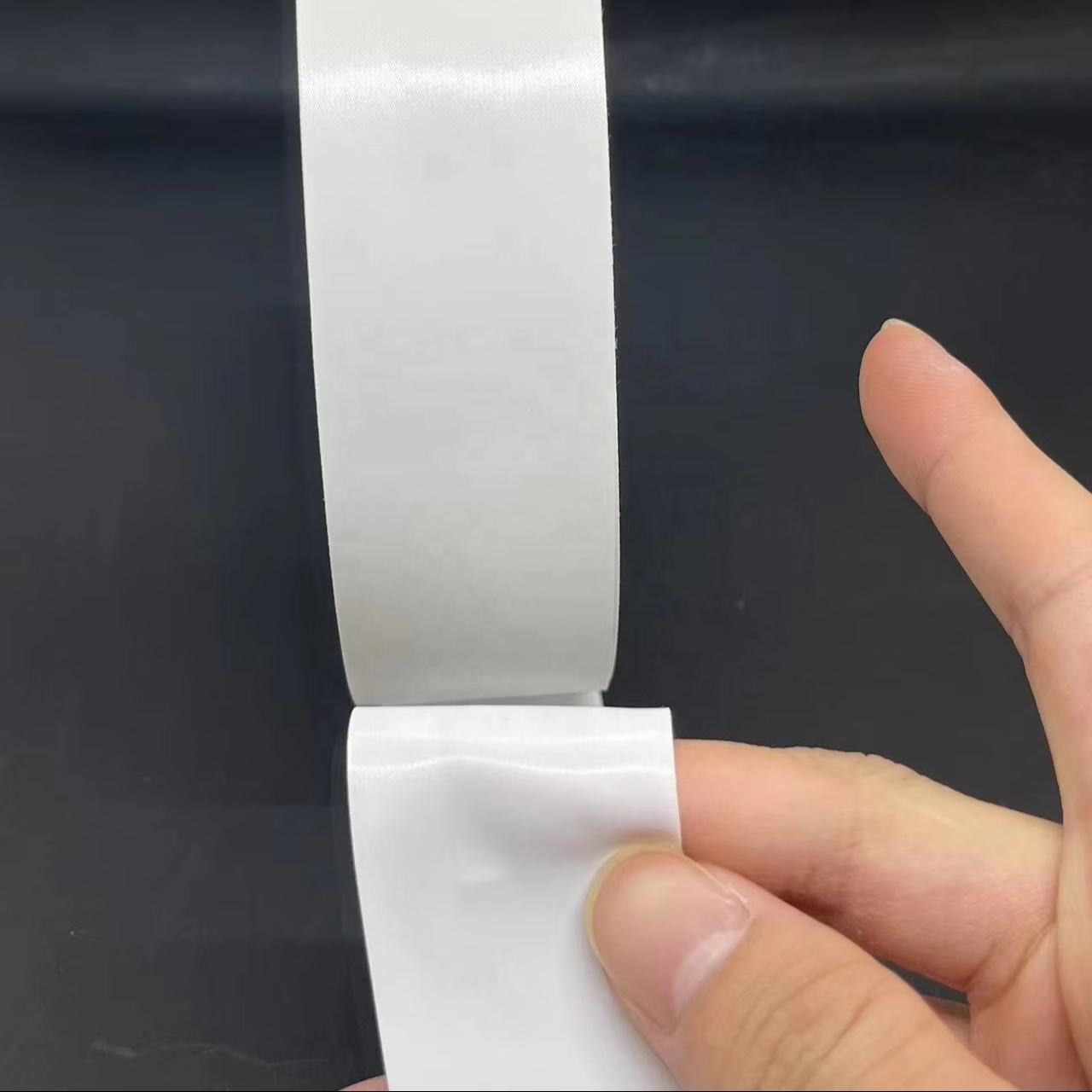
Picture a 30 ml serum bottle hanging beside a polished carton on a retail hook. If the tag is too thin, it bends, flutters, and starts reading like an office label instead of a brand element. If it is too thick, it can look bulky, especially on smaller SKUs where every extra millimeter changes the proportion. That is the first place Custom Hang Tags for cosmetics brands material thickness guide decisions show up: shelf impact.
Thickness gets described in a few different ways, and suppliers do not always speak the same dialect. Points, or pt, describe caliper in thousandths of an inch. GSM measures sheet weight in grams per square meter. Caliper is the actual thickness, often shown in mils or inches. Two stocks labeled with the same pt value can still behave differently if the fiber mix, coating, or surface treatment changes how the sheet bends and recovers. That is not a flaw in the language; it is just how paper behaves.
Cosmetics buyers notice this more than most categories because the tag gets touched, photographed, packed, unpacked, and sometimes exposed to bathroom humidity or countertop splash. It sits beside very polished product packaging, so weakness stands out fast. The same rule applies across retail packaging: if one element looks flimsy, the whole line can inherit that impression. A curling hang tag is hard to excuse just because the serum inside is excellent.
From a packaging buyer’s point of view, the job is not “pick the heaviest stock available.” The job is to build visual confidence without making the tag awkward, overbuilt, or expensive to attach. That is where the Custom Hang Tags for cosmetics brands material thickness guide becomes useful in the real world, not just on paper.
“A tag should feel deliberate, not accidental. If it looks like it came from the office supply aisle, the rest of the package has to work twice as hard.”
Thickness also needs to be considered alongside the rest of packaging design. A bright foil accent, a soft matte surface, a rounded corner, and a dense block of copy all change how the eye reads weight. The product itself matters too. A tall pump bottle, a short lip oil tube, and a rigid gift set do not ask for the same structural behavior, even when they sit in the same collection.
Good buyers treat Custom Hang Tags for cosmetics brands material thickness guide choices like a fit check. They compare feel, swing, visibility, and cost together, then choose the board that supports the line without turning the tag into a clumsy prop. Anything else is just paying for paper because the sample looked nice in the hand.
I have seen 18 pt stock look perfect on a clean matte serum line and look strange on a tiny travel-size mist, even though the numbers on the spec sheet were almost identical. That kind of mismatch is why real samples matter. Paper is kinda stubborn that way; it does not care how good the concept deck looked.
How custom hang tags for cosmetics brands material thickness works across stock options
Most cosmetic hang tags fall into a few familiar stock families. Coated cardstock, usually C1S or C2S, does the heavy lifting for mainstream lines. Uncoated stock gives a softer, more tactile surface. Kraft paper feels earthy and honest, which fits clean beauty and ingredient-led collections well. Textured papers lean boutique. Laminated premium boards add a smooth protective layer and often feel denser than the raw caliper suggests. That is why the custom hang tags for cosmetics brands material thickness guide should always include finish, not just paper weight.
In practice, thickness changes more than how “thick” the tag feels. It affects edge crispness, tear resistance around the hole, print sharpness, and the way the tag hangs once it is attached. Thin stock can curl, especially under heavy ink coverage or in humid storage. Midweight stock usually hangs straighter. Heavier stock holds shape better, but it needs a clean punch and enough room around the hole so the edge does not split during packing or transit.
For many retail cosmetics projects, a useful starting range is 16–18 pt for lightweight or lower-price items, 18–22 pt for standard retail lines, and 20–28 pt for premium or luxury presentation. That does not mean every product should move upward in a straight line. It means the stock should support the line’s visual job. A mass-market cleanser does not need to feel like a prestige fragrance insert.
Soft-touch and lamination complicate the decision in a good way and a bad one. A coated or laminated surface often feels thicker because the surface resists bend and reflects light differently. That can make a midweight board feel far more expensive than it actually is. A bare uncoated board may have the same caliper but feel lighter, simpler, and more handcrafted. This is exactly why the custom hang tags for cosmetics brands material thickness guide cannot stop at a spec table.
If you want a quick comparison, this working reference helps:
| Stock Type | Typical Thickness Range | Best For | Main Tradeoff |
|---|---|---|---|
| C1S/C2S cardstock | 16–24 pt | Mainstream skincare, bath, and makeup tags | Strong value, but edges need clean finishing |
| Uncoated stock | 14–20 pt | Clean beauty, ingredient-led brands, handwritten details | Less surface pop, more porous print behavior |
| Kraft paper | 18–24 pt equivalent feel | Natural, eco-focused, or artisanal positioning | Print colors can look muted unless designed carefully |
| Textured premium paper | 18–28 pt | Luxury skincare, gift sets, boutique lines | Higher cost and tighter print planning |
| Laminated premium board | 20–28 pt | Luxury retail packaging and gift-ready presentation | Finish can raise cost fast |
That table is not a rulebook. It is a starting map for the custom hang tags for cosmetics brands material thickness guide. Once artwork gets dense, foil enters the mix, or embossing is part of the plan, the feel changes again. A thinner sheet with clean print can outperform a heavy board pretending to be elegant. Sometimes the smartest move is restraint, especially in minimalist product packaging where the print and the material have to carry the story together.
For broader material context, the Packaging School and packaging industry resources at packaging.org are useful for understanding board behavior, while sustainability-minded buyers can check FSC for certified fiber sourcing. Samples still matter most, of course. Paper does not care about the mood board or the budget spreadsheet.
One practical tip from production floors: ask whether the caliper was measured before or after coating. That small detail can change the feel enough to matter, especially if the tag needs to thread through a narrow neck or sit beside a very slim bottle. The spec might look tidy, but the hand test tells the truth.
Key factors that decide the right thickness for your cosmetic line
The right stock starts with the product, not the mood board. A tiny lip oil, a rigid perfume box, and a wide bath set each create different attachment stress, different shelf visibility, and different proportions. The custom hang tags for cosmetics brands material thickness guide should reflect that reality, or the line can look mismatched before a shopper even picks it up.
Product weight matters more than many teams expect. A lightweight tag on a small dropper bottle can work well if it is mostly decorative. The same tag on a wide jar, a boxed set, or a handle-hung gift item needs more stiffness. If the tag carries product details, batch information, or a promotional panel, you also need enough surface stability to keep the text readable and the edges from buckling.
Brand position matters just as much. A $12 cleanser and a $120 serum should not look like they came from the same shelf bin, even when the format is similar. That does not mean the more expensive item needs the thickest board possible. It means the line should present a consistent visual weight. In branded packaging, the tag is part of the promise, and the promise should look believable.
Handling conditions deserve real attention. Humidity can make thin tags wave. Counter splash near sinks can weaken uncoated stock. Warehouse friction can scuff soft-touch lamination if cartons rub during transit. If the tag will be tied, looped, stapled, or threaded through a narrow neck, hole size and fold behavior matter too. A beautiful tag that tears during packing is not beautiful for long.
Design load belongs in the conversation as well. Heavy ink coverage, foil stamping, embossing, die-cut shapes, and rounded corners all change the finished result. A thick board with dense print and foil may feel rich, but it can also turn rigid in a way that fights the product. A thinner board with careful finish work can create a stronger luxury effect at a lower cost. That is one of the better surprises in custom printed boxes and tag work: material understanding often saves you from overbuilding.
Sustainability plays into the decision too. If your line uses kraft paper, recycled fibers, or FSC-certified board, the stock choice may be tied to your broader package branding story. Some brands want a lighter environmental touch and prefer thinner calipers to reduce fiber use. Others need durability because the tag is handled repeatedly. The custom hang tags for cosmetics brands material thickness guide should make room for both goals instead of forcing one answer.
Here is a simple filter I use mentally:
- Lightweight tag: decorative, low-cost, minimal handling, simple print.
- Midweight tag: most retail cosmetics, better hang stability, balanced cost.
- Heavy tag: luxury, gift sets, stronger shelf impact, more resistance to curling.
A slim serum in a petite carton may only need a refined 16–18 pt tag, while a prestige bath set may deserve 20–24 pt because the tag is doing more visual lifting. That is the heart of the custom hang tags for cosmetics brands material thickness guide: matching structure to context, not chasing a bigger number just because it feels safer.
If you are comparing two calipers and they seem close on paper, check how the fibers respond around the punched hole and along the fold line. Those are the places that usually expose the difference first. That little test has saved more packaging headaches than a dozen glossy mockups.
Step-by-step guide to choosing the right tag specs
Start with the SKU audit. Measure the bottle, note the neck or attachment area, and decide whether the tag needs to hang, fold, or sit flat. If you have multiple formats in one line, group them by size and use case before you talk thickness. A 5 ml sample vial and a 250 ml body lotion should not be forced into the same die-line just because the spreadsheet looks neater. The custom hang tags for cosmetics brands material thickness guide works best when the starting point is physical reality.
Next, shortlist two or three thickness options instead of one. That gives you a real comparison. A 16 pt sample can show you the minimum acceptable feel, while a 20 pt option may reveal whether the extra stiffness actually improves the line. If you only request one sample, you are not comparing. You are hoping.
Request samples and test them on the actual product under retail lighting. Hold the tag next to the bottle, box, or carton. Hang it with the planned ribbon, cord, or string. Look at the swing. Check whether the tag sits flat or twists. A finish can look beautiful in hand and too shiny under store lights, or the reverse can happen. The custom hang tags for cosmetics brands material thickness guide should be tested where the tag will live, not under a desk lamp in a packaging office.
Then review the dieline. Check hole placement, corner shape, coating, and any reinforcement around the punch. Heavier tags often benefit from a slightly larger hole or a reinforced area so the string does not chew into the edge over time. If the tag is a special shape, make sure the die-cut curves are not too tight for the chosen board. Fine details can survive on a sample and fail in production. Paper has a way of exposing optimism.
For brands building out a larger line, it helps to compare the tag against other elements like Custom Labels & Tags or broader Custom Packaging Products. That keeps the visual language aligned across inserts, cartons, and display pieces. A tag should feel like it belongs to the same family as the rest of the product packaging.
For teams that want a reference point, you can also study Case Studies and look for notes on material behavior, finish selection, and attachment style. Those details usually teach more than a polished brochure. Real project photos show how a stock actually hangs once it is threaded, tied, and packed.
One practical method:
- Measure the product and note how the tag attaches.
- Pick a base thickness range from the custom hang tags for cosmetics brands material thickness guide.
- Order two sample builds with different finishes.
- Test them on the actual package in real lighting.
- Approve the final die-line only after the punch, corner, and coating feel right.
The more you test, the less likely you are to overbuild. That is not only a budget point. It is a visual one. Over-thick tags overpower small cosmetic items and make the line feel awkward. Under-thick tags sag and invite doubt. The right result sits in the middle and feels planned.
Cost and pricing: where thickness affects your quote
Thicker stock usually costs more, though the jump is not always linear. A small increase in caliper can be barely visible in price if you stay within common board families. Once you move into specialty texture, heavier caliper, or laminated premium finishes, the quote can climb quickly. The custom hang tags for cosmetics brands material thickness guide matters here because the stock choice can change both unit cost and setup complexity.
MOQ is another quiet variable. Common C1S or C2S boards are easier to source in many run sizes. Niche textured papers, specific recycled stocks, or custom coating combinations often need larger minimums. If a supplier quotes one size with one finish and one thickness, ask for alternate lines. Ask for the same art in thinner, midweight, and heavier versions. That is usually the fastest way to see the real budget spread.
Here is a practical cost framework for typical cosmetic hang tags, assuming moderate artwork complexity and standard print methods:
| Spec Level | Typical Thickness | Indicative Unit Cost at 5,000 pcs | Notes |
|---|---|---|---|
| Basic | 14–16 pt | $0.12–$0.20 | Simple print, minimal finishing, usually the lowest MOQ pressure |
| Midweight | 16–20 pt | $0.18–$0.32 | Best balance for most retail cosmetics and day-to-day branded packaging |
| Premium | 20–28 pt | $0.28–$0.60+ | Soft-touch, foil, embossing, or specialty board pushes pricing up fast |
Those numbers are working ranges, not guarantees. The actual price depends on artwork coverage, die complexity, hole reinforcement, quantity, and whether the finish is gloss, matte, soft-touch, or something more specialized. The custom hang tags for cosmetics brands material thickness guide is useful precisely because it shows where hidden spend tends to appear before the quote lands.
Hidden cost drivers deserve their own attention:
- Foil stamping adds setup and often slows finishing.
- Embossing and debossing need pressure and alignment.
- Spot UV usually adds finish cost and proofing time.
- Soft-touch lamination raises tactile value and unit price.
- Reinforced holes or complex die-cuts add labor.
From a buyer’s perspective, the smartest move is to ask for tiered quotes by thickness. That lets you compare the tradeoff between a premium feel and actual spend. You may find that stepping down one caliper frees enough budget for better print finish, which often matters more on shelf anyway. A refined tag can support the brand better than a thick tag with weak print. That is especially true in cosmetics brands where visual polish drives the first impression.
If your line uses recycled or FSC-certified stock, note that certification can influence price and availability. If the tags need to survive shipping and kitting before they ever reach retail, factor in how they behave in transport, not just how they look on a finished sample. Packaging and transit standards from ISTA can help when you are testing handling, scuffing, and package fatigue. A hang tag is not a shipping carton, but it still gets knocked around.
The short version: the custom hang tags for cosmetics brands material thickness guide is a pricing tool as much as a design tool. Treat it that way and you stop paying for paper weight you do not need.
Process and timeline: from brief to production
Good tag projects follow a clear sequence: brief, dieline, proof, sample, approval, production, and packing. If someone says a fully customized order should happen instantly, they are selling a fantasy, not print. The custom hang tags for cosmetics brands material thickness guide belongs in the brief, because stock choice affects every later step.
Proofing is usually the fastest stage. If your artwork is clean, you can often review a digital proof quickly. Sampling takes longer because material needs to be sourced, cut, and finished. Production timing depends on stock availability and finish complexity. A plain midweight tag may move faster than a laminated premium build with foil and embossing. That is not drama. That is manufacturing.
Delays usually come from three places. First, artwork changes after proof approval. Second, stock substitutions when a paper is unavailable. Third, last-minute changes to thickness or hole size after the sample arrives. The easiest way to avoid that mess is to define the acceptable range early in the custom hang tags for cosmetics brands material thickness guide and stick to it.
If you need a rush order, be honest about the tradeoff. Faster turnaround often means fewer stock options, less room for revision, and less freedom to add specialty finishes. Sometimes that works. Sometimes it is a bad idea wearing a rush label. A clean, simple tag in a standard thickness usually beats a complicated premium tag that arrives late and throws off launch timing.
Here is a realistic planning window for a typical cosmetic tag order:
- Brief and quote: 1–3 business days if the specs are clear.
- Digital proof: often 1–2 business days after artwork is approved.
- Physical sample: several business days, depending on stock and finish.
- Production: commonly 7–15 business days after approval, longer for specialty work.
- Packing and dispatch: usually 1–3 business days after production finishes.
That timeline can move faster or slower, but it is a sane planning baseline. For cosmetics teams juggling launch calendars, retail windows, and influencer samples, this matters. The right custom hang tags for cosmetics brands material thickness guide keeps the project from turning into a panic order with a fancy finish and a compromised stock.
One more operational point: if the tags will be tied to corrugated cardboard shippers or gift cartons before retail assembly, test how they behave during packing. A tag that looks great on a bottle might rub badly against a box edge during kitting. Cosmetic launch teams often forget that the tag has to survive the boring parts too, and the boring parts are usually what ruin a nice packaging job.
Common mistakes, expert tips, and next steps
The most common mistake is choosing thickness by touch alone. A sample in your hand can feel expensive even if it performs badly on the product. The second mistake is ignoring tear strength around the hole. Thin tags fail there first. The third is making the tag too heavy for a small bottle, which creates a stiff swing that looks forced. All three are avoidable if you use the custom hang tags for cosmetics brands material thickness guide as a test plan instead of a decorative reference.
Another mistake is matching the wrong finish to the brand. Gloss on a clean beauty line can look too loud. Uncoated stock on a luxury serum can look undercooked. A soft-touch finish can elevate a line, but it can also hide detail if the layout is already crowded. This is where a packaging buyer has to stay blunt. Fancy does not mean correct.
Expert tip: scale the thickness to the package size. Small items usually need a lighter or midweight tag so the assembly does not feel top-heavy. Large sets can carry more board. Reinforce the punch area for heavier tags, especially if the product will hang or move often. The tag should survive handling, not just opening day. That is the difference between decent and credible retail packaging.
Another habit worth keeping is testing the final look with the actual ribbon, cord, or string. A satin ribbon can make a stock feel softer. A black cord can make it feel sharper and more premium. A cheap tie can drag down even a strong sheet. The custom hang tags for cosmetics brands material thickness guide only works if the attachment method is part of the choice.
If you want a simple decision method, use this:
- Pick two realistic thickness options from the guide.
- Order samples with the actual finish you want.
- Put them on the actual product and compare shelf presence.
- Check tear resistance, edge finish, and hole behavior.
- Choose the option that balances look, durability, and cost.
That method is unglamorous. It also works. And unglamorous is often what saves money in custom printed boxes, tags, and inserts. You do not need the heaviest stock on earth. You need the right one for the line.
For teams ready to move, gather the dimensions, product photos, quantity, logo files, finish preferences, and a target thickness range before you brief your supplier. If possible, tell them what the tag will attach to and whether the line uses minimal kraft paper accents, coated stock, or a more elaborate premium build. That level of detail cuts down on back-and-forth and gets you a cleaner sample faster. The custom hang tags for cosmetics brands material thickness guide is most useful when it becomes a working brief, not a page you skim and forget.
If you are choosing a stock today, keep it simple: test two calipers, look at how they hang, and pick the one that supports your brand without overpaying for unnecessary density. That is the cleanest use of the custom hang tags for cosmetics brands material thickness guide, and it avoids more bad decisions than most teams like to admit.
A good final check is almost boring, which is exactly why it works: place the tag on the real product, hold it at arm’s length, then pick it up and read the edges, the hole, and the swing. If the tag looks balanced, survives handling, and still feels aligned with the line after a few minutes of testing, you are probably on the right thickness. If it starts to feel fussy or overbuilt, step back one caliper and see whether the packaging gets stronger rather than weaker.
What thickness is best for custom hang tags for cosmetics brands?
Start around 16–18 pt for lightweight items and move to 20–24 pt for a more premium retail feel. Use the custom hang tags for cosmetics brands material thickness guide with real samples on the actual bottle or box, because size and finish matter as much as caliper. If the tag hangs on a luxury item or gets handled a lot, test a heavier stock before you rule it out.
Are thicker cosmetic hang tags always better?
No. Thicker tags can look oversized on small products and can cost more than the design really needs. Very heavy stock also needs stronger hanging holes and may create a stiff, awkward swing on slim packaging. The best choice in the custom hang tags for cosmetics brands material thickness guide is the one that matches the product scale, brand image, and budget.
Which stock works best for luxury skincare tags?
A heavier coated stock, often in the 20–28 pt range, usually gives the cleanest premium feel. Soft-touch lamination, foil, or embossing can help, but only if the layout stays readable and not cluttered. For luxury, test both tactile feel and edge finish, not just print color. That is where the custom hang tags for cosmetics brands material thickness guide earns its keep.
How do thickness and finish affect pricing and MOQ?
Thicker and specialty stocks usually raise the unit price, especially when paired with premium finishes. Some papers and coatings require higher MOQs because setup and sourcing are less flexible. Ask for tiered quotes so you can compare standard, midweight, and premium options side by side, then apply the custom hang tags for cosmetics brands material thickness guide to the numbers instead of guessing.
What should I send before ordering custom hang tags for cosmetics brands?
Send final dimensions, product photos, logo files, quantity, and how the tag will attach to the package. Share your preferred thickness range and any finish requests, such as matte, gloss, foil, or soft-touch. Request samples and a timeline estimate so you can review fit, feel, and cost before production starts. That is the fastest way to make the custom hang tags for cosmetics brands material thickness guide work for your team.

