Buyer Fit Snapshot
| Best fit | custom inserts for luxury boxes for packaging buyers comparing material specs, print proof, MOQ, unit cost, freight, and repeat-order risk where brand print, material, artwork control, and repeat-order consistency matter. |
|---|---|
| Quote inputs | Share finished size, material target, print colors, finish, packing count, annual reorder estimate, and delivery region. |
| Proofing check | Approve dieline scale, logo placement, barcode or warning zones, color tolerance, and any recyclable or compostable wording before bulk production. |
| Main risk | Vague material claims, crowded artwork, or missing packing details can create delays even when the unit price looks attractive. |
Fast answer: Custom Inserts for Luxury Boxes: Design, Fit, and Value should be specified like a repeatable production item. The safest quote includes material, print method, finish, artwork proof, carton packing, and reorder notes in one written spec.
What to confirm before approving the packaging proof
Check the product dimensions against the actual filled item, not only the sales mockup. Ask for tolerance on folds, seals, hang holes, label areas, and retail display edges. If the package carries a logo, QR code, warning copy, or legal claim, reserve that space before decorative graphics fill the panel.
How to compare quotes without losing quality
Compare board or film grade, print process, finish, sampling route, tooling charges, carton quantity, and freight assumptions side by side. A lower quote is only useful if the supplier can repeat the same color, closure quality, and packing count on the next order.
Custom Inserts for Luxury Boxes: Design, Fit, and Value
A premium box can feel cheap the moment the product starts rattling around inside it. That is why custom inserts for luxury boxes do more brand work than most people give them credit for: they protect the product, shape the reveal, and stop the kind of movement that makes expensive packaging look careless. If the box has to survive shipping and still look polished on a table, shelf, or camera, the insert is not filler. It is part of the product story.
From a packaging buyer’s point of view, the insert is the quiet piece that decides whether the unboxing feels organized or sloppy. The outer shell gets the spotlight, but the inner structure does the actual work. That holds true for Custom Printed Boxes built for skincare sets, watches, candles, gift kits, or high-value electronics accessories. If you need a broader starting point for coordinated packaging, our Custom Packaging Products page is a useful place to compare options before you commit to the insert design.
Why Custom Inserts Matter in Luxury Boxes
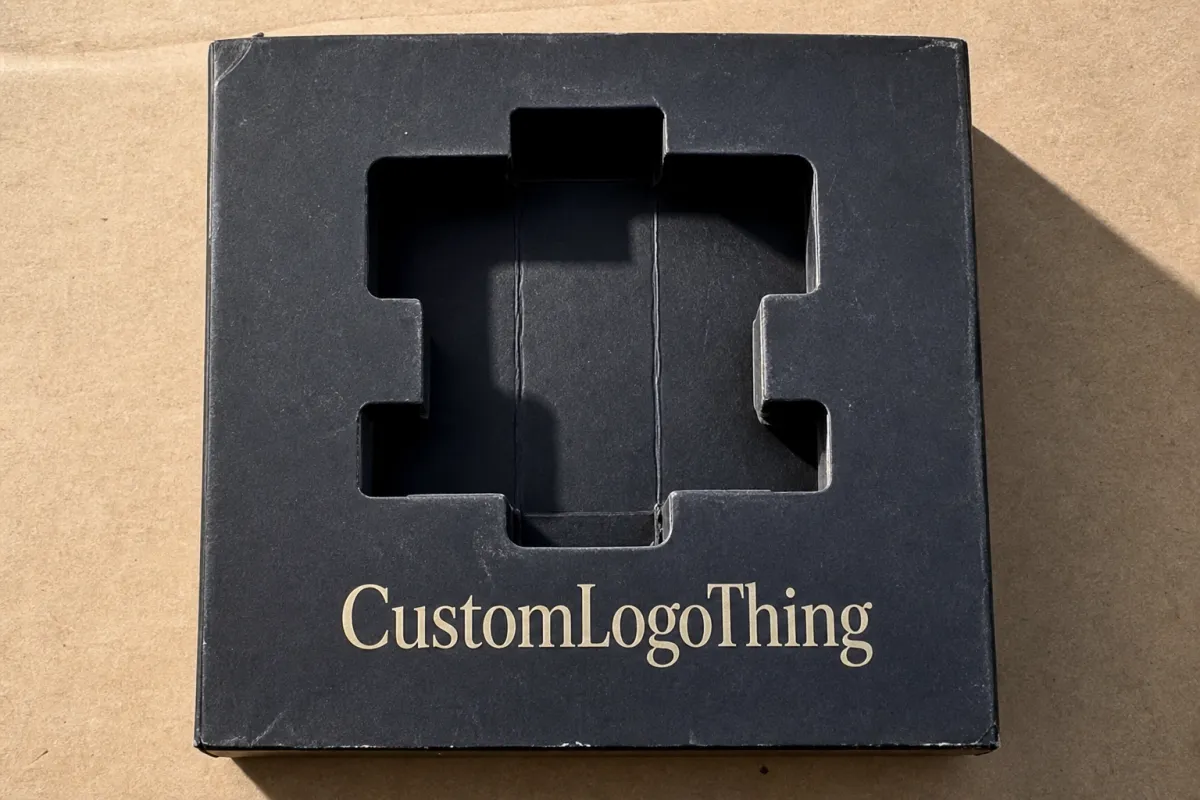
A luxury box without a proper insert is just an expensive container with a bad habit: it lets the product move. Movement creates noise, edge wear, and a first impression that says “mass-produced” instead of “carefully made.” In plain terms, the insert is doing three jobs at once. It secures the product, controls the reveal, and keeps shipping or retail handling from turning the presentation into a mess.
Custom inserts for luxury boxes are shaped supports made to fit both the product and the box interior. They can be simple die-cut paperboard layers or more engineered structures built from foam, molded pulp, EVA, or molded trays. The best version is not the fanciest one. It is the one that fits the product, supports the weight, and gives the customer a clean visual cue the second they open the lid.
That visual cue matters more than brands like to admit. A well-made insert creates order. It makes the product feel centered, intentional, and worth the price. A loose insert does the opposite. The perceived value drops fast. People read structure almost instantly. We notice symmetry, spacing, and whether objects sit where they should. That is why package branding is not just logos and color palettes. It is also about how the product sits inside the box.
“If the product shifts, the premium feeling shifts with it.”
The simplest way to think about inserts is this: the outer box handles the impression, the insert handles control. The box announces the brand. The insert manages the experience. A brand selling high-value items can survive mediocre print longer than it can survive a sloppy product cradle. The insert is not glamorous, but it is the first thing customers touch when the lid comes off.
There are a few insert families that show up again and again. Paperboard works well for lighter products and a clean presentation. Foam adds protection for fragile or irregular shapes. Molded pulp fits sustainability goals and can look surprisingly refined when designed well. EVA foam tends to show up in high-end kits that need precise cutouts. Molded trays sit somewhere between functional and polished, depending on finish and wall thickness. Each has a place. None of them is magic on its own.
How Custom Inserts Work With the Box and Product
The relationship between the outer box, the insert cavity, and the product footprint decides whether the package feels deliberate or improvised. A good insert does not simply fit inside the box. It creates a usable geometry around the item. That means the product gets a defined seat, enough clearance to come out without a fight, and enough restraint that it does not slam into the sides during transit.
For single-item packaging, the insert usually hugs the product body and leaves only the clearance needed for coatings, seams, buttons, closures, or decorative hardware. For multi-item kits, the insert has more work to do. It may need separate pockets for the main product, accessories, spare parts, cables, or documentation. Leave those pieces floating and the packaging starts to look cluttered and unfinished. That is not a minor problem. It changes how the entire kit reads.
Common structures include die-cut pockets, tray inserts, foldable supports, cavity blocks, tabs, and lift-out layers. Each one changes the opening sequence. The opening sequence matters because customers should discover the product in the right order. First the lid. Then the reveal. Then the main item. Then the extras. If the insert makes the customer wrestle with it, the experience turns from premium to annoying fast.
- Die-cut pockets work well for flat or light products and give a crisp, minimal look.
- Tray inserts hold items in a structured layout and are common in gift sets and retail packaging.
- Foam cavities are useful when the product needs deeper protection or a precise cutout.
- Folded supports can create lift, separation, and layered reveals without adding much material weight.
- Multi-level inserts help with bundles, accessories, or presentation-driven product packaging.
Rigid inserts hold their shape and create cleaner alignment. Flexible inserts are easier to form and can reduce cost, but they may not support heavy or delicate items as well. That difference matters. A rigid structure often makes sense for a watch, fragrance bottle, or ceramic product because it keeps everything lined up. A flexible structure can work for lighter items, but only if the product shape and weight distribution are forgiving. Otherwise, the insert stops doing its job the second the box moves.
For retail packaging, the insert also has to survive repeated handling. A box might be opened, closed, displayed, shipped, returned, or inspected by staff before the final customer ever sees it. Good packaging design plans for that. It does not pretend the box will live a perfect life on a studio table. It assumes real people will touch it, which is usually less elegant and more expensive to ignore.
Key Design Factors That Decide Fit and Finish
Fit is where most packaging wins or fails. The product should feel snug, not jammed in like a bad puzzle. Clearance matters because coatings, seams, closures, and small manufacturing variances all add up. If the tolerance is too tight, the customer struggles to remove the product and may damage it in the process. If the tolerance is too loose, the insert stops protecting anything and the premium look disappears.
Start with the product dimensions at the widest and tallest points, not the tidy label measurement someone wrote on a spec sheet. Then account for the finish. Glossy surfaces scratch more easily. Soft-touch coatings can pick up marks. Plated trims can chip. A product with a luxury surface finish often needs different contact points than a matte product with a rugged shell. That is one reason custom inserts for luxury boxes are usually built around the product, not around a generic template.
The material choice follows the product, not the other way around. Paperboard is a strong fit for lighter products, simple layouts, and crisp presentation. Foam is better when the priority is shock absorption and secure hold. Molded pulp is a strong option when the brand wants an eco-conscious feel without looking flimsy. EVA is common in premium kits because it gives precise fit and a dense feel, though it can push the price up. Specialty options are worth it only if the product and the brand promise justify them.
There is also the visual layer. An insert can be plain, or it can carry part of the brand story. Color, texture, foil, embossing, and print all influence how the inside of the box reads during unboxing. A black insert with a clean die line feels very different from a kraft insert with exposed fibers. Neither is automatically better. What matters is whether the inside matches the outer package and the brand mood. A luxury skincare line may want soft neutrals and a smooth finish. A tech accessory brand may prefer darker tones and sharper geometry. That is product packaging as a visual language, not just a container.
Multiple products complicate the layout quickly. If you are packing the main item, a charger, a spare strap, a manual, and a small accessory, the insert needs enough structure to keep everything separated without turning into clutter. That usually means custom layouts rather than off-the-shelf packaging. The more pieces you have, the more important spacing becomes. A messy insert with five floating cavities is worse than a simpler layout that gives each component a clear place.
| Insert Type | Best For | Typical Unit Cost Range | What It Does Well | Main Tradeoff |
|---|---|---|---|---|
| Paperboard die-cut insert | Light products, clean presentation, lower complexity | $0.18-$0.55 at 5,000 units | Sharp look, lower weight, easier printing | Less shock protection for fragile items |
| Foam insert | Fragile items, precise protection, premium feel | $0.35-$1.20 at 5,000 units | Strong hold, good cushioning, flexible shaping | Can look less refined if overused |
| Molded pulp tray | Sustainability-led brands, structured support | $0.25-$0.80 at 5,000 units | Eco-friendly image, decent protection, solid structure | Finish is more limited than paperboard or foam |
| EVA foam insert | Luxury kits, electronics, highly defined cavities | $0.60-$1.80 at 5,000 units | Precise fit, premium density, strong presentation | Higher cost and more tooling sensitivity |
| Molded tray with specialty finish | High-end retail packaging, presentation-first builds | $0.40-$1.50 at 5,000 units | Balanced structure and appearance | Setup complexity can raise lead time |
That table is a starting point, not a promise. Final pricing shifts with quantity, cut complexity, print coverage, assembly steps, and shipping method. The bigger point stays the same: fit and finish are tied together. If the insert walls are too thick, the box looks bloated. If they are too thin, the product may shift. If the cavity edges are rough, the whole thing reads cheaper than it should. Small failures are brutal in luxury packaging because premium buyers catch details fast.
For brands building a larger packaging system, this is the point where coordinated custom printed boxes and inserts make sense. The exterior and interior should feel like they belong to the same family. If the box is polished but the insert looks improvised, the customer notices. People may not say it out loud, but they absolutely register the mismatch.
Process, Timeline, and Production Steps
Most insert projects follow the same rough path: measurements, concept, dieline, sample, revision, and production approval. The details vary, but the sequence does not. First you gather product dimensions, photos, box size, finish requirements, and target quantity. Then the supplier turns that into a layout that can actually be manufactured. After that comes the sample. Plenty of buyers try to skip this step, and that is usually where they create their own problems.
Simple paperboard inserts can move fast if the product shape is straightforward and the measurements are complete. A clean job might get through sample approval and production in roughly 10-18 business days after final sign-off, depending on quantity and workload. More complex projects usually need longer. Foam, molded pulp, or multi-component layouts often land in the 20-35 business day range once tooling, revisions, and assembly are included. If the design is unusual or the box has multiple levels, add more time. Reality is rude like that.
Where does the process slow down? Usually in the same places every time. Unusual product shapes create fit questions. Multiple accessories create layout questions. Special finishes create visual approval questions. Tooling adds its own delay. If the product sample sent to the factory is not the final version, the insert gets revised more than once. That is why complete specs matter. It is not paperwork for the sake of paperwork. It prevents avoidable back-and-forth.
When should you request a physical prototype instead of relying on a digital proof? Whenever the product is fragile, glossy, high-value, or awkward to remove. A digital mockup can show proportions, but it cannot tell you whether the product actually lifts out cleanly or rubs against the cavity edge. For luxury packaging, that distinction is huge. The eye is one thing. The hand is another.
Here is the information that speeds up production most:
- Exact product dimensions at the widest points.
- Product weight and material finish.
- Number of items, accessories, and inserts needed.
- Box interior dimensions and opening direction.
- Desired material, color, texture, and print finish.
- Target quantity and required delivery date.
If you are testing a new item line, send photos as well as measurements. Photos help the factory see closures, edges, buttons, and irregular surfaces that numbers alone can miss. That is especially useful when the product has cables, lids, moving parts, or decorative hardware. A few extra images can save days of revisions.
For brands concerned with shipping performance, it helps to think about transport standards early. Organizations like ISTA publish test methods that are widely used to evaluate packaging under vibration, drop, and compression conditions. That does not mean every luxury box needs laboratory treatment, but it does mean you should think about how the package behaves outside the showroom. A beautiful insert that fails in transit is just expensive trash with a logo.
Custom Inserts Pricing, MOQ, and Quote Basics
Pricing comes down to a few predictable drivers: material choice, insert complexity, number of cavities, print finishes, tooling, and packing labor. The more custom the shape, the more steps the job usually needs. That is true whether you are ordering one hundred sets or fifty thousand. The difference is how much of the setup cost gets spread across each unit.
Lower-cost options usually keep the structure simple and the finishes light. A paperboard insert with a single cavity and minimal print can be surprisingly economical at scale. Premium options add cost through denser materials, tighter tolerances, extra layers, or specialty finishing. Foil, embossing, and spot treatments can look excellent, but they should earn their place. If they do not support the product story, they are just expensive decoration.
MOQ realities matter more than buyers expect. Simple paperboard inserts often support lower quantities than molded or foam options because they require less tooling and less setup. Once you move into specialty shapes, heavy die cutting, or molded construction, the minimum order usually rises. That is not the supplier being difficult. It is the economics of production. A run of 300 units and a run of 5,000 units are not the same job.
Below is a practical quote checklist. If you ask these questions up front, you will get a cleaner estimate and fewer surprises later:
- What material is included in the quote?
- Is the sample cost separate from production cost?
- Does the quote include tooling or die charges?
- How many revisions are included before extra fees apply?
- What is the expected lead time after approval?
- How is the product packed for shipment?
- Are freight and duties included or billed separately?
Unit pricing almost always drops as quantity rises, but setup fees can make small orders look expensive. That is normal. The trick is to judge value, not just the line item. If a slightly better insert reduces damage, cuts returns, and improves how the product is perceived, the extra cost may pay for itself quickly. If the item is low-value and presentation does not influence sales, then a simpler structure is usually smarter. No drama. Just math.
One more useful sourcing note: if the insert is paper-based, ask about fiber sourcing and recyclability claims. If sustainability is part of the brand promise, the materials should match that promise. Groups like FSC are a solid reference point for responsible forestry standards on paper and board products. If the insert is not recyclable in your market, do not pretend it is. Customers are not gullible, and regulators are not impressed by wishful thinking.
Common Mistakes That Make Premium Packaging Feel Cheap
The fastest way to ruin a luxury box is loose fit. A product that clunks around inside the box instantly drops the perceived value. Even if the print is gorgeous and the outer structure is rigid, a rattling product tells the customer the packaging was not actually designed for the item. That is a bad look, and it is avoidable.
Another common mistake is overcomplicating the insert. Some brands want dramatic reveals, hidden lifts, and layered compartments that look clever in a concept deck. Then the customer opens the box and has to perform packaging gymnastics just to reach the product. That is not luxury. That is irritation dressed in black paper.
Material mismatch is another classic problem. Foam can be excellent for protection, but if the product is visually delicate and the brand wants a refined interior, a dense foam block may feel too technical. Likewise, paperboard may look elegant but fail to protect a heavy or brittle item. The right answer depends on the product weight, finish, and how much handling the package will see before purchase.
Accessory gaps are a small detail that create a big problem. If the main item fits but the charger, cable, manual, or spare part is left loose, the box suddenly looks underfilled or sloppy. That is especially painful in premium retail packaging, where the customer expects each component to have a clear place. A good insert treats accessories as part of the product system, not as leftovers.
Then there are the finish failures. Rough die cuts, exposed glue, color mismatch, crushed edges, and uneven pockets all undermine the premium feel. They may be minor in a warehouse, but they are loud in the hand. Good branded packaging depends on tolerances that are tight enough to look intentional without becoming hard to assemble or use.
Sustainability mistakes are getting more visible too. If a brand talks about responsible sourcing but ships non-recyclable foam without explanation, the disconnect is obvious. If the insert can be made from paperboard or molded pulp without compromising the product, that choice is often easier to defend. If it cannot, say why. Buyers will accept tradeoffs when they are honest. They do not accept nonsense very well.
Here is the short version: premium packaging fails when it ignores the product, the user, or the supply chain. You need all three. Beautiful design without fit is fragile. Strong protection without presentation feels industrial. Cheap materials without a brand story just look cheap. The insert sits in the middle of all that, which is why it matters more than most people think.
Expert Tips and What to Do Next
Start with the product first, not the box. That sounds obvious, yet it is where plenty of packaging projects get tangled. Measure the item at its widest and tallest points. Note the weight. Note the finish. Note anything that could scratch, snag, or flex. Then think about how the customer will remove it. A good insert respects the product’s shape and the user’s hands. That is the job.
Order one physical sample before committing to a full run, especially for fragile, glossy, or high-ticket products. A sample tells you whether the cavities are too tight, whether the product slides, whether the lid presses on anything, and whether the reveal actually feels premium. Digital proofs are useful, but they do not replace a real object in a real box. Physics still applies, even in luxury packaging.
Build a simple internal checklist before requesting quotes. Keep it boring. Boring is efficient.
- Product dimensions and weight
- Accessories or secondary components
- Box size and opening style
- Material preference and finish
- Target quantity and budget range
- Shipping deadline and market destination
Ask for material samples, finish swatches, and dielines so you can compare options before production. If the supplier can show how the insert pairs with the outer box, you will catch design issues earlier. That matters more than it sounds. Fixing an insert at sample stage is manageable. Fixing it after a full run is where budgets go to die.
If you are planning a broader packaging rollout, coordinate the insert with the rest of the system: product packaging, mailer structure, outer print, and any retail display needs. That is where a connected package branding strategy earns its keep. The insert should not fight the box; it should complete it. When the inside and outside work together, the brand feels more deliberate and the unboxing feels more expensive.
For teams building new lines, I would keep the first version simple, test the fit, and only add complexity where it clearly improves presentation or protection. Fancy cutouts do not rescue a bad layout. A clear, well-sized cavity does. A smartly chosen board grade does. A clean reveal does. If you want the easiest path to a better result, focus on those fundamentals first and treat decoration as the last layer, not the first.
Before you place an order, line up the product sample, the box dimensions, the finish, and the accessory count in one spec sheet. That one page tells you whether the insert is solving the real problem or just making the design feel busy. If the structure protects the product, supports the reveal, and matches the brand without wasting material, you have the right insert. If it does not, keep refining. The box will only look premium if the inside is built to the same standard.
And if you are sourcing custom inserts for luxury boxes right now, keep the decision grounded: choose the material that protects the product, supports the reveal, and matches the brand without inflating cost for no reason. That balance is what makes custom inserts for luxury boxes worth paying for. Everything else is just packaging theater, and the customer can tell.
Frequently Asked Questions
What materials are best for custom inserts for luxury boxes?
Use paperboard for lighter products and a crisp presentation. Choose foam when the product is fragile or needs stronger shock protection. Consider molded pulp if sustainability matters and the product can tolerate a more structured tray. The best material depends on product weight, finish, and the brand image you want the customer to feel in the hand.
How do I measure custom inserts for a luxury box correctly?
Measure the product at its widest and tallest points, not just the label size or the main body. Add clearance for seams, coatings, closures, and easy removal. Include accessories, chargers, or spare parts in the layout. Photos help too, because they show shape details that dimensions can miss. If the product is irregular, send both measurements and images together.
Are custom inserts for luxury boxes worth the extra cost?
Yes, when they reduce damage, returns, and customer complaints. Yes, when the unboxing experience is part of the brand promise. Maybe not, if the item is low-value and presentation has little influence on sales. Compare the cost against protection, perceived value, and customer retention instead of looking only at unit price.
What is a typical MOQ for custom luxury box inserts?
Paperboard inserts often support lower minimums than molded or foam options because they need less tooling. Complex shapes, specialty finishes, and custom molds usually raise the minimum order. If you are testing a new product line, ask for multiple quote tiers and compare the cost of simpler structures before committing to a large run.
How long do custom inserts for luxury boxes take to produce?
Simple inserts can move quickly if the dimensions are final and the layout is straightforward. More complex jobs take longer because sample approval, revisions, and tooling add time. Foam and molded options may also need longer production windows. The fastest way to avoid delays is to send complete specs the first time and approve samples without dragging the process out.
Before you approve production, check three things one last time: fit, finish, and removal. If the product sits correctly, the insert looks clean, and the customer can lift it out without friction, the design is doing its job. That is the practical standard for custom inserts for luxury boxes. Not pretty on a render. Functional in the hand. That is the version worth shipping.

