Jewelry PVC Garment Bags Unit Cost Review: What Actually Moves the Quote
Compare jewelry PVC Garment Bags unit cost, MOQ, Specs, and Lead Times before you lock the wrong build. The cheap quote is not always the cheap order.
Why Thin PVC Can Outperform Bulkier Bags on Damage Claims
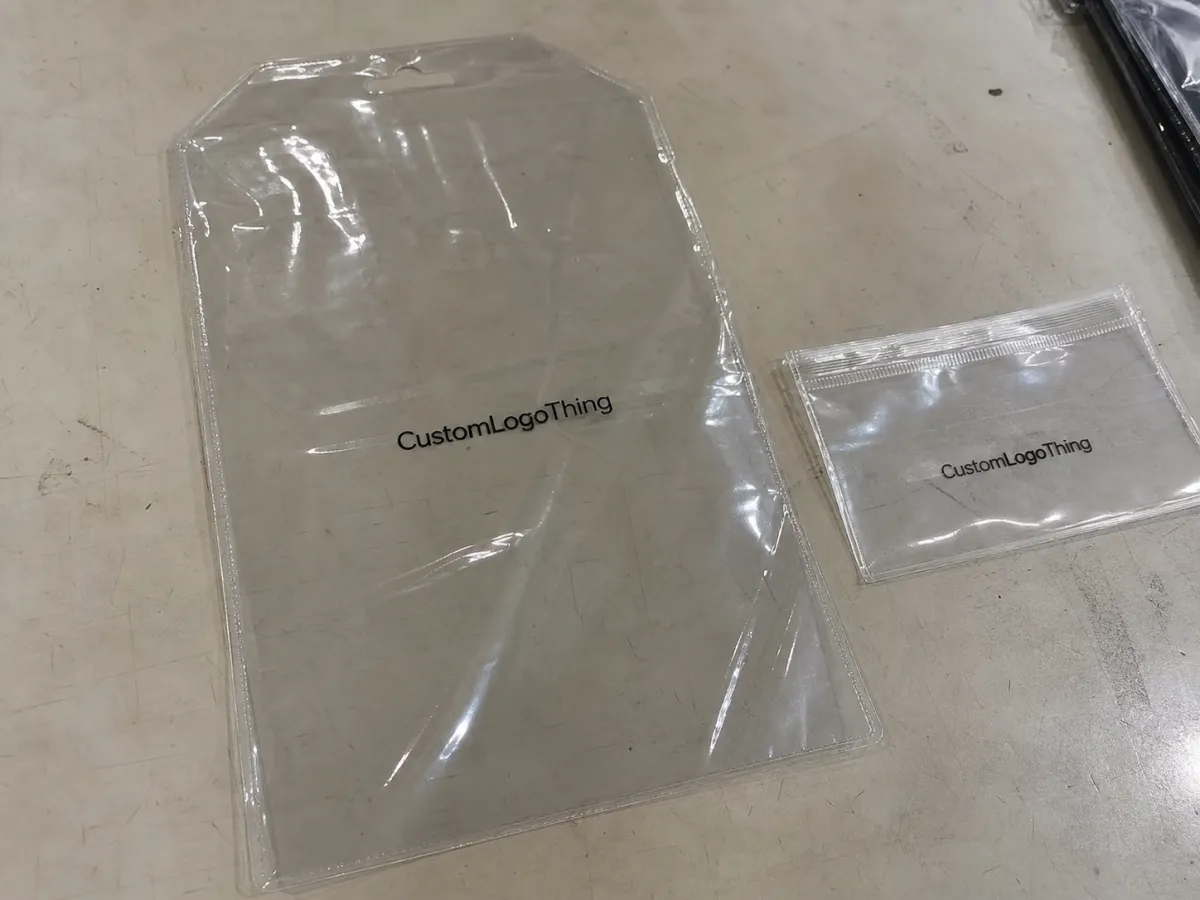
The phrase jewelry pvc garment bags Unit Cost Review sounds narrow, but the buying decision is not. A bag that looks heavier on paper can still create more problems in packing, storage, and transit. Scuffed surfaces, hazy film, split corners, and sticky closures all show up after approval, not during the quote stage.
That is why thin PVC sometimes wins. If the film is clear, the seal is clean, and the dimensions hold within tolerance, a lighter bag can protect the product just as well as a thicker one. It may even outperform a bulkier option because it folds better, packs flatter, and causes fewer handling issues on the line.
Cost also needs context. A 1% defect rate on 30,000 pieces means 300 units that need attention. Add rework, repacking, freight, and customer service time, and a low unit quote can disappear quickly. The real comparison is not just price per bag. It is price per saleable bag.
That is the part many teams miss. The best build is rarely the thickest one. It is the one that protects the product, survives handling, and does not create waste downstream. Clean welds and stable clarity usually matter more than bragging rights over film weight.
Bag Styles, Closures, and Display Details Buyers Actually Pay For
Most buyers start with a simple choice: sleeve or zipper. That decision changes the unit cost, the packing method, and the retail presentation. Flat sleeves are simpler to make and usually cheaper. Zipper bags cost more, but they can reduce packing friction and give the end customer a better reuse experience.
Beyond that, the common styles are flat sleeves, hanger-ready bodies, gusseted profiles, and reinforced-edge formats for heavier garments or premium presentation. Gussets add room and help the bag hold shape. Reinforced edges help when the bag is opened and closed repeatedly or when cartons get handled more than once before reaching store shelves.
Display details matter more than buyers expect. Clear film is the default because it shows the product. Frosted or tinted film can hide visual clutter, but it usually adds cost and changes the look of the line. Header cards are useful when branding and size information need to travel with the bag. Hang holes matter for display. Anti-slip textures can reduce shifting in carton packs. Tamper-friendly closures are useful in controlled distribution, though they are not needed on every program.
Closure choice deserves its own attention. A zipper may add a few cents, but it can improve packing speed and reduce returns tied to loose or damaged packaging. That can matter more than the raw material difference. The cheaper format on paper is not always the cheaper format after labor and rejects are counted.
"The lowest bid is not the lowest cost if the bags arrive scratched, warped, or impossible to seal consistently."
Material Grades, Thickness, and Weld Specs to Verify
If the quote is going to be useful, the spec sheet has to be exact. Ask for film grade, thickness range, finished width and length, gusset depth if there is one, seam style, and closure construction. A bag listed as 0.15 mm thick can still perform very differently from another bag with the same nominal thickness if process control is weaker.
That difference shows up in clarity, rigidity, and seal stability. A stiffer film usually hangs flatter and looks cleaner on the rack. The tradeoff is cost and sensitivity to temperature. A film that is too rigid can crack in cold storage or during repeated folding. A softer film packs more easily, but it may show waviness or stretch near the zipper or weld line.
There is no universal best option. The right answer depends on the product, the storage environment, how the bag will be displayed, and how many times it will be handled. A retail bag that sits in a climate-controlled store has different requirements than one that moves through winter freight lanes or packed warehouse pallets.
What to verify on the spec sheet
- Thickness: confirm the actual micron or millimeter target, not a loose description.
- Seal strength: ask how the weld behaves under load and whether the edge stays clean after sealing.
- Odor level: PVC odor is a real issue for enclosed retail spaces and boxed inventory.
- Edge finish: crooked trims and rough cuts increase tear risk and reject rates.
- Cold-crack resistance: this matters if the product moves through cool warehouses or winter transport.
- Documentation: request carton counts, packing method, and any material data needed for approval.
For programs that include printed header cards or inserts, ask whether the paperboard can be sourced as FSC-certified material. That is not a bag spec, but it can simplify internal procurement review if the brand tracks packaging inputs. For shipping validation, many buyers refer to ISTA procedures; the ISTA site is the cleanest place to start. Broader packaging references are available through packaging.org.
The right question is not just, "What thickness are we buying?" It is, "What does that thickness do in the actual packout?" That catches the hidden variables: seal behavior, carton pressure, storage conditions, and how much handling the bag will see before the end customer opens it.
Jewelry PVC Garment Bags Unit Cost: What Moves the Quote
The pricing stack is wider than most people expect. Unit cost changes with size, thickness, closure type, print coverage, color, packing method, and order volume. Even a small change in the build can move the quote more than a minor change in film weight. That is why two offers that look close on first read can produce very different landed costs.
MOQ is usually the first filter. Smaller runs carry a higher cost per piece because setup and handling are spread across fewer units. Larger orders usually unlock better bulk pricing, but only if the spec stays stable and the production line can run without constant adjustments. Add printing, custom color, or special packaging, and the minimum often rises.
Factory price alone is not enough. Compare sample fees, tooling charges, setup costs, freight terms, carton configuration, and any export or special packing add-ons. A quote that looks lower by a few cents can become more expensive once the order is packed for shipping.
| Style | Typical Spec | Common MOQ | Indicative Cost Per Piece | Best Fit |
|---|---|---|---|---|
| Flat clear sleeve | 0.10-0.12 mm, no zipper, simple cut | 1,000-3,000 pcs | $0.18-$0.30 at 5,000 pcs | Dust protection, low-friction storage |
| Zipper garment bag | 0.12-0.18 mm, hanger hole, standard zipper | 3,000-5,000 pcs | $0.32-$0.55 at 5,000 pcs | Retail display, reuse, premium presentation |
| Gusseted printed bag | 0.15-0.20 mm, printed header, gusseted body | 5,000-10,000 pcs | $0.45-$0.75 at 10,000 pcs | Brand-led programs, higher handling volume |
Those are working ranges, not promises. They still show the shape of the market. A switch from custom print to clear stock film may save more than a small thickness change. A simpler closure can cut cost faster than trimming a fraction of a millimeter from the film. And once the order climbs from 3,000 units to 10,000, the setup burden spreads out, so the unit cost usually drops in a way buyers can actually see.
A practical quote request should include three versions: the exact target spec, a simplified closure option, and a higher-quantity tier. That gives a clean read on where the pricing leverage sits. In a lot of programs, the real savings come from volume and pack efficiency, not from squeezing out a tiny amount of resin.
Production Steps, Sampling, and Lead Time Expectations
Sampling is not a side step. It is where the spec becomes real. The usual path is simple enough: inquiry, spec confirmation, artwork review, proof approval, physical sample or pre-production sample, bulk production, inspection, cartonization, and shipment. If any one of those steps is vague, the schedule gets vague too.
Lead time depends on complexity. A plain clear bag without print usually moves faster than a printed version, but approvals are often the real delay. Digital proofs can turn quickly. Physical samples take longer because they need to be cut, sealed, checked, and sometimes remade. Bulk production often lands in the 12-15 business day range after approval for standard orders. Larger runs or more customized programs can push past that.
Sampling checkpoints that save time later
- Digital proof: verify dimensions, artwork placement, and text before anything is cut.
- Physical sample: check feel, clarity, zipper action, and fit with the actual garment or accessory.
- Pre-production sample: approve the exact construction that will run in bulk.
- Carton sample: confirm inner pack count, carton strength, and label placement for shipping.
Incomplete specs are the most common reason timelines slip. Missing dimensions, late artwork, or unclear carton instructions can delay a project more than machine time ever will. Clean projects start with a full spec packet, not a back-and-forth thread that keeps expanding for a week.
If the bags need to survive rough transit, ask for shipping validation aligned with a recognized method like ISTA. That matters more for e-commerce, redistribution, and long replenishment runs than it does for a short local shipment. A supplier that talks clearly about test conditions usually understands the difference between a nice-looking sample and a bag that holds up in the field.
Why Procurement Teams Reorder From the Same Supplier
Procurement rarely rewards the lowest first-order price. It rewards repeatability. Buyers reorder from the same supplier because stable thickness, consistent sealing, matched color, and predictable packing quality save time every time the order repeats. That is worth real money if the program is ongoing.
Supplier behavior matters almost as much as the material spec. Fast quoting, clear communication, and clean documentation reduce revision cycles. Fewer revisions mean less internal workload and fewer chances of approving the wrong version. A supplier who keeps records straight improves cost structure even if the quote line itself does not look dramatic.
"A supplier that protects yield and ships on time often beats a cheaper offer once the full landed cost is counted."
Repeat buyers also gain from spec retention. Once a bag size, zipper type, and print layout are locked in, future reorders should get easier. That matters when raw material pricing shifts. A supplier with reorder history can usually explain whether the change came from resin, labor, freight, or a revised pack method. That kind of transparency helps procurement defend the buy.
Good suppliers also keep sample libraries and prior carton notes. That sounds minor until the next order lands and the team needs to confirm exactly what was approved six months ago. For buyers managing multiple SKUs, that memory is worth more than a one-time discount.
What to Send Before Requesting Samples or a Quote
If the goal is a useful quotation, send the exact inputs up front. A clean answer for jewelry pvc garment bags Unit Cost Review depends on finished dimensions, target thickness, closure style, print file, quantity by SKU, and delivery terms. Without those details, the supplier is guessing, and guessing is how quotes drift.
Ask for matched scenarios so every supplier prices the same thing. That means the same dimensions, the same film thickness, the same print coverage, and the same pack method. If one supplier quotes a zipper bag and another quotes a sleeve, the numbers are not comparable. That sounds obvious, but it is still one of the easiest ways buyers misread a packaging proposal.
Before production is approved, request a sample or proof if clarity, appearance, or seal strength affects the saleable result. For retail packaging, that is not overkill. It is cheap insurance. A small sample cost can prevent a much larger reject issue later.
Use this checklist before requesting samples or pricing:
- Finished dimensions by SKU
- Target thickness or micron range
- Closure type and hanger requirement
- Print artwork, logo placement, and color reference
- Quantity by size or style
- Preferred carton count and inner pack method
- Delivery terms and destination port or warehouse
Once those pieces are on the table, the quote becomes easier to compare. Setup charges become visible. Tooling fees are easier to spot. MOQ becomes a real planning tool instead of a vague number. That is the level of clarity buyers need when the packaging decision affects both margin and presentation.
What drives the unit cost of custom PVC garment bags the most?
Size, thickness, closure type, and print coverage usually have the biggest effect on price. Order volume matters because setup and handling are spread across more pieces at higher quantities. Freight, carton configuration, and special packing can change the landed cost even when the factory price looks similar.
What MOQ should I expect for PVC garment bag orders?
MOQ varies by spec, but standard clear styles are usually easier to run at lower quantities than custom printed versions. If you need multiple sizes or colors, ask for tiered pricing so you can see where the cost drops. A smaller pilot run can be useful if you want to test fit, clarity, or seal quality before scaling up.
How long does sampling and production usually take?
Digital proof review is often the fastest step, while physical samples take longer because they must be cut, sealed, and checked. Bulk production time depends on order size, print complexity, and current factory load. Ask for a schedule that separates approval time from production time so the delivery date is realistic.
Which specs should I confirm before I place a deposit?
Confirm finished dimensions, thickness, closure type, print requirements, and carton pack method. Check whether the quote includes sampling, plates, packaging, and shipping terms. Make sure the supplier has final artwork and approval criteria in writing before production starts.
Can I order a smaller pilot run before committing to full volume?
Yes, if the factory can run your spec efficiently, a pilot order can reduce risk before a larger commitment. Use the pilot to test clarity, seal strength, packing density, and how the bag performs in real handling. Compare the pilot quote against the full-volume quote so you can see the tradeoff between flexibility and unit cost in your jewelry PVC Garment Bags Unit Cost review.

