Buyer Fit Snapshot
Use this page when small products, boxes, or bundles need a sustainable branding wrap instead of a full outer carton.
| Decision point | What to specify before quoting |
|---|---|
| Material and construction | Substrate, thickness, coating, print coverage, finish, and tolerance requirements. |
| Order economics | MOQ, unit tiers, sample run, lead time, packing method, and freight assumptions. |
| Production control | Dieline, artwork proof, barcode or warning copy, QC checks, carton marks, and reorder plan. |
Custom Kraft Belly Bands have a way of looking modest right up until they are wrapped around a package. Then the effect becomes hard to ignore. A plain mailer, a rigid carton, or a folded apparel box can shift from ordinary to deliberate with one well-sized strip of paper, and that matters because custom kraft belly bands create order without forcing a brand into a full custom box, a heavier print spec, or a complicated insert system.
That small strip can do a lot of work. It can tighten the visual presentation, carry a logo, identify a SKU, or hold a bundle together while keeping material use low. Packaging teams like that kind of efficiency for a reason. It gives them a branded face and a cleaner packout at the same time. In a category where every extra layer adds cost, custom kraft belly bands often solve the awkward middle ground between too plain and too expensive.
The sustainability case is just as practical as the visual one. Kraft paper usually carries a lighter material footprint than plastic wrap, foam, or oversized decorative packaging, and it tends to signal restraint rather than excess. That does not make every version automatically responsible, since adhesive choice, ink coverage, coatings, and mixed materials still matter. Even so, custom kraft belly bands often fit more comfortably into low-waste packaging plans than a stacked system of sleeves, fillers, and wraps. Brands trying to balance appearance, shipping weight, and material choice usually find them worth serious attention.
There is a commercial reason they keep appearing in product packaging reviews too. Custom kraft belly bands can act as a seal, a label, a story strip, or a bundle holder without turning the package into a production headache. That flexibility shows up in retail packaging, subscription kits, gift sets, and food-adjacent formats where the outer presentation has to do more than simply close a box. The sections that follow break down what they are, how they work, what they cost, and where teams most often misstep.
Custom Kraft Belly Bands: Why They Stand Out on Shelf
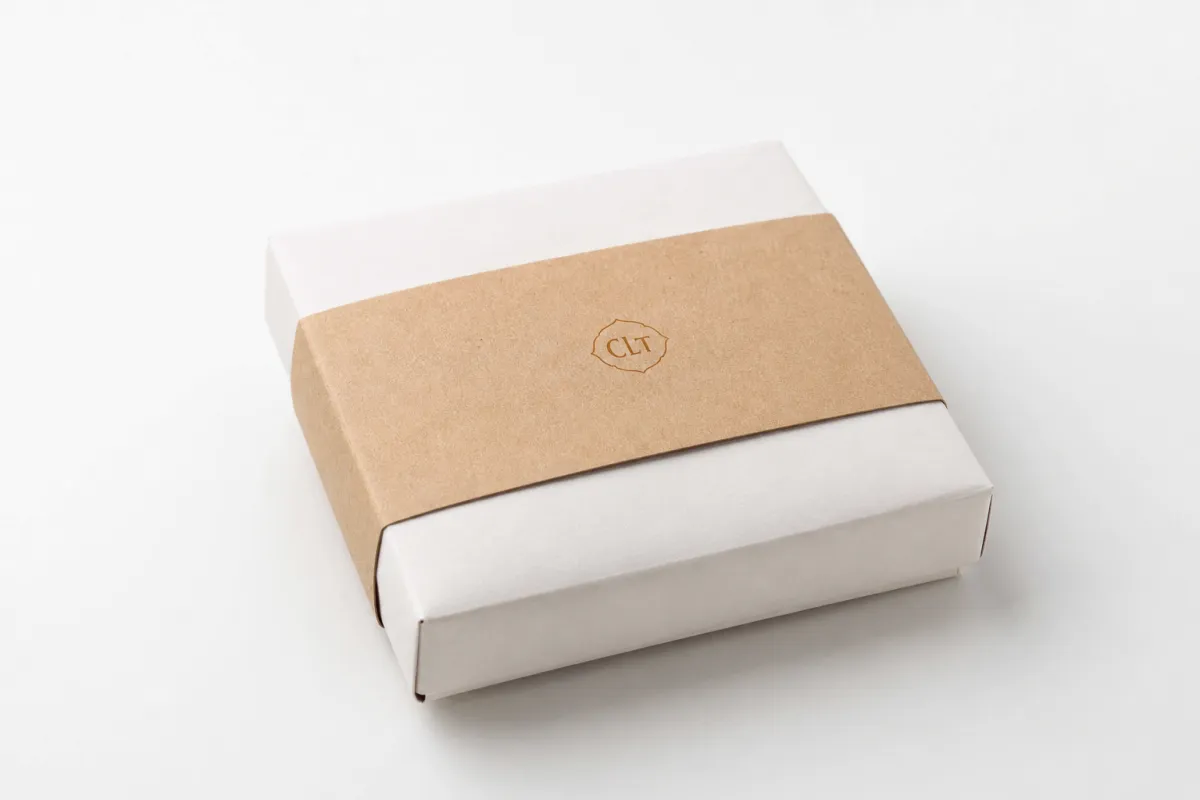
Set a kraft mailer beside a competitor’s fully printed carton and the louder package may not be the one that wins the eye. A cleanly executed wrap can feel more deliberate than a crowded print program when the band lands in the right place and the layout respects the object beneath it. The eye reads containment before it reads complexity. A strip around a box creates a frame, and frames pull attention with very little effort.
That is the core advantage of custom kraft belly bands. They use a small amount of material to create a strong visual cue. Too many brands spend money adding layers that increase weight without adding meaning. A good band does the opposite. It tells the customer where to look, what matters, and how the package should be handled. For seasonal bundles, product launches, or limited runs, that clarity often works harder than a crowded graphic system.
Kraft also brings a kind of material honesty that people notice even when they cannot name it. The brown tone, fibrous texture, and matte finish create a grounded look that suits natural products, specialty food, apparel, candles, and wellness goods. It is not flashy. That is part of the appeal. Premium packaging has moved closer to restraint in many categories, and kraft sits comfortably in that shift. I have seen buyers react to a sample with a surprising amount of certainty here: the plainest version often feels more premium because it looks resolved instead of busy.
Custom kraft belly bands also support package branding without hiding the container itself. The base box, pouch, or sleeve keeps doing the structural work while the band carries the message. That split is useful. A brand can keep the core pack simple and use the band for seasonal campaigns, SKU changes, or language-specific versions without redesigning the whole system. For teams running multiple lines, that modularity saves time and reduces waste in the approval cycle.
The sustainability story needs a careful reading, not a lazy one. Kraft paper does not earn a green halo just by being brown. Heavy ink coverage, laminated finishes, plastic-backed adhesives, and mixed-material builds all change the outcome. Still, custom kraft belly bands often fit low-waste packaging goals better than a full decorative sleeve or a multi-component insert system. If the brief calls for less filler, less plastic, and less overpackaging, a paper band is usually an easier case to make. That is kinda the point: simple is only useful if the details stay disciplined.
“A package does not need to be loud to look premium. In category after category, the strongest solution is the one that creates order with the fewest parts.”
Brands comparing Custom Printed Boxes with simpler wrap systems should think about hierarchy. A fully printed carton can compete with the product itself. A kraft band lets the container stay visible while still making ownership clear. That matters in retail packaging, especially when the product already has a strong shape, color, or texture. In those cases, the band should frame the object, not bury it.
If the packaging brief asks for cleaner presentation, faster assembly, and fewer materials, custom kraft belly bands belong in the first round of discussion. They are not a decorative afterthought. They are a controlled branding layer, and in the right application, they can outperform larger packaging investments simply because they are more focused.
What Are Custom Kraft Belly Bands?
At the simplest level, custom kraft belly bands are paper strips wrapped around a product, box, pouch, sleeve, or bundle to keep pieces aligned and add branding or information. They function like a paper belt. The job is straightforward: hold components together, create a branded face, and leave room for a logo, ingredient note, QR code, campaign line, or compliance label.
The stock matters more than many buyers expect. Kraft paper can be uncoated, recycled-content, bleached, or lightly coated, and each choice affects print quality, stiffness, and handling. A 14pt or 16pt paperboard band usually feels more rigid, while a lighter paper stock folds and wraps more easily. The right pick depends on the product surface, the closure method, and the visual goal. If the band has to sit flat across a premium carton, heavier stock usually behaves better. If it needs to wrap a bundle of soft goods, a more flexible paper can be easier to handle.
Custom kraft belly bands show up across a wide set of packaging formats. Subscription kits use them to keep inserts and products aligned. Bakeries use them on boxes or wraps where the brand needs to show through without overprinting. Apparel brands use them for folded garments, tissue bundles, and gift sets. Candle and cosmetics brands use them to turn a plain shipper into a presentation piece. Sample packs and seasonal boxes use them because a band can change quickly without reworking the entire pack structure.
They are also useful because they do not pretend to be structural packaging. That distinction matters. A belly band is a presentation and organization tool, not a crush-resistant shell. If the package must protect fragile contents in transit, the outer carton, interior fitment, or insert does that job. Custom kraft belly bands should be specified with that reality in mind. Expecting a paper wrap to perform like a box is a common mistake, and it usually shows up at the worst time: after the run is already approved.
For many brands, custom kraft belly bands sit in the space between a label and a full secondary package. A label can be too small to hold meaningful messaging. A full wrap can be too expensive or too material-heavy. The band bridges that gap. It gives the brand more real estate than a sticker and less baggage than a sleeve. That is one reason they appear so often in branded packaging discussions for direct-to-consumer and retail programs alike.
The difference between a useful band and a generic strip usually lives in the spec. Width, grain direction, fold allowance, closure style, and print placement all shape the result. A band that looks perfect in a PDF can behave poorly on a real carton if the wrap path is not measured correctly. Experienced packaging teams tend to slow down here, not speed up. That patience pays off later.
For brands exploring a wider packaging system, Custom Packaging Products often work best when the belly band is treated as part of a family, not as a one-off piece. The same visual language can carry through labels, inserts, sleeves, and folding cartons. Consistency across those pieces is what makes a package feel planned rather than patched together.
How Custom Kraft Belly Bands Work in the Packout Process
The packout process is where custom kraft belly bands stop being a concept and become part of the line. The workflow usually starts with final dimensions. You measure the wrap path around the product or carton, decide where the seam should land, and then add the overlap needed for sealing, locking, or gluing. That measurement step matters more than the graphics file. If the band is off by even a few millimeters, the result can look loose, skewed, or unfinished. On a busy line, that tiny error is gonna show up immediately.
Once the size is locked, the artwork is built to fit the dieline. For custom kraft belly bands, the layout should respect fold lines, seam zones, and any areas that disappear after the wrap is closed. Good artwork does not just look attractive on a monitor; it anticipates how the band will sit on the package. If a logo lands at the seam or a QR code crosses a fold, the result can be hard to read or simply awkward.
Printing and cutting usually happen before finishing. After that, the band may ship flat for manual assembly or pre-folded for a faster packout. The closure method affects line speed more than many teams expect. A simple overlap can move quickly if the crew uses a consistent hand placement. An adhesive strip can save time in higher-volume operations. A sticker seal adds a visible closure point that can double as a brand marker. Tab-locks and friction fits reduce glue use, but they can slow assembly if tolerances are tight.
Closure Choices That Affect Line Speed
Overlaps remain common because they are easy to spec and easy to explain. Glue strips can look tidy, though they require accurate placement and a dependable adhesive. Stickers are flexible and often favored for smaller runs, but they introduce another consumable item. Tab-lock closures work well for presentation-heavy packaging where the seam should avoid tape or glue. Each option changes how custom kraft belly bands behave on the line.
The tradeoff is simple: the more integrated the closure, the more controlled the presentation; the more manual the closure, the more flexible the packout. There is no universal winner. A boutique candle launch may accept slower hand assembly because the unboxing moment matters. A fulfillment-heavy apparel program may choose an adhesive-backed band because speed matters more than ceremony. In both cases, custom kraft belly bands can work well if the spec matches the labor model.
That is why teams should test the band in the actual packout environment instead of only looking at a table sample. A band can look straight on a carton and then slide on a glossy box, buckle over a soft mailer, or catch on a corner radius. A few minutes of practical testing usually reveals the trouble spots a digital proof will miss. It is one of the cheapest ways to avoid a bad run.
Custom kraft belly bands can also replace other finishing steps. In some programs, they take the place of a separate insert card because the band carries the brand story and a short message. In others, they replace an outer label by unifying SKUs under one visual system. They can even reduce the need for a full printed sleeve when the goal is to identify a bundle rather than cover the entire surface. That is why they fit so well into leaner product packaging systems.
For brands managing seasonal drops or fast-moving product lines, custom kraft belly bands are especially useful because they are easier to update than a full carton program. One approved base package can support multiple campaigns by swapping the band art. That makes them a practical tool for package branding, not only a stylistic one.
Seam alignment is the small detail that separates clean work from careless work. If the closure lands on the most visible face, it needs to look intentional. If it sits at the back edge, it has to stay put. That is the difference between packaging that feels designed and packaging that feels assembled.
Custom Kraft Belly Bands Cost, MOQ, and Pricing Drivers
Pricing for custom kraft belly bands usually follows the same pattern as other print jobs: size, stock choice, print coverage, color count, finishing, cut complexity, and quantity. The more unusual the spec, the more the unit price tends to climb. A plain kraft band with one-color printing and a clean rectangular shape can be relatively economical. A band with full ink coverage, specialty coating, or a die-cut shape will usually cost more.
As a rough working range, smaller runs can sit around $0.20-$0.60 per unit, while larger runs often come down once setup is spread across more pieces. The exact figure varies by size and print method, but the range gives buyers a useful first reference point. For teams comparing custom kraft belly bands to full printed cartons, the difference can be meaningful. A carton program may use more board, more ink, more freight, and more inventory space. A belly band often trims those costs while still carrying the brand.
MOQ comes next. Many printers set minimums based on press setup, sheet size, and finishing equipment. Lower quantities are possible, but the economics shift quickly. The setup cost has to land somewhere, and if fewer pieces are ordered, each one absorbs more of it. That is why short-run custom kraft belly bands work well for launches yet can be less attractive for steady replenishment unless the supplier offers digital printing or a lower-tooling path.
| Option | Typical Unit Cost | Strengths | Tradeoffs |
|---|---|---|---|
| Plain custom kraft belly bands | Lower, especially at volume | Simple spec, fast production, easier material recovery | Limited print impact, less premium finish |
| Custom kraft belly bands with full-color print | Moderate | Stronger branding, better shelf visibility, flexible messaging | Higher ink use, color control matters more |
| Custom kraft belly bands with coating or specialty finish | Higher | Better scuff resistance, more polished presentation | Can add cost and complicate recyclability |
| Die-cut or tab-lock bands | Moderate to higher | Cleaner closure, distinctive construction, less tape dependence | More tooling or setup, tighter tolerances required |
Shipping and waste reduction matter too. Because custom kraft belly bands are lightweight, freight impact is usually modest compared with heavier packaging systems. Freight is only part of the picture, though. If a band removes the need for an inner tray, a printed insert, or a larger carton, the total program cost can drop even when the unit price rises slightly. Packaging buyers who stare only at the print line item sometimes miss the larger arithmetic.
There is a sustainability-cost overlap here as well. A material-efficient design reduces packaging waste and makes storage, handling, and disposal easier to manage. It is not a magic savings lever, but it is real. A good band is small, useful, and easy to count. A bad package system creates hidden costs in overordering, excess inventory, and shipping inefficiency.
For brands comparing options, it helps to request a quote that separates size, stock, print method, finishing, and quantity tiers. That gives a cleaner view of what is driving the price. If the supplier only provides a single lump sum, it is harder to tell whether the number is being pushed by artwork complexity or by setup labor. With custom kraft belly bands, that difference matters.
Custom Packaging Products can also help frame the choice when the real question is not just whether to use a band, but whether to use a band, sleeve, or full carton. The right answer usually depends on how much information the package must carry and how much assembly time the team can tolerate.
Production Steps, Proofing, and Turnaround Timeline
Production for custom kraft belly bands usually follows a familiar path: spec sheet, dieline, artwork setup, proofing, press run, cutting, finishing, packing, and shipment. That sequence sounds tidy on paper. The schedule changes fast when any piece is unclear. The quickest jobs tend to be the ones with stable dimensions and finished artwork that already fits the die.
The spec sheet should be more than a size note. It should capture the exact wrap measurement, overlap allowance, stock type, print side, finish, closure method, and packout intent. If the band wraps a box, a pouch, or a bundle, say so. If the seam must land on the back edge, say that too. Small details like that cut down on back-and-forth during proofing and reduce the chance of rework later.
Proofing is where many delays begin. Missing dimensions, unresolved bleed issues, low-resolution logos, and color corrections can all slow things down. The proof is not a checkbox. It is the moment to see whether the band reads correctly at actual size. A logo that feels balanced on screen can look cramped once wrapped around a real package. That is especially true for custom kraft belly bands, because kraft stock can mute fine detail and shift the visual weight of the layout.
What Usually Slows a Job Down
Artwork revisions after proof approval are the usual culprit. Changing the seam position after the die has been prepared is another. Asking for a finish that needs extra drying or curing time can also push a job off schedule. If the vendor is printing on a standard production calendar, a late change can shove the order behind other work in the queue. Packaging teams should treat proof approval as a real checkpoint, not a casual reply thread.
Turnaround varies, but a stable custom kraft belly bands order can often move through production in about 12-15 business days after proof approval, with shipping added separately. Faster timelines are possible for simpler jobs or repeat runs. More complex versions, especially those with special finishes or custom closure systems, need more buffer. If a launch date is fixed, ask for separate timelines for proofing, manufacturing, and transit so the total lead time is visible.
That breakdown matters because some vendors quote only press time and leave out prepress and shipping. Buyers then assume they have a short lead time and discover, too late, that the actual calendar is longer. A transparent schedule is one of the clearest signs that the supplier understands packaging operations, not just print output. It also helps the team coordinate with fulfillment, warehousing, and launch marketing.
Quality checks should happen at more than one stage. A pre-production sample is useful when the volume or application matters. A simple sample can catch fit issues, seam drift, or color problems before a full run is approved. For custom kraft belly bands, that sample often shows whether the chosen stock feels right against the package surface. Sometimes a band is technically correct but visually too thin, too flexible, or too dark. Better to learn that before the press run.
From a standards perspective, many packaging teams look to sources such as ISTA for transport testing and FSC for responsible fiber sourcing. Those references do not replace a proper packaging spec, but they help anchor decisions in recognized expectations. For broader material and recovery guidance, the EPA sustainable materials page is useful when teams are reviewing waste and disposal implications.
Common Mistakes With Custom Kraft Belly Bands
The most common mistake is sizing the band from a guess instead of the actual package. A band that is too tight can buckle, split, or stress the seam. A band that is too loose can rotate and make the package look careless on shelf. With custom kraft belly bands, fit is not a minor detail. It is the difference between a clean framing device and a strip that reads as rushed.
Another frequent problem is weak contrast. Kraft backgrounds can mute certain color palettes, especially pale tones, low-saturation neutrals, and fine type. Designers sometimes approve artwork on a bright screen and miss how much the substrate changes the final result. If the brand uses soft beige, light gray, or washed-out green, the band may lose legibility. Stronger type, simpler layouts, and darker spot colors usually perform better.
Finishing choices can also undermine the project. Too much coating can create a prettier surface while complicating recycling goals or changing the feel of the band. Too little protection can leave scuffs, rub marks, or ink transfer during handling. The packaging team has to balance appearance with real-world wear. A band that photographs beautifully but fails in a shipping tote is not doing its job.
There is also a testing blind spot. Teams often approve custom kraft belly bands on a flat mockup and never test them on the actual box, carton, pouch, or bundle. That is risky. The package surface may be more slippery than expected. The corners may be sharper. The stack height may alter wrap tension. Even the line speed can change whether the band sits straight. If the job will be packed by hand, the test should reflect hand assembly. If it will run through a repeated motion on a line, the test should reflect that rhythm.
“A belly band can look perfect in a PDF and still fail in production if the seam lands wrong, the stock is too soft, or the wrap path was measured loosely.”
Some brands also ask custom kraft belly bands to do too much. If the package needs structural protection, tamper evidence, marketing copy, and transit durability, the band alone will not solve the brief. It may still belong in the system, but it should sit alongside the right carton or insert. Good packaging design knows what each part should do and what it should not.
Overcomplication is another problem. The more special elements added to custom kraft belly bands, the more likely the project drifts away from the low-waste, simple look that made the format appealing in the first place. Metallic inks, heavy lamination, and intricate cutouts can work in some branded packaging programs, yet they change the economics quickly. A restrained band often looks more confident than an overworked one.
Teams comparing custom kraft belly bands against other finishing methods should also think about maintenance. A label can be cheap but visually small. A sleeve can look polished but take more time to assemble. A full printed carton can be strong but expensive to change. Many of the best packaging decisions are not about perfection; they are about choosing the least problematic option that still supports the brand. That is a more realistic way to approach product packaging.
Expert Tips and Next Steps for Custom Kraft Belly Bands
The smartest way to start with custom kraft belly bands is to sample one size, one closure style, and one print approach before committing to volume. That sounds basic because it is. A sample gives you the real surface, the real feel, and the real fit. It also forces the team to answer practical questions early: Does the band slide? Is the seam visible? Can the packing crew assemble it without slowing down?
Next, build a measurement checklist. Include product width, wrap circumference, overlap allowance, seam location, material thickness, and whether the band sits around a box, pouch, or bundle. If the package has irregular corners or tuck flaps, note them. A band around a straight-sided carton behaves differently from one wrapped around a soft mailer. The more specific the checklist, the fewer surprises in production.
Brands should also compare supplier options before finalizing the spec. Ask about stock weight, print method, turnaround timing, quantity tiers, and finishing choices. A vendor who can explain those tradeoffs clearly is usually a better fit than one who speaks only in vague promises. For custom kraft belly bands, clarity matters more than sales polish. You want a partner who can tell you which choices affect cost, which affect look, and which affect throughput.
On the sustainability side, keep the requirements practical. If curbside-friendly packaging matters, ask what inks, coatings, and adhesives are being used. If recycled content matters, ask for the paper basis weight and fiber composition. If certification matters, ask about FSC sourcing. The goal is not to collect buzzwords. The goal is to make sure the materials match the brand promise. A narrow, well-made band with the right paper and minimal finishing often communicates that promise better than a loud but wasteful package.
There is also a branding strategy worth keeping in mind. Custom kraft belly bands work best when they reinforce a packaging system rather than try to carry the whole identity alone. Pair them with a consistent box size, a disciplined type system, and a limited color palette. That combination can make even modest packaging feel controlled and premium. It is a small-format tool with an outsized effect when used well.
For teams building a broader branded packaging program, it helps to think in layers: outer container, presentation layer, message carrier, and shipping protection. Custom kraft belly bands usually sit in that message-carrier slot. They are especially good at telling the customer what this product is, why it matters, or what to do next. That makes them useful for launches, bundles, subscription boxes, and retail sets where the unboxing moment matters but the budget remains under pressure.
If you are ready to move from concept to production, gather the dimensions, define the packout method, confirm sustainability requirements, and request a quote that separates setup from unit cost. Then test the final custom kraft belly bands on the actual product before approving the full run. That last step sounds small. It is not. It is the difference between a package that photographs well and a package that performs well.
The best takeaway is practical: start with the real object, not the mockup. Measure the package, choose the closure that fits the labor model, and ask for a sample before you lock the order. Custom kraft belly bands do not need drama to work; they need accurate sizing, honest material choices, and a seam that behaves in the real world.
Frequently Asked Questions
How do custom kraft belly bands size correctly for different box styles?
Measure the full wrap path around the product or carton, not just one side, and add overlap for sealing or seam alignment. Then test the band on the exact box style you plan to ship, because tuck flaps, corners, coatings, and even minor board differences can change the fit. A mockup or sample is usually the fastest way to confirm that custom kraft belly bands sit straight and stay put during handling.
Are custom kraft belly bands recyclable with the package?
Often yes, if the band is made from plain kraft stock and uses minimal coatings, inks, or adhesives. Recyclability can drop if you add heavy lamination, foil, plastic film, or aggressive adhesive strips. If sustainability is a priority, ask the supplier which print and finish combinations keep custom kraft belly bands closest to curbside-friendly material. Local rules still matter, so a supplier answer should not be treated like a universal guarantee.
What affects custom kraft belly bands pricing the most?
The biggest cost drivers are size, quantity, print coverage, number of colors, and any special finishing steps. Low quantities usually cost more per unit because setup and tooling are spread across fewer pieces. Shipping weight is usually modest, so design and production choices tend to matter more than freight for total program cost. That is why custom kraft belly bands can be economical in volume but surprisingly expensive if the spec keeps changing.
What MOQ should I expect for custom kraft belly bands?
MOQ depends on the printer, but many suppliers set minimums based on sheet size, press setup, and finishing equipment. Short runs are possible, but they can raise the unit cost substantially compared with standard production quantities. If you need a low-volume launch, ask whether the vendor offers digital printing or shared tooling options for custom kraft belly bands. Those routes are not always available, but they are worth asking about early.
How long do custom kraft belly bands take from proof to delivery?
Simple jobs can move quickly once artwork is approved, but the total schedule depends on proofing, production, cutting, and shipping. Expect longer timelines when the artwork is still changing, the closure is custom, or the finish requires extra steps. To avoid surprises, ask for separate timelines for proof approval, manufacturing, and transit before you place the order for custom kraft belly bands.


