Buyer Fit Snapshot
| Best fit | Custom Kraft Box Sleeves Wholesale for Sustainable Brands projects where brand print, material claims, artwork control, MOQ, and repeat-order consistency need to be specified before quoting. |
|---|---|
| Quote inputs | Share finished size, material target, print colors, finish, packing count, annual reorder estimate, ship-to region, and any compliance wording. |
| Proofing check | Approve dieline scale, logo placement, barcode or warning zones, color tolerance, closure strength, and carton packing before bulk production. |
| Main risk | Vague material claims, crowded artwork, missing packing details, or unclear freight terms can make a low unit price expensive after revisions. |
Fast answer: Custom Kraft Box Sleeves Wholesale for Sustainable Brands should be specified like a repeatable production item. The safest quote records material, print method, finish, artwork proof, packing count, and reorder notes in one written spec.
Production checks before approval
Compare the actual filled-product size with the drawing, then confirm tolerance on folds, seals, hang holes, label areas, and retail display edges. Reserve space for logos, QR codes, warning copy, and material claims before decorative graphics fill the panel.
Quote comparison points
Review material grade, print process, finish, sampling route, tooling charges, carton quantity, and freight assumptions side by side. A quote is only useful when the supplier can repeat the same color, closure quality, and packing count on the next order.
Buying custom kraft Box Sleeves Wholesale is a practical way to improve packaging without throwing away a carton structure that already works. Keep the folding box. Add a printed kraft sleeve for shelf presence, seasonal messaging, or a sharper brand read. That move can save time, avoid a full structural redesign, and still make the pack look like somebody planned it.
There is nothing flashy about that strategy, which is exactly why it works. A sleeve ships flat, prints efficiently, and gives you a controlled place for the logo, product name, barcode, and compliance copy. For a buyer staring at a shelf reset, a new flavor launch, or a retailer asking for cleaner branding, that is useful. No drama. Just a packaging piece that does its job.
From the buyer side, the appeal is pretty straightforward. One printed component can change the whole retail read of the pack. A kraft sleeve adds a tactile paper finish and a visible front panel, while often using less board and less ink than fully printed custom cartons. That can make the math easier before anyone gets attached to a fancy mockup.
Why custom kraft box sleeves wholesale are the smart first upgrade
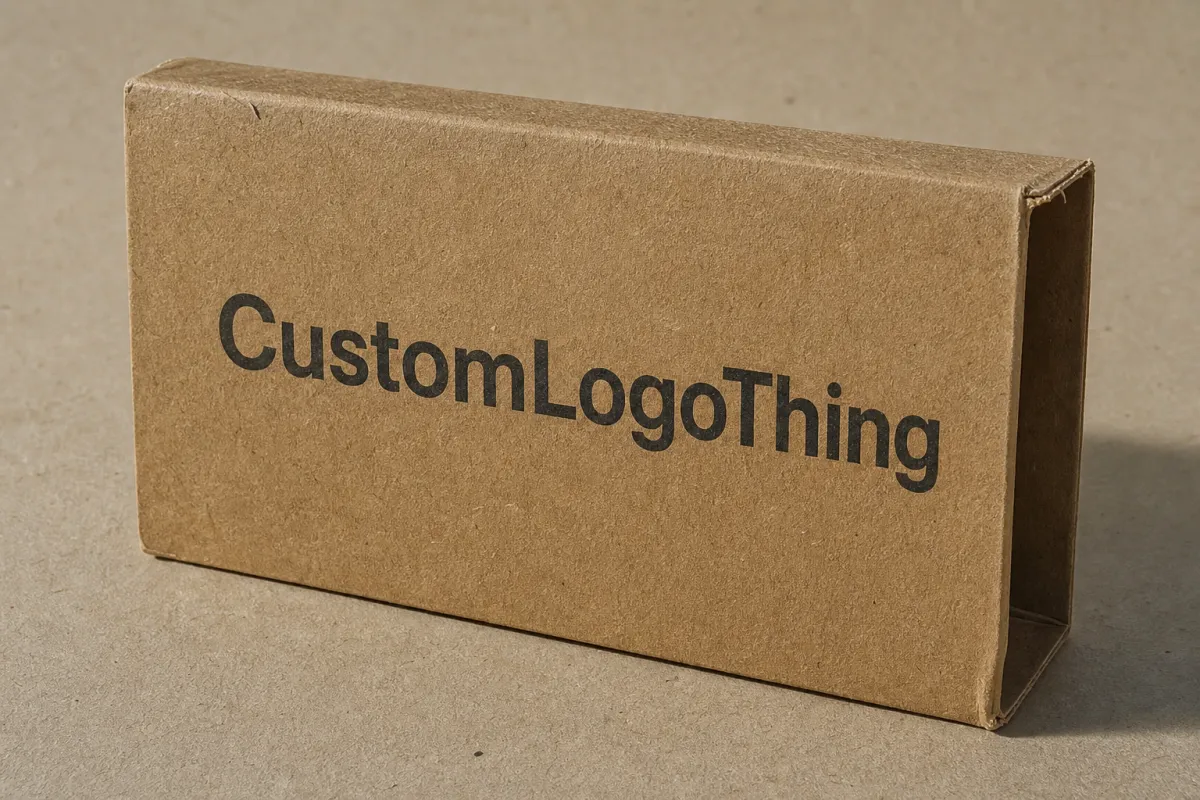
The best packaging improvements protect what is already working. If the folding carton holds the product safely, stacks cleanly, and opens the way it should, the sleeve can carry the branding work without touching the base structure. That is the real value of custom kraft Box Sleeves Wholesale programs. The outer look changes. The carton stays standard. Nobody has to pretend a full redesign was necessary.
This is especially useful for brands that change graphics often. A tea company with six seasonal flavors does not want to rebuild a box every quarter. Neither does a candle brand testing scent names, or a supplement brand that needs room for regulatory copy in different markets. A sleeve lets the base carton stay fixed while the visible message changes. That means less inventory complexity and fewer moving parts for operations.
Cost is part of the decision, and it matters. A sleeve usually uses a smaller print area than a full carton wrap, which can reduce ink coverage, simplify prepress, and cut board usage. It is not free. Nothing is. But compared with a full custom carton program, the price can be much easier to justify. That is the difference between packaging that looks expensive and packaging that is expensive.
Kraft stock adds another layer. It gives the pack a natural, grounded look that many shoppers now read as honest rather than overly polished. The brown surface works well with restrained graphics, black type, deep green, muted red, and other earthy palettes. Bright white and neon can still work, but they behave differently on kraft and should be proofed on the actual stock. Screen color is not the same thing as printed color. That lesson never gets old.
For many brands, sleeves sit in the middle ground between plain stock cartons and fully customized premium packaging. They make sense when product lines change often, when artwork gets refreshed seasonally, or when one sleeve format needs to cover a family of SKUs. The result is a piece of product packaging that feels deliberate without locking the business into a complicated carton program.
Helpful reference: if the goal is to simplify sourcing while keeping the pack polished, sleeves often sit in the same decision set as broader wholesale packaging choices and other Wholesale Programs for retail-ready cartons and inserts.
If the carton is already doing the structural work, the sleeve should carry the branding work. That is usually the cleanest split, and the cheapest one to keep consistent.
What custom kraft box sleeves include and how they are built
A box sleeve is usually a printed wrap that fits around an existing carton, tray, tuck box, or inner pack. Depending on the application, it may be a simple open-ended band, a longer wrap with a lock seam, or a form-fitted sleeve with a window, thumb notch, or display cut. The sleeve has to match how the carton is filled, closed, displayed, and shipped. If that part is wrong, everything after it gets harder.
Material choice changes both feel and performance. Light kraft paperboard, often around 14pt to 16pt or roughly 250 to 300 gsm, works well for cost-conscious branding on cartons that already have enough rigidity. Heavier board, sometimes closer to 18pt to 24pt, gives the sleeve a firmer presentation and helps it resist curl, edge crush, and dings in transit. The right spec depends on carton size, shipping conditions, and how much structure the sleeve needs to provide at shelf level.
Print method matters just as much as stock. Short runs often use digital printing, which fits prototypes, multiple small versions, or launches still being tested in market. Larger wholesale runs may move to offset or flexographic printing, especially when the artwork is stable and the quantity can spread out setup cost. On kraft, the substrate changes color behavior. Deep navy may read softer. White areas can pick up warmth. A one-color layout can look especially strong. Proofing on the actual board beats judging from a monitor every time.
Finishing should stay aligned with the brand and the recycling goals. A matte appearance is common, and aqueous coating is often used when extra rub resistance is needed without adding much complexity. Embossing and debossing can add texture in a controlled way. Foil should usually be used sparingly so the sleeve does not drift away from the natural kraft character. Window cuts, slits, and thumb notches can help when the product needs visibility or easier access. A well-built sleeve feels finished, but it should still assemble quickly and sit square on the carton.
For brands comparing different Custom Packaging Products, sleeves are often the easiest place to start because they can be adapted around existing inventory. That makes them useful for test launches, promotional sets, and product packaging that needs frequent messaging changes without a full packaging line overhaul.
| Build option | Best fit | Typical stock | Indicative unit range at 5,000 pcs | Practical notes |
|---|---|---|---|---|
| Light kraft wrap sleeve | Standard folding cartons, lighter retail goods | 14pt-16pt kraft board | $0.14-$0.28 | Lowest material use; best for simple graphics and a clean fit |
| Heavier presentation sleeve | Premium retail packaging, higher shelf pressure | 18pt-24pt kraft board | $0.22-$0.42 | Better stiffness and edge control; useful on larger cartons |
| Window or die-cut sleeve | Products that need visibility or finger access | 16pt-20pt kraft board | $0.26-$0.48 | More tooling and setup, but helpful when display matters |
| Full-color branded sleeve | Marketing-driven launches and seasonal refreshes | 16pt-18pt kraft board | $0.20-$0.40 | Needs careful proofing because kraft shifts color output |
The table above is a planning guide, not a fixed quote. Real pricing depends on size, print coverage, finishing, quantity, and how much tooling the design needs. Even with those variables, the pattern is clear: sleeves often deliver a visible upgrade in retail read without the same cost burden as a full custom carton program. That is why they stay popular with procurement teams and brand managers who need practical wins, not theory.
Specifications buyers should confirm before ordering
The fastest way to keep a sleeve project moving is to lock down measurements before artwork gets too far along. A supplier needs the carton length, width, and depth, but that is only the start. For a real fit, you also need the sleeve wrap length, seam overlap, fold locations, and the exact position of any opening, display panel, or access notch. If the carton has a tuck flap or locking tab, call that out early. It changes how the sleeve slides on and where the artwork should stop.
Board weight and caliper deserve attention because they affect both appearance and line performance. A sleeve that is too light can bow, crease, or wrinkle in transit, especially if it is shipped flat in a master carton and then handled repeatedly at the packing station. A sleeve that is too heavy may feel premium, but it can also create fit problems, add cost, or slow assembly if the carton has tight tolerances. The right spec usually balances print appearance, structural feel, and smooth handling.
Artwork requirements should be settled before approval, not after. That means bleed, safe area, barcode placement, small-text legibility, dieline format, and whether the design has to support multiple SKUs or language versions. A barcode sitting too close to a seam can scan poorly. Small legal text on kraft can fade into the board if contrast is weak. If the design must support variable data, build that into the file structure before production starts. Fixing it later costs more than it should and usually creates a bad mood in the process.
Sustainability questions belong on the quote request. Ask about recyclable material choices, FSC sourcing, water-based ink options, and whether any coating or special finish could affect recovery in the target market. The best reference points for this kind of packaging decision are usually industry guidance from groups such as ISTA for transit testing and FSC for responsible fiber sourcing. Those standards do not replace a practical packaging review, but they do give the conversation structure and help buyers ask better questions.
Shipping and assembly details matter too. A sleeve that looks fine in a flat sample may behave differently if it is packed 500 units per carton, stored in a humid warehouse, or hand-applied on a fast line. Confirm the shipping method, master carton count, and acceptable tolerance range so the sleeve performs in the real production environment, not only in the mockup stage. That matters even more for retail packaging programs that need repeatable results across multiple facilities or co-packers.
Pricing, MOQ, and quote details
Pricing for custom kraft box sleeves wholesale usually comes down to a few core drivers: sleeve size, board weight, print coverage, number of colors, finishing complexity, quantity ordered, and whether you are ordering one artwork version or several. A simple one-color sleeve on standard kraft stock can be very different from a full-color, die-cut program with a window, coating, and multiple SKU versions. The more the sleeve has to do, the more the unit cost moves.
Minimum order quantities depend on the production method. Digital printing is often the most flexible for prototypes and short runs, which helps when a brand is testing a new flavor, scent, or seasonal line. Offset and flexographic methods usually become more cost-efficient as volume rises because setup costs spread across more units. That is why two quotes for the same design can look very different if the quantities or print processes are not aligned.
Buyers sometimes compare sleeve pricing against full carton pricing in isolation, but that only tells part of the story. The better comparison is total packaging economics. If the brand can use a standard carton under the sleeve, the sleeve may reduce inventory complexity and keep the underlying box cheaper to replenish. It may also cut storage pressure because the same carton can support multiple product versions with different outer graphics. Those savings often matter as much as the unit print price.
To get an accurate quote, send the finished dimensions, quantity, artwork files or a clear mockup, material preference, finish preference, shipping destination, and target launch date. If you are not sure about the finish yet, say so. A good supplier can usually suggest a simpler spec that still reaches the same presentation goal without adding unnecessary cost. That kind of packaging guidance matters when a project has to move quickly and stay within a fixed budget.
Cost control is usually easier when the design is disciplined. Simplify the print area if possible, reduce the number of ink colors, and confirm whether standard kraft stock can achieve the right look before asking for special coatings or custom blends. A restrained design often performs well on kraft anyway, because the natural paper surface becomes part of the brand story instead of something the print has to hide.
Process and timeline for wholesale sleeve orders
A good wholesale sleeve order follows a predictable path. It starts with the spec review, then moves into quoting, dieline or template confirmation, artwork adjustment, proof approval, production, finishing, packing, and shipment. The earlier the measurements and artwork are clean, the easier it is to keep the job moving. Most delays happen before the press ever starts, not during the actual production run.
The proof stage matters more than many teams expect. A flat proof may confirm linework and layout, but a press proof or material sample shows how the kraft color interacts with the artwork. That matters for brand colors, barcode contrast, small type, and any area where the design depends on a very clean read. If a sleeve wraps around a carton edge or seam, the proof should show that transition clearly so the final package does not surprise anyone on the packing floor.
Lead time is made up of several pieces, and they do not all move at the same speed. Material sourcing, prepress, printing, converting, quality checks, and freight each add their own window. A straightforward sleeve with one artwork version is usually easier to schedule than a multi-SKU launch with several size changes and special finishes. For planning, buyers should think in terms of both production time and transit time, especially if the shipment has to land before a retail reset or product launch.
Simple changes can also affect turnaround. Adding a second SKU might seem minor, but if it requires a new seam position or a different barcode zone, the file work can grow quickly. A foil accent or a window cut can add a separate tooling step. Even a small change to the carton footprint can force a dieline revision. That is why experienced teams lock the structural spec first and then build the artwork around it instead of trying to adjust both at once.
Rush options may exist, but the safest schedule is still the same: approve the measurements early, keep the files organized, and make final decisions before production begins. That discipline keeps custom kraft box sleeves wholesale programs from turning into a series of avoidable delays. A clean handoff from design to prepress to production is usually the difference between a smooth launch and a costly scramble.
A sleeve program runs best when the carton spec, artwork, and packing method are all approved together. Split decisions usually create rework.
Why choose us for sustainable sleeve production
For buyers who want a practical partner, the real test is not how many buzzwords show up on a quote sheet. The real test is whether the supplier can keep measurements consistent, print registration clean, die-cut accurately, and ship sleeves flat and ready for use. That discipline matters because wholesale packaging only helps when the packer can trust it every day on the line.
A strong production partner also keeps the project grounded in facts. If the artwork is too busy for kraft, that should be said plainly. If a heavier board would improve the shelf read without moving the cost much, that should be recommended. If a standard stock can do the job instead of a custom-made material, that should be discussed honestly. Buyers get better results when the recommendation starts with the carton, the application, and the budget, not with a generic pitch.
Recyclability support should be practical, not vague. That means choosing board that fits the target recovery stream, keeping the finish simple where possible, and avoiding unnecessary layers that add little value. For many brands, a plain kraft sleeve with water-based ink and a clean die-cut is the most sensible path because it preserves the natural fiber look while staying aligned with sustainability goals. The EPA's general guidance on sustainable materials management is a useful backdrop for those decisions, and it reinforces a simple point: using less unnecessary material often beats decorating excess into the package.
Communication and file handling are part of the service too. Wholesale buyers need quick answers on whether a dieline is correct, whether barcode placement is safe, whether a finish will affect recyclability, and whether a change will impact cost or lead time. That kind of responsiveness keeps the quote, proof, and final output aligned. It also reduces the risk of production surprises after approval, which is one of the most expensive problems in packaging.
Quality control closes the loop. Dimensional checks, print review, trim accuracy, and carton fit verification are not glamorous details, but they decide whether the sleeves run properly on the packing floor. If the sleeve is meant to support retail packaging at scale, those checks matter just as much as the design file. A supplier that treats them seriously is usually easier to work with over time, especially as the program expands across more SKUs or new seasonal variants.
That is also where broader packaging partnerships can help. Brands often begin with sleeves, then move into inserts, cartons, and display-ready formats as the line grows. Having access to coordinated Custom Packaging Products makes it easier to keep the look consistent while the assortment changes. For many teams, that is the point where package branding starts to feel organized instead of improvised.
Next steps to order the right sleeve spec
If you are ready to move, start with the carton dimensions, quantity, artwork, finish preference, and any sustainability requirement that matters to your customer base or retailer. Those five pieces give a supplier enough information to quote the job accurately and to suggest whether the first spec should stay simple or include extra finishing. A clean start usually saves more time than trying to refine the order after production has already been planned.
When possible, begin with one stable SKU or one retail pack size. That lets the team confirm fit, print appearance, and assembly speed before expanding the sleeve format across the rest of the line. A sample, dieline, or spec sheet can make internal approval much easier, especially if several people need to sign off on cost, operations, and design. The physical reference matters because packaging decisions are easier to settle when everyone is looking at the same structure.
From there, compare the sleeve against your current packaging setup in plain business terms. Does it improve the shelf read? Does it keep the carton recyclable in the target market? Does it reduce print cost, warehouse complexity, or artwork overhead? Those are the questions that should shape the decision. The best sleeve is not the fanciest one; it is the one that balances presentation, recyclability, and cost without creating unnecessary work for the packing team.
If you are comparing options right now, send the dimensions, quantity, artwork, and destination together so the quote can be matched to the actual project. That is the fastest route to a useful answer on custom kraft box sleeves wholesale, and it gives the production team enough detail to recommend the right board, print method, and finish for the job.
Frequently Asked Questions
What sizes do custom kraft box sleeves wholesale usually cover?
Sleeves are typically sized to the finished carton or tray they will wrap, so the key measurements are length, width, depth, and desired overlap. A proper dieline should also account for fold points, seam placement, and any opening needed for loading or display. If you already have a carton sample, sending the physical box often helps confirm fit faster than working from measurements alone.
What is the typical MOQ for custom kraft box sleeves wholesale?
MOQ depends on the print method, board selection, and whether the order uses one artwork version or several variants. Digital or prototype runs are usually more flexible, while offset and flexo programs often need larger quantities to stay cost-efficient. If you are unsure, ask for pricing at two or three quantity tiers so you can compare unit cost and storage needs.
Are kraft box sleeves recyclable?
Plain kraft sleeves with compatible inks and coatings are often recyclable, but the final answer depends on local recycling rules and the exact materials used. Heavy lamination, metallic effects, or mixed-material embellishments may change how the package is handled after use. If recyclability is a priority, ask for a material spec that keeps the structure simple and the finish clean.
How long does production take for wholesale sleeves?
Timeline usually includes proof approval, production, finishing, packing, and shipping, so the full schedule is longer than the press run alone. Simple jobs move faster than multi-SKU or highly finished orders, especially when artwork is finalized early. The best way to get an accurate lead time is to share quantity, specs, and destination together in the first quote request.
What should I send for an accurate quote on custom kraft box sleeves wholesale?
Send the carton dimensions, the quantity you need, and the artwork or a clear mockup of the sleeve layout. Include material preference, finish preference, any sustainability requirements, and the shipping destination. If you need a faster quote, note your target launch date and whether the order is for one SKU or multiple versions.
If the goal is a packaging upgrade that is practical, not decorative for its own sake, start with a standard carton, build the sleeve around exact measurements, and approve a physical proof on the actual kraft stock before artwork is locked. That sequence keeps custom kraft box sleeves wholesale projects on budget, on schedule, and much easier to repeat when the line expands.

