Buyer Fit Snapshot
| Best fit | Branded Box Sleeves Wholesale Order projects where brand print, material claims, artwork control, MOQ, and repeat-order consistency need to be specified before quoting. |
|---|---|
| Quote inputs | Share finished size, material target, print colors, finish, packing count, annual reorder estimate, ship-to region, and any compliance wording. |
| Proofing check | Approve dieline scale, logo placement, barcode or warning zones, color tolerance, closure strength, and carton packing before bulk production. |
| Main risk | Vague material claims, crowded artwork, missing packing details, or unclear freight terms can make a low unit price expensive after revisions. |
Fast answer: Branded Box Sleeves Wholesale Order: Pricing & Lead Time should be specified like a repeatable production item. The safest quote records material, print method, finish, artwork proof, packing count, and reorder notes in one written spec.
Production checks before approval
Compare the actual filled-product size with the drawing, then confirm tolerance on folds, seals, hang holes, label areas, and retail display edges. Reserve space for logos, QR codes, warning copy, and material claims before decorative graphics fill the panel.
Quote comparison points
Review material grade, print process, finish, sampling route, tooling charges, carton quantity, and freight assumptions side by side. A quote is only useful when the supplier can repeat the same color, closure quality, and packing count on the next order.
If you are planning a branded Box Sleeves Wholesale order, the first question is fit, not graphics. A sleeve can turn a plain shipping carton into retail-ready packaging with color, copy, and seasonal messaging, and it can do that without changing the carton structure or slowing the packing line.
Why Branded Box Sleeves Can Transform a Plain Carton
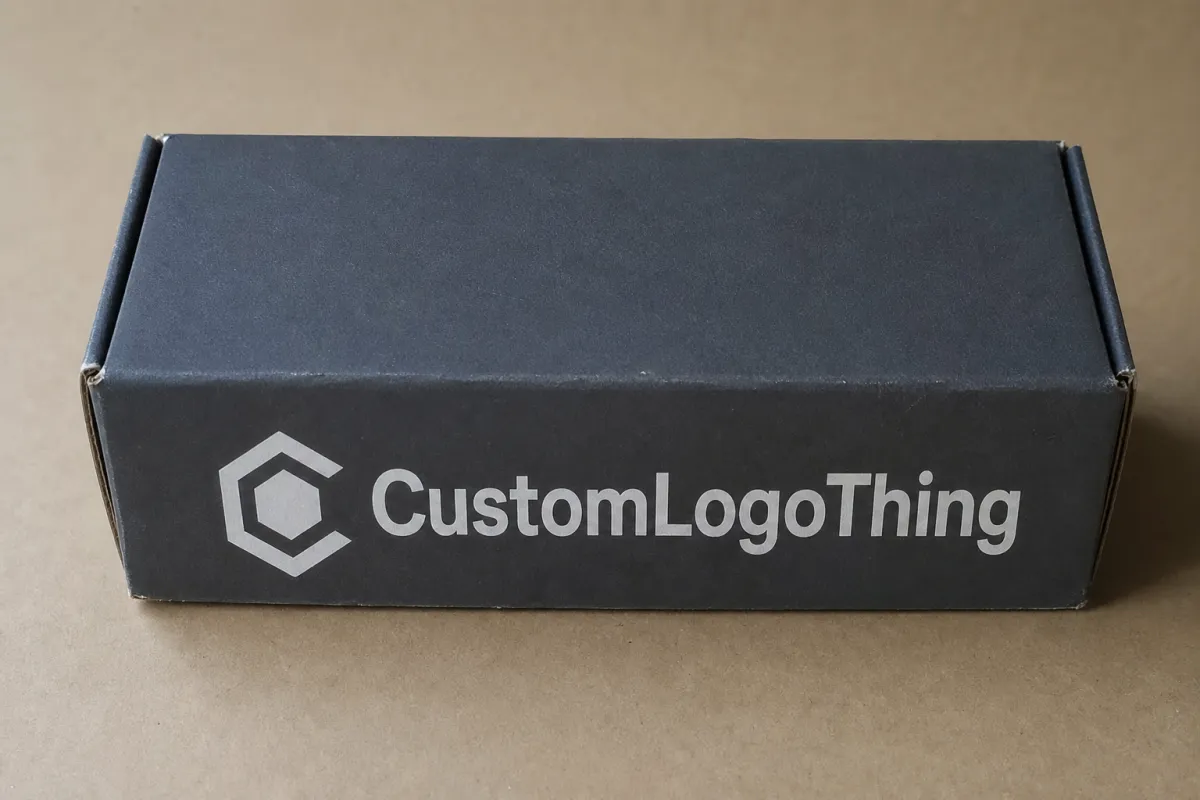
For a packaging buyer, the value is easy to see. One plain carton can do a lot of jobs if the sleeve carries the brand story. A standard kraft shipper or white mailer can become a retail pack, a seasonal kit, a product bundle, or a launch box with a printed wrap added on top. That is usually cheaper than redesigning the carton and far easier to phase in and out across a calendar of promotions.
Inventory pressure is the quiet reason sleeves stay attractive. Standardized cartons keep base stock simple, while sleeves handle the changes that make campaigns look new. A single carton size can support different languages, different product lines, or a short seasonal run without filling the warehouse with one-off packaging. For brands that move subscription kits, bundles, or families of products with similar dimensions, the sleeve keeps the system lean.
Shelf impact matters too. A cleanly printed sleeve gives you a front-facing brand block, product name, legal copy, and promo messaging without paying for a full Custom Printed Carton. That creates a clearer hierarchy than a label crowded onto a plain box. The difference can be subtle on a screen and obvious in a store. Buyers often notice it the moment a stack of plain shippers sits next to one with a strong sleeve.
Function still has to lead the design. A sleeve has to fit closely enough that it does not twist, gap, or ride up during handling. Barcode placement needs to stay readable if the package is scanned in fulfillment. Seals, tamper-evident closures, and inserts need their own space if they must remain visible. A sleeve does its job best when the line barely notices it.
That is where the business case becomes clearer than the artwork. A dependable sleeve program depends on repeatable fit, stable board stock, and predictable pack-out behavior. Those pieces stay useful long after the campaign changes. A packaging team can swap graphics far faster than it can redesign the carton every time a message shifts.
A sleeve earns its keep when it fits tightly, prints cleanly, and survives the way cartons are actually handled on the packing line and in transit.
If you are comparing packaging strategies, a broader view helps. Our Wholesale Programs page is useful for larger runs, and our Case Studies page shows how different packaging formats behave in real order flows.
Product Details: What to Specify Before You Order
The supplier needs the exact carton or tray the sleeve will wrap around. That means finished length, width, and depth, not just the flat blank size unless the sleeve is being built around a specific converted board layout. Board thickness matters too. A carton that looks right on paper can behave differently once you factor in caliper, flap construction, or how the box closes in production. A useful sleeve spec includes a tolerance range, not only one nominal measurement.
Coverage comes next. Does the sleeve wrap all four sides? Does it leave one panel open for a barcode, reuse instruction, or clear window? Is it a full belly band, a partial promotional wrap, or a more structural sleeve that helps hold an insert in place? Each choice changes the dieline, the scoring, and the amount of print area available for branding and compliance copy. It also changes how the sleeve feels during opening.
Application method deserves a clear answer too. Some sleeves ship flat for manual use, some arrive pre-glued and slide over the carton, and others are designed for assisted application on a line. That decision affects labor, freight efficiency, and the amount of handling the sleeves can tolerate before use. Flat sleeves save cube and ship well, but they ask for more labor at pack-out. Pre-glued sleeves can improve line speed, though they may add production complexity and alter carton counts per shipper.
Artwork details should be collected before the quote is approved. Send vector logo files, confirm Pantone or CMYK expectations, and point out where barcode symbols, QR codes, legal text, or SKU variants need to sit. If there are language versions, specify whether each language needs its own SKU or whether the same dieline will carry multiple panels with different copy. Early decisions keep proofing from turning into a long detour.
Use environment matters as well. A sleeve that sits only on a retail shelf can be lighter on durability than one moving through fulfillment centers, conveyor systems, and parcel carriers. If the sleeve will be stacked, palletized, and shipped long distances before reaching the end customer, edge crush resistance, score behavior, and scuff resistance move higher on the list. The use case should shape the specification, not the other way around.
For buyers who want a fast answer from a supplier, a short brief with these details is ideal:
- Carton size: finished L x W x D, plus tolerance range
- Sleeve coverage: full wrap, partial wrap, window cutout, or barcode opening
- Application method: flat, pre-glued, or assembly-ready
- Artwork assets: logos, fonts, barcodes, QR codes, and copy approvals
- Quantity mix: total units by SKU and by artwork version
- Use environment: retail display, warehouse fulfillment, subscription shipment, or promotional packaging
That kind of detail turns a general inquiry into a production-ready plan. It also cuts down the back-and-forth that often slows custom packaging projects.
Materials, Print Specs, and Finishes That Affect Performance
Material choice comes first because the board does more than hold ink. It affects scoring, folding, edge strength, and how well the sleeve resists wear during packing and transport. For many sleeve programs, paperboard in the 14pt to 24pt range or a similar folding carton stock works well. The right choice depends on carton size, expected handling, and whether the sleeve needs to protect anything or simply decorate the outer pack.
Coatings and surface treatments change appearance and handling in equal measure. Aqueous coating is common because it adds basic protection without much extra cost or weight. Matte lamination creates a softer, less reflective look and can improve scuff resistance. Gloss lamination gives brighter color and a more polished surface. Soft-touch finishes create a more premium tactile effect, though they add cost and can change how the sleeve slides over the carton. Foil stamping and spot UV can sharpen the brand presence, but they work best with restraint.
Print method matters too. Digital printing often fits shorter runs, multiple artwork versions, or launches with tight timing because setup is lighter and changeovers move faster. Offset printing usually makes more sense at larger quantities and tends to suit brands that need consistent color across big batches or dense ink coverage. Neither method wins every time. The better choice depends on order size, color complexity, and whether speed or scale matters more for the project.
There are details that do not show up in a mockup but matter on the floor. Score depth needs enough consistency for the sleeve to fold cleanly without cracking. Glue-zone placement needs to stay away from printed areas that would be visible on the finished pack. Registration tolerance matters if the design uses tight borders, small type, or aligned panels. If the sleeve includes a tuck closure or friction fit, those dimensions should be tested against actual carton samples, not only a drawing.
Flat-packability is a major advantage for freight and storage. Sleeves that ship flat reduce cube, lower freight cost, and store more efficiently before use. That benefit only holds if the stack remains protected from corner crush and surface rub. The right mix of board stiffness, coating, and bundle configuration helps prevent damage before the sleeves even reach the fulfillment line. A slightly stronger board can sometimes save more money than it costs by reducing waste and rework.
Brands with environmental sourcing targets can pair paper-based sleeves with FSC-certified material options when the supply chain and artwork requirements allow it. For transport validation, many teams also refer to ISTA testing standards to understand how packaging should perform under drop, vibration, and compression conditions. Those references are useful because they turn packaging claims into testable expectations.
The strongest sleeve spec balances appearance, function, and production reality. A finish that looks excellent but slows the packing line may not be the right finish. A board that prints beautifully but scuffs during freight may not be the right board. Good packaging work usually lives inside those tradeoffs.
Pricing, MOQ, and Quote Factors for Branded Box Sleeves Wholesale Order
Pricing for a branded Box Sleeves Wholesale order usually comes down to a familiar set of variables: sleeve size, board grade, print coverage, finish, die-cut complexity, and order quantity. A larger sleeve with more print or finishing steps costs more. A larger order lowers the unit price because setup cost gets spread across more pieces.
MOQ, or minimum order quantity, follows the same logic. Prepress, plates, cutting dies, and finishing do not disappear on a smaller run. On a short order, those costs sit on fewer units, so the price per piece climbs. On a larger wholesale order, the same setup cost is diluted across more sleeves, which usually improves the economics. That is why buyers should compare quantity tiers rather than asking only for one total price.
For a practical sense of scale, many sleeve programs at around 1,000 units may land in the rough range of $0.55 to $1.20 per sleeve, depending on size, print colors, and finish. At 5,000 units, a similar sleeve may fall closer to $0.18 to $0.45 per sleeve. At 10,000 units or more, the number can improve further if the design is efficient and the finishing is straightforward. Those are planning ranges, not promises. A sleeve with foil, heavy coverage, or a complex cutout will price differently from a simple single-color wrap.
Ask for separate tiers if you want to compare options clearly. A useful quote should show how the cost changes at 1,000, 3,000, 5,000, and 10,000 units, or whatever breakpoints fit the project. That makes it easier to see where the best value sits and whether a slightly higher quantity lowers the unit price enough to justify the extra inventory.
| Option | Typical Quantity | Typical Unit Range | Lead Time | Best Use |
|---|---|---|---|---|
| Digital short-run sleeve | 500 to 2,000 | $0.55 to $1.20 | 7 to 12 business days after approval | Launches, tests, seasonal trials, multiple SKU versions |
| Offset printed sleeve | 3,000 to 10,000 | $0.18 to $0.45 | 10 to 18 business days after approval | Core programs, repeat orders, stronger color consistency |
| Offset + premium finish | 5,000+ | $0.30 to $0.75 | 12 to 22 business days after approval | Gift sets, retail promotions, premium presentation |
Those numbers only matter if you compare them against landed cost. A sleeve that seems inexpensive on paper can lose its edge once freight, palletization, and storage are added. If the order needs split shipping, blind shipping, or multiple receiving points, those logistics costs should be in the quote before approval. In many cases, the difference between two suppliers is not the print price alone; it is the total cost to land usable packaging at the right dock on time.
When requesting a quote, send the following together:
- Finished carton dimensions and tolerance range
- Artwork files and number of color versions
- Desired finish and whether any windows or cutouts are needed
- Total quantity and expected reorder pattern
- Target in-hand date and shipping destination
- Pallet or carton packing preferences if the sleeves must store in a specific way
This gives the pricing team enough information to avoid guesswork. It also prevents the common mistake of comparing a low quote for one specification against a higher quote for a different build. If you want to see how larger programs are structured, the FAQ page answers several ordering questions, and our Wholesale Programs page outlines how recurring volume can improve planning.
Process and Timeline: From File Review to Production
The best production schedules begin with a clean review of dimensions and artwork. First, the supplier checks the carton measurements, sleeve coverage, and any functional requirements such as barcode visibility or open panels. Then the dieline gets confirmed so the print team can map art to the actual fold pattern. That early step catches a lot of fit risks before any plates, cuts, or finishing work begins.
Proofing is the point where many delays are either prevented or created. A good proof should show color placement, panel orientation, barcode zones, and any copy that must appear in a fixed location. If the project includes a QR code, the code should be verified for legibility and quiet-zone spacing. If the sleeve includes regulatory text or product claims, those lines should be checked carefully before approval. Once a proof is signed off, changes can add time and cost, so final review matters.
Production usually moves through a sequence: print, cut, score, finish, inspect, count, bundle, and pack for shipment. Each stage is a chance to catch a problem early. Consistent scoring helps sleeves fold without cracking. Registration checks keep borders, logos, and text aligned. Bundling and carton counts matter because sleeves packed in the wrong count can slow the packing room and create rework once the shipment arrives. Good packaging production is a chain, and one weak link can affect the result.
Lead time makes more sense when split into three parts. Prepress and proofing can take 1 to 3 business days on a clean project, sometimes longer if there are multiple art versions or open questions about the dieline. Production and finishing may take 7 to 15 business days on a straightforward sleeve, longer if the order includes premium finishes or complex die cuts. Freight adds its own clock, and that can be anywhere from a day or two for a nearby dock move to a week or more for a longer route. A buyer who asks only for factory time may still miss the real in-hand date.
Typical timelines depend on how quickly approvals come back. If artwork is locked, dimensions are confirmed, and shipping details are provided up front, the schedule can move quickly. If the project is still deciding between board grades, finish options, or exact carton tolerances, the calendar stretches. That is normal. It is not a sign of poor service; it is a sign that packaging needs to be engineered with real information.
Rush orders are possible in some cases, though they usually work best when the file is clean and the scope is fixed. The more a design is still open, the more time slips into approval. Buyers who need speed should simplify the decision tree: one finished size, one artwork version, one delivery point, one approval path. That is usually how packaging timelines stay honest.
For distribution-sensitive packaging, the final spec should also reflect how the sleeve will survive real handling. If your program uses parcel carriers, mixed pallets, or warehouse transfers, ask whether the build should be checked against transit behavior referenced by ISTA. If the sleeves are paper-based and sourcing matters to your brand, ask for FSC documentation early so it does not become a last-minute admin task.
Why Choose Custom Logo Things for Wholesale Box Sleeves
Custom Logo Things is a strong fit for buyers who want practical packaging guidance rather than vague sales language. A sleeve project is never only about printing a logo. It is about matching board, fit, and finishing to the way cartons move through your operation, from receiving to packing to final shipment. A supplier with packaging experience should be able to talk through those details clearly and help you avoid a spec that looks good on screen but creates friction in production.
That support matters most on wholesale orders, where small mistakes scale quickly. A score line that is a little off on a few samples can become a serious issue when thousands of sleeves are packed by hand. A glue zone that crowds the artwork may not show in a mockup, but it can create visible defects once the sleeves are assembled. Quality control is not a slogan in this category; it is the difference between packaging that works and packaging that keeps coming back for revision.
Buyers also benefit from a team that understands shipping behavior. Flat-packed sleeves should be bundled in counts that make sense for the receiving team. Carton labeling should match the warehouse process. Pallet counts should read clearly. Repeat orders should hold the same size and print expectations so the team is not forced to relearn the spec every time inventory is replenished. Those details rarely get attention in a design deck, yet they matter every day in operations.
Clear answers about tradeoffs are valuable too. If a premium finish looks great but adds a few days to production and a few cents to each unit, that should be said plainly. If a lighter board lowers cost but increases edge wear in transit, that should be said as well. Honest packaging advice tends to help buyers the most because it makes the balance among appearance, performance, and budget easier to judge.
For teams that need recurring packaging support, consistency is often the real measure of quality. The first run should match the reorder. The sleeve should fit the same way on the second shipment as it did on the first. The print should not drift. The bundle count should stay reliable. That kind of repeatability saves time in procurement, operations, and the warehouse, which is where packaging either earns trust or creates more work.
If you want to see more examples of how we think about production planning and repeat orders, our Case Studies page is a useful place to start. It shows the kinds of packaging choices that tend to hold up across multiple runs, not just on a sample sheet.
The best wholesale sleeve programs are the ones that are easy to reorder, easy to receive, and easy to apply without extra explanation at the packing table.
That is the standard to aim for: accurate specs, steady quality, clear communication, and packaging that behaves the same way from one production run to the next.
Actionable Next Steps for Your Wholesale Sleeve Order
If you are ready to move, start with the facts that make a quote reliable. Gather the finished carton dimensions, the approximate quantity, the destination zip code or receiving dock, and any tolerance range that could affect fit. If you already know whether the sleeve should be flat-packed, pre-glued, or assembly-ready, include that too. Those items help a supplier build an actual production plan instead of a rough estimate.
Then prepare the artwork package. Clean vector logos, barcode files, and clear copy instructions save time at proof stage. If you have multiple SKUs, group them by sleeve size or artwork change so the order can be planned efficiently. That helps especially when one program needs a common base layout with small messaging differences across product lines. The more organized the project is up front, the more likely it is to move through prepress without delay.
It also helps to define what matters most: lowest unit cost, fastest timeline, premium shelf appearance, or the easiest warehouse handling. Not every order should optimize for the same thing. A subscription kit may benefit from flat-packed sleeves and fast application. A gift set may justify a more premium finish. A core retail package may need tighter print consistency above all else. Making that priority clear helps avoid revisions later.
If you are managing several launch dates, ask for quantity tiers and timeline options together. That lets you see where the price breaks are and whether a slightly larger run will reduce the unit cost enough to be worth the added inventory. For some brands, that tradeoff is easy. For others, storage space or changing artwork makes shorter runs the better choice. There is no single right answer, only the one that fits the business model.
Keep the packaging spec simple enough to repeat. A sleeve that is easy to source, easy to inspect, and easy to store will usually outperform a more elaborate concept that creates friction in every department. That is the practical value of a well-managed branded Box Sleeves Wholesale order: the right materials, the right print method, the right quantity, and the right lead time all line up so the packaging supports the sale instead of slowing it down.
How do I measure cartons for a branded box sleeves wholesale order?
Measure the final assembled carton, not the flat blank, and record the finished length, width, and depth. If the carton has a closure style, insert, or board thickness that changes the outside dimension, include that tolerance in your notes. A sample carton is even better, because a physical sample helps confirm how much room the sleeve needs to slide on cleanly.
What affects branded box sleeves wholesale order pricing the most?
The main cost drivers are sleeve size, board grade, number of print colors, finish, quantity, and any die-cut details such as windows or special openings. Freight, palletization, and split shipping can also change the total landed cost, especially when the order is larger or has to reach more than one location.
What MOQ is typical for branded box sleeves wholesale orders?
MOQ depends on the print method, material, and finish. Short-run digital projects can often start lower, while offset-printed sleeve programs usually make more sense at higher quantities because setup cost is spread across more units. If you need a smaller run, ask for a short-run option and compare it to the inventory risk of ordering more than you can use quickly.
How long does production take for branded box sleeves wholesale orders?
Lead time usually includes proof approval, production, finishing, inspection, and freight. A simple job with clean files can move faster, while complex finishes, multiple artwork versions, or unclear dimensions add time. Shipping time matters just as much as press time, so the in-hand date is the number that should guide planning.
Can branded box sleeves wholesale order packaging ship flat?
Yes, most sleeves are shipped flat to save freight space and reduce storage costs before application. If your packing line needs faster application, you can also request pre-glued or assembly-ready options. The best format depends on whether you want to save labor, freight space, or both.
For buyers comparing formats, it is often worth reviewing the broader program structure before placing the order. Our Wholesale Programs page explains how larger runs are typically organized, and the FAQ page covers common production and shipping questions.
If you are planning a branded box sleeves wholesale order for a launch, a retail refresh, or a recurring packaging program, the winning formula is usually the same: exact carton measurements, a clear artwork package, the right board and finish, and a schedule that reflects both production and freight. Get those parts aligned early, and the order can move from quote to production with fewer surprises and a better result on the line.


