Buyer Fit Snapshot
| Best fit | Custom Recycled Box Sleeves Wholesale for Packaging projects where brand print, material claims, artwork control, MOQ, and repeat-order consistency need to be specified before quoting. |
|---|---|
| Quote inputs | Share finished size, material target, print colors, finish, packing count, annual reorder estimate, ship-to region, and any compliance wording. |
| Proofing check | Approve dieline scale, logo placement, barcode or warning zones, color tolerance, closure strength, and carton packing before bulk production. |
| Main risk | Vague material claims, crowded artwork, missing packing details, or unclear freight terms can make a low unit price expensive after revisions. |
Fast answer: Custom Recycled Box Sleeves Wholesale for Packaging should be specified like a repeatable production item. The safest quote records material, print method, finish, artwork proof, packing count, and reorder notes in one written spec.
Production checks before approval
Compare the actual filled-product size with the drawing, then confirm tolerance on folds, seals, hang holes, label areas, and retail display edges. Reserve space for logos, QR codes, warning copy, and material claims before decorative graphics fill the panel.
Quote comparison points
Review material grade, print process, finish, sampling route, tooling charges, carton quantity, and freight assumptions side by side. A quote is only useful when the supplier can repeat the same color, closure quality, and packing count on the next order.
Custom recycled Box Sleeves Wholesale works best when the inner carton already carries the structural load. The sleeve handles branding, messaging, and shelf impact. The carton beneath it protects the product. That split is simple, but it is also one of the cleanest ways to reduce packaging bulk without losing presence.
Packaging budgets rarely reward excess. A second full carton means more board, more freight, more storage space, and more labor at pack-out. A sleeve removes a layer instead of decorating around the problem. For many brands, that is the practical advantage: keep the box, reduce the material footprint, and spend on the surface customers actually see first.
Buyer teams usually need three things to line up at once: presentation, cost, and recyclability. Custom sleeves can support all three if the specification is disciplined. The result is packaging that looks intentional, runs efficiently, and avoids the overbuilt feel that can make even premium products look fussy.
Why Custom Recycled Box Sleeves Beat Bulky Packaging
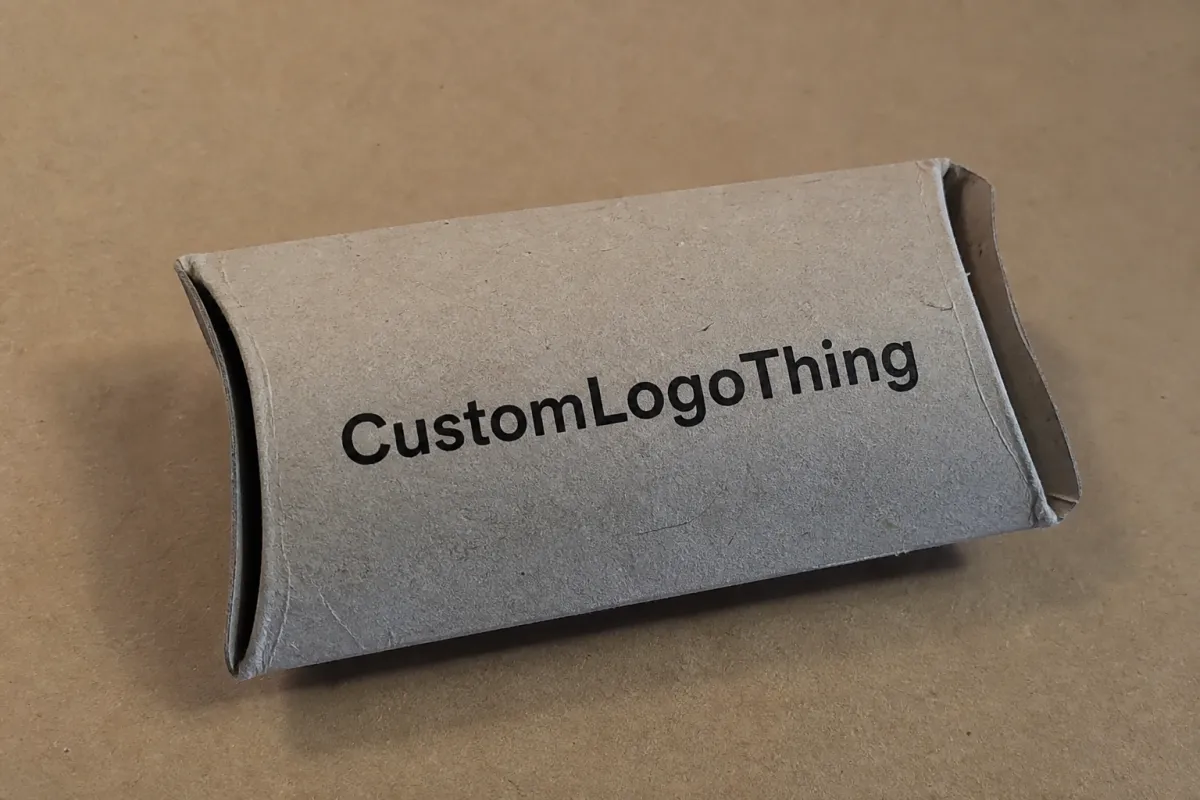
The strongest case for a sleeve begins with an existing carton. If the box already does the protection work, there is little reason to add another full custom printed structure just to gain branding space. The sleeve carries the visual message while the base box carries the load. That division often saves material and simplifies production.
Operations teams notice the difference quickly. Fewer parts mean fewer touchpoints, fewer misfolds, and less time spent correcting an off-center print panel or a flap that lands in the wrong place. At low volume, that saves annoyance. At scale, it saves money. Packaging lines are full of tiny inefficiencies that only become visible once the order count rises.
Custom recycled Box Sleeves Wholesale fits a wide range of products: cosmetics, supplements, candles, apparel kits, premium food, and gift sets. These items need visibility more than they need a second layer of protection. A sleeve gives them room for ingredient copy, promotional messaging, and a more considered first impression.
The environmental case is real, but it should be kept precise. Less board generally means less material entering the waste stream, and fewer layers can make sorting easier in many recycling systems. Still, recyclability is never universal. Coatings, adhesives, inks, and local recovery rules all matter. The EPA’s recycling guidance at EPA recycling guidance is a useful starting point if your team wants to avoid vague sustainability language.
Design discipline matters more than decoration. A sleeve should frame the box, not hide the product beneath unnecessary graphics or structural extras. If the item needs real protection, a sleeve cannot solve that on its own. If the carton already performs well, the sleeve can sharpen the presentation without forcing a redesign.
A sleeve makes sense when the structure is already solved. It stops making sense the moment it has to compensate for a weak carton underneath.
That is why custom recycled Box Sleeves Wholesale keeps appearing in packaging refresh projects. It preserves what already works and changes only the layer that shoppers notice first.
What Custom Recycled Box Sleeves Actually Include
A box sleeve is a printed wrap that slides around a carton, tray, or folded box. Its role is to add brand identity and product information without replacing the container beneath it. Because it wraps around a physical form, it needs accurate measurements, not a rough estimate copied from a spec sheet and hoped into submission.
Material choice shapes the entire impression. Recycled kraft has a natural texture and visible fiber character, which suits earthy or handmade branding. Recycled CCNB is often selected for folding cartons that need a smoother printable surface at a practical price point. If a brighter, whiter face is required, brands sometimes choose an FSC-certified board with recycled content elsewhere in the pack system. The right stock depends on the look, the budget, and the handling environment.
Printing choices are less glamorous than the design presentation, yet they decide whether the sleeve looks crisp or tired. CMYK handles full-color artwork and photographic work well. Spot colors matter when brand color consistency is non-negotiable. Kraft stock can absorb ink in a way that softens bright colors, so white ink or an underprint may be necessary if the design depends on saturation. A muddy logo on brown board is usually a material choice problem, not a creative one.
Finishes change both performance and feel. Aqueous coating helps resist scuffs and usually supports a more recycling-friendly build than plastic lamination. Matte or gloss lamination can improve durability and create a more polished touch, though it may complicate the sustainability story some brands want to tell. Spot varnish gives selective contrast or sheen. None of these decisions are free, and each one changes the tradeoff.
Functional details are often what separate a competent sleeve from a frustrating one. Good builds may include:
- Tear strips for easy opening on gift and subscription formats.
- Perforations where tamper evidence or a controlled break is useful.
- Window cutouts to reveal the product through the wrap.
- Glue seam placement positioned away from the main viewing area.
- Interior printing for a stronger unboxing moment.
Each of those details affects cost, fit, and assembly. A sleeve is not just a narrow strip of printed board. It is a compact piece of packaging engineering with a branding assignment attached.
If you are comparing formats, our Custom Packaging Products page shows where sleeves fit beside other carton and wrap options. Brands that need repeat orders and steady replenishment can also review our Wholesale Programs for a cleaner ordering path.
Core Specifications: Size, Thickness, and Finishing
Fit decides whether a sleeve feels precise or careless. Too tight, and assembly slows while edges scuff. Too loose, and the pack can read as cheap before the shopper even touches it. The correct spec starts with the outer dimensions of the carton or tray, then adds seam allowance and any fold or tuck feature.
Three measurements are the starting point: length, width, and depth of the box the sleeve wraps around. Add any lip, flap, taper, or irregular panel if the carton is not perfectly standard. Millimeters matter. A difference as small as 1/16 inch can change how the sleeve behaves in production, especially on short wraps or snug retail packs.
Board thickness should match the use case, not the wish list. Lighter paperboard can work for simple retail sleeves that only need shelf branding and light handling. Heavier recycled board is a stronger fit for premium presentation, stacked cartons, or products that move through distribution with more abuse. If the pack has to survive both retail and shipping, spec it for the rougher journey.
A practical way to think about thickness:
- 12pt to 14pt: lighter sleeves, lower-cost runs, simple wraps.
- 16pt to 18pt: common for retail sleeves and everyday product presentation.
- 20pt and above: premium feel, stronger structure, better bend resistance.
The dieline deserves the same attention as the artwork. Seam placement changes what the shopper sees first. Glue flap width changes how the sleeve assembles. Bleed is there for a reason, because cutting tolerances are never perfect. Barcode clear space, perforation placement, and cutouts all need to be built into the file before approval. Packaging files that ignore these details tend to create expensive delays later.
A physical proof is worth requesting whenever the design includes a fold, perforation, cutout, or special opening. Digital mockups can confirm layout. They cannot show how the board creases, how the seam lands, or whether the sleeve actually grips the carton correctly.
Finishing should support the product story, not fight it. Heavy coatings improve scuff resistance but can flatten the natural look of recycled stock. Matte finishes preserve a more organic appearance, though they may show rub marks sooner in rough shipping conditions. The best finish is the one that protects the print and still fits the brand position.
For buyers who need documentation, recycled content and sourcing claims should be clear and traceable. FSC-certified paperboard is a practical choice for brands that want third-party chain-of-custody support. Program details are available at FSC. If the sleeve will ship with the product, ISTA testing can help confirm how the pack behaves under transit stress.
Pricing, MOQ, and Quote Basics for Custom Recycled Box Sleeves
Five variables drive most pricing: quantity, board grade, print colors, special finishes, and die-cut complexity. Freight matters too. A sleeve that looks inexpensive in production can become a different story once shipping is added. Buyers who ignore freight are usually surprised later, and not in a pleasant way.
Wholesale pricing improves with scale because setup costs spread across more units. That is the basic pattern. A 1,000-piece run carries a heavier setup burden per piece than a 10,000-piece order. Once the quantity rises, the per-unit price usually softens in a way that makes the sleeve much easier to justify.
For a basic recycled sleeve, rough pricing often lands around $0.18-$0.42 per unit at smaller wholesale quantities, depending on size and print coverage. Larger runs can fall into the $0.09-$0.25 per unit range for simpler specs. Foil, heavy lamination, complex die work, and multiple print hits push the numbers upward. Decorative extras cost more. The industry has not found a way around that.
Ask for an itemized quote. A clean headline number is not enough. A proper quote should list:
- Unit price
- MOQ
- Tooling or plate charges
- Proofing fees
- Freight
- Tax, duty, or brokerage if applicable
- Delivery terms such as ex-factory, FOB, or landed pricing
Compare quotes by spec, not by the largest font size on the page. A lower price on thinner board may become the expensive option if the sleeve dents in transit or prints poorly on the chosen stock. A quote that includes proofs, prepress checks, and clear delivery terms can be the safer purchase even if the initial number is slightly higher.
| Option | Typical Use | Pros | Tradeoffs | Indicative Wholesale Price |
|---|---|---|---|---|
| Recycled kraft sleeve, matte finish | Natural brands, candles, supplements | Earthy look, simple recycling story, solid value | Print colors can mute without white ink or underprint | $0.12-$0.28 per unit at mid-sized runs |
| Recycled CCNB sleeve, CMYK print | Beauty, retail kits, premium product packaging | Cleaner graphics, sharper color, stronger shelf presence | Usually costs more than kraft and may feel less natural | $0.16-$0.35 per unit at mid-sized runs |
| Recycled-content folding carton sleeve with coating | General retail packaging, subscription inserts | Good balance of price and print quality | Not always the best fit for high-end branding | $0.11-$0.26 per unit at larger runs |
| Premium recycled sleeve with specialty finish | Gift sets, launch kits, display packs | Strong visual impact, better tactile feel | Higher unit cost, longer lead time | $0.22-$0.55 per unit depending on finish |
If the order will repeat, standardize the size and finish early. Future runs become easier to quote, faster to proof, and simpler to inventory. Changing the spec every cycle is a good way to turn packaging into a paperwork hobby.
Production Process and Lead Time for Recycled Box Sleeves
The process looks straightforward on a schedule: briefing, dieline setup, artwork review, proof approval, production, quality check, packing, and shipping. Each step still needs discipline. Miss one detail early, and the calendar starts stretching.
Lead time depends on complexity and print method. Straightforward digitally printed sleeves can move fast, sometimes within 7-12 business days after proof approval when the artwork is ready and the line has capacity. Larger wholesale orders, specialty finishes, and more complicated die cuts often land in the 12-20 business day range before freight. International shipping adds another layer of timing. Production and freight are not the same thing, even though they are often discussed as if they were.
Digital mockups help with layout and copy. They do not replace a physical proof. A mockup shows placement. A hard proof shows how the stock folds, how the seam behaves, and whether the sleeve actually fits the carton. Tight wraps, windows, and tear features deserve the extra step.
To keep the schedule moving, confirm these items before production starts:
- Final dimensions of the product and the carton.
- Artwork version approved by all stakeholders.
- Material choice and finish.
- Quantity and shipping split if there are multiple destinations.
- Address and delivery timing so freight can be planned early.
Most delays come from avoidable mistakes. Late artwork changes are the biggest culprit. Vague measurements come next. After that, the schedule gets hit by last-minute additions such as foil, soft-touch lamination, or extra cutouts that were never in the original quote. None of those additions are unusual, but they all affect timing and cost.
Quality control should focus on print registration, color consistency, seam placement, fold accuracy, and flat-pack condition. Sleeves should arrive clean, square, and ready to use. Warped cartons or sloppy cuts slow the line down and create waste that no one wants to count later.
For shipments with higher transit risk, packaging abuse testing is worth considering. ISTA methods give teams a useful way to measure performance instead of relying on hope. That is a much better foundation for supply decisions than “it should probably hold up.”
Why Brands Order Custom Recycled Box Sleeves Wholesale From Us
Brands usually come to us for clarity. They want the spec to make sense, the quote to stay stable, and the proof to match the carton on the table. A sleeve order should not turn into a guessing exercise. Clear board choice, clear print method, clear finish, clear timing. The basics matter because packaging mistakes are expensive in boring ways.
Different products need different levels of stiffness and polish. A sleeve for a soap box does not need the same build as one for a candle set or a multi-piece cosmetics kit. We recommend recycled stock based on the product weight, handling conditions, shelf look, and the branding pressure the buyer has to answer to internally.
Cost-impacting choices get flagged early. A design with too many colors, too much solid coverage, or an awkward die cut can drive up price and make assembly harder. A quote should do more than list a number. It should reveal the tradeoffs behind that number so the buyer can decide with eyes open.
Quality control usually shows up in the smallest details. Print consistency across the run. Seam alignment. Sharp folds. Flat, usable packs on arrival. None of those details sound glamorous, and that is exactly why they matter. Buyers notice the difference as soon as the order lands.
The sustainability conversation deserves more precision than most packaging marketing gives it. Buyers do not need vague claims about being green. They need board specifications, coating choices, and sourcing information they can verify. If recycled content matters, name the stock. If FSC support matters, ask for the documentation. If lower impact matters, choose the finish that matches the job instead of the one that sounds nicer in a deck.
Wholesale programs reward consistency. The same dieline should work across multiple product runs. The same print spec should repeat without surprises. The same sleeve should perform in retail packaging and e-commerce without turning the supply chain into a guessing game.
And yes, custom recycled box sleeves wholesale can look simple until the wrong board shows up on the dock. Then everyone learns exactly how much a few millimeters can cost.
What to Send for an Accurate Quote and First Proof
Good quotes start with good inputs. Send the full dimensions, current carton measurements, target quantity, print sides, finish preference, and delivery deadline. If the sleeve must fit around a tray, insert, or unusual carton shape, say so up front. Sleeves that fit one carton perfectly can fail on another with only a slight change in wall thickness or flap geometry.
Artwork files should include logo files, brand colors, and the copy that needs to appear on the sleeve. If the pack has retail requirements, include them too. Barcode placement, ingredient panels, warning text, and retailer-specific labeling can all affect the structure of the file and the quote.
Ask for an itemized quote that separates unit cost, setup charges, sample fees, and freight. That gives you a realistic view of the total purchase cost. The cheapest first number is not always the cheapest order. Packaging buyers usually learn that lesson once, then start asking better questions.
Before approval, run through this checklist:
- Fit - Does the sleeve wrap the carton with the right tension?
- Shelf impact - Does it actually improve visibility?
- Recyclability - Does the finish support your material claims?
- Assembly speed - Can the team apply it without slowing the line?
- Total cost per packed unit - Does the sleeve still make sense after print, freight, and labor?
Once those points are clear, the order becomes much easier to manage. The conversation shifts from guessing to buying. For most brands, that is the moment sleeves start earning their place through cleaner presentation and less packaging waste.
Final Take
Custom sleeves are not decorative filler. They are the right answer for brands that need shelf presence, product information, and a sharper outer layer without rebuilding the entire box system. If the inner carton already protects the product, a recycled sleeve gives you the look and the message without paying for extra structure that customers never asked for.
That is why custom recycled box sleeves wholesale keeps winning with cosmetics, supplements, candles, apparel kits, and gift sets. The format is practical. The pricing scales. The material options are broad enough to match different brand positions. When the spec is handled carefully, the result looks deliberate rather than improvised.
The most useful next step is simple: measure the carton, choose the stock, and request a physical proof if the design includes folds, windows, or a tight wrap. That is the fastest route to packaging that works in real production, not just on screen.
What is the usual MOQ for custom recycled box sleeves wholesale?
MOQ varies by size, print method, and finishing, but wholesale pricing usually improves once the quantity rises. Small runs cost more per piece because setup is divided across fewer units. If you need a lower MOQ, simplify the structure and reduce the number of print and finish variables first. That usually matters more than buyers expect.
Can custom recycled box sleeves wholesale be printed in full color?
Yes. Full-color printing is common and works well for branding, ingredient panels, and shelf graphics. CMYK is usually the most flexible route, while spot colors are better when exact brand color matching matters. On kraft or darker recycled stocks, white ink or an underprint may be needed so colors stay vivid instead of fading into the base.
What recycled board is best for custom recycled box sleeves wholesale?
The best board depends on product weight, desired look, and how much stiffness the sleeve needs. Recycled kraft gives a natural appearance, while recycled CCNB can deliver cleaner and brighter print results. If the sleeve will be handled often at retail, pick a stock that balances stiffness with scuff resistance.
How long does custom recycled box sleeves wholesale production take?
Proofing can take a few business days, especially if the dieline or artwork needs revision. Production time depends on quantity and finish complexity, but simple runs move faster than die-cut or heavily finished sleeves. Freight is separate, so confirm both production lead time and shipping timing before you promise a launch date.
Do custom recycled box sleeves wholesale work for e-commerce and retail?
Yes. Sleeves work in both settings because they add branding without forcing a full structural redesign. In retail, they improve shelf recognition. In e-commerce, they make the unboxing feel intentional instead of generic. They are especially useful when the inner box already does its job and the outer layer only needs to look better.

