Buyer Fit Snapshot
| Best fit | Custom Kraft Sleeves Wholesale Pricing Explained Clearly projects where brand print, material claims, artwork control, MOQ, and repeat-order consistency need to be specified before quoting. |
|---|---|
| Quote inputs | Share finished size, material target, print colors, finish, packing count, annual reorder estimate, ship-to region, and any compliance wording. |
| Proofing check | Approve dieline scale, logo placement, barcode or warning zones, color tolerance, closure strength, and carton packing before bulk production. |
| Main risk | Vague material claims, crowded artwork, missing packing details, or unclear freight terms can make a low unit price expensive after revisions. |
Fast answer: Custom Kraft Sleeves Wholesale Pricing Explained Clearly should be specified like a repeatable production item. The safest quote records material, print method, finish, artwork proof, packing count, and reorder notes in one written spec.
Production checks before approval
Compare the actual filled-product size with the drawing, then confirm tolerance on folds, seals, hang holes, label areas, and retail display edges. Reserve space for logos, QR codes, warning copy, and material claims before decorative graphics fill the panel.
Quote comparison points
Review material grade, print process, finish, sampling route, tooling charges, carton quantity, and freight assumptions side by side. A quote is only useful when the supplier can repeat the same color, closure quality, and packing count on the next order.
A plain mailer, carton, or rigid box can look retail-ready after one smart move: add a sleeve that actually earns its keep. That is why Custom Kraft Sleeves wholesale pricing catches buyers off guard. You are printing the visible face, not rebuilding the whole package, so the money stretches farther than it does on a full custom carton.
That matters to packaging teams working with tight launch calendars. A sleeve can sharpen branded packaging, reduce rework after sampling, and give you room to test a product before you commit to a larger run of custom printed boxes. The spend is easier to control. Assembly usually stays simpler. Design changes also move faster than a full structural rebuild, which helps when a launch is already moving faster than the approval chain.
None of that means sleeves are automatically cheap or simple. Final price still depends on board grade, print coverage, finishing, dielines, and fit. Those details decide whether you get a practical retail packaging tool or a margin leak dressed up as branding. The sections below break down the parts that move cost up or down, so you can budget with actual numbers instead of wishful thinking.
Why Kraft Sleeves Punch Above Their Weight
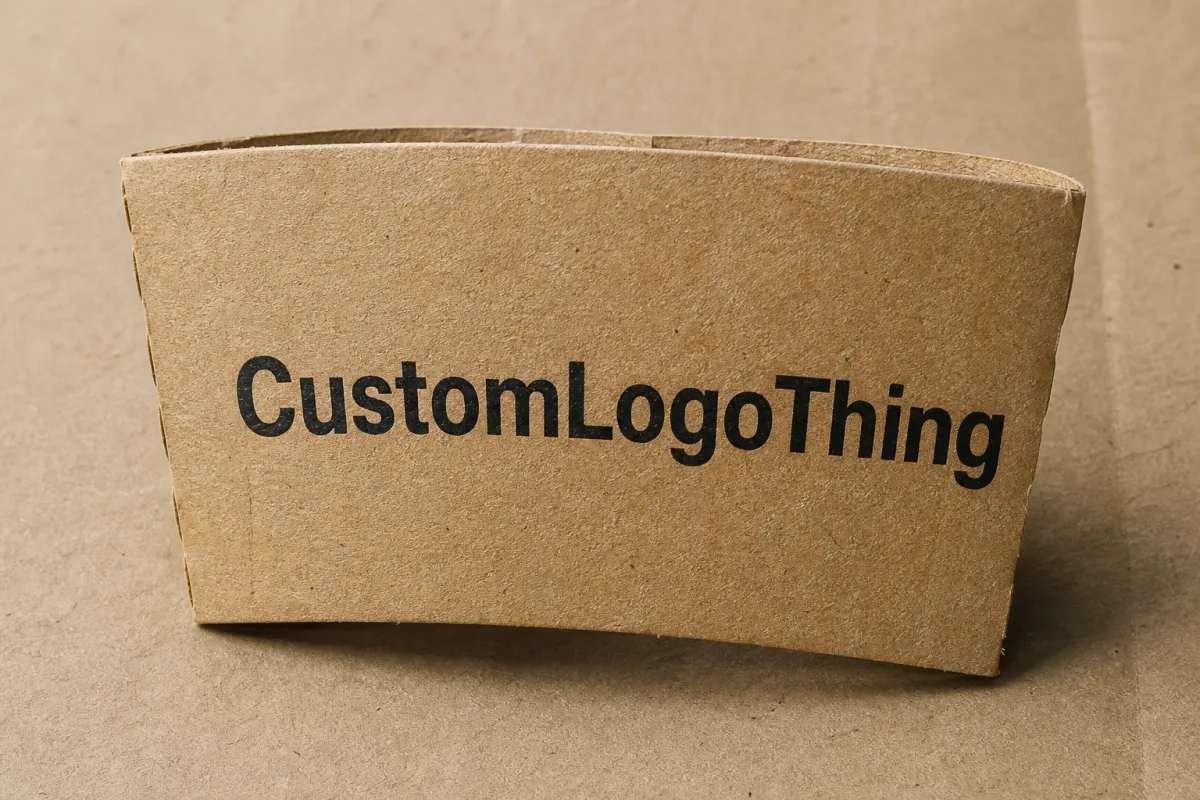
A sleeve does more with less. It covers only the visible panel area, so your logo, product name, ingredient callout, or campaign message lands exactly where the customer is already looking. That kind of efficiency is hard to beat in product packaging. You are not paying to print every side of a full box unless the design truly needs it.
The value shows up fast in real use. One sleeve can change the perceived price point of a stock box, a plain shipper, or an unbranded carton in seconds. The package looks deliberate. It looks planned. It looks like someone made a decision on purpose, even if the structure underneath is still stock.
That is why sleeves show up so often in launches, seasonal refreshes, and limited runs. The base packaging stays put. The sleeve carries the new artwork, flavor callout, gift message, or compliance copy. If the campaign changes next quarter, the box underneath does not need to. Tooling risk stays lower, and teams move faster without rebuilding the whole thing from scratch.
There is a real operations benefit too. Fewer materials means fewer points where things can go wrong. A sleeve stores flat, can be grouped by SKU, and gets applied only when needed. Brands running multiple variants usually appreciate that. It cuts down on inventory clutter and keeps the packaging plan from turning into a warehouse puzzle. Sleeves are not just a visual upgrade. They are a systems decision.
A sleeve should earn its place twice: once by improving shelf impact, and again by keeping the packaging line flexible enough to handle the next release without a new structural package.
That is the business case in plain language. The sleeve becomes a fast path from stock packaging to branded packaging. It also supports trial strategy: test demand, watch sell-through, and move into more complex formats only if the product proves itself. No drama. Just sensible buying.
Product Details: What Custom Kraft Sleeves Do for Brands
A kraft sleeve is a printed wrap that fits over an existing box, mailer, tray, or product bundle. It is not the main container. It is the visible layer that adds identity, structure, and information. In practice, the sleeve sits somewhere between packaging design and merchandising. It carries the message, but it also helps the package feel finished instead of accidental.
Common use cases cover a lot of ground. Subscription boxes use sleeves to separate the core carton from seasonal artwork. Apparel brands use them to make folded garments look cleaner on shelf. Cosmetics and candle brands use them to elevate simple rigid boxes or tuck-end cartons. Food-safe outer wraps, promotional kits, and event sets use them because the format leaves room for a barcode, a lot code, or ingredient information without forcing a complete redesign.
That flexibility is one reason sleeves stay popular in retail packaging programs. A brand can keep one base box and rotate the sleeve by flavor, size, scent, language, or promotion. The SKU structure gets cleaner. Instead of holding a different box for every campaign, the operation holds one box style and a set of sleeves. For many product teams, that is simply easier to manage across a busy calendar.
There are a few sleeve families worth separating. A simple paperboard sleeve may wrap around a carton with a front panel and a back seam. A kraft-based wraparound sleeve may extend farther and cover more sides. A heavier board sleeve can create more rigidity and a more premium shelf feel, but it also costs more and usually needs tighter tolerances. The right choice depends on the package underneath and the visual goal. Fancy for the sake of fancy is how budgets get sloppy.
For buyers comparing formats, a sleeve is usually the middle ground between a label and a full custom box. It offers more surface area and more presence than a sticker, but it avoids the tooling and inventory burden of replacing the entire carton. That middle ground is exactly why purchasing teams like it: there is enough room for brand story, but not so much complexity that every artwork change turns into a structural project.
From the brand side, sleeves do several jobs at once:
- Display logo, product name, and campaign messaging on the most visible face.
- Reserve space for UPC, batch, ingredient, or regulatory copy.
- Differentiate flavors, variants, or limited editions without changing the core carton.
- Support gift presentation by adding a tactile layer to otherwise plain packaging.
- Reduce the need for new tooling in early-stage launches.
That mix is why sleeves often get compared with custom printed boxes, even though the job is different. A custom box replaces the package. A sleeve edits the package. Cost, production flow, and planning all shift because of that distinction.
For brands trying to keep a clean supply chain while improving package branding, sleeves are often the most practical middle ground. Easy to understand. Harder to screw up than a full structural redesign. That combination helps.
Specifications That Change Fit, Finish, and Cost
Specification discipline is where pricing turns from fuzzy to real. A quote cannot be accurate if the dimensions are vague or the artwork still needs guesswork. The biggest inputs are sleeve length, width, board caliper, print coverage, seam style, grain direction, and the package the sleeve has to fit over. If any of those are unclear, the final cost can shift after proofing. That is how "estimated" becomes "surprise."
Material choice drives a big chunk of the cost. Natural kraft stock gives a textured, earthy look and often signals recycled content or low-intervention branding. Bleached kraft reads brighter and more polished. Coated kraft handles sharper graphics, stronger color saturation, and cleaner photography. Recycled blends can support sustainability goals, though the surface texture and print consistency may vary. Heavier paperboard can feel more substantial, but it raises both material cost and shipping weight. Nothing free here, just tradeoffs.
The most common board ranges for sleeves sit roughly between 14pt and 24pt paperboard, though some programs run heavier or lighter depending on the application. If the sleeve needs to stay square over a rigid box, a thicker board may hold better. If it has to slide easily over a carton or folded mailer, a lighter stock may make more sense. Fit is not a minor detail. A sleeve that is too tight can scuff corners and slow down assembly. A sleeve that is too loose can twist, buckle, or arrive shifted in transit.
Print method affects economics just as much as material does. A one-color flexographic run can work well for simple branding. Offset printing fits better when you need detailed graphics, fine type, or richer coverage. Digital print is useful for short runs, proofing, and variable campaigns, but the per-unit cost usually stays higher at scale. Multi-color work adds setup complexity, and every extra color can affect make-ready time and waste.
Finishing is where the sleeve moves from functional to memorable. Matte lamination softens the look. Soft-touch lamination adds a velvety hand feel, though it usually increases cost. Spot UV creates contrast and pulls attention toward a logo or product name. Foil stamping sends a stronger premium signal, but it belongs on lines where margin can support it. Embossing and debossing add tactile depth, yet they need careful die setup and can stretch production time.
For brands that want a more natural appearance, uncoated kraft with a clean one- or two-color layout can be the strongest choice. It photographs well, keeps the structure honest, and avoids a glossy look that fights the rest of the packaging design. That approach is common in organic goods, artisan food, and direct-to-consumer lines that want something grounded instead of polished to death.
Assembly details matter too. Some sleeves ship flat and get folded by the packer. Others arrive pre-formed. A pre-formed sleeve reduces labor during packing, but it can increase freight volume and unit cost. A glued side seam can improve consistency. A lock tab can reduce glue usage. Small choices like these often decide whether a sleeve works on the line or only looks good in a mockup.
For a buyer handling a co-packing operation, that distinction matters even more. A sleeve that is easy to assemble by hand may still be too slow for a high-volume line. A sleeve that runs well on an automated pack station may have different scoring or glue requirements than the same sleeve used in a small fulfillment room. Fit the structure to the actual packing method, not the render.
For sustainability-driven teams, paper sourcing matters as well. If you need a certified fiber story, ask for FSC chain-of-custody support and verify the claim rather than assuming it is there. The Forest Stewardship Council explains certification standards here: FSC certification and responsible forestry. That kind of documentation beats vague environmental language, especially in regulated categories or enterprise procurement.
One detail buyers overlook constantly: tolerances. A dieline that looks perfect on screen can behave differently once the board is scored, printed, laminated, and folded. Ask how the supplier handles fit testing, and ask for a sample against the actual inner box if possible. That small step can save a full run of rework. Ask now, apologize later.
Custom Kraft Sleeves Wholesale Pricing and MOQ
This is the part most buyers want first. The short answer is simple: custom kraft sleeves wholesale pricing moves mainly with quantity, material, print coverage, finishing, and tooling. The longer answer matters more. Pricing does not fall in a neat straight line. It usually drops hard after the first setup cost gets spread across more units, then flattens when material and labor become the main costs.
MOQ, or minimum order quantity, follows the same logic. A simple sleeve with standard dimensions and limited colors may support a lower MOQ because the setup is manageable. A sleeve with custom dies, windows, embossing, or special coatings often needs a higher minimum because the press time, waste, and finishing setup are harder to recover on a small run.
A practical way to think about it: if the run is small, setup dominates the quote. If the run is larger, the unit price starts to reflect raw board, press time, finishing, and assembly. That is why a buyer may see a unit price cut in half between one quantity band and the next, even when the paper cost barely changed. The savings come from setup amortization, not magic.
The table below shows typical wholesale patterns for a straightforward kraft sleeve program. These are directional ranges, not promises. Artwork complexity, fold structure, freight, region, and finishing can move them up or down. A supplier with local stock board and a simple structure may land lower than an imported custom die job. A premium finish can push the range higher fast.
| Format | Typical MOQ | Typical unit price at 5,000 units | Best fit | Main cost drivers |
|---|---|---|---|---|
| Simple natural kraft sleeve, 1-color print | 500-1,000 | $0.12-$0.24 | Low-coverage branding, trial launches, subscription boxes | Setup, die cut, board thickness |
| Coated kraft sleeve, 2-4 colors | 1,000-2,500 | $0.18-$0.38 | Retail packaging, cosmetics, apparel, seasonal promotions | Print coverage, color count, proofing rounds |
| Heavy paperboard sleeve with finish | 2,500-5,000 | $0.28-$0.55 | Premium presentation, gift sets, high-margin product packaging | Lamination, foil, embossing, tighter tolerances |
| Windowed or specialty structural sleeve | 5,000+ | $0.35-$0.75 | Display-focused brands, samples, and feature-heavy launches | Extra tooling, assembly labor, more waste |
Those ranges help because they force a better budgeting conversation. A buyer can compare printed price, but the better test is total run cost. A lower unit price with a much higher MOQ may not be cheaper if the inventory sits for months. A slightly higher unit price with a lower MOQ can preserve cash and reduce storage risk. Cash flow has feelings too.
Ask for the quote in layers. Request the price per unit, the setup charge, the tooling charge if any, and the shipping estimate separately. Then compare the total landed cost. Freight can quietly eat margin, especially if the sleeve ships pre-formed or the board is heavy enough to add real cube and weight.
Another question matters a lot: does the supplier already have a comparable die, or can the sleeve use a standard structure? If the answer is yes, the quote often improves quickly. New tooling adds time and cost. Reusing a standard structure trims both. That is why exact dimensions matter so much. A few millimeters can be the difference between a standard lane and a custom build.
The strongest quote requests include these details:
- Exact outer dimensions of the box, tray, or pack the sleeve will fit over.
- Target quantity and any future reprint volume you expect.
- Print method, number of colors, and whether artwork is complete.
- Finish preference, such as matte, soft-touch, foil, or no lamination.
- Timeline, launch date, and whether you need proofing before production.
That level of detail gives you a real number, not a placeholder. It also helps compare sleeve pricing against broader programs in Wholesale Programs and other Custom Packaging Products without mixing up different specs and calling it a fair comparison.
From a procurement view, the cheapest quote is not automatically the best value. A good wholesale price balances margin, Fit, Lead Time, and operational ease. If the sleeve slows the packing line or needs constant hand adjustment, any savings disappear fast. Cheap is only cheap until someone has to fix it six thousand times.
Process, Timeline, and Lead Time for Custom Orders
Lead time is where many packaging launches get off track. The press room is not usually the villain. The front end of the process is. A sleeve order starts with quote review, then spec confirmation, then dieline setup, then artwork submission, then proofing, then production, then finishing, then shipping. If any one of those steps stalls, the calendar slips.
A clean, straightforward job can move quickly. If dimensions are final, artwork is print-ready, and the structure is simple, proofing may take only a few days and production may fall in the 7-15 business day range after approval. More complex sleeves, especially those with specialty finishing or custom die work, often need 15-25 business days or more. Freight adds another layer depending on destination and service level. International transit, customs processing, and seasonal carrier congestion can stretch the timeline further.
The biggest delays are usually predictable. Missing dimensions force new dielines. Low-resolution art creates rework. Color changes after proof approval can reset the schedule. Late structural edits create the most friction because they affect not just the print file, but the physical build. That is why a supplier should ask early questions, not just fire off a quote and hope for the best.
Sampling deserves its own decision. A pre-production proof is useful when the sleeve depends on tight fit or a complex brand presentation. A flat sample may be enough for a simple run. If the sleeve has to align with a barcode, a legal panel, or a product window, ask to see the actual build, not only the artwork mockup. A digital image can look perfect while the physical sleeve is off by a few millimeters. Paper does not care about your mood board.
Transit validation matters too. A sleeve that looks fine on a table may shift, dent, or scuff in shipment. Buyers who care about packaging reliability should ask whether the supplier has considered ISTA-style testing for distribution conditions. The International Safe Transit Association outlines common test methods here: ISTA transit testing standards. That matters especially if the sleeve is part of a multi-item pack, a fragile retail set, or a brand presentation that has to arrive looking new.
Because sleeves often support campaign launches, the production calendar should sit alongside the inventory calendar. A common mistake is approving artwork before the actual product or carton dimensions are final. That creates a small but expensive risk. The sleeve is no longer a branding afterthought; it becomes a controlled fit component. Start earlier than you think you need to.
A practical order flow usually looks like this:
- Confirm the package dimensions and the final sleeve structure.
- Send artwork or request dieline support.
- Review a proof and verify copy, barcodes, and fold lines.
- Approve production only after fit and color expectations are clear.
- Schedule shipping with enough room for receiving, inspection, and staging.
That workflow cuts risk and keeps the project rooted in numbers instead of optimism. For packaging professionals, that usually separates a clean launch from a rush charge.
Why Choose Us for Wholesale Kraft Sleeve Programs
Wholesale packaging only works when the details repeat. A supplier has to hit the same size, the same print quality, and the same assembly logic every time. That is the baseline. The better question is whether the production team can protect your brand without creating extra work for yours.
Custom Logo Things is built for that kind of practical buying decision. The focus is on clear quoting, consistent file checks, and print decisions that fit the actual packaging use case. That matters because many sleeve orders are not isolated. They sit inside a broader product packaging plan that may include mailers, cartons, inserts, labels, or promotional kits. The sleeve has to work with the rest of the system, not fight it.
One advantage of a good sleeve program is how it supports faster iteration. If the core box stays the same, a new sleeve can refresh the shelf look without changing the structural package. That keeps the launch cycle lean. It also means your team can test messages, variants, or seasonal graphics without paying for an entirely new carton every time.
For buyers who manage both wholesale and direct-to-consumer packaging, that flexibility is valuable. Retail packaging often needs stronger shelf presence, while e-commerce packaging may prioritize assembly speed and dimensional efficiency. A sleeve can bridge those needs. It gives you brand identity while preserving the simpler base structure underneath.
Good packaging vendors also help filter bad assumptions. If a design uses too many colors for the target budget, that should be said early. If a finish adds cost without improving sell-through, that should be said too. The point is not to upsell. The point is to keep the decision tied to actual performance.
That is where file review and production controls matter. Clean art reduces prepress delays. Accurate dielines reduce fit problems. Repeatable dimensions reduce assembly headaches. Those small operational habits save more money than glossy promises ever will.
For companies comparing vendors, the strongest test is simple: can the supplier tell you exactly where the cost is coming from? Board grade, print method, finish, and assembly should each be visible in the quote. Hidden surprise charges usually mean the process is loose. Transparent pricing is not just easier to buy; it is easier to trust.
Our Wholesale Programs are built around that standard, and the broader Custom Packaging Products catalog helps teams match sleeves with the rest of the pack architecture. If your line needs a sleeve today and a different structural package next quarter, supplier consistency becomes a real advantage.
That approach helps brands that care about package branding as much as unit economics. The sleeve has to look right, fit right, and arrive ready to use. If it does not, the lowest quote on paper is not the lowest cost in practice. Packaging math is rude like that.
Next Steps: Get an Accurate Quote and Order Smarter
The easiest way to improve your numbers is to give the supplier better inputs. Gather the sleeve dimensions, the package it will wrap, the target quantity, the print colors, the finish preference, and the artwork files before you request pricing. If the sleeve needs a barcode zone, regulatory copy, or a specific opening direction, include that too. Those details turn guesswork into a usable quote.
Then compare three variables side by side: unit cost, MOQ, and Lead time. Buyers sometimes chase the lowest per-unit number and ignore the rest. That can backfire. A lower unit price with a large minimum may create inventory pressure. A faster lead time may be worth paying for if the launch date is fixed. A slightly better finish may help retail performance enough to justify the extra spend. The right answer depends on the use case, not just the invoice.
A smart internal checklist usually includes these points:
- Does the sleeve fit the actual package, not only a digital mockup?
- Is there room for barcode, legal copy, or a variant code?
- Have you approved the fold lines and seam placement?
- Do you know whether the quote includes setup, tooling, and freight?
- Is the finish aligned with the sales channel and brand position?
If the design is new, a short run or sample lot is often the safest first step. That gives you a chance to test the fit, inspect the print, and check the shelf look before you commit to a larger wholesale order. Once the structure is proven, scaling gets much easier. The biggest mistake is ordering volume before the sleeve has ever been seen on the actual package.
There is one final business point worth keeping in view. Custom kraft sleeves are popular because they let brands upgrade presentation without rethinking the entire container. That makes them efficient, but only if the specs are controlled. Exact dimensions, clean artwork, and realistic timing are what unlock value.
If you are comparing custom kraft sleeves wholesale pricing across multiple suppliers, ask for the same quote format from each one. That means the same dimensions, the same material grade, the same finish, and the same shipment assumptions. Only then can you see which offer is genuinely stronger instead of merely cheaper on paper. For brands that care about both margin and presentation, that is the right way to buy custom kraft sleeves wholesale pricing.
Frequently Asked Questions
What affects custom kraft sleeves wholesale pricing the most?
Quantity usually has the biggest impact because setup cost spreads out as the run gets larger. After that, material thickness, print coverage, and the number of colors drive the price. Special finishes, custom die-cuts, and structural changes typically raise costs more than simple artwork updates. Freight and packaging method can also move the total if the sleeve ships flat versus pre-formed.
Can I get low MOQ custom kraft sleeves for a new product launch?
Yes, but MOQ depends on sleeve style, print method, and whether the structure uses standard tooling or a custom die. Lower quantities are easier for simpler sleeves with limited colors and no specialty finishing. If you are testing demand, ask for a short-run quote first and compare it with the future wholesale price at scale. That usually gives a more honest picture of inventory risk.
How long is the typical lead time for custom kraft sleeves?
Lead time starts after artwork and structural details are approved, so proofing speed matters as much as production speed. Simple runs can move quickly, while sleeves with special coatings, die-cuts, or multiple approval rounds usually take longer. Build in extra time if your launch depends on a specific inventory date, especially if the order ships internationally.
What information should I send to get an accurate quote?
Provide exact sleeve dimensions, the package it wraps, expected quantity, and whether you need a printed or unprinted finish. Send print-ready artwork if available, or note whether you need dieline support and proofing help. Include your target timeline so the supplier can quote a realistic production schedule and freight option. If there is a barcode, legal panel, or seam preference, add that too.
Are kraft sleeves better than custom boxes for branding?
Kraft sleeves are often the better choice when you want strong shelf impact without replacing the entire box structure. They usually cost less than a full custom carton because they use less material and simpler production steps. A sleeve is especially useful when the inner package stays the same but the message, season, or product variant changes. A custom box still makes sense when the structure itself needs to change or protect the product differently.
Takeaway: If you want a useful quote, do not start with artwork alone. Start with the exact package dimensions, target quantity, finish, and packing method, then compare total landed cost instead of unit price by itself. That is the cleanest way to make custom kraft sleeves wholesale pricing work for your margin, your timeline, and the actual box on your shelf.

