Buyer Fit Snapshot
| Best fit | Custom Labels for Apparel Tags projects where brand print, material claims, artwork control, MOQ, and repeat-order consistency need to be specified before quoting. |
|---|---|
| Quote inputs | Share finished size, material target, print colors, finish, packing count, annual reorder estimate, ship-to region, and any compliance wording. |
| Proofing check | Approve dieline scale, logo placement, barcode or warning zones, color tolerance, closure strength, and carton packing before bulk production. |
| Main risk | Vague material claims, crowded artwork, missing packing details, or unclear freight terms can make a low unit price expensive after revisions. |
Fast answer: Custom Labels for Apparel Tags: Design, Cost, and Process should be specified like a repeatable production item. The safest quote records material, print method, finish, artwork proof, packing count, and reorder notes in one written spec.
Production checks before approval
Compare the actual filled-product size with the drawing, then confirm tolerance on folds, seals, hang holes, label areas, and retail display edges. Reserve space for logos, QR codes, warning copy, and material claims before decorative graphics fill the panel.
Quote comparison points
Review material grade, print process, finish, sampling route, tooling charges, carton quantity, and freight assumptions side by side. A quote is only useful when the supplier can repeat the same color, closure quality, and packing count on the next order.
Custom Labels for Apparel Tags: Design, Cost, and Process
Custom labels for apparel tags look tiny on a production sheet. Then they arrive in a customer order and suddenly they matter more than the seam allowance, more than the packing slip, sometimes even more than the garment itself. I have watched a cleanly cut shirt lose some of its polish because the neck label felt stiff and cheap. That is the strange arithmetic of apparel: a detail no bigger than a thumb can change how the whole product is judged.
People who work in packaging usually understand this instinctively. The label is one of the few parts of a garment that gets touched directly, and touch changes judgment fast. Softness, stitch quality, placement, and legibility all feed into the first impression. Custom labels for apparel tags can make sizing easier to find, keep care details organized, and tie the garment to the wider brand system, from hang tags to custom printed boxes to mailers and inserts. The right label does not shout. It feels inevitable.
Custom labels for apparel tags are branded or informational labels created for clothing, not generic stock pieces grabbed from a shelf. They may be woven, printed, satin, cotton, recycled, heat-transferred, or finished in a specialty way depending on the fabric, the fit, and the experience you want the customer to have. The sections that follow break down materials, pricing, timelines, proofing, and ordering decisions so the first run does not become an expensive lesson.
Custom Labels for Apparel Tags: Why a Tiny Detail Changes Perception
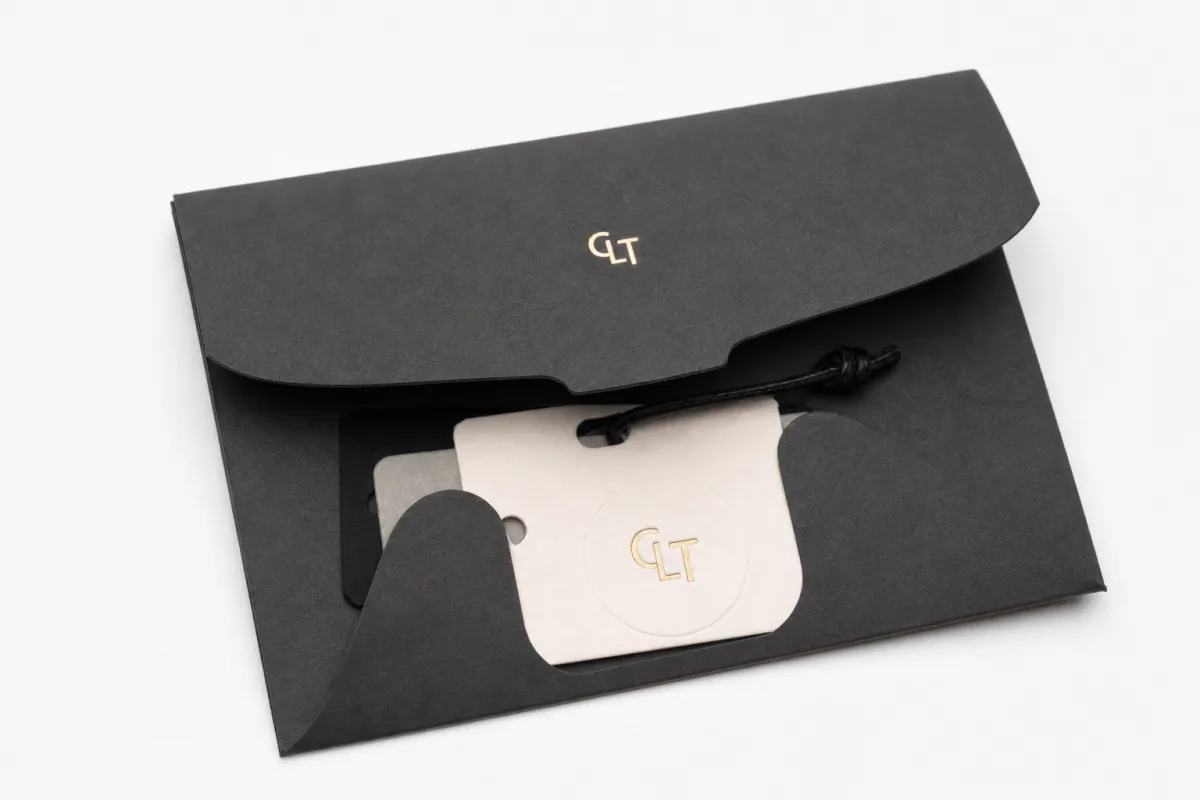
Custom labels for apparel tags alter perception because they sit at the exact point where a shopper decides whether a garment feels thoughtful or rushed. A label that lies flat, reads clearly, and matches the fabric makes the piece feel finished. A label that scratches, twists, or hangs crooked can pull the value down in a single second. That reaction is immediate, almost physical.
Premium hoodies, babywear, sportswear, and boutique dresses are often judged by touch before they are judged by stitching. Custom labels for apparel tags are part of that touch. They tell the buyer that the brand took the inside of the garment seriously, not just the visible surface. A clean interior is not glamorous, yet it signals discipline better than most marketing claims ever will.
Consistency matters just as much. Brands with several sizes, colors, and SKUs need systems that hold their shape across repeat production. Custom labels for apparel tags keep presentation steady whether the item hangs in a retail store, sits folded in a mailer, or gets packed with Custom Packaging Products for direct-to-consumer shipping. That steadiness makes the line feel designed rather than assembled from whatever happened to be available that week.
The terms around labels get mixed up easily, so the distinctions help. Generic retail tags are often universal blanks or mass-produced formats. Stock labels may carry size or care information but little brand character. Blank care labels do the job without building identity. Custom labels for apparel tags are different. They are tied to the garment, the customer, and the brand story. They can be subtle, but they should never look accidental.
Many buyers miss how often the label is noticed at the exact moment of touch. That is more than a design issue. It affects the way the whole brand is read. A company using thoughtful custom labels for apparel tags often looks more stable, more established, and more believable, even if the line is still small. That is a useful return on a sliver of material.
On one launch I reviewed, the label artwork was technically perfect but the hand feel was off by a mile. Customers were not reading the typography first; they were feeling the edge. That kind of detail is why experienced teams test the physical sample, not just the proof.
"A label is a quality signal. Customers read it faster than most brands expect, and they trust it longer than most brands deserve."
Custom Labels for Apparel Tags: Process, Timeline, and Lead Time
The production path for custom labels for apparel tags is usually more orderly than people imagine. Artwork comes first, then specs, then proofing, then sampling if needed, followed by approval, manufacturing, finishing, and shipment. Clean inputs make the rest of the run quieter. Vague artwork, guessed dimensions, or fuzzy placement instructions tend to turn into delays later.
Suppliers usually need a specific set of details before they can quote correctly. Dimensions matter. Label type matters. Fold style matters. Artwork files matter. Color references matter. Quantity matters. Placement matters too, whether the label lands in a neck seam, side seam, waistband, hang tag backing, or package insert. With custom labels for apparel tags, a difference of a few millimeters can change legibility, fold allowance, and how the label sits after stitching.
Proofing is where expensive mistakes get intercepted. Digital proofs check copy, spacing, sizing, and color intent. Physical samples check softness, stiffness, edge finish, thread behavior, and how the label behaves on fabric. For custom labels for apparel tags, the proof should always be reviewed at actual scale. A zoomed screen flatters everything. Production does not.
Lead time rarely depends on the factory clock alone. Artwork revisions take time. Specialty materials take time. Complex finishing takes time. Freight takes time. A straightforward order can move on a predictable schedule once the proof is approved, while rush work trades flexibility for speed. If a launch date is fixed, leave room for at least one revision cycle and a response window for supplier questions.
Simple runs may land in the 10-15 business day range after proof approval. More detailed woven or specialty custom labels for apparel tags often take longer, especially if sampling comes first. That range shifts with quantity and seasonality, so it helps to ask which part of the schedule covers production and which part covers transit. I always tell buyers to separate those two in the quote, because the total date can hide a lot of little delays.
Timing matters for broader packaging plans too. A garment carton, insert card, or Custom Labels & Tags update can stall if the label approval slips. That is why custom labels for apparel tags should be built into the launch calendar early, not squeezed into the final week when everything else is already in motion.
If the order is tied to a seasonal drop, build in a buffer for the unexpected. A factory question about artwork, a late color correction, or a missed size note can add days, and sometimes the whole schedule gets nudged. That part is kinda boring, but it saves headaches later.
Key Factors That Shape Custom Labels for Apparel Tags
Material choice is usually the first fork in the road with custom labels for apparel tags, and the garment should drive the decision, not habit. Woven labels are common in premium apparel because they hold detail well and feel durable. Printed satin gives a smoother, softer touch. Cotton creates a more natural look. Heat-transfer labels work well when the goal is a near-tagless feel. Recycled materials can support a sustainability message, though only if the rest of the packaging and product line supports that claim with the same seriousness.
Placement can matter just as much as material. A neck label on a T-shirt behaves differently from a side-seam label on activewear or a waistband label on bottoms. Custom labels for apparel tags need to work with the fabric weight, stretch, and stitching structure. A dense woven label can feel excellent on a structured sweatshirt and annoying on a lightweight tee. A smooth print that performs well inside leggings may fail on coarse or textured fabric. Context decides comfort.
Size, fold style, and edge finish all shape how intentional the label looks. A label that is too tall bunches. A label that is too wide crowds the logo or care text. Folded labels need enough allowance so the fold line does not eat into the content. With custom labels for apparel tags, the cleanest result usually comes from restraint. A simple logo deserves room. Long care copy deserves breathing space. Trying to cram both into a tiny format is how labels start looking improvised.
Brand identity belongs in the label, but discipline matters more than decoration. Thread color, contrast, typography, spacing, and icon use all affect the final read. Some brands need a luxury finish with a quiet weave and restrained color. Others need a workwear, outdoor, or athletic feel that can take abuse. Custom labels for apparel tags should express that voice without becoming hard to read. The most common failure is asking one label to carry too many jobs at once.
Performance is the silent test. Custom labels for apparel tags have to survive washing, abrasion, skin contact, and repeated folding. Delicate garments may call for a softer print or heat-transfer option. Performance wear puts durability and low irritation ahead of decorative detail. That is also where standards like ISTA become relevant for shipping and package testing, while broader sustainability decisions are better grounded in material specifications, supplier disclosures, and paper-based packaging sources such as FSC-certified stock when the broader packaging system uses paper components.
There is also a plain-language reason to test labels on the actual fabric. Stretch changes the way the label sits. Rib knit can curl. Brushed fleece can hide a fine line of type. A label that reads beautifully on a desktop mockup can look crowded once it is sewn into a real collar. I have seen that more than once, and it never gets less annoying.
Material and Spec Comparison
| Label Type | Typical Use | Comfort | Typical MOQ | Indicative Price Range | Typical Lead Time |
|---|---|---|---|---|---|
| Woven | Premium apparel, outerwear, branded neck labels | Medium to high, depending on weave density | Often 1,000+ pieces | $0.06-$0.18 per label at moderate volumes | 12-20 business days |
| Printed Satin | Soft garments, lingerie, babywear, fashion basics | High | Often 500+ pieces | $0.04-$0.12 per label | 8-15 business days |
| Heat-Transfer | Tagless applications, athletic wear, minimal interiors | Very high | Often 500+ pieces | $0.05-$0.16 per label | 10-18 business days |
| Cotton or Natural Fiber | Heritage brands, eco positioning, casual apparel | High | Often 1,000+ pieces | $0.07-$0.20 per label | 12-20 business days |
The table gives a starting point, not a final answer. Custom labels for apparel tags are rarely priced from material alone. Size, fold, edge sealing, color count, and attachment method all change the quote. That is why it helps to compare the label as part of the larger packaging system, especially if the brand is also ordering custom printed boxes, tissue, inserts, or mailers.
Cost, Pricing, MOQ, and Quote Basics for Custom Labels for Apparel Tags
Pricing for custom labels for apparel tags tends to follow a familiar curve: as quantity rises, unit cost usually falls. The full order does not magically become cheap, because setup, artwork prep, sampling, and finishing still matter. A small run can look expensive on a per-piece basis, while a larger run often brings the unit price into far more workable territory.
The main cost drivers are easy to list and easy to underestimate. Material choice is one. Print method is another. Color count matters. Fold style matters. Cut style matters. Size matters. Packing requirements matter if the labels are sorted into bundles or retail-ready sets. A clean one-color woven mark usually costs less than a multicolor label with several finishes and tight registration tolerances.
MOQ exists because equipment setup and labor need a certain volume to run efficiently. Some suppliers can handle smaller orders on printed or heat-transfer labels. Woven or highly specialized custom labels for apparel tags often come with higher minimums. That is not a trick. It is production math. Setup, alignment, machine time, and finishing steps do not shrink neatly when the batch gets tiny.
The fairest way to compare quotes is to ask what is included. Does the price include proofing? Is a sample extra? Are revisions limited? Is freight included? Are taxes, duties, or import fees separate? Are reorders priced differently? Custom labels for apparel tags can look nearly identical across vendors, but the quote details often reveal whether the cost is controlled or merely hidden.
For startups, a simpler spec usually makes the most sense. If the line is still being tested, a clean printed satin or straightforward woven label can create a strong look without locking too much cash into one trim decision. Established brands may have room for premium finishes, denser weaving, special edge treatment, or tighter coordination with the rest of the packaging. Custom labels for apparel tags should match the stage of the business as well as the garment.
Budgeting becomes easier when the order is grouped by purpose:
- Entry-level runs: simple printed or satin labels, often better for testing market response and fit.
- Mid-range runs: woven or softer custom labels for apparel tags with stronger branding and better durability.
- Premium runs: specialty finishes, custom folds, or label systems tied closely to broader retail packaging and brand presentation.
If you are sourcing more than labels, it makes sense to review the full Custom Packaging Products line at the same time. A quote that looks competitive on labels alone may stop making sense once inserts, hang tags, mailers, and the rest of the product packaging system are included. Smart buyers compare the whole package, not one isolated line item.
Cost control gets easier when the artwork is final, the dimensions are measured, and the supplier knows whether the order is for first production, replenishment, or a seasonal refresh. Custom labels for apparel tags do not respond well to vague instructions. Vague instructions usually cost more, not less.
One practical rule: if a quote feels unusually low, ask what was omitted. I have seen "cheap" pricing balloon once sample fees, freight, rework, or sorting charges were added back in. Honest quotes are usually the ones that answer the boring questions up front.
Step-by-Step Guide to Ordering Custom Labels for Apparel Tags
Start by defining the job clearly. Ask what the label has to do. Is it a brand marker? Does it need to carry care information? Is it part of a premium presentation strategy? Will it sit inside a collar, along a side seam, or on a waistband? Custom labels for apparel tags work best when the purpose is specific, because purpose drives the material, size, and finish choices that follow.
Choose the garment application first, then choose the label type. That order matters. A delicate knit, a rigid canvas item, and a stretch performance garment all behave differently. If the inside structure is soft and close to the skin, custom labels for apparel tags should lean toward a thinner, smoother option. If the garment is structured and built for heavier wear, woven or folded labels may be the stronger fit.
Artwork needs real care. Clean vector files help. Accurate colors help. Readable typography helps. If legal care information or fiber content text is required, it should be sized so it can still be read after printing and folding. A proof for custom labels for apparel tags should never be treated as a formality. It is the last chance to catch a spacing issue, a color shift, or a line of text that turns cramped once the fold is applied.
Review the proof against an actual garment rather than only on screen. Place the proof beside the fabric swatch or sample product, then check contrast, softness, and orientation. Custom labels for apparel tags that look elegant in a mockup can feel wrong once they are stitched into a real piece. If anything looks off, say so before production begins. Reprints cost far more than a careful review.
Once the proof is approved, confirm quantity, delivery date, and packing instructions. Some brands want labels sorted by size or style. Others want them packed in bulk. If labels are being paired with hang tags or garment tickets, the pack-out method can change how fast the downstream team moves. Good custom labels for apparel tags are not just made; they are delivered in a form the operations team can use without extra sorting headaches.
A small but useful habit is to request a production reference file with the approved color codes, fold style, and final dimensions. That way, if a reorder happens six months later, nobody has to guess. Guessing is expensive, and it usually happens right when the team is already busy.
A Practical Ordering Sequence
- Define the brand goal and garment type.
- Select the label format that fits the fabric and placement.
- Send clean artwork, dimensions, and quantity.
- Review the proof at actual size.
- Approve only after checking quantity, shipping, and pack-out details.
- Inspect the first cartons on arrival and document any issue immediately.
The sequence is simple, but it prevents a long list of avoidable mistakes. When custom labels for apparel tags are ordered in a disciplined way, the supplier can quote more accurately, the proof stage moves faster, and the final label is more likely to support the garment instead of fighting it. That matters even more for launches, seasonal drops, and replenishment orders where timing is tight.
Common Mistakes Brands Make With Custom Labels for Apparel Tags
The biggest mistake is choosing a label that looks polished in a flat file but feels wrong on the garment. Custom labels for apparel tags can look elegant on a screen and still end up too stiff, too thick, too glossy, or too crowded in real life. Fabric weight and skin contact matter. If the label irritates the wearer, the logo does not get remembered for the right reasons.
Inconsistent branding causes its own damage. A brand may use one font on the garment label, another on the hang tag, and a third on the shipping carton. That mix weakens package branding and makes the line feel less deliberate. Custom labels for apparel tags should fit the same visual system as retail packaging, custom printed boxes, and product packaging inserts, even when each component uses a different material.
Compliance problems show up more often than people admit. Care instructions, fiber content, origin marking, and size information need to be considered early so the final label does not become crowded or inaccurate. If those details are left too late, custom labels for apparel tags may need a redesign or a reprint. That is costly, and it is entirely avoidable with basic planning.
Approving artwork too fast is another common trap. Thread color can change contrast. Fold orientation can hide text. Trim allowance can shrink the usable design area. A label that looks clear at 100 percent on a mockup may not stay clear once it is folded and sewn into a garment. With custom labels for apparel tags, actual size is the only size that counts.
Reorder planning is the hidden failure point for smaller brands. The first run gets approved, sold through, and praised, then months pass and the art files, specs, or supplier notes disappear. The second run no longer matches the first. Custom labels for apparel tags should live in a spec sheet so every future order uses the same dimensions, colors, and attachment method.
The larger supply chain can create friction too. Labels are often ordered with hang tags, folded inserts, tissue, or mailers, and the pieces need to work together. If the label system drifts away from the rest of the brand kit, the product can feel stitched together from separate decisions. That is a hard look to recover from, especially when the customer opens the package at home and notices every detail in sequence.
Small batches do not excuse small planning. Even lower-quantity custom labels for apparel tags need the same attention around artwork, fold, and placement. Sometimes the smallest run becomes the standard everyone copies later, which makes it more important, not less. A pilot batch can define the whole label language for the brand.
Another common miss is forgetting to think about wear cycles. A label may survive one inspection and still fail after three washes or a few weeks of abrasion. That is why experienced buyers ask for a wear test before they approve the full run. It is not glamorous, but neither is replacing 5,000 labels.
Expert Tips and Next Steps for Custom Labels for Apparel Tags
Build a label spec sheet and reuse it. Include dimensions, material, color references, fold style, placement, stitch notes, and approved artwork files. That single document keeps custom labels for apparel tags consistent across seasons, sizes, and reorders. It becomes especially useful once the business moves past one style or one supplier.
Test on real garments before placing a full order. The warning matters most for delicate knits, activewear, and premium fashion items where the inside finish can make or break the experience. Custom labels for apparel tags that seem fine on a paper proof may behave differently once they are sewn into actual fabric. A small wear test can expose scratchiness, curling, or readability problems while the fix is still cheap.
Balance branding with long-term comfort and durability. The best label is not always the most elaborate one. It is the one customers notice for the right reasons, then stop noticing because it feels natural. Custom labels for apparel tags should support the garment, not compete with it. Get that balance right and the label quietly reinforces the brand every time the piece is worn or washed.
Consider a pilot run if the product line is new. A small test order leaves room to check artwork, fit, fold direction, stitching, and wear performance without committing to a large inventory position. That is a sensible move for any brand refining its packaging design, because what the pilot batch teaches usually matters far more than the few extra cents spent on sample units.
Think beyond the garment itself if the brand is building a wider presentation system. Custom labels for apparel tags should harmonize with hang tags, cartons, tissue, and inserts, because customers experience the product as a whole package rather than a stack of separate components. That is where Custom Labels & Tags belong inside the broader product packaging plan, and where a simple repeatable system usually beats a clever one that is hard to scale.
If the next order is close, gather the basics first: garment type, placement, label size, artwork, quantity, and target ship date. Then request a quote, ask for a proof, review it at actual size, and confirm how reorders will be handled. Custom labels for apparel tags are small pieces of material, but they touch design, operations, and brand perception all at once. That makes them part of the product, not an afterthought.
Once the system is in place, keep it stable. Reuse the same approved measurements. Reuse the same file naming. Reuse the same material notes. Custom labels for apparel tags become easier, cheaper, and cleaner to manage when the brand stops reinventing them every season. That kind of discipline is boring in the best way, because boring production systems are usually the ones that keep margins healthier and customers happier.
If you want the shortest path forward, start with one product line and one label spec, then expand from there. That gives you enough room to learn without spreading the order across too many variables. In packaging, as in apparel, the smartest systems are often the ones that are simple enough to repeat and detailed enough to trust.
The practical takeaway is plain: define the garment, lock the label spec, test one real sample, and archive the approved details before production starts. Do that once, and custom labels for apparel tags stop being a last-minute trim decision and start acting like a stable part of the brand system.
FAQ
What are custom labels for apparel tags used for on clothing products?
They identify the brand, size, care instructions, and product line in a polished, consistent format. They also help a garment feel more finished and professional at the moment customers touch and inspect it. For many brands, custom labels for apparel tags also make restocking easier because the label system stays standardized across product lines.
Which material is best for custom labels for apparel tags on soft garments?
Printed satin or other smooth fabrics are often chosen when comfort is the top priority. Woven labels can work well for a premium look, but the weave should stay fine enough to avoid stiffness. Heat-transfer or printed options may be better when the inside of the garment needs a nearly tagless feel. The right choice depends on fabric weight, placement, and the way custom labels for apparel tags will touch the skin.
How long does it usually take to produce custom labels for apparel tags?
Timeline depends on proofing, sampling, quantity, finishing style, and shipping method. Simple runs can move quickly, while complex woven or specialty labels usually need more production time. The safest plan is to allow time for artwork review and one approval round before manufacturing begins, especially if custom labels for apparel tags are tied to a launch date or restock window.
How much do custom labels for apparel tags cost per order?
Cost depends on quantity, size, material, print method, and finishing details. Unit cost usually improves as the order gets larger, while setup and proofing may affect smaller runs more heavily. Getting a quote that clearly separates product cost, sampling, and freight helps avoid surprises, which is especially useful when comparing custom labels for apparel tags across multiple suppliers.
Can small brands order custom labels for apparel tags with a low MOQ?
Yes, but the lowest minimums are usually available on simpler label types or print methods. If a supplier has a higher MOQ, a small test run or a more basic spec may be the most practical starting point. The best approach is to compare MOQ against expected sell-through and reorder frequency before placing the first order for custom labels for apparel tags.
Custom labels for apparel tags are small, but they carry a large share of the customer’s first impression. Choose the Right material, confirm the right placement, review the proof carefully, and plan the reorder path early, and the label becomes a quiet strength inside the garment and across the brand. That is the kind of detail that keeps custom labels for apparel tags useful long after the launch excitement has faded.

