Buyer Fit Snapshot
| Best fit | Custom Labels for Packaging Boxes projects where brand print, material claims, artwork control, MOQ, and repeat-order consistency need to be specified before quoting. |
|---|---|
| Quote inputs | Share finished size, material target, print colors, finish, packing count, annual reorder estimate, ship-to region, and any compliance wording. |
| Proofing check | Approve dieline scale, logo placement, barcode or warning zones, color tolerance, closure strength, and carton packing before bulk production. |
| Main risk | Vague material claims, crowded artwork, missing packing details, or unclear freight terms can make a low unit price expensive after revisions. |
Fast answer: Custom Labels for Packaging Boxes: Design, Cost, and Fit should be specified like a repeatable production item. The safest quote records material, print method, finish, artwork proof, packing count, and reorder notes in one written spec.
Production checks before approval
Compare the actual filled-product size with the drawing, then confirm tolerance on folds, seals, hang holes, label areas, and retail display edges. Reserve space for logos, QR codes, warning copy, and material claims before decorative graphics fill the panel.
Quote comparison points
Review material grade, print process, finish, sampling route, tooling charges, carton quantity, and freight assumptions side by side. A quote is only useful when the supplier can repeat the same color, closure quality, and packing count on the next order.
Custom Labels for Packaging Boxes: Design, Cost, and Fit
Custom labels for packaging boxes carry more weight than most teams expect. A carton can be structurally sound, printed well, and still look unfinished if the label lands crooked, crosses a seam, or uses a stock that fights the box surface. Buyers notice those details fast. So do warehouse teams, retail buyers, and anyone opening the package for the first time. For brands that want a cleaner packaging upgrade without rebuilding the whole box program, custom labels for packaging boxes are often the smartest place to start.
The value is simple. Custom labels for packaging boxes identify the product, support the brand, and make plain cartons feel deliberate without forcing a full reprint of every custom printed box in the line. Seasonal products, private-label runs, subscription kits, compliance updates, and short promotional batches all benefit from that flexibility. Labels also handle SKU swaps, multi-language versions, and co-packing changes with far less waste than a new board order.
Small pieces can create large problems. Label design, adhesive strength, print resolution, production speed, shipping wear, and shelf appearance all shift with the material and the application method. Strong custom labels for packaging boxes make the entire pack feel finished. Weak ones make the job look rushed, even if the logo file itself is perfect.
Custom Labels for Packaging Boxes: Why the Smallest Detail Wins
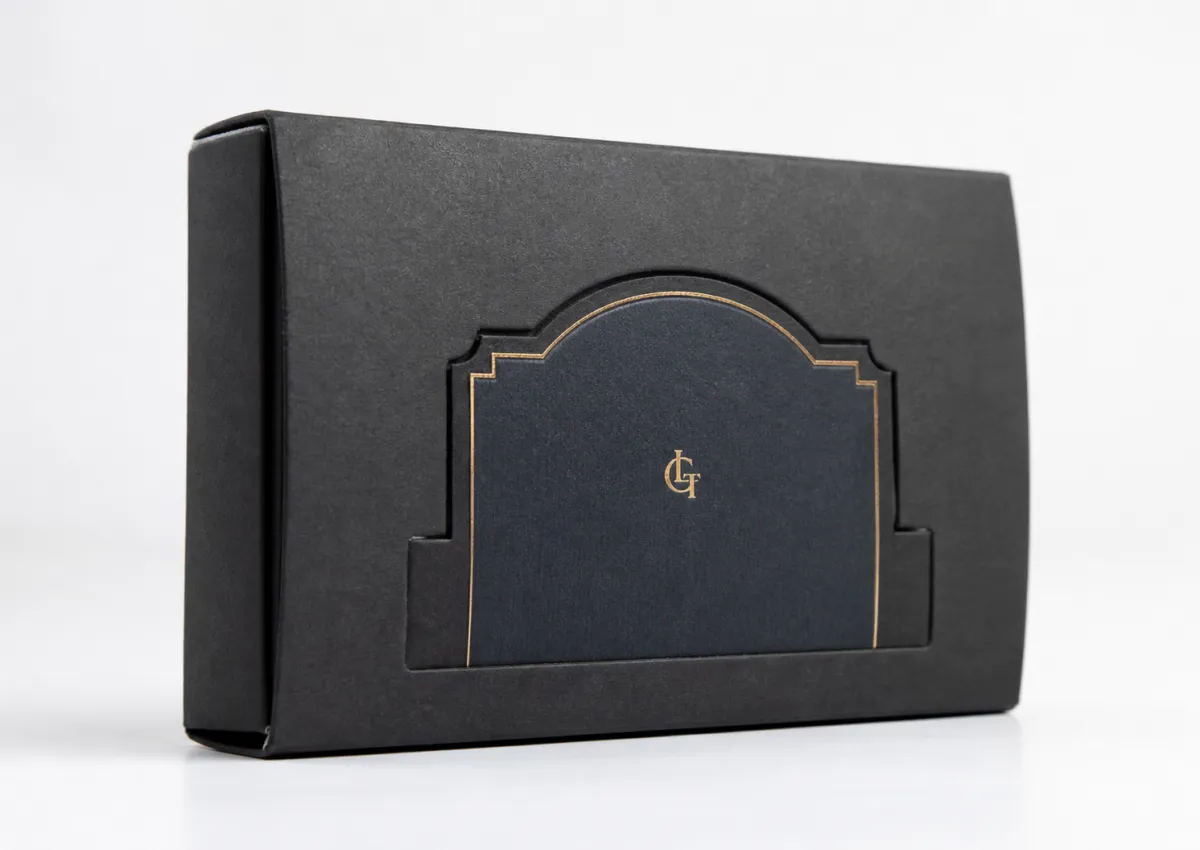
Custom labels for packaging boxes solve a familiar packaging problem: the box works, but it still needs identity. A plain kraft mailer or a standard folding carton may be fully functional, yet it still needs something that tells the buyer who made it and what is inside. A label placed with care turns a blank surface into branded packaging without the cost, waste, or lead time of a full tooling change.
They also do a lot of practical work. Custom labels for packaging boxes can name the product, show batch information, call out scent or flavor, mark a limited edition, or carry care instructions and ingredient notes. They can hold barcodes, QR codes, compliance text, and short brand copy. That is why labels sit between product packaging and package branding rather than living as decoration only.
The most common mistake is treating the label like an afterthought. The artwork looks good on a screen, then the real box arrives and the label crosses a fold, hides a key brand element, or throws off the visual balance of the panel. A label should fit the carton as if the two were planned together. That means measuring the actual box, checking the folds, and thinking about the finished surface, not only the mockup.
Custom labels for packaging boxes also give brands room to move. If a test flavor sells faster than expected, a label update can happen quickly. If a retailer wants different copy, or a market needs a different language version, the label can carry that change without waiting for a new carton run. Brands using Custom Labels & Tags as a fast packaging layer get a lot of mileage out of that flexibility. The same is true for short seasonal art, regional campaigns, and one-off promotions that would never justify a full box reprint.
Cost control is another reason these labels stay popular. A box redesign can pull in new dielines, new plate work, new print files, and higher minimums. Labels are less demanding. A few hundred units for a launch can still look polished, and the packaging system stays light. That matters for retail packaging, gifting, and direct-to-consumer shipping, where presentation shapes the unboxing moment as much as the structure of the carton itself.
A box can be strong, but if the label is off, the whole package feels cheaper than it should. Buyers may not say that out loud, though they notice it right away.
For a broader packaging line, custom labels for packaging boxes can work alongside inserts, sleeves, mailers, and cartons from Custom Packaging Products. That makes it easier to coordinate color, finish, and hierarchy across the full order. Real packaging design is not only about placing a logo on white space. It is about making every surface feel like it belongs to the same system.
How Custom Labels for Packaging Boxes Work in Real Production
Custom labels for packaging boxes follow a clean production flow, but each step can create trouble if the details are loose. The job usually moves from artwork prep to material selection, proofing, printing, finishing, cutting, and packing for delivery to the warehouse or pack line. Every stage depends on the one before it. A messy file at the front end almost always becomes a more expensive job later.
Format comes first. Sheets fit hand application well, especially for a few hundred or a few thousand boxes being labeled by a team on the floor. Rolls make more sense for machine application or faster semi-automated lines. Kiss-cut labels peel cleanly, which feels like a small benefit until someone is trying to separate 5,000 labels by hand and the liner keeps fighting back.
Custom labels for packaging boxes also need to match the box surface. Coated board, matte lamination, textured kraft, recycled stock, and soft-touch finishes all respond differently. A glossy label on a soft-touch carton can look intentional and premium. Put that same label on rough recycled stock and it may resist flattening or show edge lift sooner than expected. Adhesive choice matters just as much. Standard permanent adhesive works for many dry cartons, while high-tack, freezer, removable, and aggressive adhesives each solve a different production problem.
Sheets, rolls, and kiss-cuts
Custom labels for packaging boxes on sheets usually suit start-ups, fulfillment teams, and seasonal campaigns because they store easily and apply by hand without much training. Rolls fit speed and consistency better, especially for higher volumes or dispenser-fed lines. Kiss-cuts reduce friction during application because the liner stays intact and the label lifts cleanly.
That choice affects labor in a very real way. A slower format can add cost to every thousand boxes. If one person applies 500 labels an hour by hand, and a roll-fed setup doubles that pace, the format decision matters just as much as the artwork. A small layout change can be cheaper than a long hour of manual application.
Custom labels for packaging boxes should be tested on the actual line whenever possible. That means checking whether the label wraps over a fold, whether the adhesive grabs too quickly or too slowly, and whether placement stays consistent from the first unit to the last. For brands shipping through parcel networks, labels are less like decoration and more like a working layer that has to survive handling, abrasion, and temperature shifts.
Shipping-heavy jobs deserve route testing and honest wear checks. If the package is likely to see drops, stacking, or long transit times, the guidance from ISTA can help before a finish gets approved. Clean artwork matters little if the label starts lifting after a few days in transit.
Testing catches the failures that show up again and again: corner lift, adhesive ooze, edge whitening, and misaligned placement. Good proofing catches most of those issues. Better proofing includes a physical sample, not only a PDF. Screen color helps, but it does not tell you how the label behaves under real light on real board.
Cost and Pricing Factors for Custom Labels
Custom labels for packaging boxes are priced through a handful of variables buyers already know, even if they do not always name them: size, shape, material, finish, color count, adhesive, quantity, and the amount of setup required. Bigger labels cost more per piece because they consume more stock and ink. Special shapes cost more because they need extra cutting time and create more waste during production.
The biggest pricing mistake is comparing one quote without asking what sits inside it. Setup fees, press prep, cutting, packing, and shipping can shift the final unit number more than people expect. A small order may look cheap until the setup cost is spread across only 250 or 500 pieces. That is usually the point where custom labels for packaging boxes stop feeling like a simple purchase and start looking like a real production choice.
Volume changes the math quickly. Smaller quantities carry higher unit costs because the fixed work is shared across fewer labels. As quantity rises, unit cost usually drops. That does not mean the largest run is always the right one. If a product is still being tested, a smaller run protects cash and keeps dead stock from piling up. If the label will stay in place for months, a larger run often makes more sense because the unit economics improve fast.
MOQ is a tradeoff, not a random supplier rule. A small minimum can be the right move for a launch, especially if the product is still proving itself or if the run is tied to a limited retail packaging drop. Higher volume can make sense for an established SKU because the price break may justify the larger commitment. That is why custom labels for packaging boxes deserve quotes at two or three quantities, not only one.
| Label option | Typical use | Approx. unit cost at 5,000 pcs | Best for | Notes |
|---|---|---|---|---|
| Paper label | Dry goods, basic branding | $0.06-$0.14 | Budget-conscious packaging design | Good print clarity, lower moisture resistance |
| Laminated paper label | Retail packaging, light handling | $0.10-$0.22 | More durable product packaging | Better scuff resistance, stronger shelf appearance |
| Film label | Moisture, abrasion, shipping wear | $0.12-$0.28 | Boxes that see more handling | Often BOPP or similar film stock |
| Specialty finish label | Premium gifting, limited editions | $0.20-$0.45 | High-impact package branding | Soft-touch, foil, spot UV, or unusual die cuts raise cost |
Those numbers are not fixed. They move with size, color complexity, adhesive demand, and supplier scale. A 2-inch square label in one color can sit near the low end. A large custom shape with full coverage and a specialty finish climbs quickly. Custom labels for packaging boxes are usually cheapest in plain paper stock, though cheapest is not always the right choice if the label needs to survive shipping, refrigeration, or constant retail handling.
Ask for pricing at two or three quantities. That makes the price break easier to see. Sometimes the jump from 1,000 to 2,500 labels saves enough per piece to justify the larger order. Sometimes the savings are modest. Buyers do better when they treat custom labels for packaging boxes as a calculated purchase, not a guess.
If sustainability matters, ask about paper sourcing and whether the stock carries FSC certification. For that kind of verification, FSC gives a clearer standard than broad eco language printed on a sales sheet. Specific sourcing claims are easier to trust than vague ones.
It also helps to ask whether the price includes special packing or variable data. Custom serial numbers, batch codes, and unique QR codes can affect setup and inspection. The more variable the information, the more carefully custom labels for packaging boxes need to be planned before production starts.
Process and Timeline: From Artwork to Delivery
Custom labels for packaging boxes usually move faster than a full custom carton run, though they are never instant. A smooth job starts with a brief, artwork files, dimensions, and a clear plan for application. If those pieces are ready, the rest of the work becomes much more predictable. If they are not, the schedule slips before printing even begins.
A typical order flows through request for quote, file review, proof, proof approval, production scheduling, printing, finishing, cutting, inspection, packing, and shipment. Each stage can move quickly, but the full timeline depends on whether the label is standard or custom cut, how involved the finish is, and how fast approvals come back. Simple custom labels for packaging boxes often finish in about 7-12 business days after proof approval, while more complex jobs can take 12-18 business days or longer.
Most delays come from the same places. Missing dielines. Low-resolution logos. Color changes after proof. Last-minute text edits. Someone spotting a typo only after the proof has already been approved, which happens more often than anyone likes to admit. Faster timelines depend on file readiness, not wishful thinking.
Projects that need testing benefit from understanding the standards before they enter production. Adhesion checks often reference ASTM methods such as peel or bond performance testing, while shipping durability is better judged through route testing than through guesswork. If the label is going onto a box that will be stacked, tossed, or warehoused, sample verification belongs in the timeline before final approval.
Custom labels for packaging boxes also behave differently based on how they are applied. Hand application allows for a little forgiveness, but it moves slower and varies from person to person. Machine application is faster, yet it needs tighter size tolerances and consistent roll winding. Your production team needs to know whether the labels will be applied by hand, by dispenser, or by automated line before the quote goes out.
- Measure the box and confirm the flat label area.
- Choose the stock, adhesive, and finish.
- Prepare artwork at print resolution with bleed and safe margins.
- Review a proof on-screen and, if needed, request a physical sample.
- Approve only after checking placement, color, and wording on the actual box.
The checklist looks basic because it is basic. Still, it is the part people skip when they are moving quickly. Custom labels for packaging boxes tend to go right when the box size is confirmed and the approval cycle stays tidy. They go wrong when a mockup gets treated like a production carton.
Common Mistakes With Custom Labels for Packaging Boxes
Custom labels for packaging boxes fail for reasons that are usually easy to predict. The first mistake is sizing the label for the digital mockup instead of the actual carton. The second is forgetting about seams, folds, handles, or tuck flaps. A label that looks centered on a flat artwork file can land awkwardly on the finished box and create the exact imbalance the brand was trying to avoid.
Another common problem is choosing the wrong stock for the environment. A basic paper label may work on a dry shelf product, but it becomes a poor choice for a chilled item, a humid warehouse, or a shipping route with heavy abrasion. Once moisture or friction enters the picture, custom labels for packaging boxes need a more suitable face stock and adhesive. Otherwise the edges lift and the box starts looking worn before it reaches the customer.
Too much design can cause just as much trouble. Small boxes do not have room for everything. Tiny type, thin rules, busy gradients, and too many claims can make the label hard to read from a normal viewing distance. A label should communicate in a second or two. If the viewer needs to lean in, the hierarchy is off. In packaging design, clarity usually wins over cleverness.
“We thought the artwork was the problem. It turned out the label was the wrong size and the seam cut through the logo.” That line comes up often in packaging, and it is expensive to learn more than once.
Proofing mistakes add their own cost. Screen color can get close, but it is not the final answer. Retail lighting shifts how color reads. Matte stock darkens certain tones. Gloss raises the energy of others. Custom labels for packaging boxes should be checked under realistic light whenever the package is going to sit on a shelf, in a gift set, or under bright fulfillment-room LEDs.
Placement consistency matters too. A label applied 3 mm too high may not sound serious, yet repeated across a run it becomes the visual signature of a rushed job. That is especially true for custom labels for packaging boxes used in premium custom printed boxes or upscale gifting, where even minor misalignment feels careless.
The fix is not complicated. Measure. Test. Approve on the real box. Leave a tolerance window. If the label is carrying a lot of visual responsibility, request a sample before the full order moves ahead. That one step saves more money than most buyers like to admit.
Expert Tips for Better Branding and Print Results
Custom labels for packaging boxes look strongest when the design starts with the box, not the other way around. Map the label against the carton size, color, and finish before adding decoration. A label that echoes the box texture or color family usually feels more intentional than one that just sits on top like a sticker that never really found its place.
Keep the message focused. Logo. Product name. One visual cue. Enough white space for the eye to rest. That does not mean bland. It means controlled. The most effective custom labels for packaging boxes usually have one clear focal point and one clear job. Overloaded layouts can look active on a screen and confused on a shelf.
Finish changes the entire mood of a label. Matte often reads cleaner and more premium. Gloss feels brighter and more retail-forward. Soft-touch adds a quieter tactile quality. Foil or spot UV can bring contrast, but only if the base design stays restrained. The same artwork can feel expensive in matte and oddly loud in gloss if the finish fights the brand voice. That is material behavior, not mystery.
Custom labels for packaging boxes also deserve a sample review when the order carries real brand risk. If the boxes are headed for retail packaging, a photo shoot, a gift program, or a high-value subscription offer, the label cost is small compared with the cost of getting it wrong. A press proof or physical sample gives you a chance to check color, opacity, cut accuracy, and placement before the full run lands. That is a lot cheaper than rebuilding a launch because the red printed too orange.
Matching the label stock to the package finish is worth the extra thought. A textured kraft box usually needs enough contrast and enough adhesive bite to stay neat. A smooth coated carton may do better with a thinner label. If the surface is slick, make sure the adhesive suits it. Custom labels for packaging boxes can look expensive on the right stock and cheap on the wrong one, even if the artwork stays identical.
Think about how the label will be read in use. Will a customer see it from arm’s length on a shelf? Will a warehouse worker scan a barcode under fluorescent light? Will a gift recipient hold the box and inspect the finish? Those use cases should shape the typography, contrast, and placement. Good packaging design is not only visual. It has to work in the hand, on the shelf, and during fulfillment.
Custom labels for packaging boxes should also fit the rest of the system. If the carton already carries heavy print, the label may need to stay minimal. If the box is plain, the label can do more of the visual work. That balance is where strong package branding happens. It also keeps the packaging line from looking like several departments designed separate pieces without talking to each other.
Next Steps: Turn the Label Plan Into an Order
Custom labels for packaging boxes become much easier to buy once the job is broken into a few clear decisions. Start with the box dimensions. Confirm where the label will sit. Choose stock, finish, adhesive, quantity, and application method. If the artwork is not print-ready, fix that before asking for quotes. A supplier can price a clean file faster than they can rescue a messy one.
- Measure the flat application area and keep clear space from seams and folds.
- Choose a material that matches the package surface and handling conditions.
- Confirm whether the labels will be applied by hand, dispenser, or machine.
- Ask for pricing at multiple quantities to see where unit cost improves.
- Request a sample or proof if the package is customer-facing or premium.
Do not shop only by unit price. That is how people end up with a slightly cheaper label that takes longer to apply, peels at the corners, or looks uneven across the run. Lead time, proof support, adhesive performance, and cut accuracy matter more than saving a few cents on paper. Custom labels for packaging boxes should make production easier, not harder.
If the packaging is new, or if the labels will face heat, humidity, or heavy handling, run a pilot. A small test batch tells you more than a polished render ever will. Real boxes are not gentle. They get stacked, slid, crushed, and touched. If the label survives all that, the system is in good shape.
For brands balancing product packaging, retail packaging, and fulfillment speed, custom labels for packaging boxes remain one of the most useful tools available. They can make plain cartons feel branded, help small launches move faster, and keep inventory risk under control. Used well, they strengthen the full packaging system instead of acting like a patch.
If you are ready to move from concept to production, gather the box measurements, choose the finish, and compare a few quote levels. Then ask the supplier one direct question: will these custom labels for packaging boxes hold up on my box, in my line, under my real shipping conditions? That question saves money, time, and a long list of awkward apologies later.
What size should custom labels for packaging boxes be?
Measure the flat application area on the box first, then leave safe margins from folds, seams, and edges. Use a mockup or template to confirm the label does not wrap awkwardly or cover key branding. If box sizes vary across SKUs, standardize label sizes where possible so the production process stays simpler and less error-prone.
Which material works best for custom labels for packaging boxes?
Paper works well for dry, low-handling packaging and usually keeps costs down. Laminated or film labels are better for moisture, abrasion, shipping wear, or chilled storage. Match the label material to the box surface so the adhesion is clean and the final look feels intentional instead of improvised.
How much do custom labels for packaging boxes usually cost?
Cost depends on size, quantity, finish, material, adhesive, and whether the shape is standard or custom cut. Small orders usually have a higher unit cost because setup is spread across fewer labels. Ask for pricing at two or three quantities so you can see where the savings jump becomes worth it.
How long does production take for custom labels for packaging boxes?
Simple orders can move quickly if the artwork is ready and the specifications are standard. Custom shapes, specialty finishes, and approval delays extend the timeline. The fastest orders happen when files are print-ready before quoting starts, because the production team can move straight into proofing and scheduling.
Can custom labels for packaging boxes be applied by hand or machine?
Yes, but the format matters. Sheets are easier for hand application and rolls work better for automation or dispenser-fed lines. If speed and consistency matter, tell the supplier the application method upfront so the format matches the line. A mismatched format creates labor waste, crooked placement, and more rejects.
Custom labels for packaging boxes are not the loudest part of packaging, yet they often decide whether the whole presentation feels complete. Get the size right, Choose the Right stock, and approve with the real box in hand. That is how custom labels for packaging boxes support better branding, better production, and fewer expensive surprises.

