Plain plastic bags do the job, but they rarely look finished. Custom Labels for Packaging are the fastest way to turn a generic poly bag into branded packaging that looks organized, shelf-ready, and easy to ship without committing to full bag printing.
The main advantage is flexibility. Labels can carry logos, ingredients, barcodes, warnings, batch codes, and tamper cues while letting you change SKUs without reordering the whole bag. The mistake is treating any sticker as good enough. On flexible packaging, a label that curls, smears, or lifts becomes a production defect, not a minor cosmetic issue.
For most buyers, the decision comes down to appearance, durability, and speed. Labels win when you need quick changes, lower upfront commitment, or a short run before investing in printed bags. If the package will face moisture, refrigeration, friction, or rough shipping, the material and adhesive matter more than the artwork.
For teams building a packaging system in stages, a small test order through Custom Labels & Tags is often the safest starting point before expanding into other Custom Packaging Products.
What custom labels do for plastic bag packaging
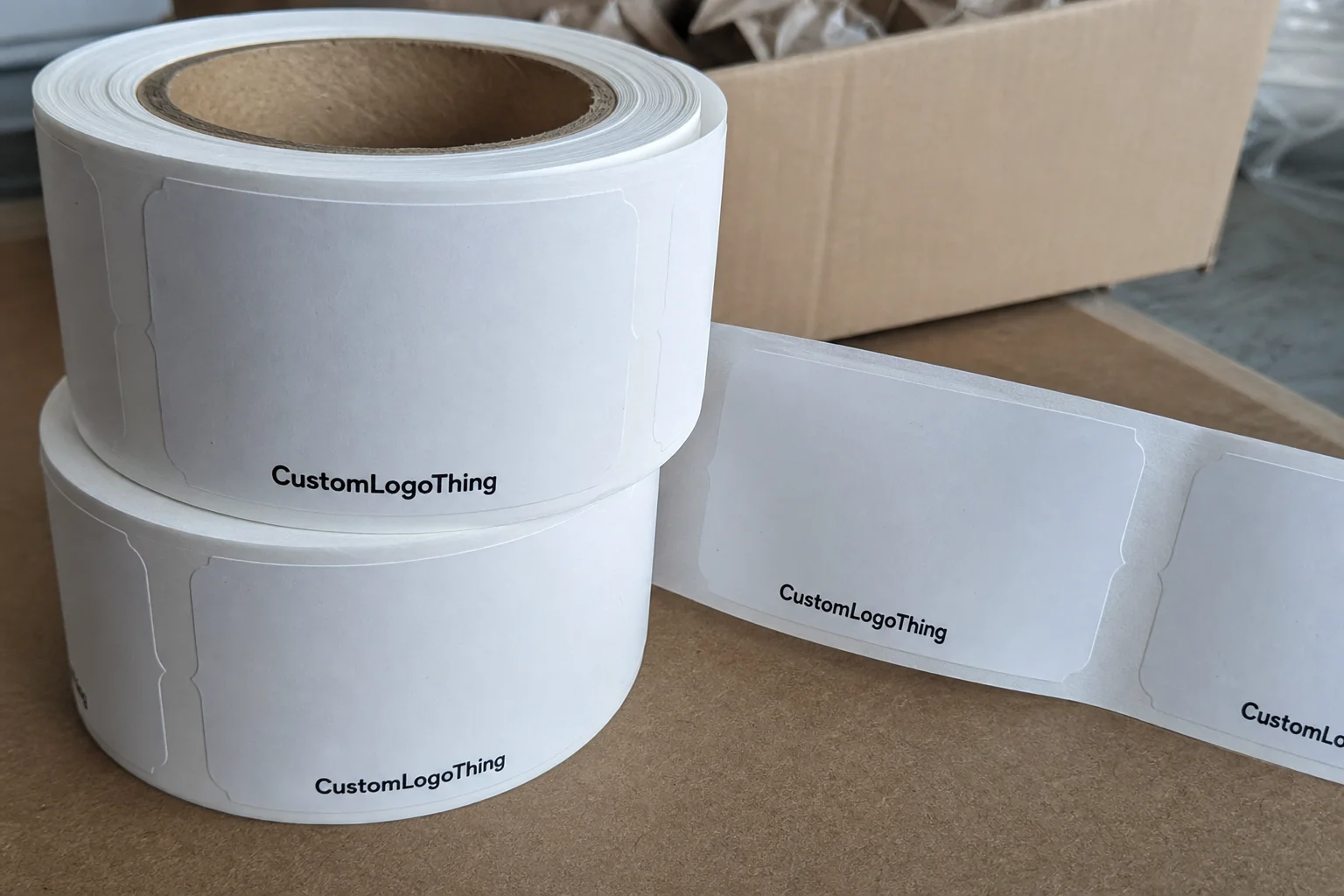
A plain LDPE or HDPE bag is functional. Add the right label, and the package starts to look deliberate. That matters in retail, fulfillment, and subscription packaging, where the customer sees the exterior before they ever touch the product.
In practice, labels on plastic bags usually do five jobs:
- Branding: logos, colors, product names, and visual details that make the package recognizable.
- Information: size, flavor, ingredients, care instructions, warnings, lot codes, and barcodes.
- Compliance: required disclosures and product claims, depending on category and market.
- Security: tamper-evident seals or closure labels for certain products.
- SKU control: quick identification of variants, bundles, and seasonal runs.
That is why labels often beat direct printing or fully custom bags for shorter runs and frequently updated product lines. If you launch multiple SKUs, change artwork often, or want to test demand before paying for tooling, labels keep the process flexible. Direct printing can work well at scale, but it locks you into one design and usually a larger setup commitment.
There is a tradeoff. Labels can cost less upfront than Custom Printed Bags, but only if the spec matches the surface and the use case. A label that peels off a slick pouch is not a budget win. It is a failure that shows up later in relabeling, returns, or poor shelf presentation.
How the labeling process works on plastic bags
The process looks simple on paper: artwork, material, adhesive, finish, proofing, production, and application. On a flexible bag that wants to wrinkle and move, each step can affect the result.
Three formats are used most often:
- Pressure-sensitive labels: the standard self-adhesive option for most plastic bag applications.
- Roll labels: preferred for semi-automatic or automatic applicators and higher-speed packing lines.
- Sheet labels: practical for low-volume hand application, though slower at scale.
Bag surface matters more than many first-time buyers expect. LDPE is soft and flexible, so the label has to tolerate movement after sealing. HDPE can be slick and reduce initial tack. BOPP bags are smoother, which helps in some cases but still requires the right adhesive. Recycled films can vary from batch to batch, and textured surfaces can create tiny gaps that weaken adhesion.
Moisture changes the equation fast. Cold storage, condensation, shipping abrasion, and dust can all interfere with bond strength. A label may look fine at the application table and still fail after a day in a cooler or a week rubbing against other packed items. That is why test samples matter. A proof on paper is not a test. A proof on the real bag is the test.
Application method also affects the spec. Hand-applied labels can work well for a few hundred to a few thousand pieces if the size is manageable and placement does not need to be exact. Semi-automatic systems need consistent roll direction, spacing, and liner performance. Fully automated lines usually require tighter dimensional tolerance, predictable unwind direction, and fewer surprises in the adhesive system.
“If the label spec ignores the bag surface, the order is already halfway to the trash.”
Material, adhesive, and finish choices that actually matter
Most label failures start with material selection. Buyers often choose based on appearance first, then wonder why the label lifts in a cool room or scuffs during transit. The right choice depends on the bag substrate, storage conditions, and how the package will be handled after labeling.
Paper labels are the lowest-cost common option and can work for dry, low-abrasion use. They print cleanly and feel familiar, but they are less forgiving on flexible plastic bags, especially if humidity or rubbing is involved. If the package stays on a shelf and never sees moisture, paper may be enough. If it ships, chills, or flexes, caution is warranted.
BOPP is a strong general-purpose choice for plastic bag packaging. It resists moisture better than paper and usually holds up well during handling. Polyester is tougher, with better resistance to heat, chemicals, and abrasion. Vinyl can work for specialty applications, though it is not always the most cost-effective choice for standard branding jobs.
Adhesive is where a lot of budget orders go sideways. Common options include:
- Permanent adhesive: best for standard retail packaging where the label needs to stay in place.
- Removable adhesive: useful when the label must peel cleanly, though it can be weaker on some plastics.
- Freezer-grade adhesive: made for low temperatures and cold-chain conditions.
- High-tack adhesive: helpful for tricky surfaces, textured bags, or surfaces with light contamination.
Finish affects both appearance and usability. Matte reduces glare and makes text easier to read under store lighting. Gloss gives a brighter look. Soft-touch feels premium, but it can show wear if the package is handled a lot. Clear labels can create a printed-on-bag effect, which works well when artwork is clean and the background is controlled. Metallic finishes draw attention, but they can make barcodes harder to scan if contrast is not managed carefully.
Environmental factors should drive the spec. Humidity can weaken paper labels. Oil from food products can interfere with adhesion. Friction during shipping can scuff glossy surfaces. A freezer label that performs at low temperature is not the same as a room-temperature label with a cold-sounding name.
| Label Type | Best Use | Typical Durability | Tradeoff |
|---|---|---|---|
| Paper | Dry, low-abrasion packaging | Low to moderate | Cheaper, but weaker on flexible plastic |
| BOPP | General-purpose plastic bag labeling | Moderate to high | Better moisture resistance, slightly higher cost |
| Polyester | High-abrasion or demanding conditions | High | More expensive, but very durable |
| Specialty film | Freezer, premium, or unusual surfaces | High to very high | Best performance, highest price |
A practical rule: choose the label based on the bag surface and end use first, then think about design. Pretty comes after functional.
Custom labels for packaging: cost, MOQ, and quote basics
Pricing depends on size, shape, material, adhesive, finish, color count, quantity, and whether the labels are sheeted or rolled. Two orders can look similar and still land in very different price brackets. A standard rectangle on paper stock is not the same product as a die-cut metallic BOPP label with freezer adhesive.
For simple stock-style labels, setup costs are lower and unit price can be reasonable. At moderate volumes, cost per label usually drops quickly because the setup is spread across more pieces. Specialty finishes, custom shapes, and complex coatings raise the price. If a quote looks unusually cheap, check what got removed from the spec.
MOQ, or minimum order quantity, is the smallest run a supplier will accept at a workable price. Standard rectangles often have lower MOQs than custom die-cut shapes. Roll labels for automation may also need higher quantities to justify setup. If you only need a few hundred labels, ask whether a stock size can work.
Buyers often miss hidden costs. Common ones include:
- Proofing fees for complex artwork or multiple revisions.
- Tooling or die charges for custom shapes.
- Special inks for metallics, opaque white, or variable data.
- Applicator setup if the labels will run on equipment.
- Freight, especially for bulky roll jobs.
If you want to compare quotes properly, compare the spec line by line. Look at material, adhesive, finish, size, quantity, and format. A cheaper quote for thinner stock with general-purpose adhesive is not the same product as a slightly higher quote for a freezer-safe, high-tack label. That distinction matters more than the headline price.
Most packaging teams do better when they view label cost inside the larger packaging budget. A label that saves four cents but creates rejects, relabeling, or scan failures is not saving anything.
Production steps and turnaround: from artwork to delivery
Once the order is placed, the timeline usually moves through file check, proof approval, material sourcing, print production, finishing, packing, and shipping. If the artwork is clean and the material is standard, the process can move quickly. If the design has tiny text, multiple spot colors, or a tricky finish, the schedule stretches.
Lead time depends on three things: quantity, complexity, and sourcing. Straightforward runs with common materials are often quicker than specialty jobs. If a supplier has to source custom film or specialty adhesive, expect more time. Rush orders are possible, but they often narrow finish choices and raise cost.
From a production standpoint, the smartest move is to build in time for proof revisions and a first-article test on the actual bag stock. A label can pass a digital proof and still fail on the real packaging. The best time to catch it is before the full run, not after cartons are already on the dock.
For jobs tied to launch dates, leave room for at least one approval cycle plus enough time to test the label under the real storage condition. If the bags will be refrigerated, stacked, shipped, or handled by a warehouse team, test under those conditions.
For broader packaging programs, coordinate labels with inserts, cartons, and outer shipper branding. A label that clashes with the rest of the packaging looks accidental, and a barcode that is hard to scan becomes an operations problem fast.
Common mistakes that make labels fail on bags
The biggest mistake is using the wrong adhesive for the surface. Slick plastic, cold rooms, dusty fill lines, and curved bags all stress the bond differently. A label that works on a flat sample card may fail on a soft bag because the bag flexes after sealing.
Size causes trouble too. Too large, and the label bridges seams, wrinkles over gussets, or catches during stacking. Too small, and the brand mark looks weak or the barcode turns into a scanning headache. Flexible packaging gives you less flat real estate than most buyers expect, especially once the bag is filled.
Skipping real-world testing is the classic budget mistake. The sample should be the exact bag material, not something close enough. Test the label on the bag you will actually use, stored the way it will actually be stored. If the product goes into a cooler, test it there.
Design problems create their own mess. Tiny type, low contrast, and crowded layouts are hard enough on rigid packaging. On a flexible bag, they are even harder because the surface moves. Keep the key information readable at final print size. If the barcode gets clipped or the expiration date is microscopic, operations will find out quickly.
Regulatory and barcode requirements also deserve attention. That includes readable lot codes, proper ingredient formatting where needed, and barcode placement that supports scanning. Your team may forgive a slightly off shade of blue. They will not forgive a pallet that cannot move through receiving.
Expert tips and next steps for ordering smarter
Start with a sample pack or a short test run before you commit to full volume. If the label passes on your actual bag, with your actual fill, under your actual storage conditions, the spec is probably sound.
Ask for adhesive recommendations based on temperature, storage, and bag material. Do not accept a vague “standard adhesive” answer unless your use case is actually standard. Many are not. Food pouches, recycled films, cold storage, and retail packaging behave differently.
Request a proof that shows barcode size, color contrast, and the final cut line. If you plan to use automated application, confirm the label orientation on the roll as well. Wrong unwind direction can turn an otherwise good order into a setup problem.
Plan dimensions around the bag’s usable flat area and the application method. A hand-applied label can tolerate some inconsistency. An automated line usually cannot. Measure the area after the bag is filled, not only when it is empty.
- Audit the bag stock, finish, and storage environment.
- Gather final artwork and required copy.
- Request two or three spec-comparable quotes.
- Ask for material and adhesive recommendations.
- Approve a sample on the actual bag before scaling up.
Custom labels for packaging can be the fastest way to upgrade a product line, but only if the adhesive, finish, and format match the bag and the job. Good labels reduce friction in production and improve shelf presentation. Bad labels do the opposite, and the cost shows up long after the invoice is paid.
Are custom labels for packaging better than printing directly on plastic bags?
Usually, yes for short runs, fast launches, and product lines that change often. Labels keep the process flexible and reduce setup commitment. Direct printing can be more efficient at larger volumes, but it gives you less room to adjust artwork or SKUs.
What label material works best for plastic packaging bags?
BOPP and polyester are common choices because they handle moisture and handling better than paper. Paper can work for dry, low-abrasion applications, but it is less forgiving on flexible plastic surfaces.
How much do custom labels for packaging usually cost?
Cost depends on size, quantity, material, finish, and adhesive type. Simple stock-style labels are usually cheaper upfront, while specialty finishes, custom shapes, and small quantities push the unit price up. Setup and freight can also affect the total.
What is a normal turnaround time for custom bag labels?
Standard jobs are often completed faster when artwork is ready and materials are common. Specialty materials, custom cuts, or proof delays can extend the schedule, especially if the supplier needs to source a specific adhesive or film.
How do I make sure labels stick to plastic bags properly?
Match the adhesive to the bag surface and storage conditions, then test the label on the exact packaging you plan to use. If the bag is slick, cold, dusty, or highly flexible, ask for a stronger adhesive or a material better suited to that environment.