Buyer Fit Snapshot
| Best fit | Custom Laminated Box Sleeves projects where brand print, material claims, artwork control, MOQ, and repeat-order consistency need to be specified before quoting. |
|---|---|
| Quote inputs | Share finished size, material target, print colors, finish, packing count, annual reorder estimate, ship-to region, and any compliance wording. |
| Proofing check | Approve dieline scale, logo placement, barcode or warning zones, color tolerance, closure strength, and carton packing before bulk production. |
| Main risk | Vague material claims, crowded artwork, missing packing details, or unclear freight terms can make a low unit price expensive after revisions. |
Fast answer: Custom Laminated Box Sleeves: Design, Print, and Fit should be specified like a repeatable production item. The safest quote records material, print method, finish, artwork proof, packing count, and reorder notes in one written spec.
Production checks before approval
Compare the actual filled-product size with the drawing, then confirm tolerance on folds, seals, hang holes, label areas, and retail display edges. Reserve space for logos, QR codes, warning copy, and material claims before decorative graphics fill the panel.
Quote comparison points
Review material grade, print process, finish, sampling route, tooling charges, carton quantity, and freight assumptions side by side. A quote is only useful when the supplier can repeat the same color, closure quality, and packing count on the next order.
Custom Laminated Box Sleeves: Design, Print, and Fit
Custom laminated box sleeves do a very specific job well. They let a brand change the outside story without tearing up the whole carton program underneath. That matters for launches, seasonal sets, subscription kits, retailer exclusives, and any project where the structure already works but the presentation needs more punch.
For a packaging buyer, that is usually the sweet spot. You get tighter control over package branding, more flexibility across SKUs, and a cleaner way to update graphics without reworking every dimension of the box. You also avoid paying for a full structural redesign when the box itself is already doing its job.
If you are comparing branded packaging options, this format sits in a useful middle lane. It feels more intentional than a label, usually costs less than a full carton rebuild, and works across premium as well as high-volume programs. The sections below cover how custom laminated box sleeves are built, what drives fit and finish, what affects price, and what to check before you approve artwork or place an order through Custom Packaging Products.
What Are Custom Laminated Box Sleeves?
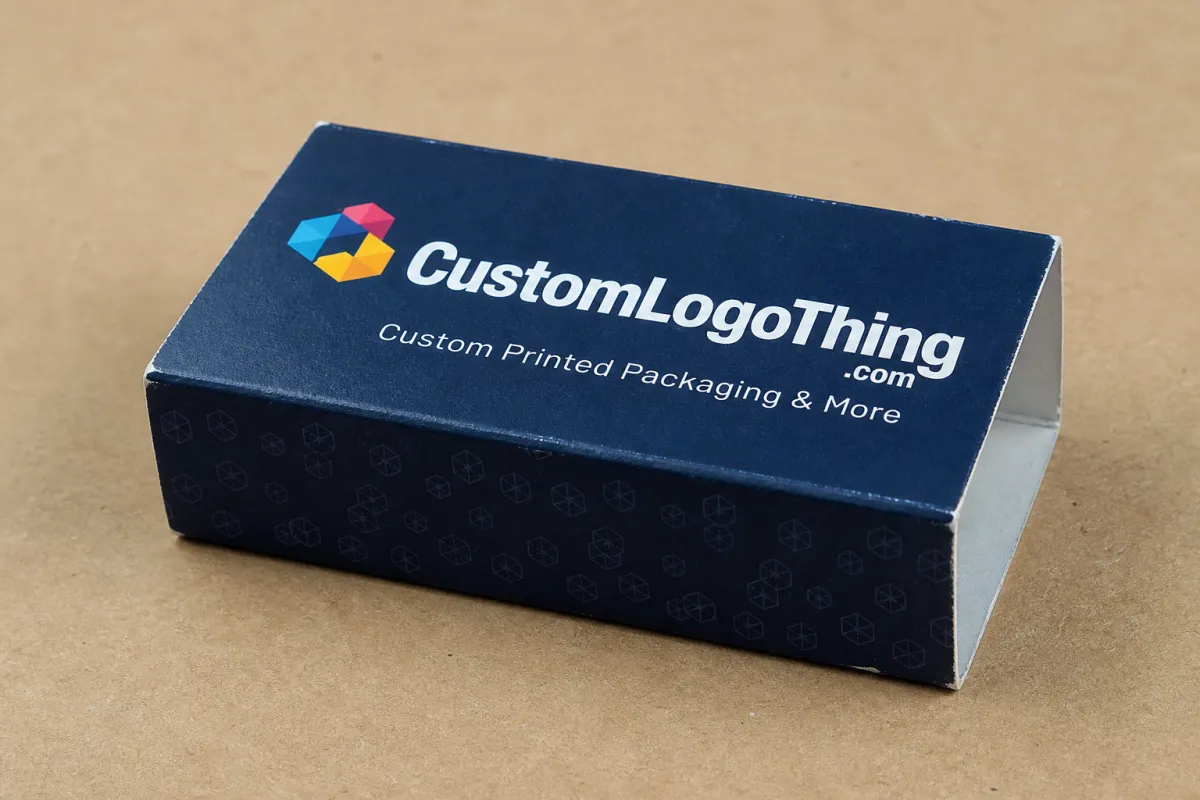
A custom laminated box sleeve is a printed wrap, band, or outer shell that slides over an existing box or carton. The base carton stays in place. The sleeve adds the visual layer. Simple idea. More useful than it sounds.
The sleeve is usually printed on paper or paperboard, then laminated after printing to improve appearance and handling performance. That laminate layer helps preserve color, reduce scuffing, and create the surface feel the brand wants, whether that is glossy, matte, or soft-touch. On shelf, those details decide whether a pack reads as deliberate branded packaging or just another plain carton trying to get by.
Brands use sleeves for a lot of practical reasons. A product launch may need a fresh identity before the full carton program is ready. Seasonal promotions may need temporary messaging that can be swapped out without changing the box underneath. Subscription programs often want a recurring sleeve format with rotating artwork, and line extensions work well when the base box stays the same but the graphics change.
For buyers, the appeal is also operational. If the base carton has already been approved for size, fit, and function, a sleeve lets the team refine the look without reopening the structural side of the project. That keeps the work closer to packaging design and further from the kind of structural retooling that eats time, budget, and patience in equal measure.
A sleeve is not just decoration with a fancy name. In a solid packaging program, it is a repeatable component that lets a brand change presentation without changing the whole box.
There is a real production advantage too. Sleeves can support versioning, cross-promotions, bilingual packaging, or retailer-specific artwork while keeping the core carton simpler. That means fewer fully unique box structures to manage, fewer storage headaches, and less waste when the graphic story changes. It is one reason custom laminated box sleeves keep showing up in modern retail packaging programs.
They are not magic, though. If the product needs crush resistance, shipping protection, or internal support, the sleeve will not solve that problem. The underlying carton still has to do the heavy lifting. Packaging does not get to cheat physics. Annoying, but true.
How Custom Laminated Box Sleeves Work
The build is straightforward. The tolerances are not optional.
Artwork is printed on a suitable paper or paperboard substrate, laminated after printing, then die-cut, creased, and folded into sleeve form. Depending on the application, the sleeve may wrap the full box, band across a visible panel, or sit over a tray or rigid setup as an outer layer. The goal stays the same: align cleanly, fit properly, and look intentional in the hand as well as on the shelf.
Fit is where a lot of sleeve projects either succeed or become a nuisance. A good sleeve leaves enough allowance to slide over the box without force, but not so much slack that it shifts, twists, or feels loose in the hand. Finished dimensions need to account for board thickness, fold positions, seam overlap, and any compression caused by the box style underneath.
If the sleeve sits over a carton with a tuck flap or locking tab, those features need to be measured in the final packed condition, not guessed from a flat sample. That sounds obvious. People still miss it. Then everyone wonders why the sleeve looked fine in mockup and wrong on the line.
Surface finish changes the feel immediately. A gloss laminate gives color more punch and catches retail lighting hard. Matte reads calmer and more restrained, which works well for lifestyle, wellness, and premium food or beauty lines. Soft-touch brings a velvety feel that many buyers associate with elevated branded packaging. Spot UV or specialty coating can highlight logos, claims, or product names, but those effects need discipline. Too much shine, and the pack starts looking busy instead of premium.
It helps to separate three related but different solutions:
- Decorative sleeves improve appearance and branding.
- Tamper-evident bands show whether a package has been opened, often around a lid, neck, or seal area in a smaller format.
- Structural carton components are part of the actual box build and carry the mechanical function of the pack.
That distinction matters because custom laminated box sleeves are best used for presentation and controlled messaging, not as a replacement for actual box strength. If the product needs shipping protection or structural performance, the underlying carton still has to handle that. For distribution-heavy programs, many buyers pair sleeve development with shipping tests or performance checks under ISTA procedures so the outer presentation holds up in real handling.
The better question is whether the sleeve solves the right problem. If the goal is shelf impact, line distinction, or a premium refresh, it usually fits well. If the goal is a load-bearing structure, the sleeve is only one part of the plan. That is why experienced packaging teams treat it as a visual and brand-control component, not a shortcut around engineering.
Key Design and Material Factors That Shape the Result
The best sleeve programs start with the substrate. Most custom laminated box sleeves use coated paper or paperboard that prints sharply and folds cleanly. SBS board is a common choice because it handles detail well and gives a smooth surface for color work. Heavier stocks can improve stiffness and help the sleeve keep crisp edges, especially on wider formats or sleeves that need to hold up better during packing and retail handling.
Laminate selection matters just as much as board choice. A thin gloss film can brighten color and help artwork read from a distance. Matte or satin reduces glare under store lights and creates a more measured look. Soft-touch improves hand feel, but it can also show rub marks differently depending on the coating system. If the sleeve will be handled repeatedly during packing, kitting, or in-store display, scuff resistance should be discussed before anyone signs off.
Artwork placement depends on the dieline, and the dieline depends on the actual box dimensions. That sounds basic because it is. Still, a lot of delays come from designs built on assumption instead of measurement. Fold positions, seam locations, bleed allowance, and wrap overlap all affect where the logo lands and how much of the panel stays visible. If a barcode or legal line sits too close to a fold, it can distort or disappear once the sleeve is assembled.
Readability matters more than teams sometimes expect. A crowded sleeve can look exciting in a mockup and still be hard to read from a few feet away. The front panel should carry the brand and product name clearly, while secondary claims need enough hierarchy to support the story without fighting it. A sleeve is a branding tool, but it still has to function as packaging design.
Color matching is another place where expectations need to meet production reality. If a brand uses a specific red, navy, or metallic accent across Custom Printed Boxes, the sleeve needs to stay close enough to preserve recognition. That does not always mean an exact match across every component, because board, ink, laminate, and lighting all change the result. It does mean the project should include clear color targets, acceptable variance, and proofing that shows the team what the final piece is trying to hit.
The surrounding pack matters too. A sharp sleeve can look wrong if it clashes with the underlying carton color, tray color, or interior print. It can also feel off if the box beneath shows through open areas or cutouts. That is why buyers should review the assembled pack, not just the sleeve artwork alone. A good sleeve belongs to a complete product packaging system, not a floating graphic exercise.
For teams that need sustainability context, laminate choice deserves a careful look. Some programs prioritize FSC-certified paper sources, and many buyers want to understand the chain of custody behind the board they specify. If that matters for your program, verify material claims with the supplier and review certification details through FSC. Not every sleeve needs the same sustainability profile, but the paper choice, coating choice, and end-use requirements should line up before approval.
Common material and finish combinations
| Option | Typical look and feel | Best use case | Practical notes |
|---|---|---|---|
| SBS board + gloss laminate | Bright color, sharp contrast, higher shine | Retail packaging that needs strong shelf pop | Good for vibrant artwork; can show fingerprints more easily |
| Coated paper + matte laminate | Calmer finish, reduced glare | Premium lifestyle or wellness brands | Often easier to read under bright store lighting |
| Heavier board + soft-touch laminate | Velvety feel, more upscale presentation | Gift sets, prestige items, seasonal editions | Needs careful handling because scuffs may show differently |
| Board + spot UV accents | Mixed texture and gloss contrast | Brand marks, logos, hero imagery | Works best when used sparingly, not across the whole sleeve |
That table is a starting point, not a rulebook. The right combination depends on how the box will be handled, where it will sit in the channel, and how much visual competition is around it. A sleeve for a mass retail shelf does not need the same finish strategy as one used in a direct-to-consumer kit or a luxury launch box.
The strongest results usually come from matching substrate and finish to the buying environment instead of chasing effects because they look cool on a sample board. Packaging has a bad habit of sounding glamorous until it meets a warehouse floor.
Custom Laminated Box Sleeves Cost and Pricing Factors
Pricing for custom laminated box sleeves comes down to a few core variables: quantity, material thickness, print method, laminate choice, cutting complexity, and any specialty finishing. That sounds tidy, but each choice moves the final unit cost in a real way. A sleeve with one-color branding and a standard matte laminate costs very differently from a multi-panel sleeve with heavy coverage, spot effects, and tight color matching.
Quantity usually drives the biggest swing. Short runs carry more setup cost per piece because prepress, press setup, cutting, and finishing are spread across fewer units. Larger runs lower the unit cost because those fixed steps are distributed across more sleeves. That is why a 1,000-piece order can feel expensive on a per-unit basis, while a 10,000-piece order often looks much friendlier once production is moving at scale.
Material choice changes the math too. Heavier board costs more, but it may reduce handling issues and create a stronger perception of value. Specialty laminate systems can raise the price as well, especially if the sleeve needs extra abrasion resistance or a very specific tactile finish. Complex die-cutting, windows, nested panels, or unique locking features can add tooling and production time, which shows up in the quote whether anyone likes it or not.
Print complexity matters. Full-coverage graphics, rich dark solids, metallic-like effects, multiple SKUs in one run, and exact brand color targets all increase the work required in press setup and quality control. If the sleeve uses several versions, such as language variants or retailer-specific artwork, the press room has to manage changeovers and sorting carefully. That is normal, but it should be part of the quote conversation instead of a surprise buried in the invoice later.
A practical way to compare sleeve pricing with other packaging options is to look at the cost of the sleeve against the cost of reprinting an entire carton line. If the base box still performs well structurally, a sleeve can often deliver a meaningful brand update at a lower total program cost than a full carton change. If the design requires repeated kitting, manual insertion, or a lot of labor during assembly, the savings shrink. The right answer depends on the packing flow as much as the print spec.
The useful question is not only, “What is the unit price?” It is, “What do we gain by using the sleeve, and what do we avoid by not redesigning the whole box?” That is where custom laminated box sleeves often win. They can improve shelf appeal, support versioning, and refresh product packaging while keeping the underlying system simpler.
Cost factors at a glance
| Cost driver | Lower-cost choice | Higher-cost choice | Why it changes price |
|---|---|---|---|
| Quantity | Higher volume | Short run | Setup costs are spread across fewer units |
| Stock | Standard coated paper | Heavier or specialty board | More material per sleeve and sometimes more waste |
| Finish | Standard matte or gloss | Soft-touch, spot UV, specialty coating | More process steps and tighter handling controls |
| Artwork | Simple coverage | Multi-panel, tight registration, multiple versions | Higher prepress and press management effort |
| Assembly | Simple slip-on fit | Complex insert, band, or kitting requirement | More labor and packaging line time |
For many buyers, a realistic planning range for moderate-volume custom laminated box sleeves often lands in the low cents to a few tenths of a dollar per piece at larger quantities, with short runs and specialty effects moving higher. That range can vary a lot based on the build, so it is better to Request a Quote from the actual dieline and artwork than to rely on a rough market average. A supplier can usually price more accurately once the board, finish, and run length are locked down.
If you are ordering through a broader branded packaging program, ask for a price comparison between a sleeve solution and a full carton reprint. That gives the team a cleaner business case and makes it easier to decide whether the sleeve is a smart refresh, a temporary seasonal layer, or a long-term packaging system. For many product lines, a sleeve lands in the right place between presentation and cost control.
Production Process, Timeline, and Lead Time
The production path for custom laminated box sleeves is usually more orderly than people expect, provided the handoff is clean. It starts with a brief that defines the box style, dimensions, product weight, visual goals, and any functional requirements such as tamper evidence, retailer labeling, or barcode placement. If the base carton already exists, the supplier needs the exact outer dimensions and an actual sample whenever possible. That one step prevents a lot of resizing later.
Next comes prepress. This stage includes dieline review, file inspection, bleed verification, image resolution checks, and color management. If the sleeve wraps a nonstandard shape, the prepress team may adjust artwork placement so fold lines do not cut through key visuals. If you have small text, legal copy, or a barcode, this is where those elements should be checked against the dieline. Skipping that step can create delays that spill straight into the press schedule.
Proofing usually follows. Many programs review a digital proof first, then a physical proof or sample if the sleeve has critical color requirements, finish concerns, or complicated fit. The more complex the sleeve, the more valuable a physical sample becomes. A mock-up can show whether the laminate feels right, whether the artwork reads cleanly at shelf distance, and whether the seam sits where you expected. That is especially useful in branded packaging programs that need to coordinate with other components such as labels, inserts, or cartons from Custom Packaging Products.
Once approved, the press run begins. Printed sheets are laminated, cut, creased, and converted into sleeve form. Depending on the finishing requirements, there may be additional steps for spot coating, slitting, stacking, bundling, or kitting. Final inspection checks registration, color consistency, cut quality, and fit. The sleeve should open cleanly, fold accurately, and arrive in a condition that supports smooth packing on the line.
Lead time depends on a few practical factors:
- Artwork readiness: final files move faster than projects still waiting on revision.
- Finish complexity: specialty coatings and multiple passes take longer.
- Quantity: larger runs can be efficient in production, but they still need more schedule time.
- Tooling: a new die or unusual cut adds setup work.
- Material availability: stock choice can affect how quickly the job starts.
For simple runs with a clean dieline and approved artwork, production can move quickly once the proof is signed off. More detailed programs often need a longer runway, especially if the team wants to review multiple samples, compare finishes, or coordinate with a seasonal launch window. In many cases, it is smart to build in extra buffer so revisions do not chew into the last week before packing.
From a schedule-control standpoint, the safest habit is to lock the sleeve size early. If the base box is still changing, everything downstream gets less predictable. A half-inch shift in box depth can alter seam placement, wrap alignment, and visual balance on the shelf. Experienced packaging teams treat measurements as a first-order issue for a reason.
If your program is tied to a retailer reset or a product debut, add time for sampling, approval, and back-and-forth on proof details. The most avoidable delays usually come from unclear files, last-minute copy changes, or assumptions about fit that were never checked against an actual box sample. Good planning keeps the sleeve project simple, and simple is what keeps the schedule from turning into a mess.
Common Mistakes to Avoid with Box Sleeves
The first mistake is designing without the right dieline. A sleeve can look perfect on a flat artboard and still fail once it is folded if text lands across a seam or logo elements sit too close to the fold lines. Any design that wraps around a box needs to be built from the actual structure, not from a generic template that only looks close enough.
The second mistake is stuffing the artwork until it gasps for air. A sleeve can carry a lot of information, but it does not need to say everything at once. If every panel is packed with claims, badges, icons, and product copy, the package becomes harder to read from a normal retail distance. A cleaner hierarchy almost always looks more confident. Strong retail packaging gives the shopper one clear message first, then supports it with a few secondary details.
The third mistake is choosing a finish that does not match the environment. A soft-touch surface can feel excellent, but if the sleeves will be stacked tightly, rubbed in transit, or handled constantly during assembly, scuff behavior matters. Gloss can be durable and lively, but it does not fit every brand story. Finish should be selected for the actual use case, not because it looked pretty on a sample board.
The fourth mistake is assuming every box variation is identical. In real production, boxes can vary slightly because of paper thickness, gluing, scoring, or manufacturing tolerance. A sleeve that fits one sample well may feel tight or loose on another if the underlying carton is not controlled. That is especially true for programs that run through multiple suppliers or use different production lots over time.
There are also information-control mistakes that get expensive fast. Missing barcode placement, weak image resolution, or vague file names can slow prepress and trigger avoidable corrections. A sleeve order works best when the team provides final artwork, confirmed version names, and any regulatory copy in a clean file package. That lets the production team move straight into proofing instead of wasting time untangling the layout.
Finally, do not skip the end-use test. If the sleeve will be inserted by hand, packed at speed, or shipped to a distributor who reworks cartons downstream, the fit should be checked in the same conditions it will actually face. A sleeve that seems fine on a bench can behave differently on a busy line. Small issues turn into large ones once a team has to place hundreds or thousands of pieces under time pressure.
In short, the biggest sleeve problems usually come from shortcuts: the wrong measurement, the wrong finish, or the wrong assumptions about how the box will live in the real world. Avoiding those mistakes costs less than recovering from them later.
Expert Tips and Next Steps for a Better Sleeve Program
Start with the box itself. Before you ask for quotes, confirm the exact box dimensions, the product weight, the closure style, and the messaging the sleeve needs to carry. That gives the supplier enough information to suggest a proper substrate and finish instead of guessing. If the sleeve will sit over an existing carton, send a sample of that carton whenever possible. A physical sample tells the production team more than a spec sheet alone.
Think about the retail environment early. A sleeve for a high-light, high-traffic shelf may benefit from stronger contrast and a more durable laminate. A sleeve for an upscale direct-to-consumer set may call for a calmer matte or soft-touch finish. If you are comparing materials, request samples side by side and view them under the lighting where the product will actually be seen. That simple step usually makes the right option obvious pretty quickly.
Use a checklist before release:
- Confirm the dieline against the actual box.
- Check fold lines, seam locations, and bleed.
- Verify barcode placement and copy accuracy.
- Review finish choices under real light.
- Approve a proof before production starts.
That list looks basic because it is. It still catches a lot of the issues that create delays or rework. It is especially useful in projects where several teams are involved, such as marketing, operations, procurement, and fulfillment. Custom laminated box sleeves move more smoothly when everyone agrees on what success looks like before the first sheet gets printed.
If you are planning a repeat program, build the sleeve as a scalable system rather than a one-time fix. Keep the base measurements locked. Reserve space for variable copy or seasonal graphics. Store approved artwork with version control. That way, a new product extension or retail exclusive can reuse the same structure with updated branding instead of starting over from zero. Over time, that becomes an efficient way to manage branded packaging across a product family.
It also helps to align the sleeve project with the rest of your packaging design strategy. If your boxes, inserts, labels, and shipper packs all speak the same visual language, the customer experiences a more coherent brand. That does not mean every component has to match perfectly, but the materials, typography, and tone should feel related. A sleeve can be the visible face of that system, especially when it sits on top of otherwise simple custom printed boxes.
For teams deciding on the next move, the smartest step is usually to Request a Quote tied to real dimensions and real artwork, not just a concept. That gives you a cleaner comparison of board, laminate, production quantity, unit cost, and lead time. Once the sleeve is built properly, it can become a reliable part of the packaging program instead of a temporary graphic patch.
Custom laminated box sleeves work best when the design, print, and fit are solved together. Get those three pieces right, and the result is a cleaner presentation, easier versioning, and a stronger shelf story without the cost and hassle of rebuilding the whole carton.
If you are starting a project now, begin with three things: the exact carton sample, the final artwork, and the environment the pack will live in. That is the fastest way to narrow material choices, avoid fit mistakes, and get a quote that reflects reality instead of optimism.
FAQ
How are custom laminated box sleeves different from a full printed carton?
A sleeve upgrades an existing box rather than replacing the whole structure, which can reduce material use and keep the base pack simpler. It is a smart choice when you need seasonal branding, premium presentation, or versioning without changing the underlying carton format.
What materials are best for custom laminated box sleeves?
Most sleeves use coated paper or paperboard that prints cleanly and folds crisply. The right choice depends on the sleeve size, how much handling it will see, and whether you need extra resistance to scuffs, moisture, or line friction.
How much do custom laminated box sleeves usually cost?
Price depends on quantity, stock choice, print complexity, laminate finish, and any special die-cutting or finishing. Higher volumes usually lower the unit cost, while short runs and specialty effects tend to raise the per-piece price.
What is the typical production timeline for custom laminated box sleeves?
Simple orders can move quickly once artwork and dielines are approved, but more complex jobs need extra time for proofing, finishing, and inspection. Add buffer for revisions, color checks, and material lead time so the sleeves arrive before packing or launch day.
What file setup helps avoid delays on a custom laminated box sleeves order?
Use the supplier's dieline, keep important text away from folds and seams, and supply high-resolution artwork with proper bleed. Confirm color builds, barcode placement, and version names early so prepress can catch issues before production starts.

