Custom License Plate Stickers: Order the Right Decals
What Custom License Plate Stickers Are Really Used For
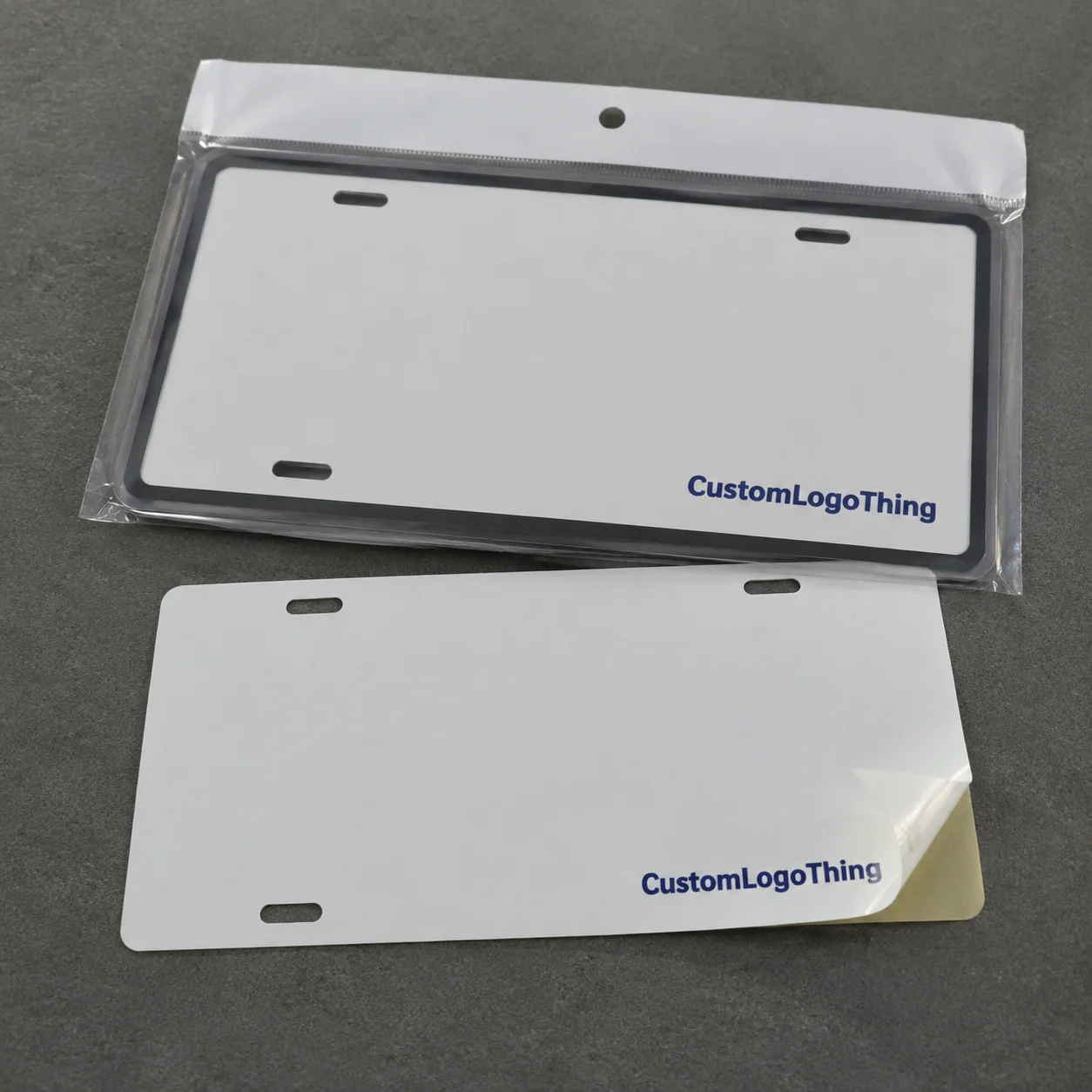
Most custom license plate stickers are not made to fake registration tags. Good. That would be illegal in many places and a fast way to turn a $0.40 decal into a very expensive problem.
Real buyers use them for branding, fleet ID, dealership promotions, event access, parking permits, novelty plates, equipment tracking, club memberships, municipal programs, and property management. A dealership may need 10,000 branded corner decals for temporary plates. A university may need serialized parking plate decals for staff lots. A repair shop may use small service reminder labels on novelty plates for customer giveaways.
Different jobs. Different specs. Same tiny surface getting punished outside.
There is a clean line between decorative plate stickers, permit decals, fleet labels, and official government-issued validation stickers. Official registration decals are controlled by DMV or transportation authorities. Private-use plate decals should not mimic state validation tabs, cover plate numbers, hide expiration areas, block reflective surfaces, or confuse law enforcement. If the design looks like a government tag, redesign it.
The buyer problem is simple: a small sticker has to survive a nasty environment. Rain, UV, soap, road grit, snow, road salt, windshield cleaner overspray, hot metal, cold mornings, and pressure washing all attack the print and adhesive. Cheap paper labels outdoors are basically confetti with ambition.
Common buyers include auto dealers, parking operators, universities, property managers, clubs, repair shops, municipalities, fleet managers, and promotional brands. Many also order Custom Labels & Tags for equipment, packaging, assets, or retail kits, so the spec conversation often overlaps with broader package branding and product identification work.
The practical questions come first: material, adhesive, artwork, size, pricing, lead time, compliance risk, and how the decal will actually be applied.
How Plate Decals Work on Metal, Plastic, and Acrylic Plates
A plate decal is a layered product. From top to bottom, it usually has a face film, printed ink layer, adhesive, and release liner. Add a laminate or varnish on top when the decal needs better outdoor life. Skip protection on harsh-use decals and the ink has to fight sunlight and car washes with its bare hands.
Vinyl is the common workhorse. It conforms better to slight curves, works well outdoors, and handles many license plate applications. A typical outdoor vinyl may be 2 to 4 mil thick before adhesive and laminate. Polyester is stiffer, more dimensionally stable, and often better for industrial tracking, security labels, or long-term identification. BOPP is common in product packaging and retail labels, but it is not always the best choice for plates that live outside. It can work for short-term promotions. Vinyl or polyester usually wins on durability.
Surface matters more than buyers expect. Embossed metal plates create high and low spots, so the adhesive needs enough flow to wet out properly. Smooth acrylic novelty plates are easier, though they scratch. Powder-coated plate frames can resist adhesion depending on the coating chemistry. Textured plastic is worse. It gives less contact area, and less contact area means weaker bond. Not magic. Physics.
Adhesive choice should match the job. Permanent adhesive is normal for long-term use. Removable adhesive helps with temporary permits but may lift sooner outdoors. High-tack adhesive is useful on textured plastics, powder-coated frames, or low-energy surfaces. Freezer-grade adhesive is for cold application or cold service environments, not because the word sounds tough. Tamper-evident options can fragment, show a void pattern, or make removal obvious for permits and controlled access programs.
Printing method depends on volume and art. Digital printing is good for short runs, full color, variable data, and fast version changes. Flexographic printing makes sense for larger repeat orders, especially if the design is stable. Screen printing can put down heavier ink and specialty effects, though setup costs are higher. For regulated or serialized work, ask about print tolerances, number sequencing, and scan testing before approving a full run.
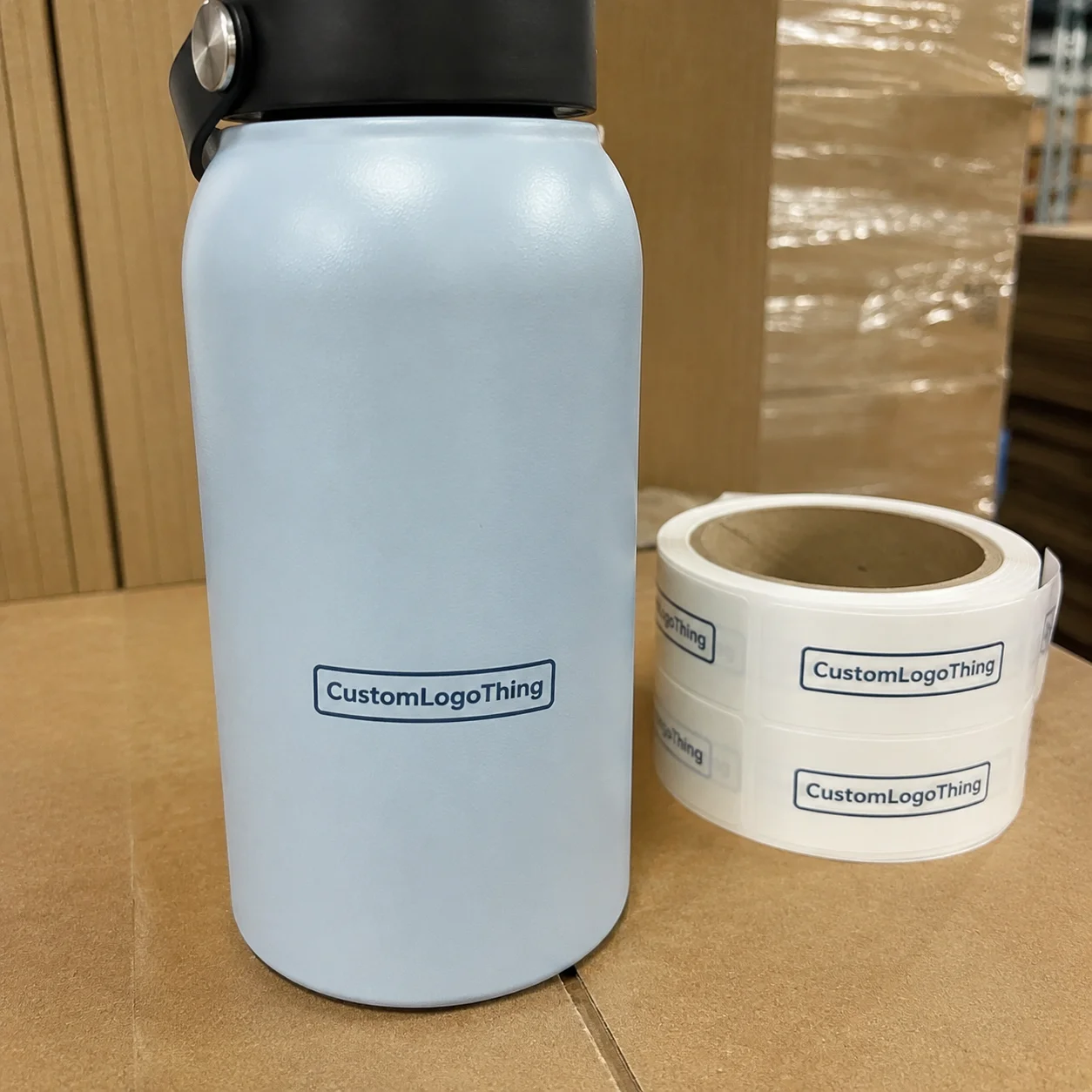
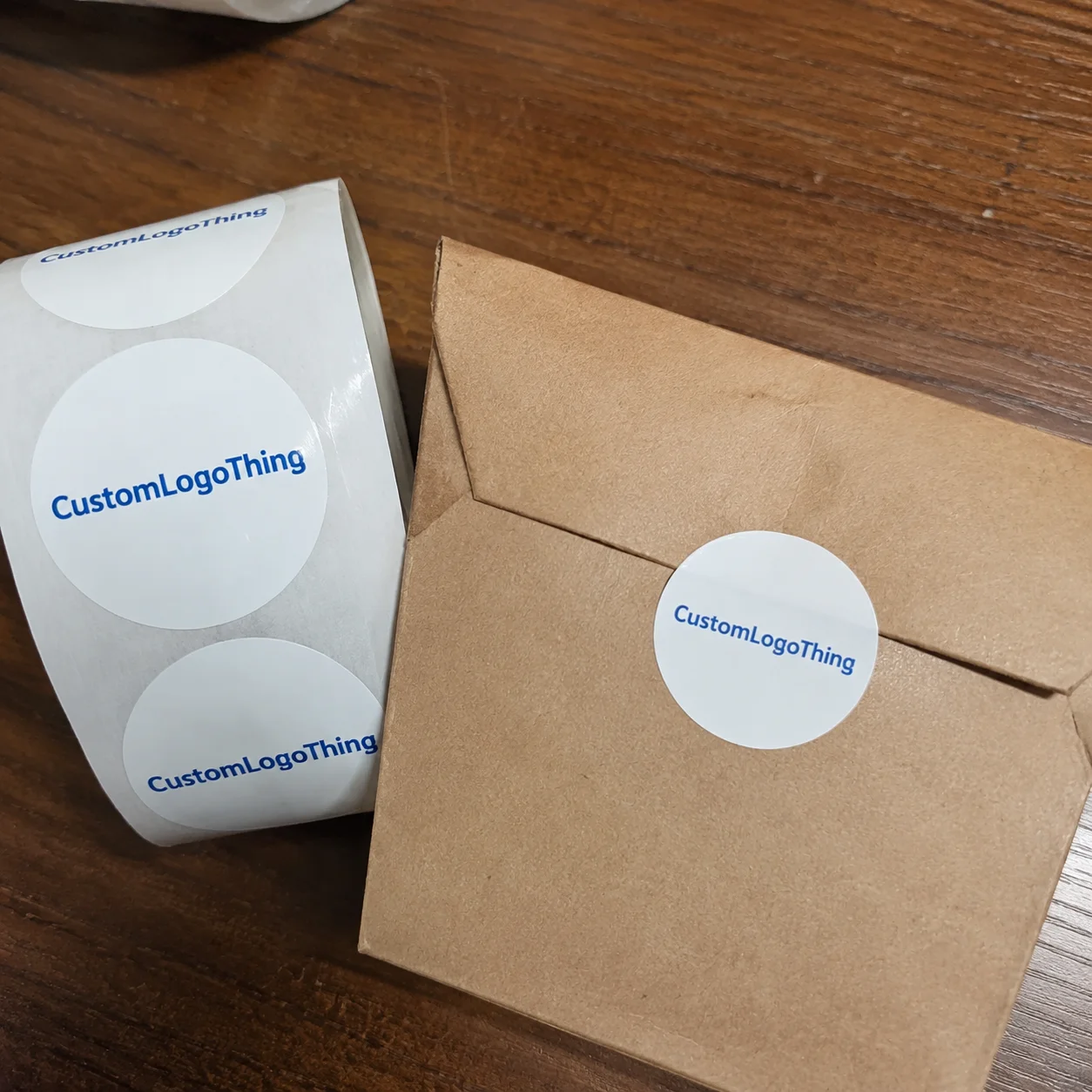
Decals can ship as kiss-cut sheets, rolls, or individually cut pieces. Sheets are easy for handouts. Rolls are faster for high-volume application. Individual pieces work well for kits, mailers, and event packets. If the plate sticker is part of a larger branded packaging program with Custom Printed Boxes or inserts, individual packing may save labor during assembly.
Practical callout: Lamination is not decorative fluff. It protects ink from sunlight, abrasion, car wash brushes, cleaning chemicals, and the general abuse vehicles collect for free.
Key Specs That Decide Whether Your Sticker Survives Outside
Before requesting pricing, define the core specs: finished size, shape, material, adhesive, finish, color count, quantity, and packing format. A quote request that says “small sticker, outdoor, maybe 500” is not a spec. It is a guessing contest with shipping charges.
Useful size ranges are fairly predictable. Small corner decals often run around 0.75 by 1.5 inches to 1 by 2 inches. Registration-style rectangles may land around 1 by 1.5 inches, 1.25 by 2 inches, or similar. Wide dealership strips can run 1.5 by 6 inches or 2 by 8 inches. Novelty shapes vary, but sharp inside corners and tiny cut details increase waste, weeding time, and edge-lift risk. Rounded corners are boring. They also lift less. Boring wins outside.
Finish affects both looks and performance. Gloss gives color pop and is common for promotional work. Matte reduces glare and can look more premium. Clear film allows subtle branding over colored or metallic surfaces, though white ink may be needed under logos for opacity. Reflective material improves visibility but costs more and may raise compliance concerns if placed near official reflective plate areas. Holographic film gets attention. It is usually not the economical choice for a parking program with 20,000 permits.
Weather resistance should be discussed in plain terms. Will the sticker see six months outdoors, two years, or longer? Will vehicles face road salt, pressure washing, high heat from parked metal, or constant sun? A basic outdoor decal may be fine for an event or seasonal program. Long-term fleet ID needs better film, stronger adhesive, and laminate. Suppliers may describe durability using outdoor exposure ratings, but real life varies by climate, surface prep, cleaning habits, and whether the plate is sheltered or fully exposed.
Opacity matters. A light logo printed on clear film may disappear on a dark plate. A barcode printed over a patterned background may fail scanning. If color accuracy matters, give Pantone targets and accept that digital CMYK gets close, not always exact. For formal packaging design programs, the same color discipline used on product packaging should carry into decals, hang tags, inserts, and plate labels.
Compliance is not optional. Do not cover plate numbers, state names, expiration areas, reflective zones, camera-readable sections, toll pass areas, parking sensor zones, or required markings. Rules vary by location, so check local vehicle and property regulations before placing decals on road-use plates.
Artwork should be clean. Send vector logos, outlined fonts, 0.0625 to 0.125 inch bleed, safe zones away from cut lines, named color targets, and separate layers for cut paths. QR codes and barcodes need enough quiet space. Test them at final printed size, not only on a gorgeous PDF that never had to survive a scanner.
Cost, Pricing, and MOQ Factors for Plate Sticker Orders
Pricing for custom license plate stickers is driven by material, size, quantity, print method, laminate, adhesive type, cutting complexity, variable data, and packing style. Anyone quoting without those details is either estimating loosely or planning to “adjust” later. Cute.
| Order Type | Typical Quantity | Common Spec | Approximate Unit Range | Best Fit |
|---|---|---|---|---|
| Small digital run | 100 to 250 pieces | Outdoor vinyl, full color, sheeted | $0.85 to $2.50+ | Events, samples, clubs, short programs |
| Mid-volume decal order | 500 to 2,500 pieces | Vinyl with gloss or matte laminate | $0.28 to $0.95 | Dealers, parking permits, promotions |
| Bulk roll or sheet order | 5,000 to 25,000 pieces | Repeat art, standard shape, roll or sheet format | $0.08 to $0.35 | Fleet ID, dealerships, municipalities |
| Security or serialized program | 1,000+ pieces | Tamper-evident film, numbering, QR or barcode | $0.35 to $1.50+ | Permits, controlled access, asset tracking |
These ranges are practical starting points, not universal promises. A tiny one-color square on a common vinyl costs less than a reflective, laminated, serialized decal packed into individual permit envelopes. Small digital runs cost more per piece because setup, proofing, cutting, and handling are spread across fewer units. Bulk sheets or rolls lower unit cost because production becomes more efficient.
MOQ logic varies. Some suppliers can run 100 to 250 digitally. Custom materials, spot colors, specialty adhesives, security films, holographic stock, or flexographic production may push minimums to 1,000, 5,000, or more. If you need three versions with 150 pieces each, ask whether the artwork can be ganged on one sheet. That can save setup time and reduce waste.
The cheapest quote often becomes expensive later. Fading ink, edge lift, poor color match, weak adhesive, wrong liner format, and replacement shipments eat savings quickly. For outdoor decals, compare quotes by material thickness, outdoor rating, laminate type, adhesive recommendation, proofing process, die or setup fees, shipping, overrun policy, and packing format.
Good cost-saving levers include standard shapes, rounded corners, shared sheet layouts, fewer versions, grouped artwork, slightly smaller dimensions, and ordering before the rush. Variable data, numbering, QR codes, or serialized permit IDs add setup time, proof checks, and sometimes data handling fees. If the decals connect to a database, test the data before printing. Nobody wants 5,000 beautiful stickers with duplicate permit numbers.
For buyers building a broader launch kit, it may help to compare decal specs alongside Custom Packaging Products so labels, inserts, mailers, and branded packaging arrive on compatible timelines.
Process and Timeline From Artwork to Finished Decals
A normal production flow looks like this: quote request, spec confirmation, artwork check, digital proof, approval, printing, finishing, cutting, quality check, packing, and shipping. The production clock usually starts after proof approval, not after a vague email saying “looks good-ish.” Proof approval is the line in the sand.
Simple digital decal jobs may produce in 3 to 7 business days after approval, especially for standard vinyl, standard shapes, and sheeted delivery. More typical commercial orders land around 7 to 12 business days. Custom dies, specialty materials, tamper-evident films, reflective stock, color proofs, or high-volume runs can push timing to 12 to 20 business days or longer. Shipping is separate. Rush production does not teleport boxes across the country.
Proofing can happen in levels. A layout proof confirms size, shape, placement, cut path, and version names. A color proof is useful when brand colors matter, especially for dealership groups, universities, or retail packaging programs where color consistency is visible across signs, decals, labels, and custom printed boxes. A pre-production sample is smart for larger or sensitive orders. It costs time, but it can prevent a full rollout failure.
Quality control should be more than “the box looks full.” Useful checks include finished size, cut registration, corner radius, laminate coverage, color match, spelling, quantity by version, barcode readability, serial number sequence, liner release, and adhesion on the intended surface. For roll orders, confirm unwind direction and core size if the decals will be applied with a dispenser. For sheeted orders, confirm how many decals appear per sheet and whether sheets are trimmed to a practical handling size.
Common slowdowns are painfully predictable: low-resolution artwork, missing bleed, unclear sizing, late version changes, unapproved colors, file names like “FINAL-final-USETHIS-new2.pdf,” legal review delays, and unclear shipping instructions. If there are serial numbers, permit IDs, or QR codes, the data file needs to be clean. CSV files should have consistent columns, no duplicate IDs unless intentional, and a clear start and end number.
Build in time for application testing before the full rollout. For fleets, parking permits, outdoor campaigns, or equipment tracking, test on the real surface for at least several days if the schedule allows. Clean the plate or frame first, apply at the recommended temperature, then check edge lift, scan performance, and readability. Standards organizations such as ISTA focus on transport testing for packaged products, and the thinking transfers: test the real use environment, not the fantasy version on a desk.
Step-by-Step Guide to Ordering Plate Stickers Without Rework
Ordering plate decals without rework is mostly about making decisions before production. Wild concept, I know.
- Define the use case. Decide where the decal goes, how long it must last, and whether removal matters. A two-week event pass does not need the same adhesive as a three-year fleet ID label.
- Measure the application area. Use a ruler or caliper if possible. Confirm the sticker will not block legal plate information, reflective zones, plate lights, cameras, toll readers, backup sensors, or mounting holes.
- Choose material and adhesive. Match vinyl, polyester, or another film to the surface, weather exposure, expected lifespan, and removal needs. For textured plastic, ask about high-tack options. For permits, ask about tamper-evident film.
- Pick the delivery format. Sheets work for handouts and small teams. Rolls work for fast repetitive application. Individual pieces work for kits, mailers, welcome packs, or serialized programs that need sorted groups.
- Prepare clean artwork. Send vector files, bleed, safe margins, color notes, barcode specs, and version names that do not look like a file-folder crime scene. If there are multiple versions, create a simple list with quantities for each.
- Review the proof carefully. Check size, spelling, logo placement, color, numbering, expiration dates, cut line, corner radius, and packing notes. The proof is not a decorative PDF. It is the production instruction sheet.
- Test before full rollout. If the application is mission-critical, run a sample or early batch on the real plate, frame, or equipment surface. Check adhesion, scanning, readability, and removal behavior.
For barcode or QR programs, ask for printed samples whenever possible. A code that scans on a screen may fail after ink gain, laminate glare, or a tiny size reduction. Keep QR codes large enough, high contrast, and surrounded by quiet space. For many plate applications, 0.75 inch square is a practical minimum for QR codes, but 1 inch or larger is safer depending on scan distance and print resolution.
Application instructions matter too. Clean the surface with isopropyl alcohol when compatible, let it dry, avoid application below the adhesive’s recommended temperature, and press firmly across the whole sticker. Do not apply over wax, grease, dust, road film, or condensation. Adhesive needs contact and dwell time. Many pressure-sensitive adhesives build bond strength over 24 to 72 hours.
Common Mistakes That Make License Plate Decals Fail
The fastest way to ruin license plate decals is to treat them like indoor office labels. Paper stickers may survive a notebook. They will not survive rain, sun, road grit, car wash brushes, and winter salt. Use outdoor-rated film and adhesive if the decal goes outside.
Another classic mistake is choosing removable adhesive for long-term use, then acting shocked when corners lift. Removable adhesive has a job. That job is removal. If long outdoor life matters, choose permanent or high-tack adhesive unless there is a specific reason not to.
Skipping laminate is another money-saving move that often saves nothing. Full-color prints exposed to UV, abrasion, and chemicals need protection. A gloss or matte overlaminate may add cost, but it can extend print life and reduce scratching. For heavy-duty exposure, ask the supplier for the recommended laminate thickness and outdoor rating.
Design can fail the project before production starts. Tiny QR codes, low-contrast serial numbers, thin fonts, crowded dealership logos, and unreadable contact information waste the available space. A 1-inch decal is not a billboard. Edit ruthlessly.
Surface issues cause many adhesion complaints. Plate curvature, embossing, textured plastic, powder coating, dirt, wax, cold application temperatures, and oily residue can all reduce bond strength. If the decal must go on a rough frame or old plate, say that during quoting. A supplier cannot recommend the right adhesive for a surface nobody mentions.
Artwork approval mistakes are painfully common. Check spelling, phone numbers, URLs, version names, expiration dates, permit years if used in the art, color contrast, and numbering ranges. Also check legal and compliance issues. Custom license plate decals should not obscure required information or mimic official registration stickers. If your design creates confusion, fix the design before printing.
Then there is timing. Ordering two days before an event and expecting production, curing, cutting, packing, shipping, and application testing to happen instantly is not a plan. Apparently adhesives are supposed to bend time now. They do not.
Next Steps Before You Request a Quote or Sample
Before asking for a quote, collect the basics: quantity, finished size, shape, material preference, adhesive need, outdoor lifespan, finish, artwork files, application surface, packing format, and delivery deadline. If the sticker must last 18 months outdoors, say that. If it only needs to survive a weekend event, say that too. Overbuilding wastes money. Underbuilding creates complaints.
Take a photo of the plate, frame, or surface with a ruler for scale. That one photo can prevent bad sizing, poor placement, and wrong adhesive recommendations. If the surface is textured, curved, powder-coated, acrylic, or old metal, include a close-up. For fleet and parking programs, explain whether the decal is applied by trained staff, mailed to users, or handed out at a booth. Application control affects adhesive choice.
Ask suppliers specific questions: What is the outdoor rating? What laminate is used? Which adhesive do you recommend for this surface? What is the production lead time after proof approval? Are setup, die, proofing, and shipping included? Can you support serial data, QR codes, barcodes, or sorted batches? Can the order be supplied on rolls, sheets, or individual pieces?
Choose digital printing for small runs, full-color art, changing versions, samples, or variable data. Consider higher-volume production methods when the art repeats, quantities are larger, and unit cost matters more than flexibility. If sustainability requirements are part of the broader branded packaging program, ask suppliers about material options and sourcing. For paper-based packaging components, organizations such as FSC provide useful context on responsible forest sourcing, though plate decals themselves are usually film-based.
Custom license plate stickers work best when the material, adhesive, artwork, and timeline are decided before production, not after the first batch peels. Do the boring prep. It is cheaper than reprinting.
FAQs
Are custom license plate stickers legal to use?
They are generally fine for branding, parking permits, novelty plates, dealership promotions, clubs, and fleet identification. They should not imitate official registration tags or cover required plate numbers, state names, expiration decals, or reflective areas. Rules vary by location, so check local vehicle, parking, or property regulations before using them on public roads.
What material is best for outdoor license plate decals?
Outdoor vinyl with weather-resistant adhesive is the common workhorse for most plate sticker jobs. Polyester can be better for higher durability, tighter dimensional stability, or certain industrial uses. A protective laminate is smart when the sticker faces sunlight, car washes, abrasion, road salt, or cleaning chemicals.
How long do custom plate stickers usually last outside?
Basic outdoor decals may last months to a couple of years depending on material, ink, laminate, surface prep, and exposure. Higher-grade vinyl or polyester with laminate can last longer, especially on a clean, smooth surface. Road salt, pressure washing, high heat, and constant UV exposure shorten lifespan.
Can custom license plate decals include QR codes or serial numbers?
Yes, QR codes, barcodes, serial numbers, permit IDs, and variable data can be printed on custom decals. The sticker must be large enough for scanning, with enough contrast and quiet space around the code. Always test scans from the actual printed proof or sample, not just the PDF on a screen.
What information should I send for a custom license plate sticker quote?
Send quantity, size, shape, artwork, material preference, adhesive needs, finish, application surface, packing format, and required delivery date. Include whether the stickers will be used outdoors, removed later, serialized, packed individually, or supplied on rolls or sheets. Photos of the plate or application area help prevent sizing mistakes and bad adhesive recommendations.